Normal Matching Worksheets for Ages 3-6 - Page 2
42 filtered results
-
From - To
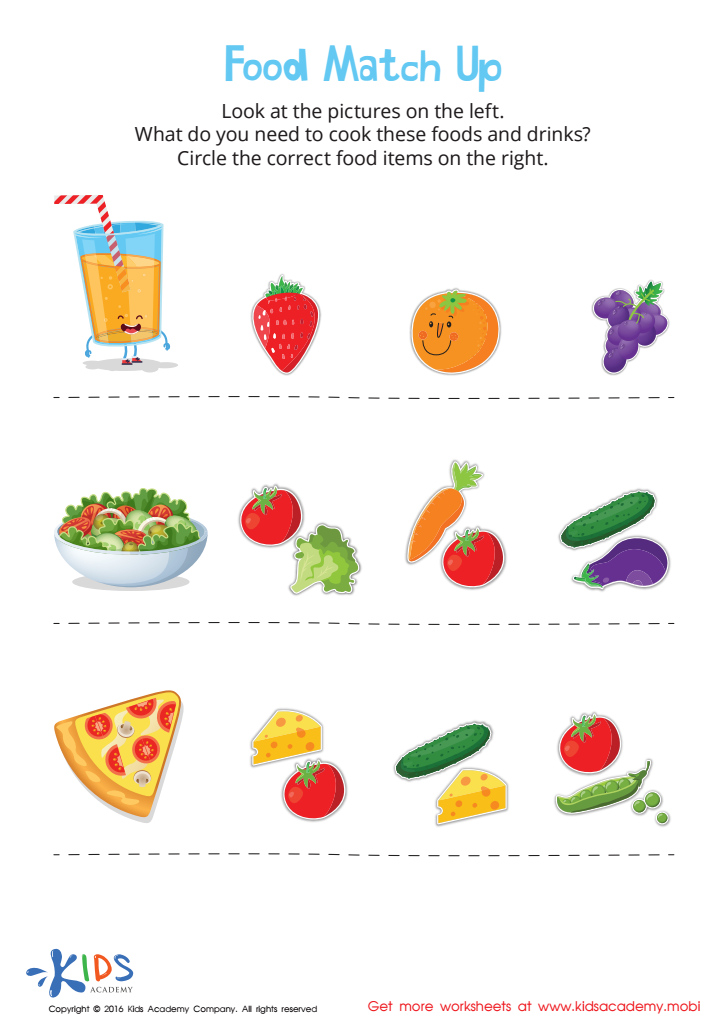
Food Match Up Worksheet
 Assign to My Students
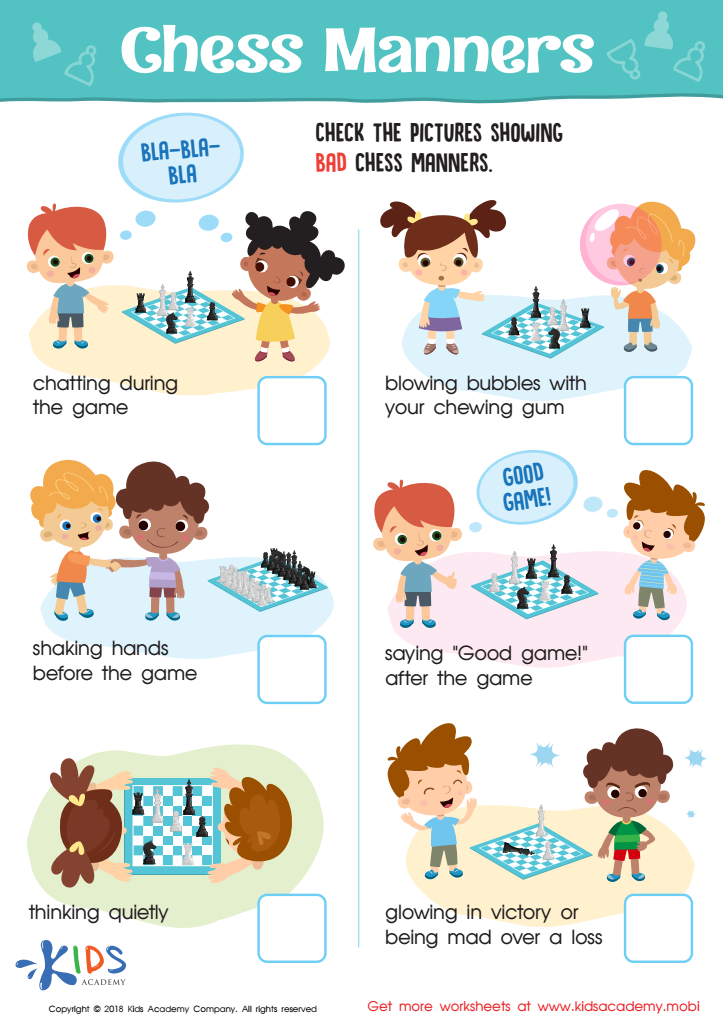
Chess Manners Worksheet
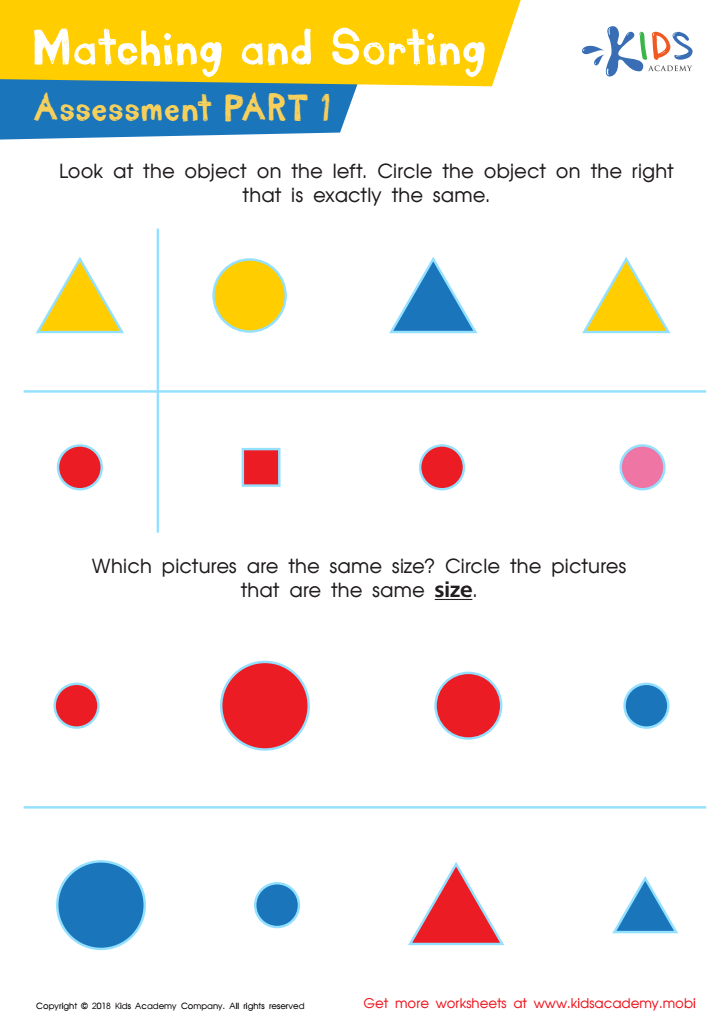
Matching and Sorting for Kindergarten: Assessment 1 Worksheet
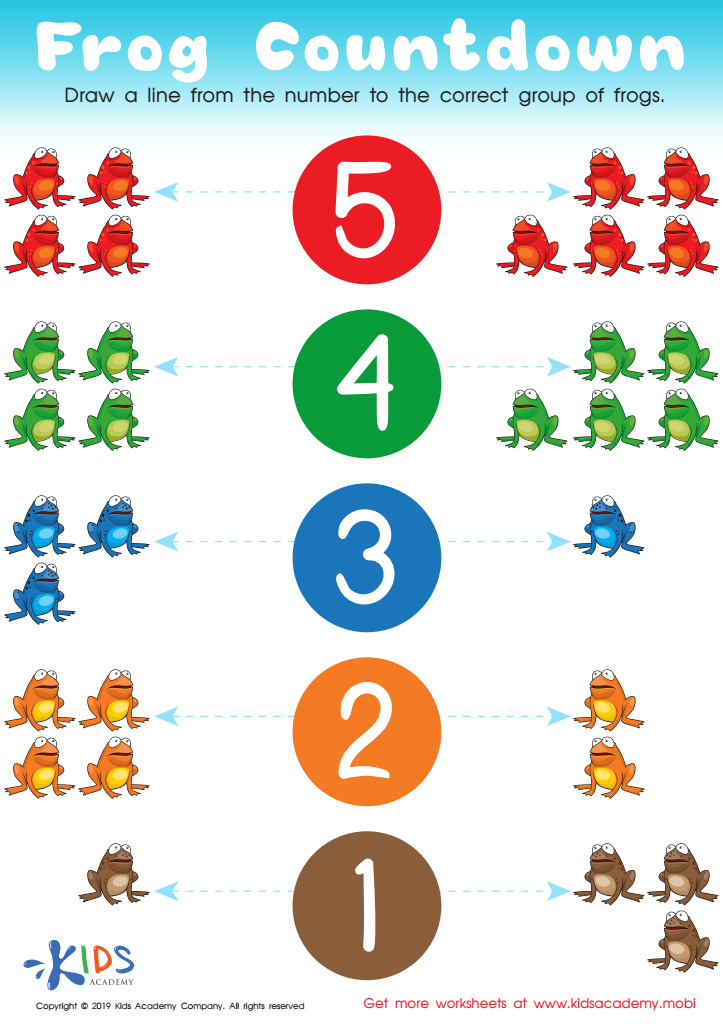
Frog Countdown Worksheet
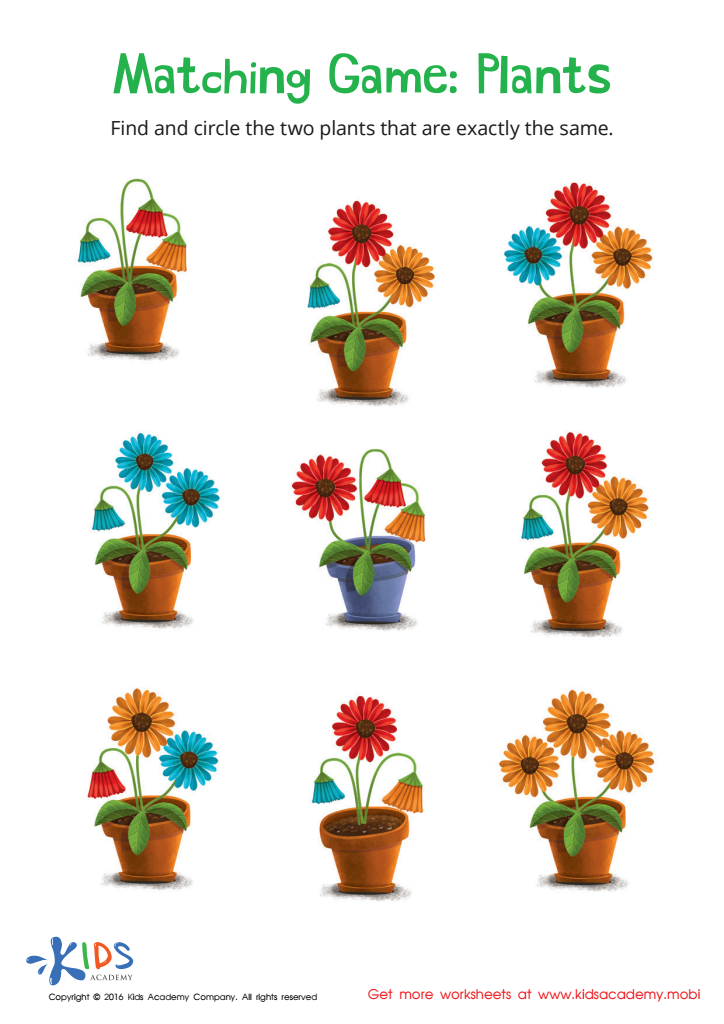
Matching: Plants Worksheet
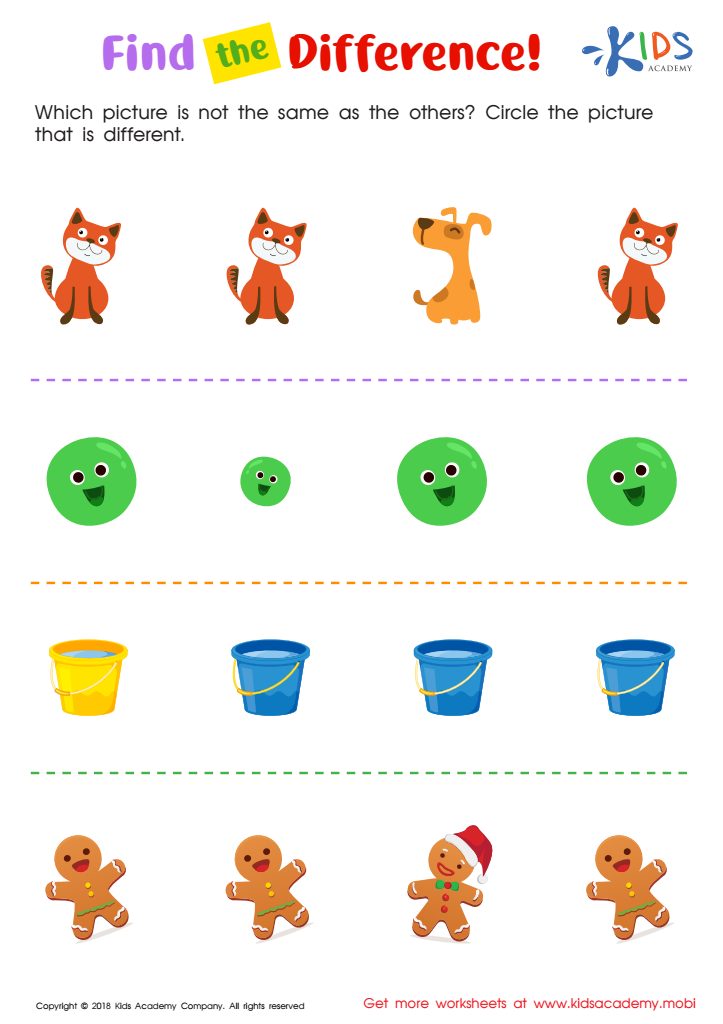
Find the Difference Worksheet
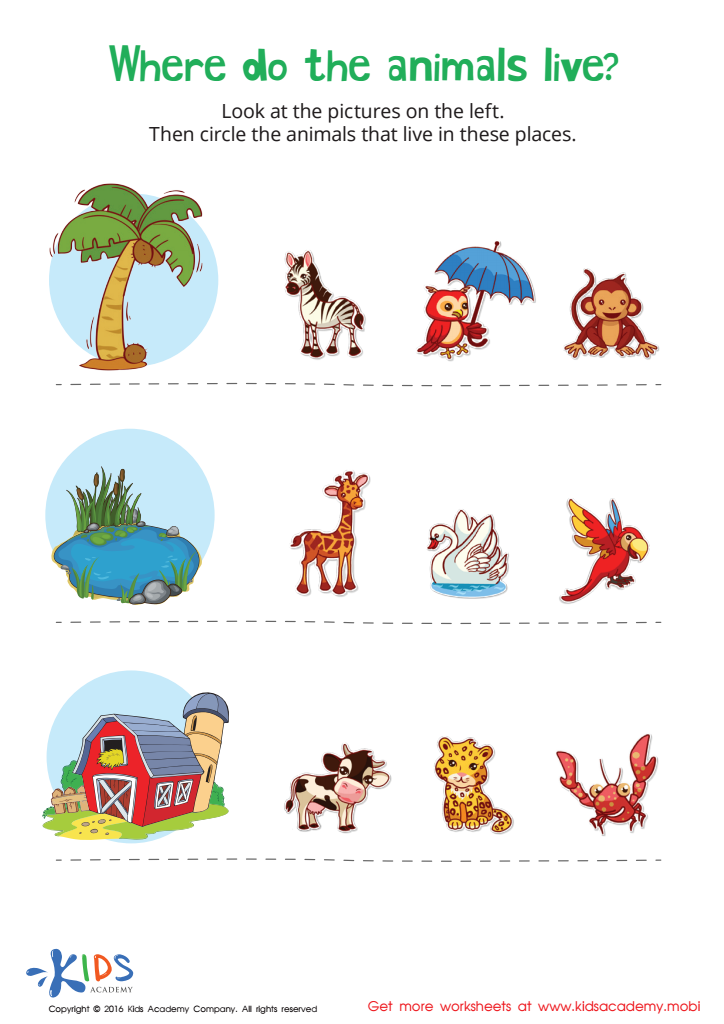
Where Animals Live Worksheet
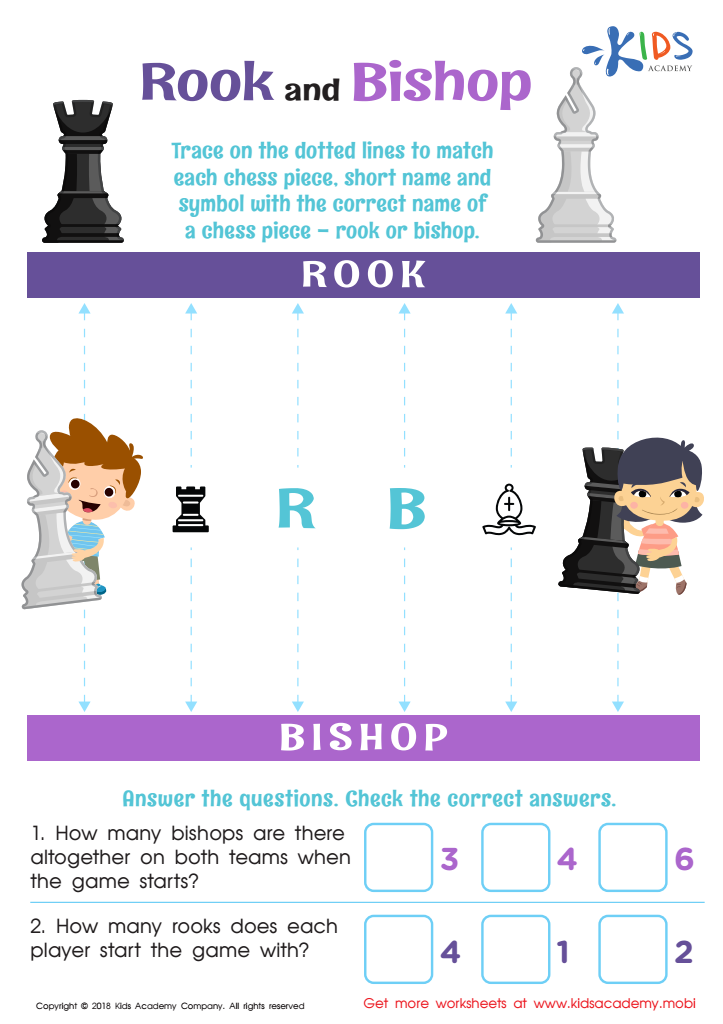
Rook and Bishop Worksheet
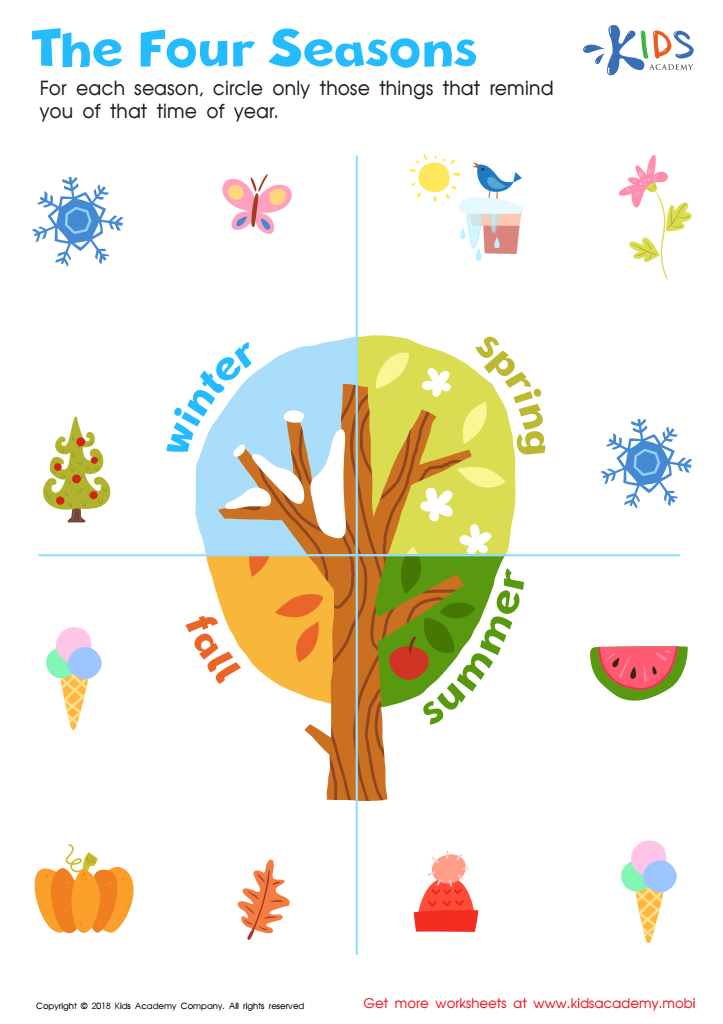
The Four Seasons Worksheet
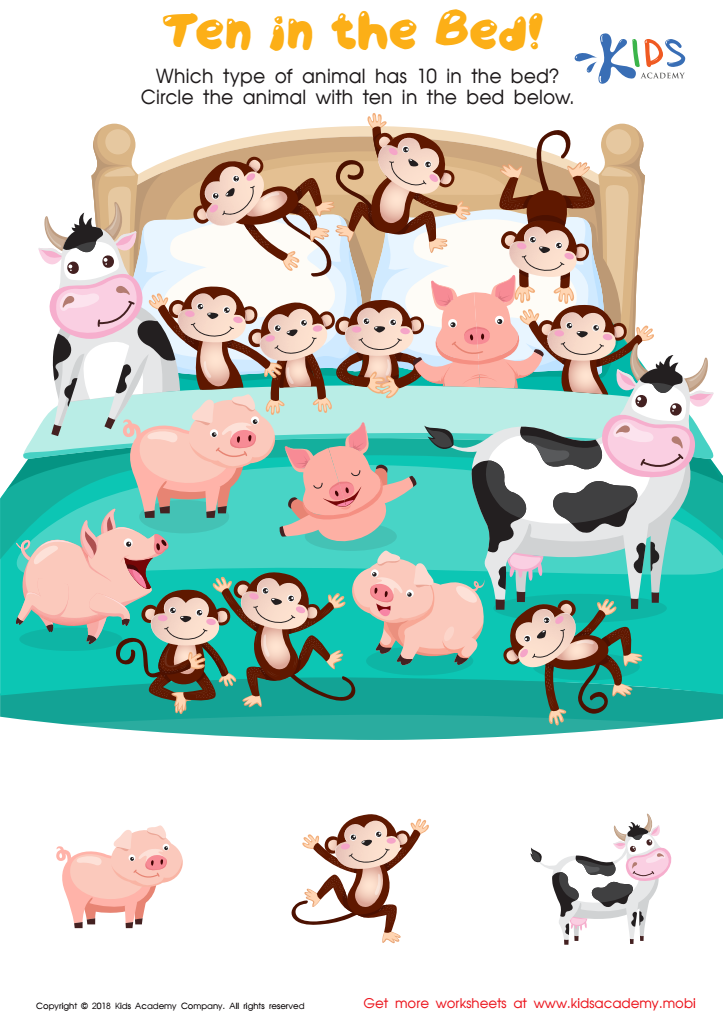
Ten in the Bed Worksheet
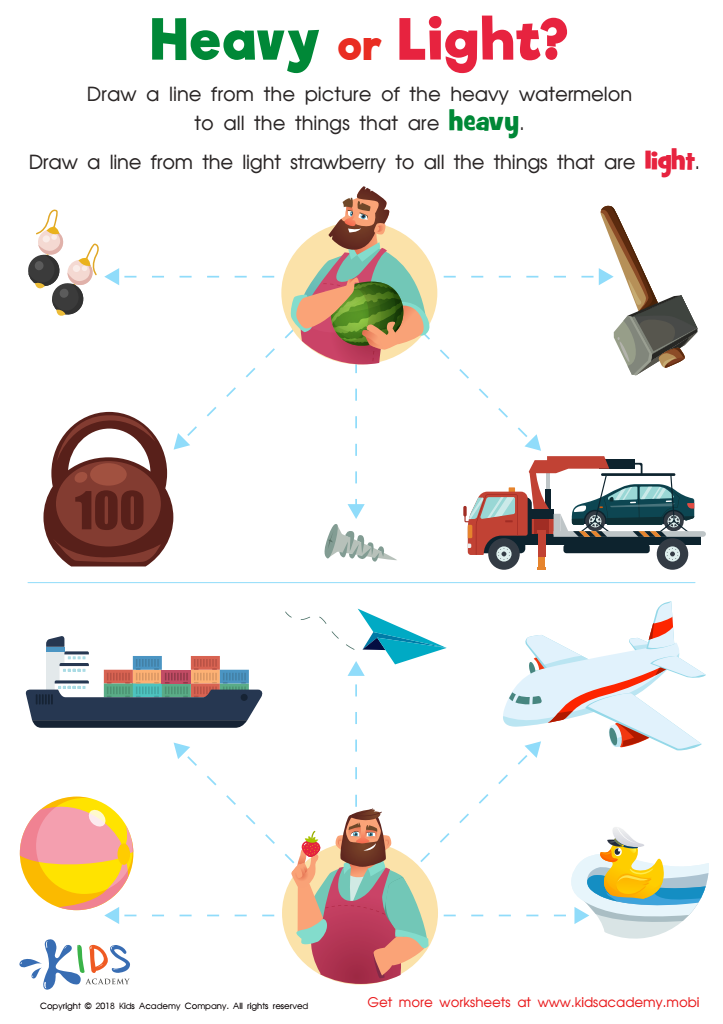
Heavy or Light? Worksheet
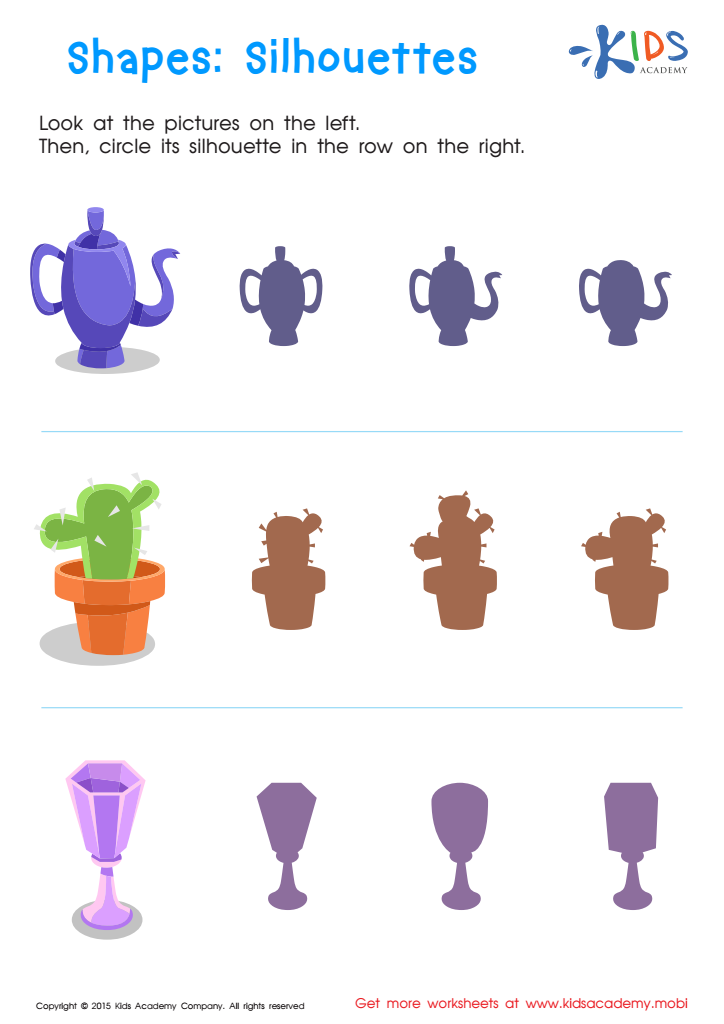
Silhouettes – Shapes Worksheet
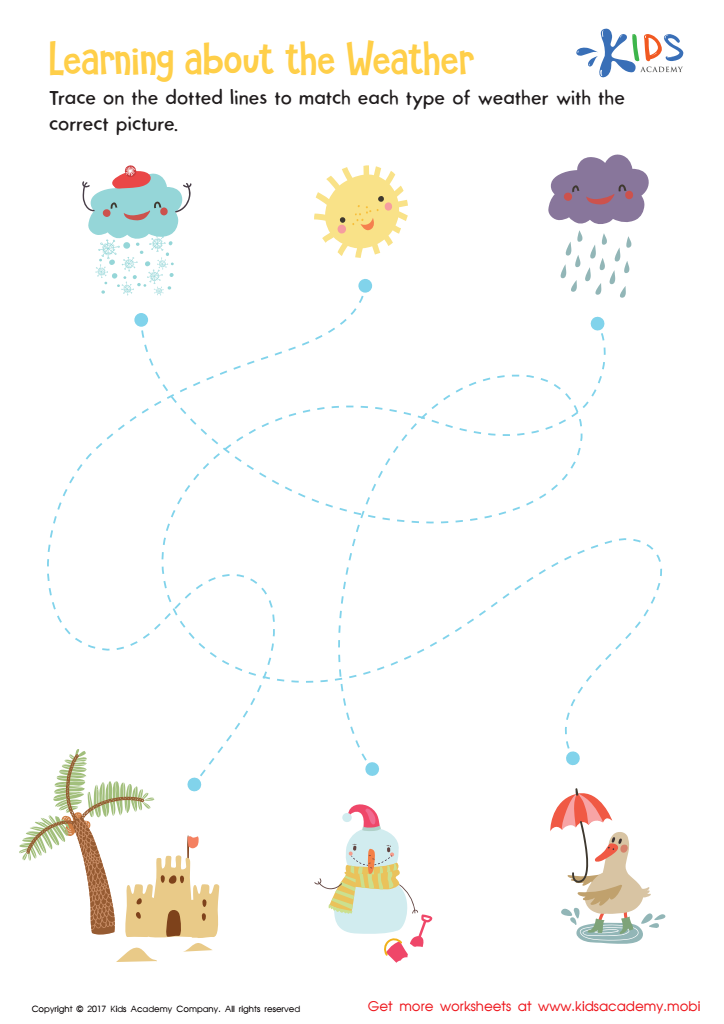
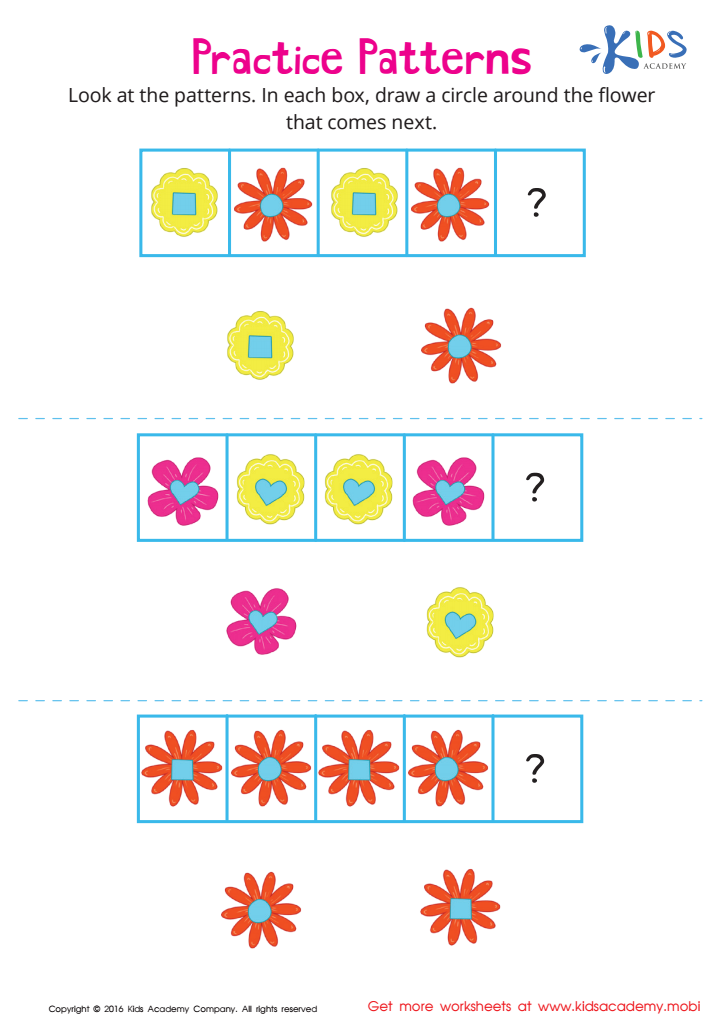
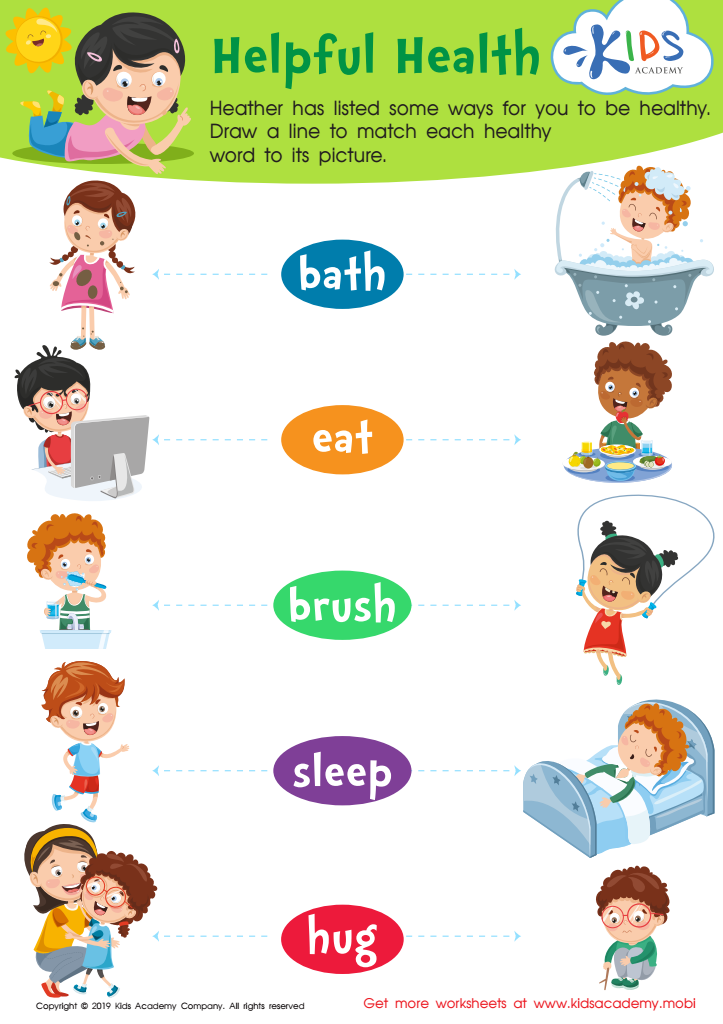
Helpful Health Worksheet
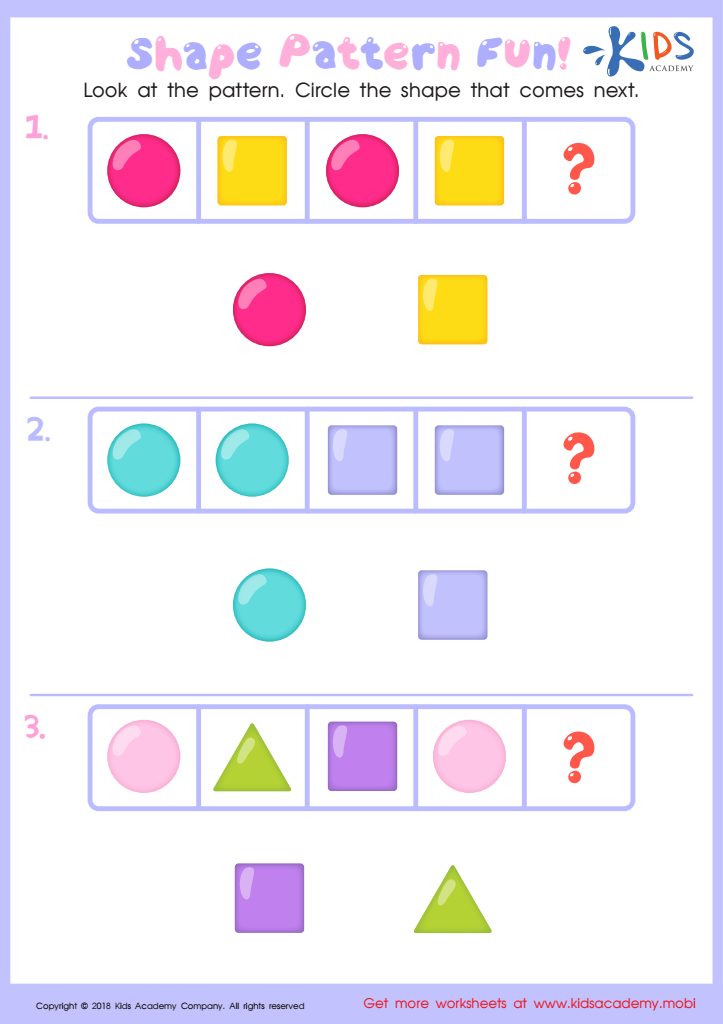
Shape Pattern Fun Worksheet
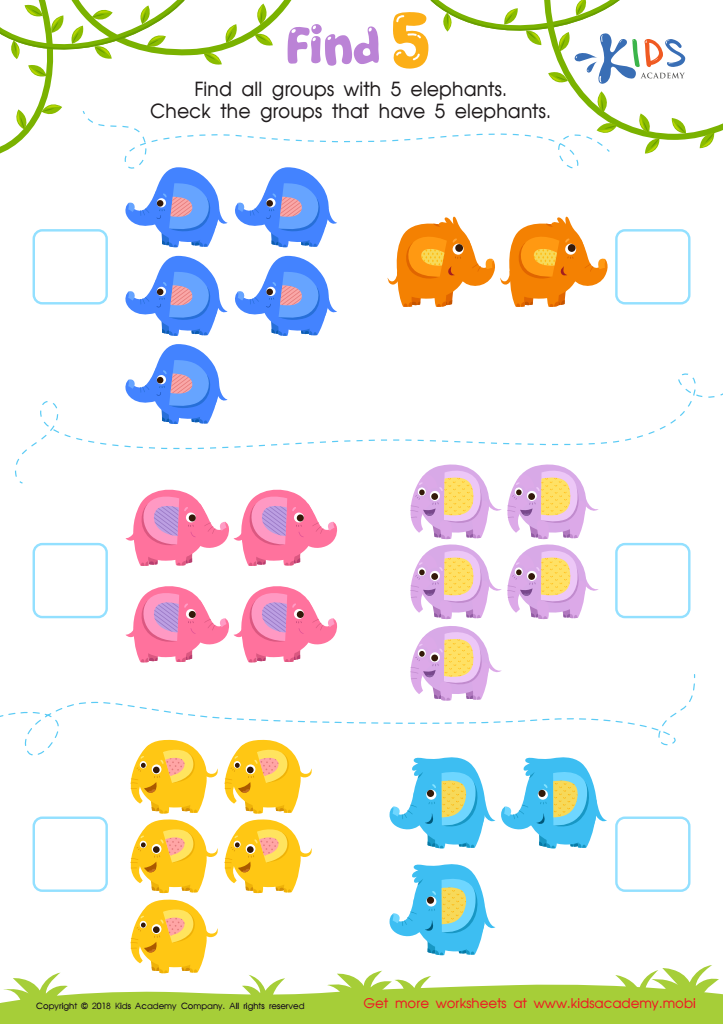
Find 5 Worksheet
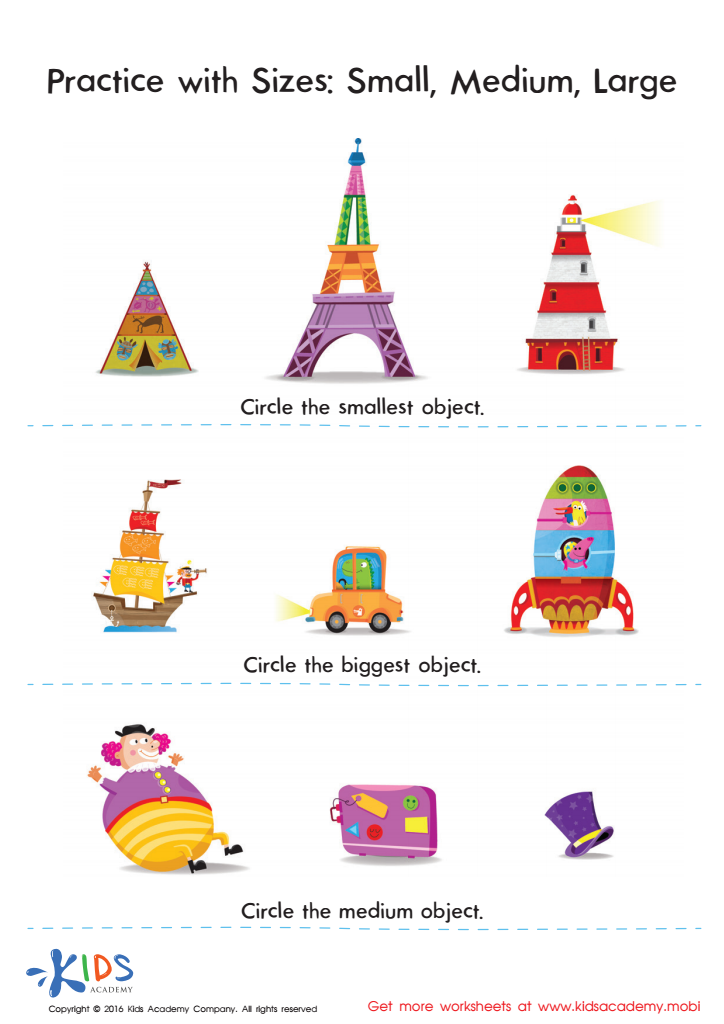








Normal Matching is a crucial developmental concept for children aged 3-6, as it plays a fundamental role in cognitive and social development. During these early years, children begin to make sense of their environment through exploration and pattern recognition. Normal Matching encourages this exploration by allowing children to categorize objects based on similarities or differences, thereby fostering critical thinking skills and enhancing their ability to analyze information.
When parents and teachers prioritize Normal Matching activities, they promote effective learning while also providing a foundation for mathematical skills, such as sorting, classifying, and measuring. Engaging children in matching games—be it through puzzles, card games, or everyday activities—boosts their visual perception and memory, aiding in language acquisition and vocabulary development as they learn to describe attributes.
Moreover, Normal Matching fosters social skills. As children work together in pairs or small groups to complete matching tasks, they learn values like cooperation, patience, and communication. This not only supports emotional development but also encourages positive interactions with peers.
Ultimately, by emphasizing Normal Matching, parents and teachers contribute to a child's holistic development, setting the stage for lifelong learning and success in school and beyond.








