Normal Word Problems Worksheets for Ages 3-6 - Page 2
40 filtered results
-
From - To
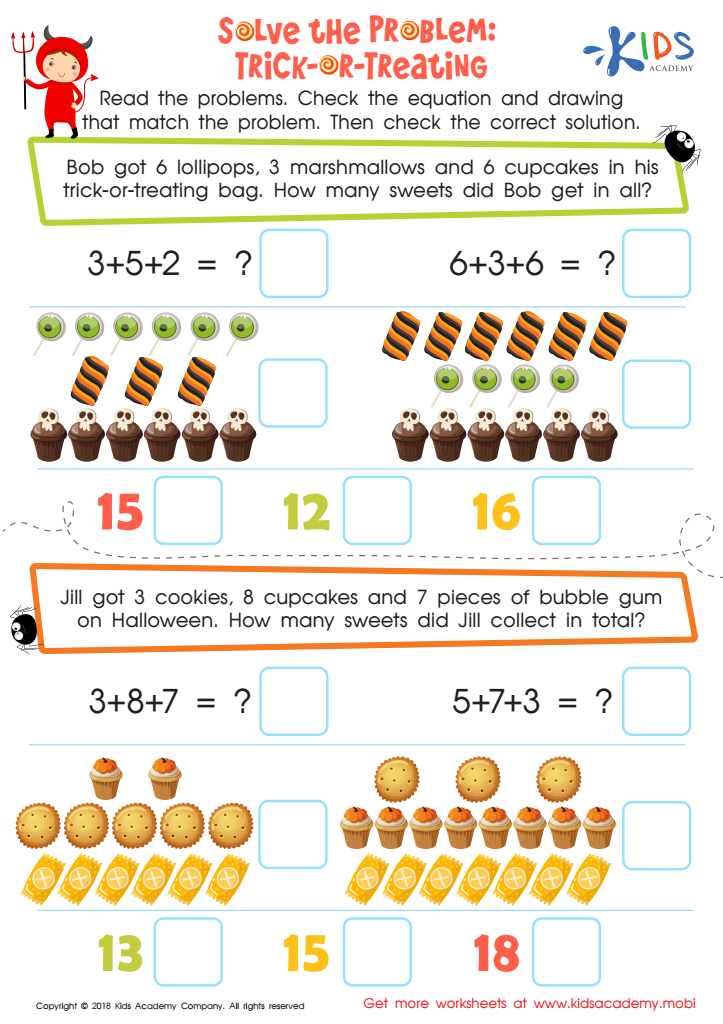
Solve the Problem: Trick–or–treating Worksheet
 Assign to My Students
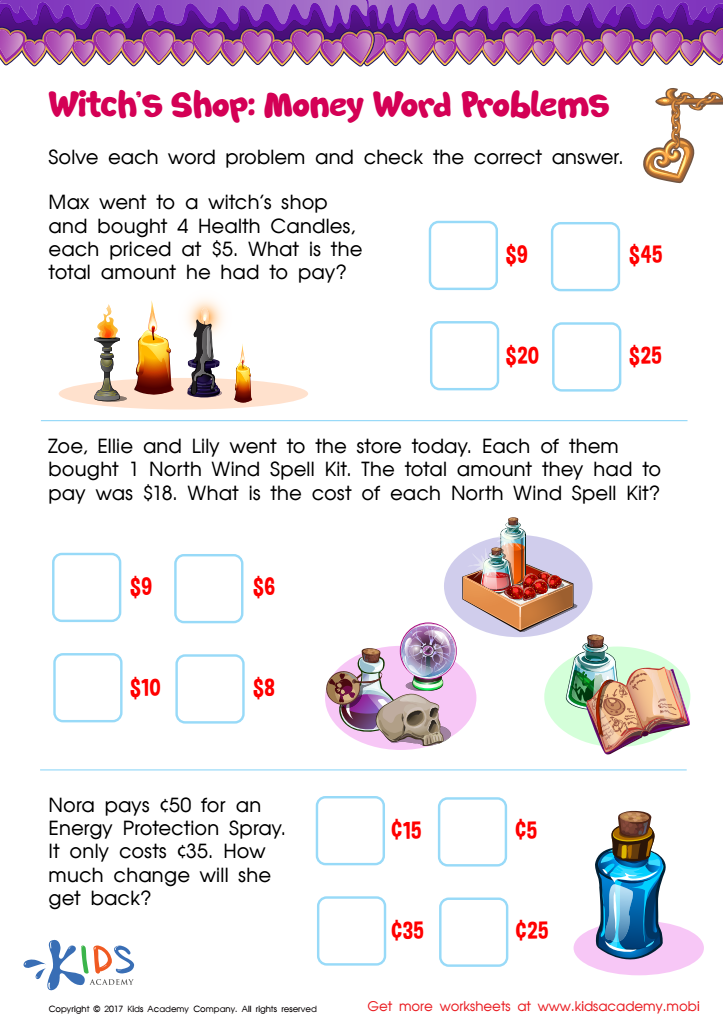
Money Word Problems Printable
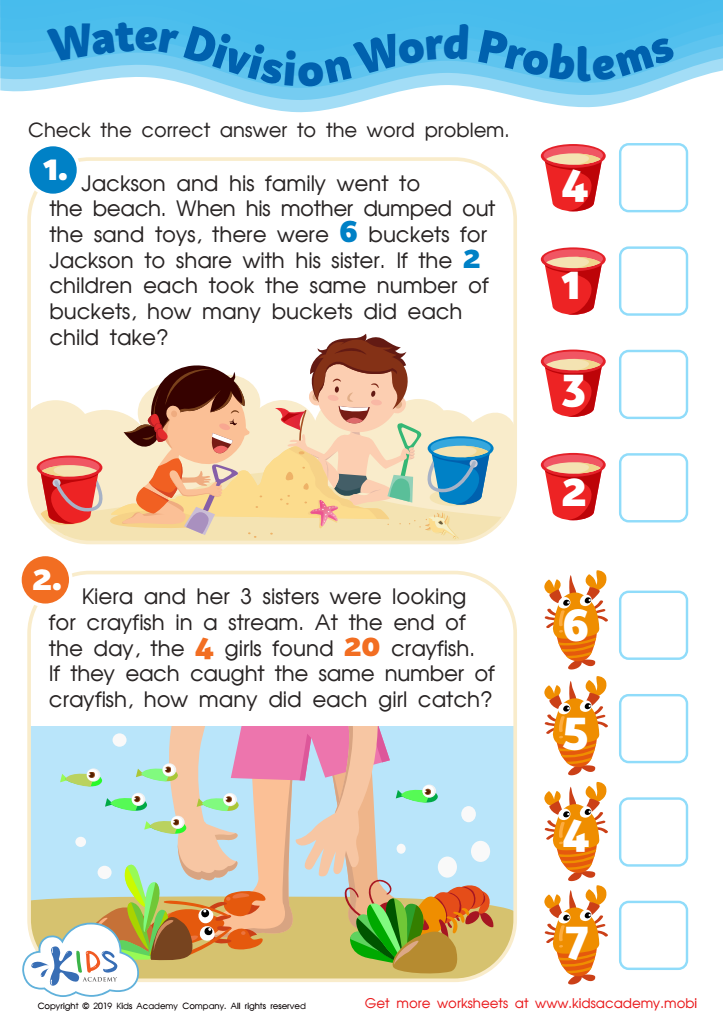
Water Division Word Problems Worksheet
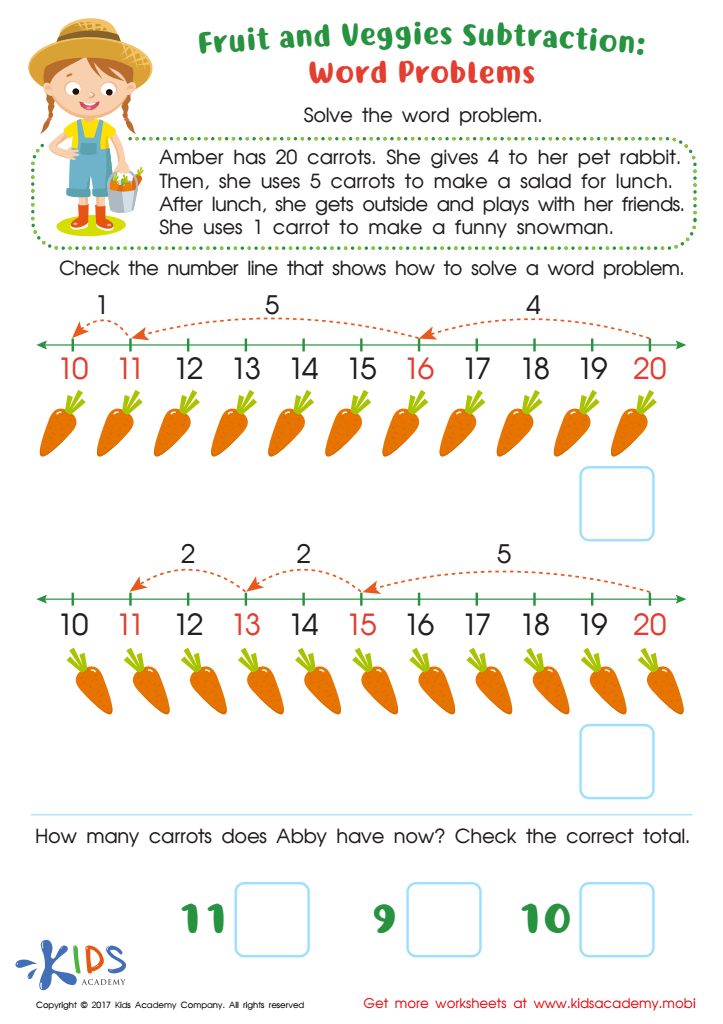
Subtraction Word Problems Printable
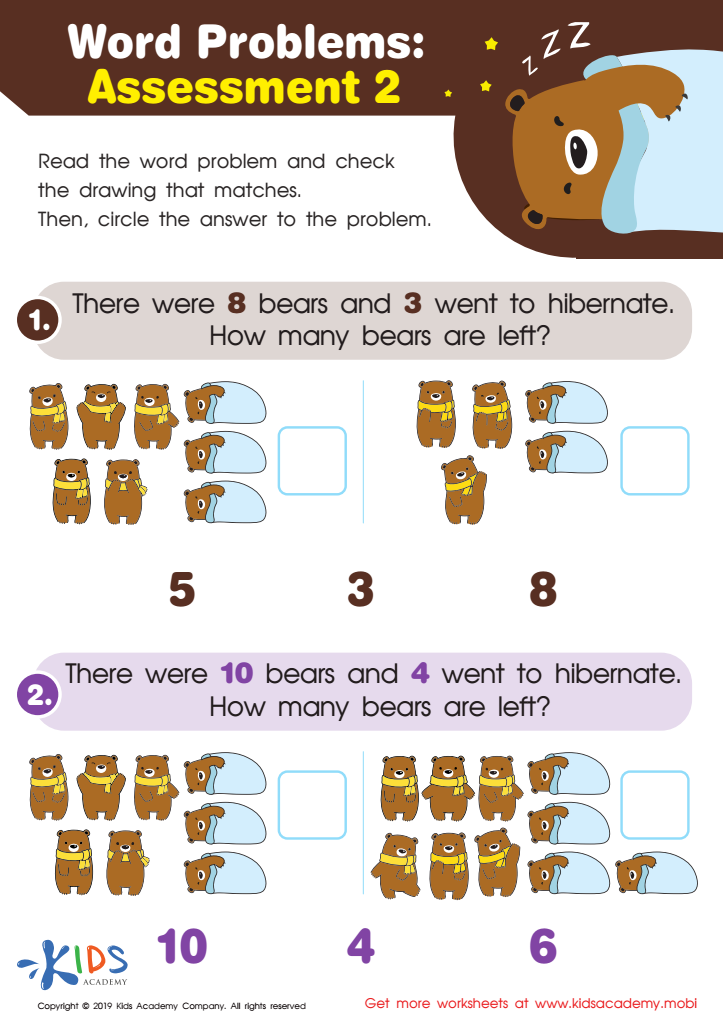
Word Problems: Assessment 2 Worksheet
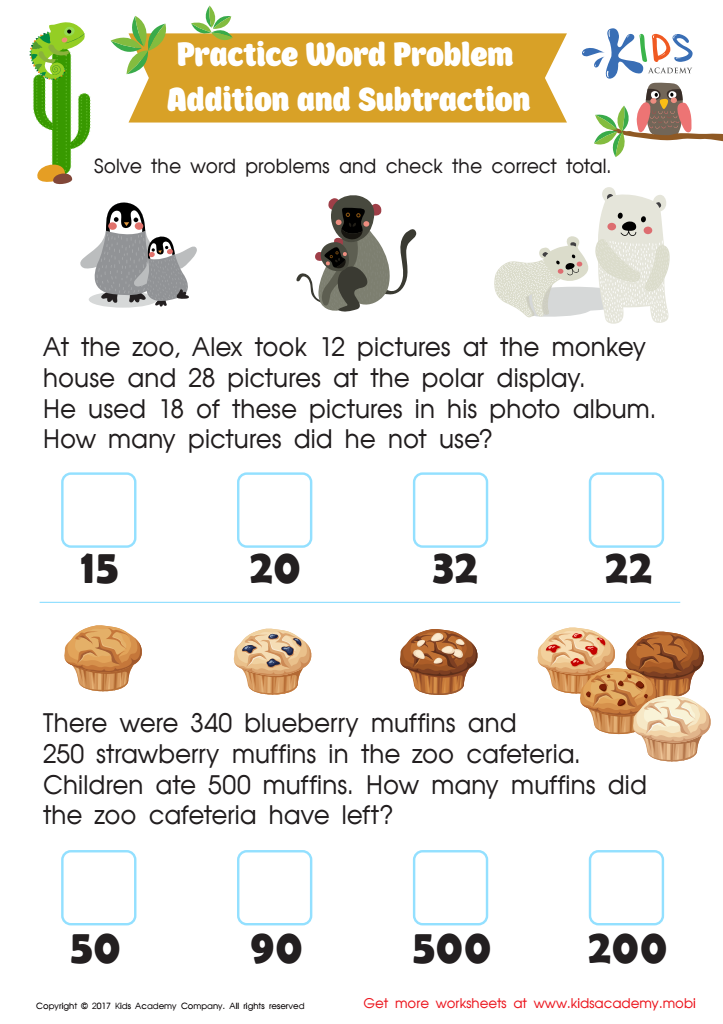
Addition and Subtraction: Word Problems Worksheet
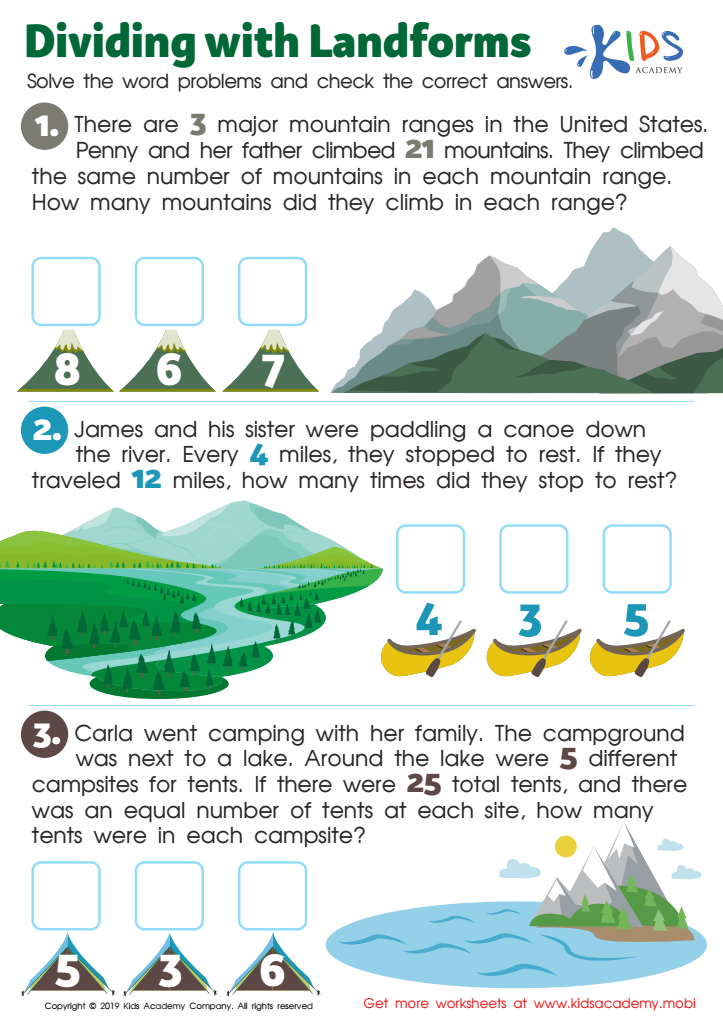
Dividing with Landforms
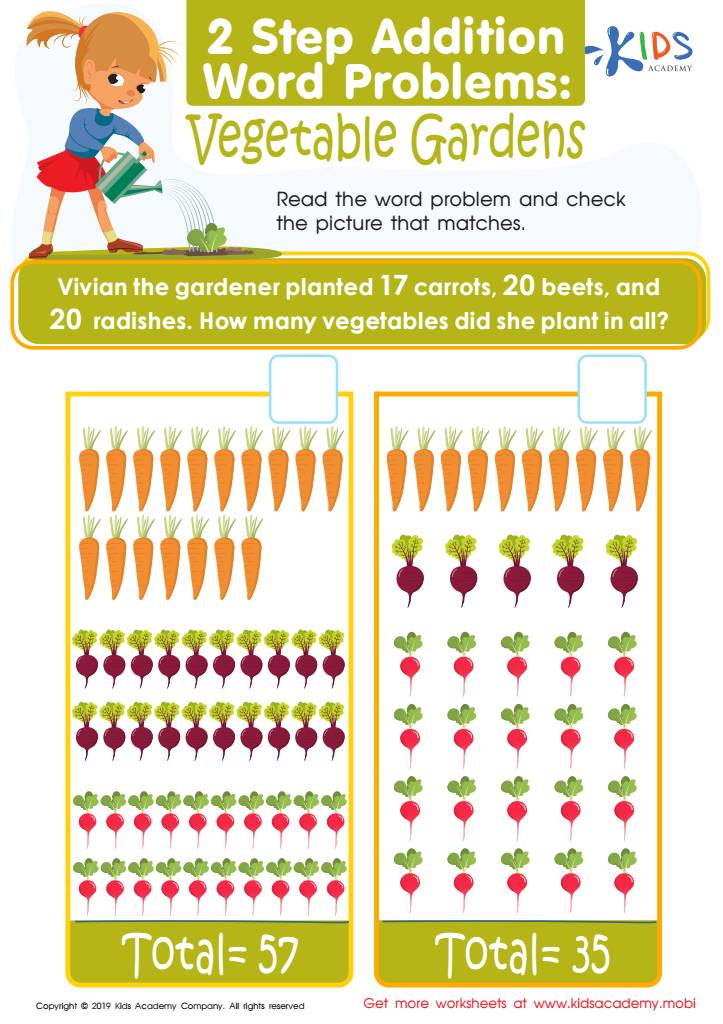
Vegetable Gardens Worksheet
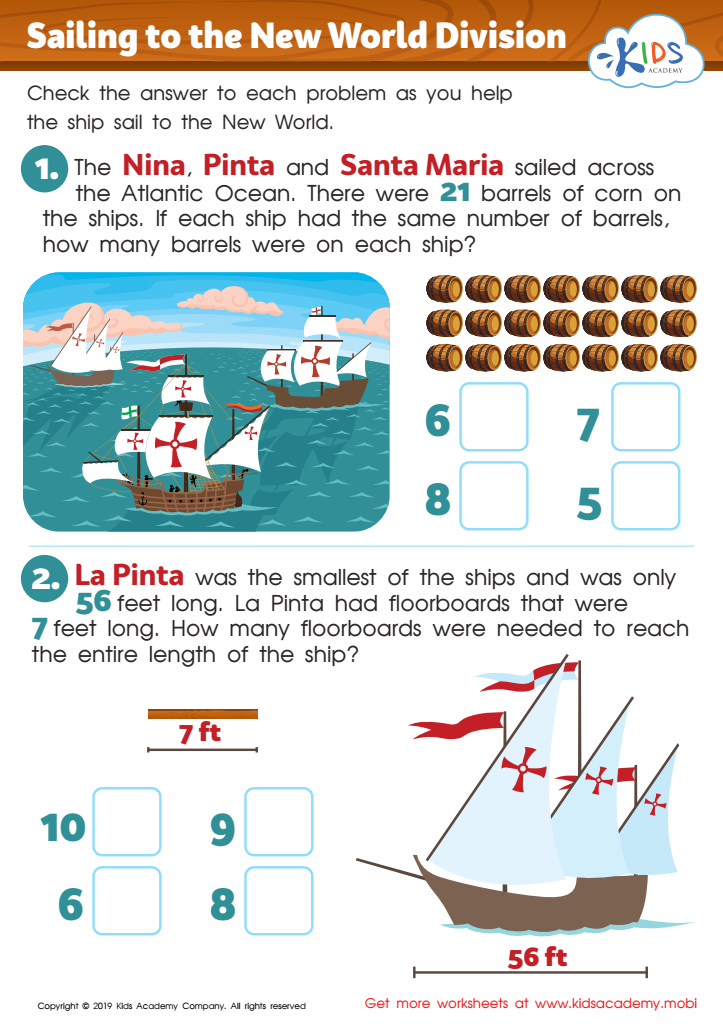
Sailing to the New World Division Worksheet
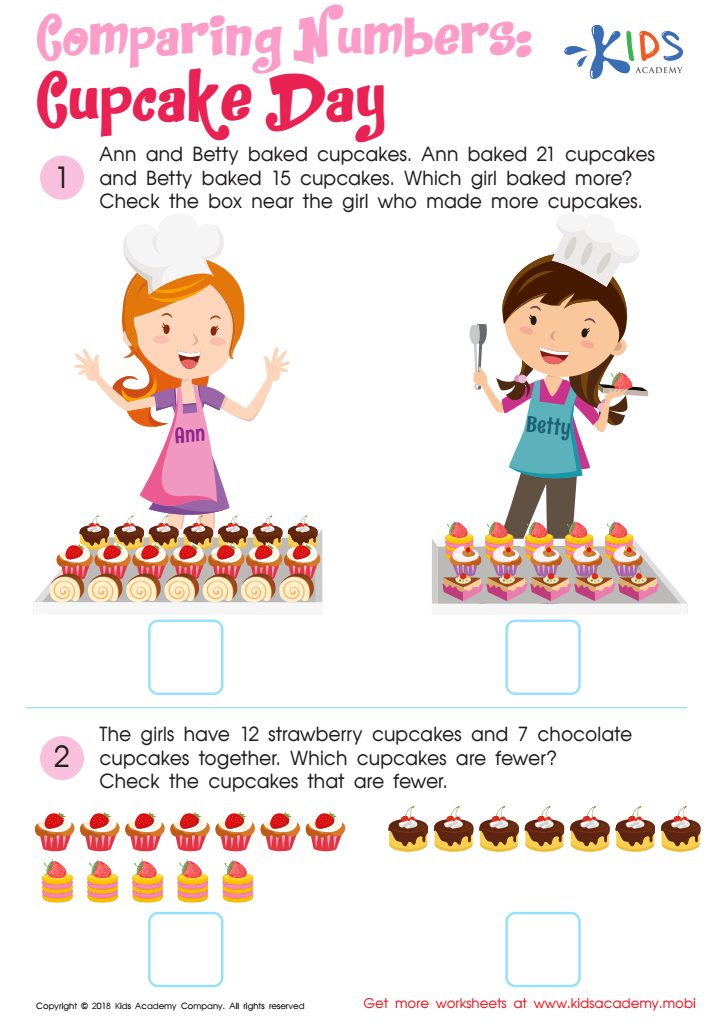
Cupcake Day Worksheet
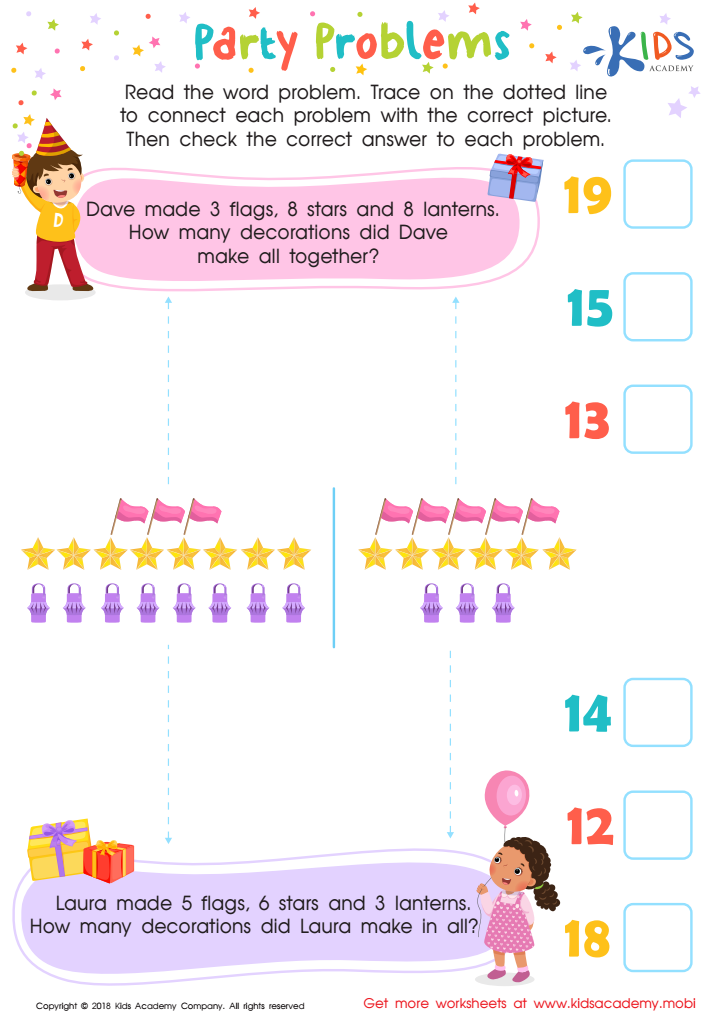
Party Problems Worksheet
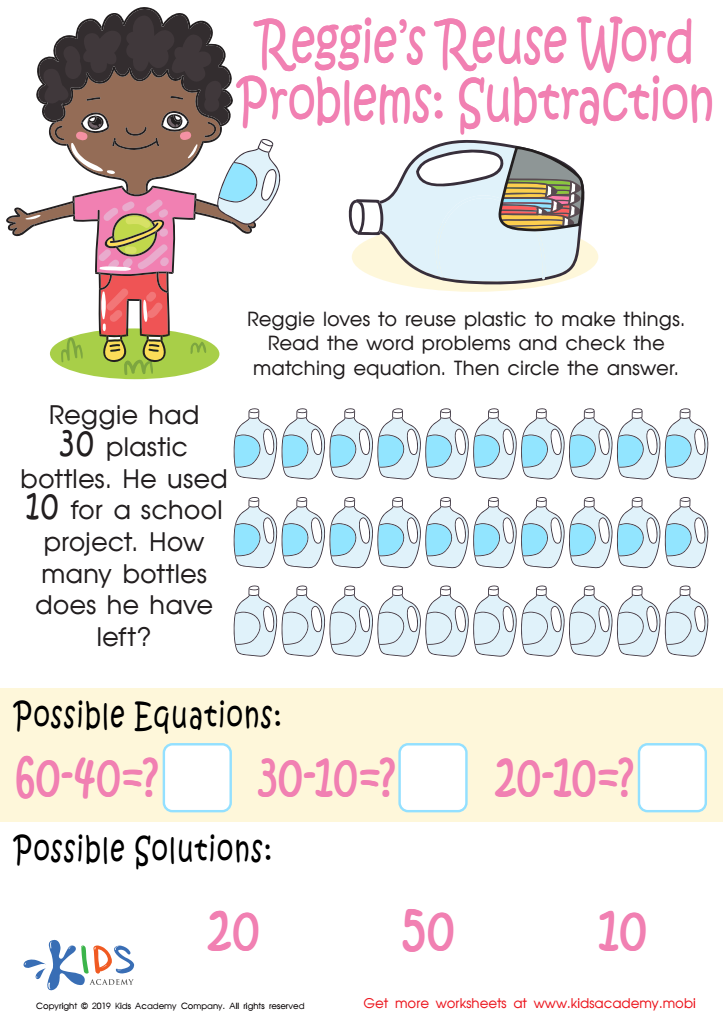
Reggie's Reuse Word Problems: Subtraction Worksheet
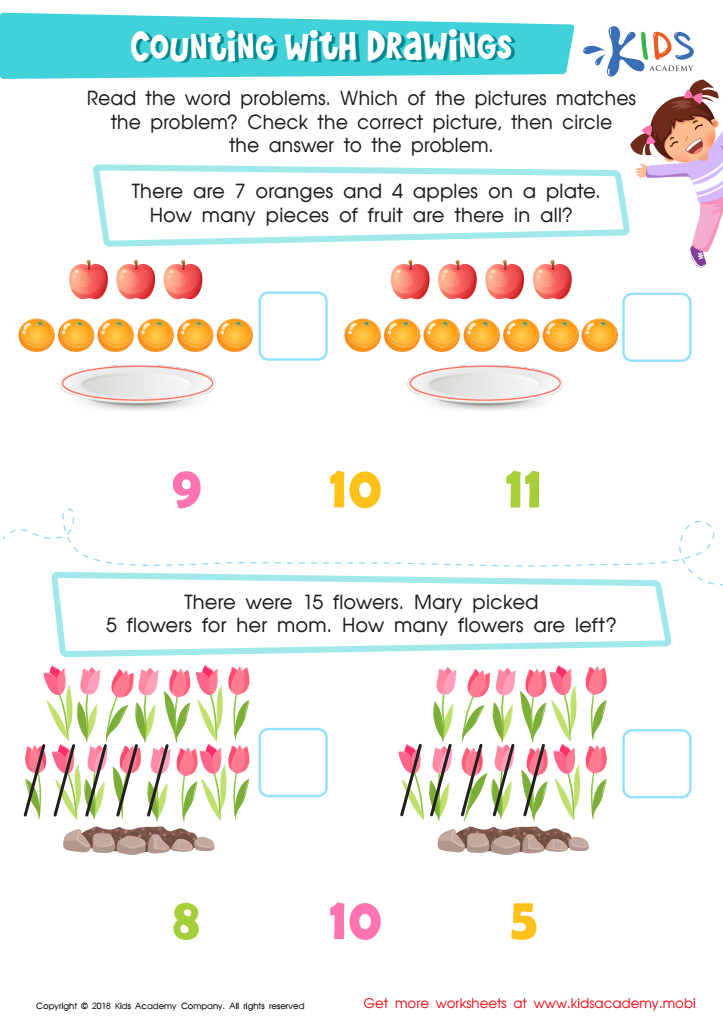
Counting with Drawings:Fruits & Flowers Worksheet
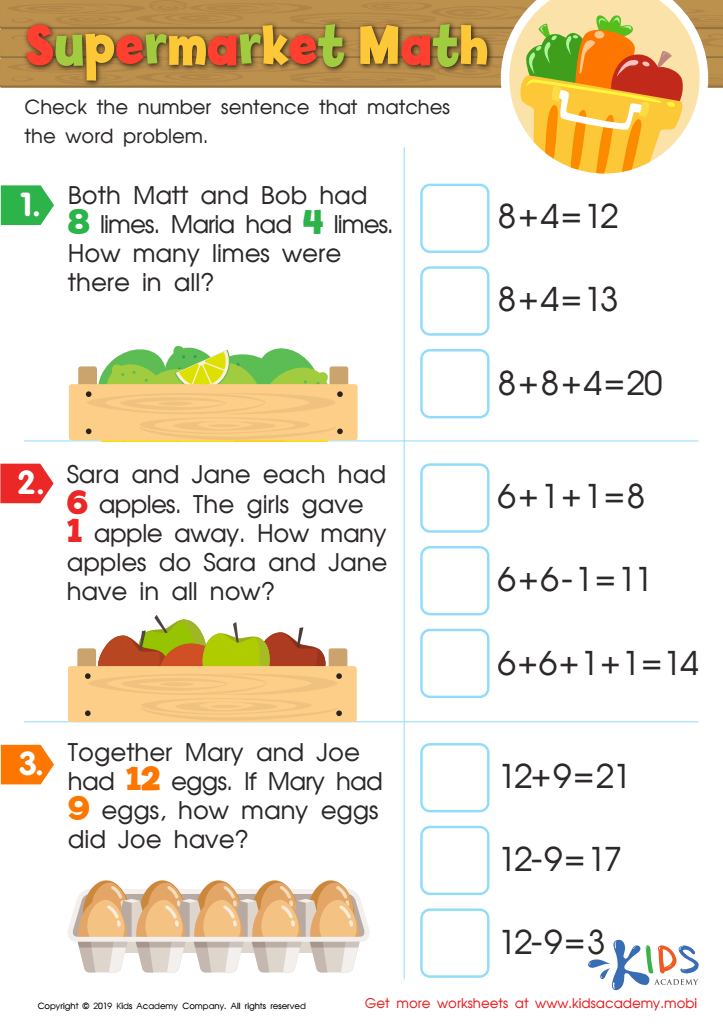
Supermarket Math Worksheet
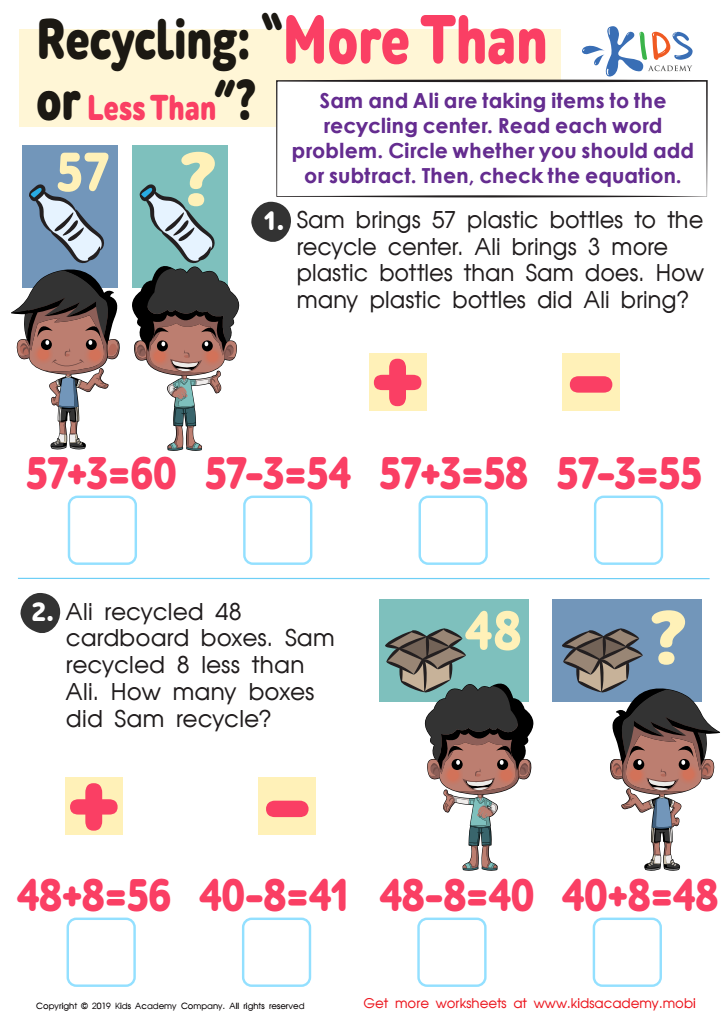
Recycling - More or Less Worksheet
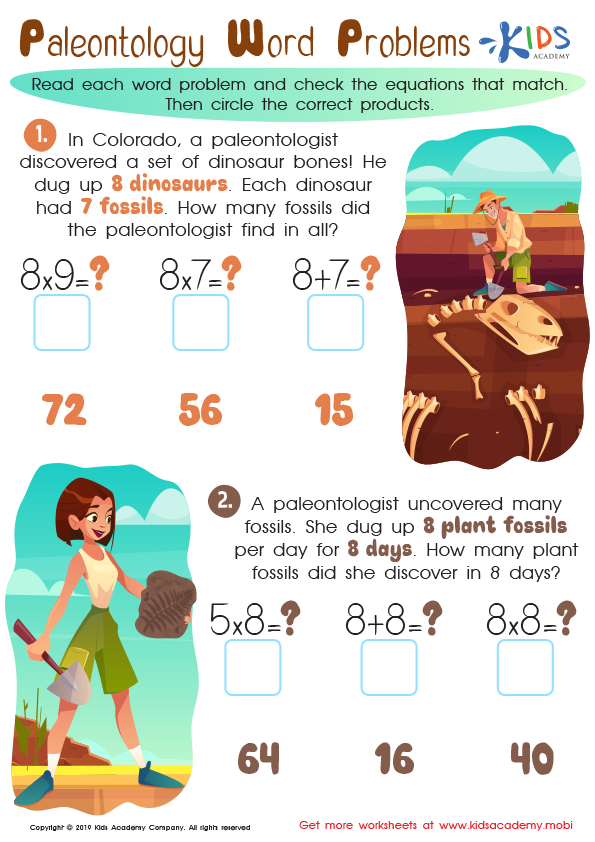
Archeology Word Problems Worksheet








Normal Word Problems are invaluable for children aged 3-6 because they lay a critical foundation in both language and cognitive development. Firstly, these problems merge basic mathematics with storytelling, making abstract concepts like addition and subtraction tangible and relatable. This dual engagement nurtures not only numerical proficiency but also enhances comprehension and vocabulary.
For teachers, regular exposure to word problems facilitates early identification of individual learning patterns and challenges. It allows for tailored teaching methods that can inspire a lifelong interest in mathematics. It’s an opportunity for interactive learning that can be integrated into play, keeping young minds engaged and curious.
Parents also play a crucial role. By incorporating word problems into daily activities, they reinforce classroom learning in a natural setting. This modeling shows children that math is not just a subject but a useful everyday tool. Engaging with these problems helps develop critical thinking and problem-solving skills, which are valuable across all areas of life.
Ultimately, prioritizing Normal Word Problems for young children ensures holistic development. It plays a part in fostering resilience, confidence, and a positive attitude towards learning. These foundational experiences can significantly influence a child’s academic journey, encouraging them to approach new challenges with enthusiasm and persistence.








