Normal Science Worksheets for Ages 3-6 - Page 6
185 filtered results
-
From - To
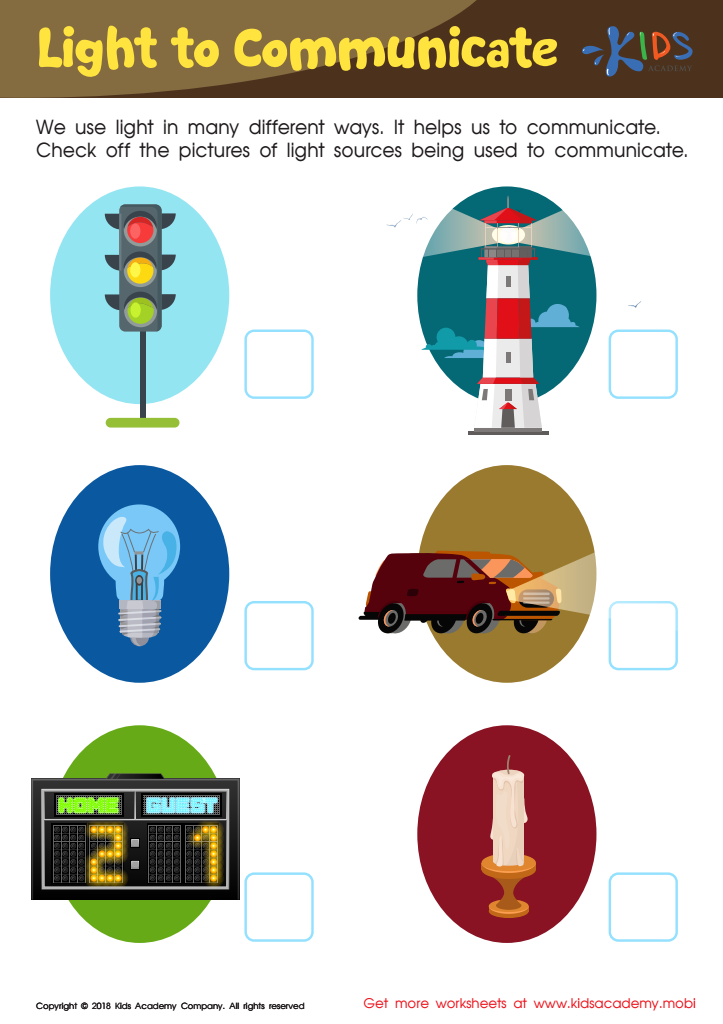
Light to Communicate Worksheet
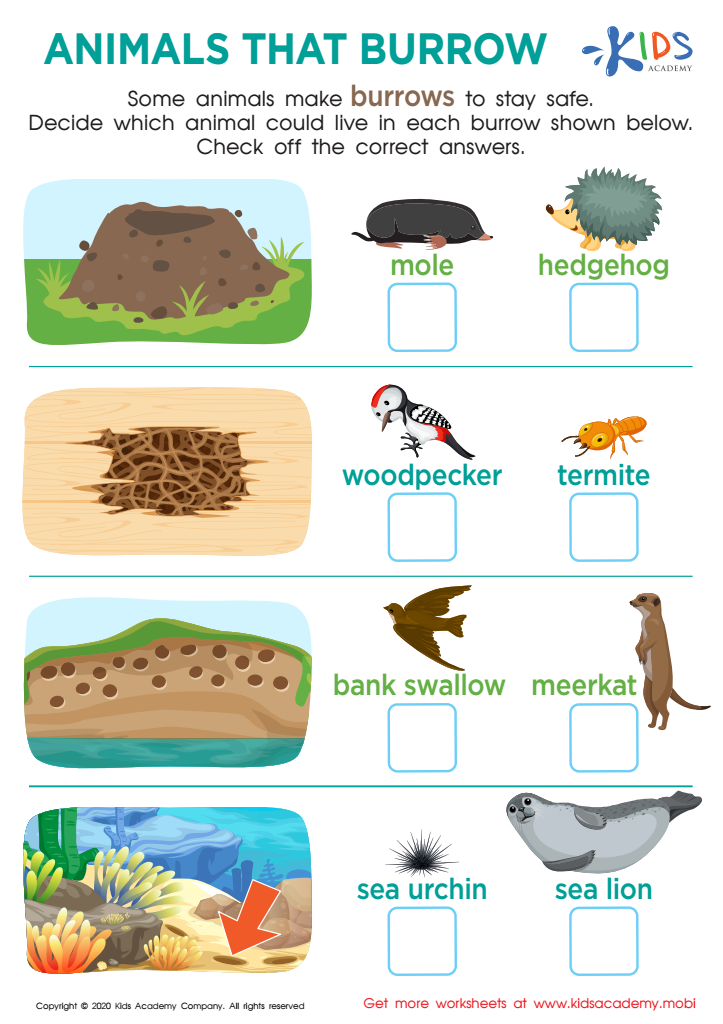
Animals That Burrow Worksheet
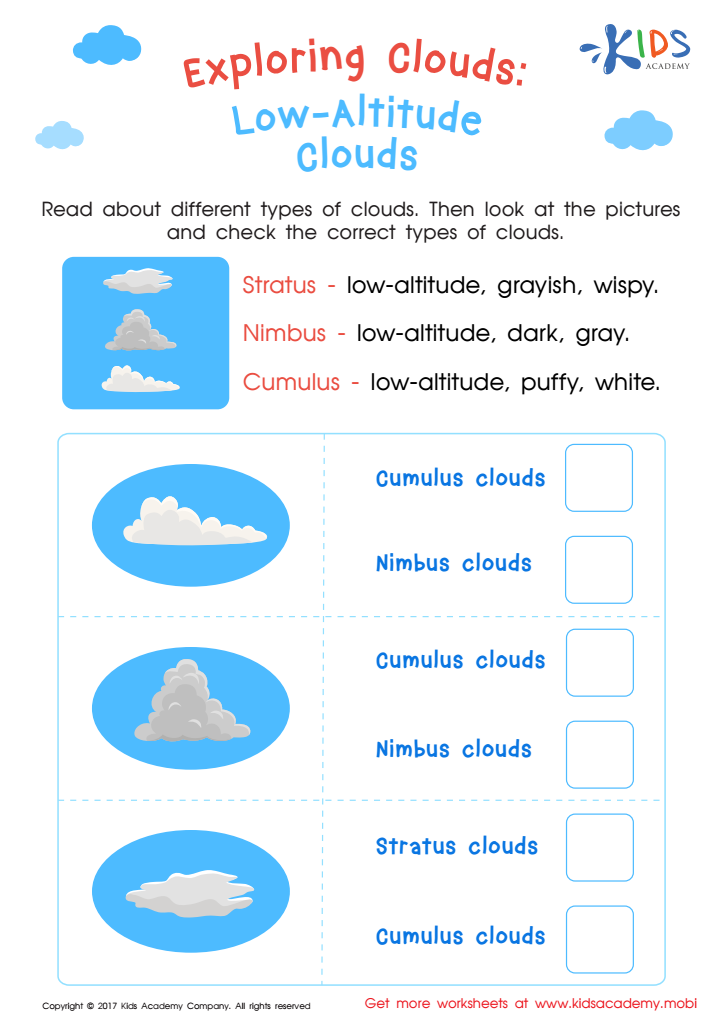
Exploring Clouds: Low Altitude Clouds Printable
Musical Band Worksheet
 Assign to My Students
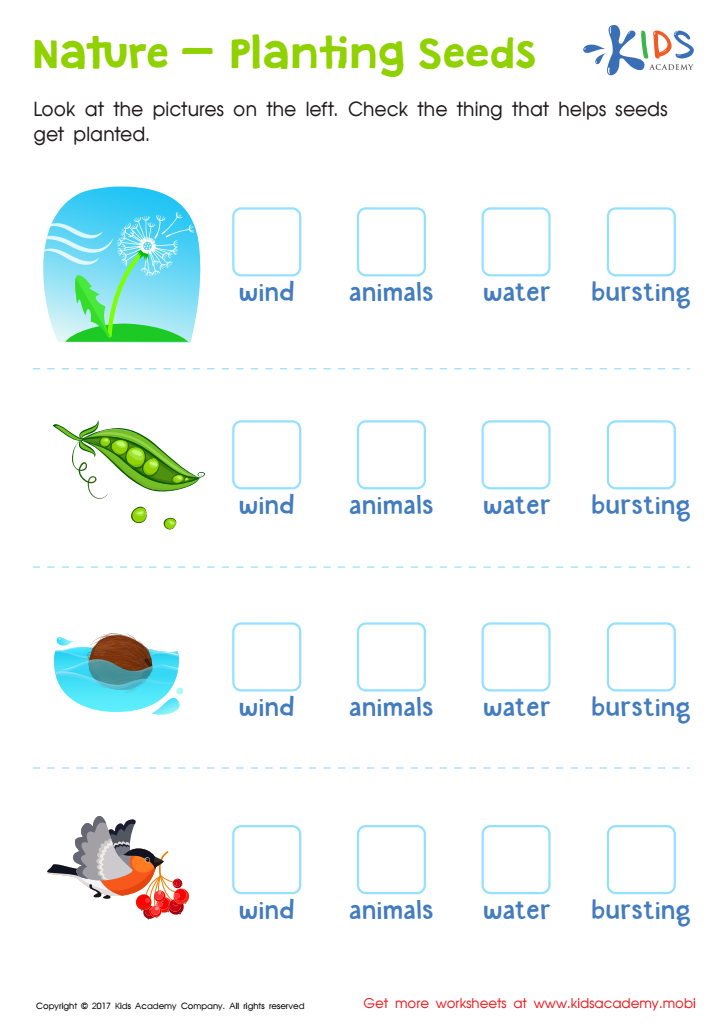
Nature Planting Seeds Worksheet
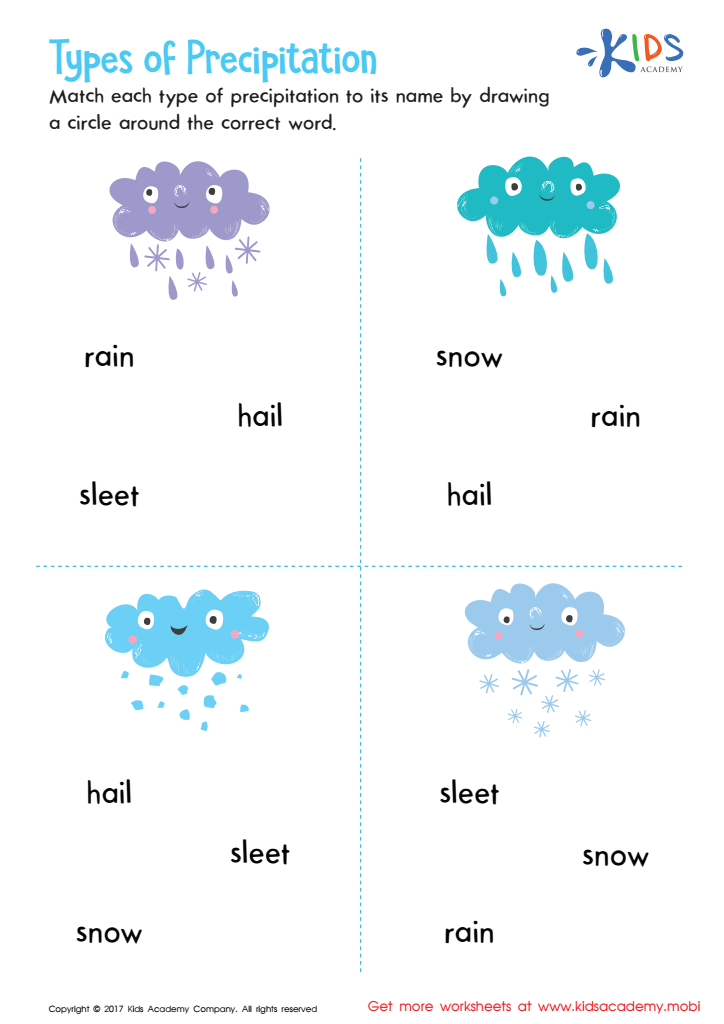
Types of Precipitation Printable
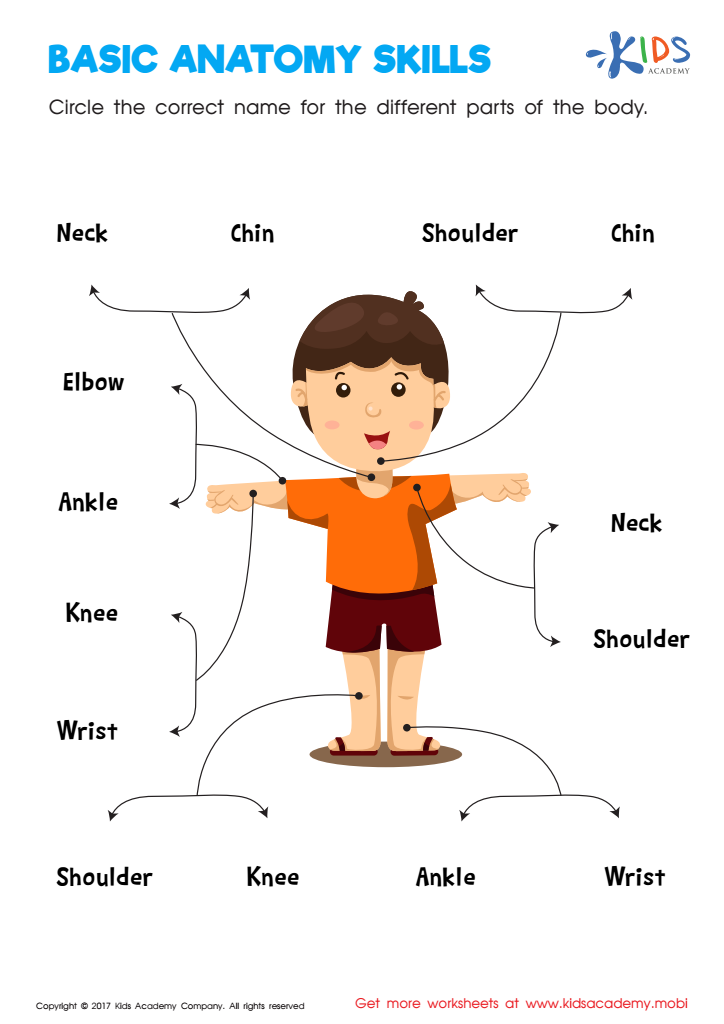
Basic Anatomy Skills Printable
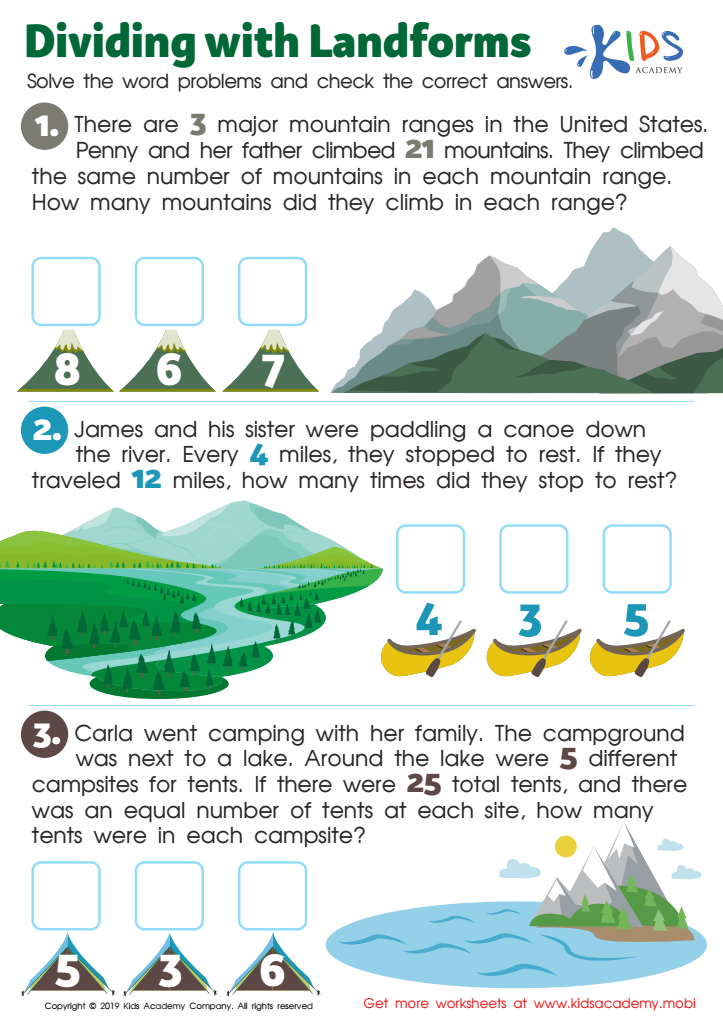
Dividing with Landforms
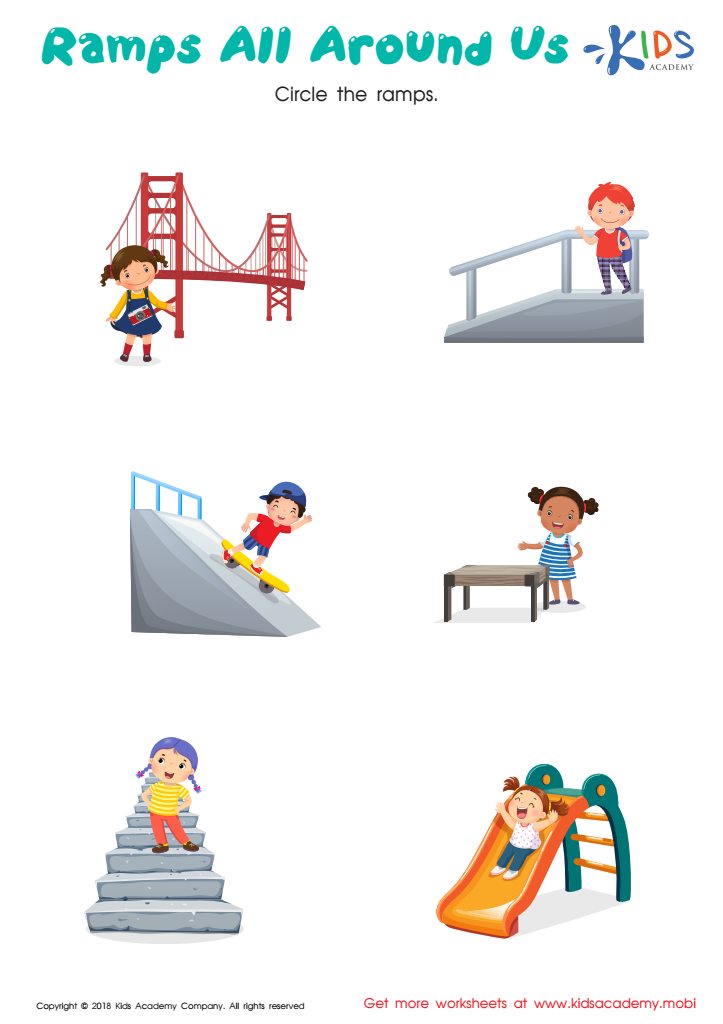
Ramps All Around us Worksheet
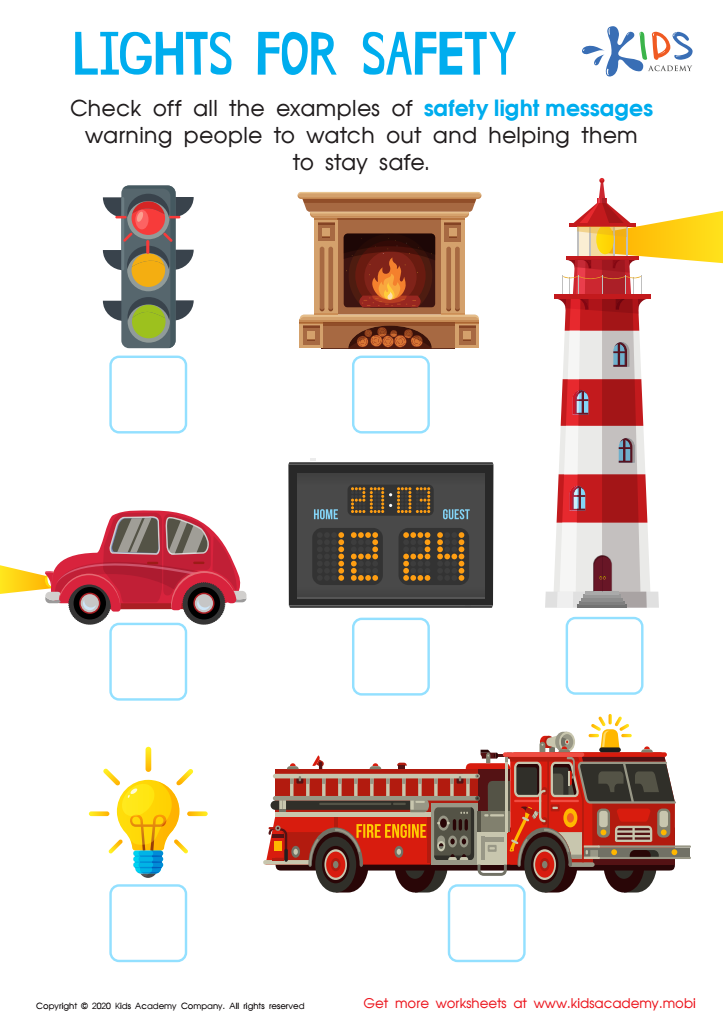
Lights for Safety Worksheet
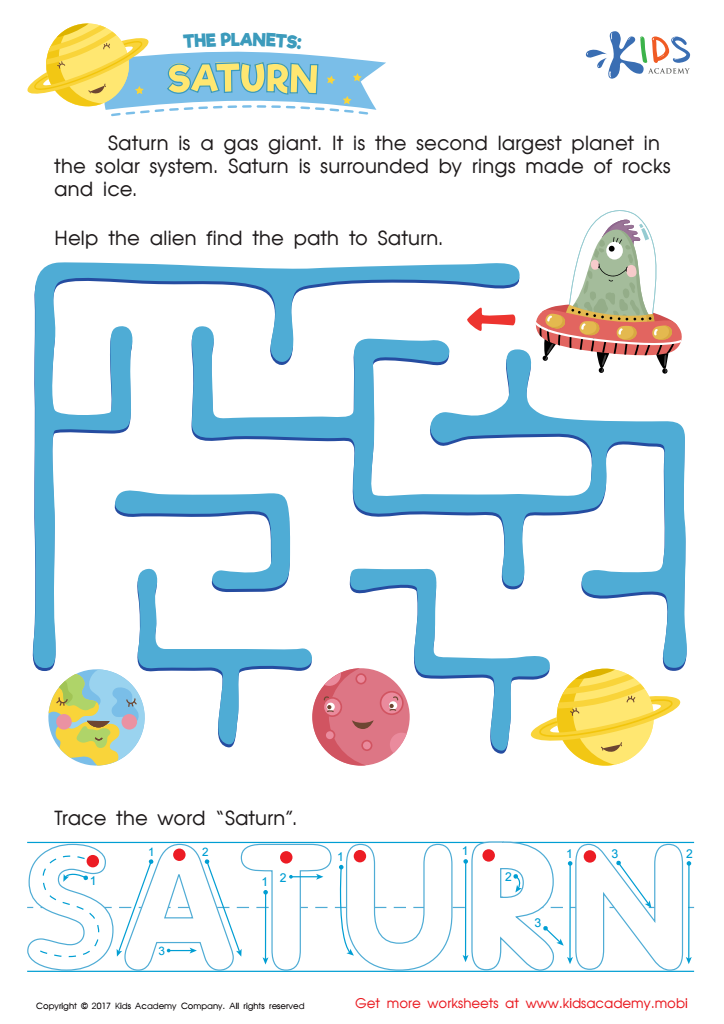
The Planets: Saturn Printable
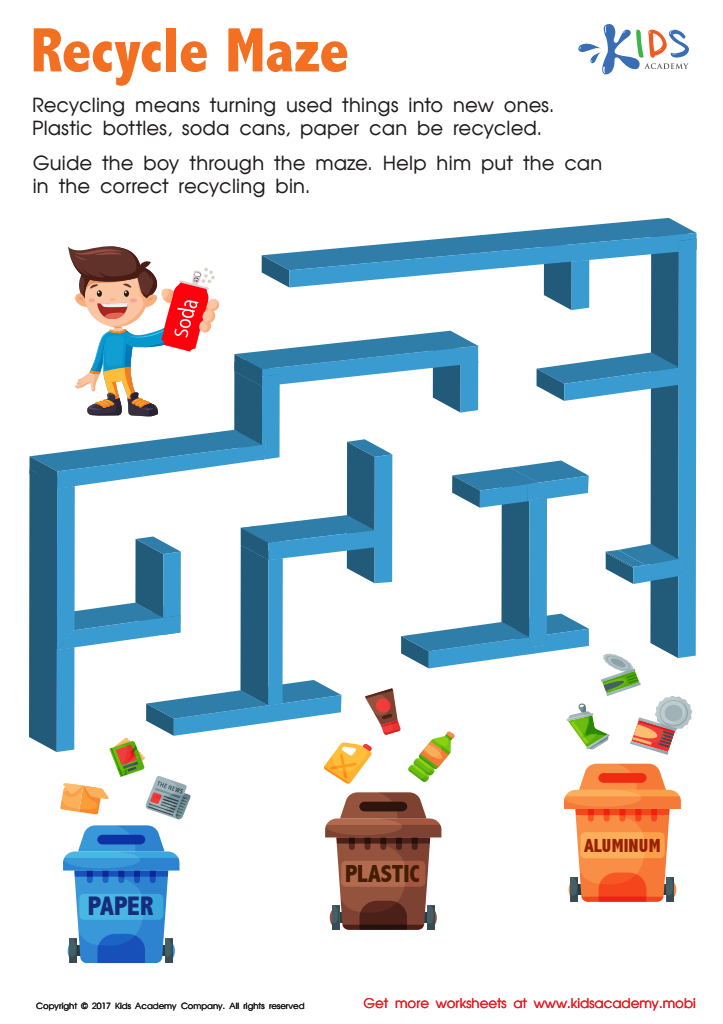
Recycle Maze Worksheet
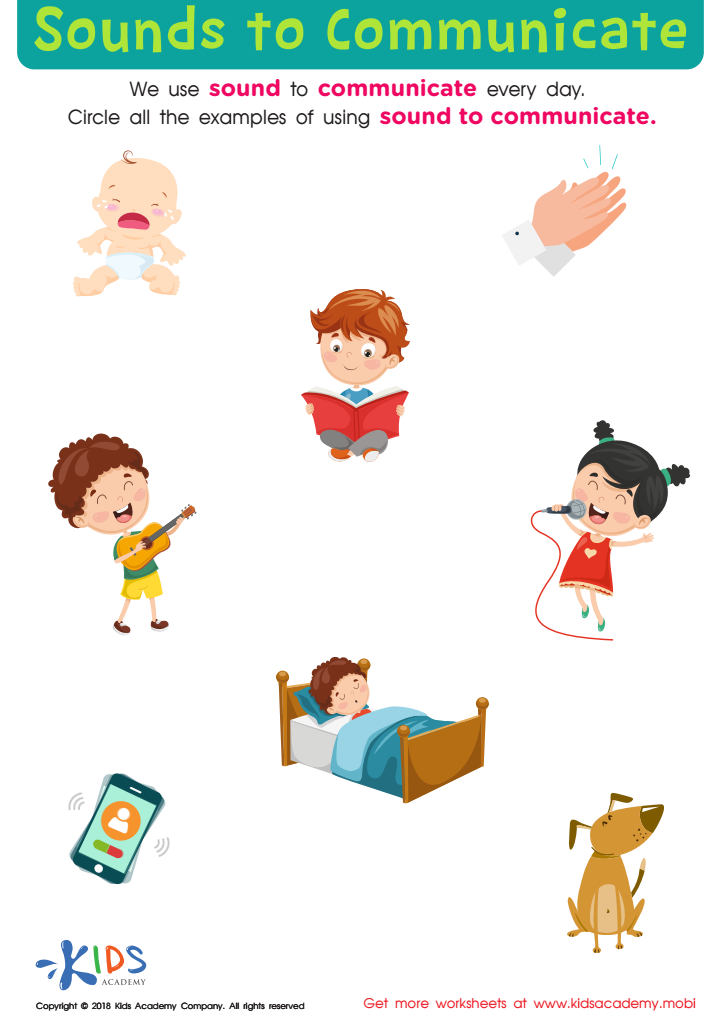
Sounds to Communicate Worksheet
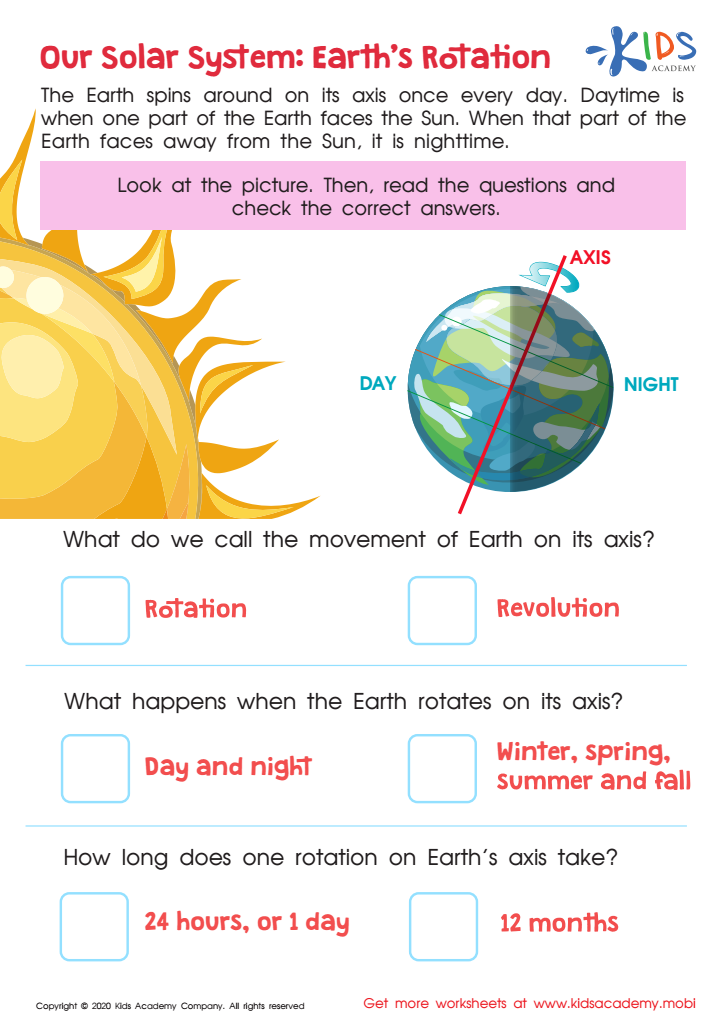
Our Solar System: Earth's Rotation Printable
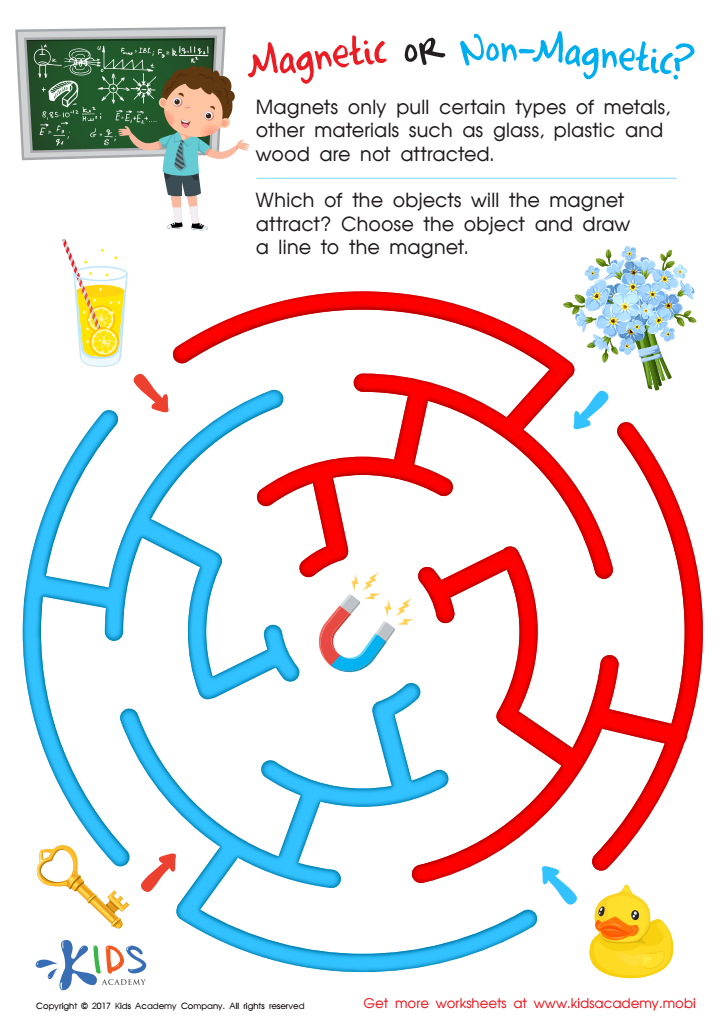
Magnetic or Non–Magnetic Worksheet
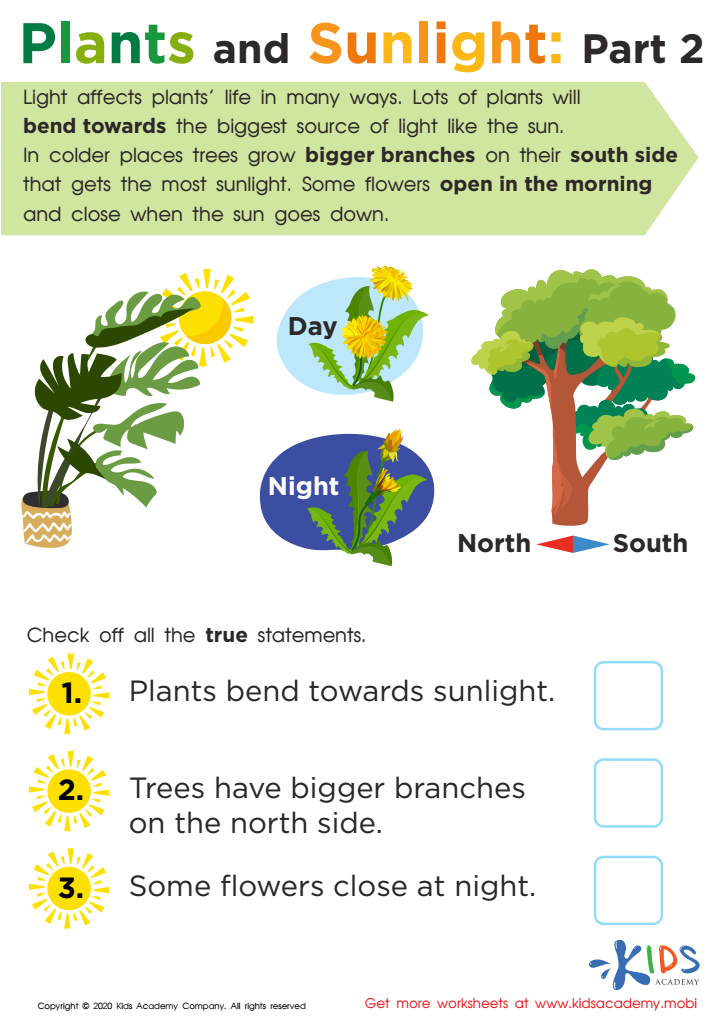
Plants and Sunlight: Part 2 Worksheet
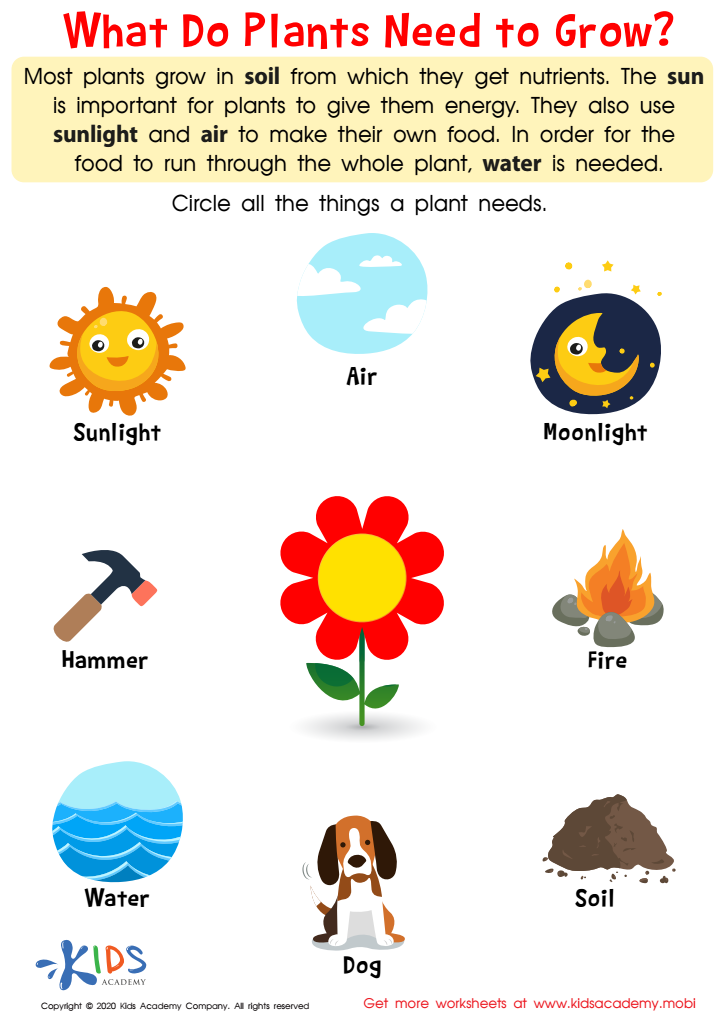
What Do Plants Need to Grow Worksheet
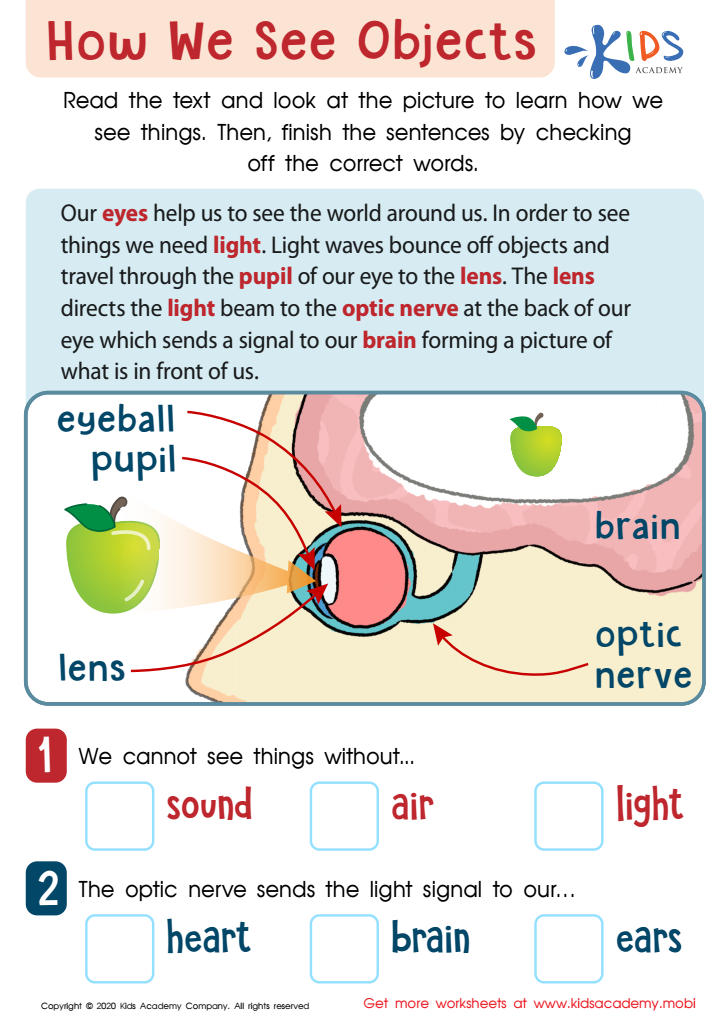
How We See Objects Worksheet
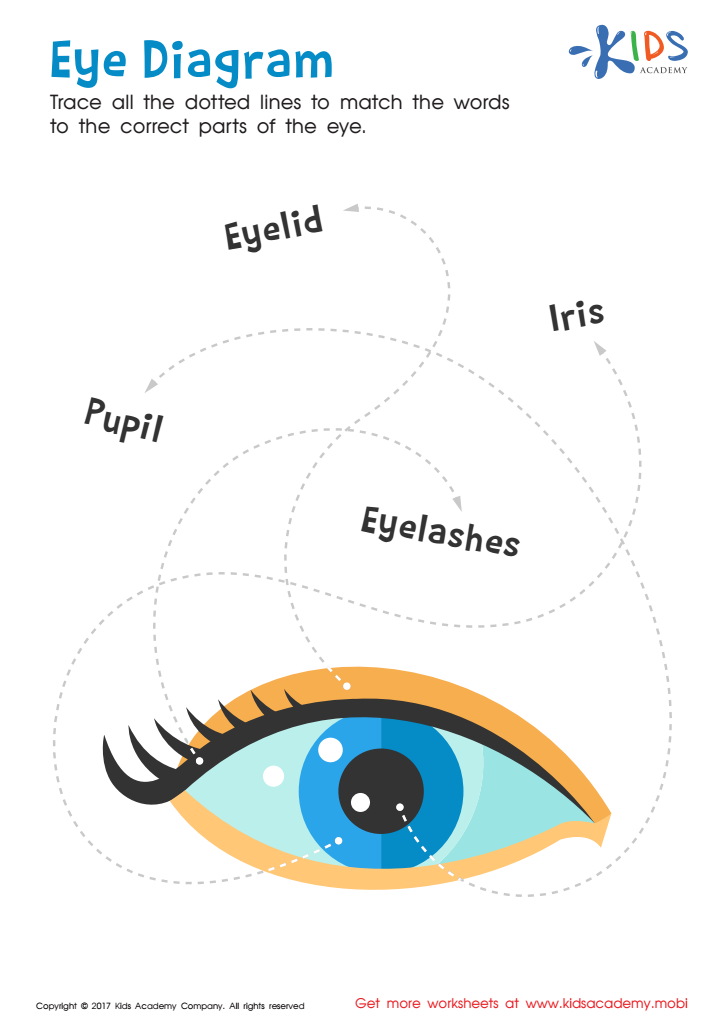
Eye Diagram Printable
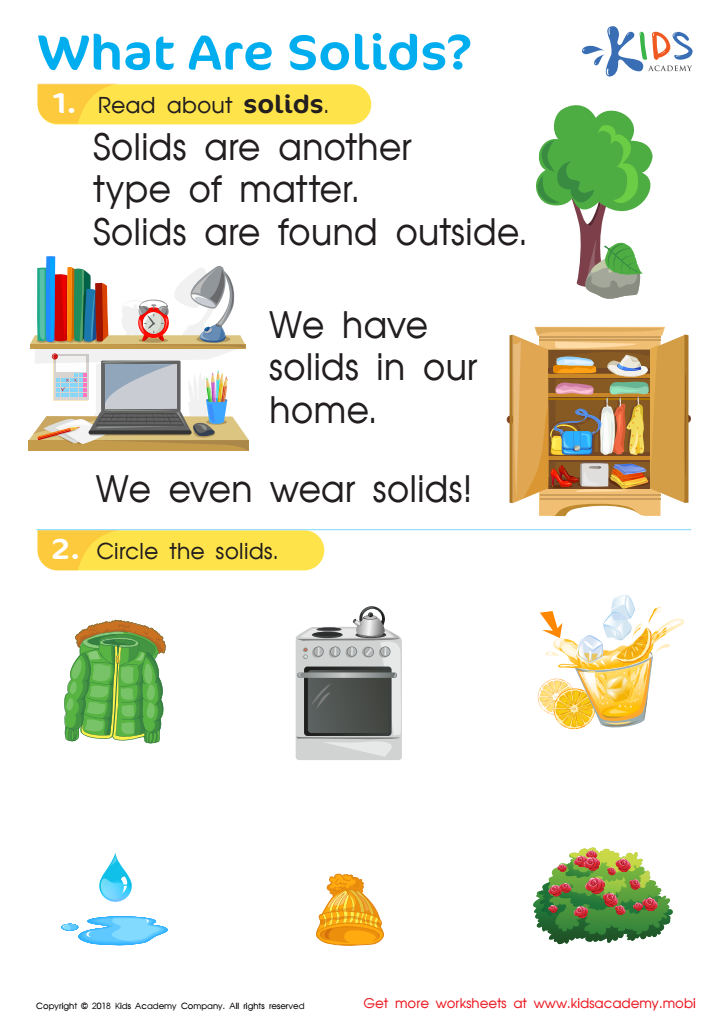
What Are Solids? Worksheet
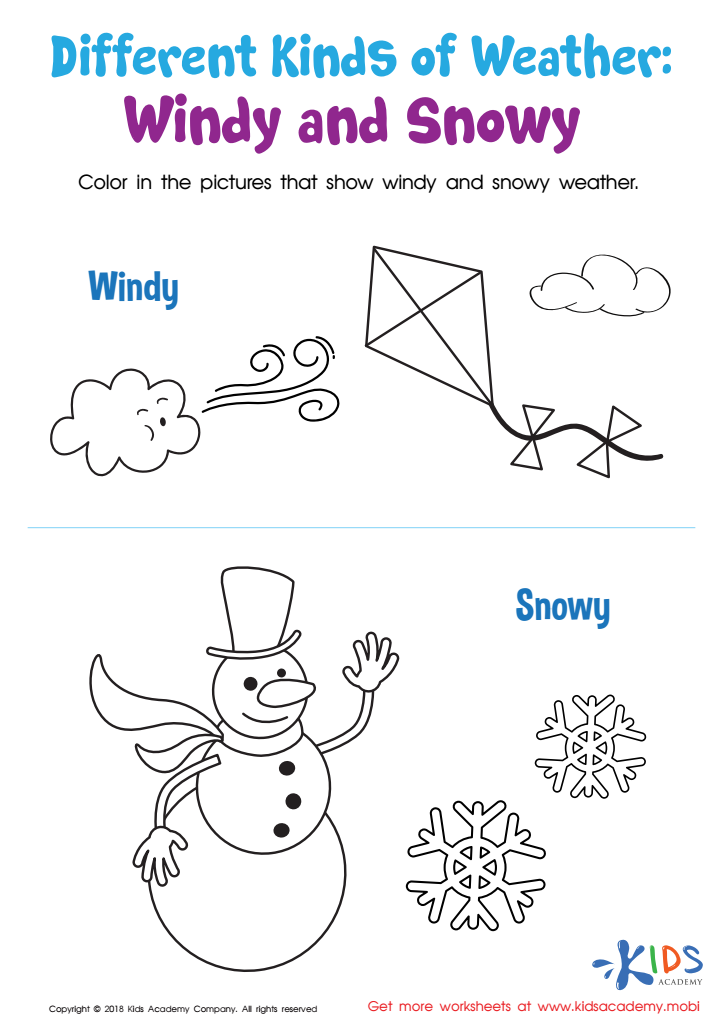
Different Kinds of Weather: Windy and Snowy Worksheet
Assign to My Students
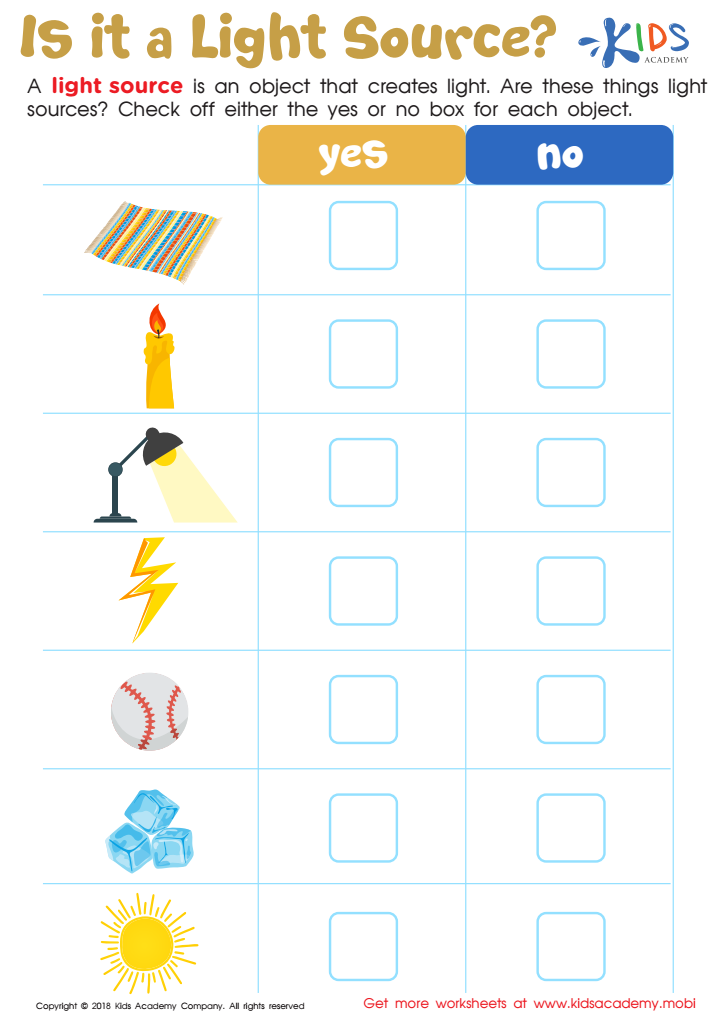
Is It a Light Source? Worksheet
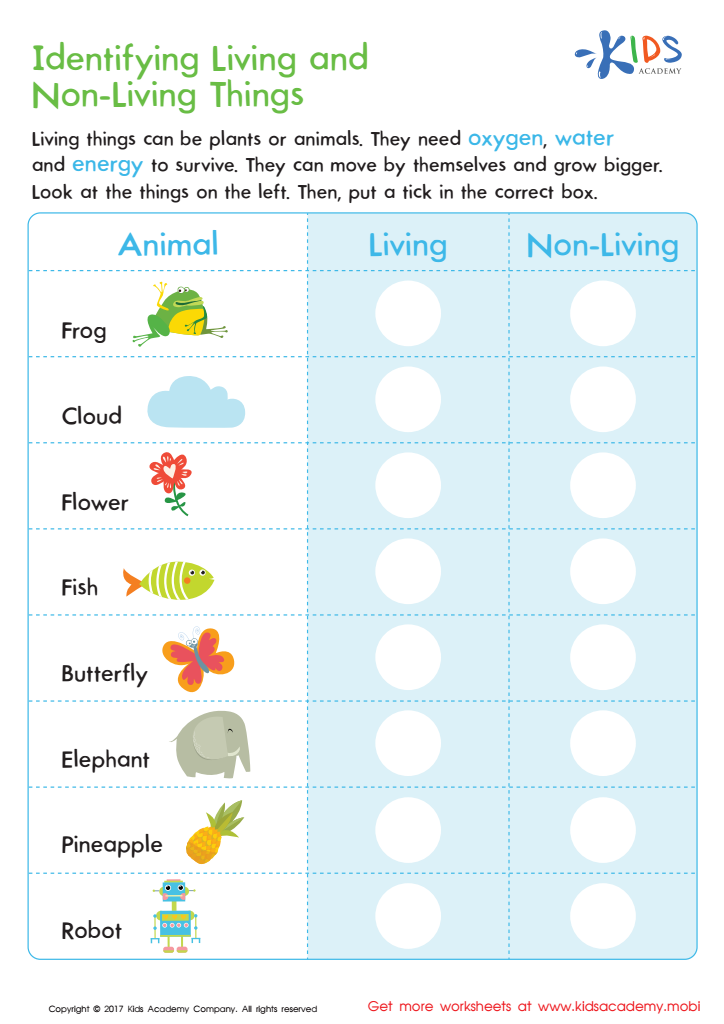
Identifying Living or Non–living Worksheet
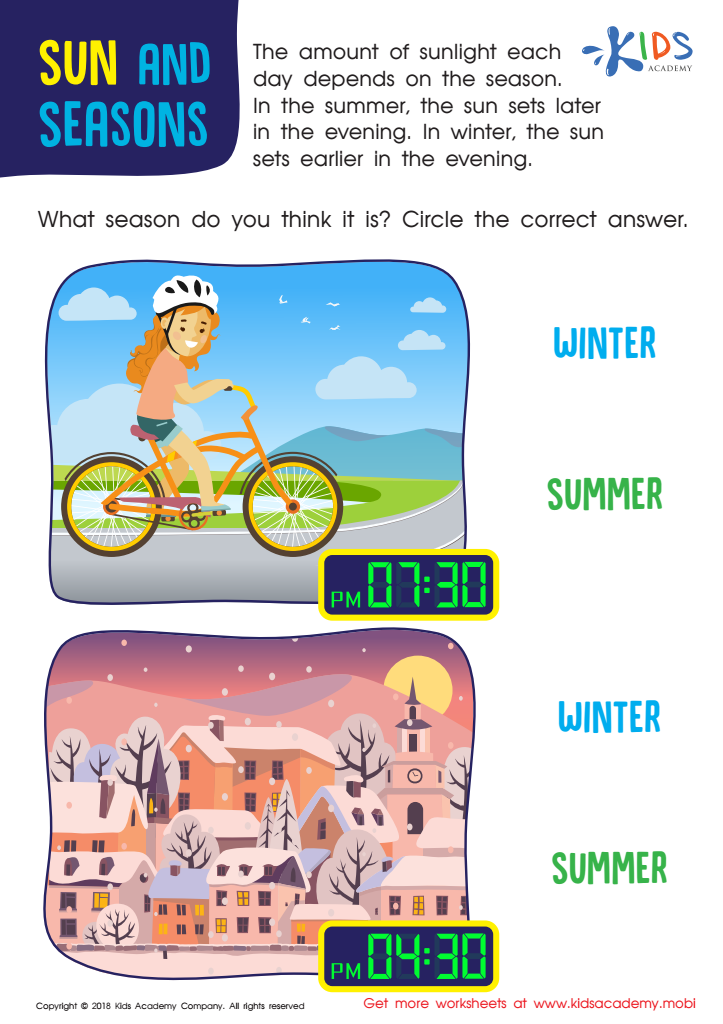
Sun and Seasons Worksheet




%20(1).jpg)



Parents and teachers should care about Normal Science for Ages 3-6 because early education lays the foundation for a child's cognitive and social development. Normal Science focuses on day-to-day experiences and observations in natural settings, fostering curiosity and exploration in young learners. At this age, children are naturally inquisitive, making it the perfect time to introduce fundamental scientific concepts through play and hands-on activities.
Engaging in Normal Science helps children develop critical thinking and problem-solving skills. For instance, simple experiments can teach them about cause and effect, classification, and basic observation techniques. This experiential learning nurtures their ability to ask questions, seek answers, and participate in discussions, which are essential skills for academic success later on.
Additionally, incorporating Normal Science encourages collaboration and communication among peers, as children share their findings and learn from one another. It promotes an understanding of the world around them, instilling a sense of appreciation for nature and the sciences. By fostering these early interests in science, parents and teachers can inspire a lifelong love of learning, building a solid foundation for future discovery, exploration, and academic achievement. Investing in Normal Science today cultivates tomorrow's innovators and problem solvers.







