Phonics Skills Normal Phonics Worksheets for Ages 3-7 - Page 2
51 filtered results
-
From - To
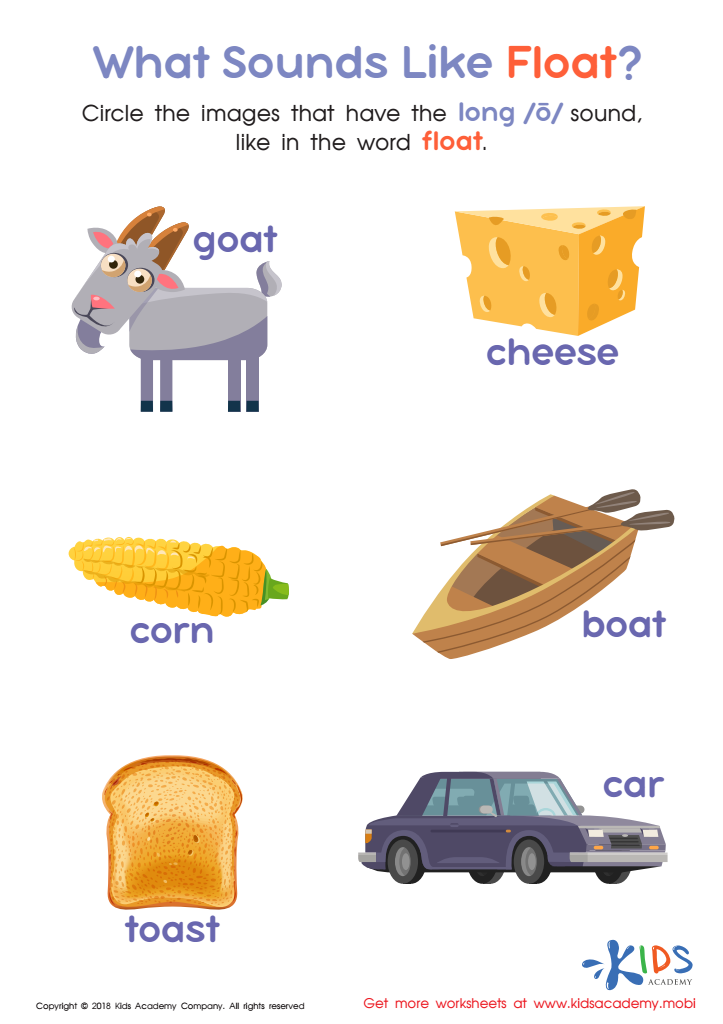
What Sounds Like Float? Worksheet
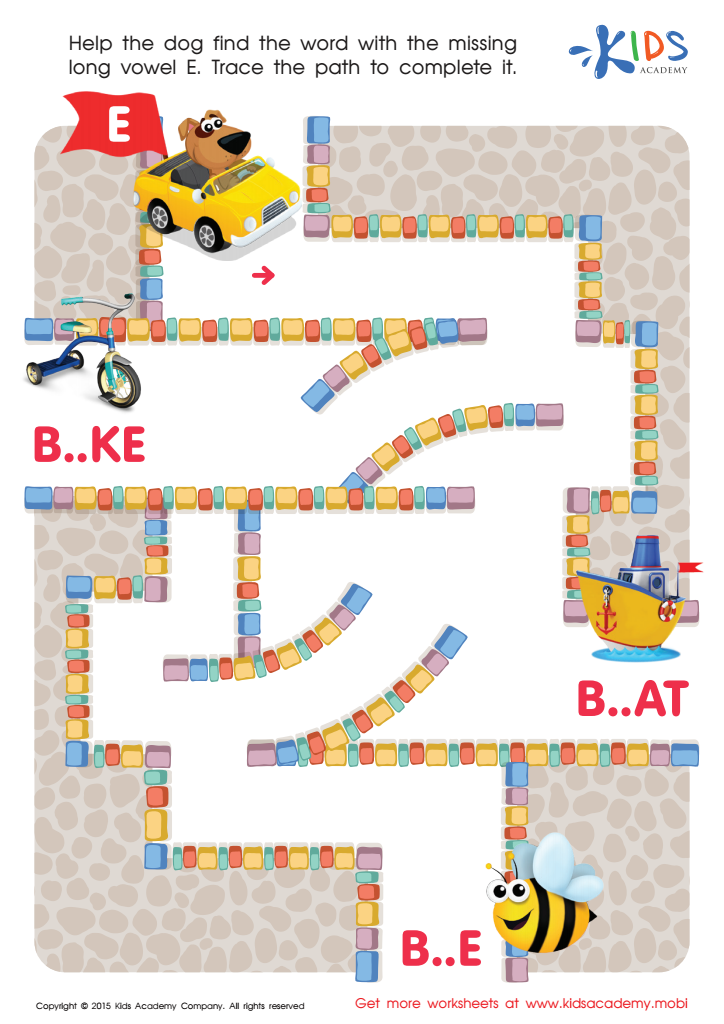
Long Vowel Sound E Worksheet
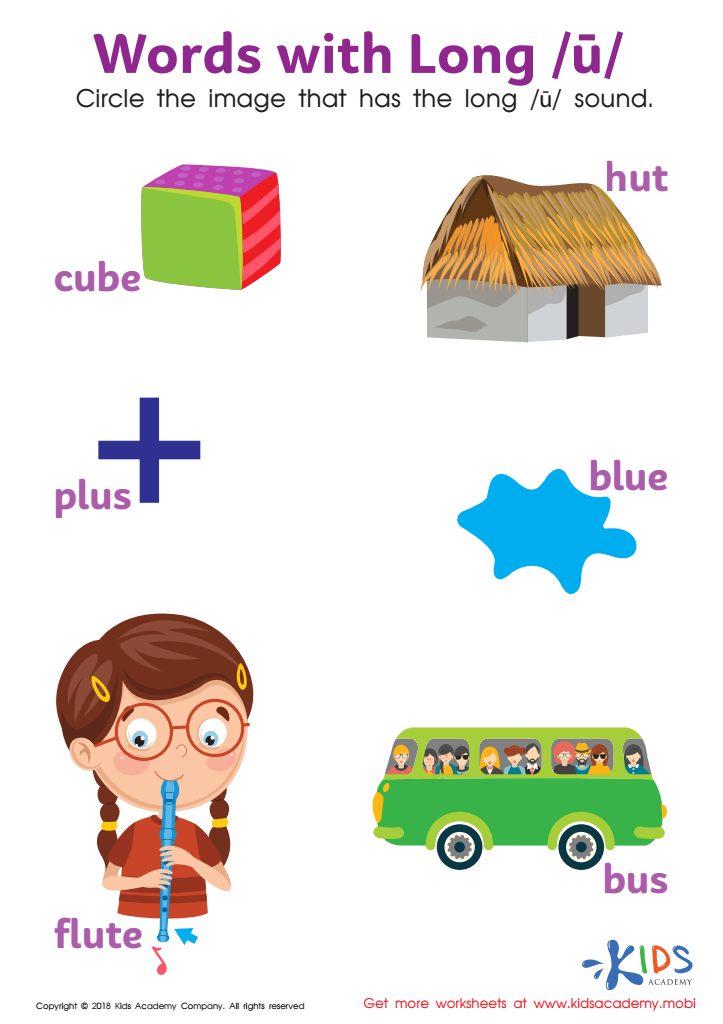
Words with Long U Reading Worksheet
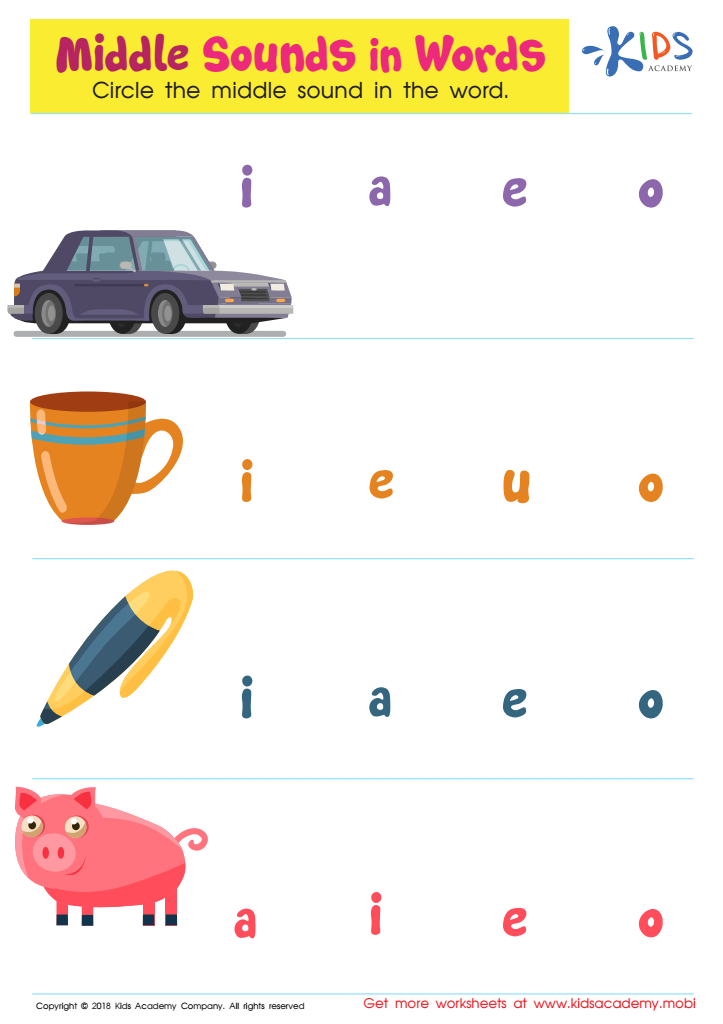
Middle Sounds in Words Worksheet
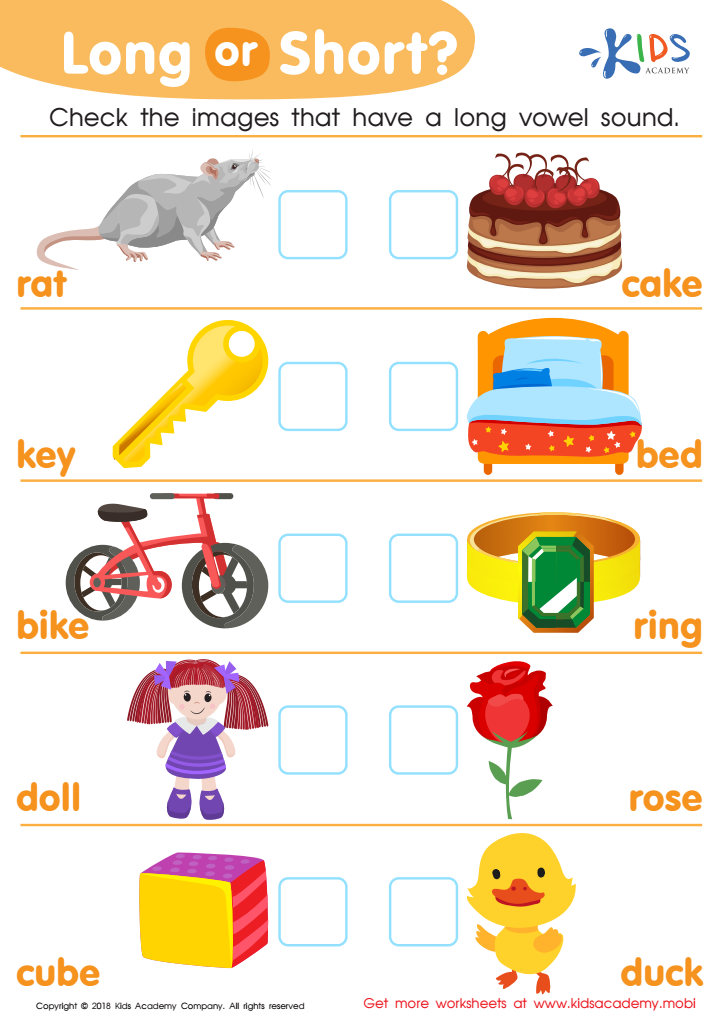
Long or Short Reading Worksheet
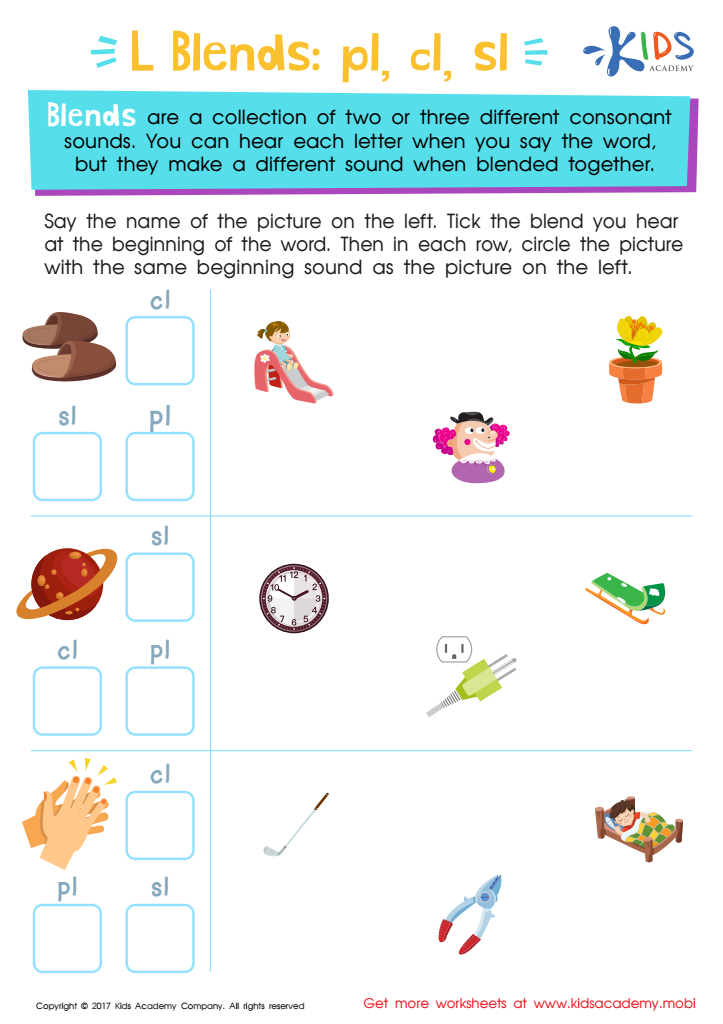
L Blends: "Pl", "Cl" and "Sl" Printable
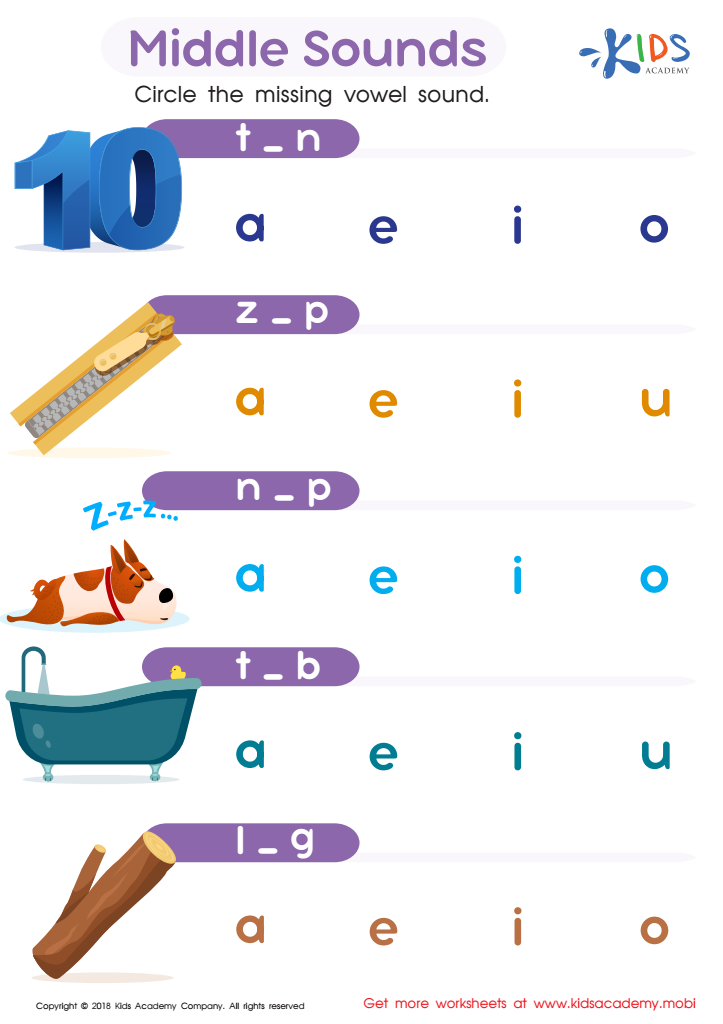
Middle Sounds Worksheet
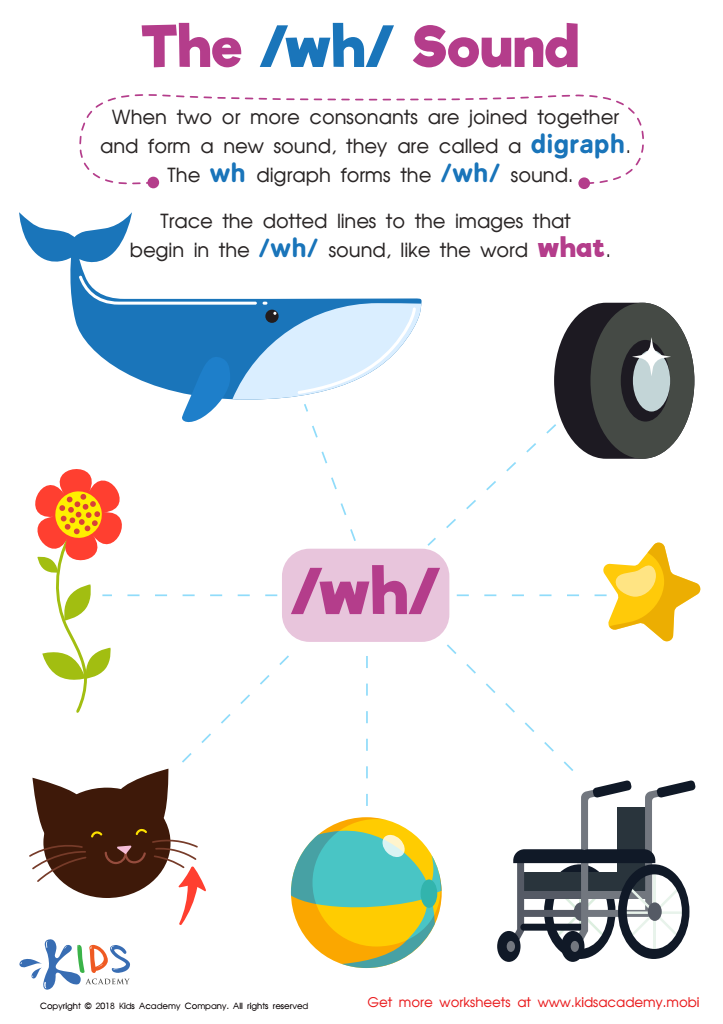
The /wh/ Sound Worksheet
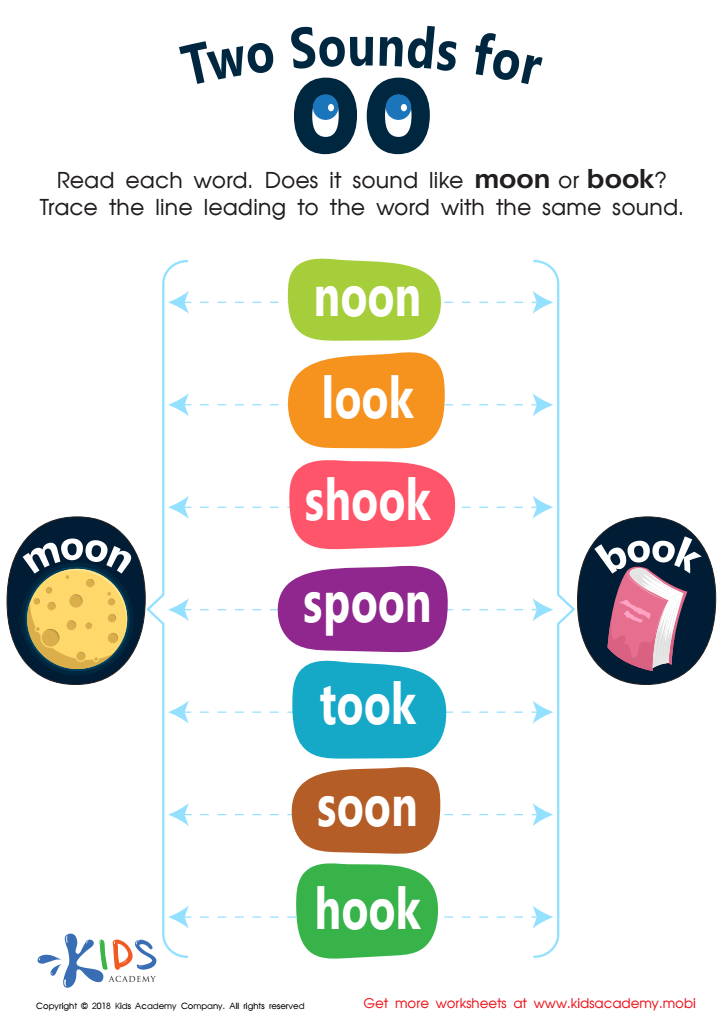
Two Sounds for OO Worksheet
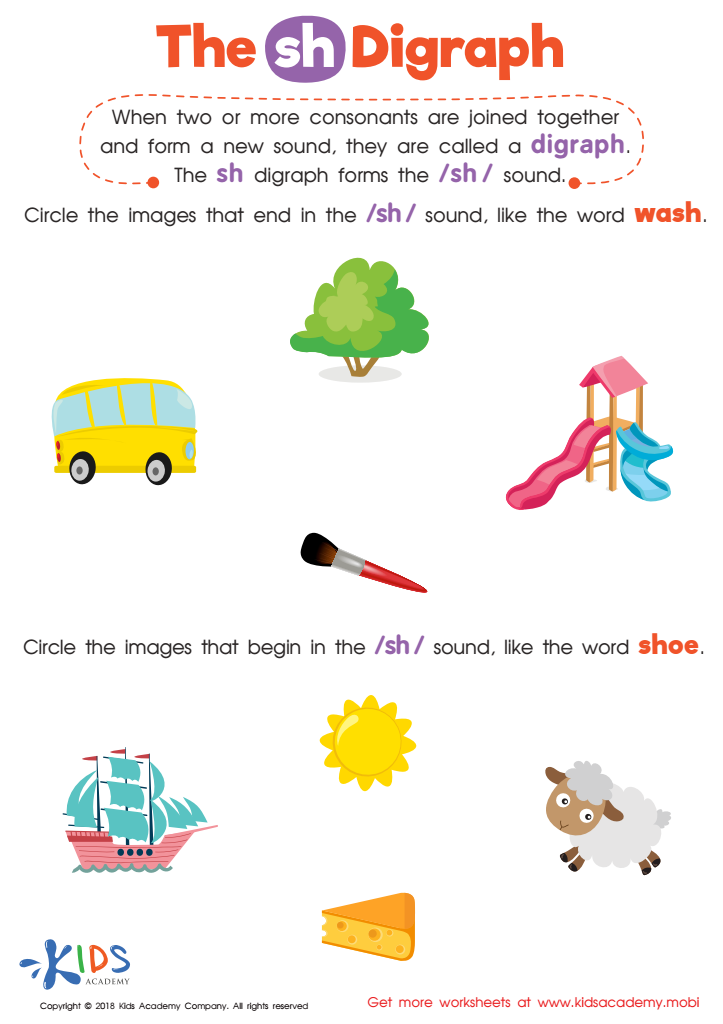
The SH Digraph Worksheet
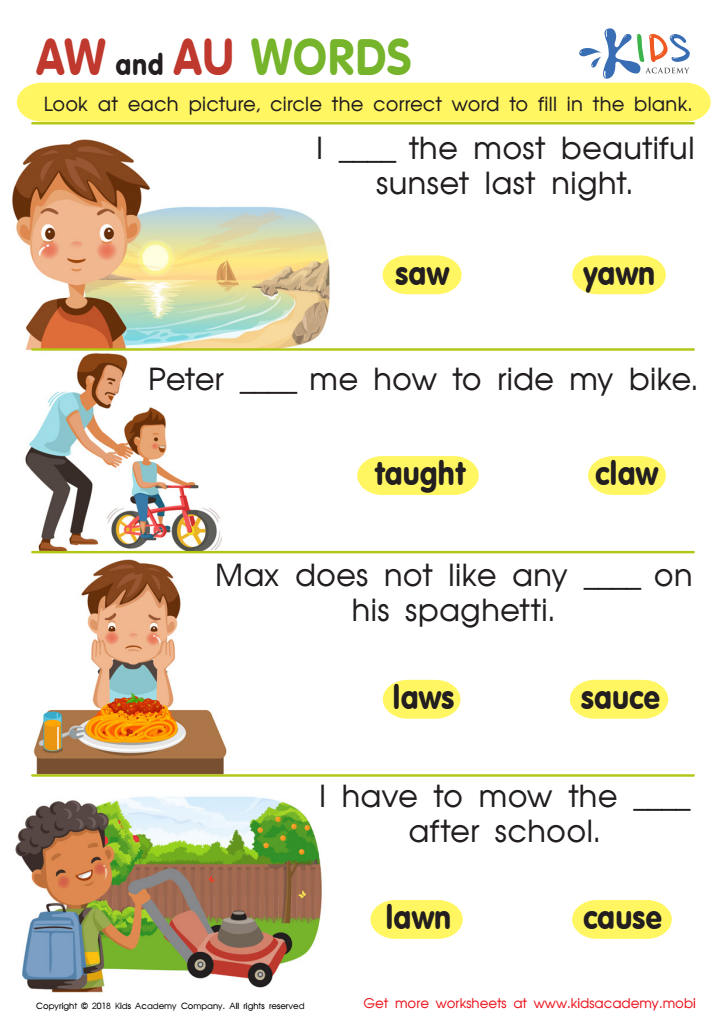
Reading: AW and AU Words Worksheet
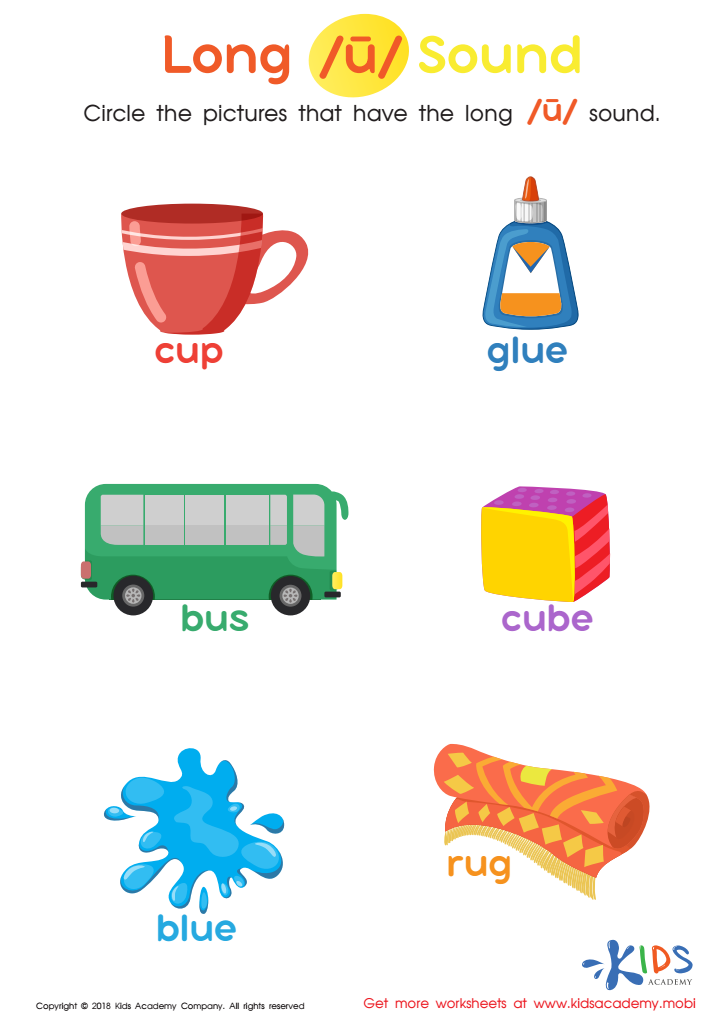
Long «u» Sound Worksheet
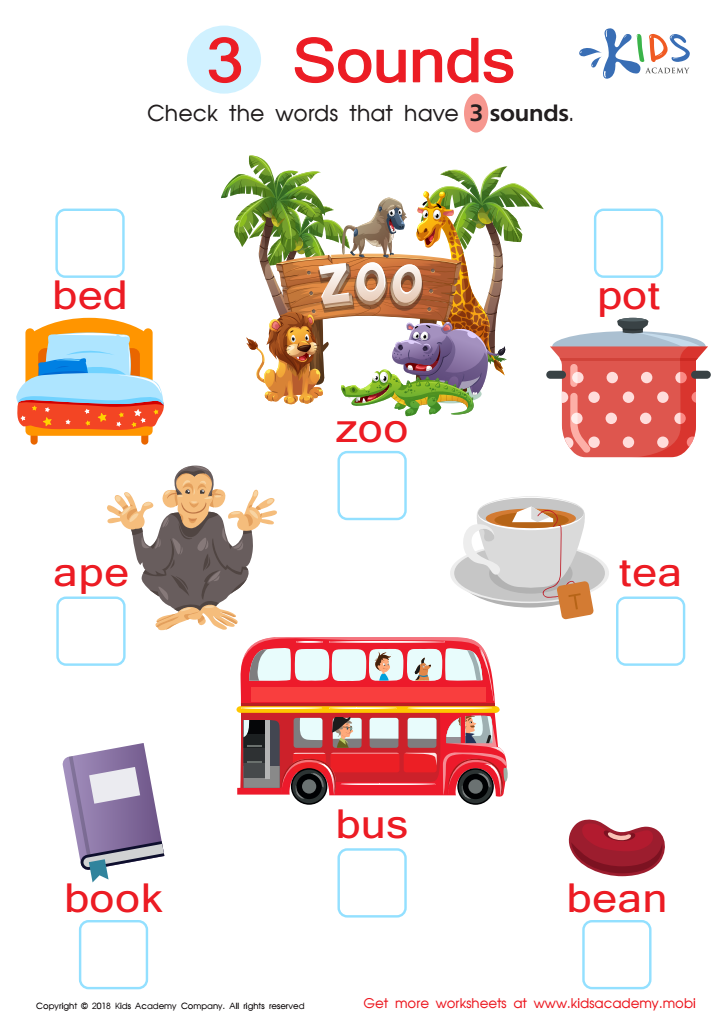
3 Sounds Worksheet
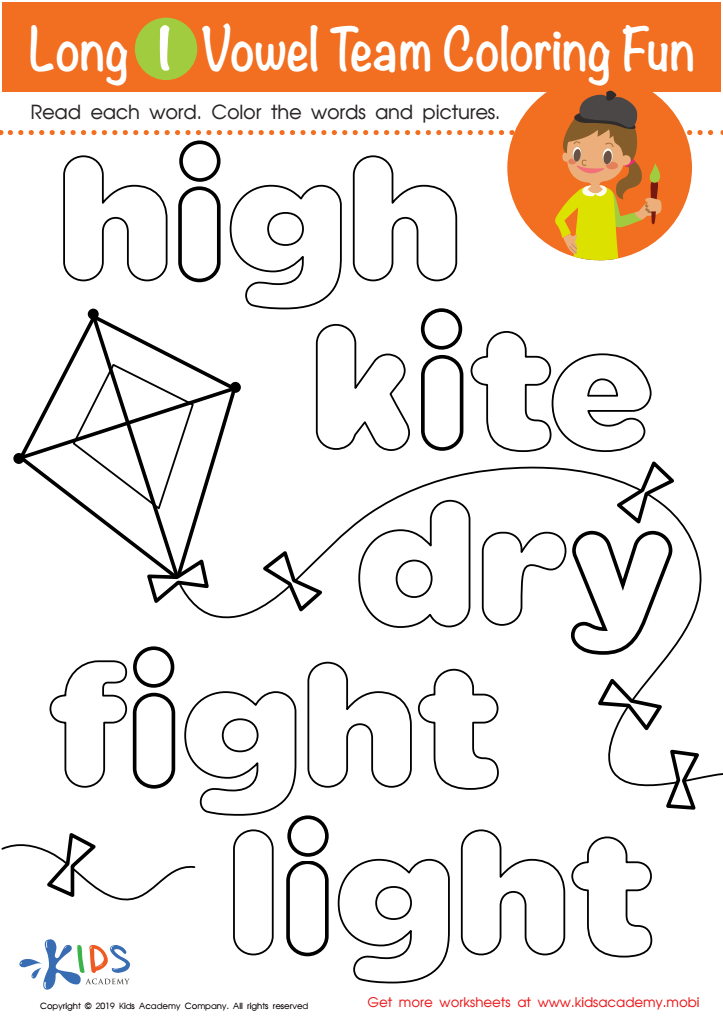
Long I Vowel Team Coloring Worksheet
 Assign to My Students
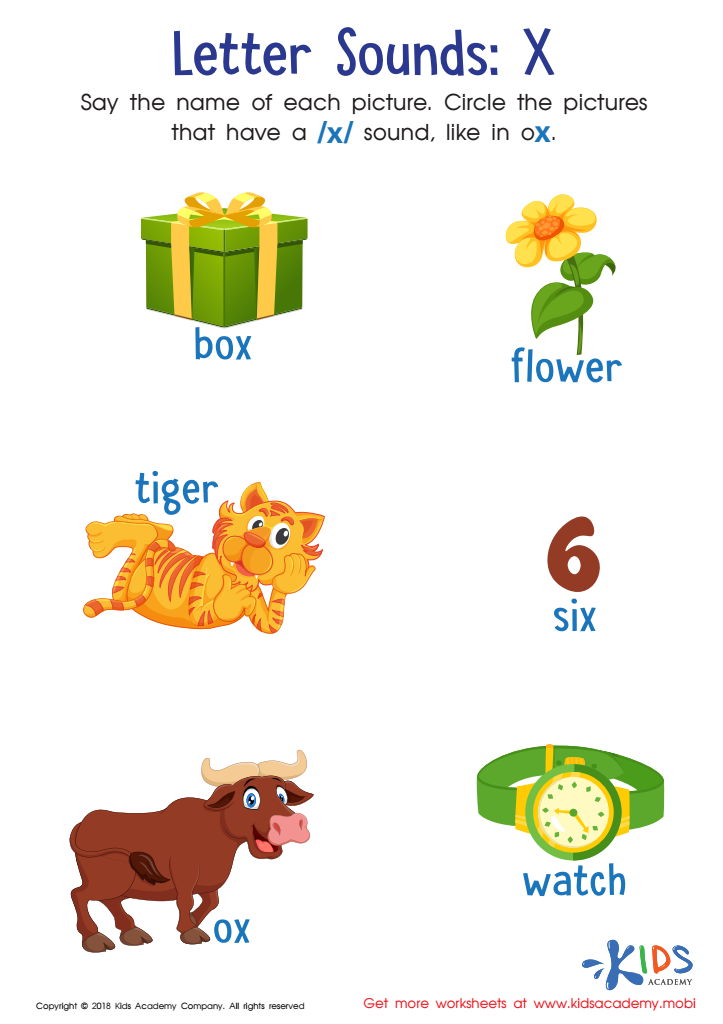
Letter X Sounds Worksheet
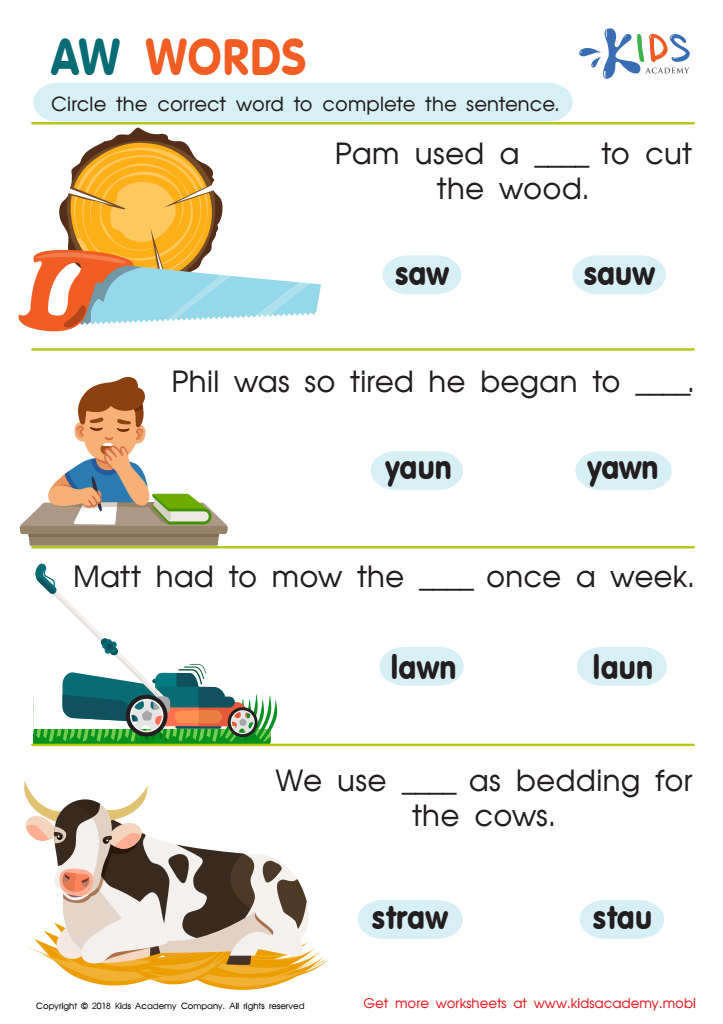
Reading: AW Words Worksheet
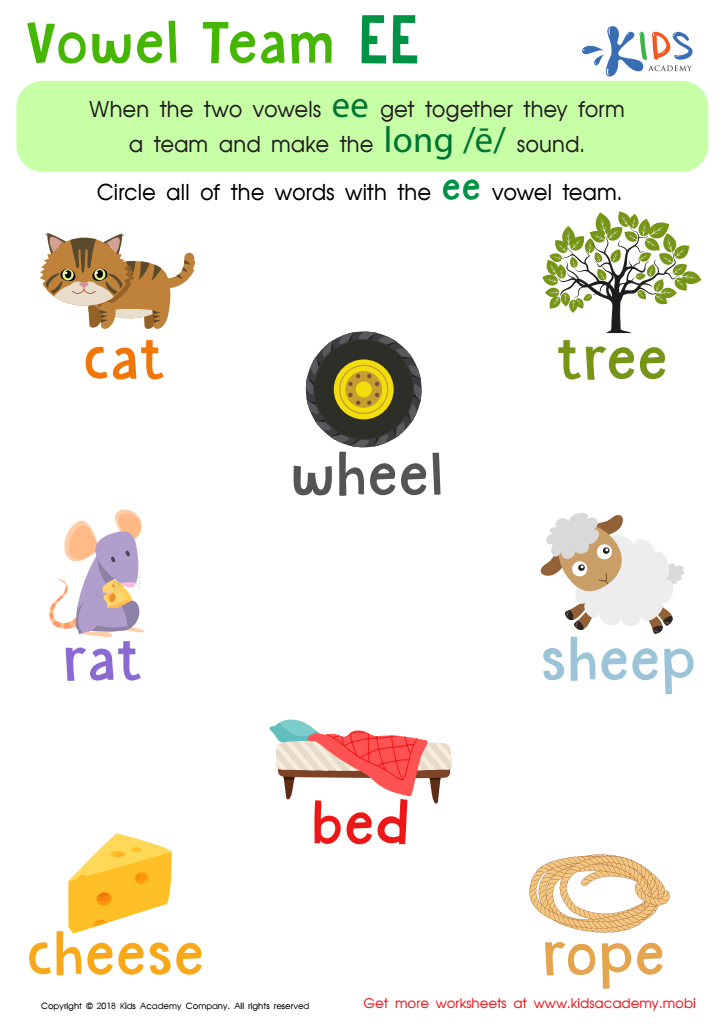
Reading: Vowel Team EE Worksheet
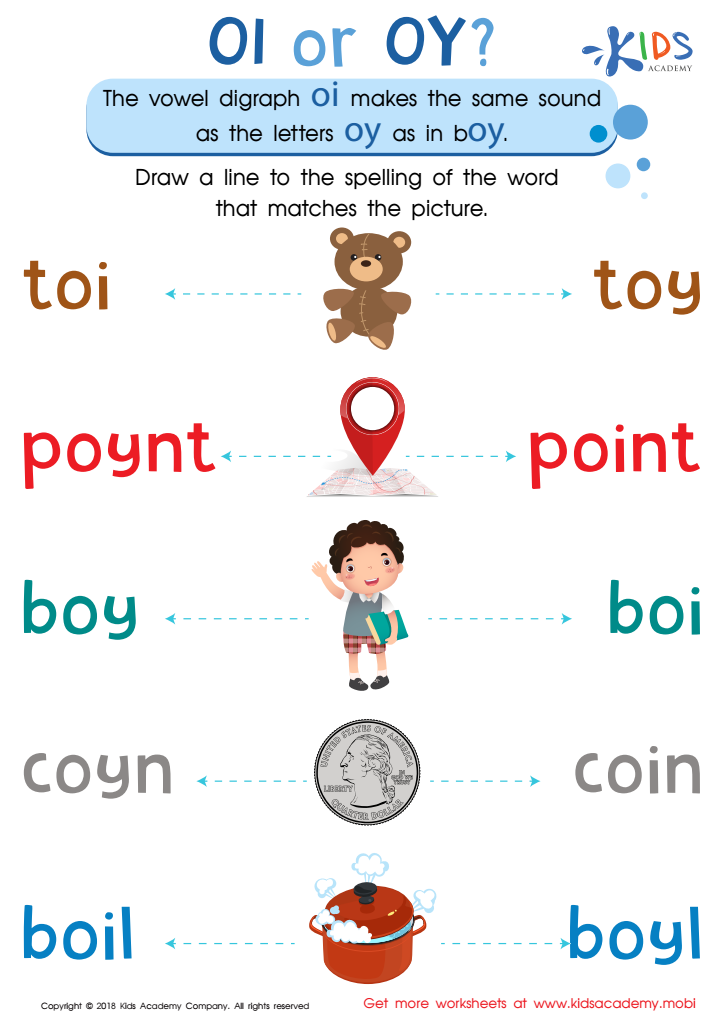
Reading: OI and OY Worksheet
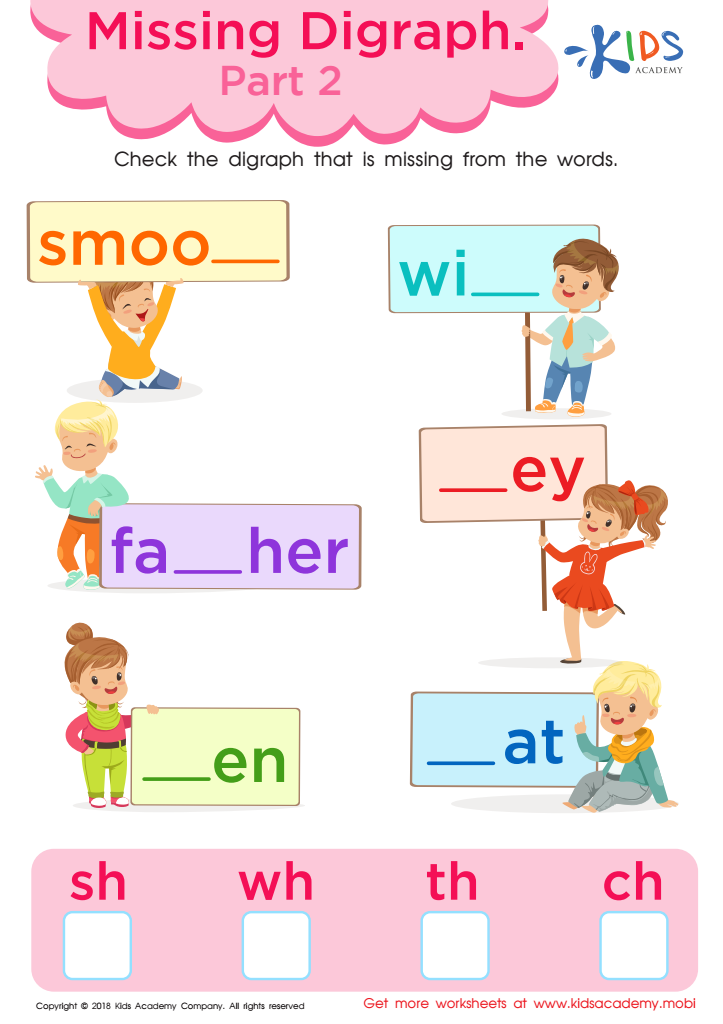
Missing Digraph: Part 2 Worksheet
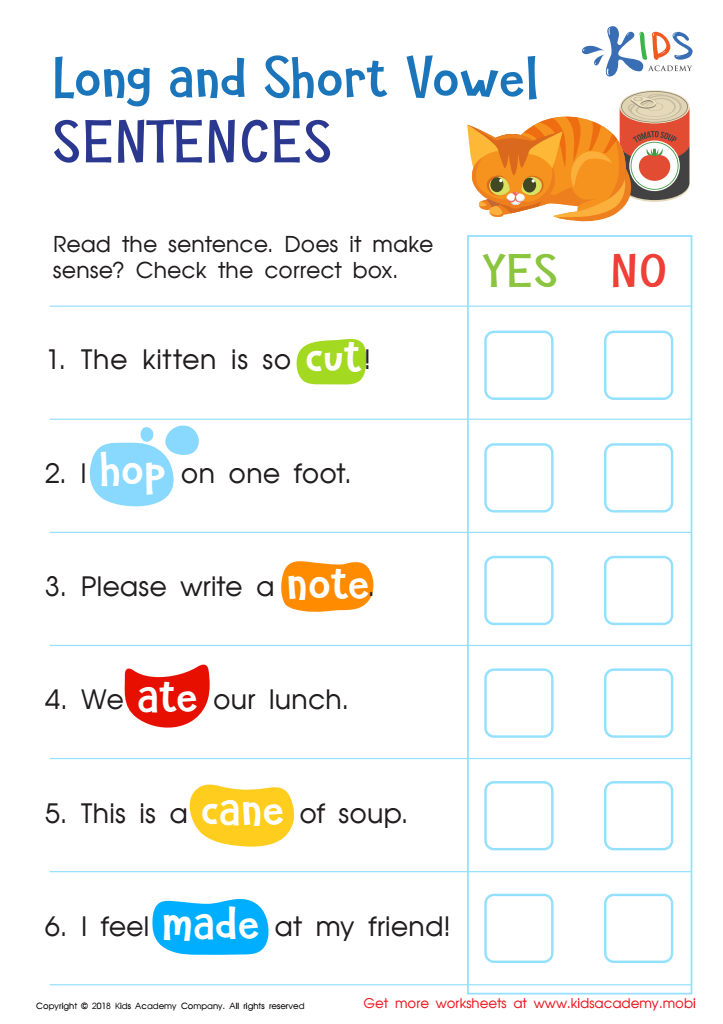
Long and Short Vowel Sentences: Assessment Worksheet
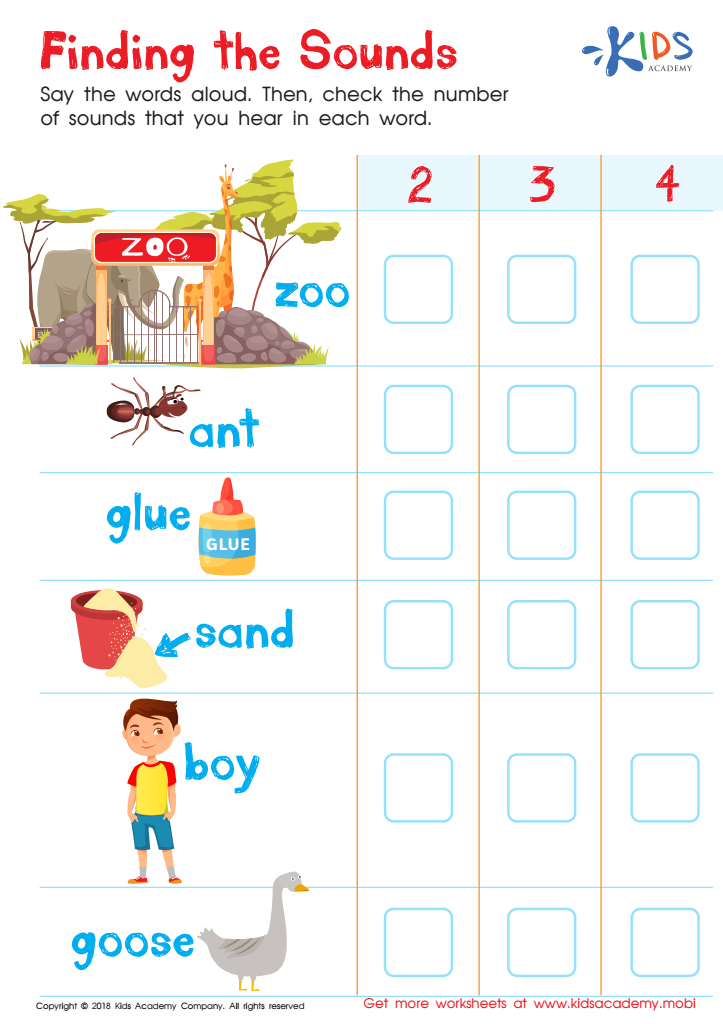
Finding the Sounds Worksheet
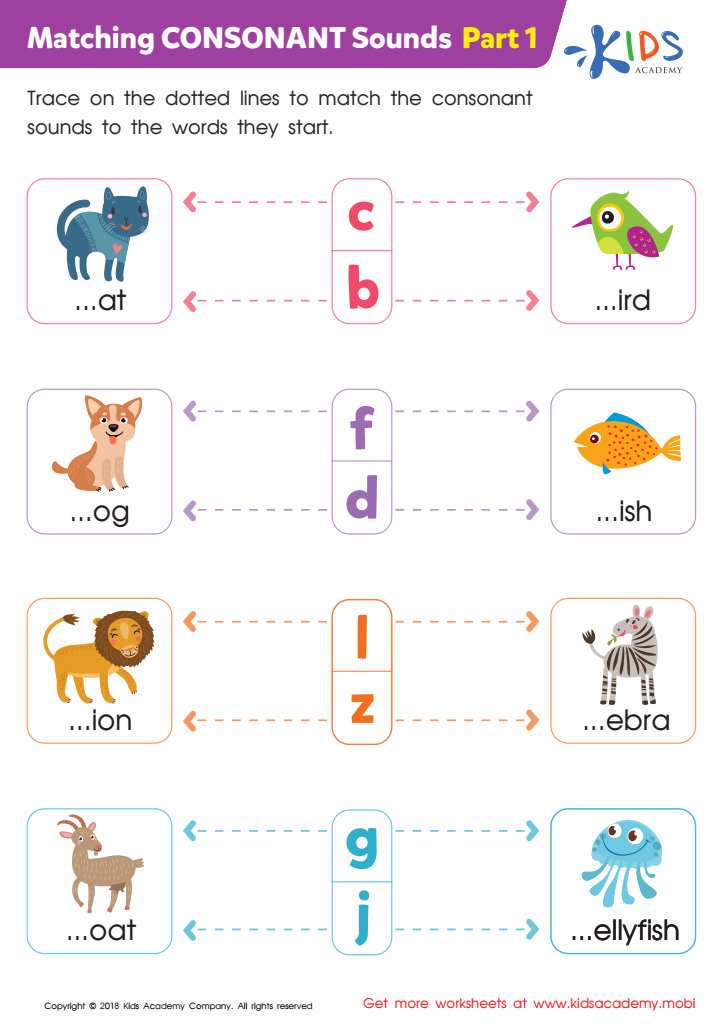
Matching Consonant Sounds: Part 1 Worksheet
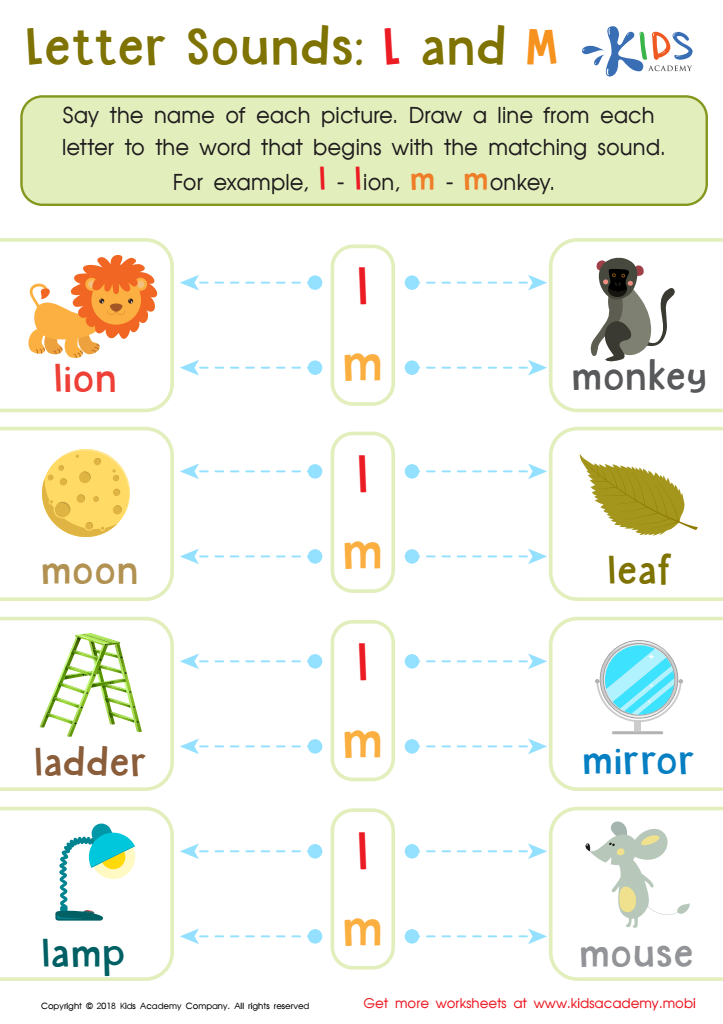
Letter l and M Sounds Worksheet
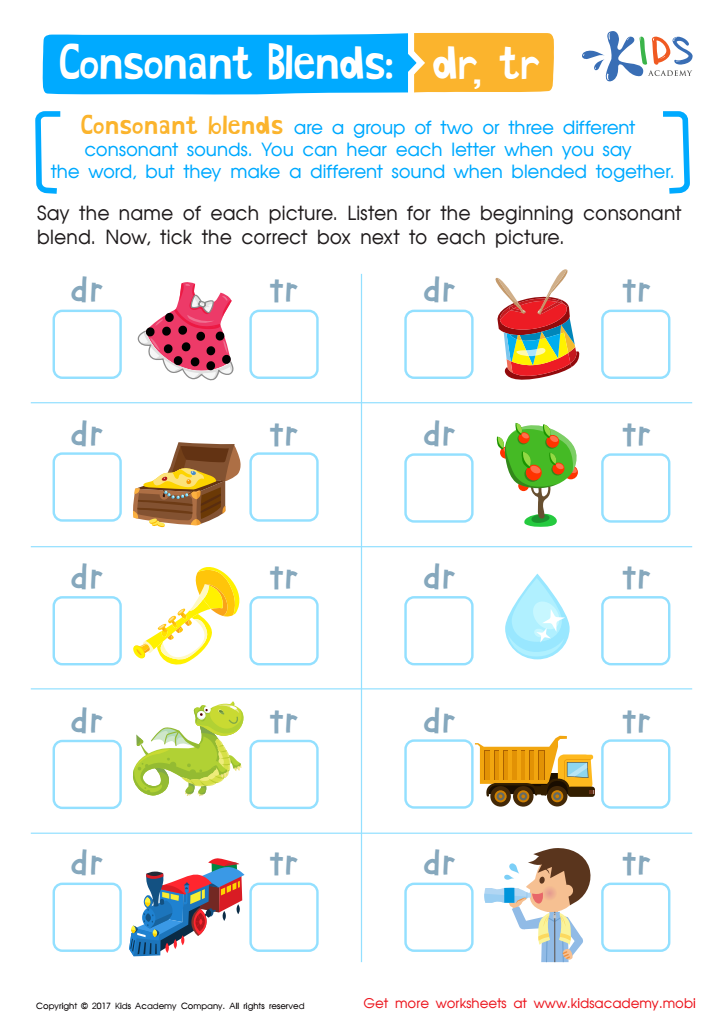
Consonant Blends: "Dr" and "Tr" Printable








Parents and teachers should prioritize phonics skills for children aged 3-7 because these foundational abilities are crucial for early reading and writing success. Phonics involves the relationship between letters and sounds, empowering young learners to decode words independently. When children grasp phonics, they can recognize familiar words and sound out unfamiliar ones, fostering their confidence in reading.
Proficient phonics skills lay the groundwork for broader literacy development. As children learn to decode, they simultaneously build vocabulary and comprehension skills. This early literacy foundation enhances overall academic achievement and increases engagement with reading, paving the way for a lifelong love of literature.
Additionally, phonics instruction can help struggling readers by providing systematic strategies to tackle language complexities. In a world increasingly reliant on reading proficiency—whether in academics, technology, or daily life—investing in phonics education is vital for children’s future.
Lastly, fostering phonics skills promotes cognitive development, as children learn to associate letters with sounds, sharpening their critical thinking and problem-solving abilities. By prioritizing phonics, parents and teachers empower children to become skilled readers and confident communicators, ultimately enhancing their educational journey and future opportunities.







