Critical Thinking Normal Worksheets for Ages 3-7
74 filtered results
-
From - To
Discover our "Critical Thinking Normal Worksheets for Ages 3-7," designed to develop young minds through engaging and fun activities. Crafted by educational experts, these worksheets build essential cognitive skills such as problem-solving, logical reasoning, and creativity. Perfect for both classroom use and at-home practice, our resources ensure interactive and stimulating learning experiences. With a focus on making critical thinking accessible and enjoyable, children are set on a path to academic success. Integrate our worksheets into your learning routine to see your little ones grow intellectually while having fun. Get started with Kids Academy today!
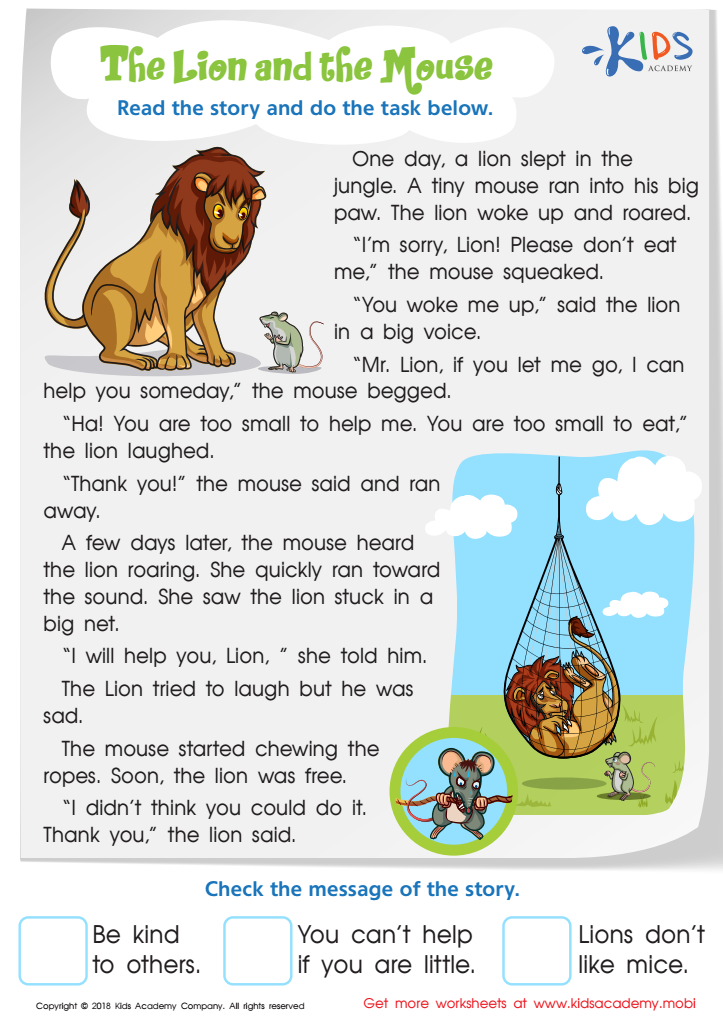
The Lion and the Mouse Worksheet
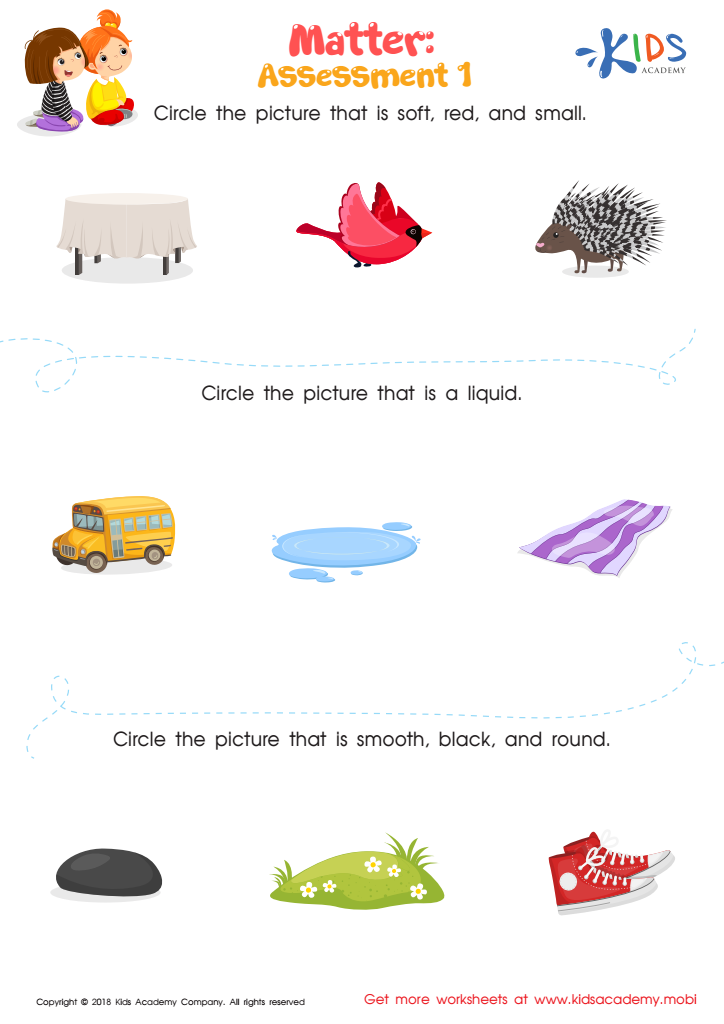
Matter: Assessment 1 Worksheet
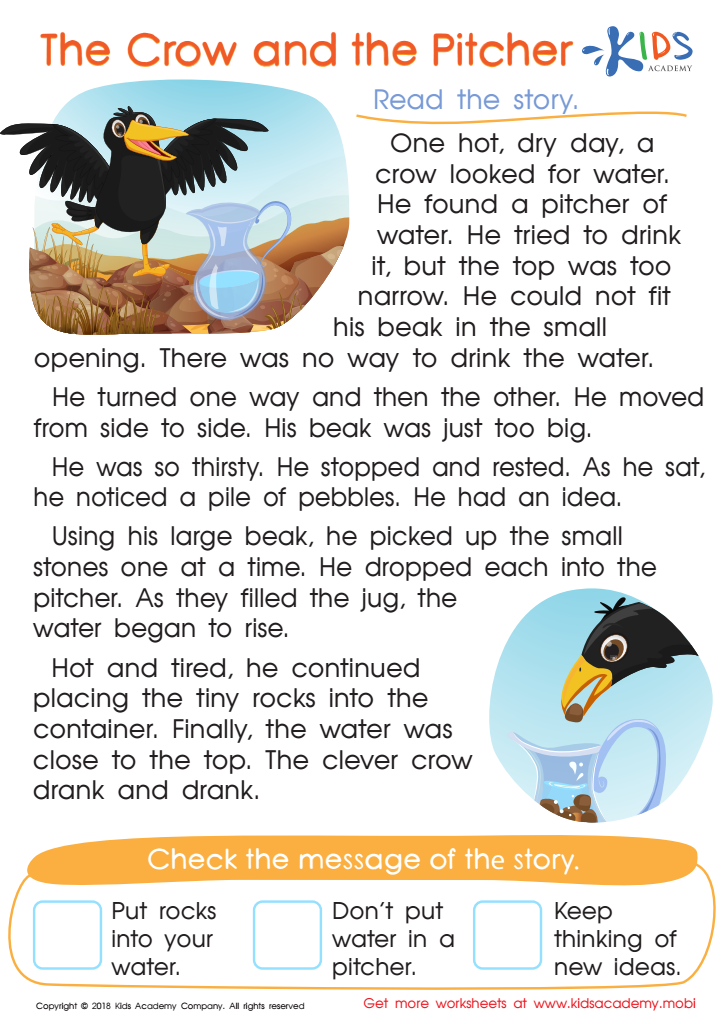
The Crow and the Pitcher Worksheet
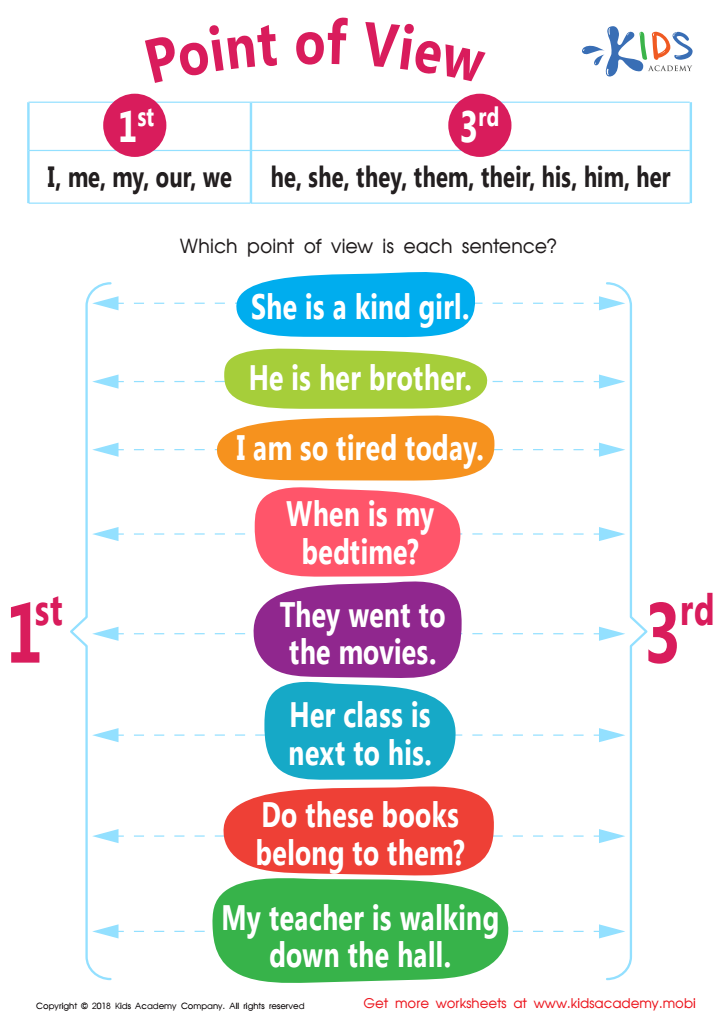
Point of View Worksheet
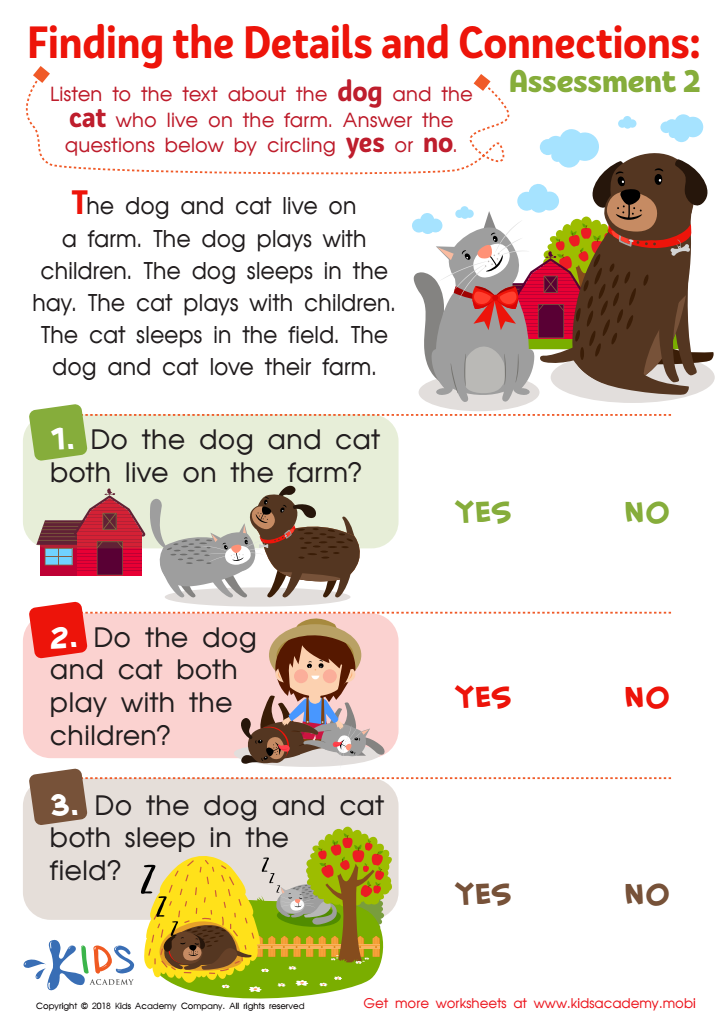
Finding the Details and Connections: Assessment 2 Worksheet
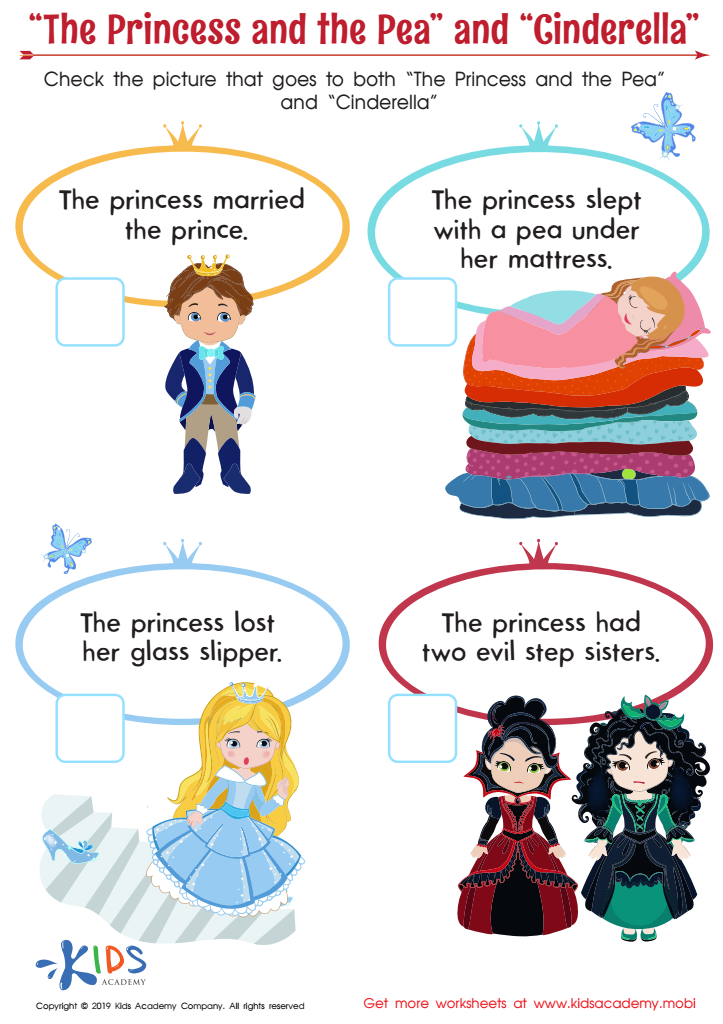
“The Princess and the Pea” and “Cinderella” Worksheet
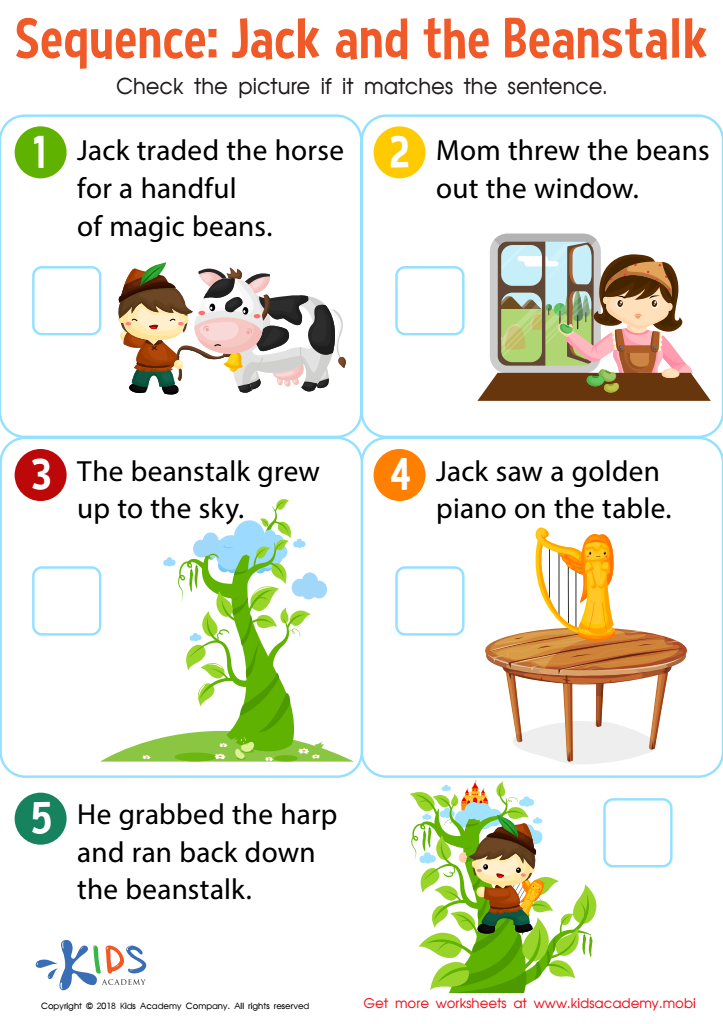
Sequence: Jack and The Beanstalk Worksheet
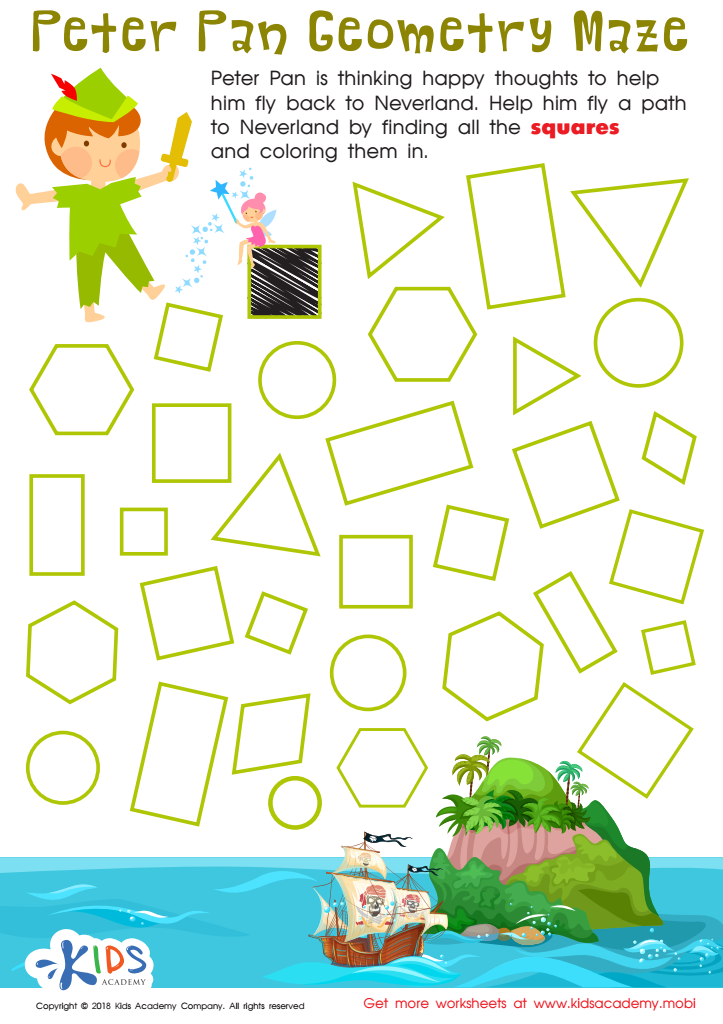
Peter Pan Worksheet
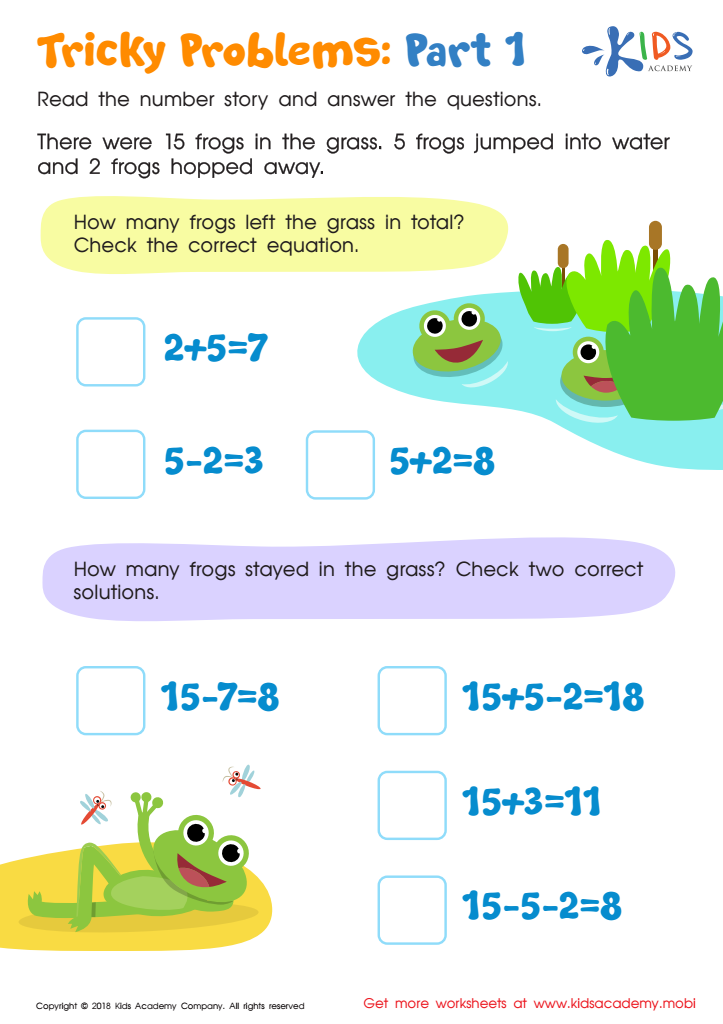
Tricky Problems Worksheet: Part 1
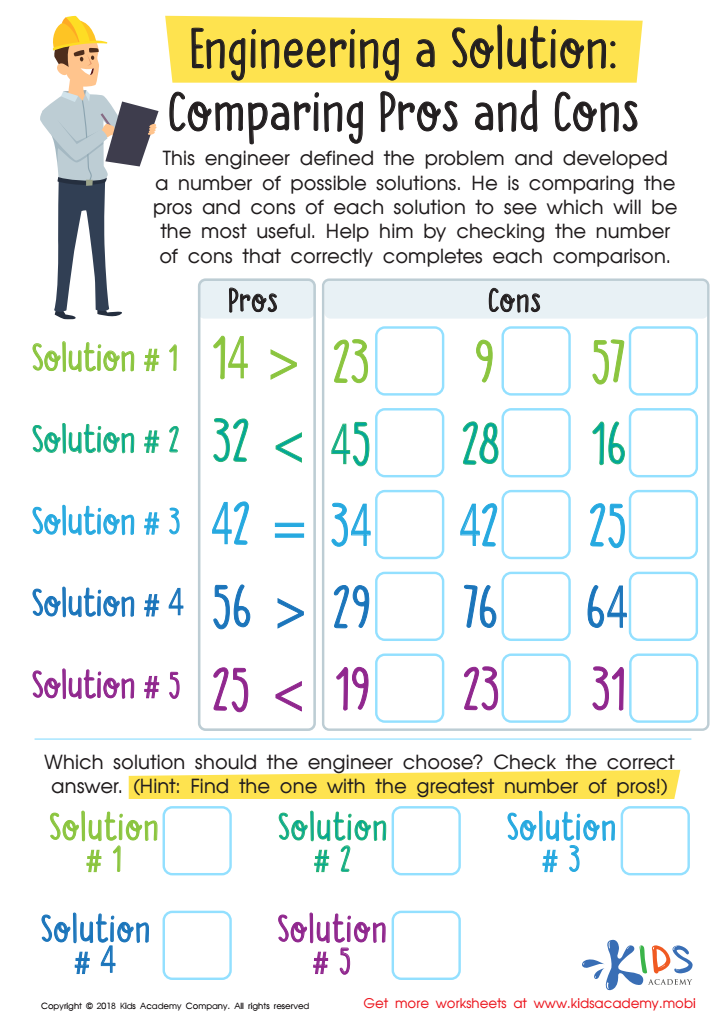
Engineering a Solution: Comparing Pros and Cons Worksheet
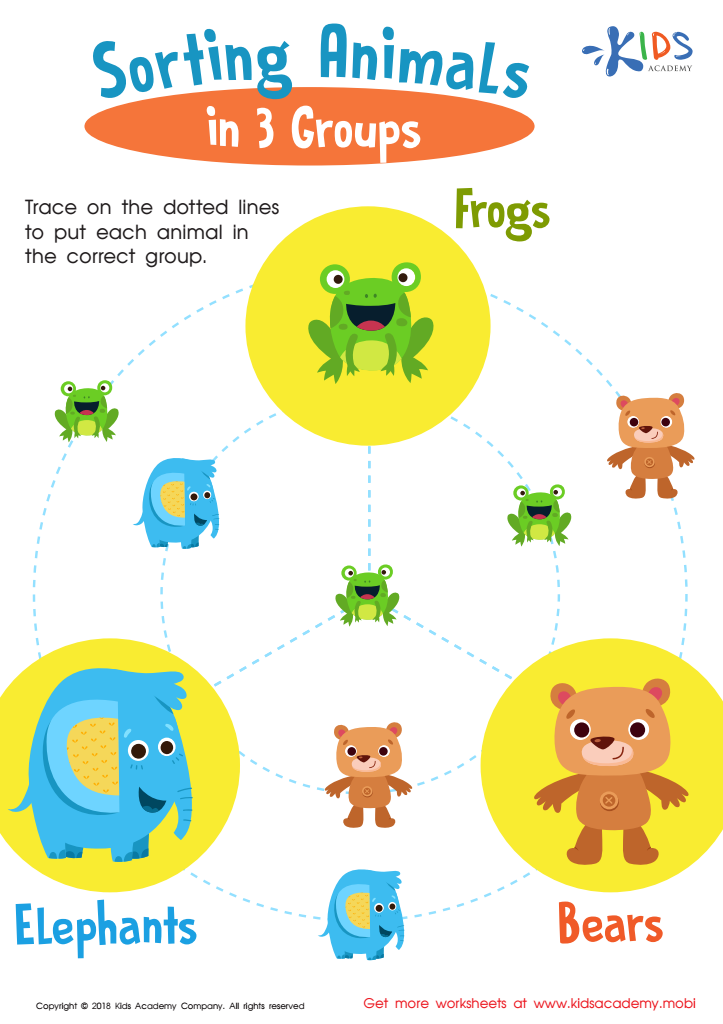
Sorting Animals in 3 Groups Worksheet
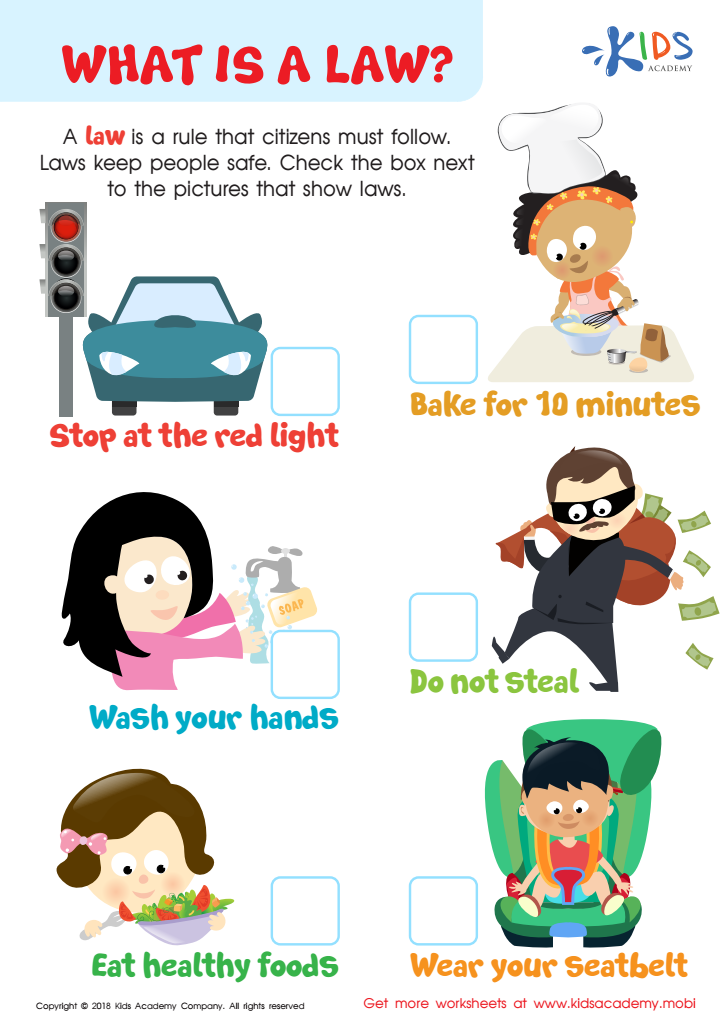
What is a Law? Worksheet
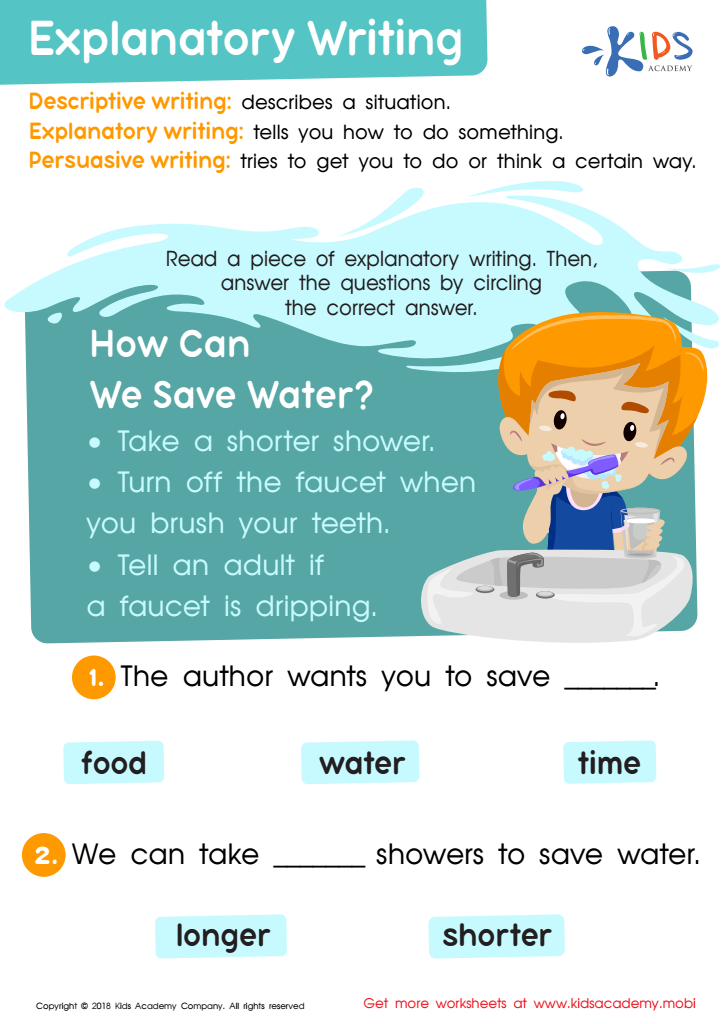
Explanatory Writing Worksheet
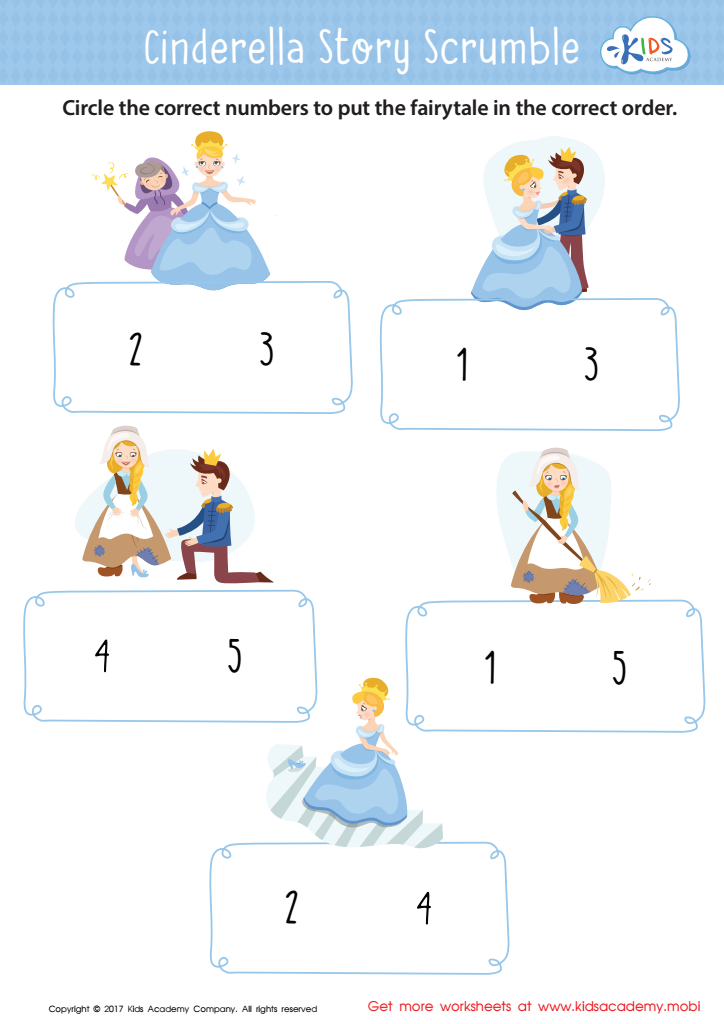
Cinderella Story Sequencing Worksheet
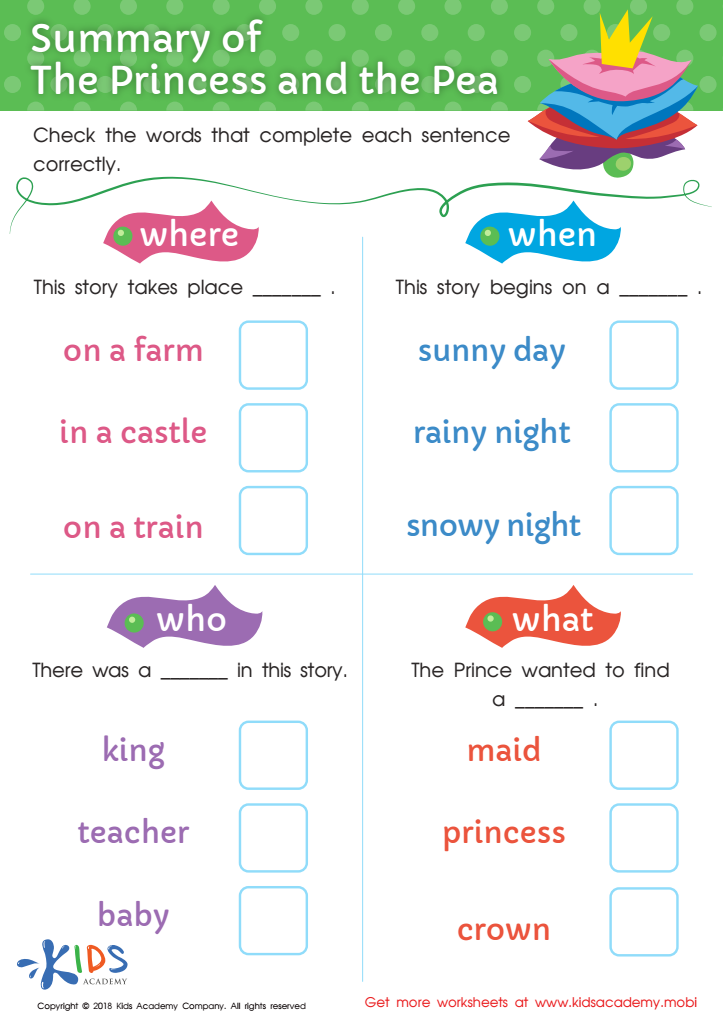
The Summary of the Princess and the Pea Worksheet
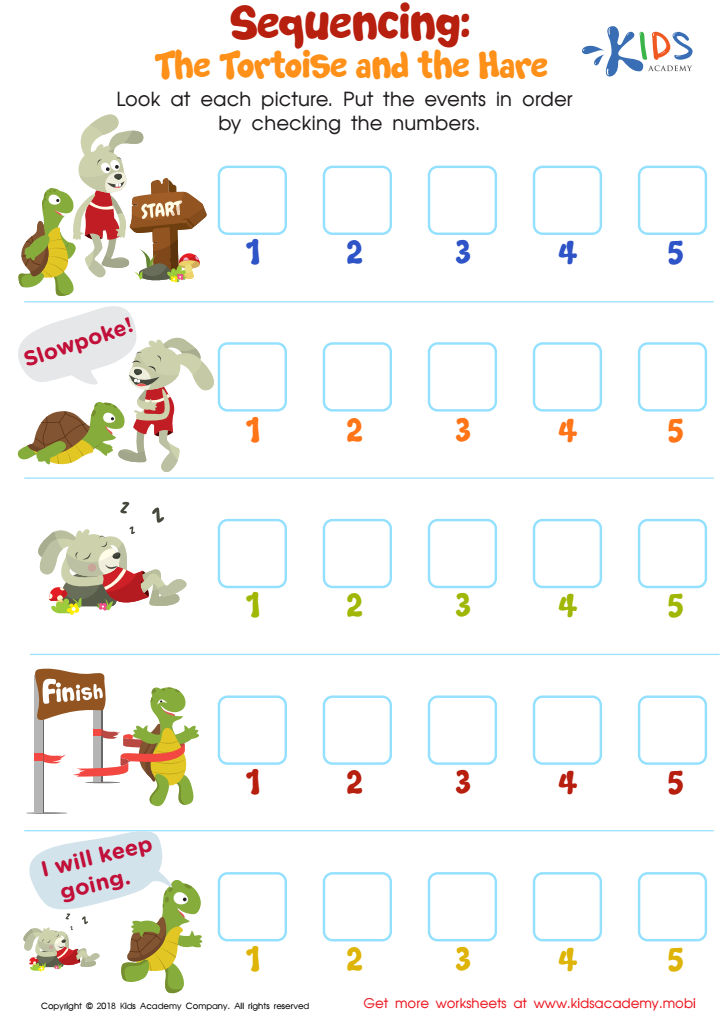
Sequencing: The Tortoise and the Hare Worksheet
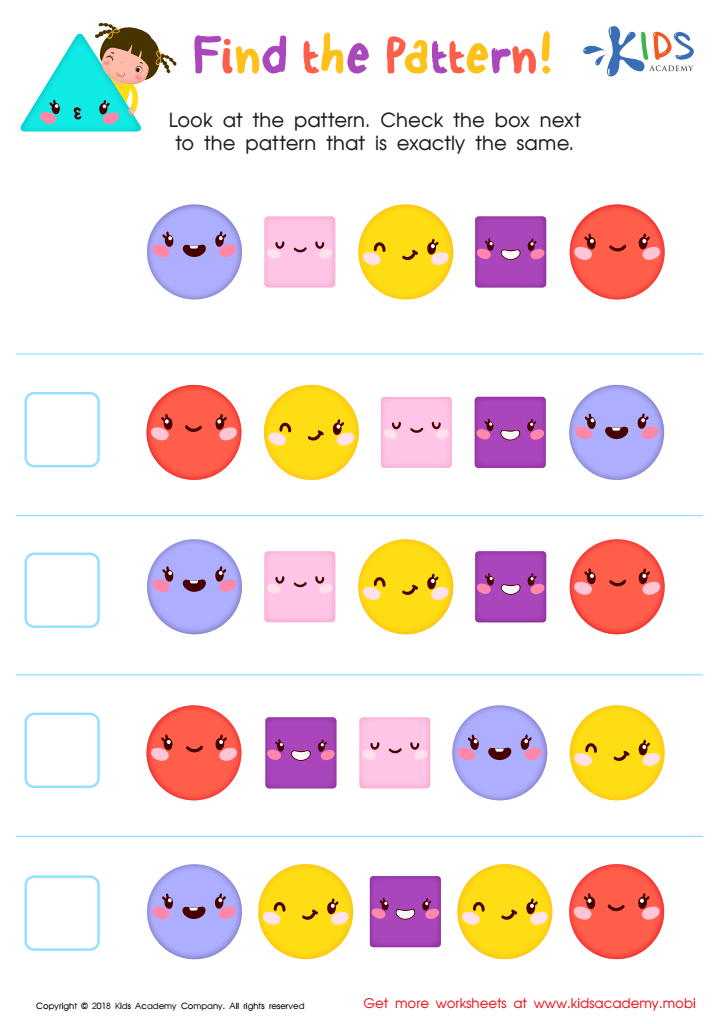
Find the Pattern Worksheet
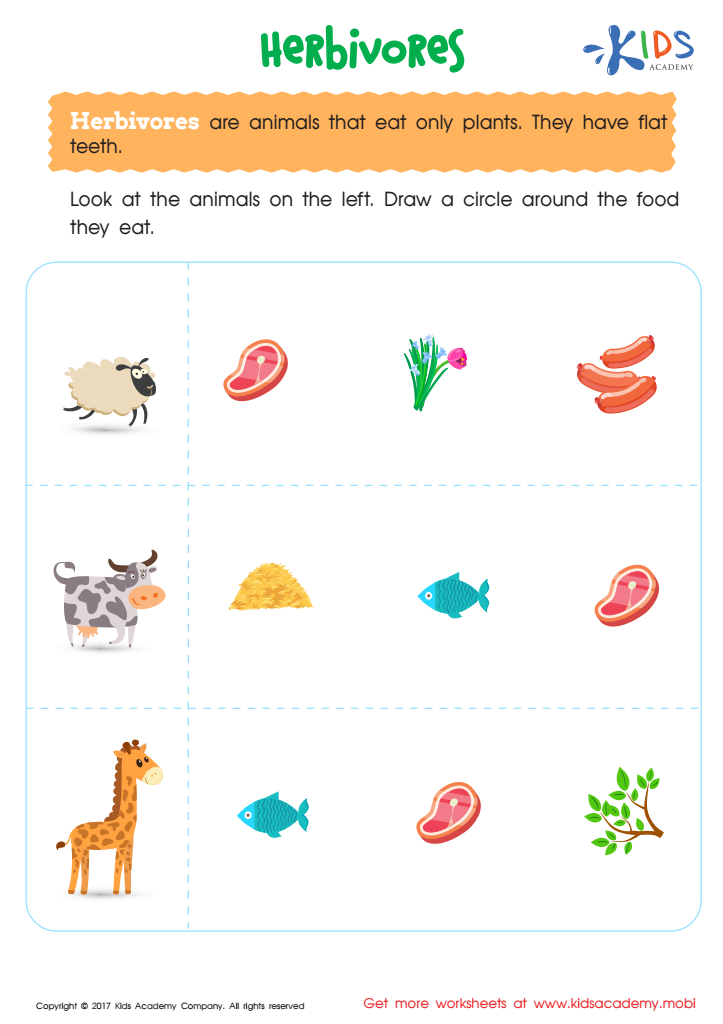
Herbivores Printable
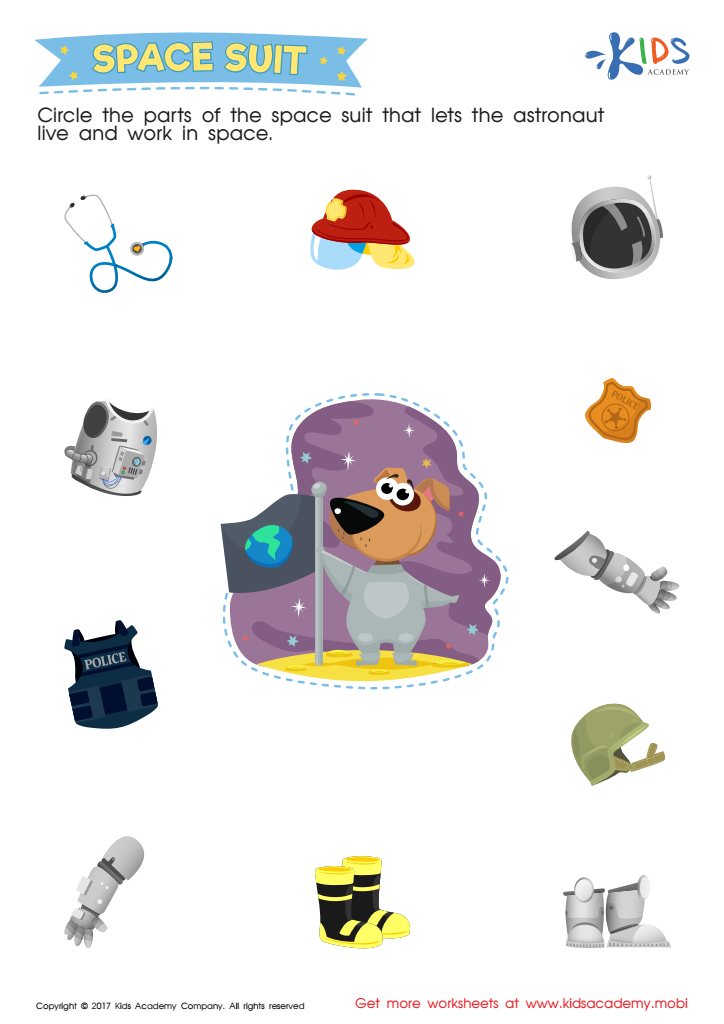

The 13 American Colonies Worksheet
 Assign to My Students
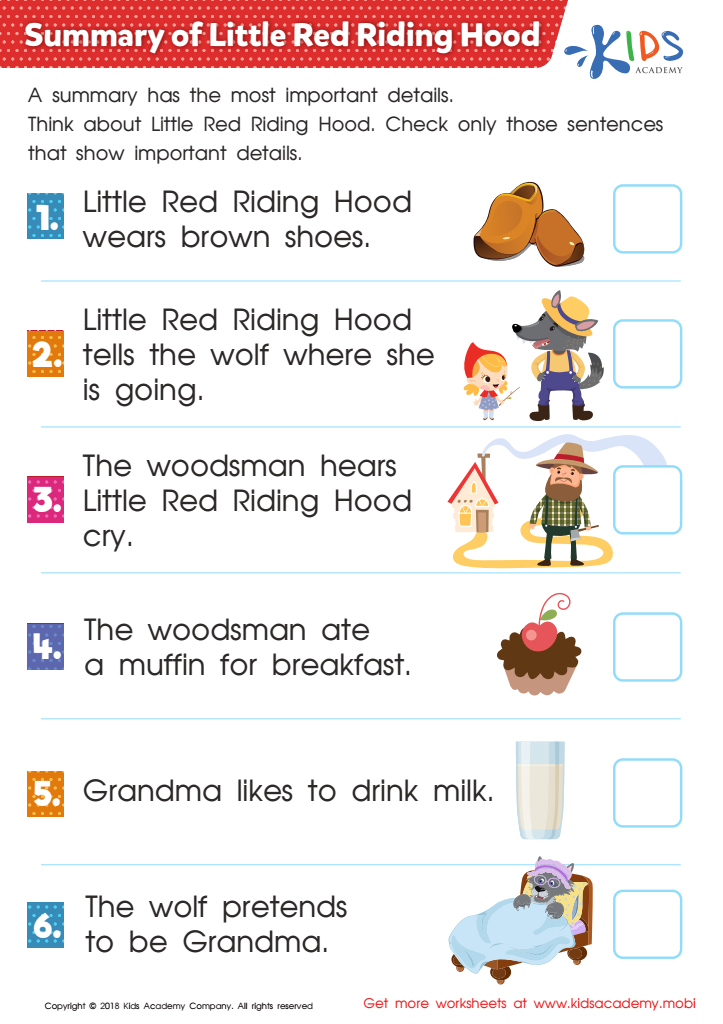
Summary of Little Red Riding Hood Worksheet
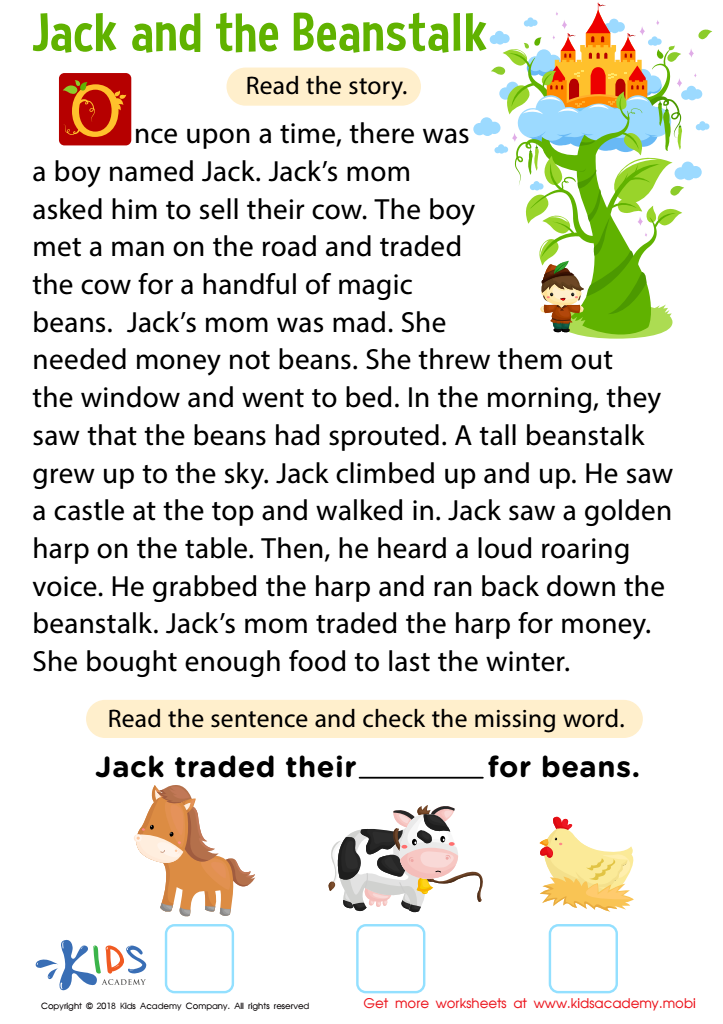
Jack and Beanstalk Worksheet
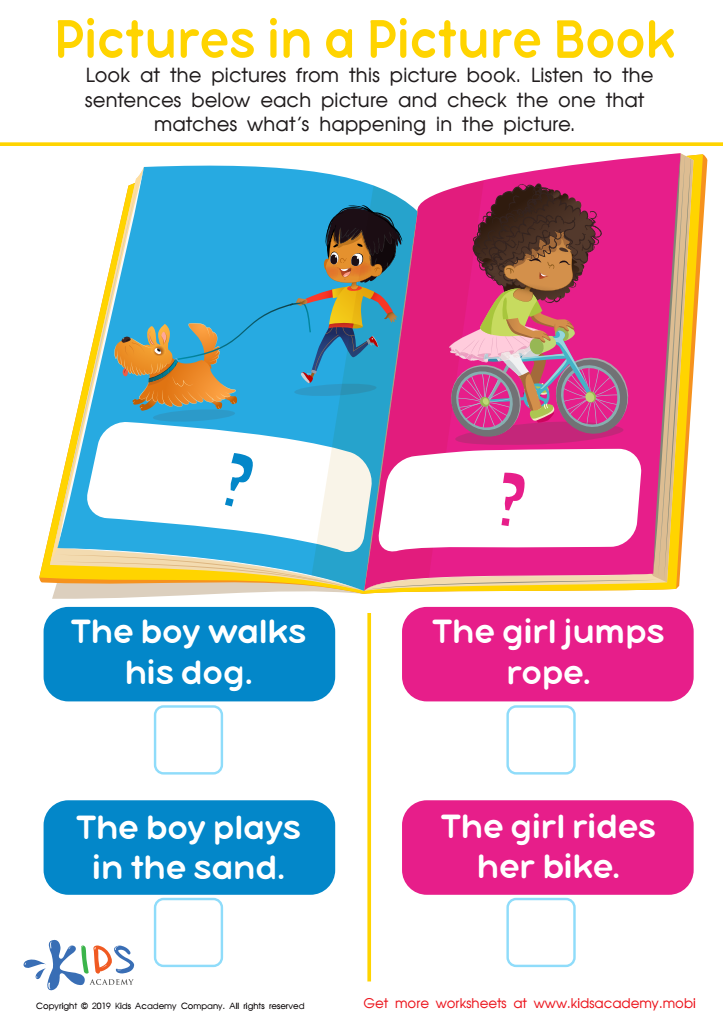
Picture in Books Worksheet
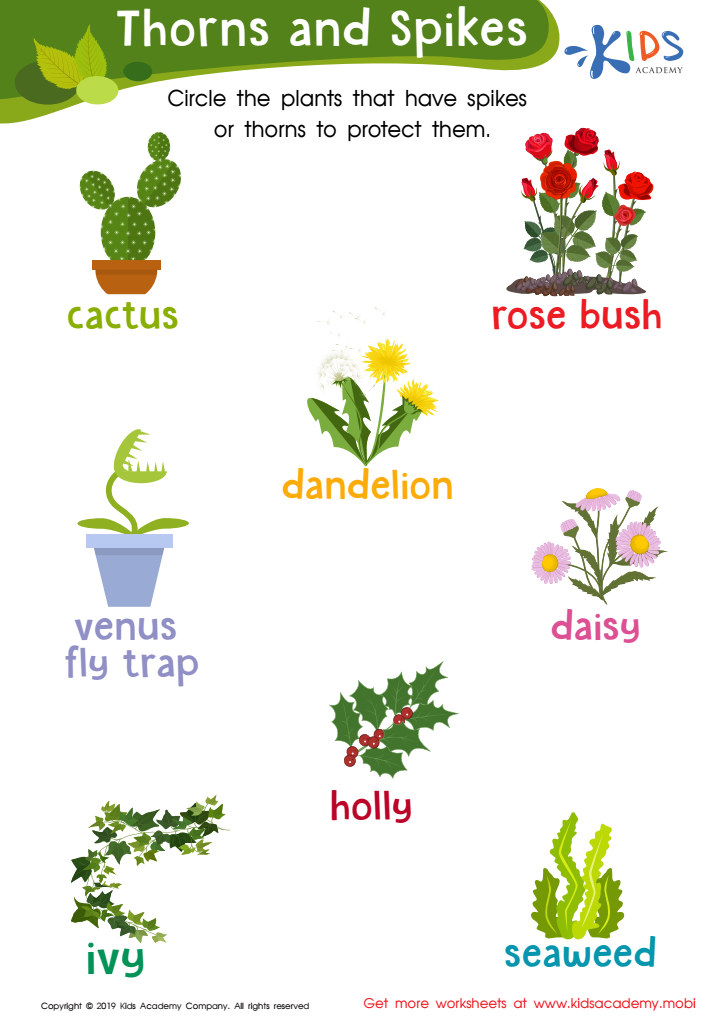
Thorns and Spikes Worksheet








Critical thinking is essential for children aged 3-7 as it lays the foundation for lifelong learning and problem-solving skills. During these formative years, children's brains are highly receptive to new information and experiences. Encouraging critical thinking helps them process and understand the world around them, fostering curiosity and open-mindedness.
Parents and teachers play a pivotal role in nurturing these skills. By promoting activities that require questioning, assessing evidence, and considering different viewpoints, adults help children develop the ability to think independently and make reasoned decisions. This not only boosts academic performance but also enhances social interactions, as children learn to empathize and see things from others' perspectives.
Moreover, critical thinking nurtures resilience. Children learn that it’s okay to make mistakes, which are opportunities for growth rather than failures. This growth mindset encourages persistence and adaptability, essential traits for success in various life situations.
Incorporating critical thinking into daily activities—such as storytime discussions, open-ended questions, and simple problem-solving games—can make learning engaging and fun. As a result, children become more confident, resourceful, and ready to tackle the challenges of an ever-evolving world, making critical thinking an indispensable part of early education.








