Counting skills Normal Numbers Worksheets for Ages 3-7 - Page 3
65 filtered results
-
From - To
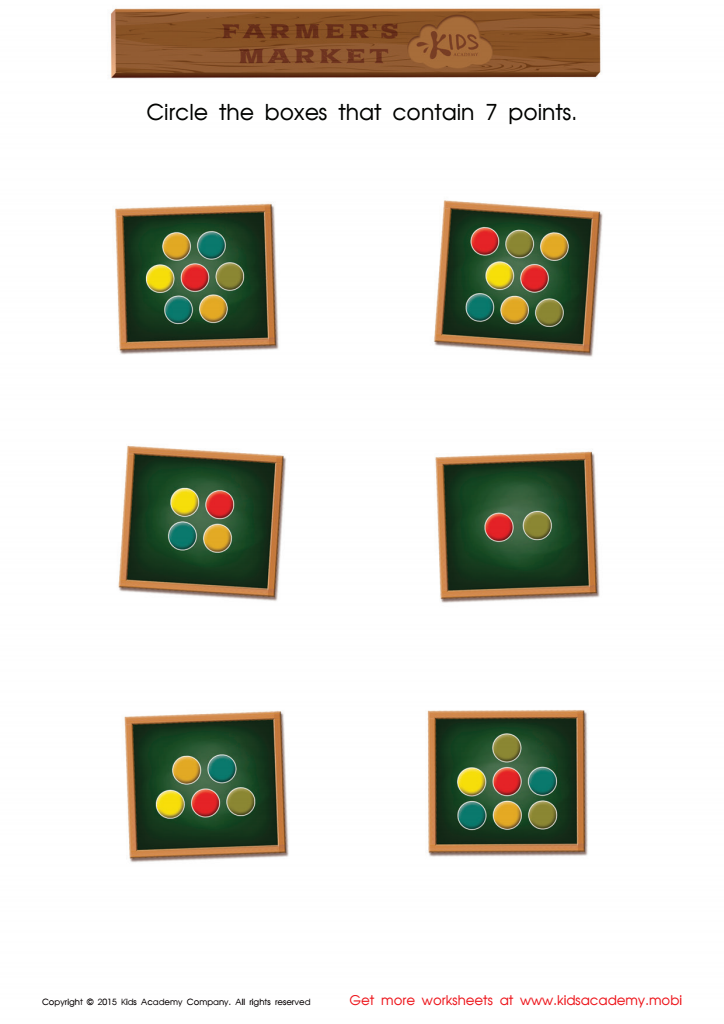
Count and Match Points 7 Math Worksheet
 Assign to My Students
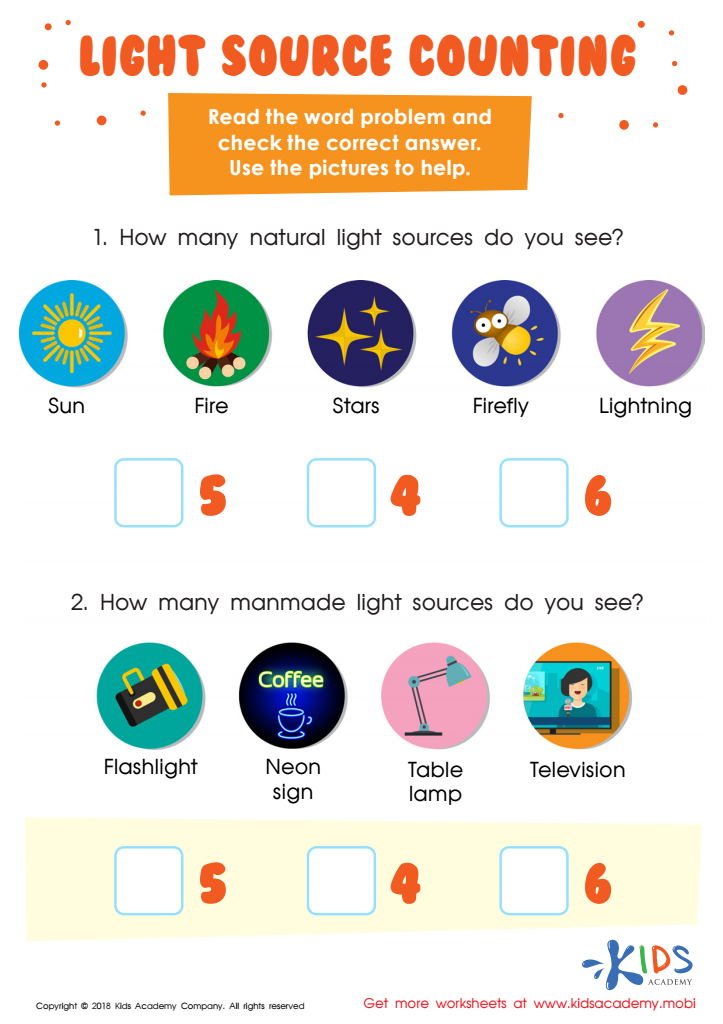
Light Source Counting Worksheet
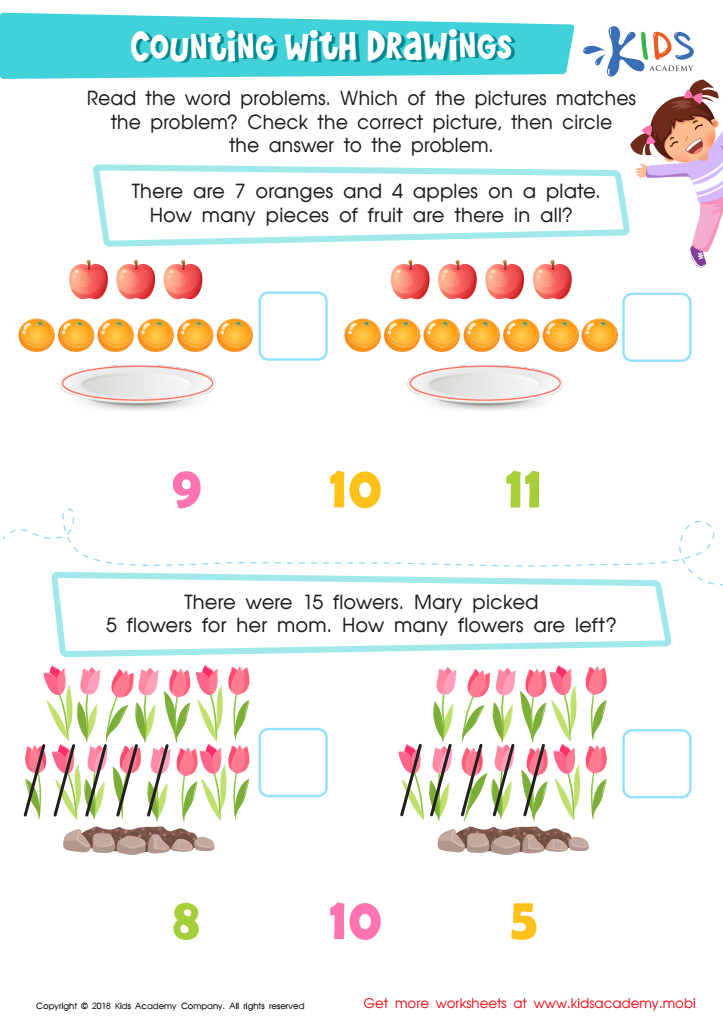
Counting with Drawings:Fruits & Flowers Worksheet
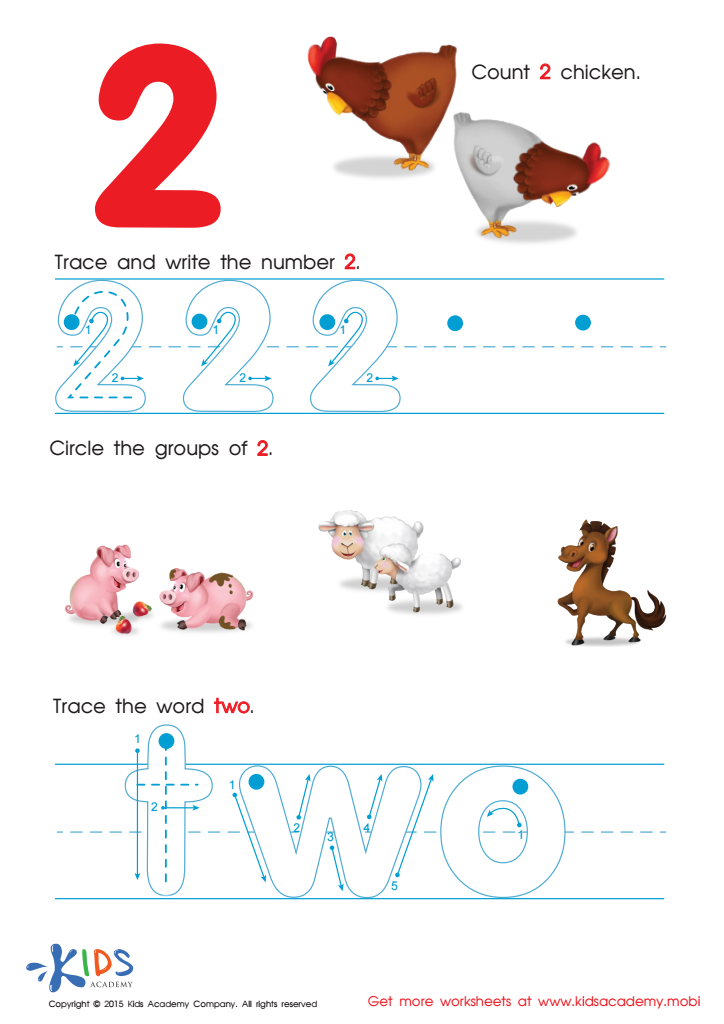
Learn to Write the Number 2 Worksheet
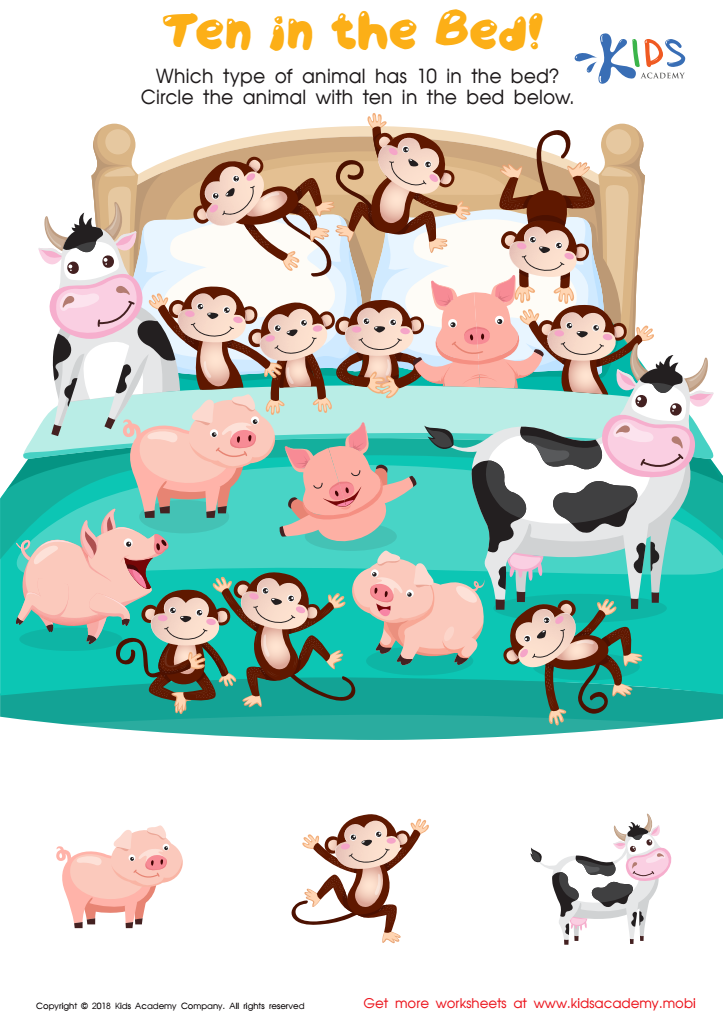
Ten in the Bed Worksheet
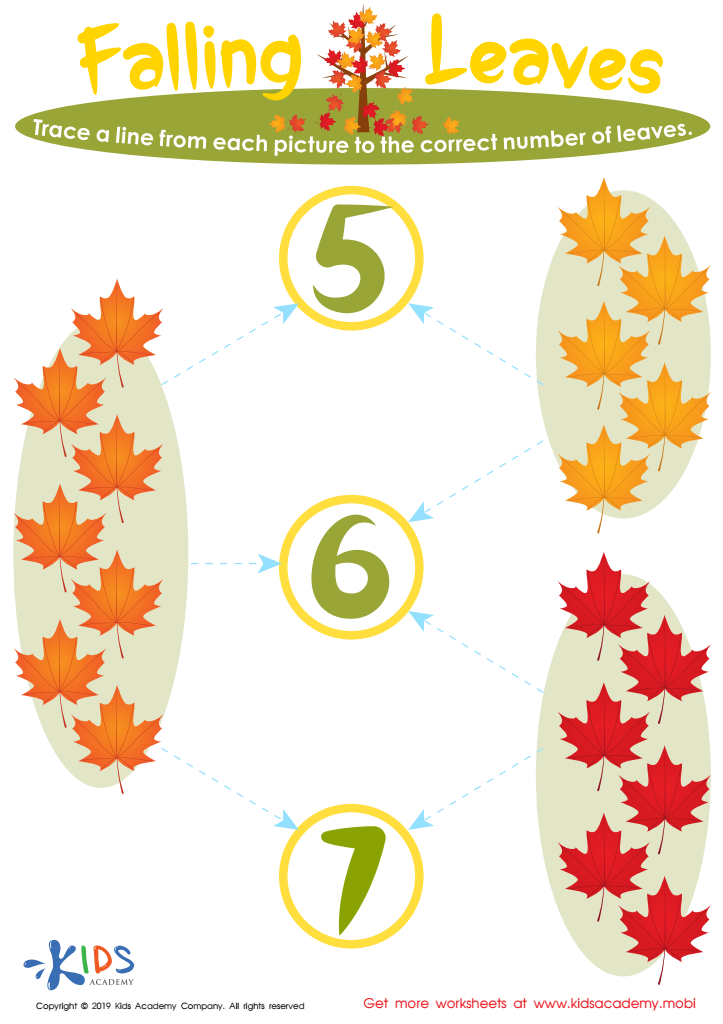
Falling Leaves Worksheet
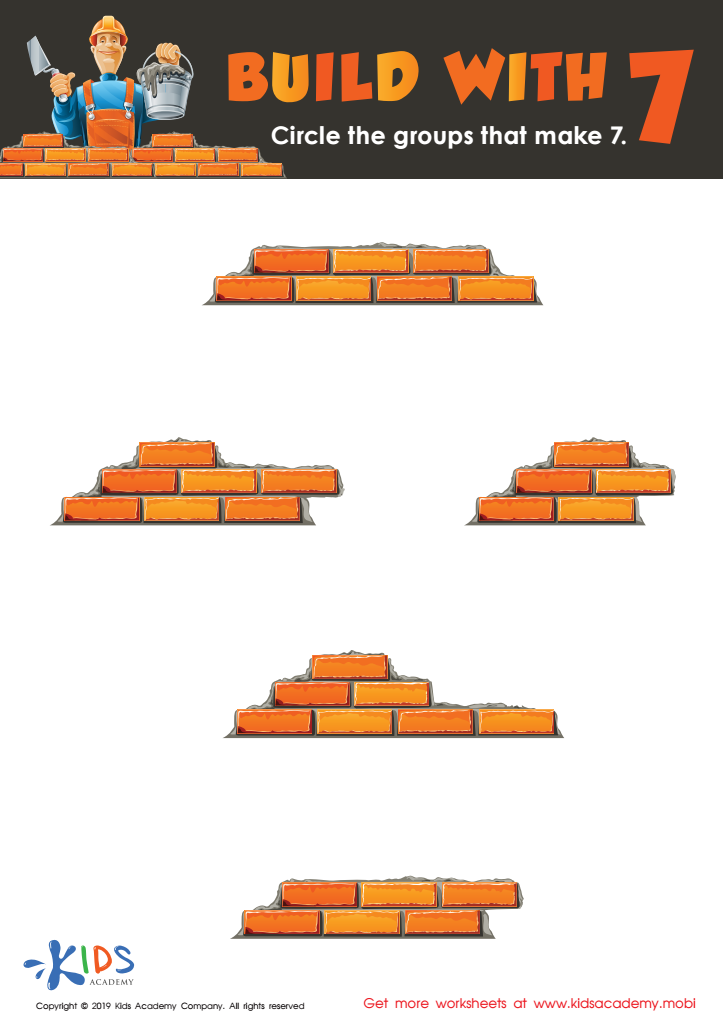
Build with 7 Worksheet

Count and Match Vegetables 1 – 5 Math Worksheet
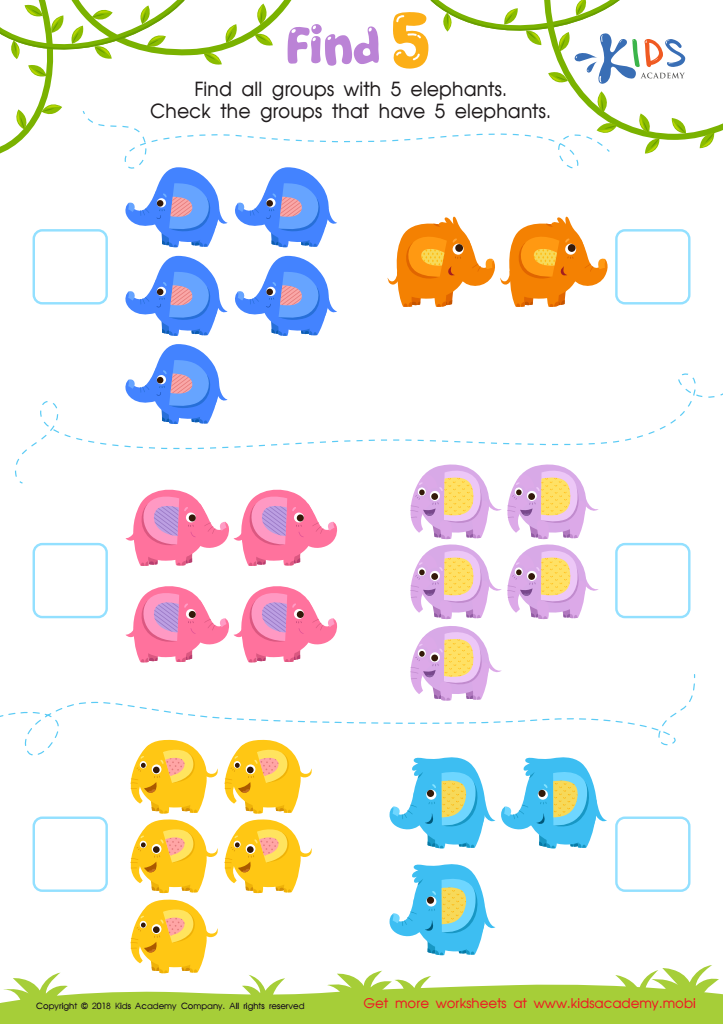
Find 5 Worksheet
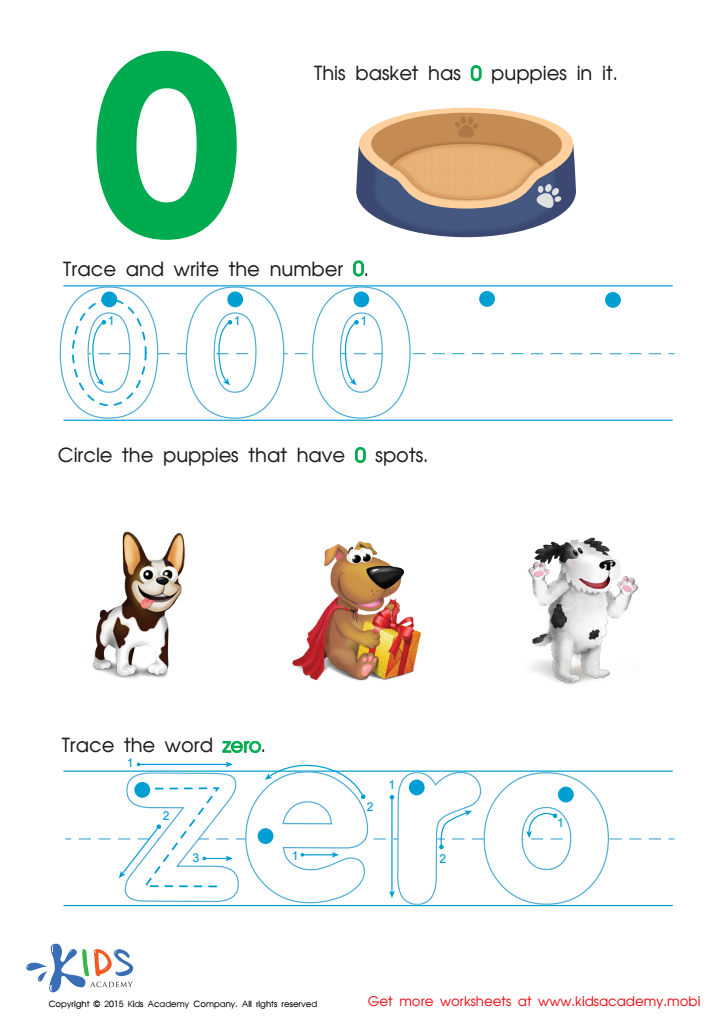
Trace And Write Number 0 Worksheet
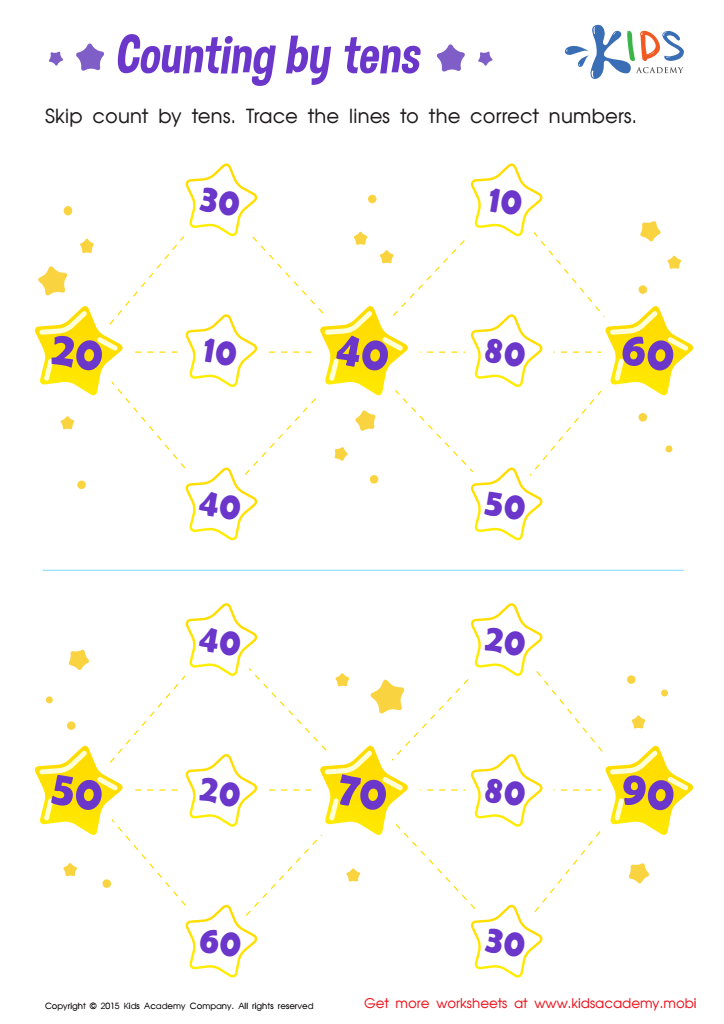
Learn Dozens: Counting by Tens Printable
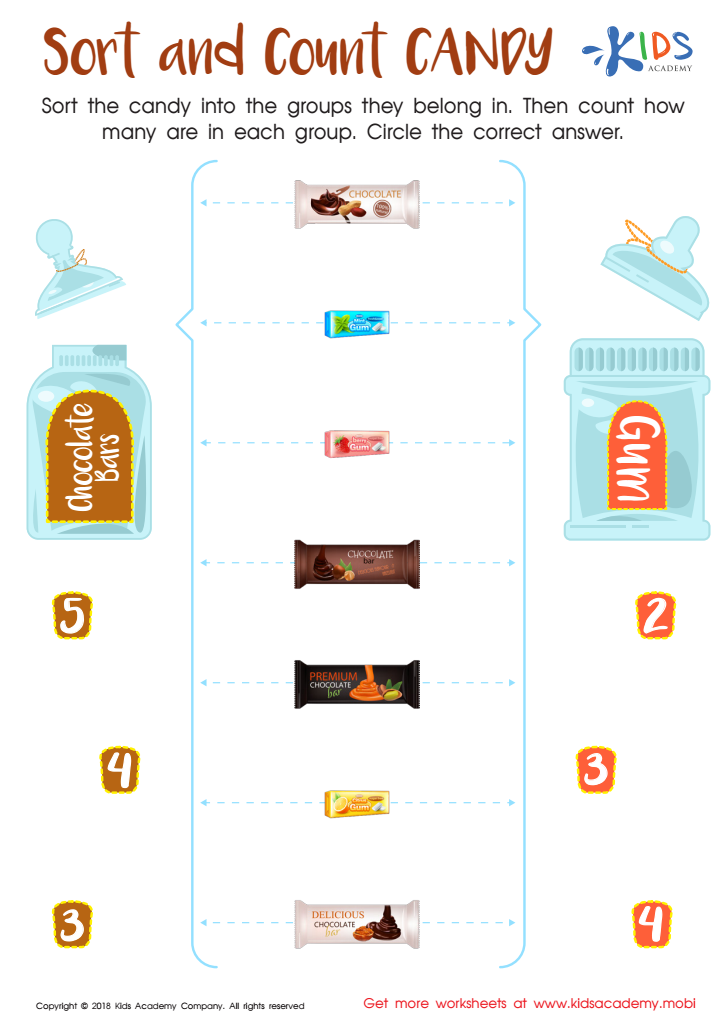
Sort and Count Candy Worksheet
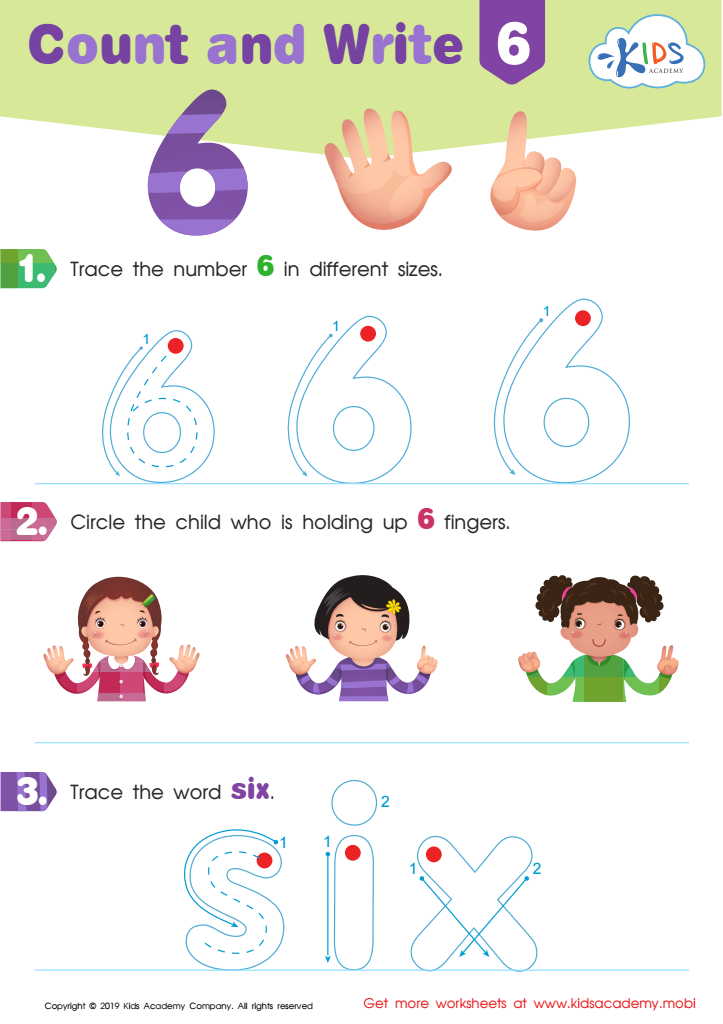
Count and Write 6 Worksheet
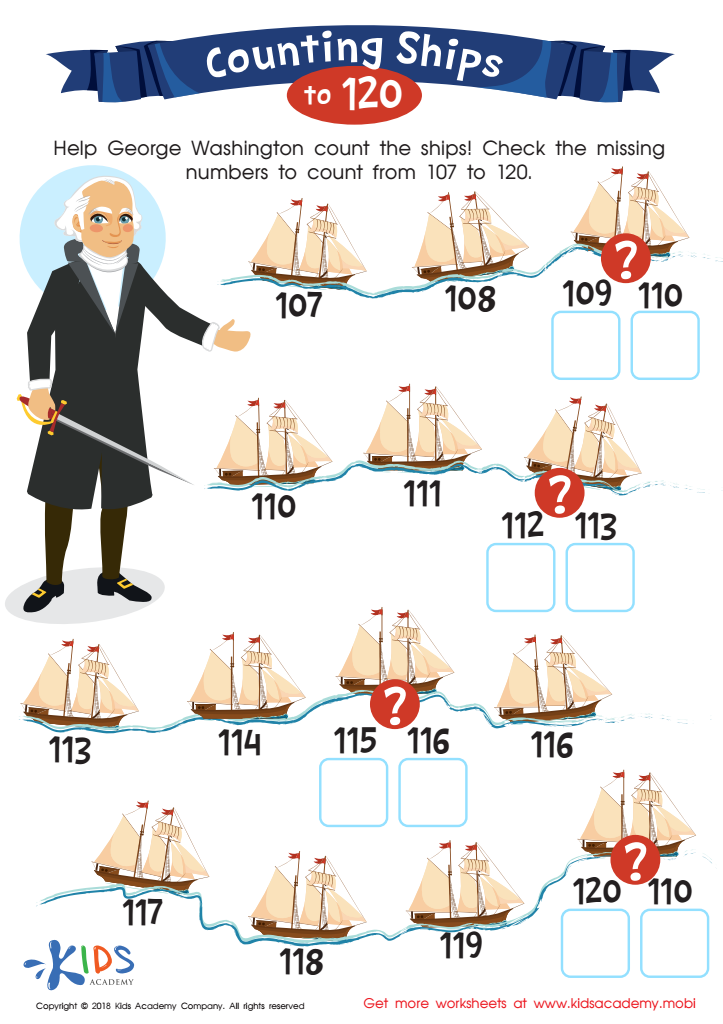
Counting Ships to 120 Worksheet
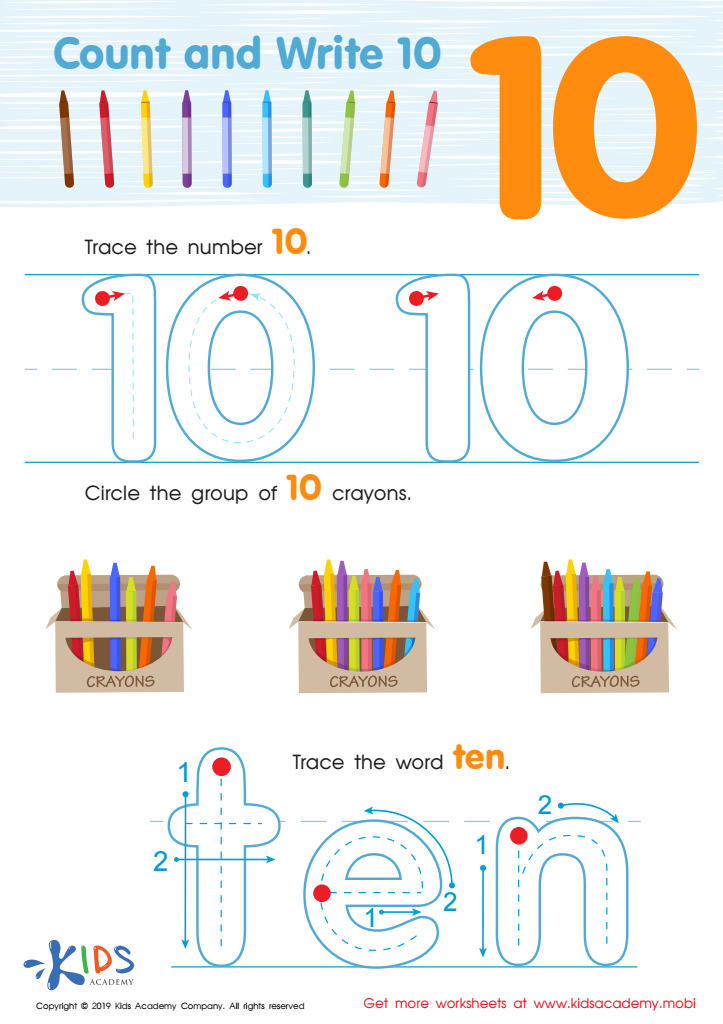
Count and Write 10 Worksheet
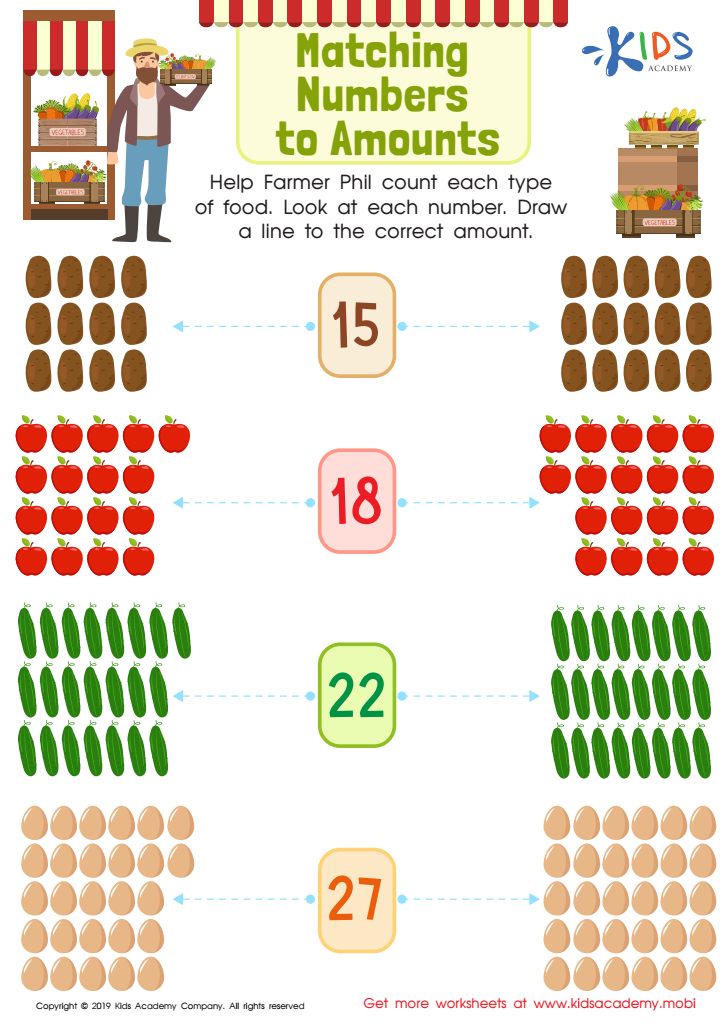
Matching Numbers to Amounts Worksheet
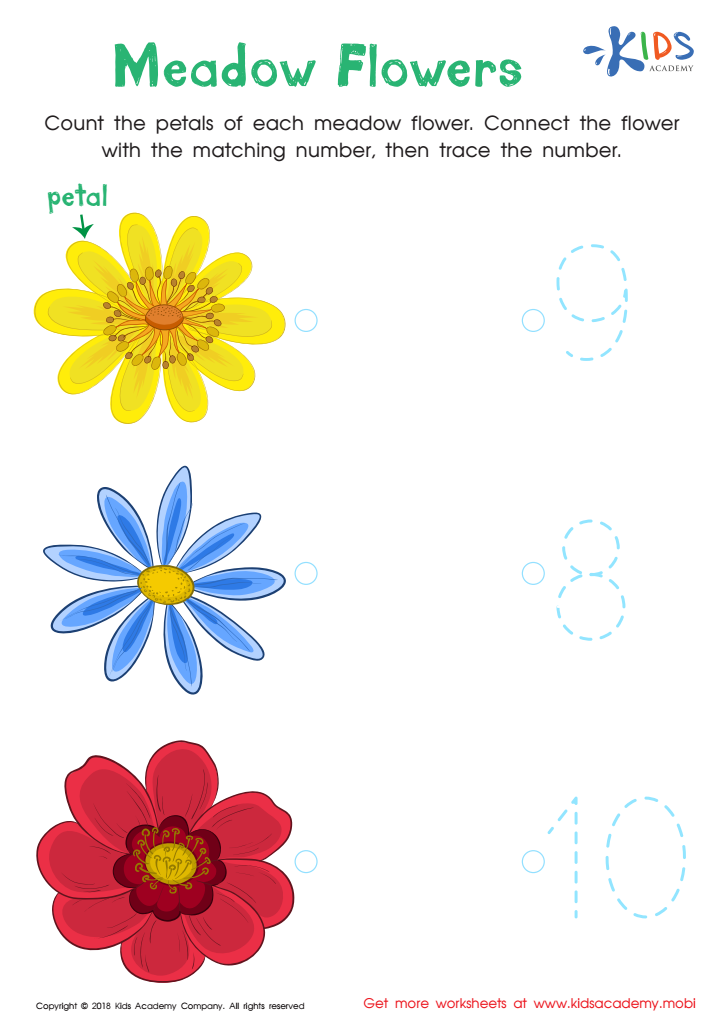
Kindergarten Number Tracing: Medow Flowers Worksheet








Counting skills are foundational to a child's mathematical development, making them critical for both parents and teachers to nurture in children aged 3-7. These early years are crucial, as children begin to perceive and understand numerical concepts, forming the basis for more complex mathematical learning in later stages. Strong counting skills not only help children grasp basic math concepts such as addition and subtraction but also enhance their problem-solving abilities, critical thinking, and cognitive development.
When children master counting, it builds their confidence in tackling numbers, making them more receptive to learning related subjects like science and technology later on. Furthermore, counting skills can promote important life skills, such as measuring, ordering, and organizing—core competencies that extend beyond the classroom.
Additionally, understanding counting assists children in navigating everyday situations, from handling money to determining quantities during play. Encouraging counting through engaging activities can strengthen the bond between adults and children, linking learning with fun. In summary, fostering counting skills in early childhood cultivates strong mathematical foundations, enhances cognitive and problem-solving abilities, and equips children with essential life skills. This concern should drive both parents and teachers to prioritize these learning experiences in everyday activities.








