Visual perception Normal Math Worksheets for Ages 3-7
15 filtered results
-
From - To
Discover our engaging Visual Perception Normal Math Worksheets, specially designed for children ages 3-7. These educational resources focus on enhancing your child's visual perception skills through fun and interactive activities. Packed with colorful exercises and creative challenges, our worksheets help young learners develop essential skills such as pattern recognition, spatial awareness, and logical thinking. Ideal for early-grade students, these printables aim to make learning math both enjoyable and effective. Foster your child's cognitive growth and build a strong mathematical foundation with our expertly crafted worksheets. Explore now to boost your child's visual perception and math proficiency!
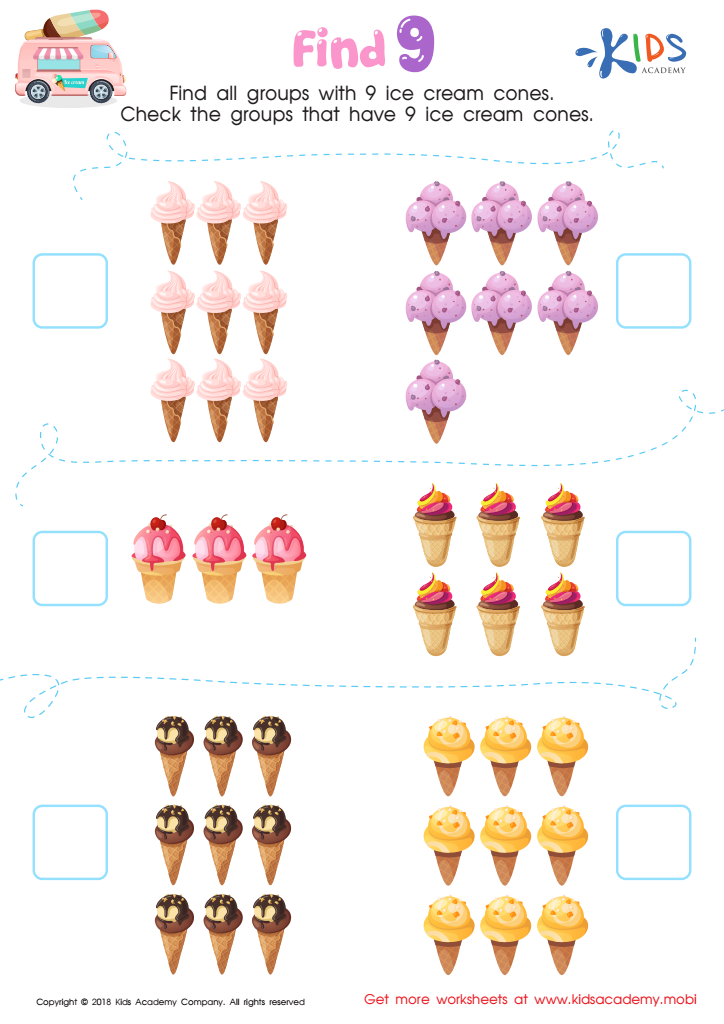
Find 9 Worksheet
 Assign to My Students
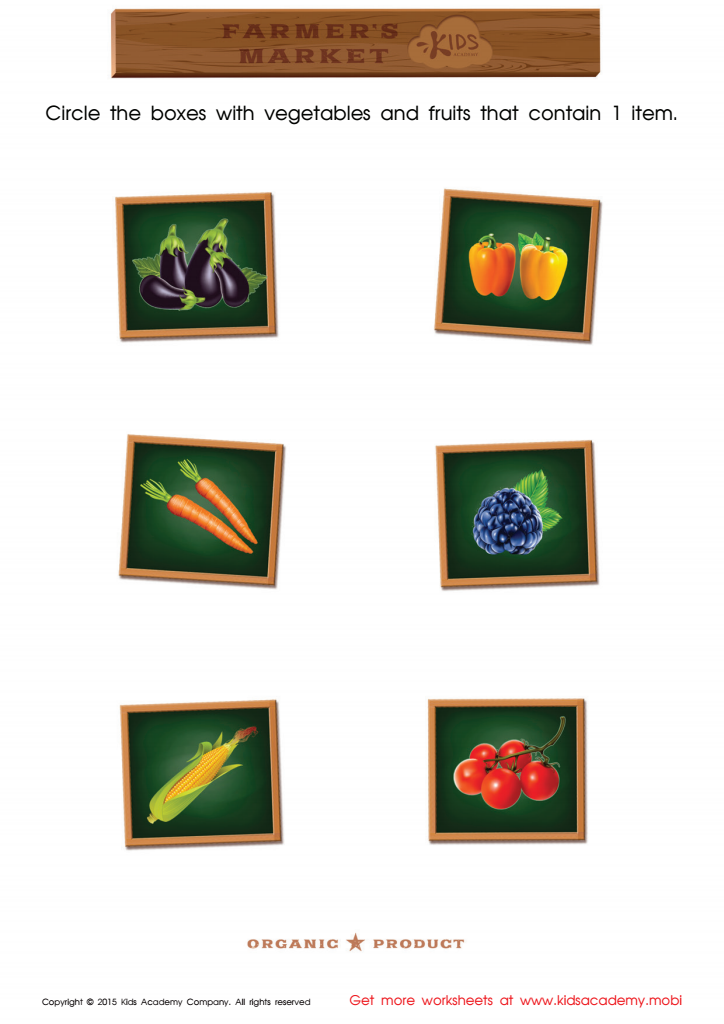
Count and Match Boxes with Vegetables
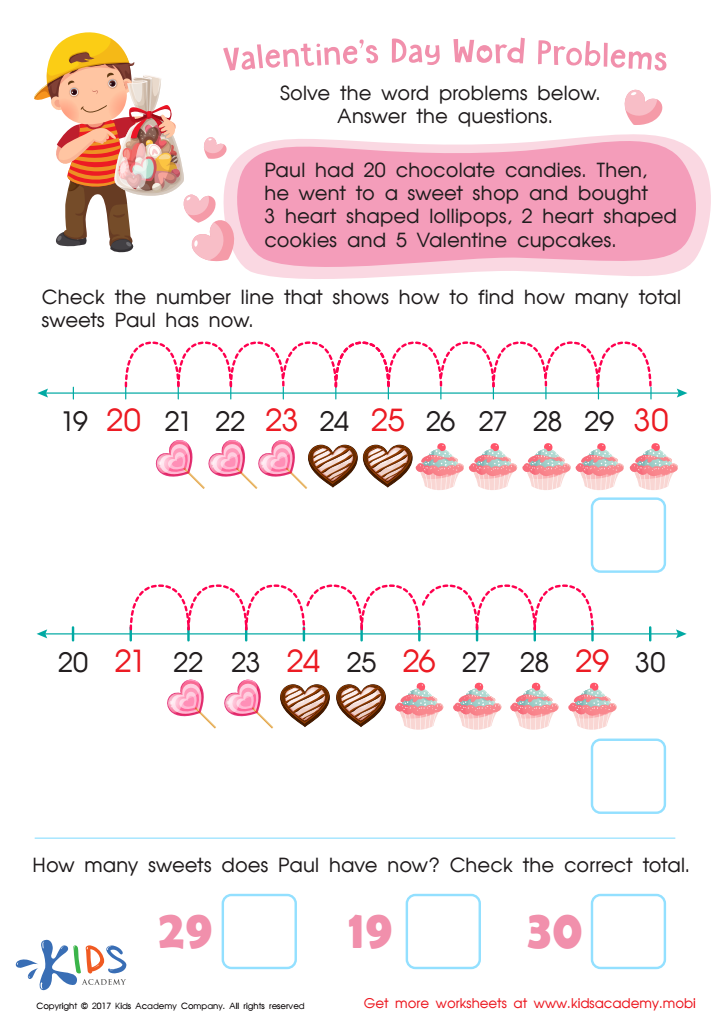
Valentines Day 2 Printable
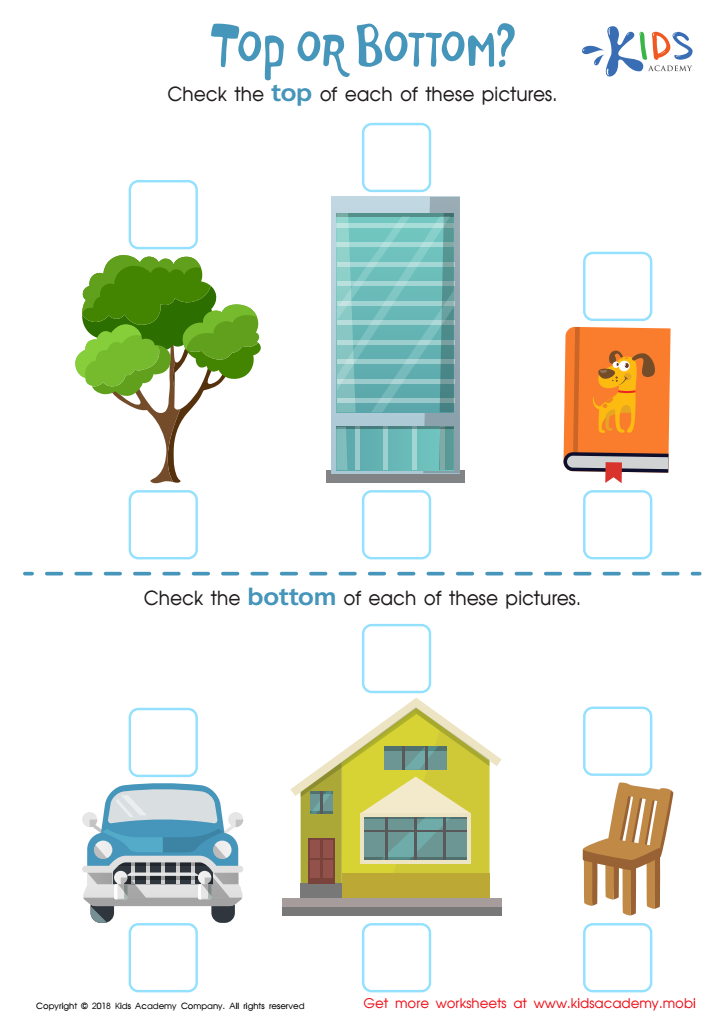
Top or Bottom Worksheet
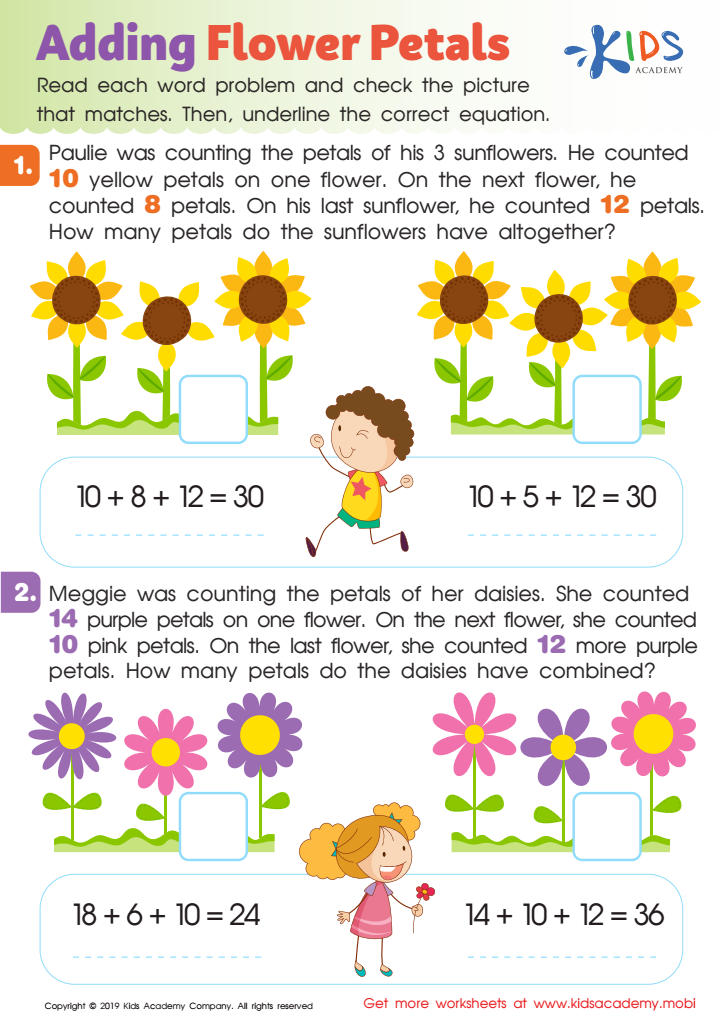
Adding Flower Petals Worksheet
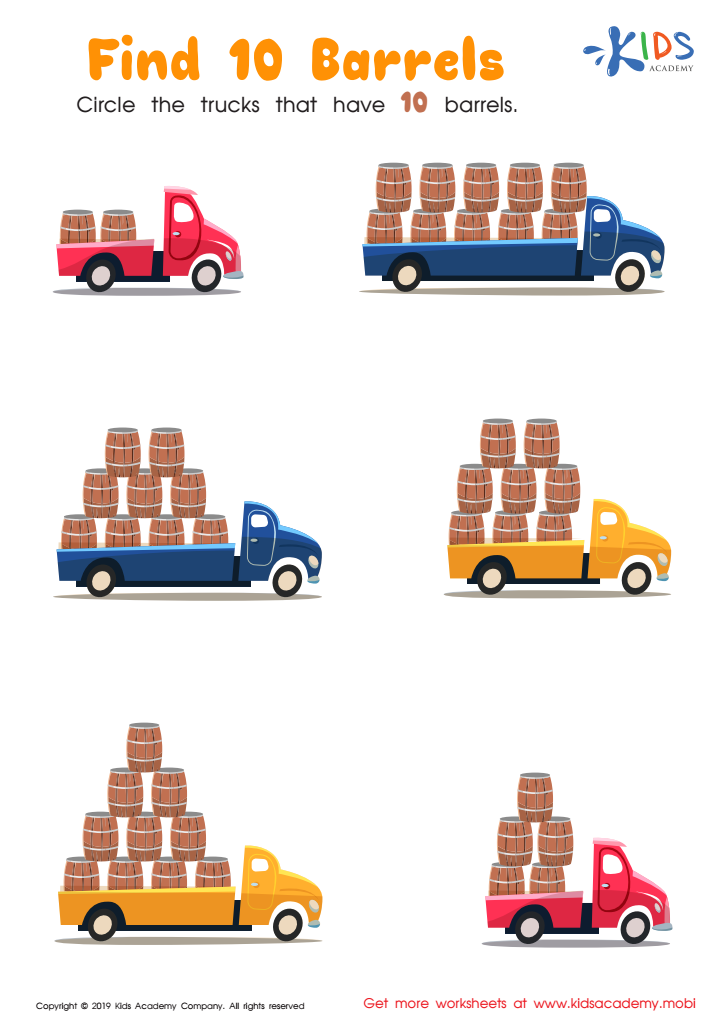
Find 10 Barrels Worksheet
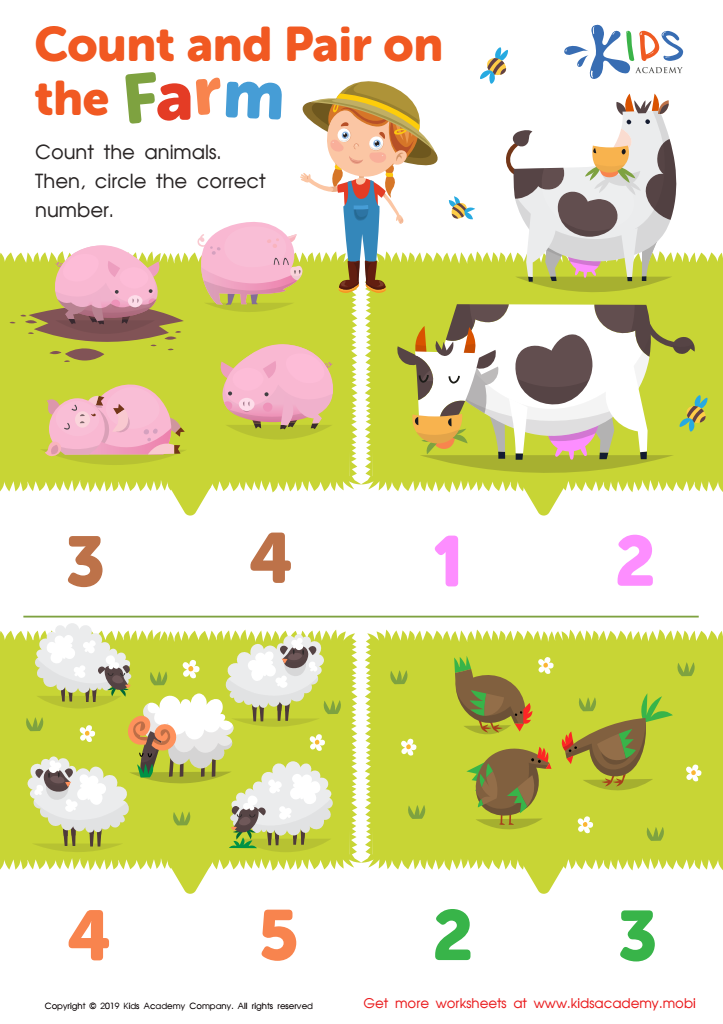
Count and Pair on the Farm Worksheet
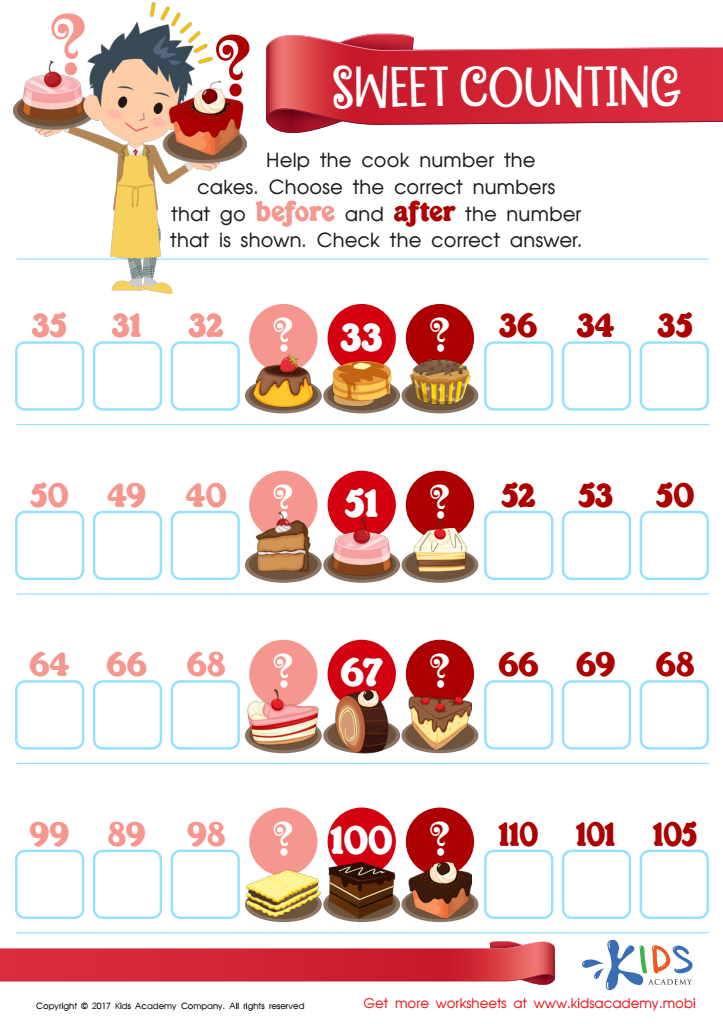
Sweet Counting - Part 1 Worksheet
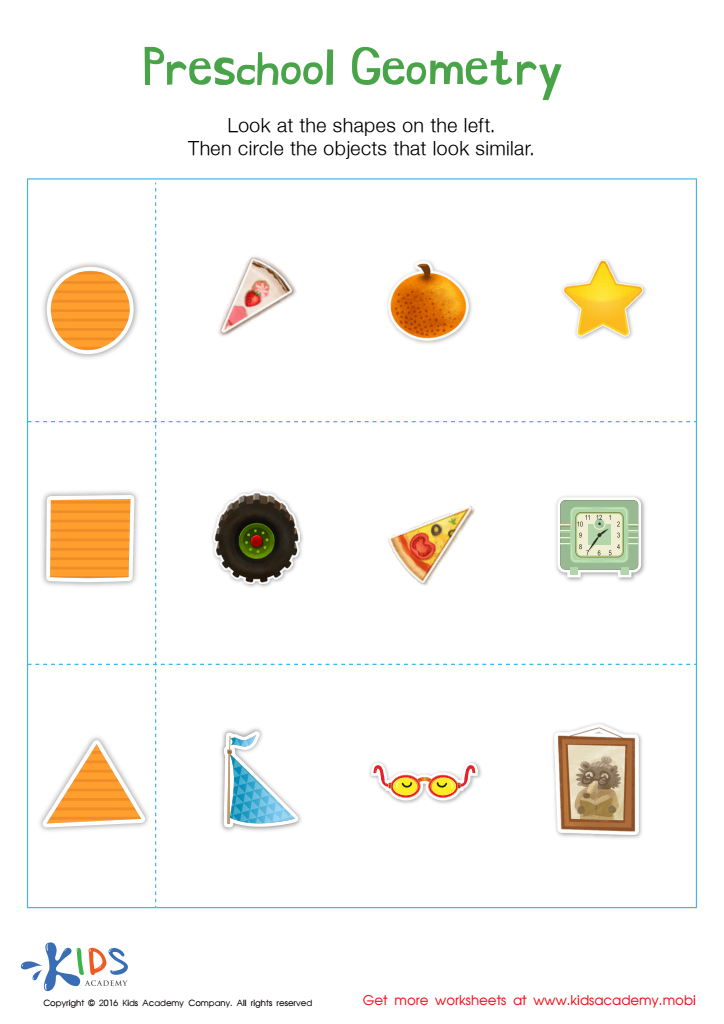
Preschool Geometry Match Up Worksheet
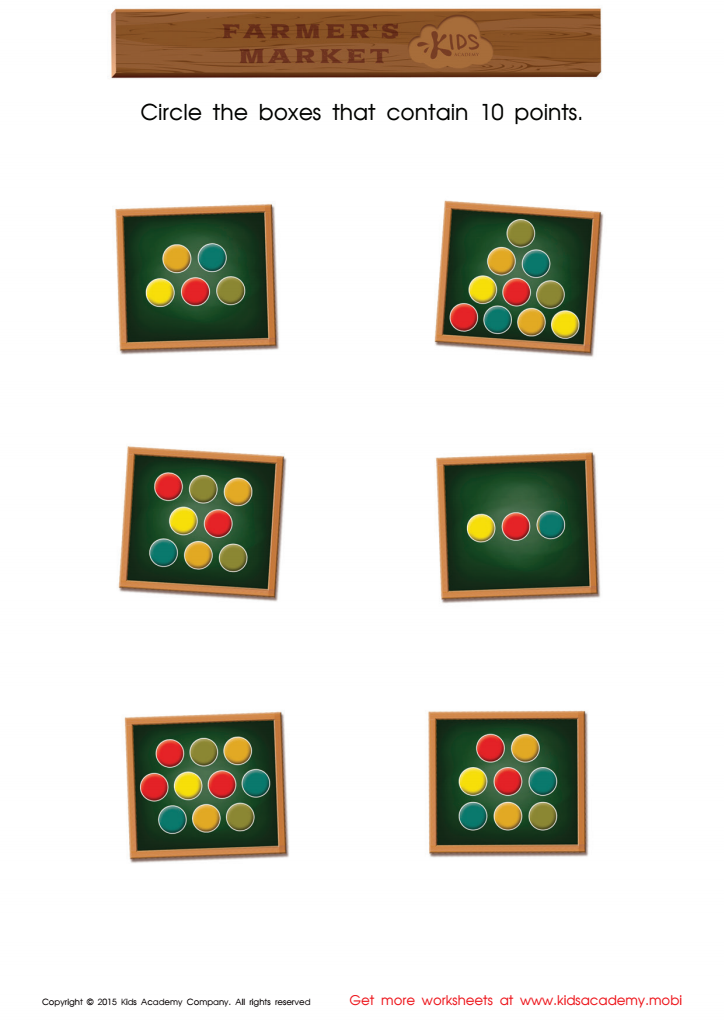
Count and Match Points 10 Math Worksheet
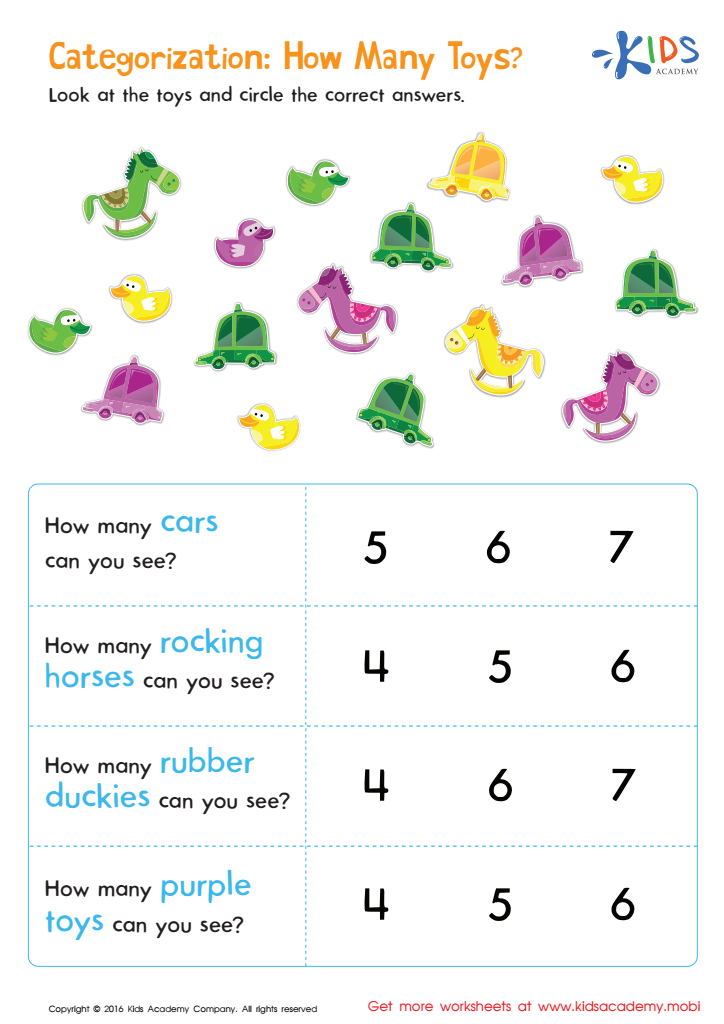
Classifying Toys by Type and Color Sorting Worksheet
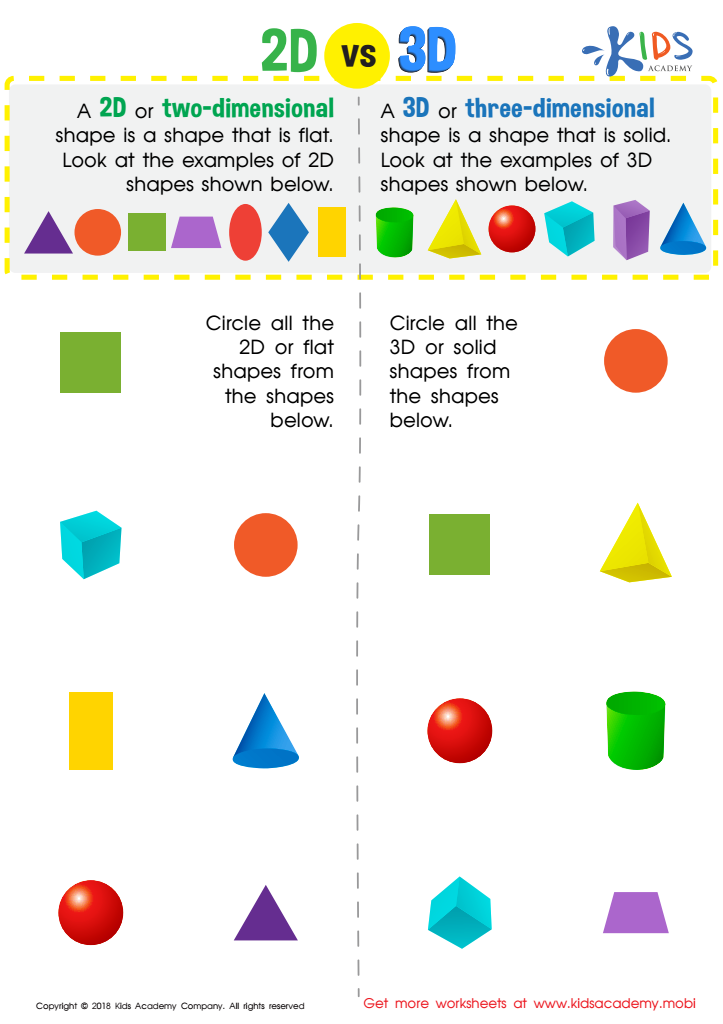
2D vs 3D Shapes Worksheet
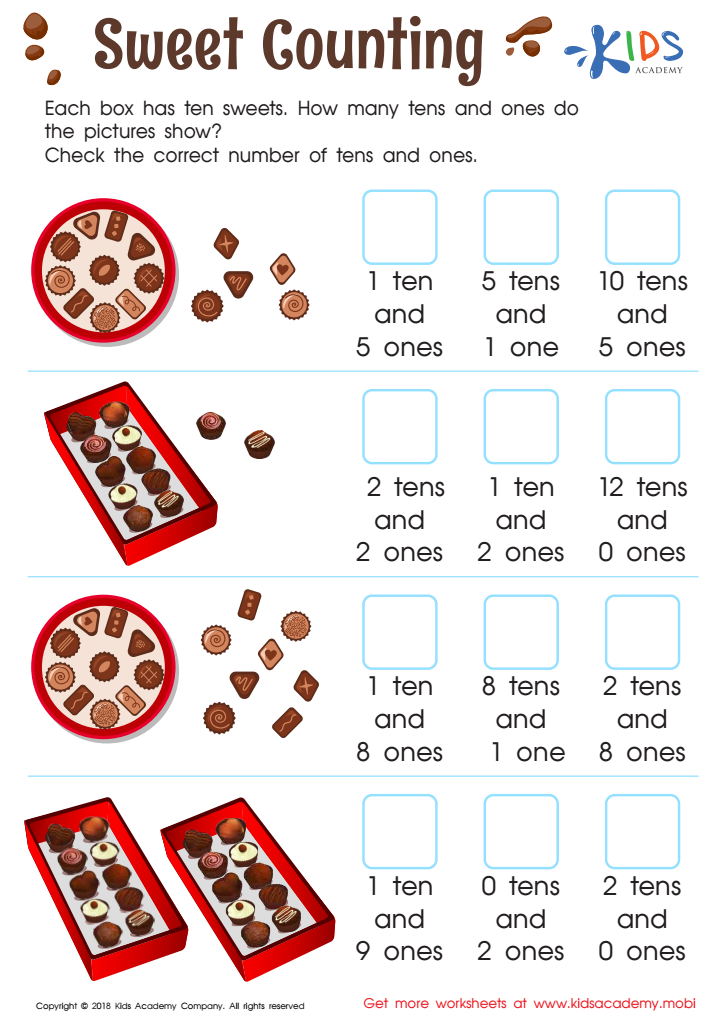
Sweet Counting - Part 2 Worksheet
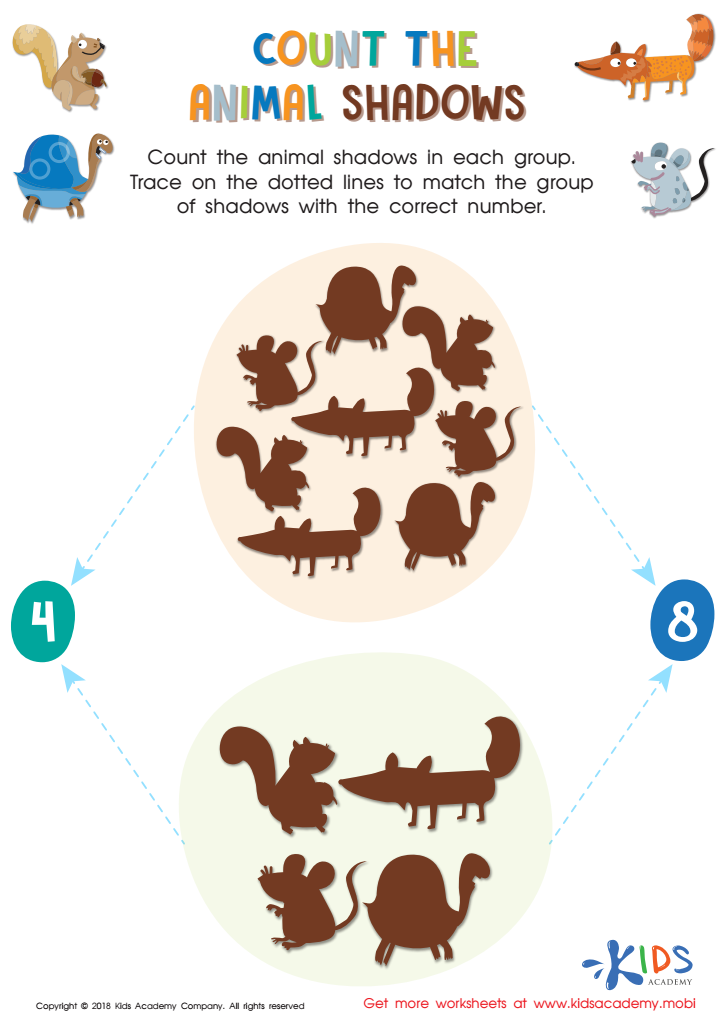
Count the Animal Shadows Worksheet

Count and Match Vegetables 1 – 5 Math Worksheet








Visual perception skills are crucial for young children's development and directly impact their ability to understand and perform early math concepts. For children aged 3-7, these skills help them interpret and make sense of visual information, which is foundational when learning to recognize numbers, shapes, patterns, and spatial relationships.
When children can efficiently process visual information, they are better able to identify and differentiate between numbers and symbols. This proficiency is necessary for counting, recognizing numerical values, and performing basic arithmetic operations. Understanding shapes through visual perception helps children grasp geometric concepts, which are integral parts of early math education.
Moreover, visual perception is essential for problem-solving and critical thinking. It aids in activities such as sorting objects based on color or size, completing puzzles, and organizing blocks to form patterns. These exercises not only enhance their math skills but also improve their overall cognitive abilities and hand-eye coordination.
Parents and teachers fostering strong visual perception skills in early learners provide a solid foundation that supports later academic achievement. By integrating activities that enhance visual perception into daily routines, adults can help children develop the necessary tools for success in more complex math tasks and in broad cognitive development.








