Vocabulary Building Normal Math Worksheets for Ages 3-7
6 filtered results
-
From - To
Introducing Vocabulary Building Normal Math Worksheets for Ages 3-7 – a fun, engaging way to enhance your child's math and language skills! These printable worksheets from Kids Academy are specifically designed to make learning math concepts and new vocabulary exciting for young minds. With vibrant illustrations and age-appropriate activities, children will explore numbers, shapes, counting, and basic operations while also expanding their vocabulary. Perfect for home or classroom use, these worksheets support early learning standards and foster a love of learning. Start building a strong educational foundation today with Kids Academy’s multi-faceted approach to math and language development!
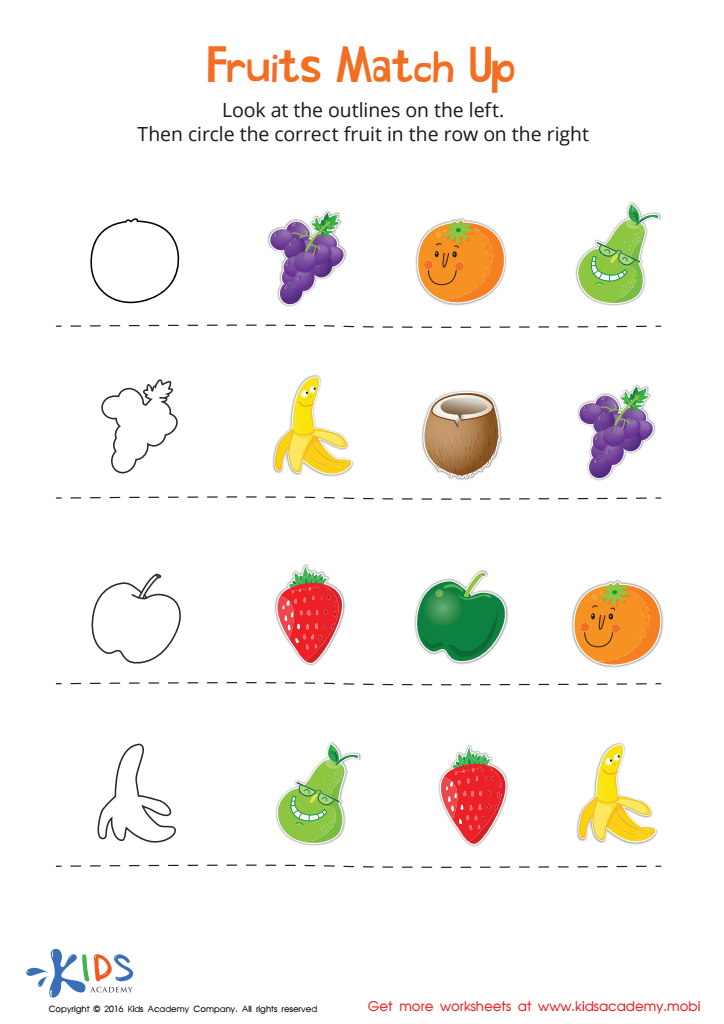
Fruits Match Up Worksheet
 Assign to My Students
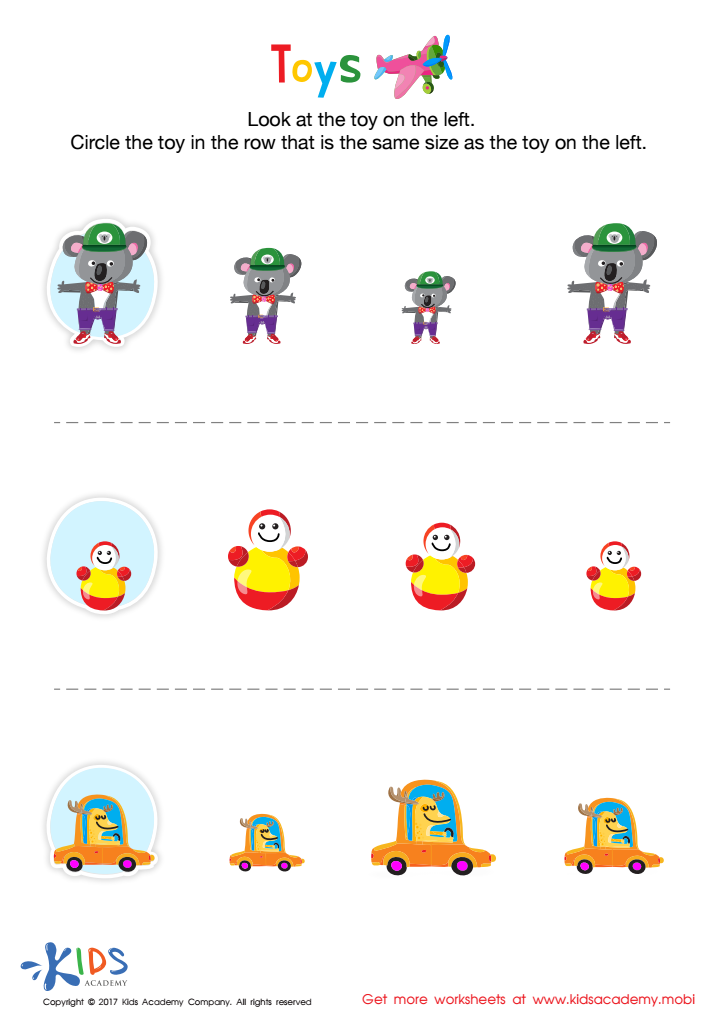
Matching: Classifying Toys by Size Worksheet
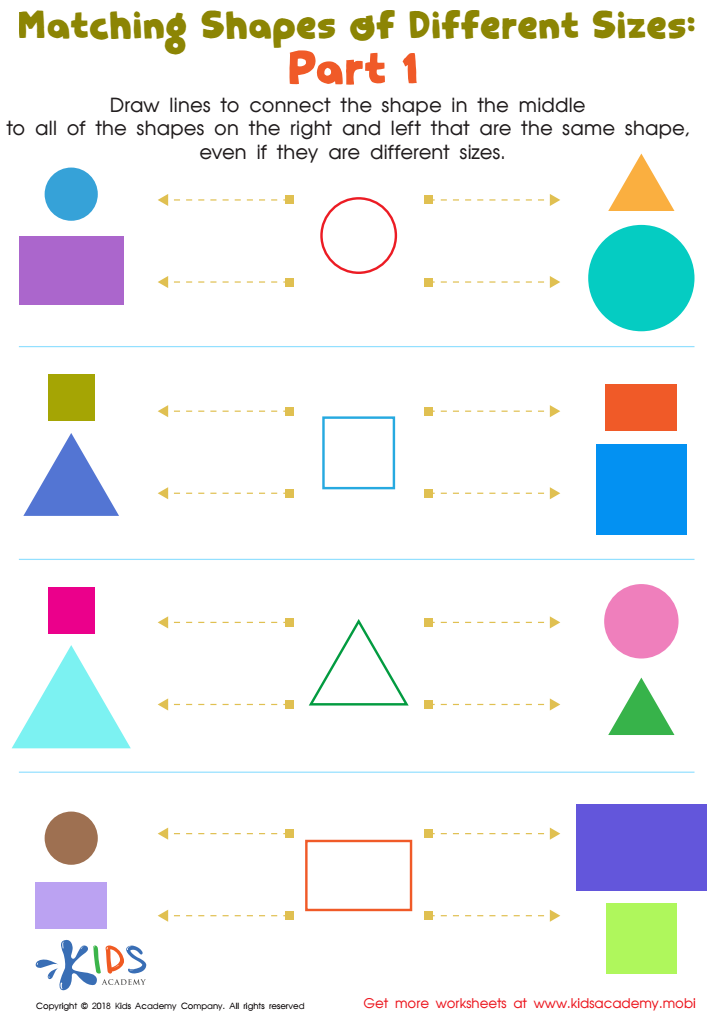
Geometry: part 1 Worksheet
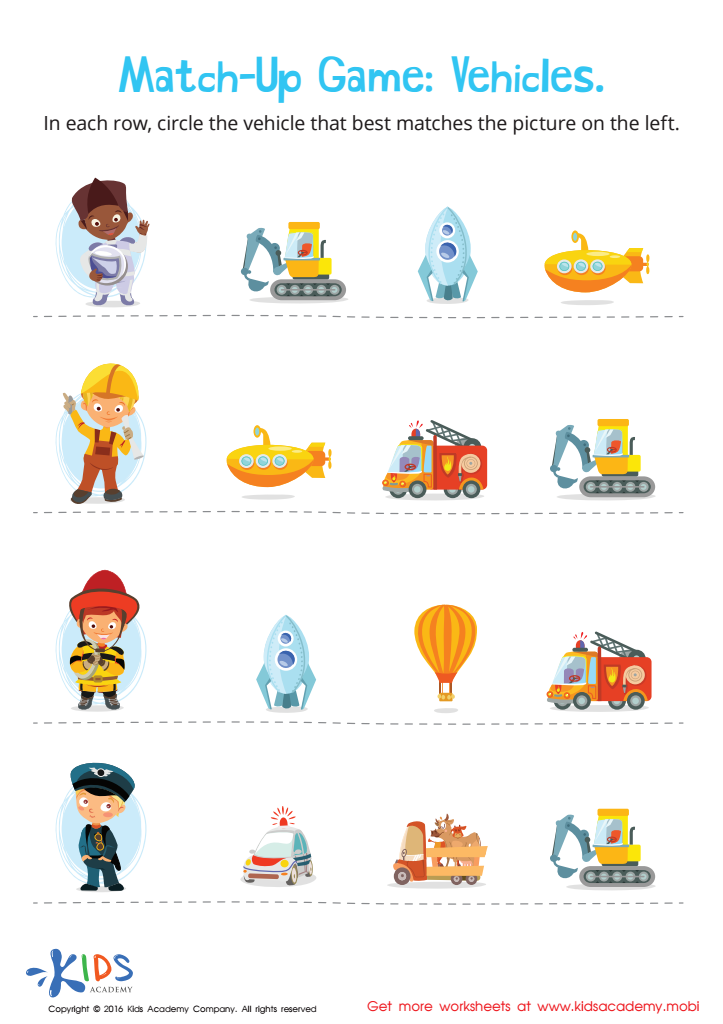
Vehicles Worksheet
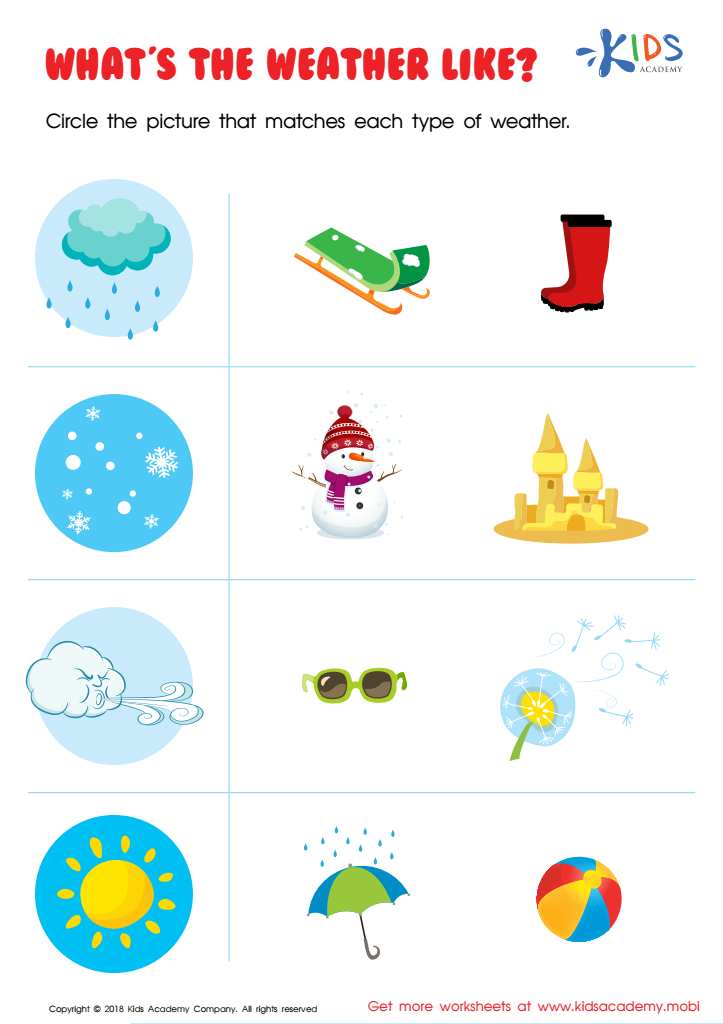
What's the Weather Like? Worksheet







Vocabulary building is crucial for young children (ages 3-7) as it forms the foundation for their future learning and communication skills. At this age, children's brains are highly receptive to new information, making it an optimal period for expanding their vocabulary.
Firstly, a robust vocabulary enhances reading comprehension. When children understand the words they encounter, they can grasp the essence of the story or information more effectively. This early development in reading skills sets the stage for academic success across all subjects.
Secondly, expressive and receptive vocabularies improve communication abilities. Children who can name objects, describe experiences, and express their ideas clearly are better equipped to interact socially and navigate their environments. This boosts their confidence and encourages cooperative and harmonious play.
Similarly, vocabulary skills are crucial in early math education. Understanding math-related terms like "more,” "less,” "before,” "after," "first," "last," shapes, and sizes helps children grasp mathematical concepts. By embedding these terms in everyday interactions, parents and teachers can demystify math, making it engaging and accessible.
Educators and parents must seize this developmental window to introduce new words purposefully, whether through storytelling, conversations, or contextual learning, fostering a positive attitude toward language and mathematics that will benefit children for years to come.








