
Vocabulary enhancement Normal Math Worksheets for Ages 3-7
15 filtered results
Difficulty Level
Grade
Age
-
From - To
Subject
Activity
Standards
Boost your child’s math skills and vocabulary with our engaging worksheets designed for ages 3-7. These printable activities seamlessly integrate vocabulary development with fundamental math concepts, making learning fun and effective. Our expertly crafted worksheets help young learners build a strong foundation in counting, addition, subtraction, and shape recognition while expanding their mathematical vocabulary. Interactive and colorful, these worksheets motivate kids to practice regularly, enhancing both their language and numerical abilities. Perfect for at-home practice or classroom use, these resources support your child’s overall learning journey and lay the groundwork for future academic success. Start exploring today!
Favorites
With answer key
Interactive
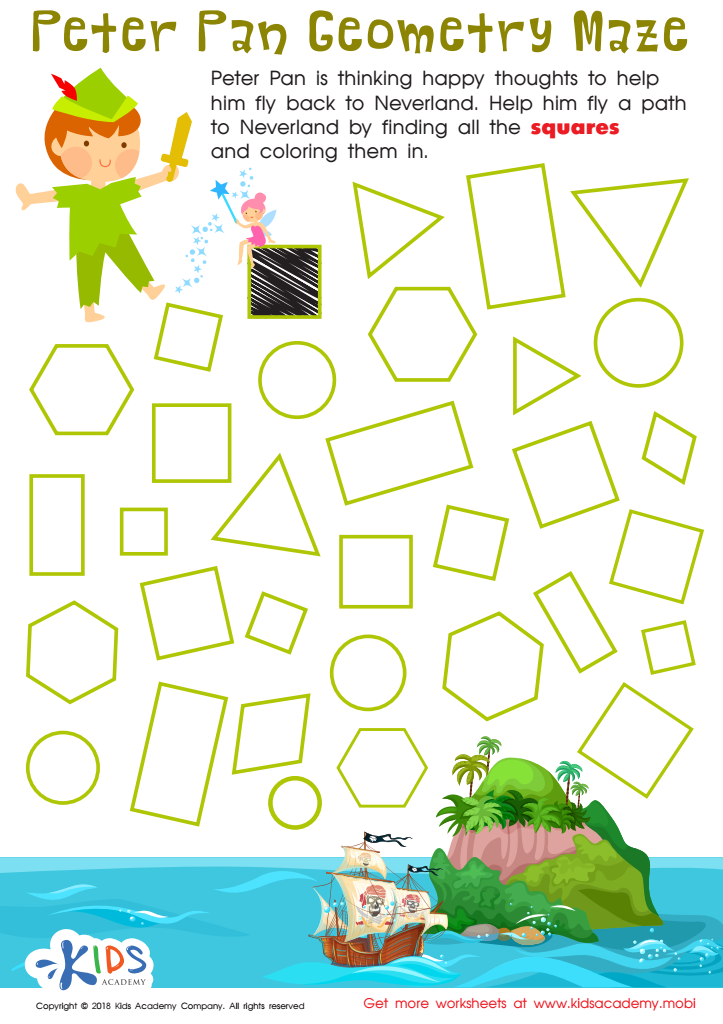
Peter Pan Worksheet
Kindergarteners can join Peter Pan on an adventure to Neverland! They can help him by coloring squares to create a path, strengthening their shape identification skills in a fun maze. Let the journey begin!
 Assign to My Students
Peter Pan Worksheet
Worksheet
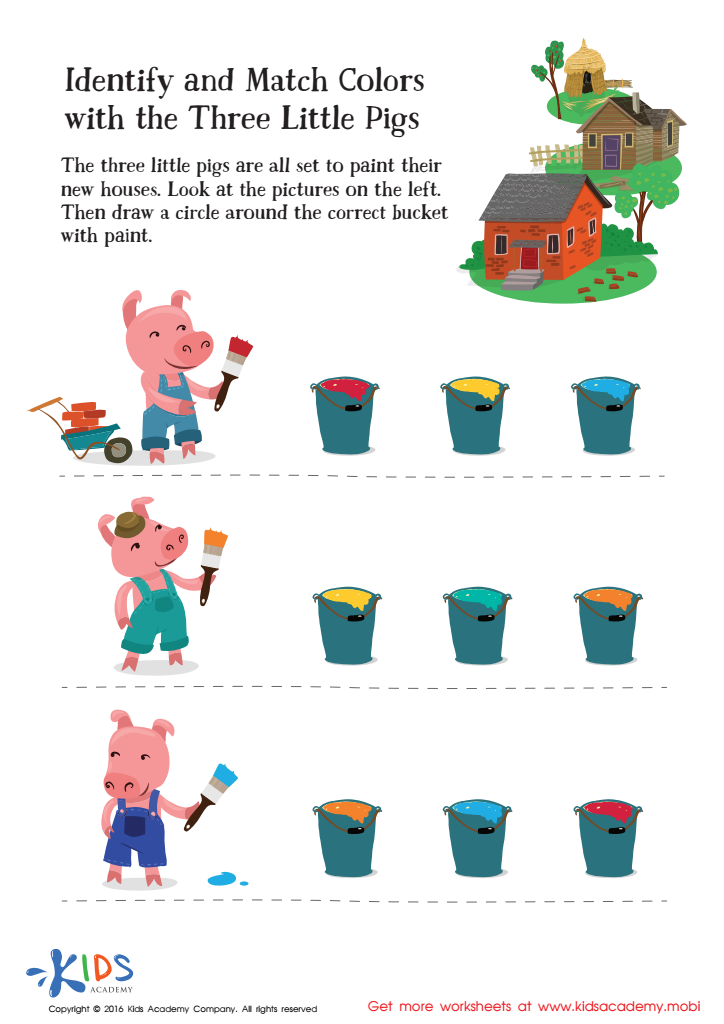
Fairy Tale Worksheet: Identify and Match Colors with Three Little Pigs
Help the 3 Little Pigs find the right color for their houses! This fun worksheet will have your child developing their problem solving and color recognition skills. It's a great way to start building the foundation for advanced logic skills. Plus, they'll love the Three Little Pigs coloring pages.
Fairy Tale Worksheet: Identify and Match Colors with Three Little Pigs
Worksheet
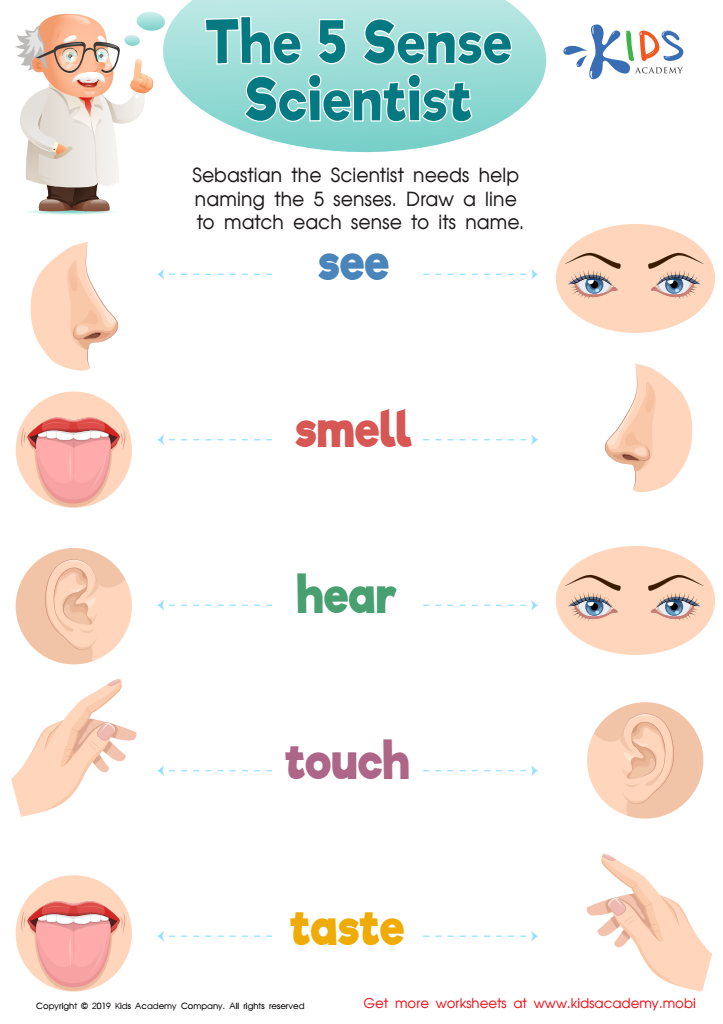
The 5 Sense Scientist Worksheet
Our young children will have fun learning about their five senses with this free Sense Scientist worksheet. Helping Sebastian the Scientist, they'll name the five senses and use traceable lines to connect each picture with its correct sense. Colorful words and pictures will create a memorable picture representation.
The 5 Sense Scientist Worksheet
Worksheet
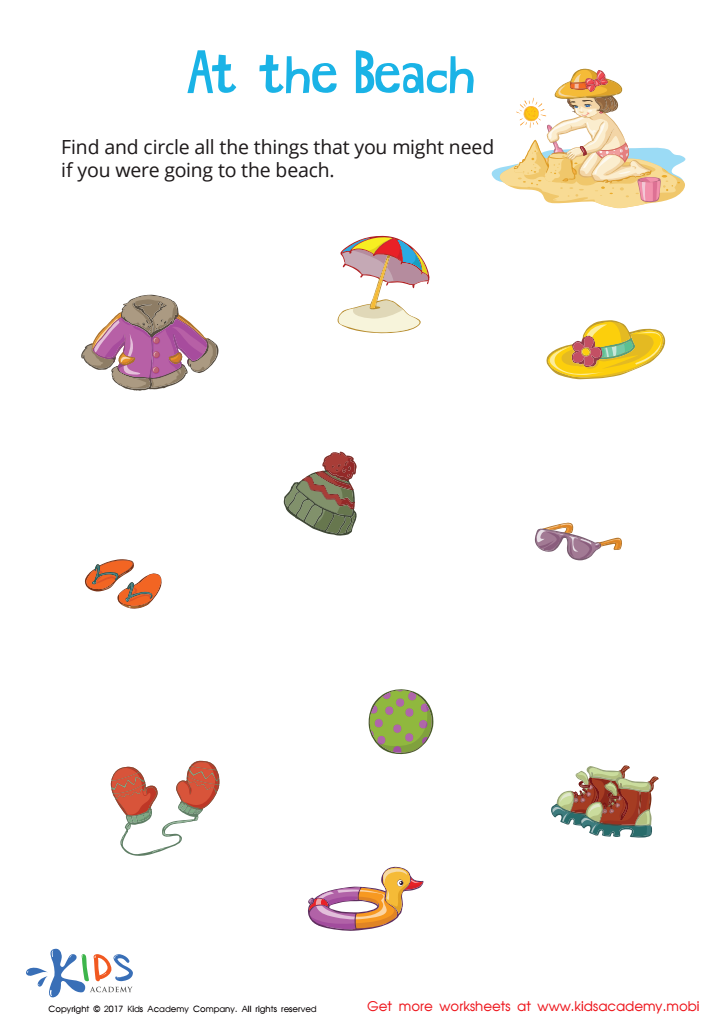
At the Beach Sorting Worksheet
Let your child get beach-ready with this summer worksheet! They'll sort items for a beach trip, then imagine their own trip and make a list. This helps sharpen problem solving and sorting skills plus encourages creative thought.
At the Beach Sorting Worksheet
Worksheet
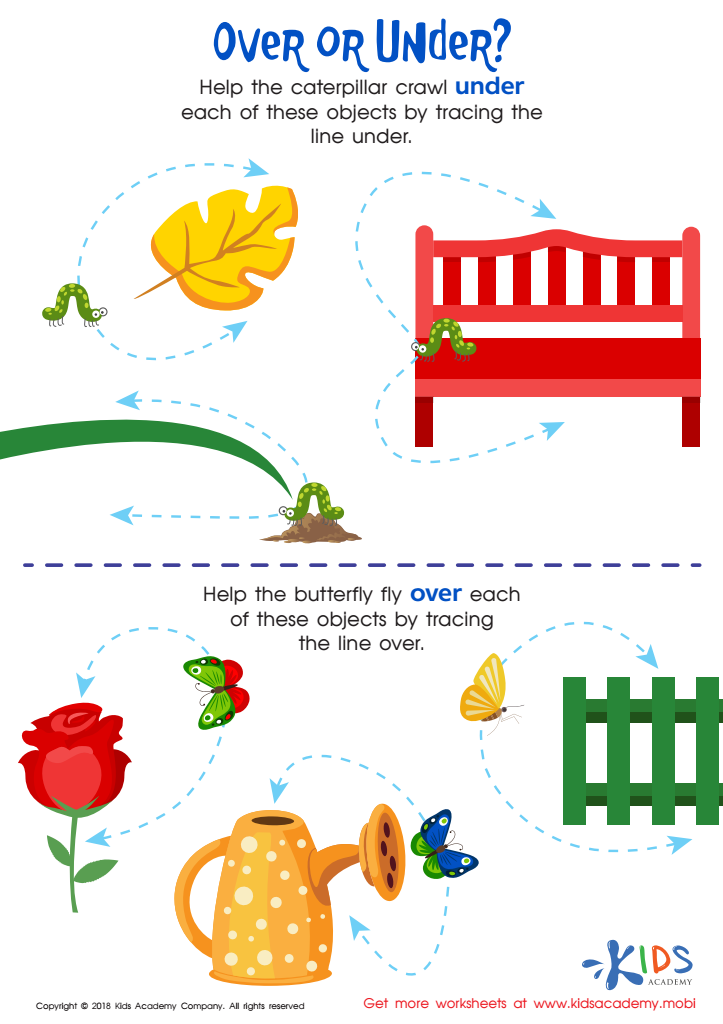
Over or Under? Worksheet
Math for young kids isn't just about numbers and counting, but also spatial concepts like geometry. This worksheet helps students learn "over" and "under" by tracing the movement of caterpillars and butterflies. Downloadable for free, it's an effective teaching tool for early learners.
Over or Under? Worksheet
Worksheet
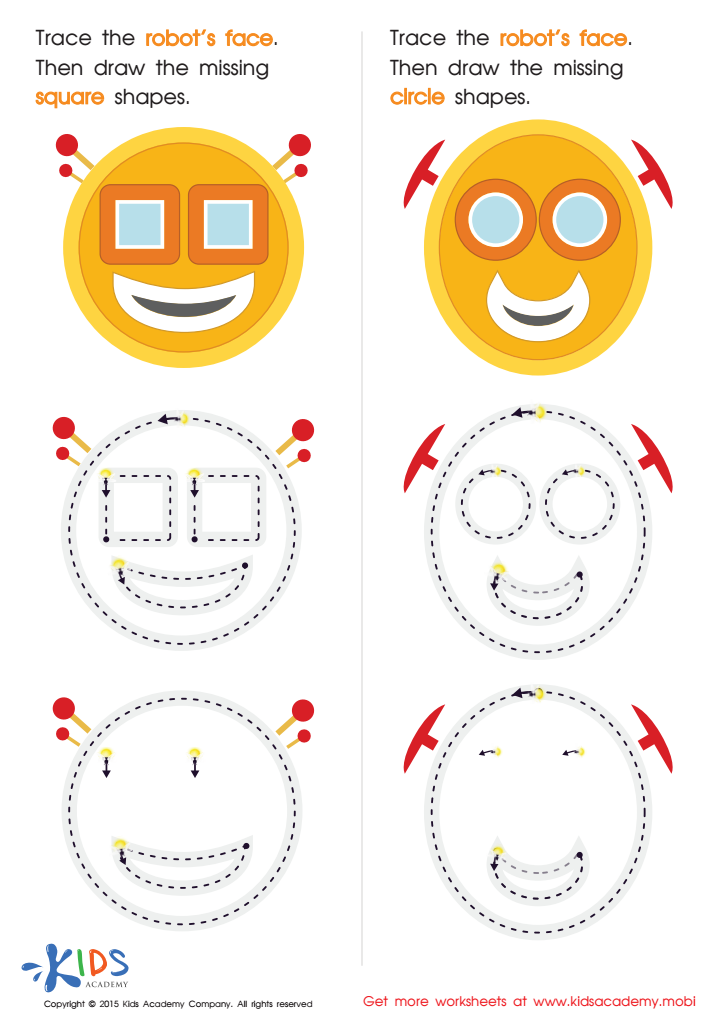
Practicing to Draw Circles And Squares Printable
Download our free printable geometry worksheets to learn shapes with your preschoolers. Trace Robot's face, draw the square parts and round shapes, remember the names for each one. Get more materials for kids at Kids Academy and make learning fun with our free printable geometry worksheets.
Practicing to Draw Circles And Squares Printable
Worksheet
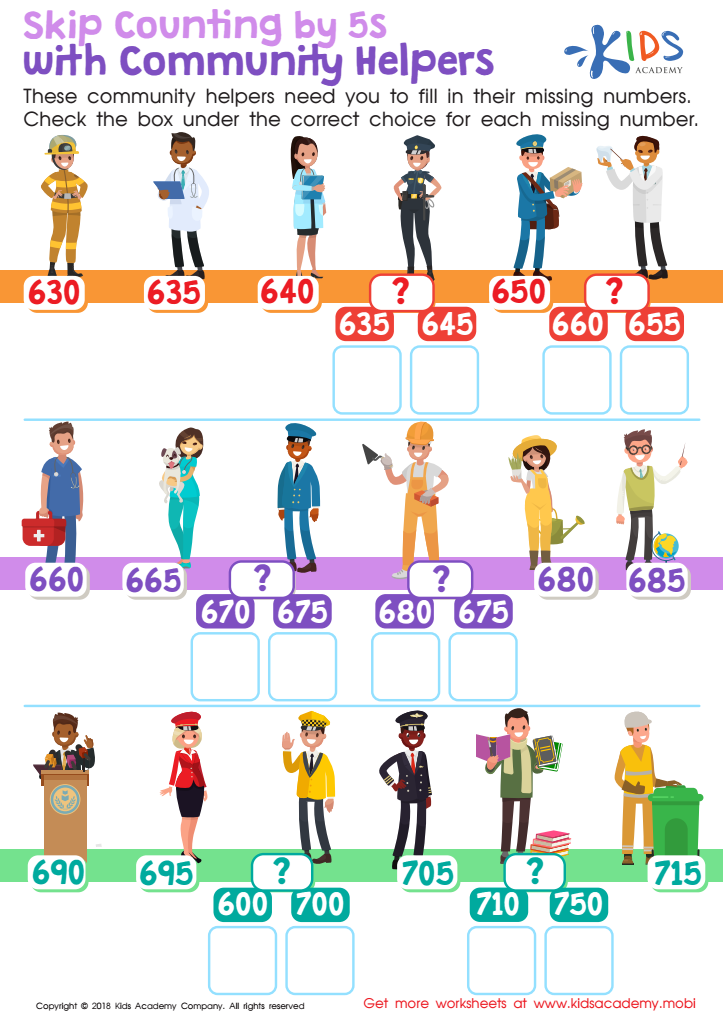
Skip Counting by 5s With Community Helpers Worksheet
This free worksheet combines social studies with math! Kids will practice counting by 5s, rounding numbers and honing their computation skills while also familiarizing themselves with community helpers. Develop your child's number sense and strengthen their math skills - all through a fun and interactive activity.
Skip Counting by 5s With Community Helpers Worksheet
Worksheet
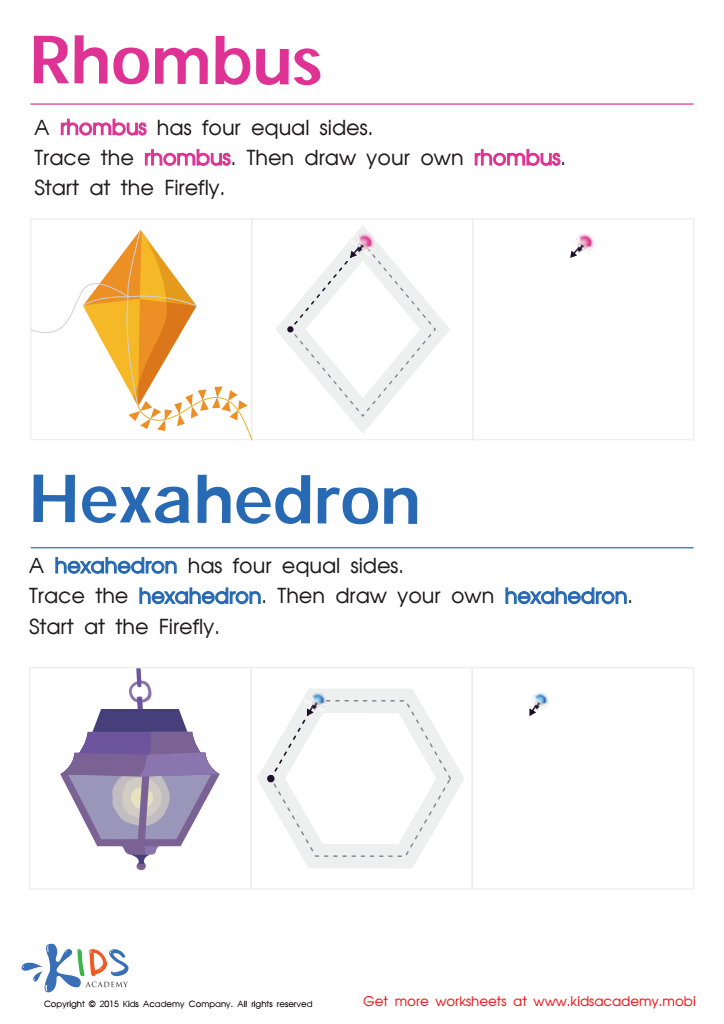
Draw a Rhombus And a Hexahedron Printable
Trace, draw and recognize shapes like rhombus, hexahedron and more! Start with the firefly to trace a rhombus, then use the yellow kite to remember the shape. Use the light to trace and draw a hexahedron. Learn with the best!
Draw a Rhombus And a Hexahedron Printable
Worksheet
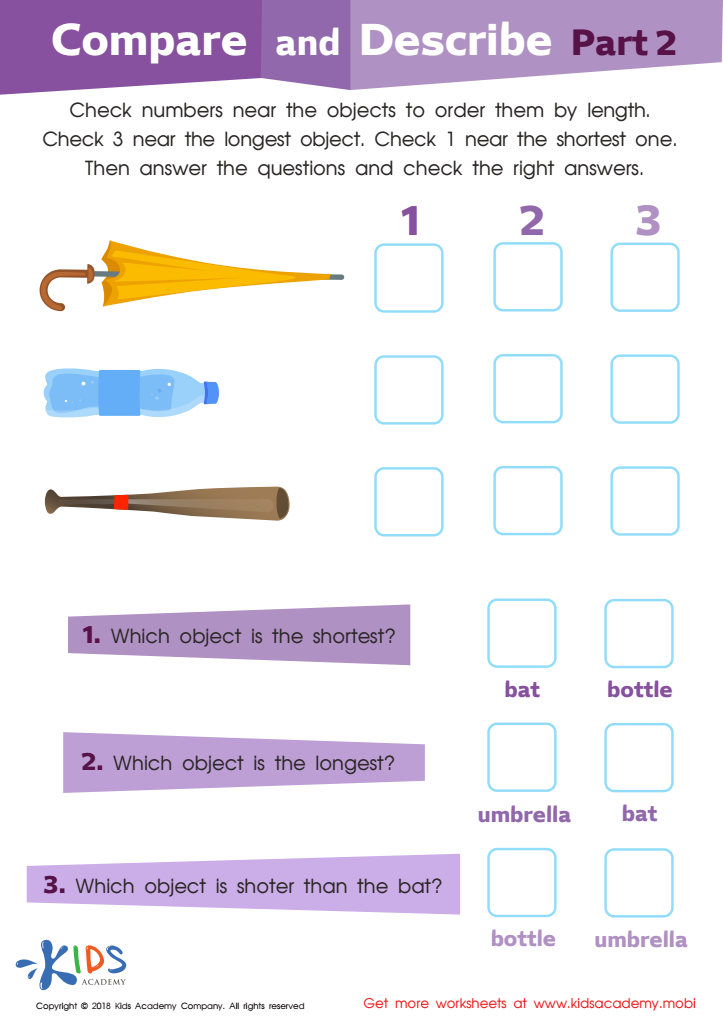
Compare and Describe: Part 2 Worksheet
Help kids hone their comparison skills with this fun measurement worksheet! Kids will sort objects by length and check off the boxes as they go. At the bottom, they'll read the questions and take a final look at the images to complete the exercise. An exciting way to learn measurement!
Compare and Describe: Part 2 Worksheet
Worksheet
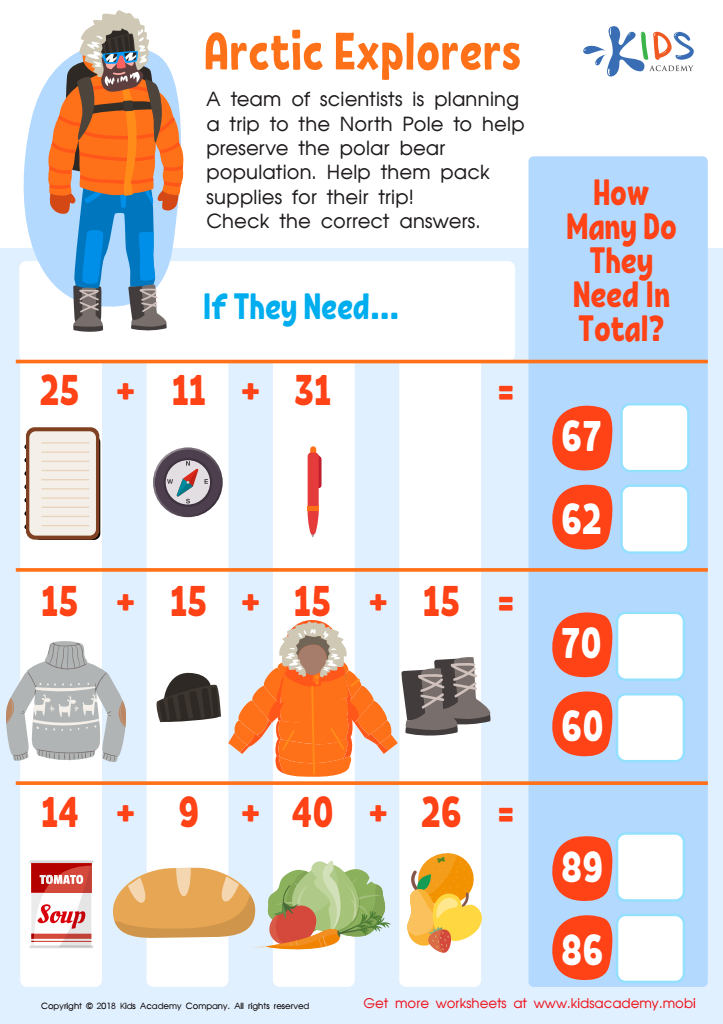
Arctic Explorers Worksheet
Help your child pack supplies for a team of scientists' trip to the North Pole! Before beginning, explain how efforts are needed to protect endangered animals like polar bears. Encourage them to check the correct clothing needed for the extremely cold region. For example, warm and protective clothing is essential.
Arctic Explorers Worksheet
Worksheet
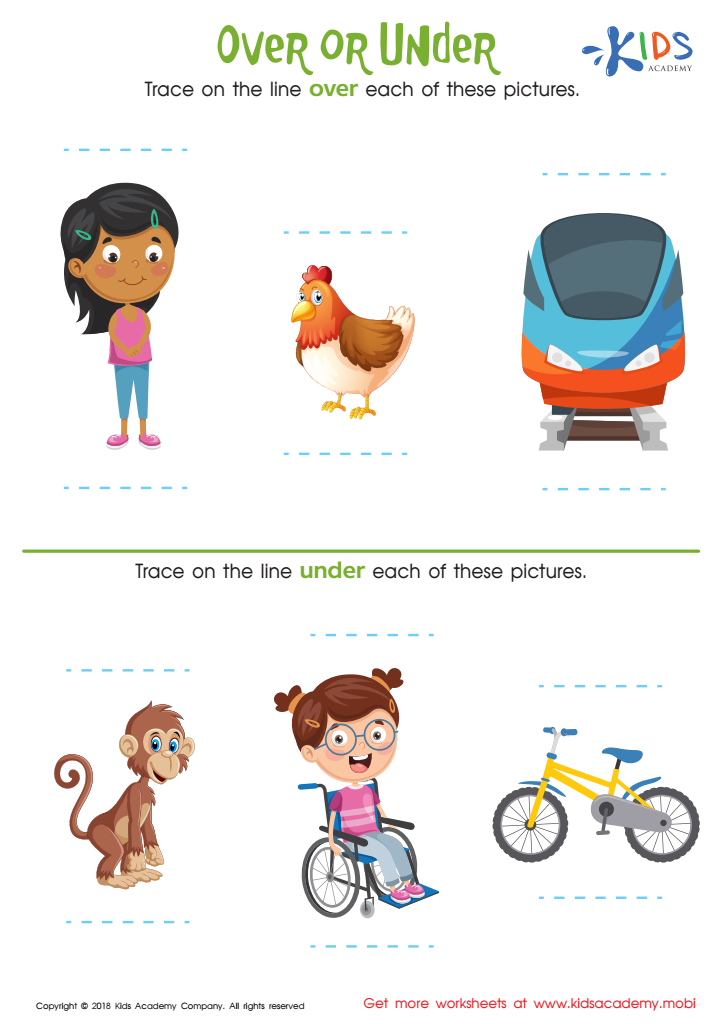
Over or Under Worksheet
Help your toddler grasp prepositions like "over" and "under" with this fun worksheet. Have them trace lines over the pictures on one half and under the pictures on the other, thus practicing basic communication and math concepts. Strengthen your child's understanding and communication skills with this activity.
Over or Under Worksheet
Worksheet
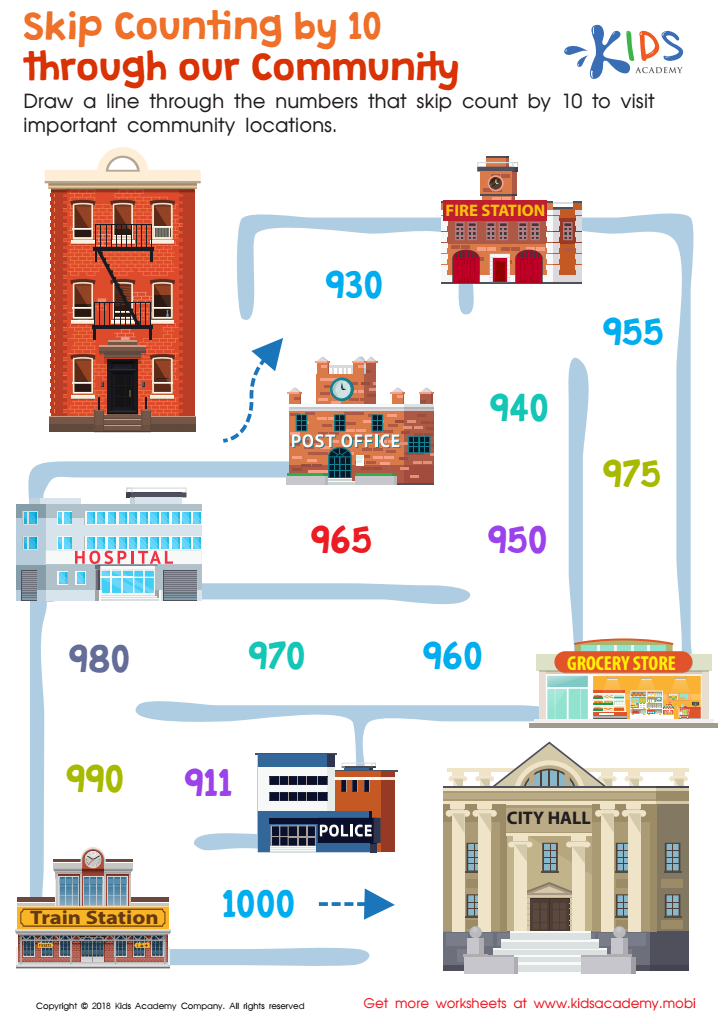
Skip Counting by 10 Through Our Community Worksheet
Our kids need to 'make a ten' and skip count by tens to boost their speed and accuracy in math. This cool, free worksheet takes them on a journey through their local community to practice counting by tens. They'll work on social studies and fine motor skills while having fun with the maze they get to count by tens in!
Skip Counting by 10 Through Our Community Worksheet
Worksheet
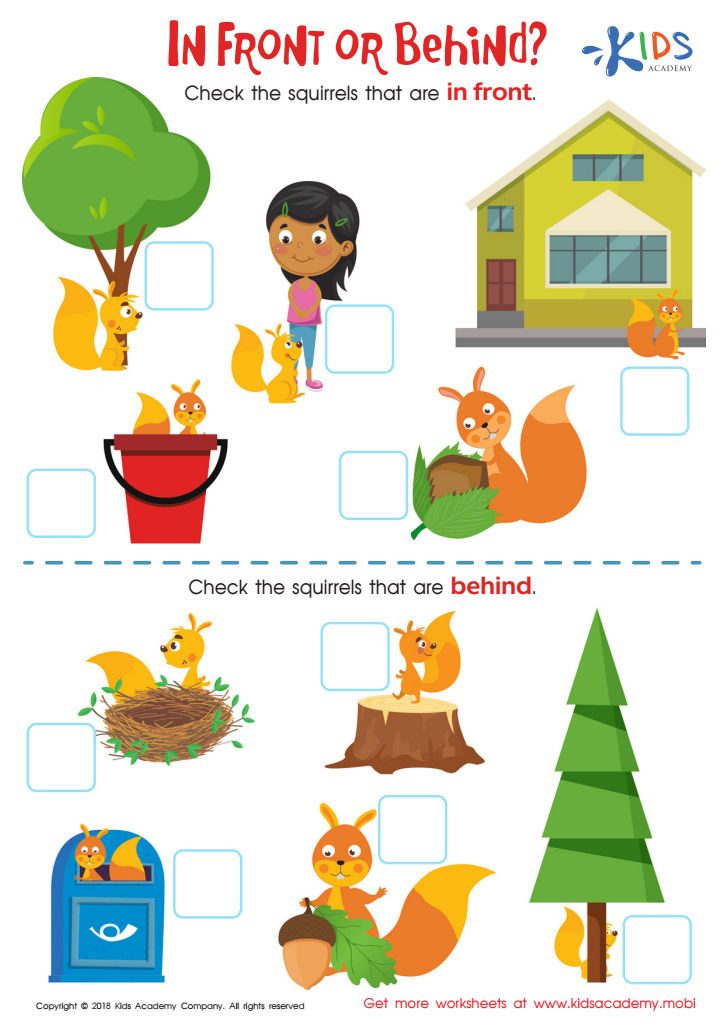
In Front or Behind: Part 2 Worksheet
Teach positional words "front" and "behind" with this fun worksheet! Students identify where the squirrel is in relation to the object - in front or behind. It's a great exercise to practice early geometry skills and understanding object movement.
In Front or Behind: Part 2 Worksheet
Worksheet
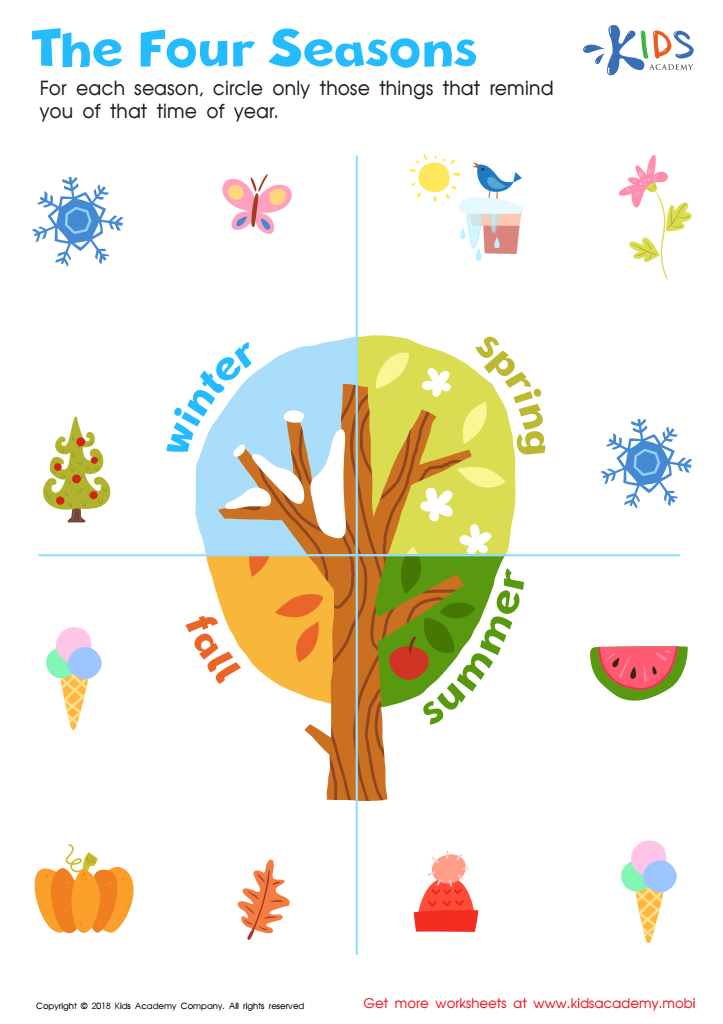
The Four Seasons Worksheet
Tell your child to circle things that remind them of each season. The tree has four squares, one for each season. Some things in each square match the season, others don't. Ask if any are out of place. Help them circle only items that remind them of that season.
The Four Seasons Worksheet
Worksheet
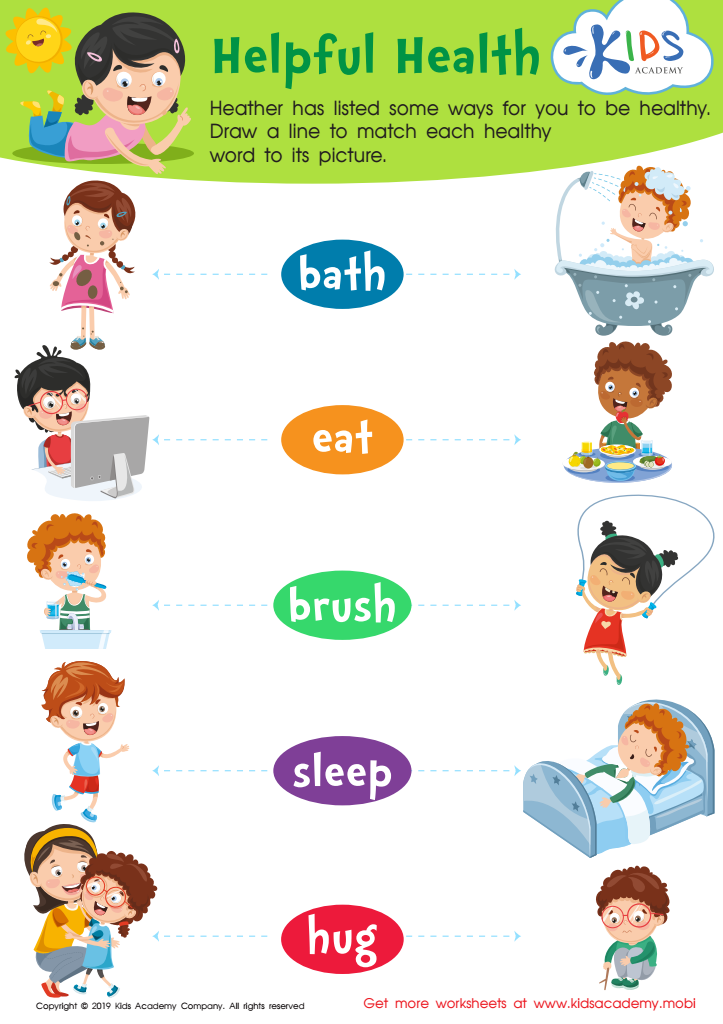
Helpful Health Worksheet
Kids can learn healthy habits with this free worksheet! With their pal Heather, they'll trace lines to connect health words with pictures like brushing teeth, hugging, and getting enough sleep. It's a great way to help young ones understand healthy activities.
Helpful Health Worksheet
Worksheet
Join Kids Academy for Free
Who is primarily going to use this learning content?








Vocabulary enhancement and basic math skills are crucial during early childhood, particularly for ages 3-7, as this period is foundational for cognitive, social, and academic development.
Firstly, expanding vocabulary is key because it directly impacts children’s ability to express themselves, understand others, and engage with the world around them. A robust vocabulary aids in the development of reading and writing skills, which are critical for academic success. Children with strong language skills are often better equipped to follow instructions, ask relevant questions, and interact positively with peers and adults.
Simultaneously, mastering basic math concepts, often termed "normal math," such as counting, recognizing numbers, and understanding simple addition and subtraction, sets the groundwork for more complex mathematical reasoning later on. At this age, children have a natural curiosity and enthusiasm for learning, making it an ideal time to introduce these fundamental concepts in fun and engaging ways.
Parents and teachers who prioritize vocabulary and basic math ensure that children develop confidence and competence in these essential areas. This dual focus supports overall intellectual growth, contributes to higher school readiness, and creates a strong foundation for lifelong learning and problem-solving skills. By fostering an environment rich in language and mathematics from an early age, adults can provide children with the tools they need to thrive academically and socially.








