Problem-Solving Skills Normal Worksheets for Ages 3-8 - Page 2
119 filtered results
-
From - To
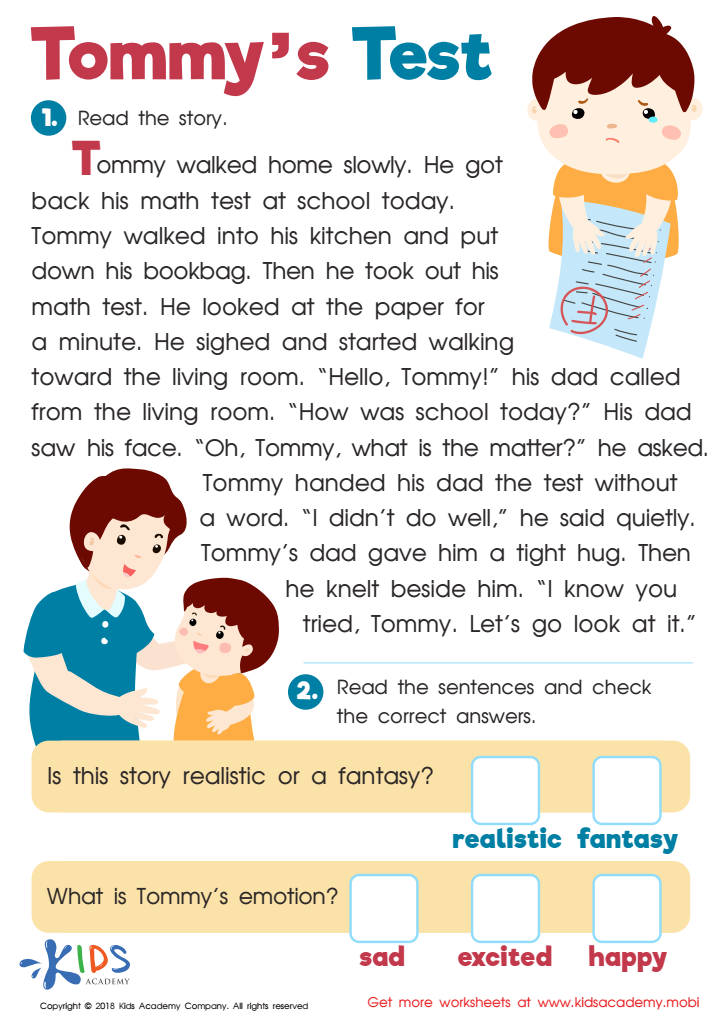
Tommys Test Worksheet
 Assign to My Students
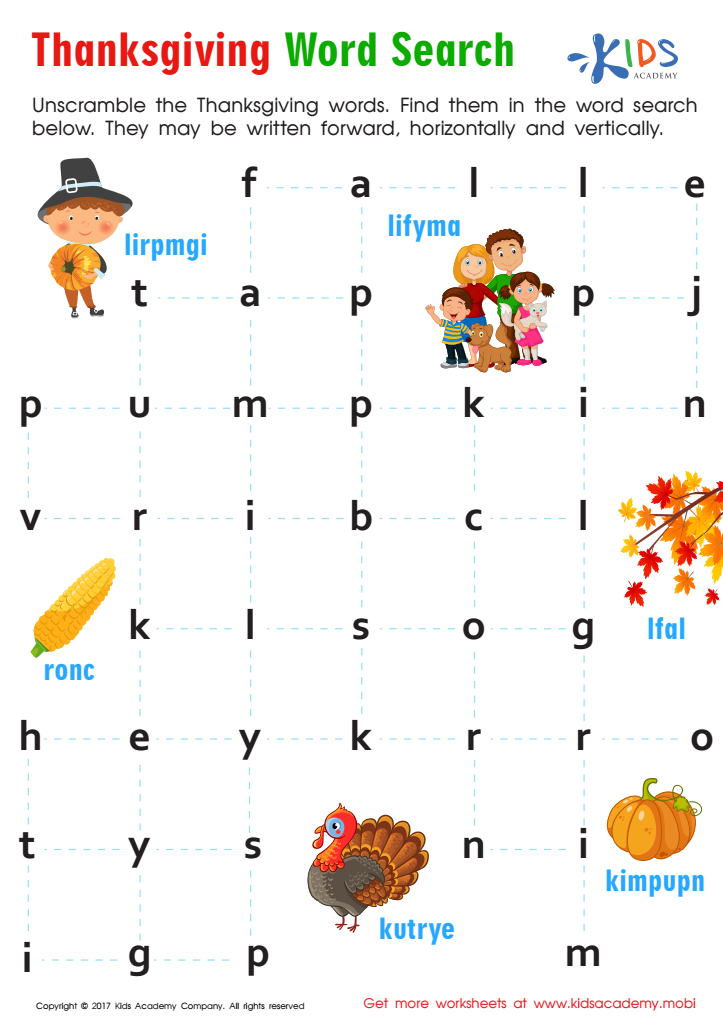
Thanksgiving Word Search Sight Words Worksheet

Spaceship Maze: Galaxies Worksheet
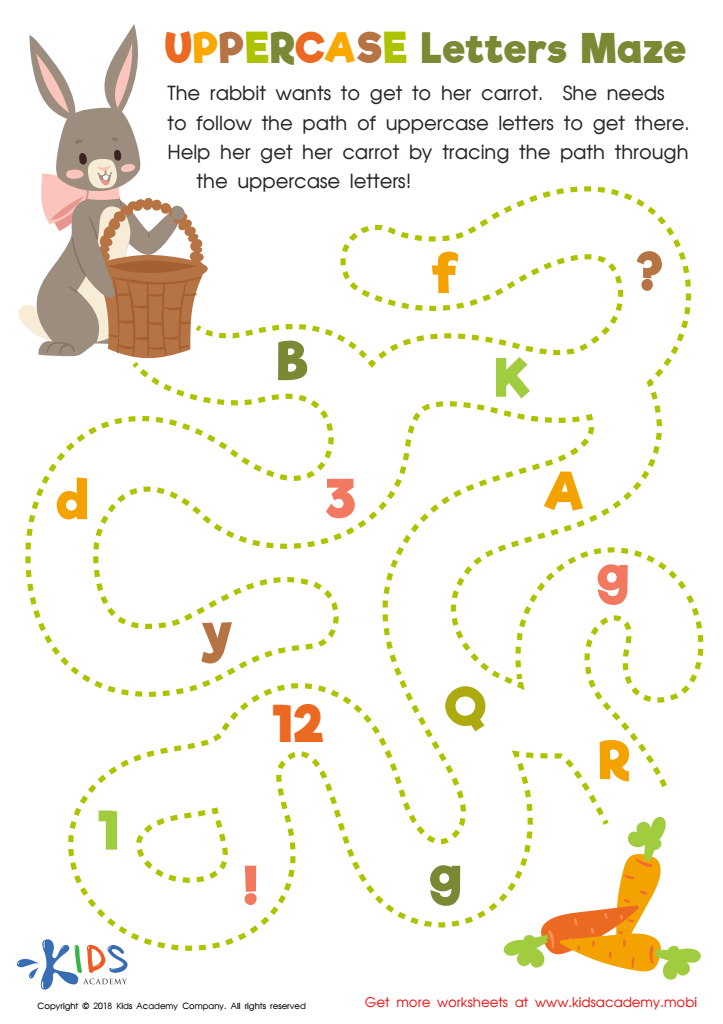
Uppercase Letters Maze Worksheet
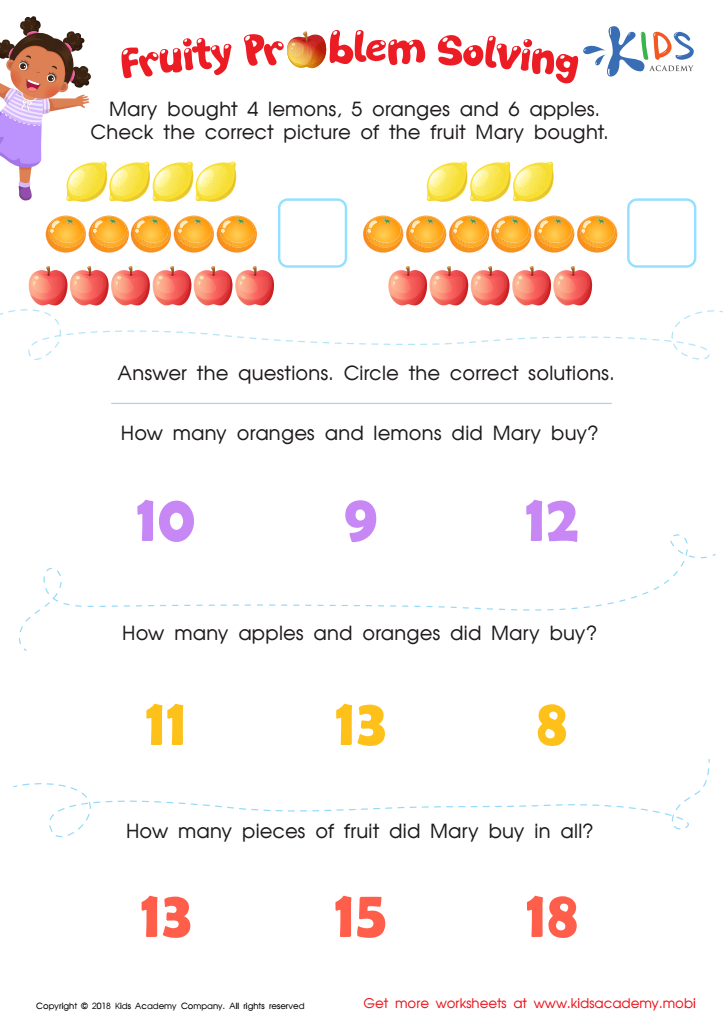
Fruity Problem Solving Worksheet
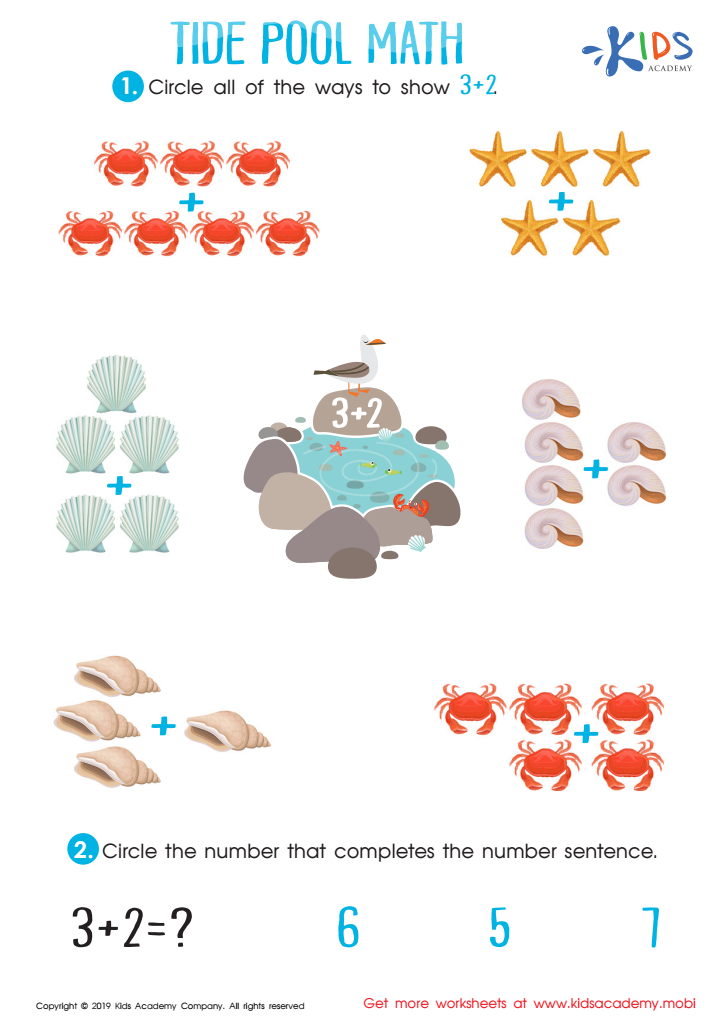
Tide Pool Math Worksheet
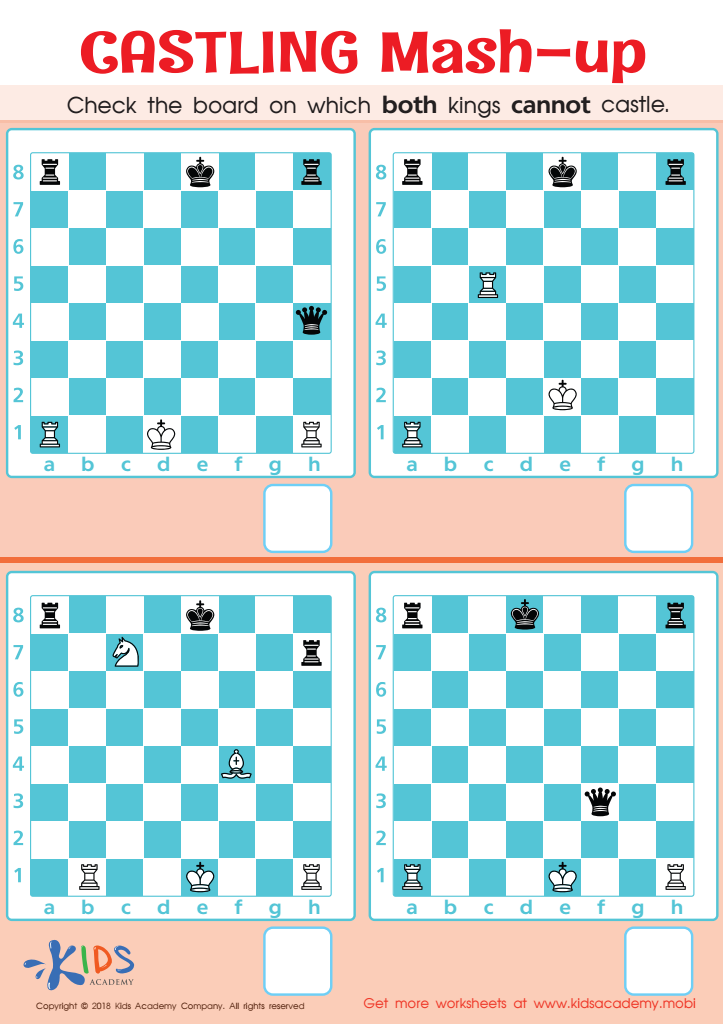
Castling Mash–up Worksheet
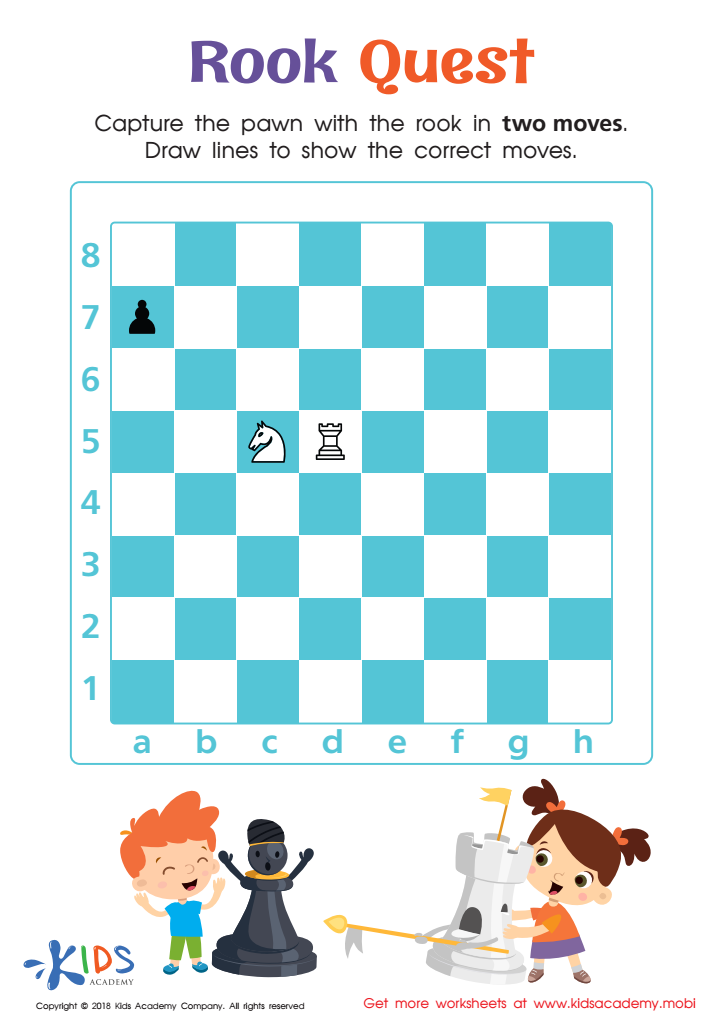
Rook Quest Worksheet
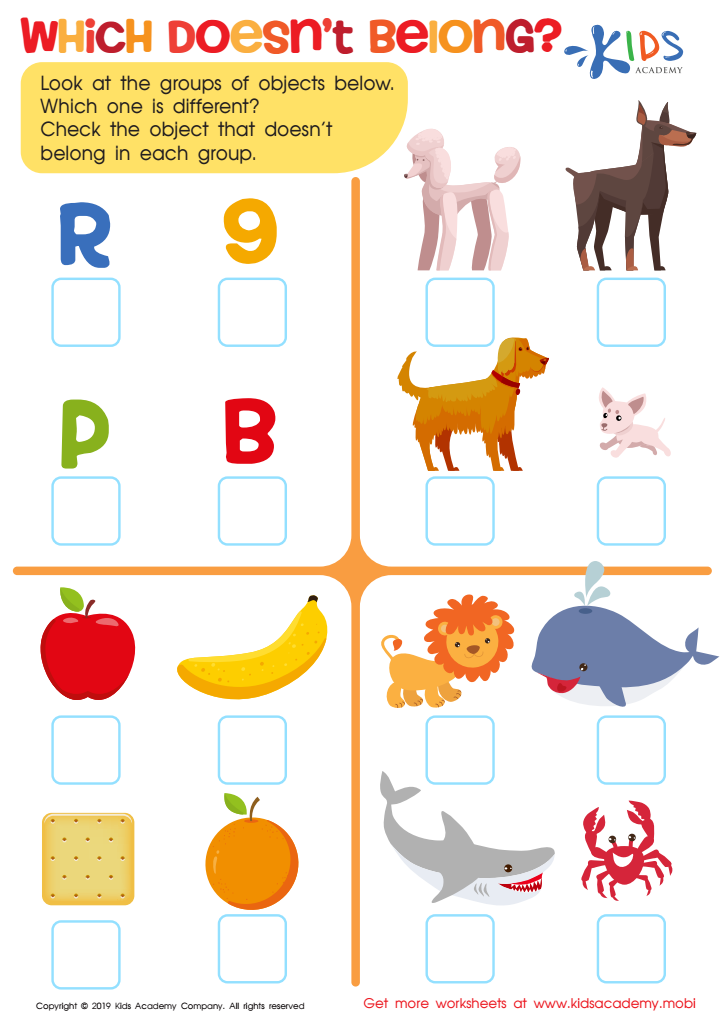
Which Doesn't Belong? Worksheet
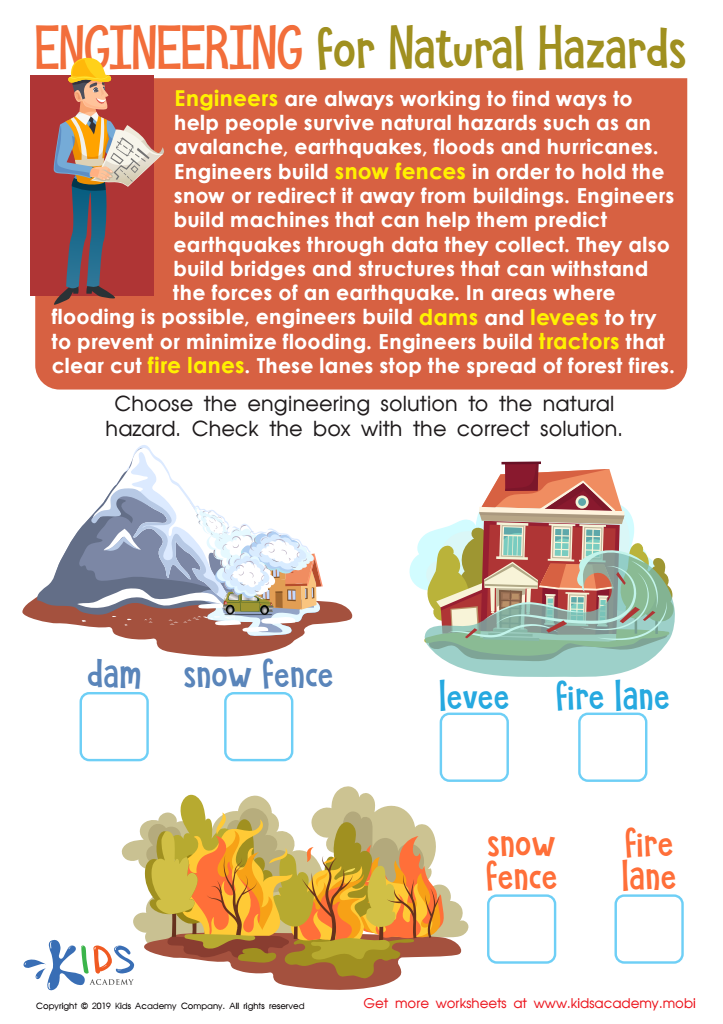
Engineering Natural Hazards Worksheet
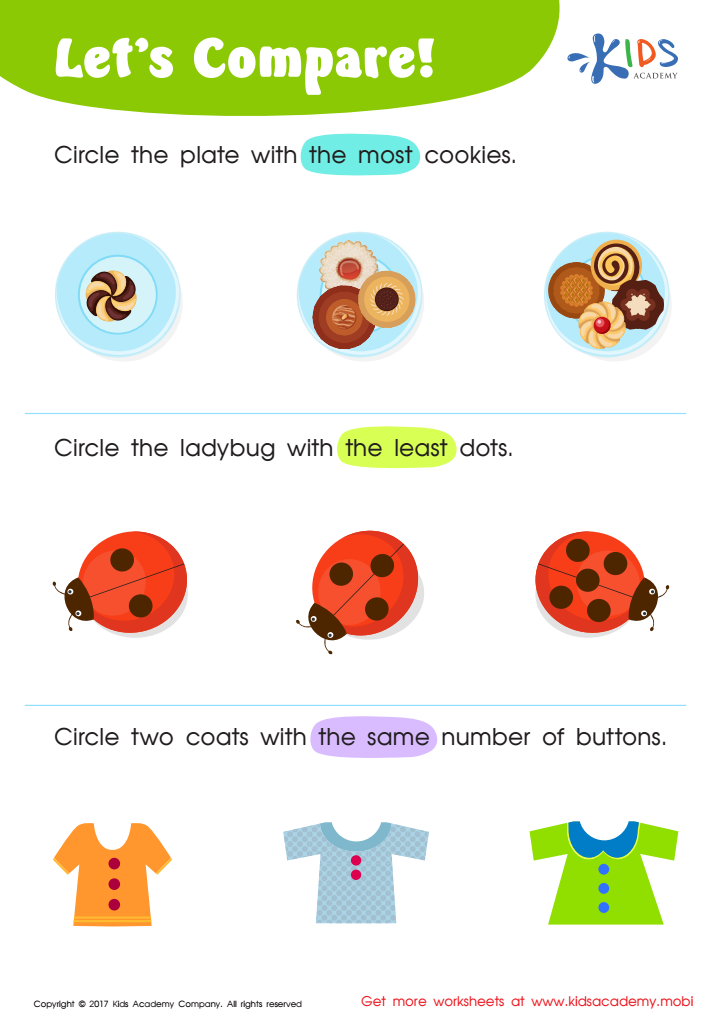
Matching: Classifying Toys by Size Worksheet
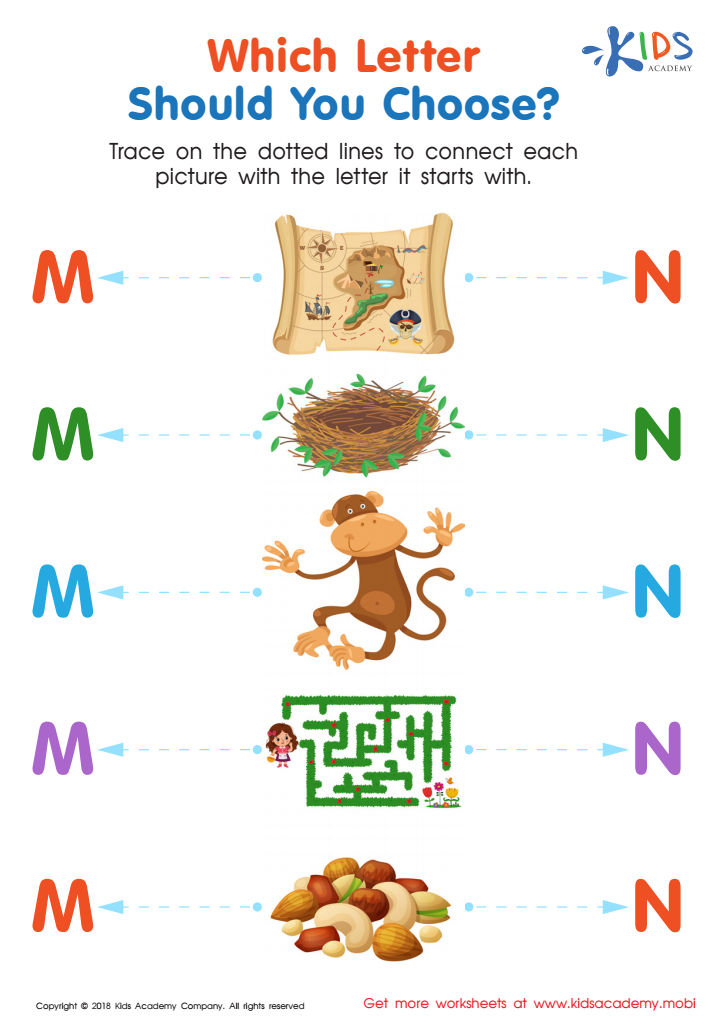
Which Letter Should you Choose? Worksheet
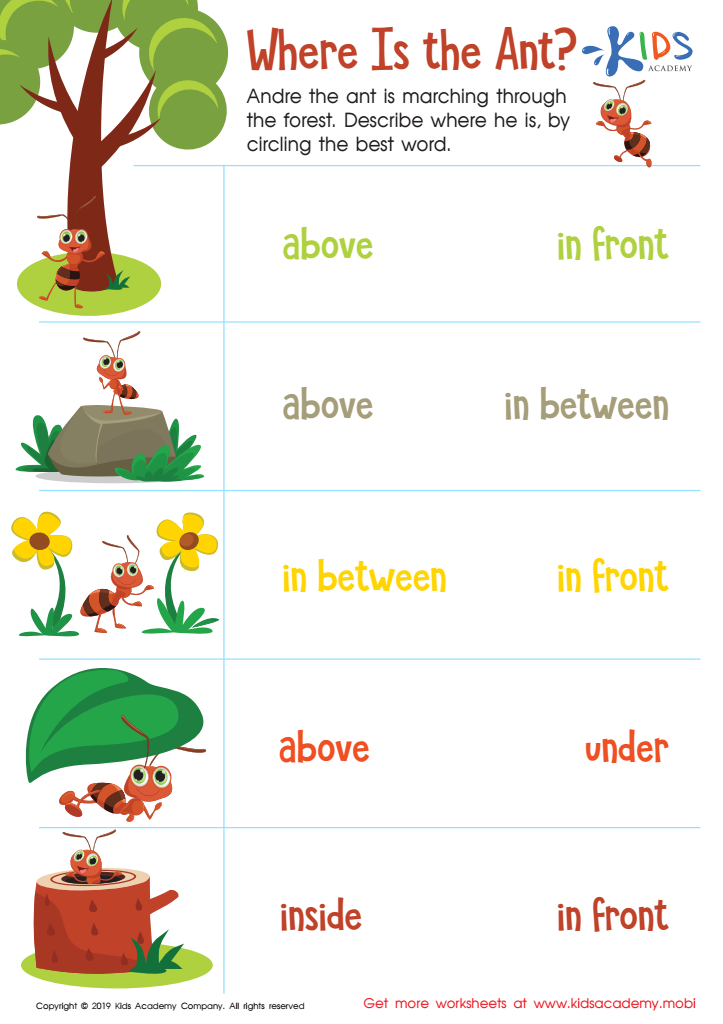
Where Is the Ant? Worksheet
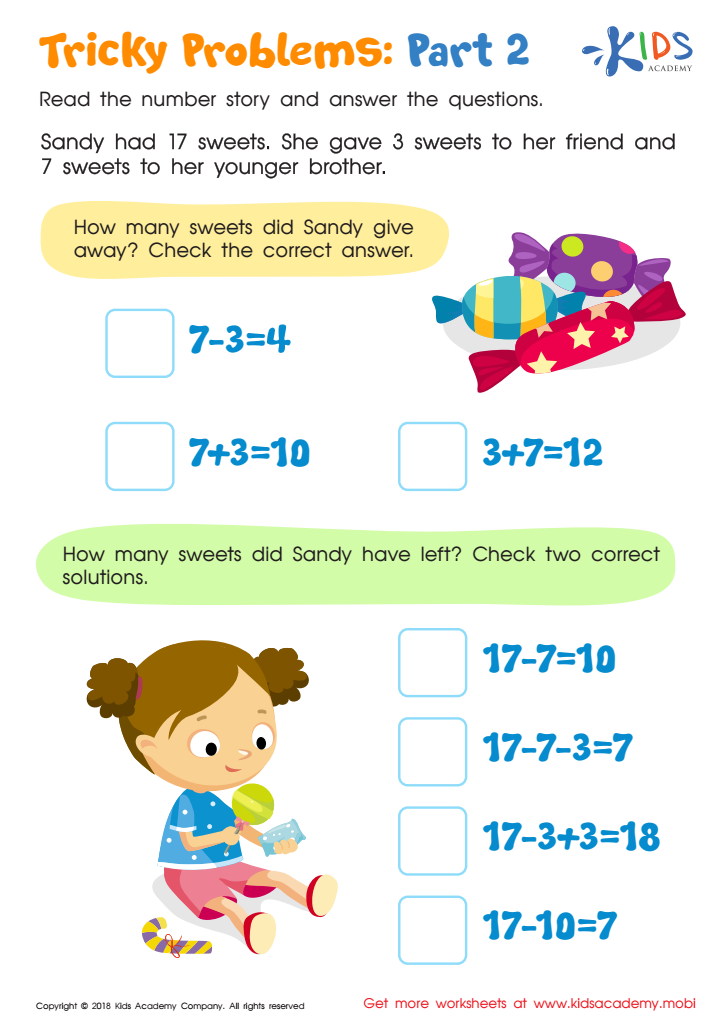
Tricky Problems Worksheet: Part 2
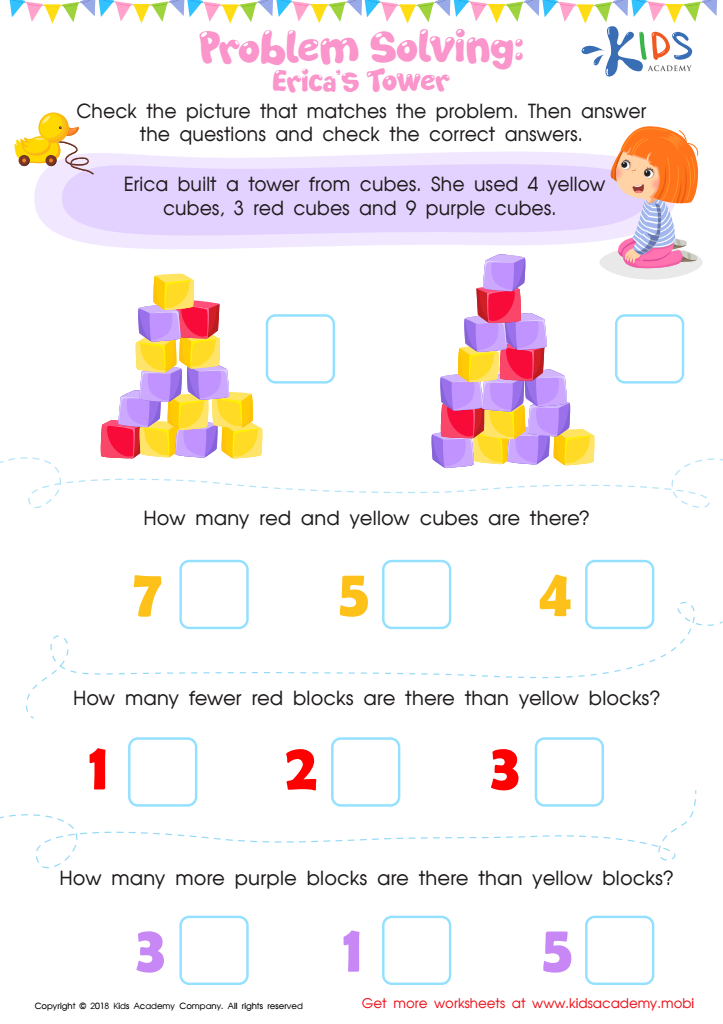
Problem Solving: Erica's Tower Worksheet
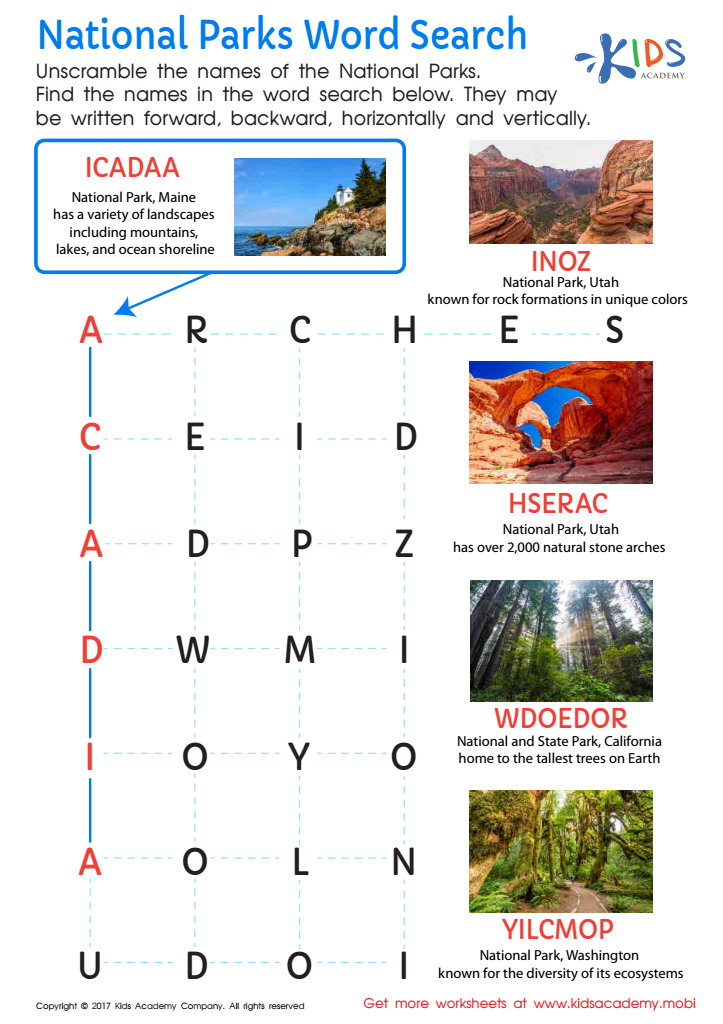
National Parks Word Search Worksheet
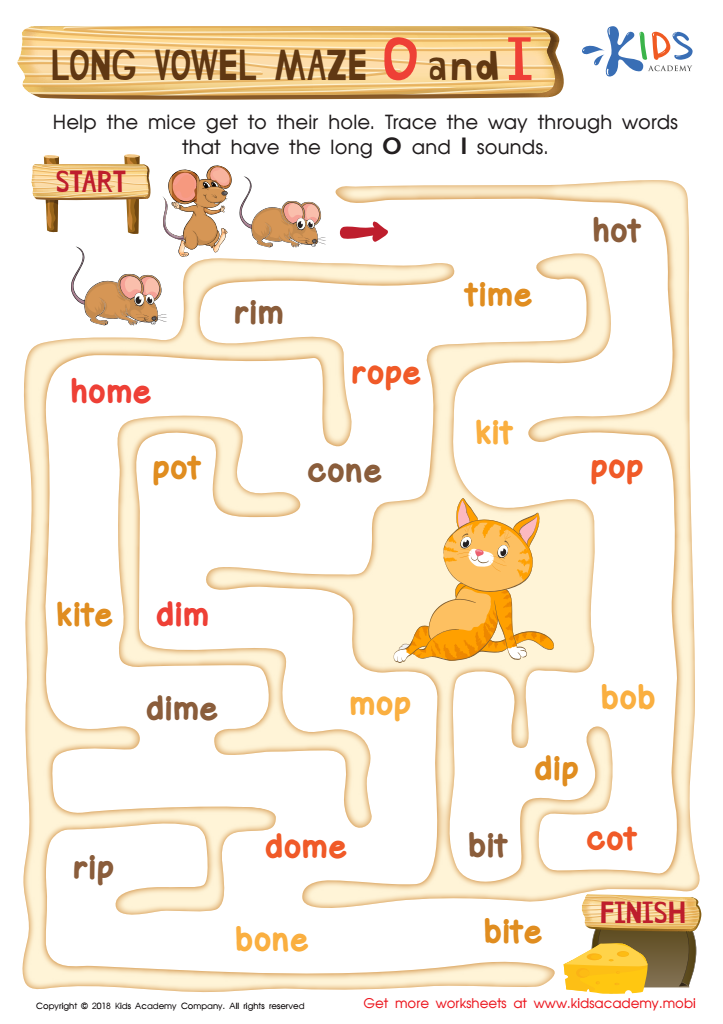
Long Vowel Maze /o/ and /i/ Worksheet
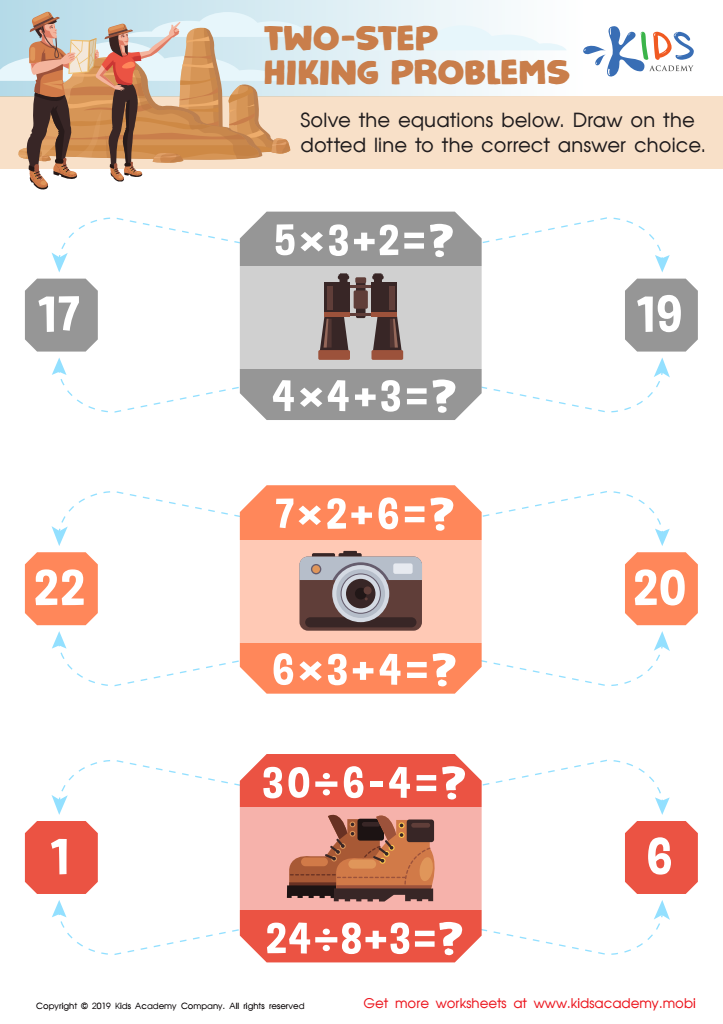
Two-Step Hiking Problems Worksheet
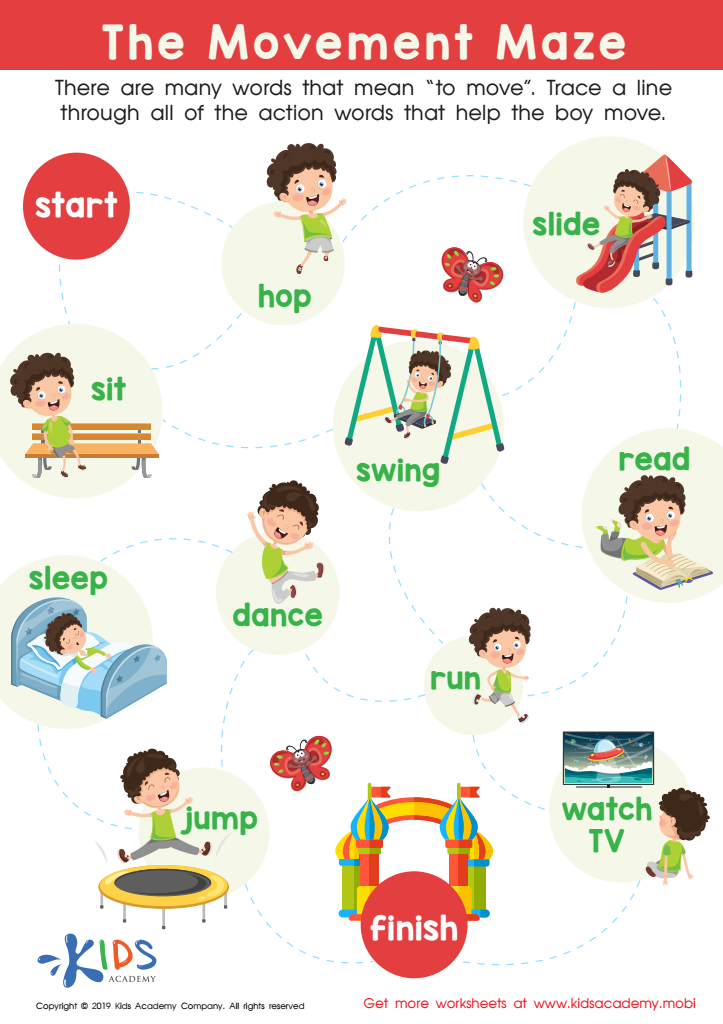
The Movement Maze Worksheet
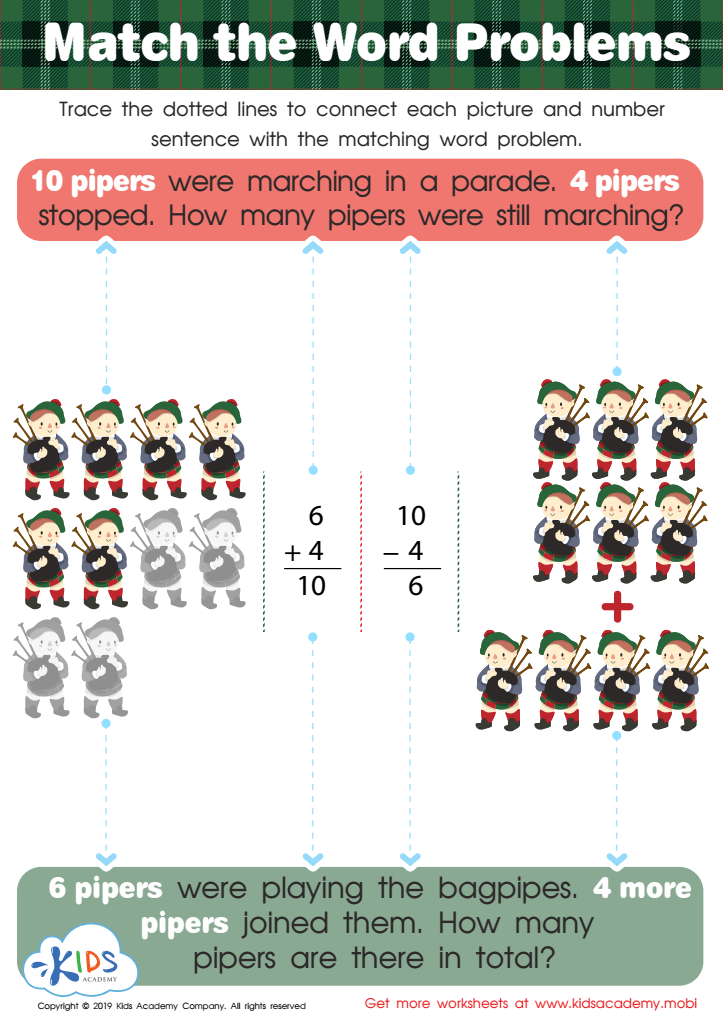
Match the Word Problems Worksheet
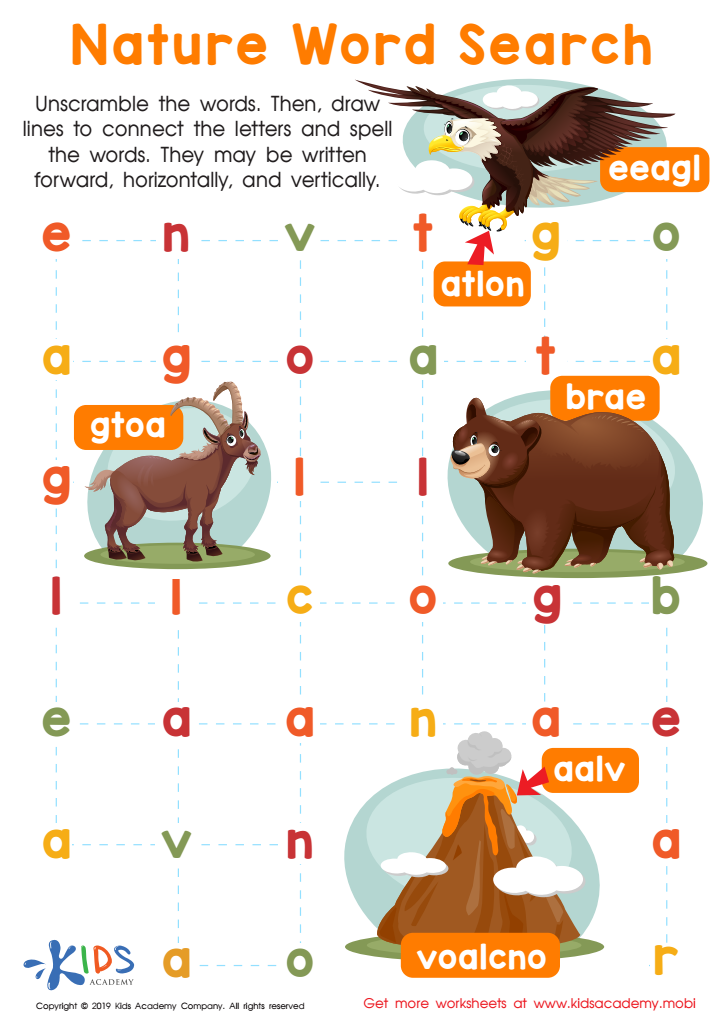
Nature Word Search Worksheet
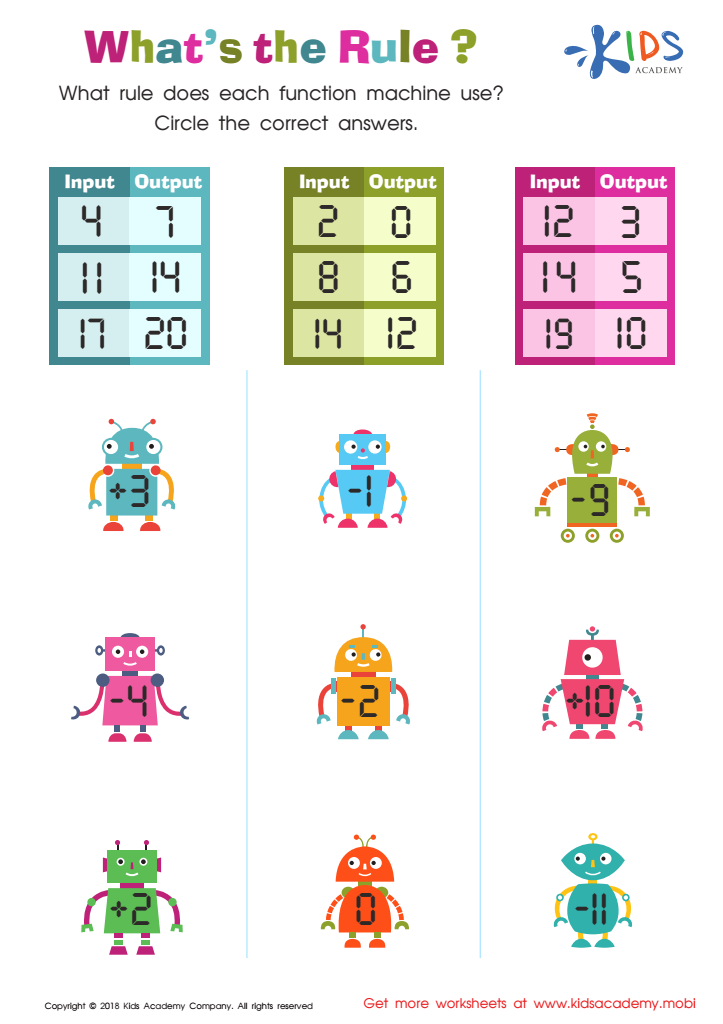
What's the Rule Worksheet
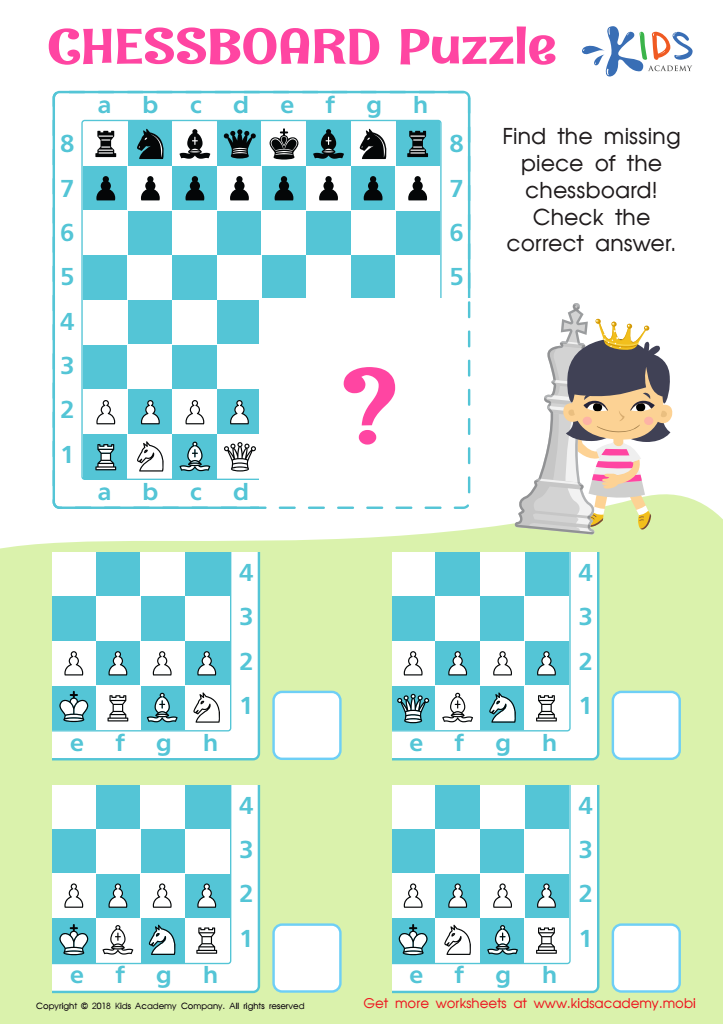
Chessboard Puzzle Worksheet
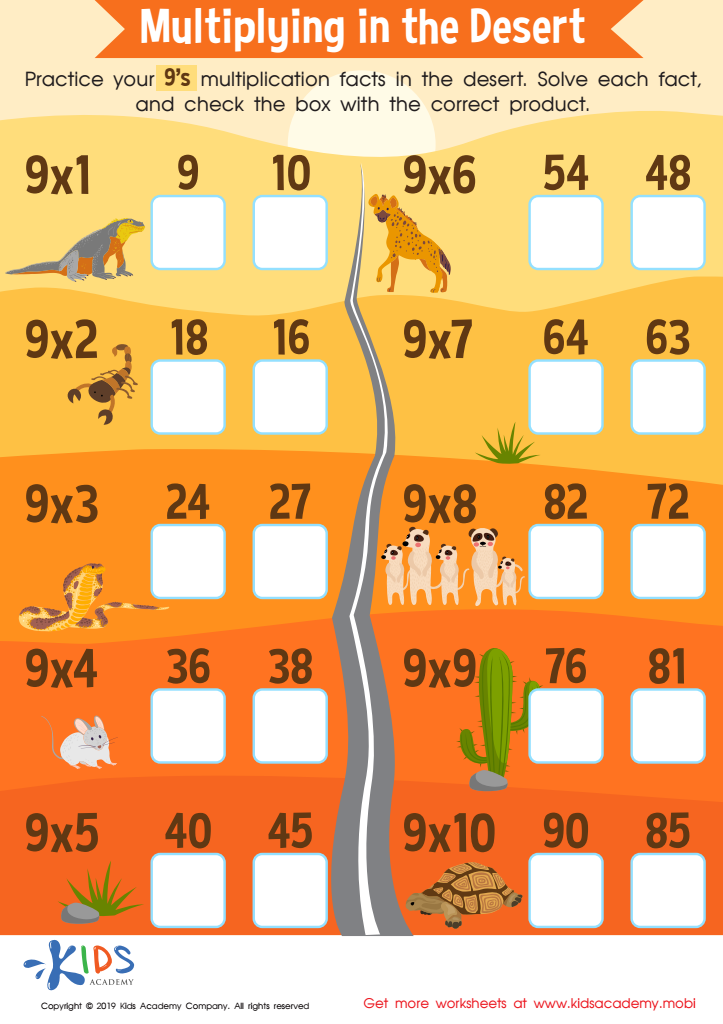
Multiplying in the Desert Worksheet



.jpg)




Parents and teachers should prioritize problem-solving skills for children aged 3-8 because these skills form the foundation of critical thinking, independence, and resilience. At this developmental stage, children are naturally inquisitive and often encounter various challenges in their environment. By nurturing problem-solving abilities, adults can help children learn to evaluate situations, consider options, and make logical decisions, fostering a sense of autonomy.
Engaging kids in problem-solving activities encourages creativity; they learn to think outside the box and explore multiple solutions to a single challenge. This cognitive flexibility is essential not only in academics but also in day-to-day life. Moreover, honing these skills at an early age promotes perseverance in the face of setbacks, teaching children to view obstacles as opportunities for growth rather than insurmountable barriers.
Additionally, problem-solving skills have a significant impact on social interactions. Children learn to negotiate, collaborate, and communicate effectively with peers when facing challenges together. Ultimately, developing these skills provides youngsters with lifelong advantages, equipping them with the tools needed to navigate increasingly complex social and academic environments as they continue to grow. Prioritizing problem-solving not only enhances cognitive abilities but also nurtures emotionally intelligent individuals capable of facing life’s challenges.








