Normal Math Worksheets for Ages 3-8 - Page 2
557 filtered results
-
From - To
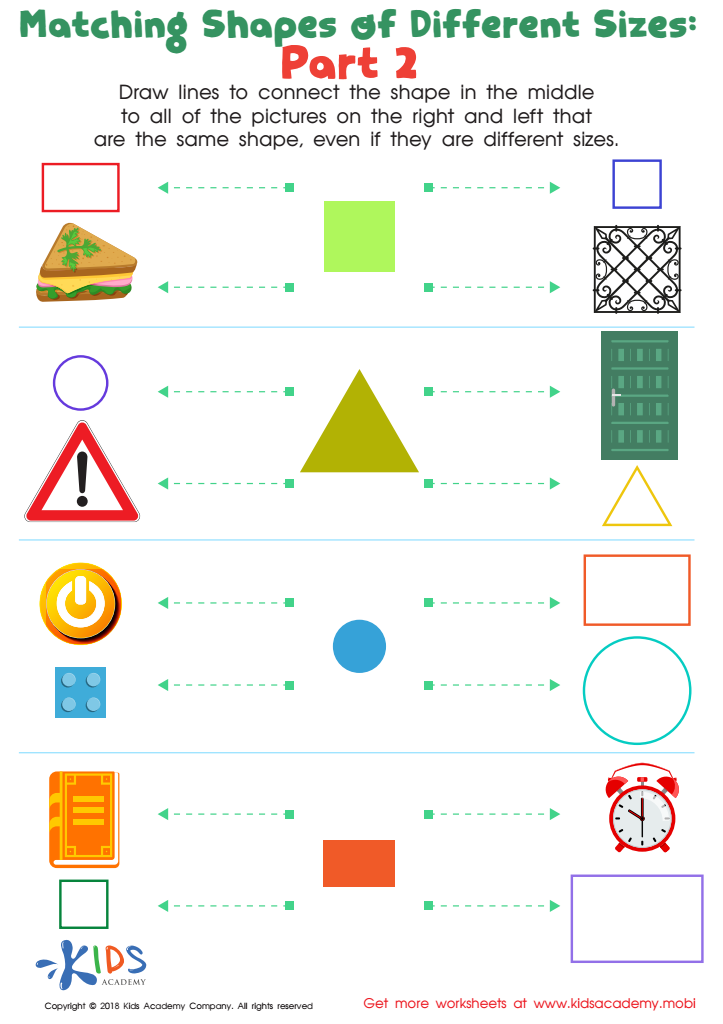
Geometry: Part 2 Worksheet
 Assign to My Students
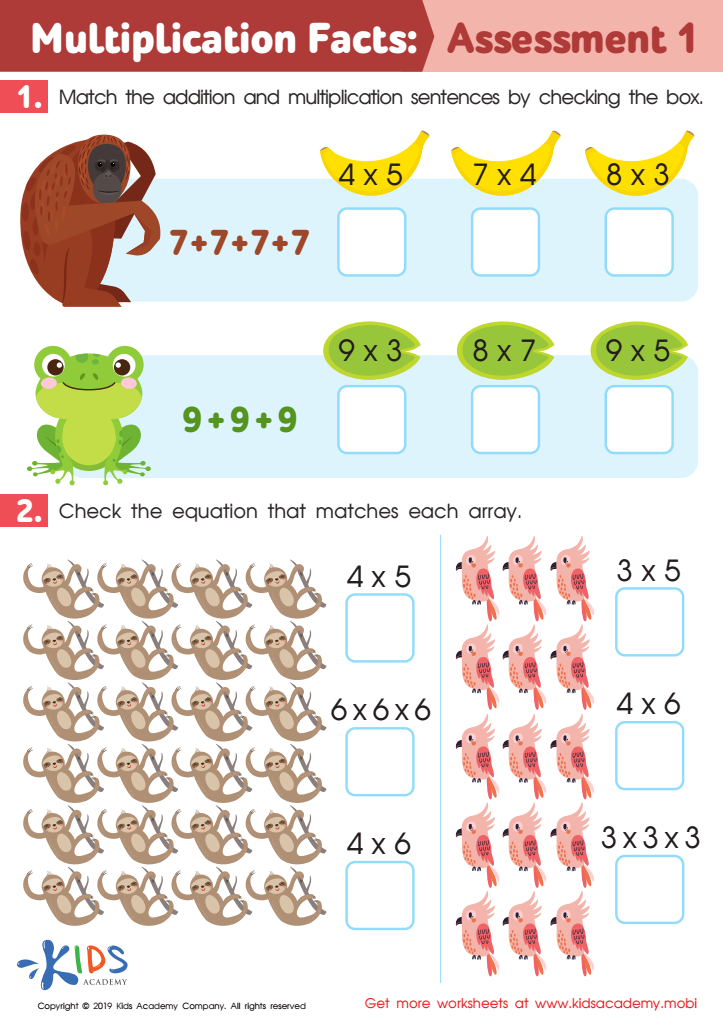
Multiplication Facts: Assessment 1 Worksheet
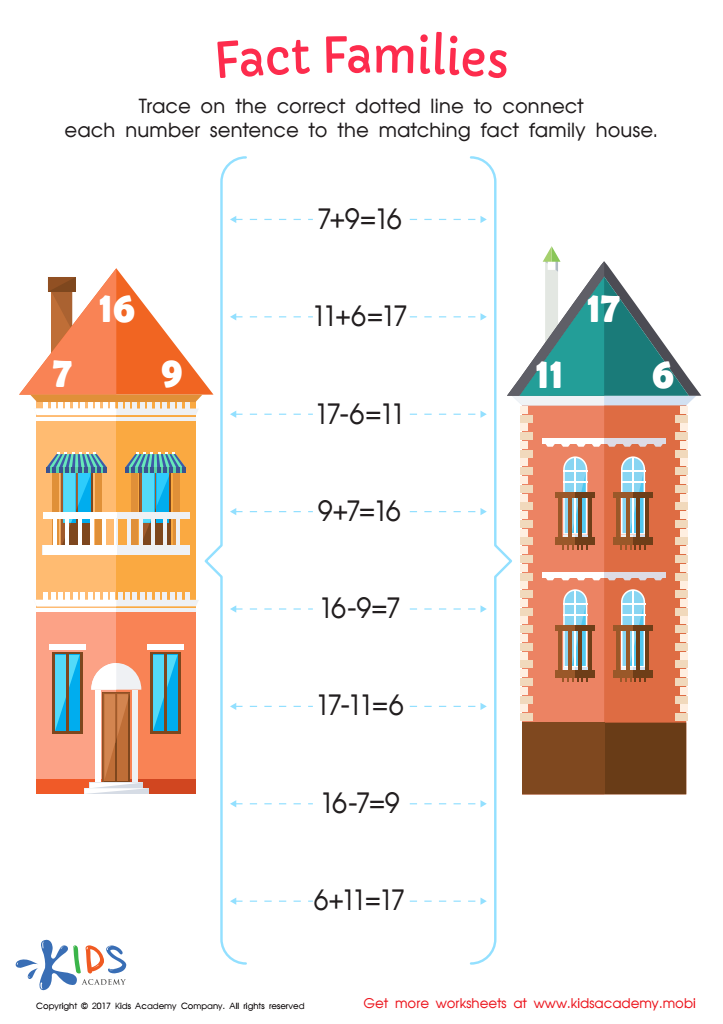
Fact Families — Add and Subtract Worksheet
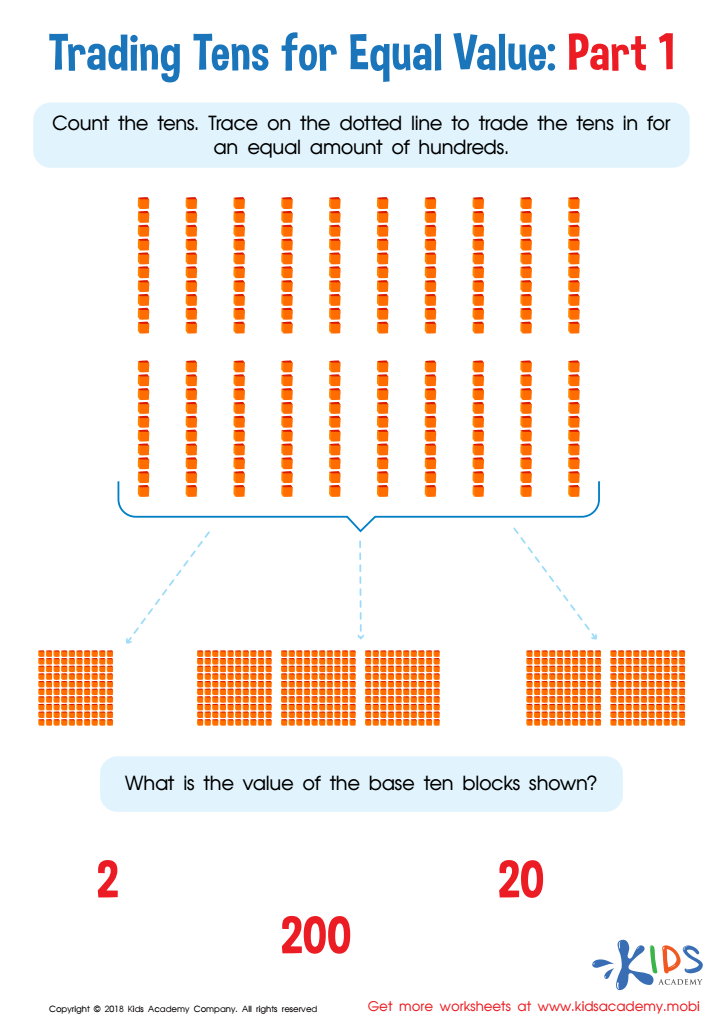
Trading Tens for Equal Value Worksheet: Part 1
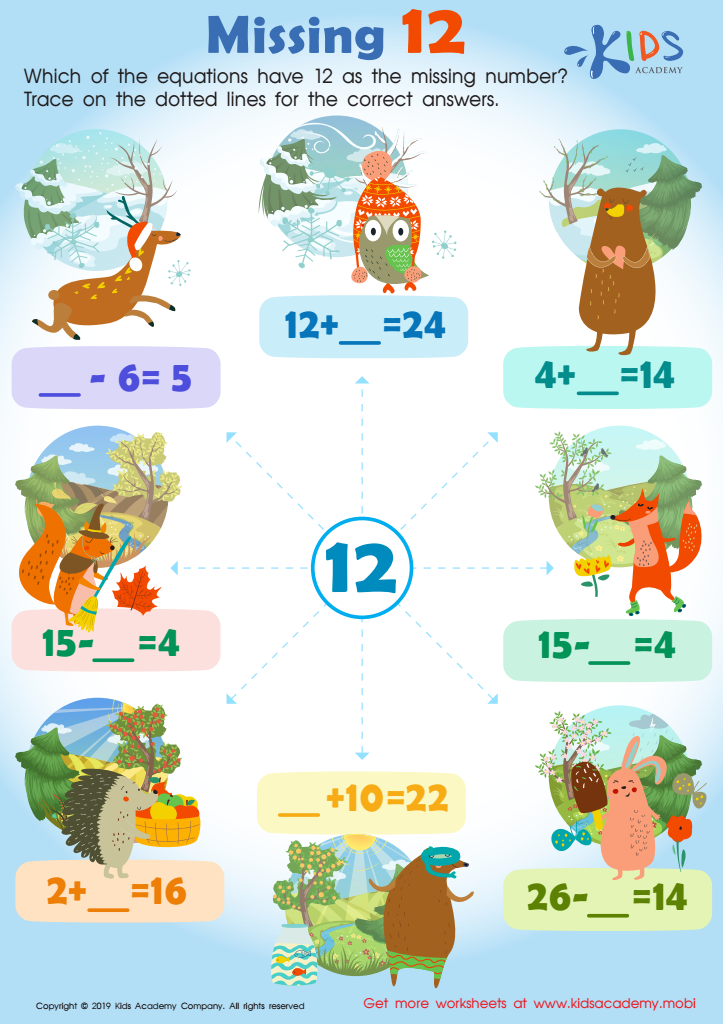
Missing 12 Worksheet
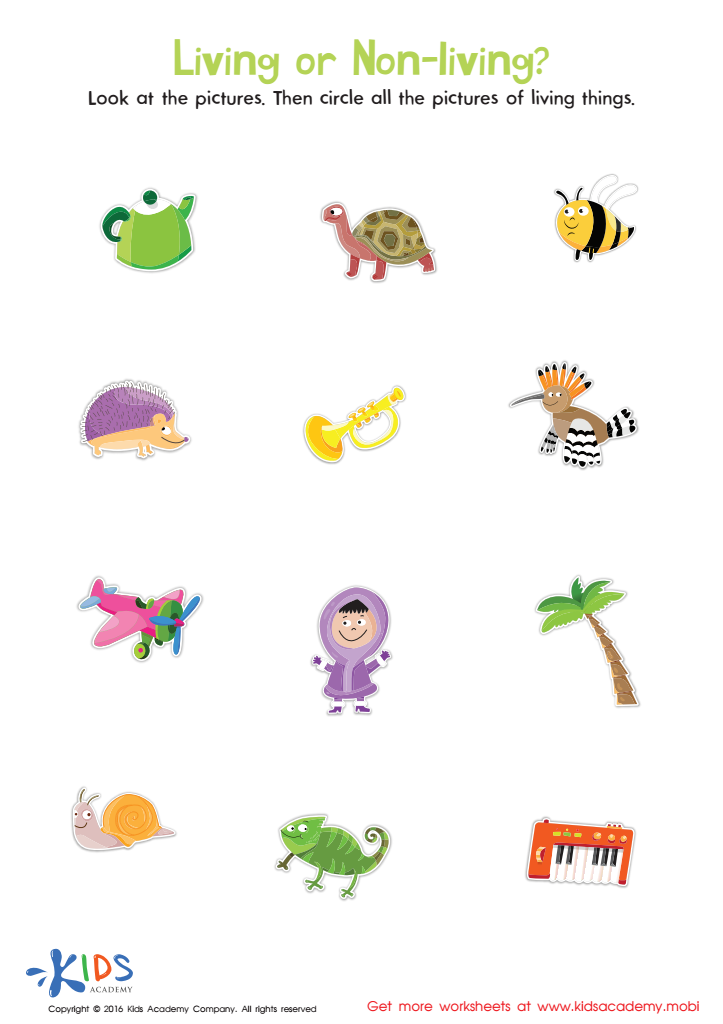
Identifying Living and Non–living Things Sorting Worksheet
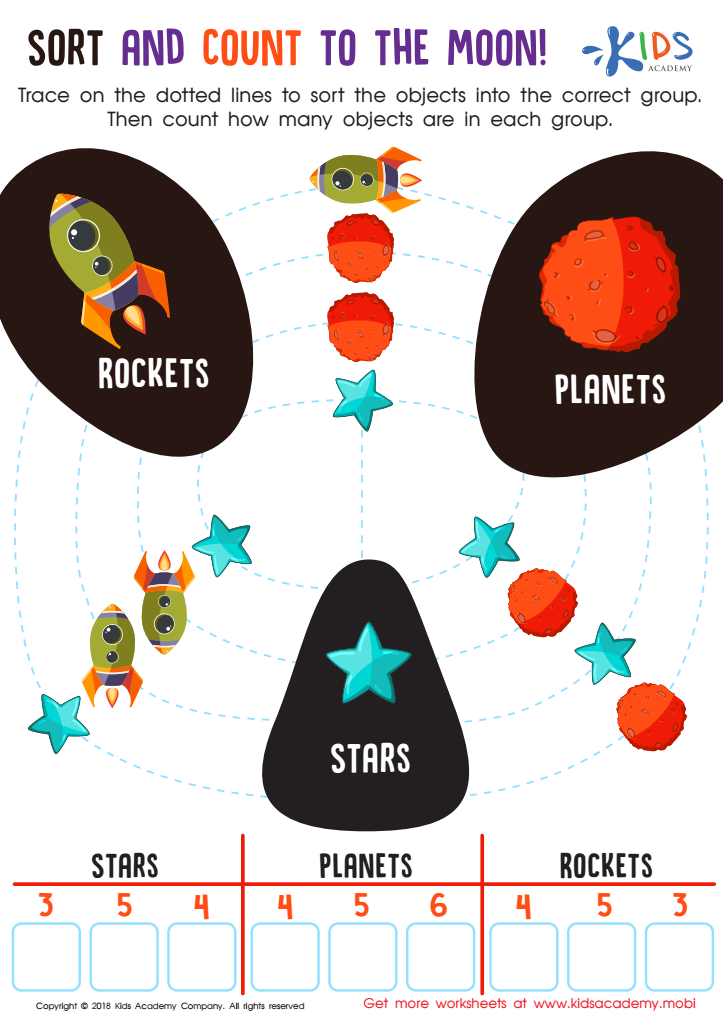
Sort and Count to the Moon Worksheet
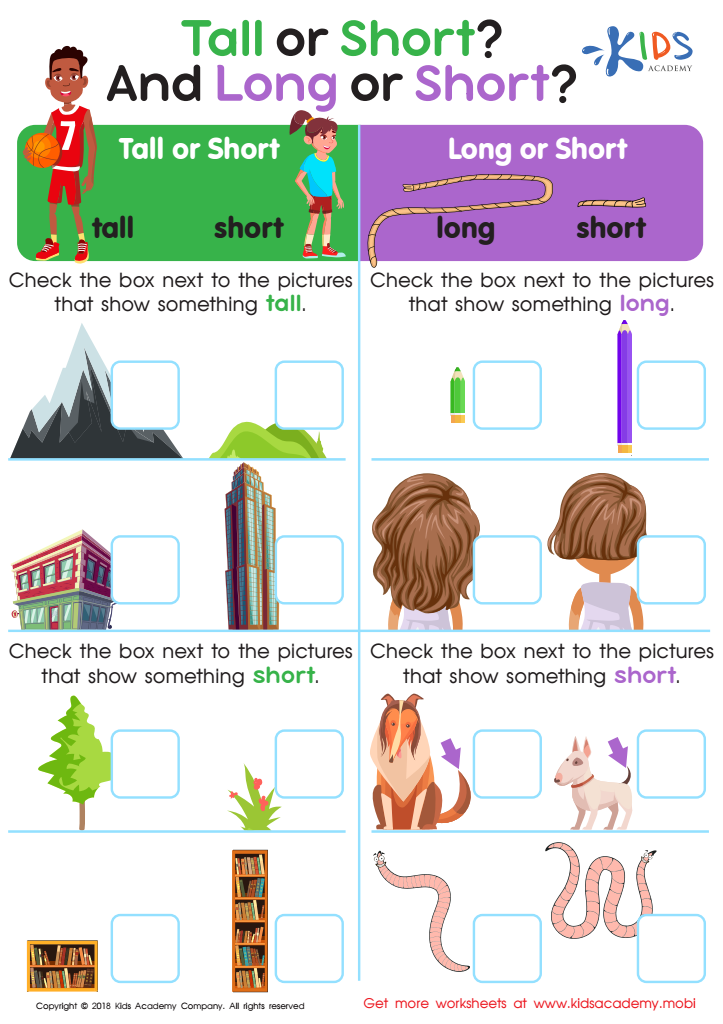
Tall or Short and Long or Short? Worksheet
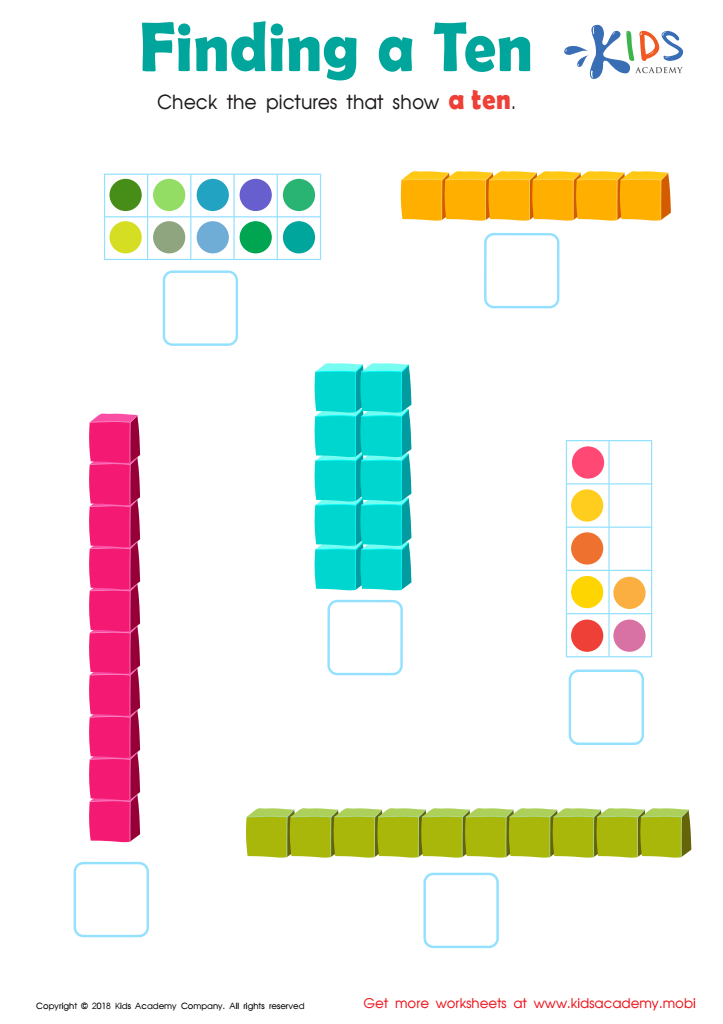
Finding a Ten Worksheet
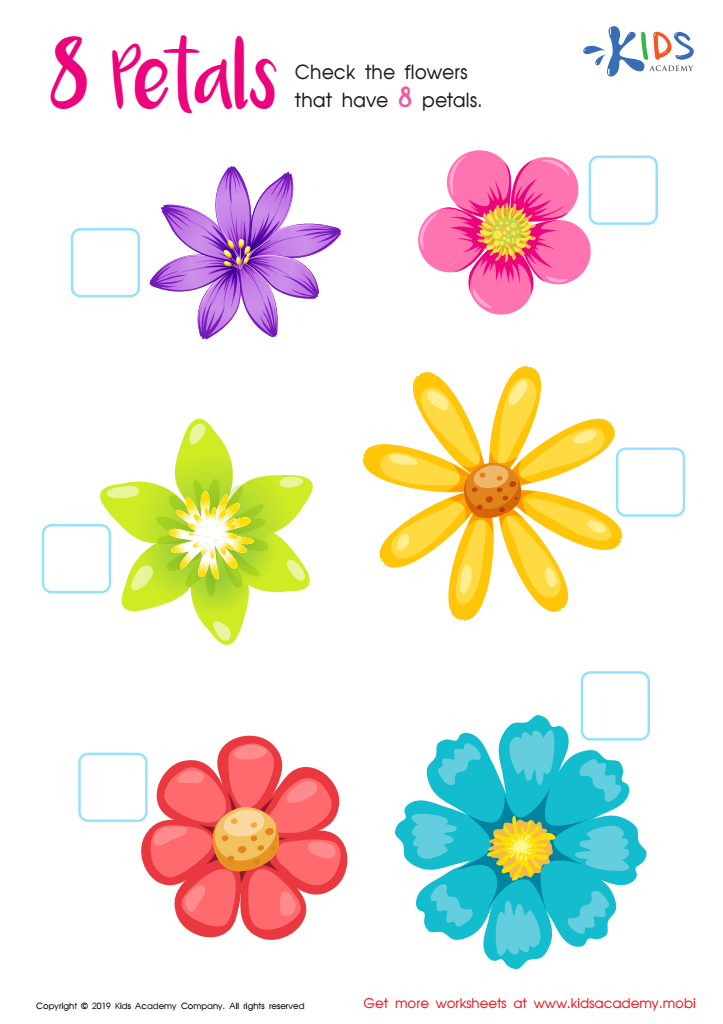
8 Petals Worksheet
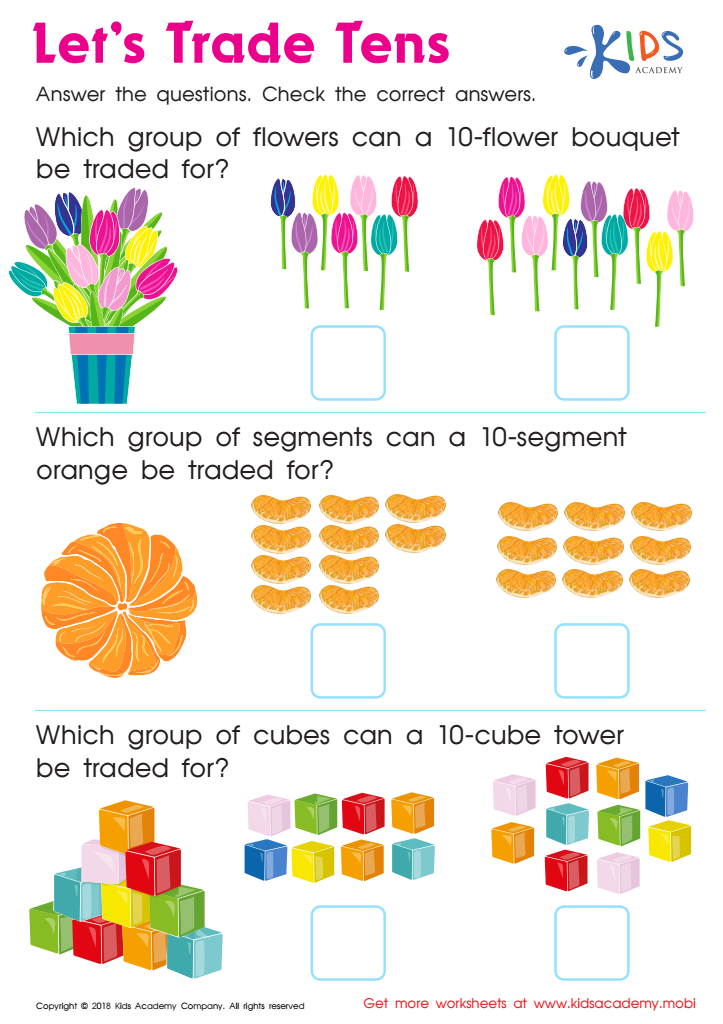
Lets Trade Tens Worksheet
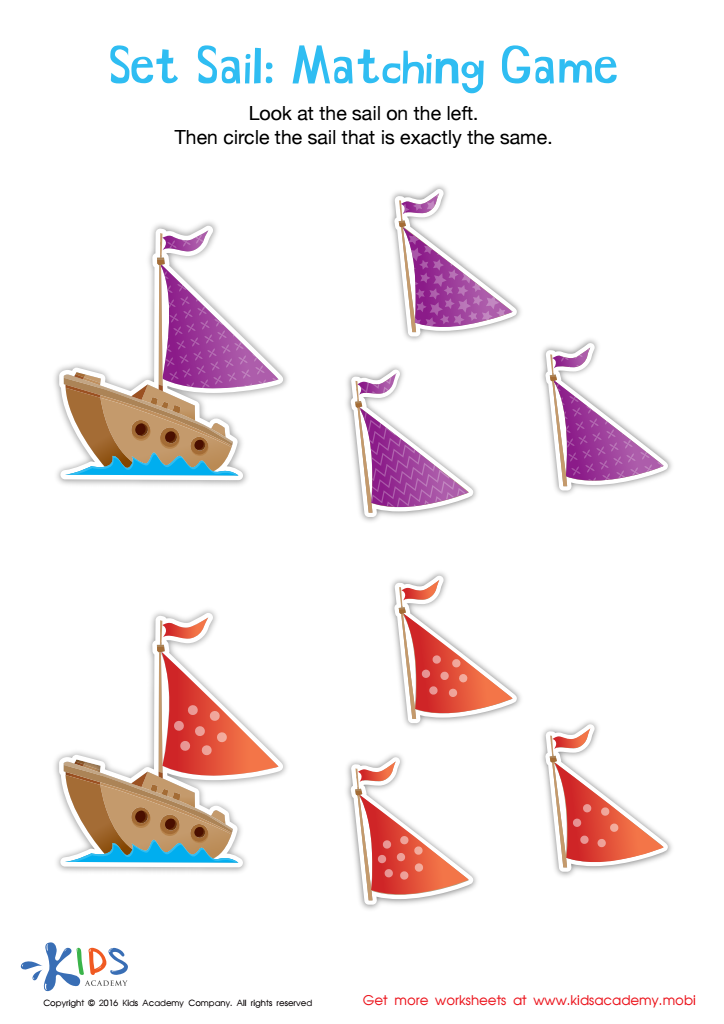
Set Sail Worksheet
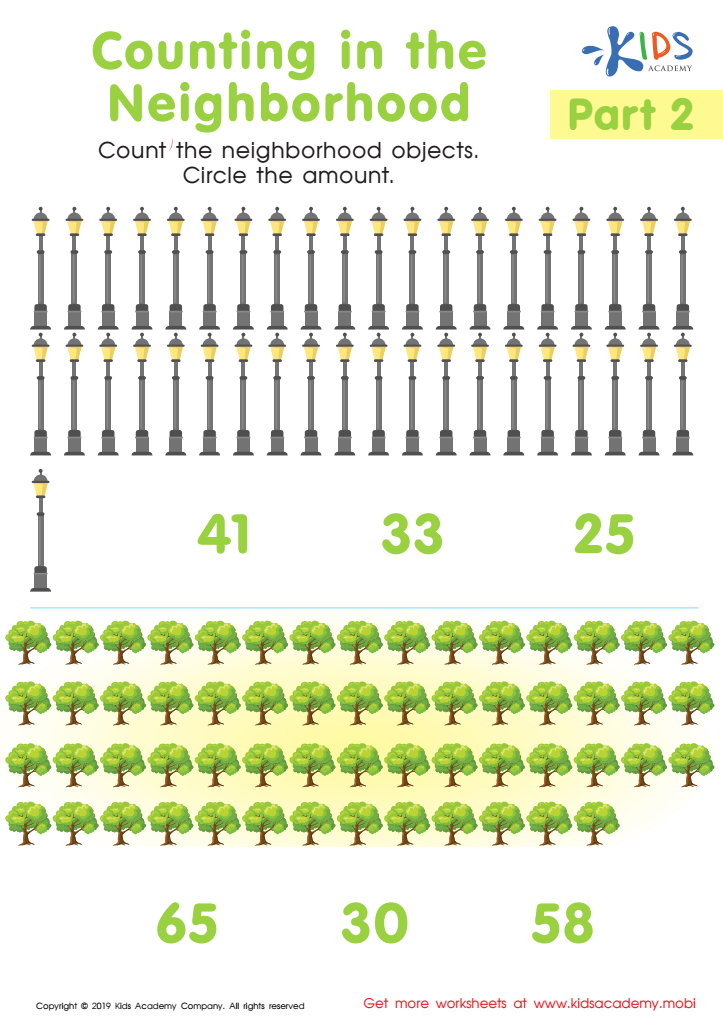
Counting In The Neighborhood Part 2 Worksheet
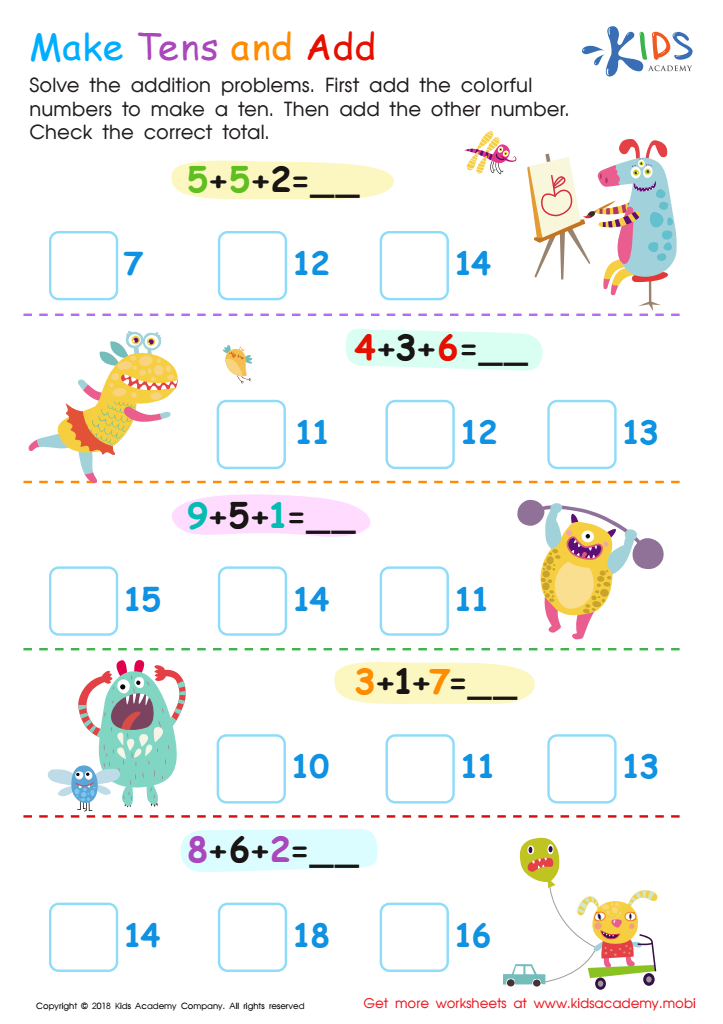
Make Tens and Add Worksheet
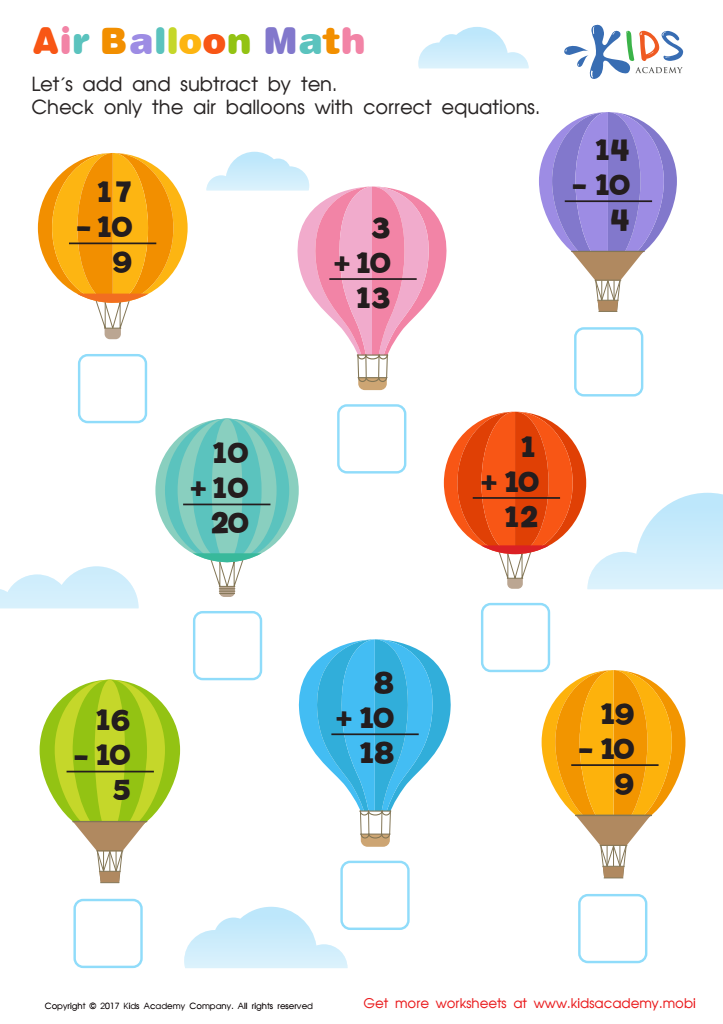
Air Balloon Math Worksheet
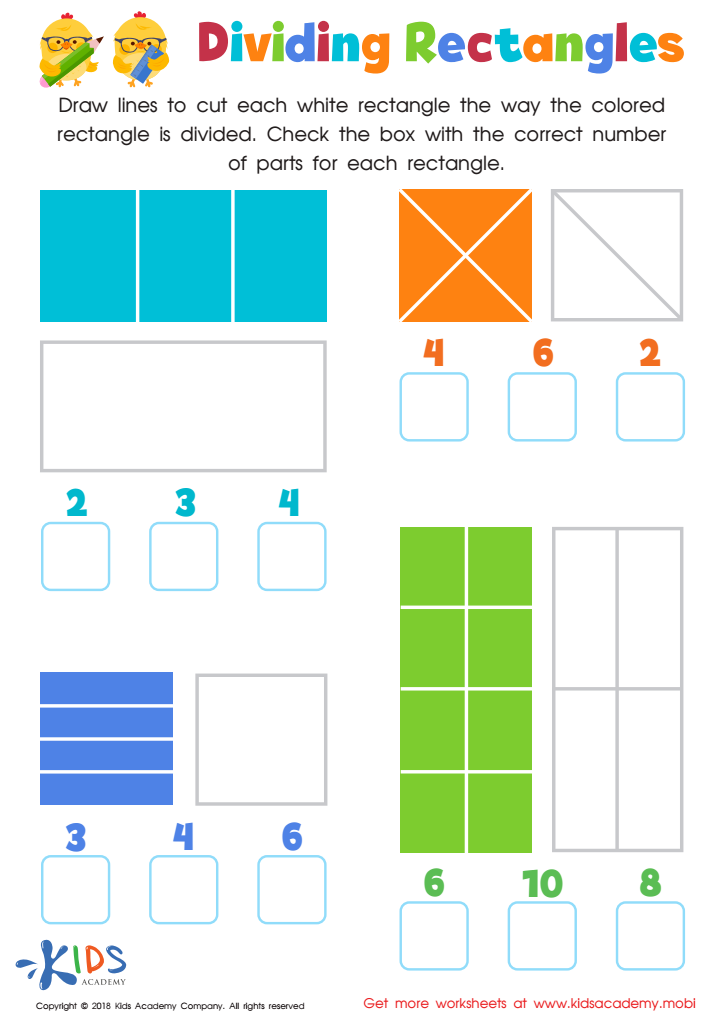
Dividing Rectangles Worksheet
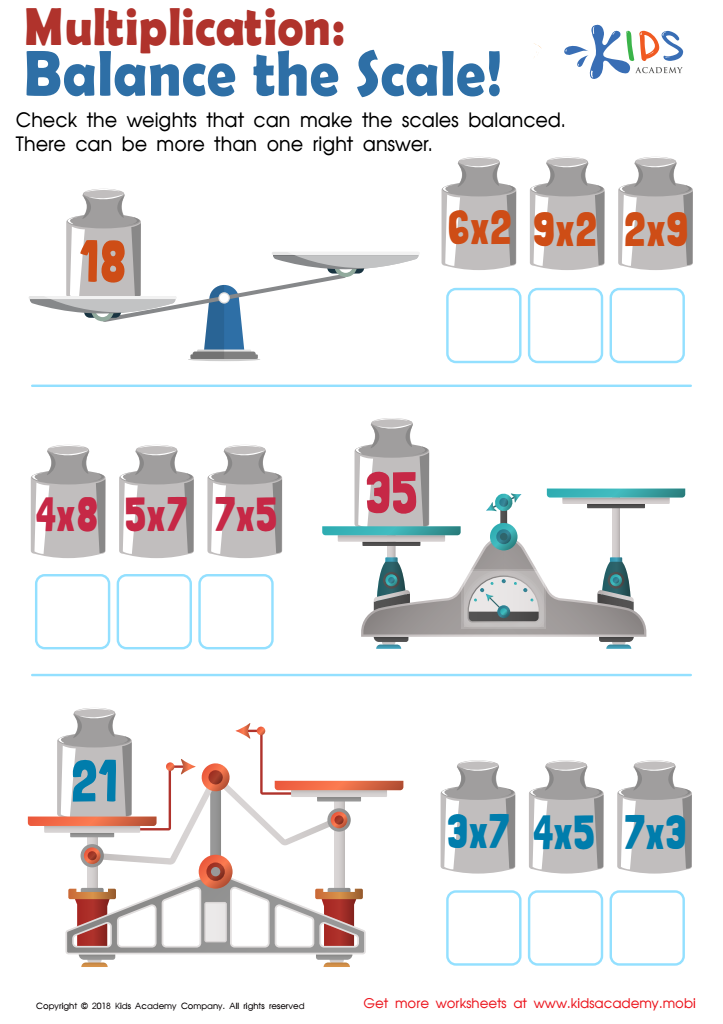
Balance the Scales Multiplication Worksheet
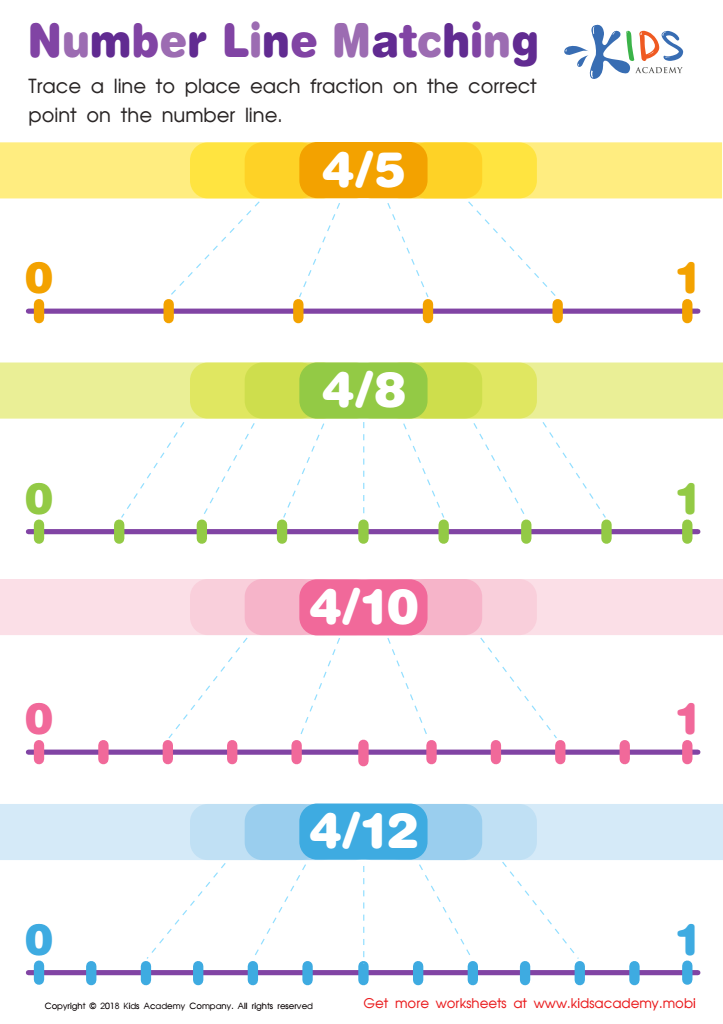
Number Line Matching Worksheet
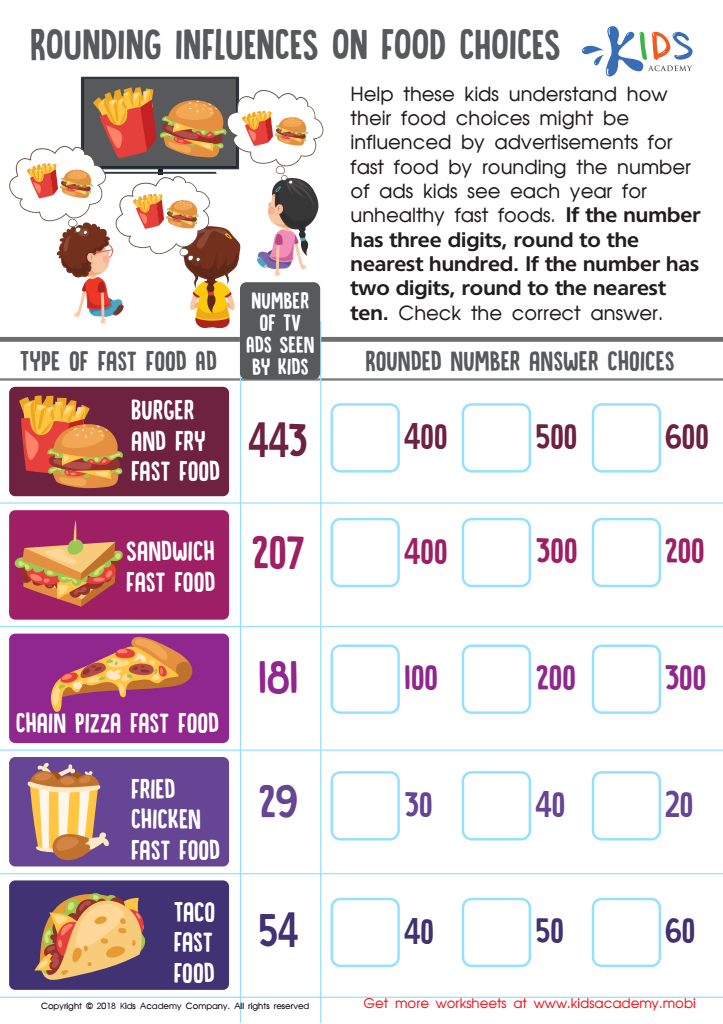
Rounding Influences Food Choices Worksheet
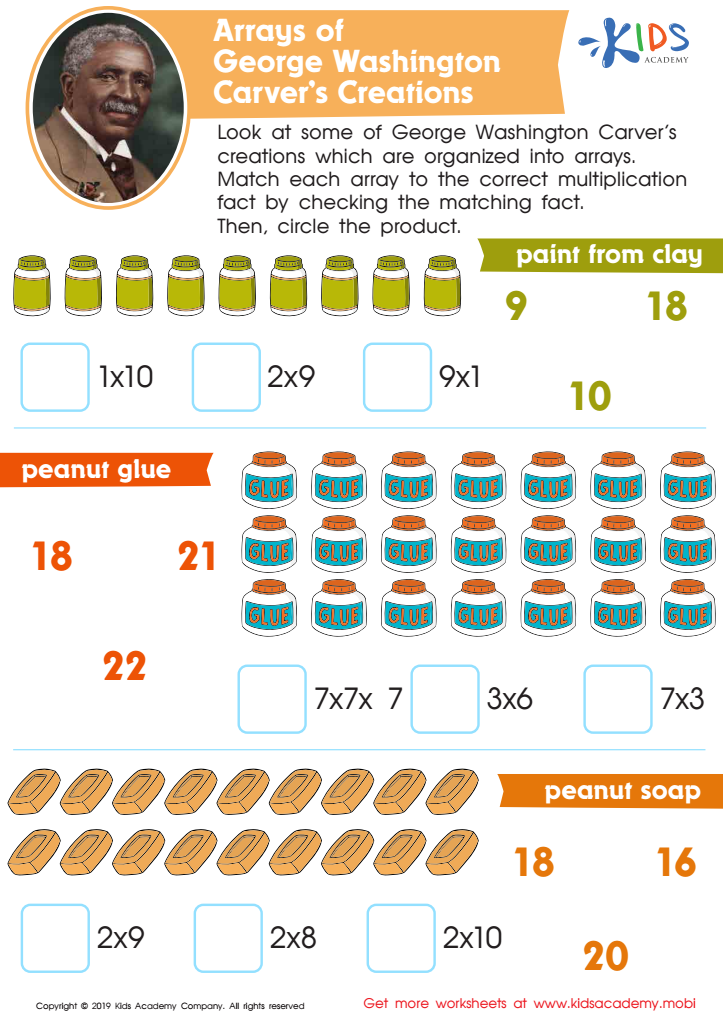
Arrays of George Washington Carver’s Creations Worksheet
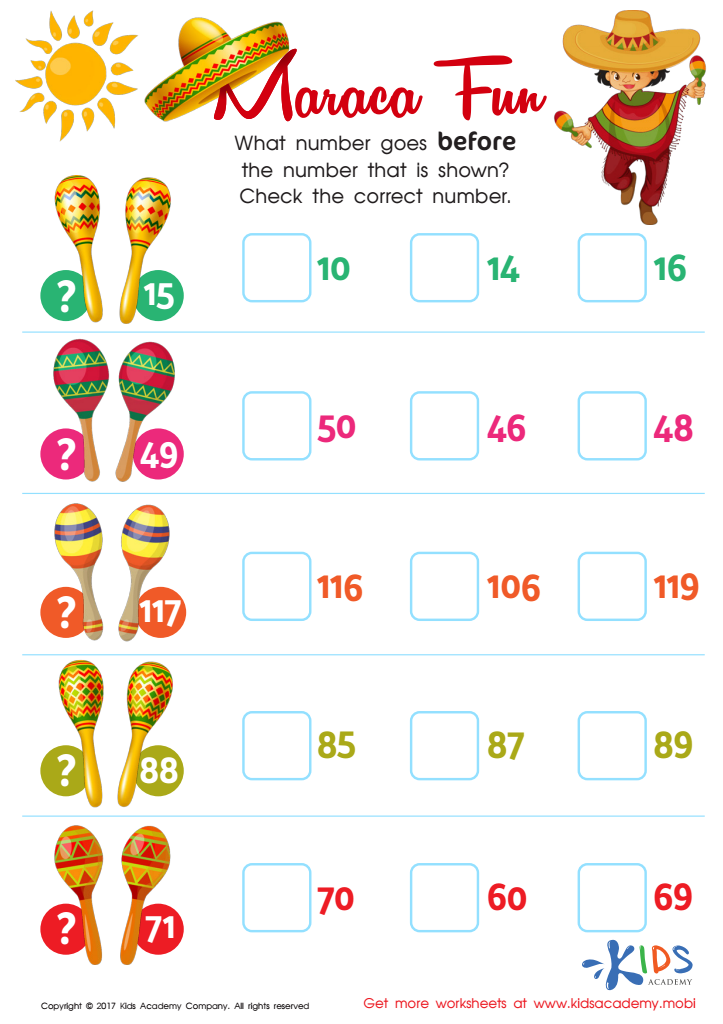
Counting: Maraca Fun Worksheet
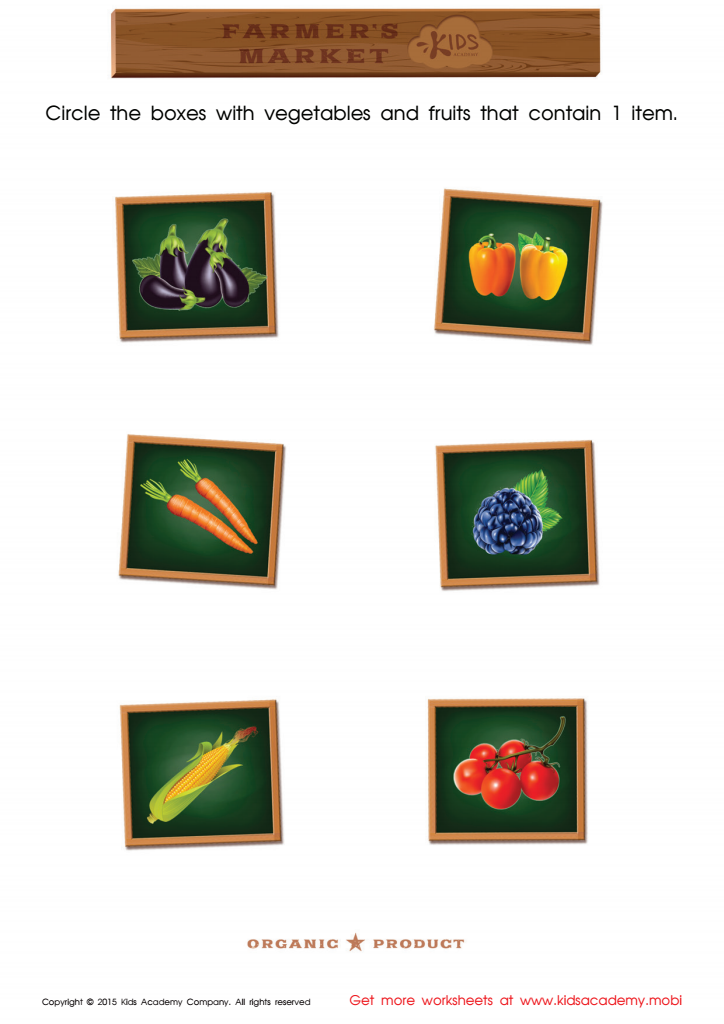
Count and Match Boxes with Vegetables
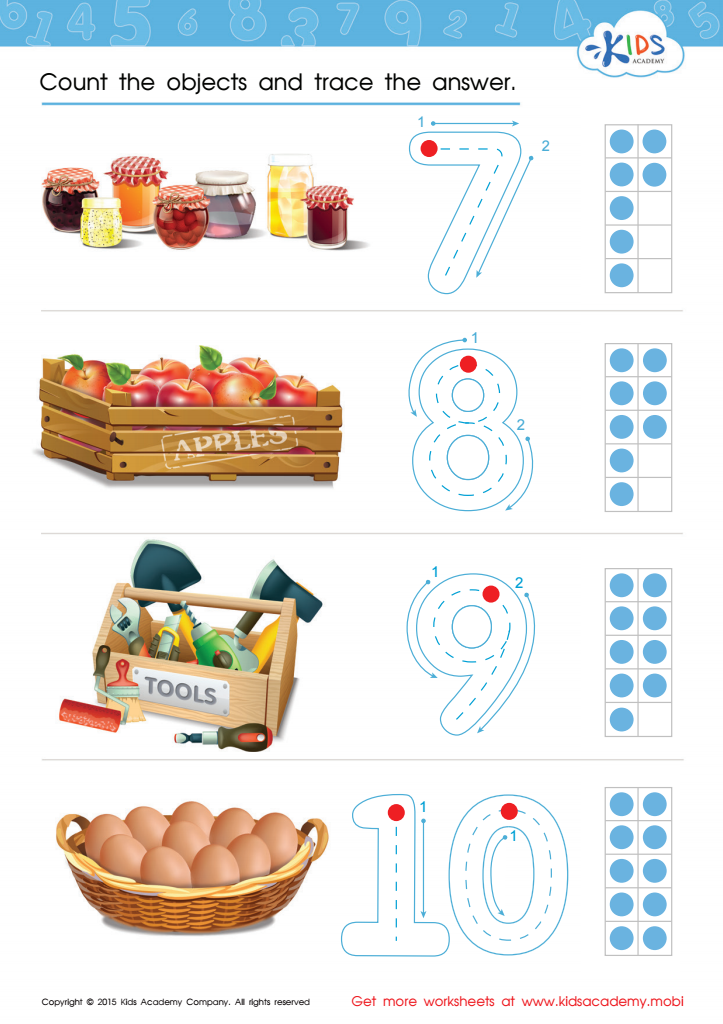
Count and Trace 7 – 10 Worksheet
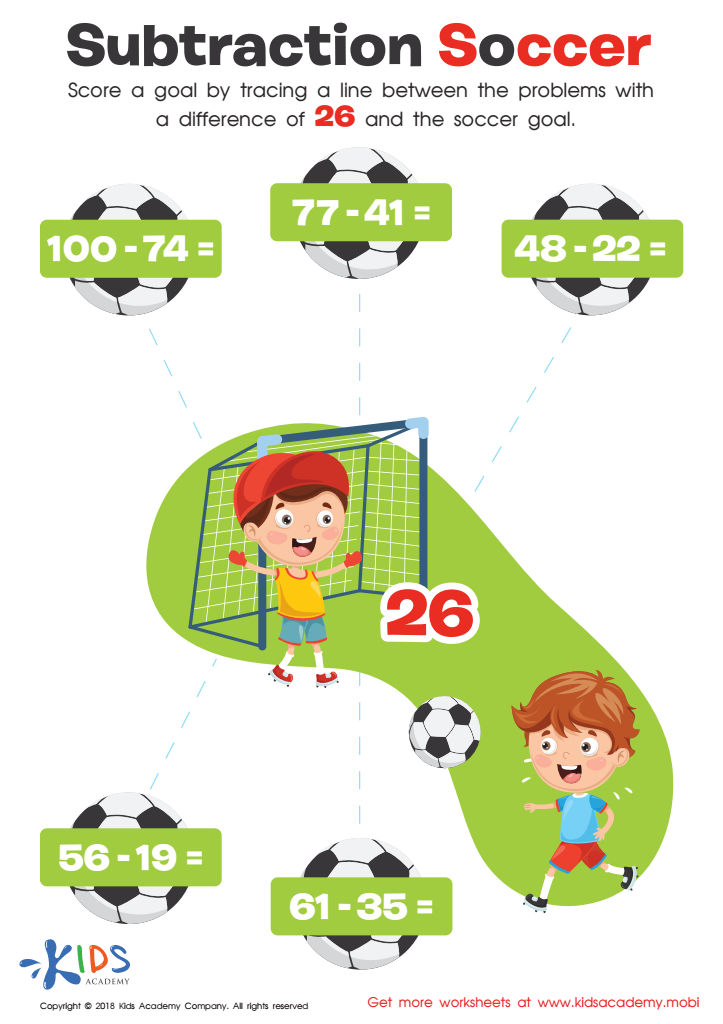
Subtraction Soccer Worksheet


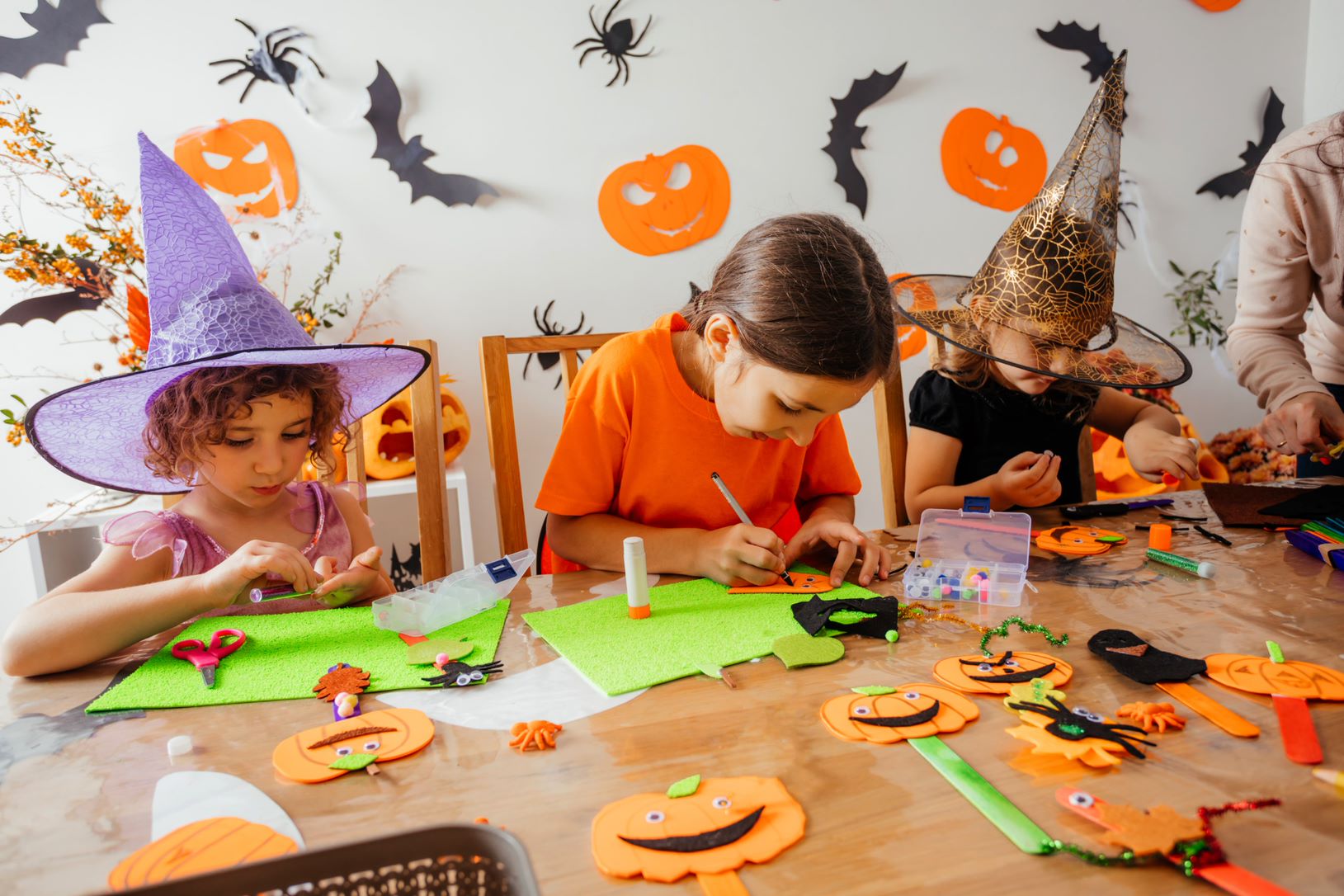





Parents and teachers should place significant emphasis on normal math for ages 3-8, as this foundational period is crucial for cognitive development and instilling a love for learning. At this tender age, children are highly receptive and can easily absorb new concepts, including basic math principles such as counting, recognizing numbers, and understanding simple operations like addition and subtraction.
Engaging in early math activities strengthens a child's problem-solving skills and logical thinking, essential tools that they will use throughout their academic journey and everyday life. Moreover, early success in mathematics builds confidence, encouraging a child to tackle more challenging subjects with enthusiasm. Studies consistently show that children exposed to math concepts early on tend to perform better in school overall.
Incorporating math in fun, age-appropriate ways—such as counting games, puzzles, and sorting activities—makes learning enjoyable and can spark curiosity. This period also allows children to develop fine motor skills through activities like drawing numbers and shapes.
For parents and teachers, integrating normal math into daily routines—be it counting fruits at breakfast or understanding shapes and patterns in play—promotes consistency and seamless learning. All in all, focusing on normal math for young learners lays a robust groundwork for their future academic achievement and intellectual growth.








