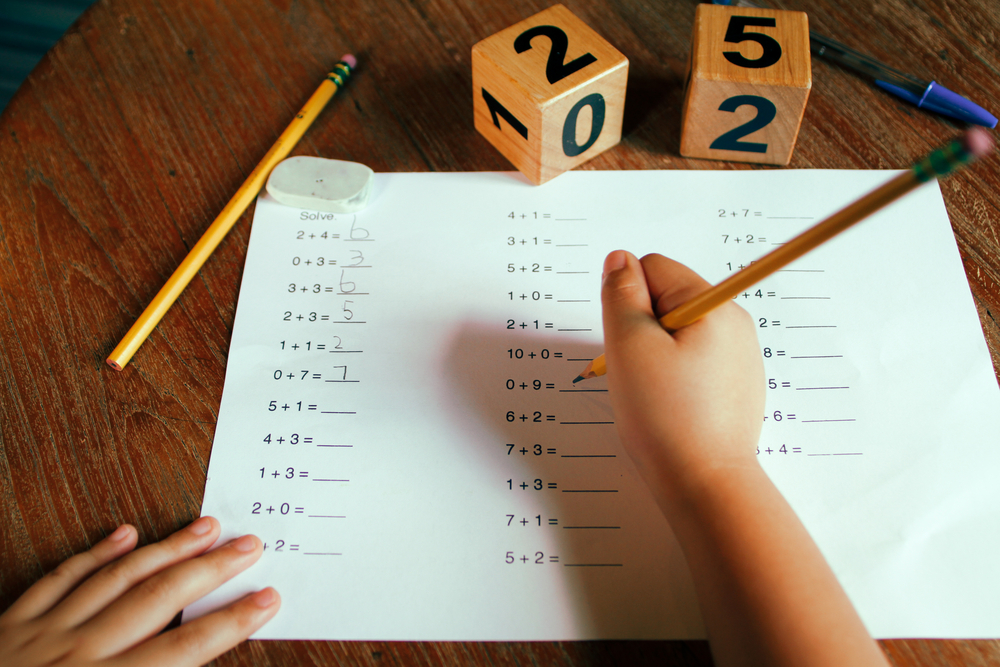
Enhance your child's logical thinking skills with our engaging Normal Math Worksheets designed for ages 3-8! These worksheets provide a fun and interactive way for young learners to explore problem-solving, patterns, and reasoning in math. Each activity is thoughtfully crafted to foster critical thinking and mathematical understanding, ensuring your child builds a strong foundation for future learning. With vibrant visuals and age-appropriate challenges, our worksheets make math enjoyable and accessible. Encourage your child to think logically while developing essential math skills. Download our printable worksheets today and watch as your little ones learn and grow!

Check out this FREE Trial Lesson on Math for age 3-8!

Understanding Place Value - Hundreds Only

Favorites
With answer key
Interactive
  • 3-8
  • Logical thinking
  • Math
  • Normal
Matching Colors for Kids PDF

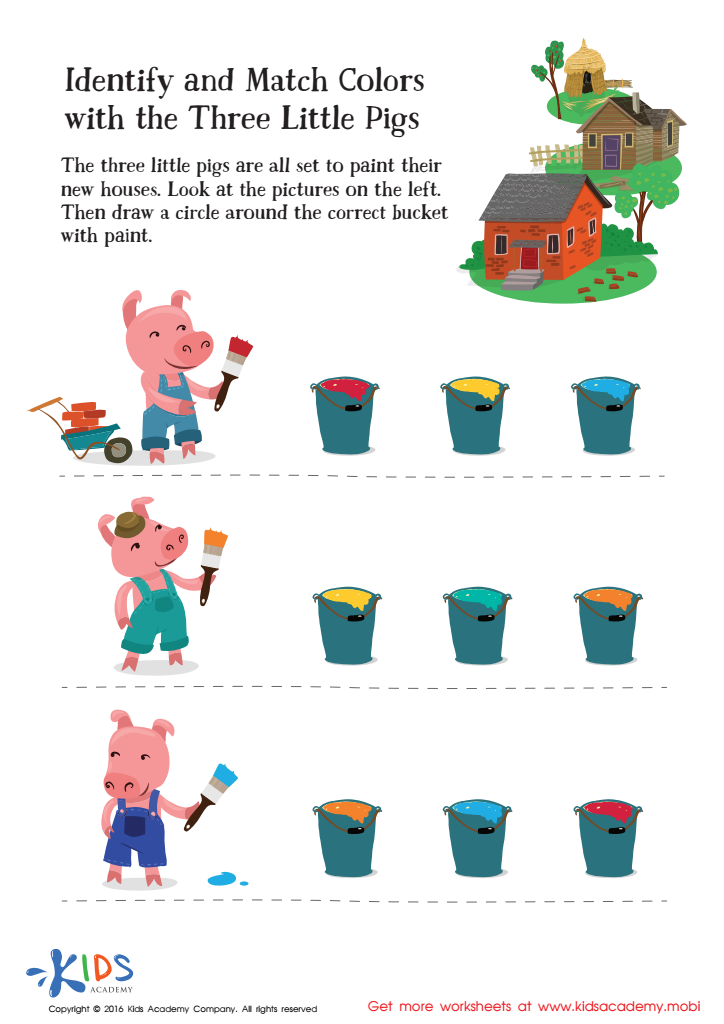
Fairy Tale Worksheet: Identify and Match Colors with Three Little Pigs

Help the 3 Little Pigs find the right color for their houses! This fun worksheet will have your child developing their problem solving and color recognition skills. It's a great way to start building the foundation for advanced logic skills. Plus, they'll love the Three Little Pigs coloring pages.
Fairy Tale Worksheet: Identify and Match Colors with Three Little Pigs
Worksheet
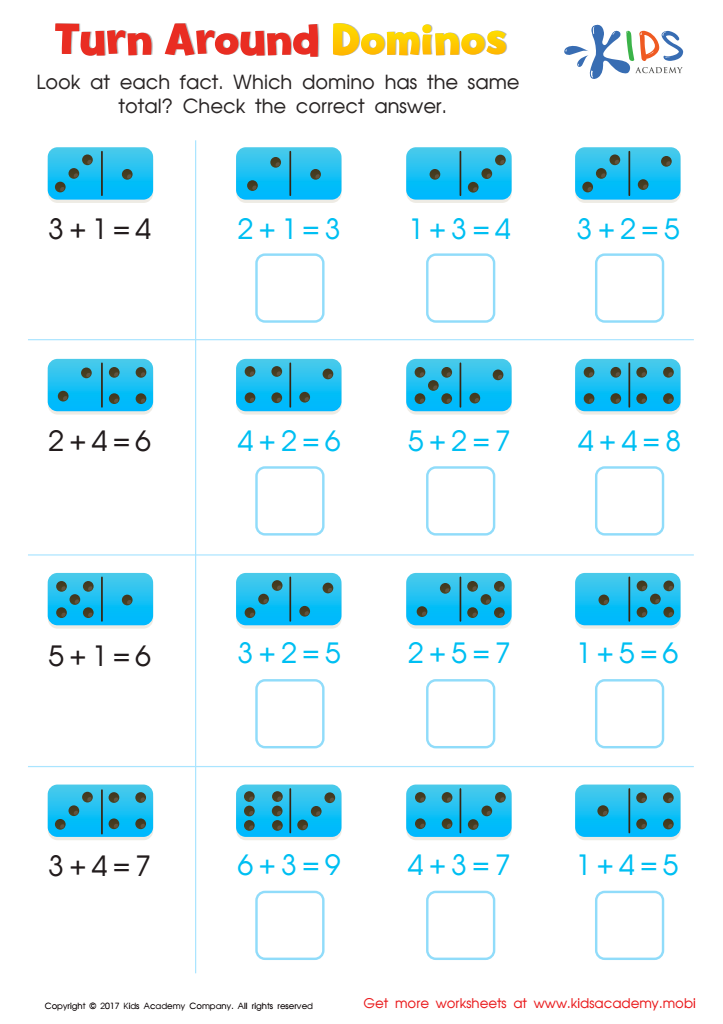
Turn Around Dominos Worksheet

Turn Around Dominos Worksheet

Encourage your child to flex their mental muscles with this math worksheet. Look through the left side's dominos and their values and then check the three boxes on the right. Ask your child if any of the right box's dominos are similar. This requires focus and careful observation.
Turn Around Dominos Worksheet
Worksheet
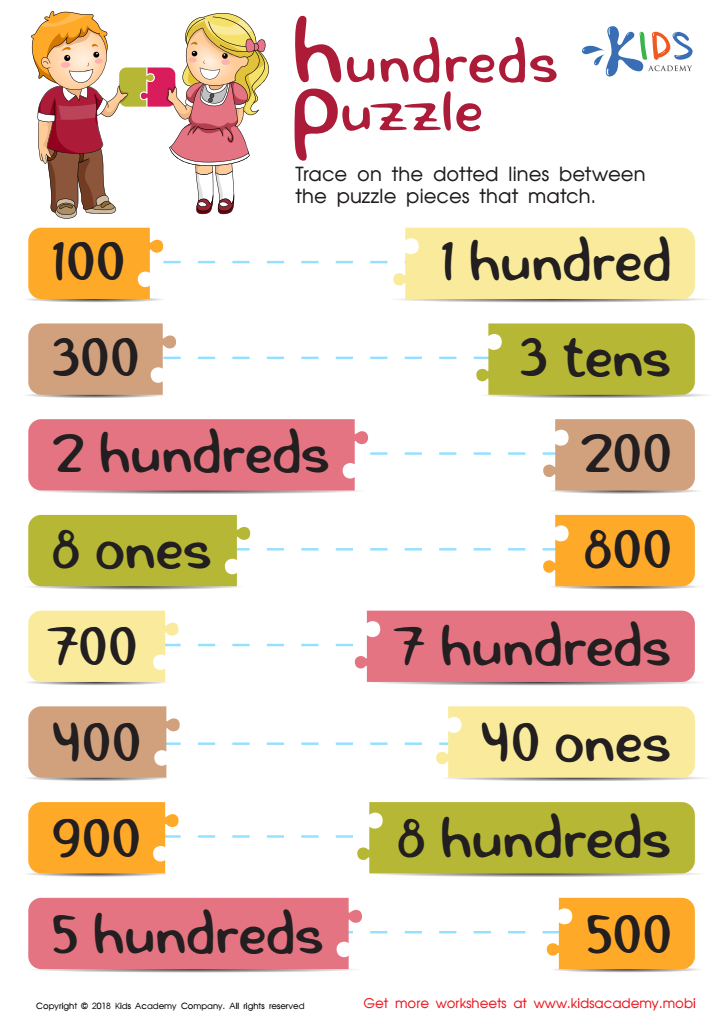
Hundreds Puzzle Worksheet

Hundreds Puzzle Worksheet

This tracing sheet can help your child improve their number knowledge, from hundreds to tens. On the left are different numbers, with the same on the right. Ask your child to connect the matching numbers with the dotted lines. Make learning numbers fun with this traceable printout.
Hundreds Puzzle Worksheet
Worksheet
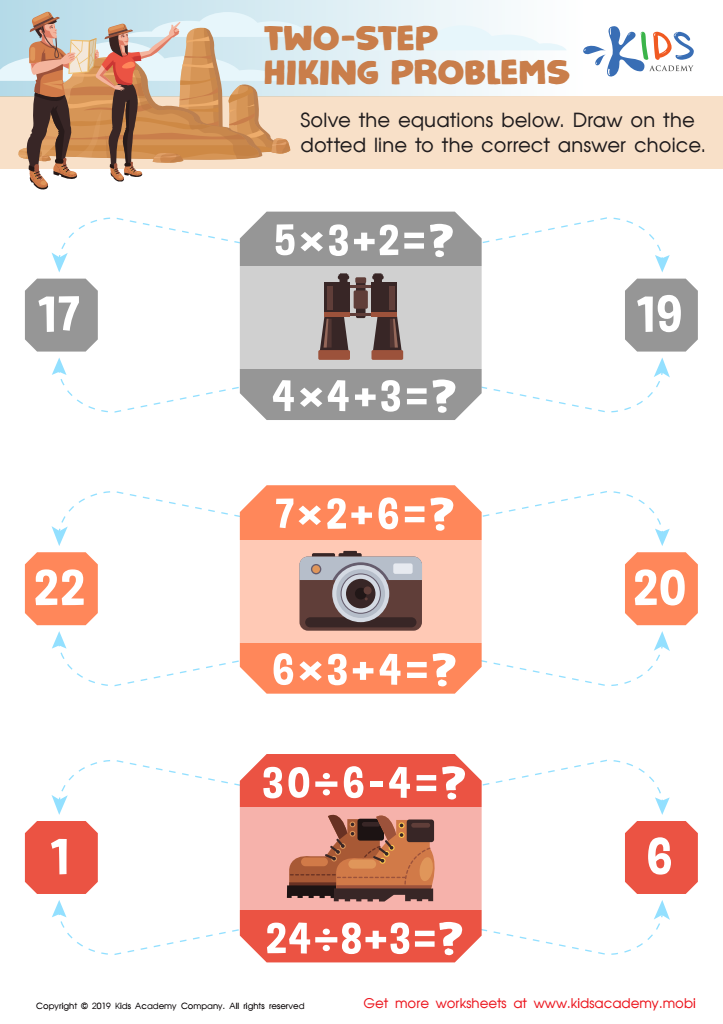
Two-Step Hiking Problems Worksheet

Two-Step Hiking Problems Worksheet

Help your kids ease into math with this worksheet. Solve the three basic equations, then draw on the dotted line to the correct answer. You can help your kids make their journey smoother by guiding them through it.
Two-Step Hiking Problems Worksheet
Worksheet
What's the Missing Side Worksheet

What's the Missing Side Worksheet

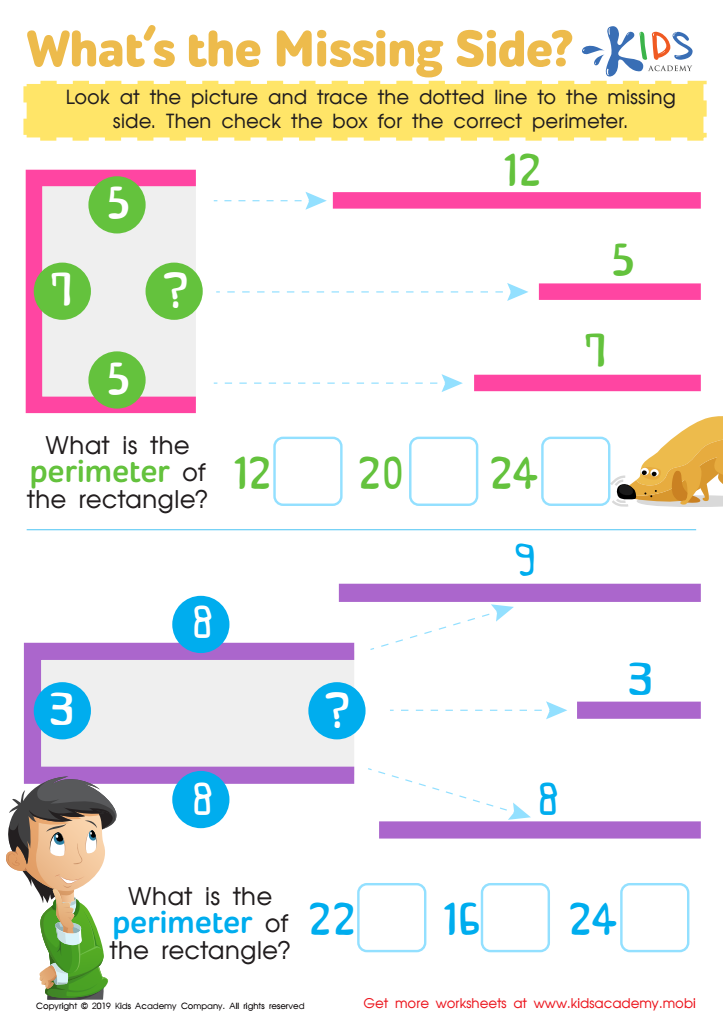
Assist your pupils in improving math skills with fun exercises like the tracing sheet. Show them the picture and guide them to trace the missing side. Ask them to check the box of the right perimeter afterwards. Doing this regularly can help them to enjoy and appreciate the subject more.
What's the Missing Side Worksheet
Worksheet
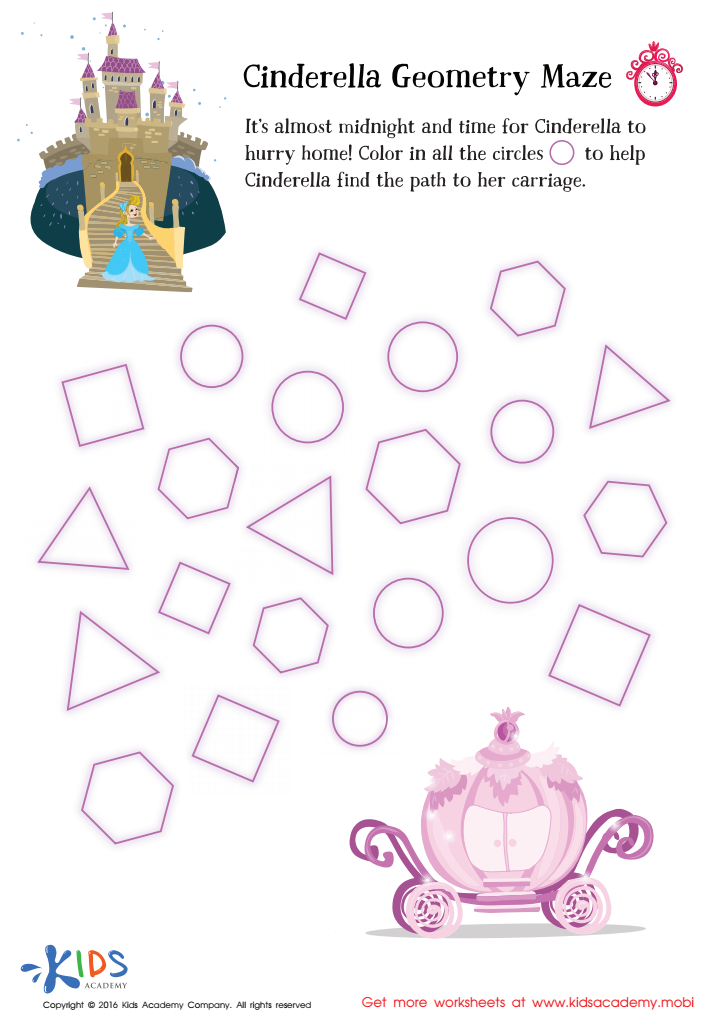
Geometric Maze for Kids

Cinderella Geometry Maze Worksheet

Help Cinderella hurry home! Your preschooler will have fun problem-solving and sorting shapes in this geometric maze. As they shade in the circles, they'll be helping their favorite princess reach her carriage on time. Not only that, but they'll strengthen their logic skills in the process. Get this and other fairy tale mazes to keep them entertained while learning.
Cinderella Geometry Maze Worksheet

Worksheet
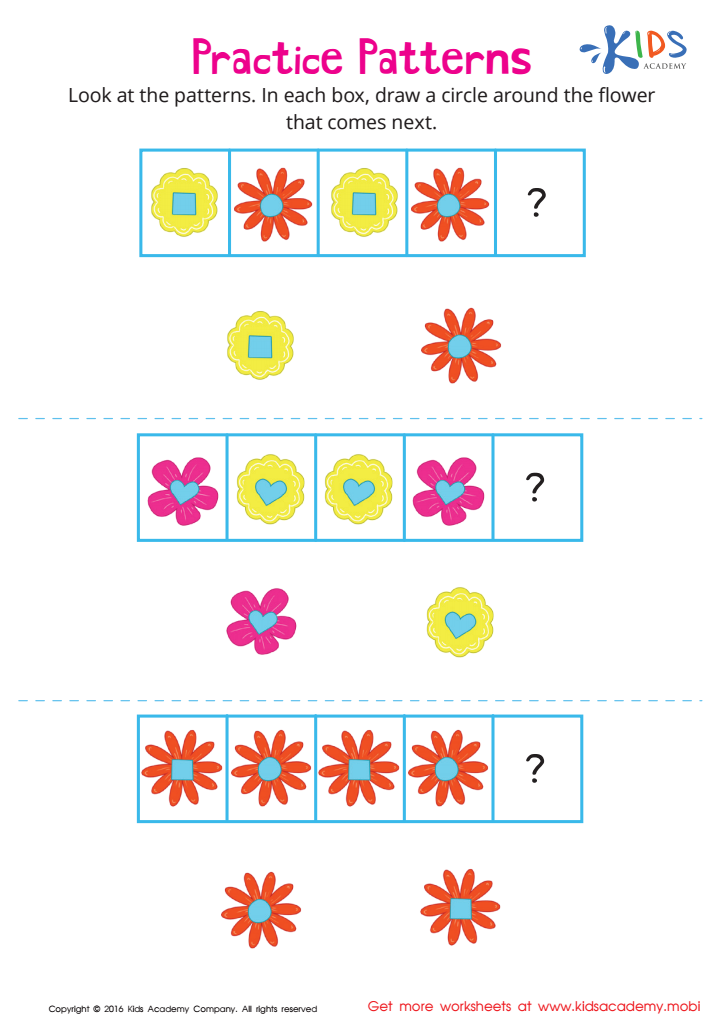
Pattern Recognition Worksheet

Practice Patterns Worksheet

Practice Patterns Worksheet
Worksheet


Logical thinking and foundational math skills during early childhood are crucial for a child's overall development. For children aged 3-8, engaging in activities that promote logical thinking and basic math concepts fosters problem-solving abilities and critical thinking. Parents and teachers should prioritize these skills because they form the basis for future academic success across all subjects.

At this developmental stage, children are naturally curious and eager to understand the world around them. Introducing them to logical reasoning through games, puzzles, and hands-on activities helps them learn to identify patterns, make connections, and draw conclusions. These cognitive skills not only benefit math but also enhance reading and science abilities.

Furthermore, early exposure to logical thinking and math builds confidence and a positive attitude towards learning. When children engage in math-related play, they develop a love for numbers and analytical thinking, essential for navigating daily challenges later in life.

Teachers and parents who emphasize logical thinking in early education equip children with the tools they need to pursue more complex concepts in the future, ensuring they are well-prepared for educational success and lifelong problem solvers. Cultivating these skills at a young age is key to nurturing well-rounded and capable individuals.