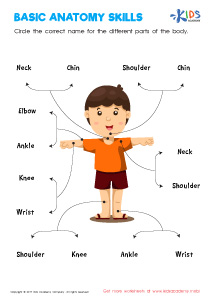
Normal World Around Us Worksheets for Ages 3-8 - Page 2
71 filtered results
-
From - To
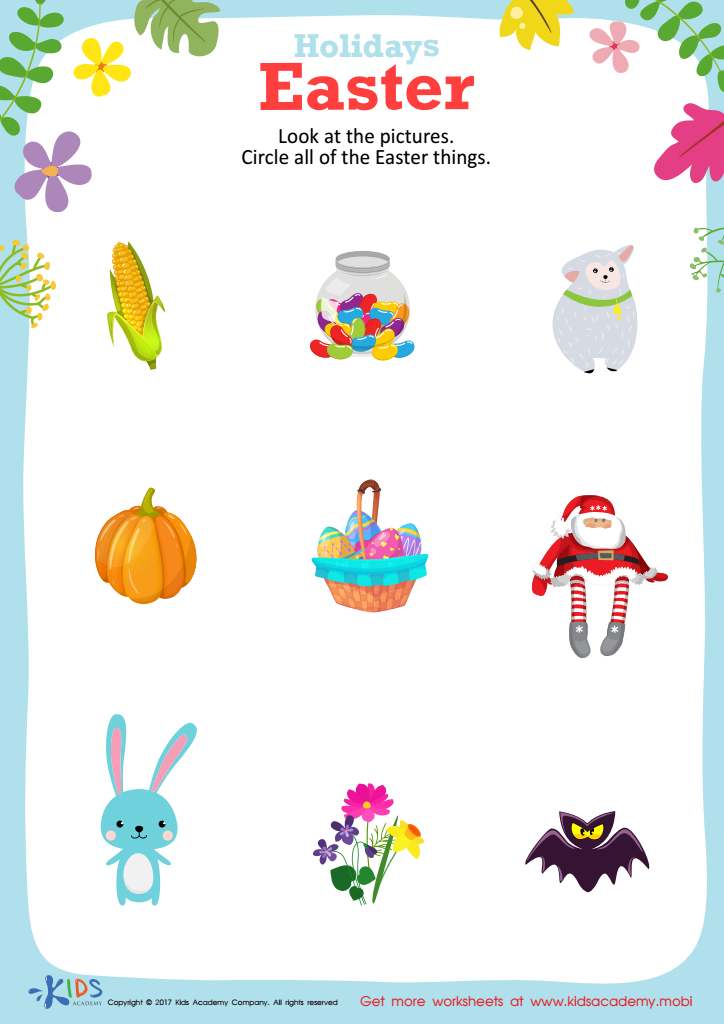
Easter Holiday Printable
 Assign to My Students
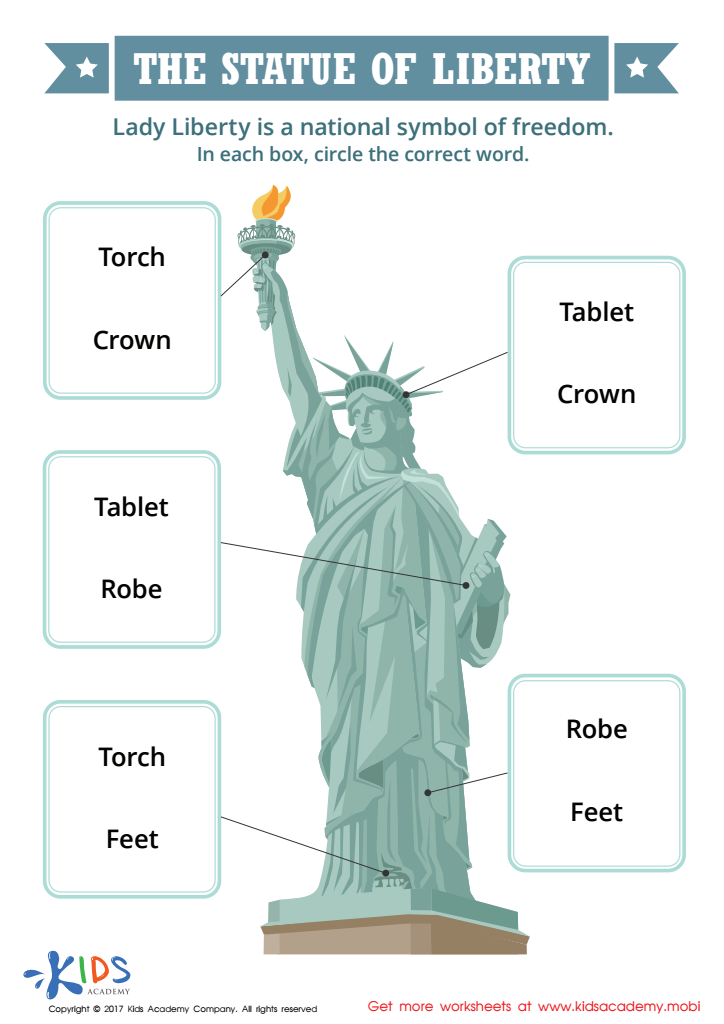
The Statue of Liberty Printable
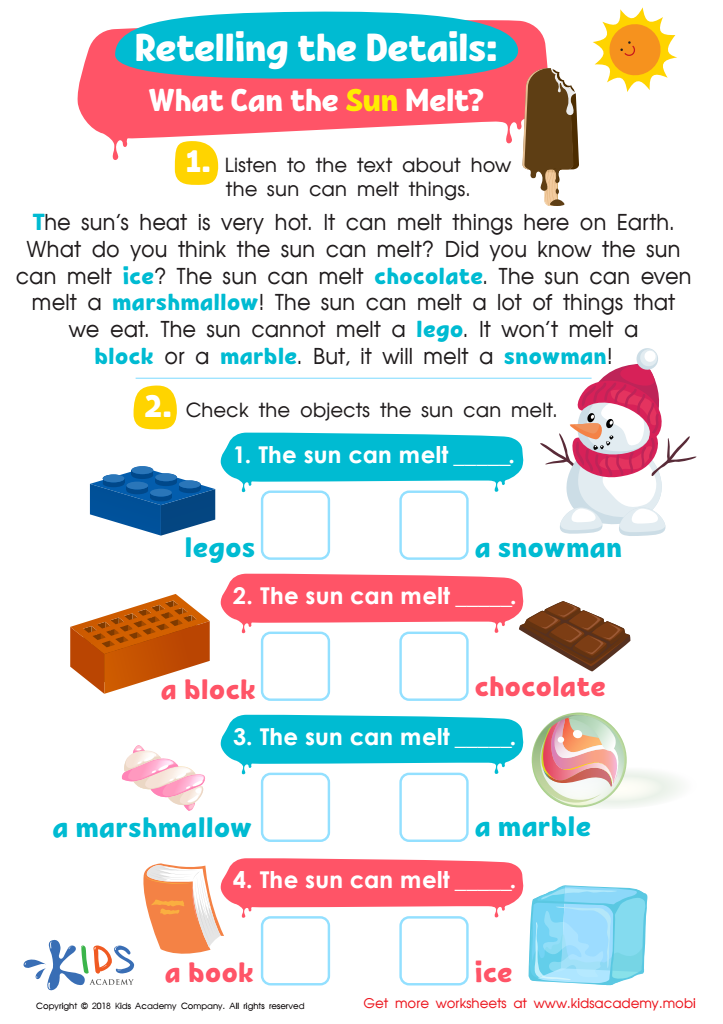
Retelling the Details: What Can the Sun Melt? Worksheet
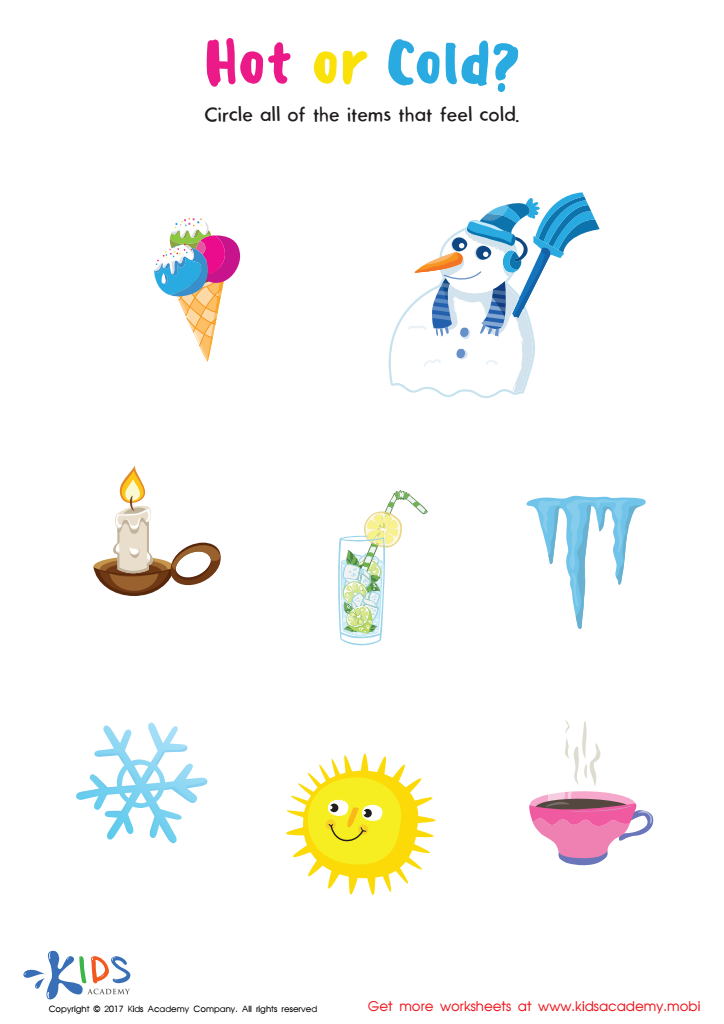
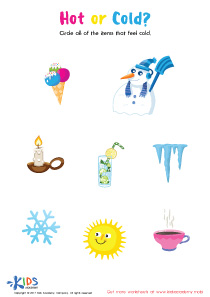
Hot or Cold Printable
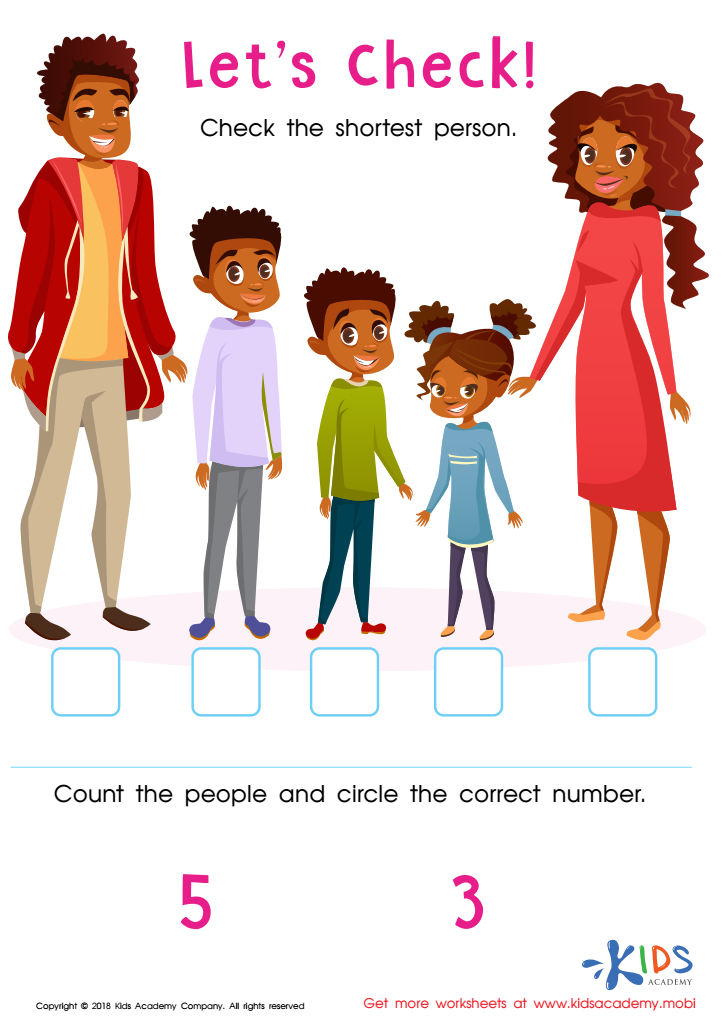
Let's Check! Assessment Worksheet
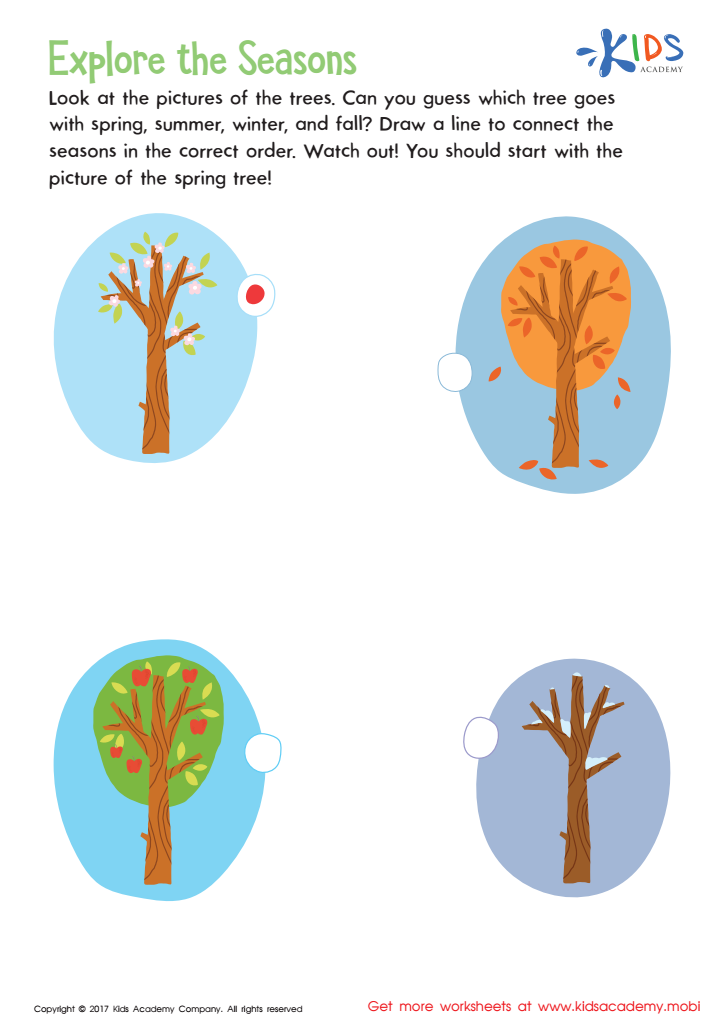
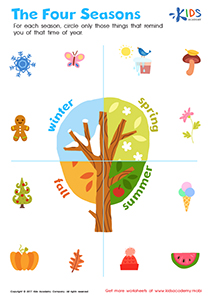
Explore the Seasons Worksheet
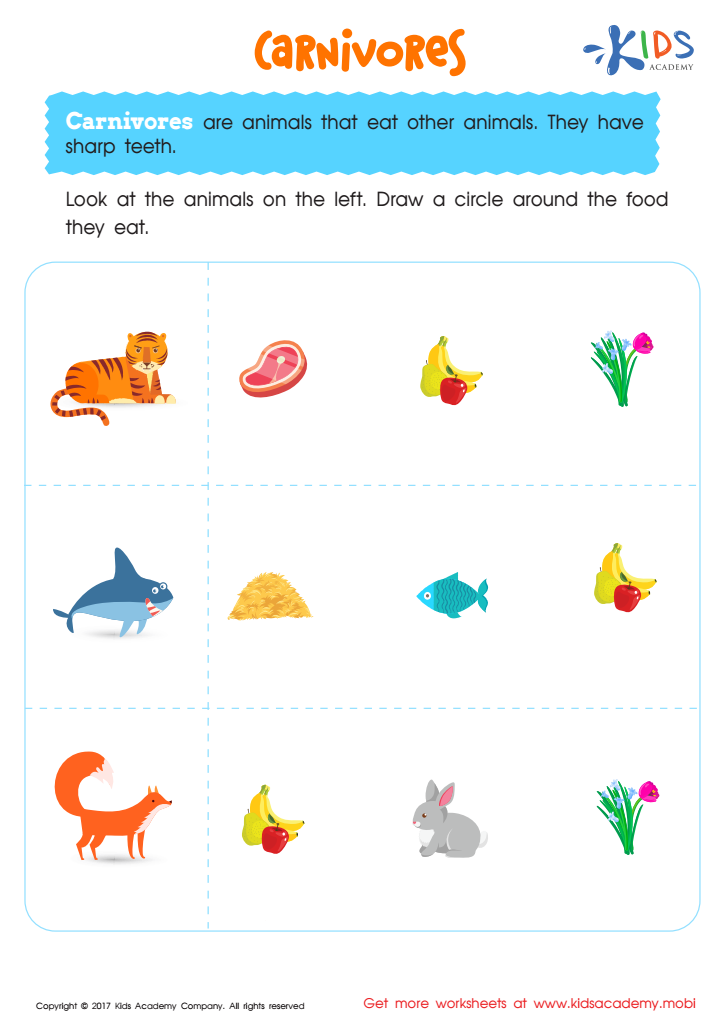
Carnivores Worksheet
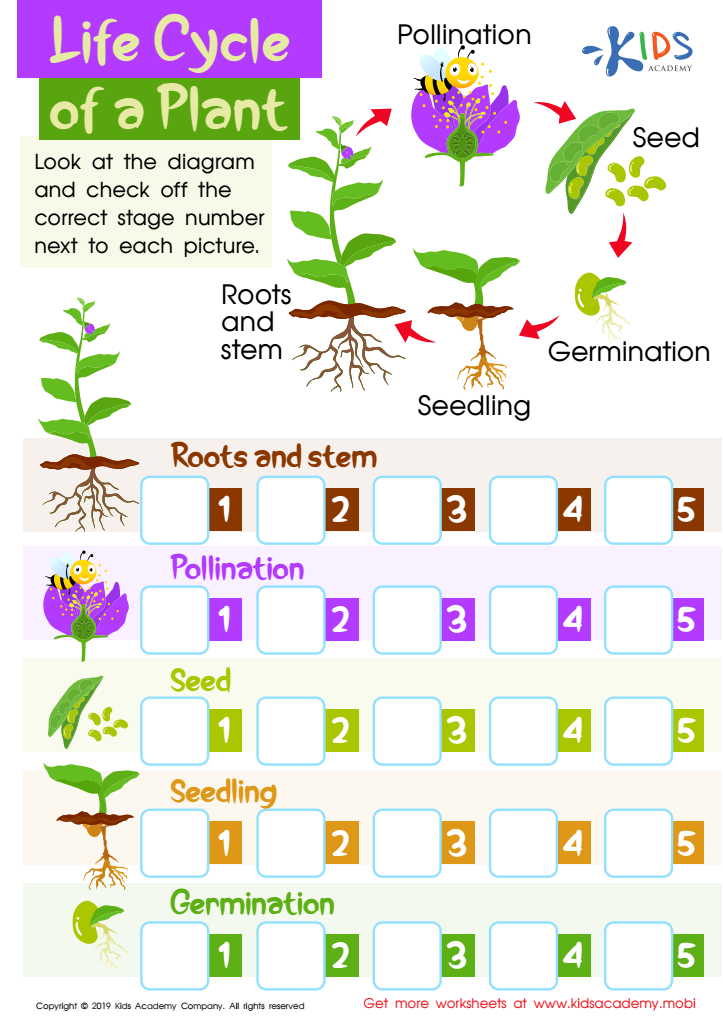
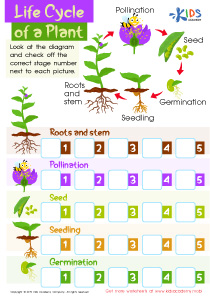
Life Cycle of a Plant Worksheet
Can You Hear Me Worksheet
Road Signs (Part 1) Worksheet
Thinking Past Printable
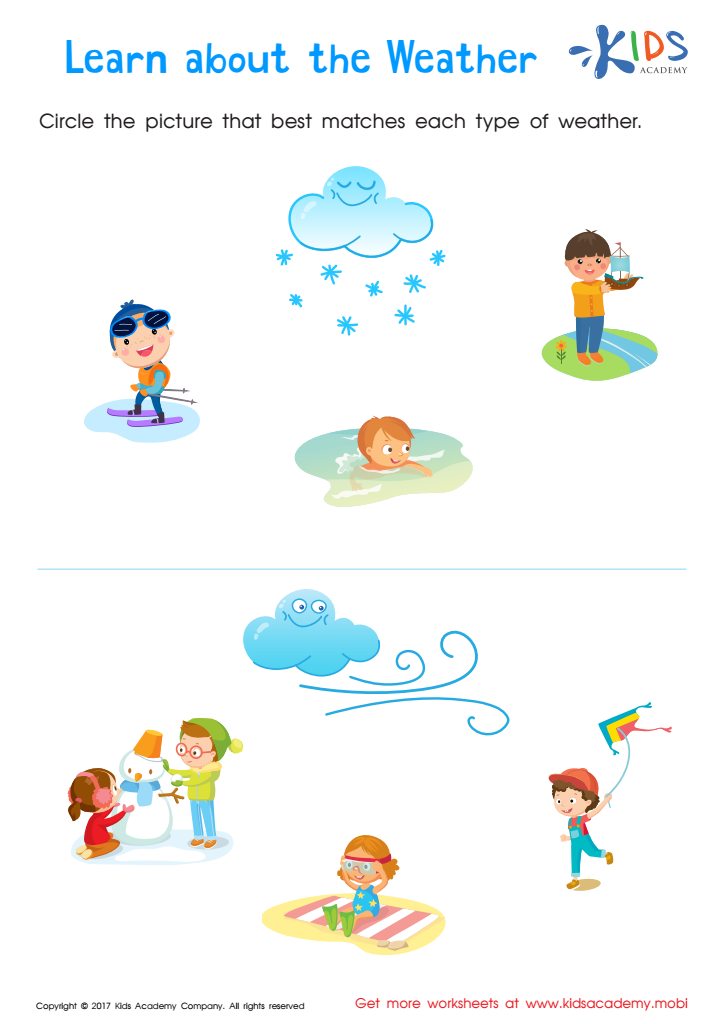
About the Weather Printable
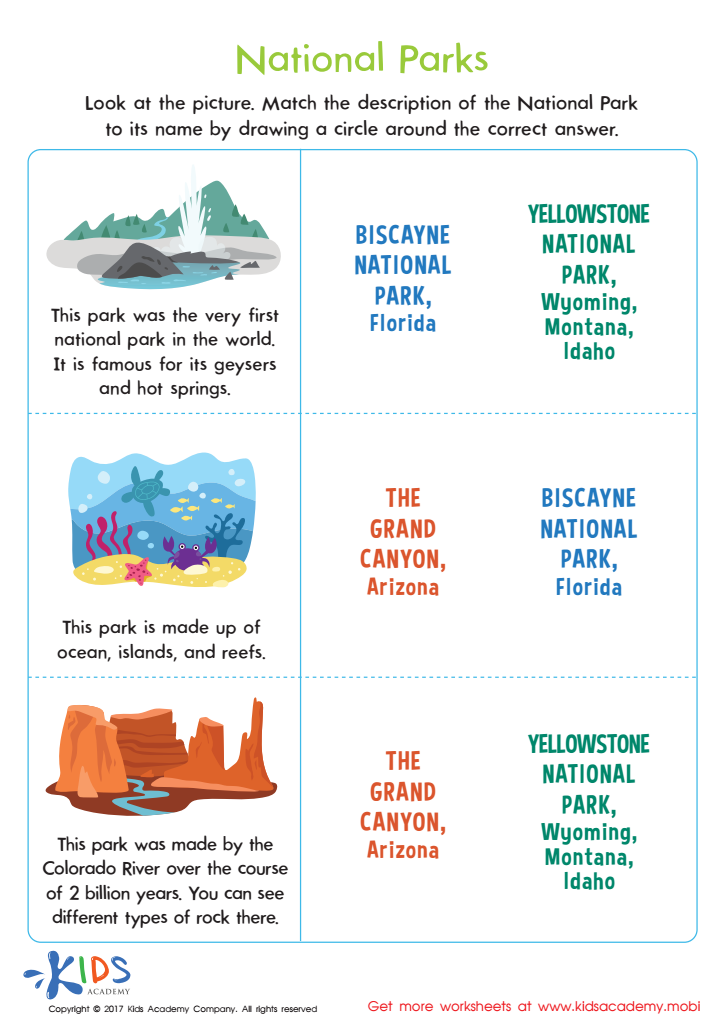
National Parks Printable
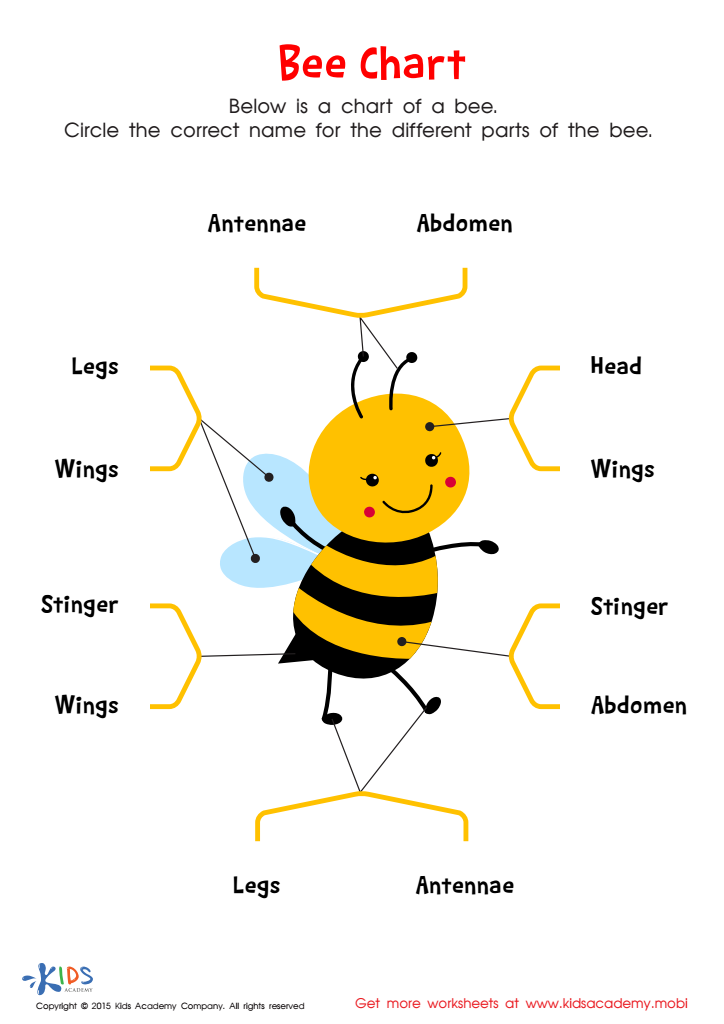
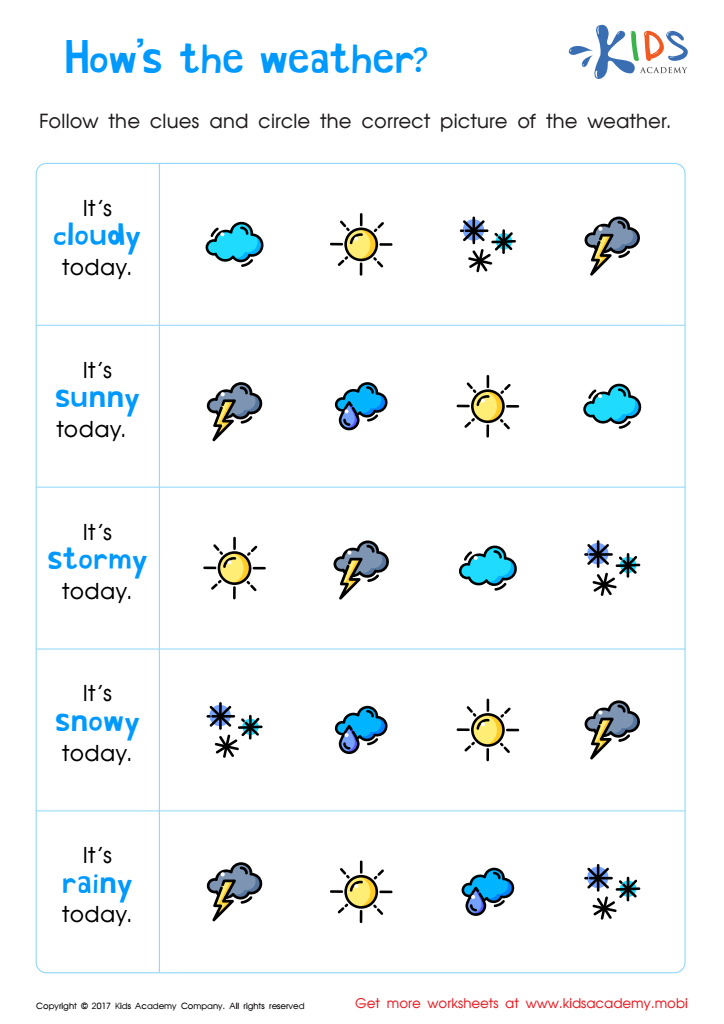
Hows the Weather Worksheet
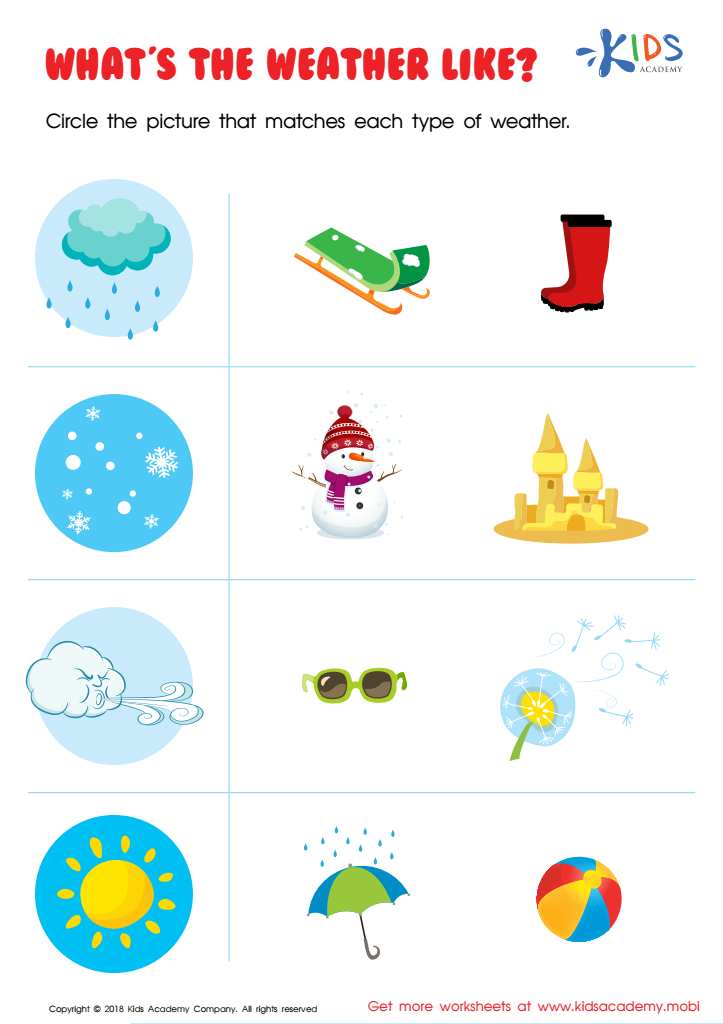
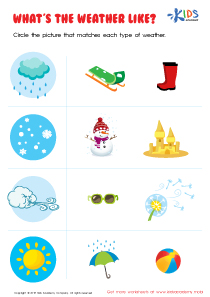
What's the Weather Like? Worksheet
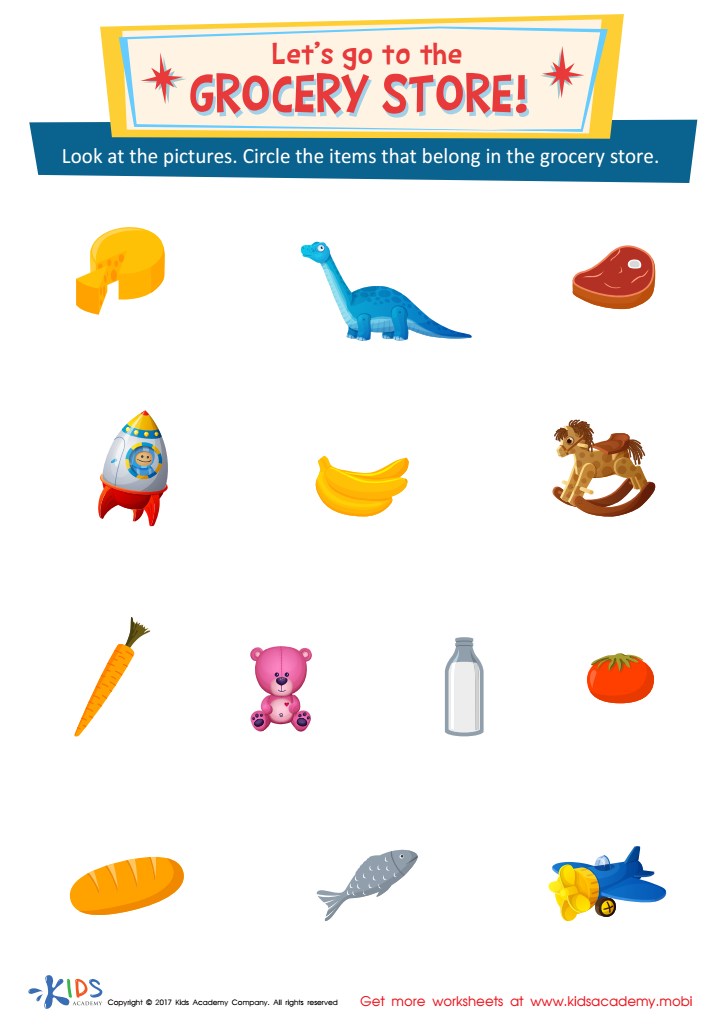
Grocery Store Worksheet

Traditional Dance Printable

The Pledge of Allegiance Worksheet
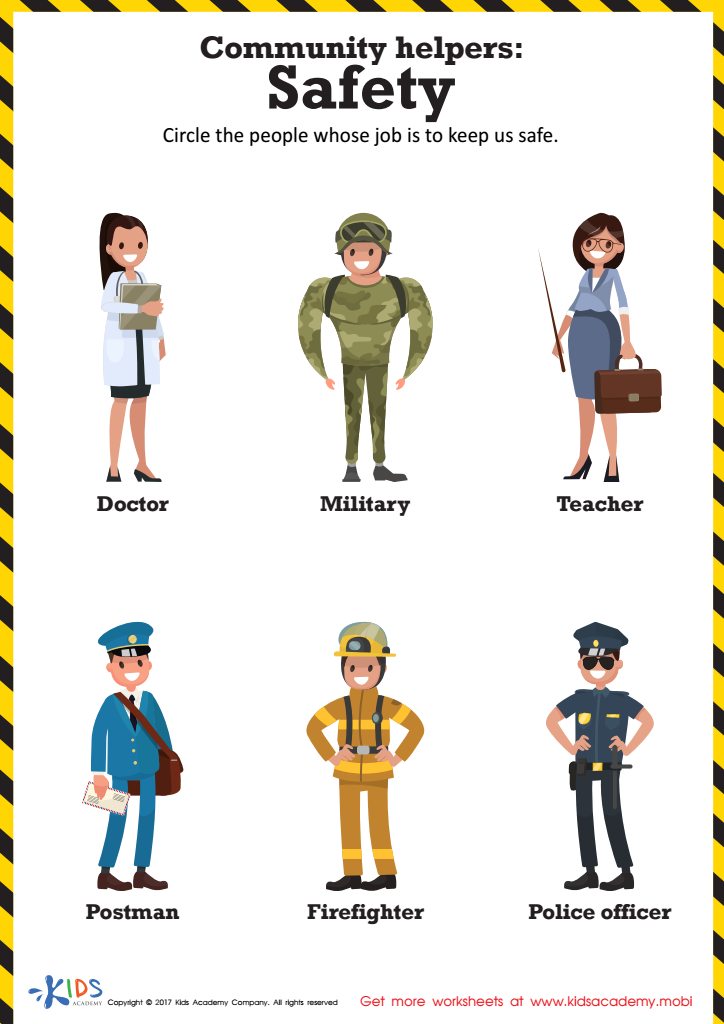
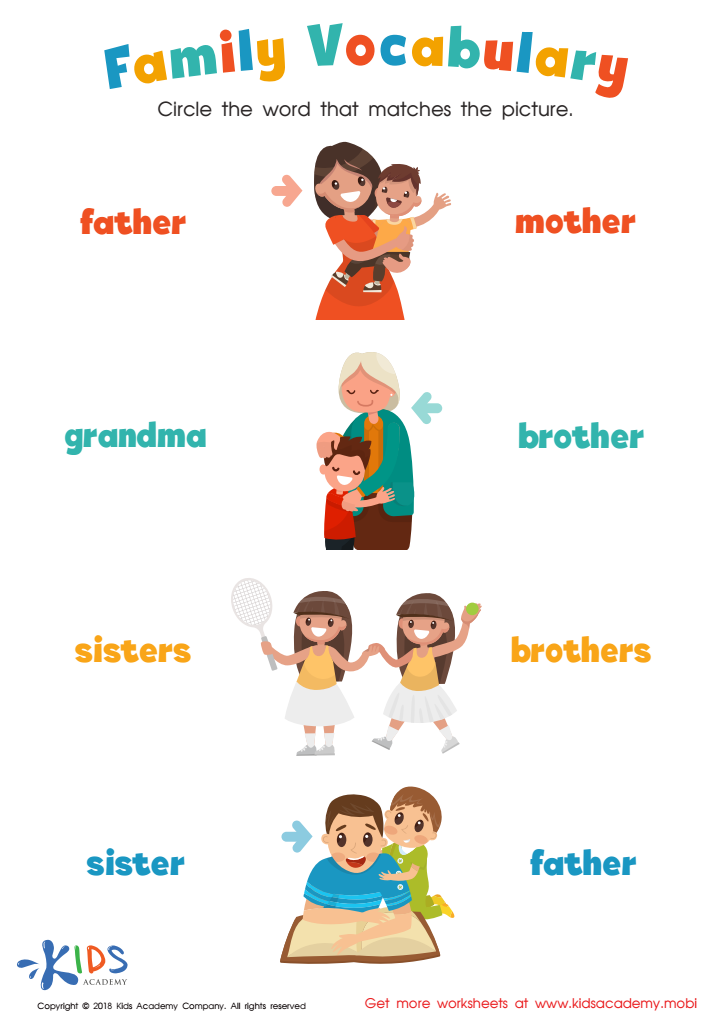
Family Vocabulary Worksheet
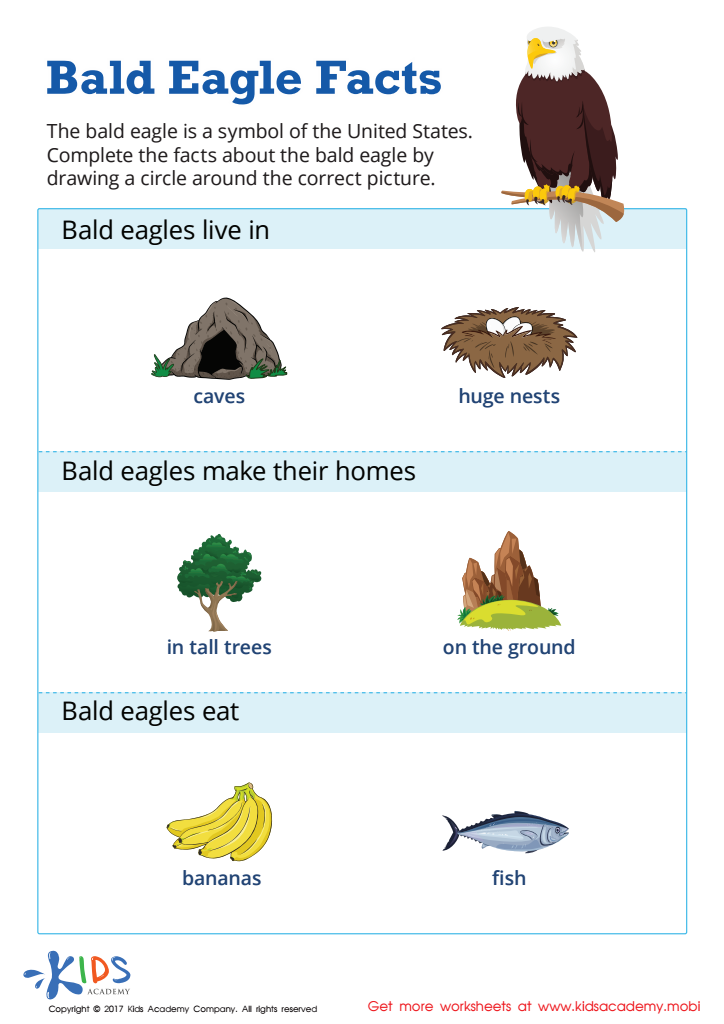
Bald Eagle Facts Worksheet
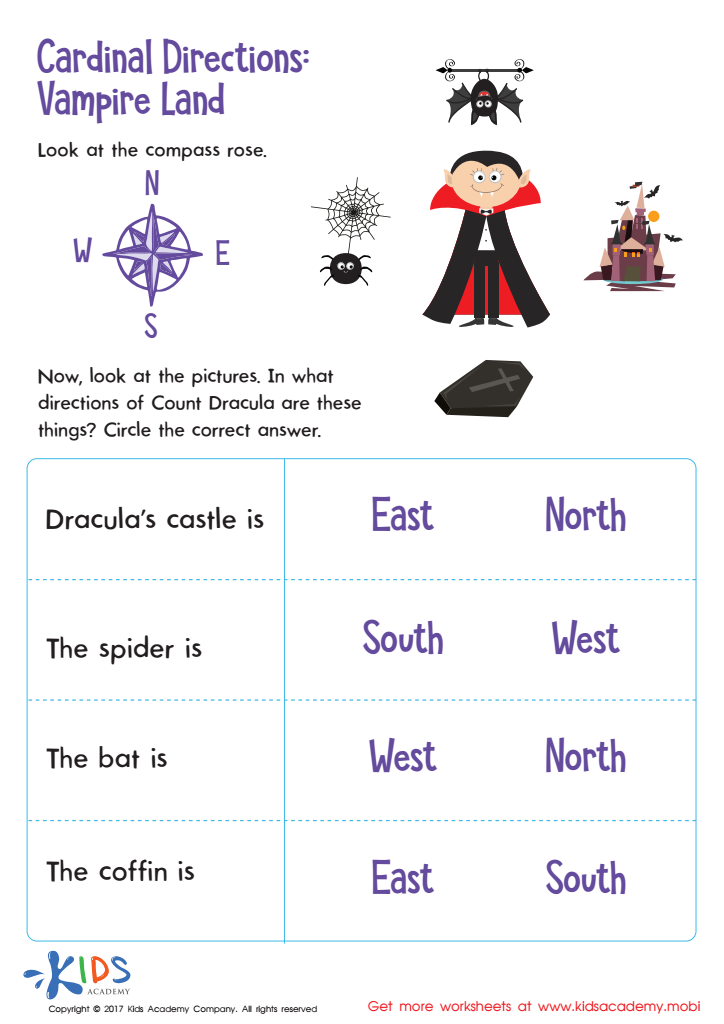
Cardinal Directions Printable
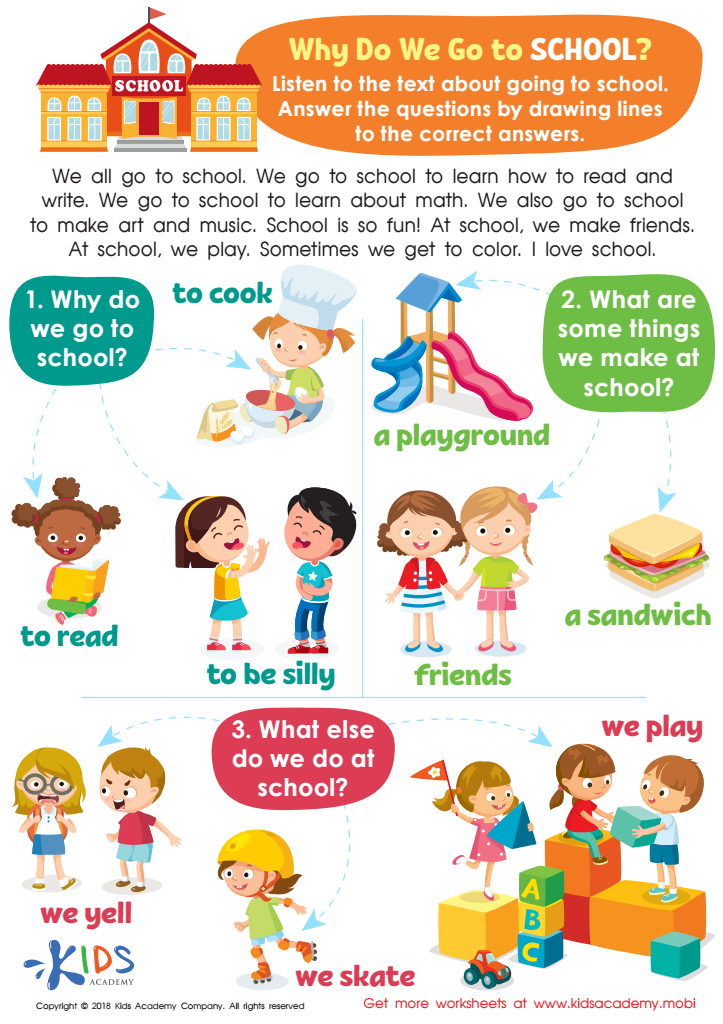
Why Do We Go To School? Worksheet





.jpg)
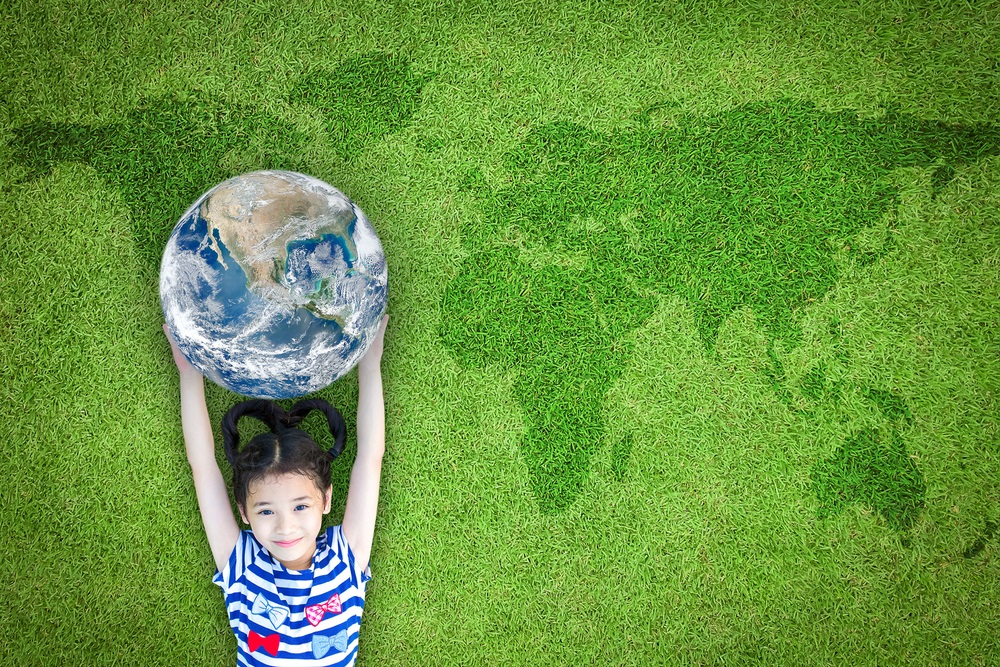
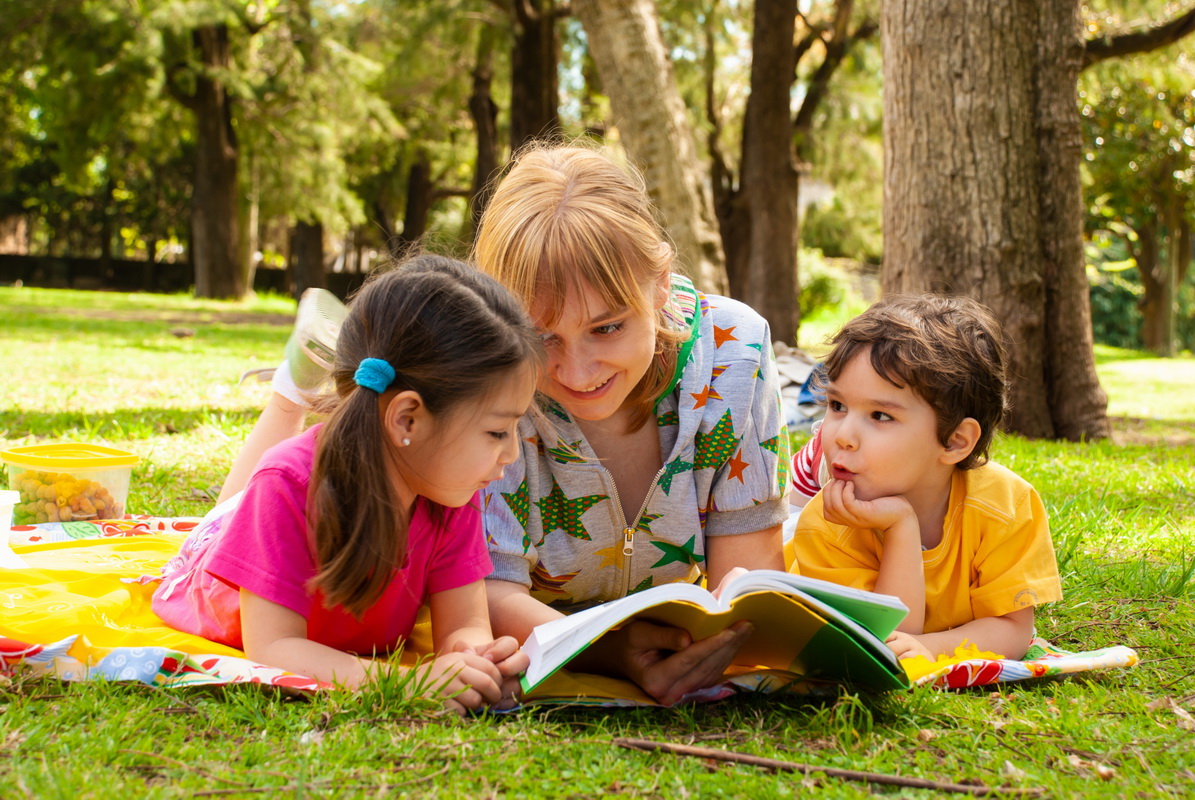
The early years of a child's life are critical for development, and understanding the normal world around us plays a crucial role in shaping their cognitive, social, and emotional growth. During ages 3-8, children are naturally curious and absorb information like sponges. By exposing them to the normal, everyday aspects of the world around them, parents and teachers can help cultivate their awareness, curiosity, and appreciation for their environment.
Exploring the normal world includes observing nature, understanding everyday activities, and discovering basic science principles. This helps children develop important skills such as critical thinking, observation, and questioning, which are foundational for future learning. Through activities like nature walks, simple cooking lessons, or examining weather patterns, children can connect with and better understand their surroundings.
Furthermore, these experiences encourage social and emotional development. For instance, group activities foster teamwork and communication, while individual exploration builds confidence and independence. Understanding the world around them also aids in developing empathy, as children learn about the lives of people, animals, and plants in their environment.
Overall, focusing on the normal world around us equips children with a rich knowledge base, supports a love for learning, and lays the groundwork for empathetic, well-rounded individuals prepared for the complexities of life.