Normal Consonants Worksheets for Ages 3-9 - Page 2
26 filtered results
-
From - To
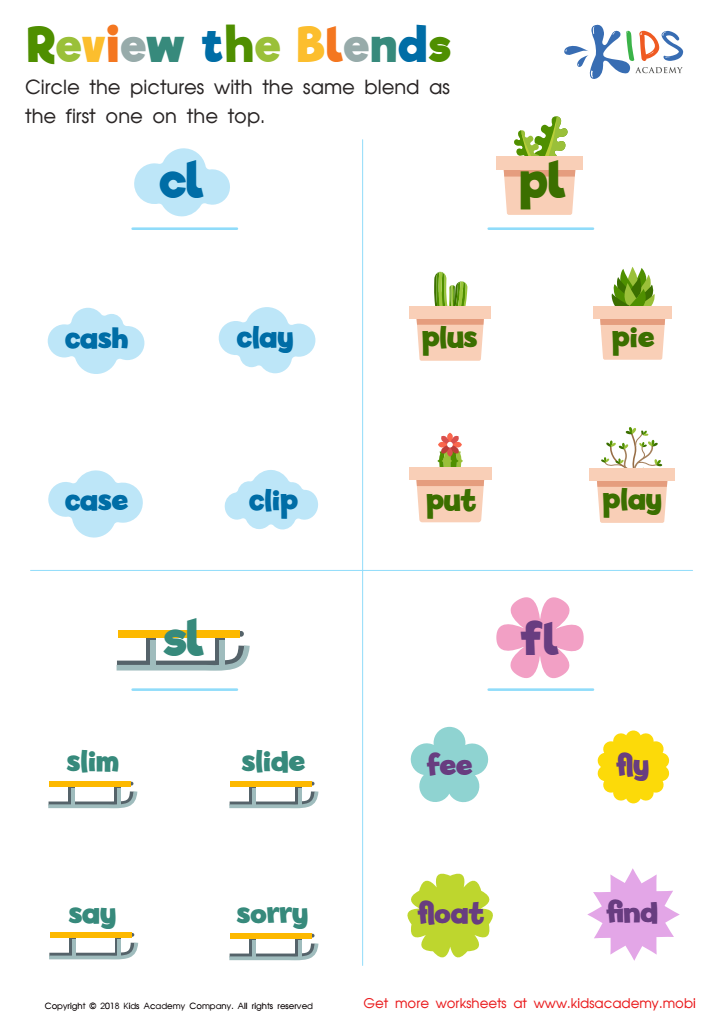
Review the Blends Worksheet
 Assign to My Students
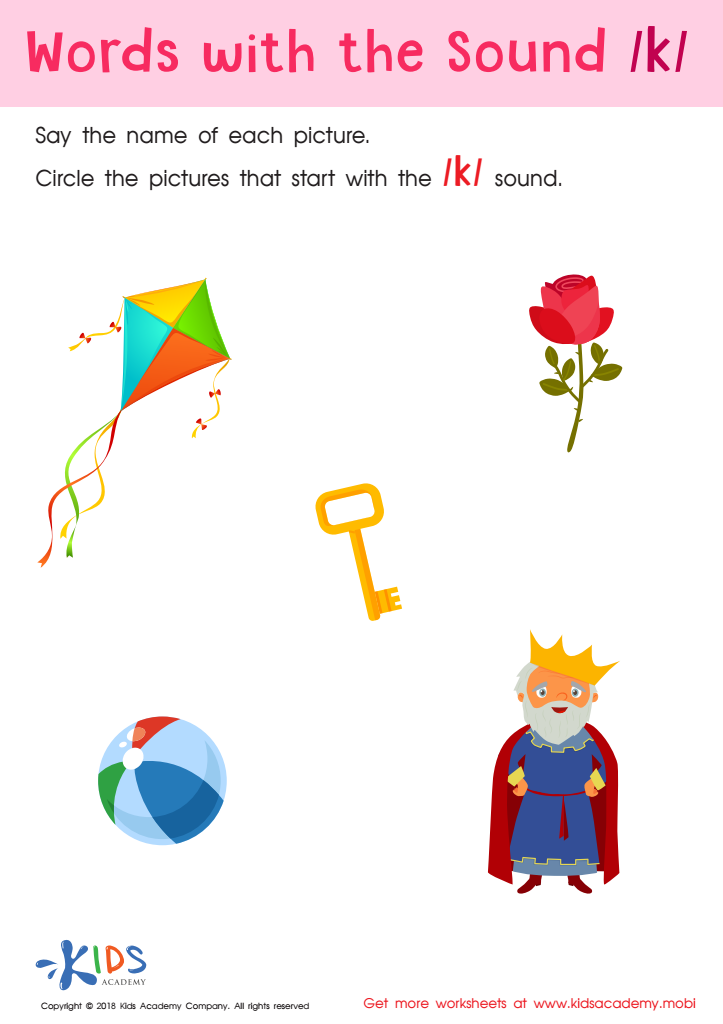
Words with sound k Reading Worksheet



Normal consonant development is vital for children aged 3-9 as it forms the foundation of effective communication and literacy. During these formative years, children acquire the basic building blocks of language, which are crucial for later academic success and social interactions. Recognizing and supporting normal consonant development can help address potential speech and language issues early on, fostering better outcomes in reading, writing, and interpersonal skills.
For parents, being aware of this developmental milestone helps them understand their child’s progress and identify when to seek support from speech-language professionals if necessary. Early identification and intervention can rectify speech issues before they lead to more complex problems.
Teachers play a critical role in reinforcing proper speech patterns and phonemic awareness in the classroom. By integrating consonant recognition and articulation activities into their lessons, teachers can enhance children’s phonological skills, aiding them in decoding words while reading and improving their spelling capabilities. Using interactive and engaging methods can make mastering consonants enjoyable for children.
In summary, attention to normal consonant development is essential as it promotes clear communication, boosts academic achievements, and supports emotional and social well-being. When parents and teachers collaborate to nurture this aspect of early childhood development, they set the stage for lifelong success.