Normal Tracing Letters Worksheets for Ages 3-9 - Page 2
32 filtered results
-
From - To
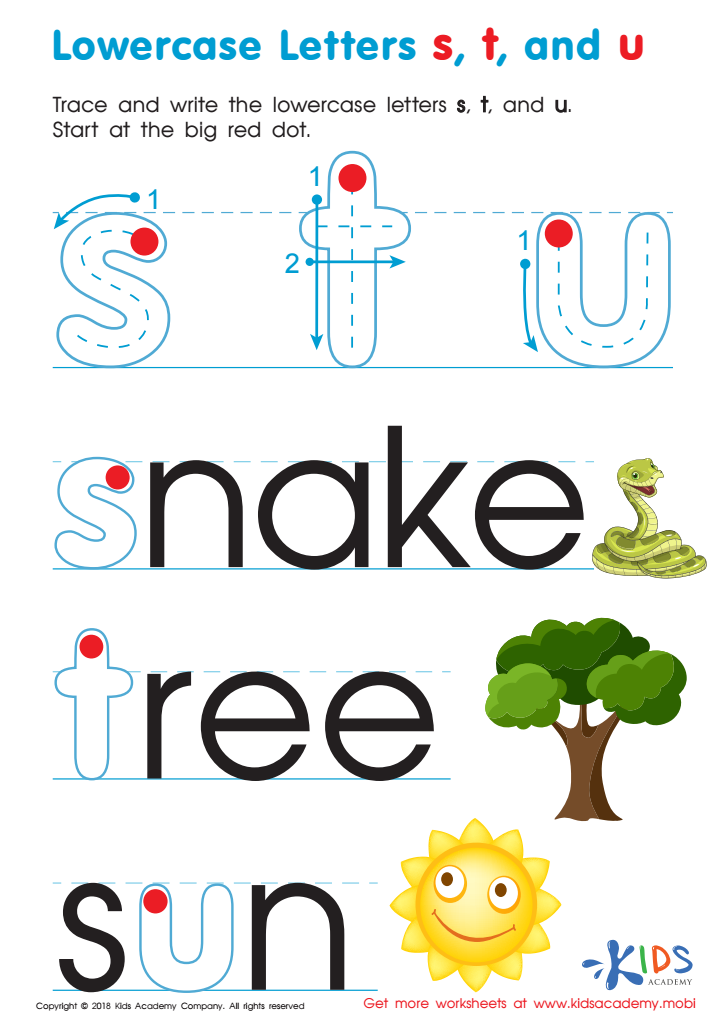
Lowercase Letters s t u Worksheet
 Assign to My Students
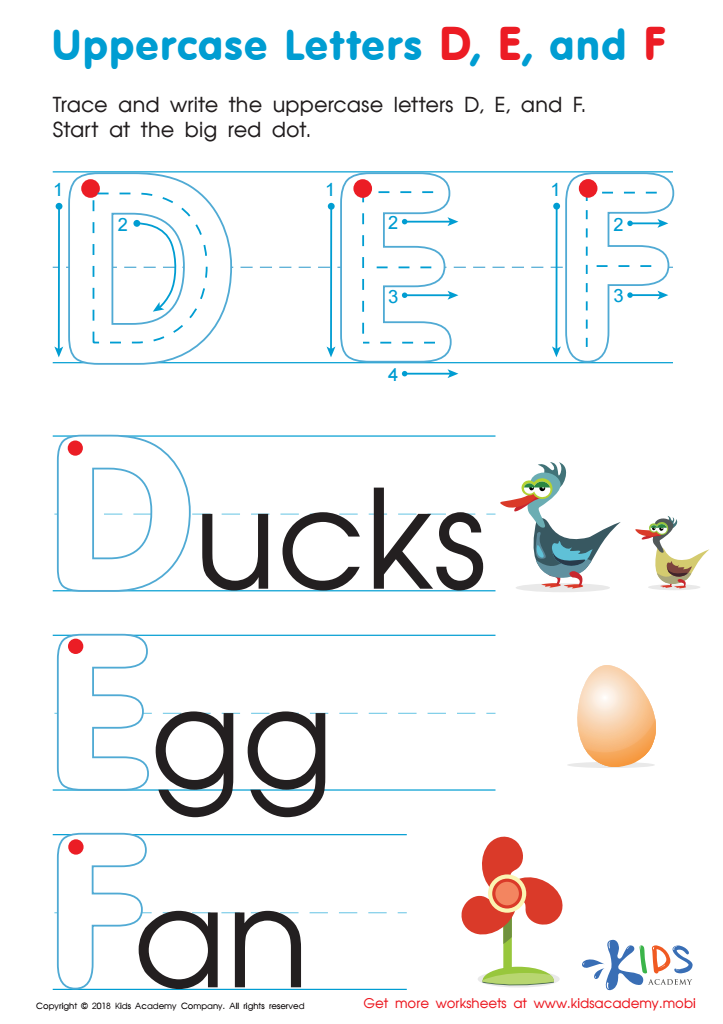
Uppercase Letters D, E, and F Worksheet
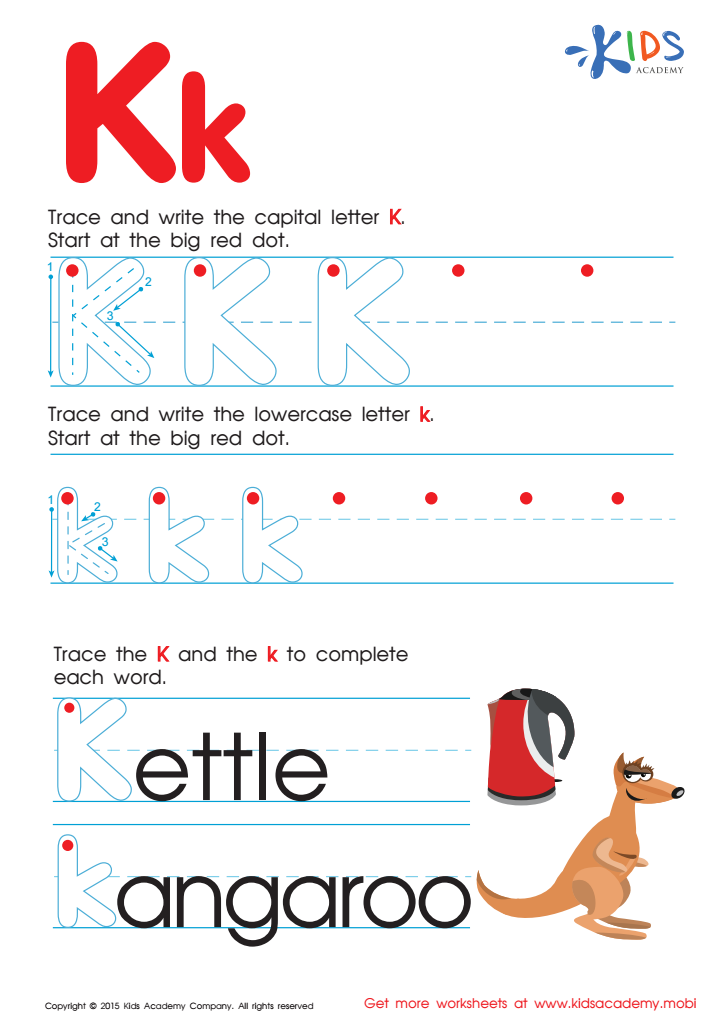
Letter K Tracing Page

Letter F Tracing Page
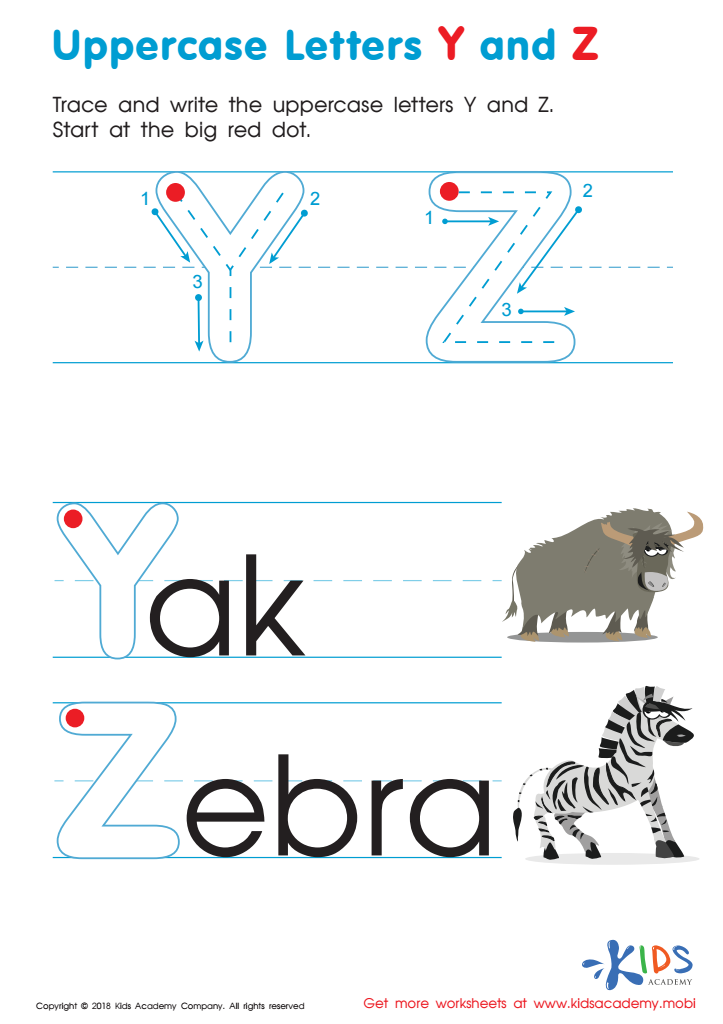
Uppercase Letters Y Z Worksheet
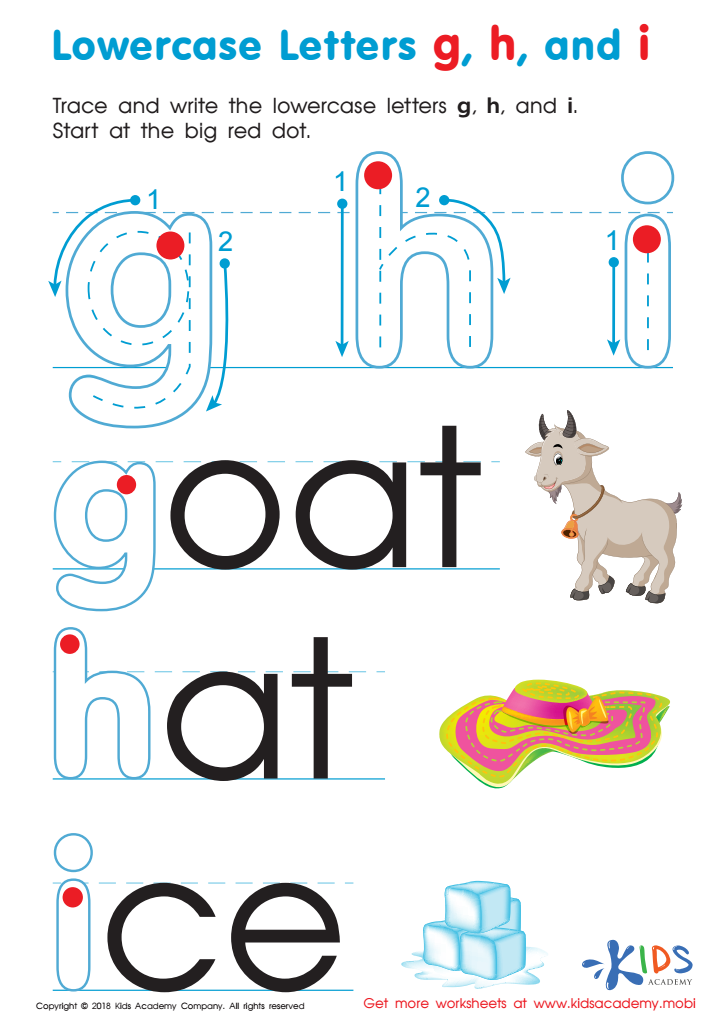
Lowercase Letters g h i Worksheet
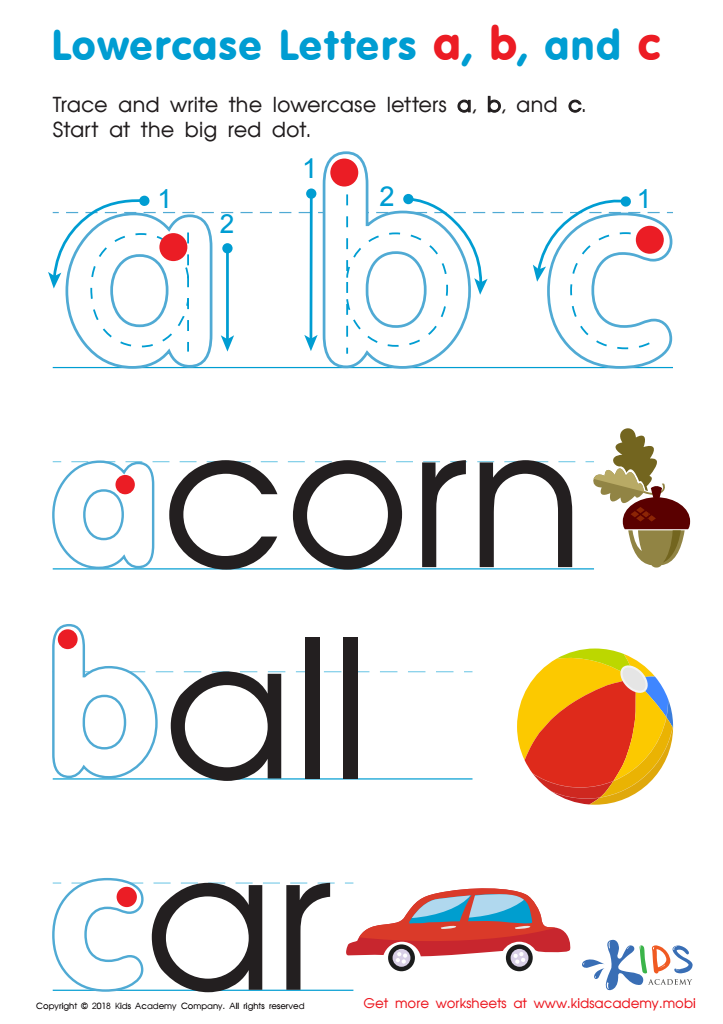
Lowercase Letters a b c Worksheet

Letter D Tracing Page








Normal tracing letters for children aged 3-9 is crucial for their early literacy and motor skill development. At this formative age, children's brains are particularly receptive to learning foundational skills that are vital for their academic and life-long success.
Firstly, tracing letters helps in familiarizing children with the alphabet, which is the cornerstone of reading and writing. Recognition and reproduction of letters enable them to connect sounds to symbols, thus building their phonetic skills. These skills eventually lead to fluent reading abilities, fostering a love for books and learning.
Moreover, tracing letters plays a significant role in developing fine motor skills and hand-eye coordination. By practicing the precise movements required to trace letters, children strengthen the muscles in their hands and fingers, which are essential for later complex tasks, such as writing independently, drawing, and even using technology.
Additionally, the act of tracing reinforces concentration and focus. This not only prepares children for the classroom environment but also instills a sense of pride and accomplishment as they see tangible improvements in their abilities. Teachers and parents should ensure that tracing is an enjoyable activity by providing praise and support, building confidence and encouraging an ongoing interest in learning.
Investing time and effort into tracing letters sets the stage for a child’s future academic achievements and overall development, establishing a strong educational foundation.








