Normal Reading Comprehension Worksheets for Ages 3-9 - Page 7
205 filtered results
-
From - To
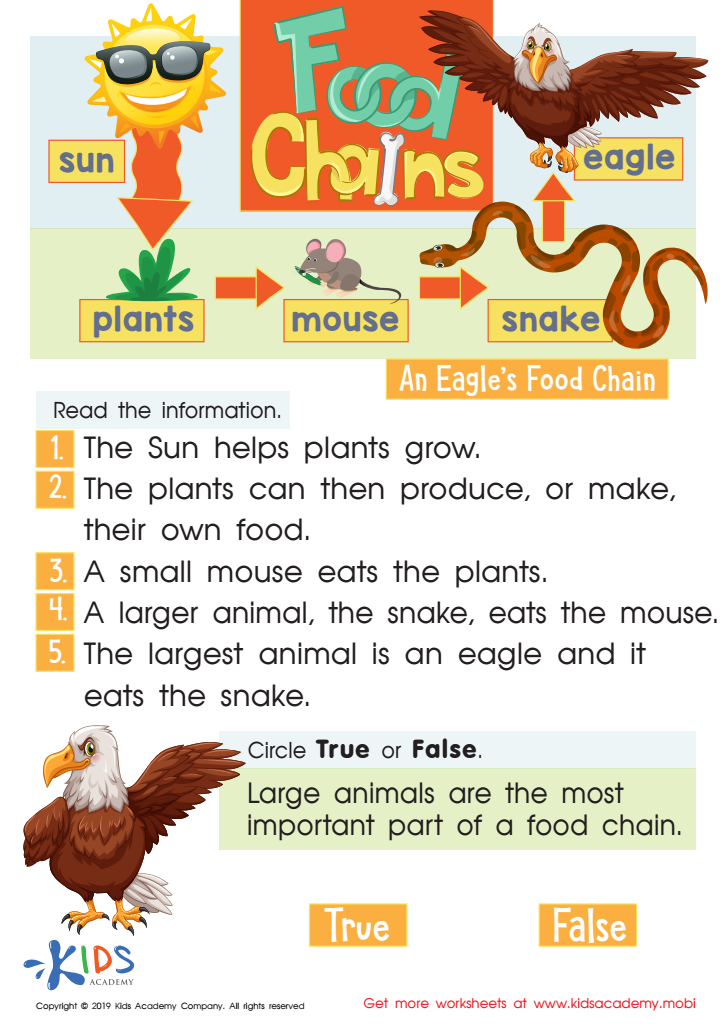
Food Chains Worksheet
 Assign to My Students
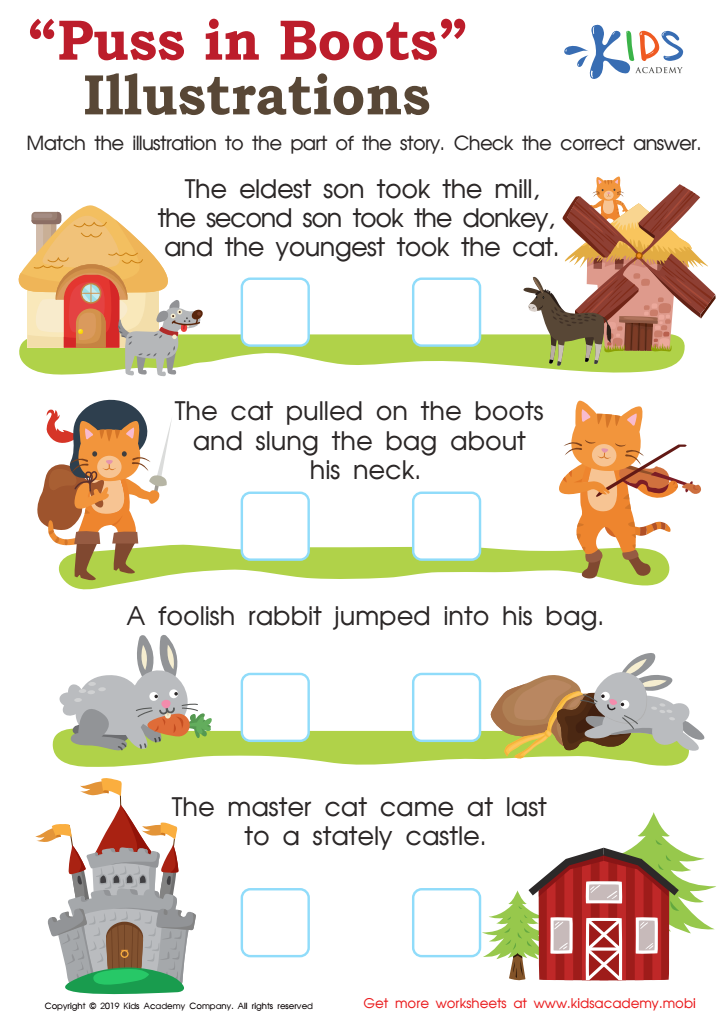
Puss in Boots Illustrations Worksheet
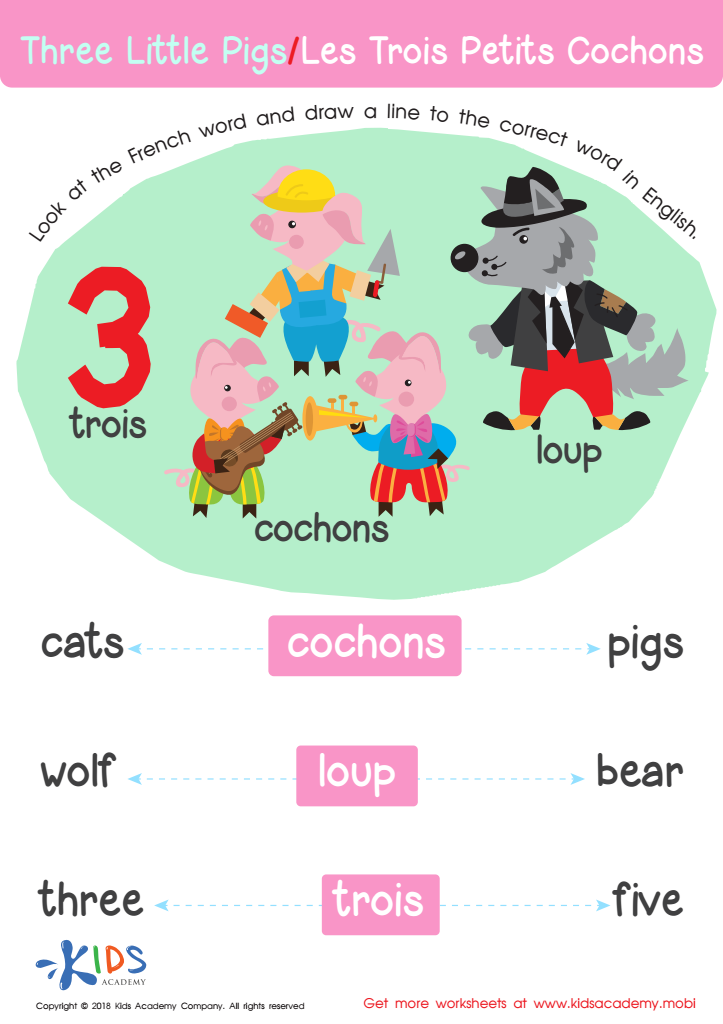
Three Little Pigs / Les Trois Petits Cochons Worksheet
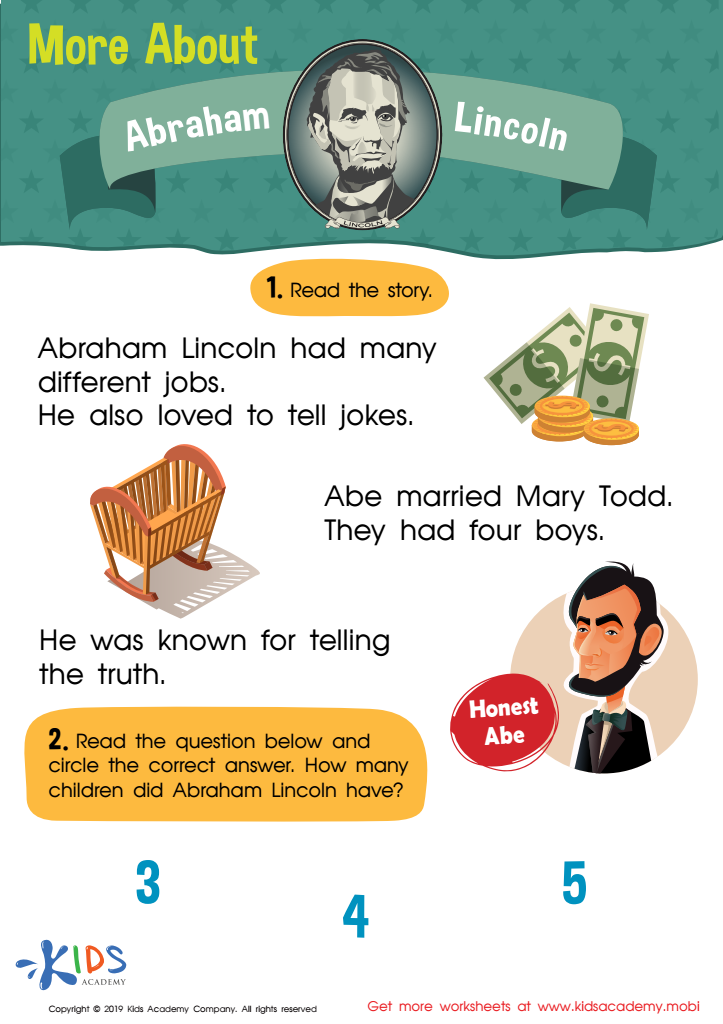
More About Abraham Lincoln Worksheet
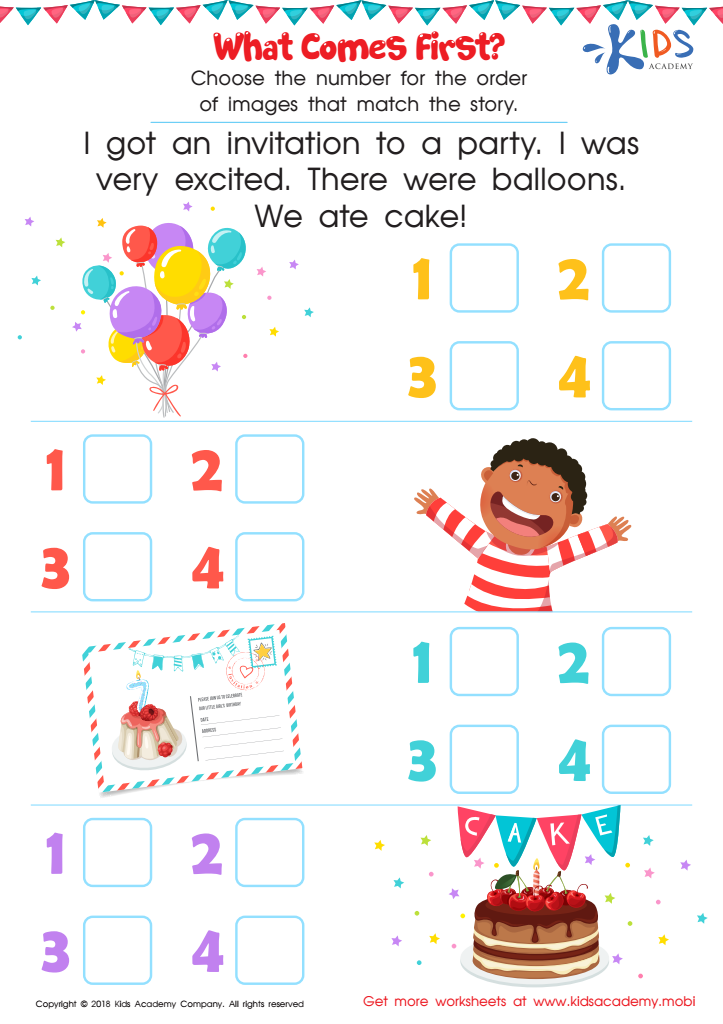
What Comes First Worksheet
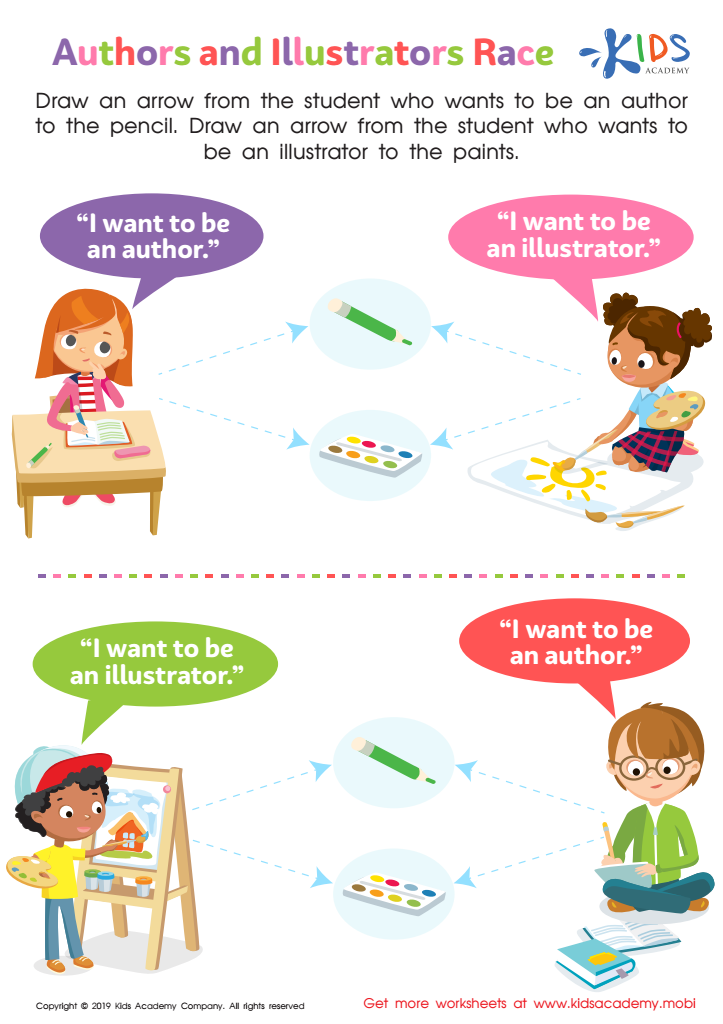
Authors and Illustrators Race Worksheet
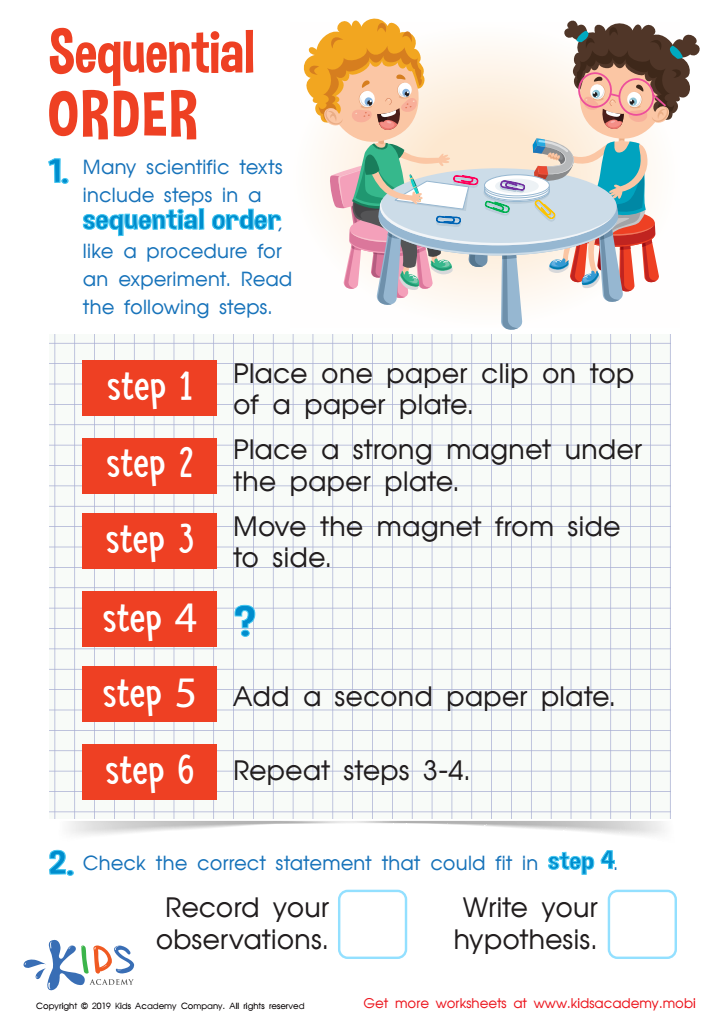
Sequencential Order Worksheet
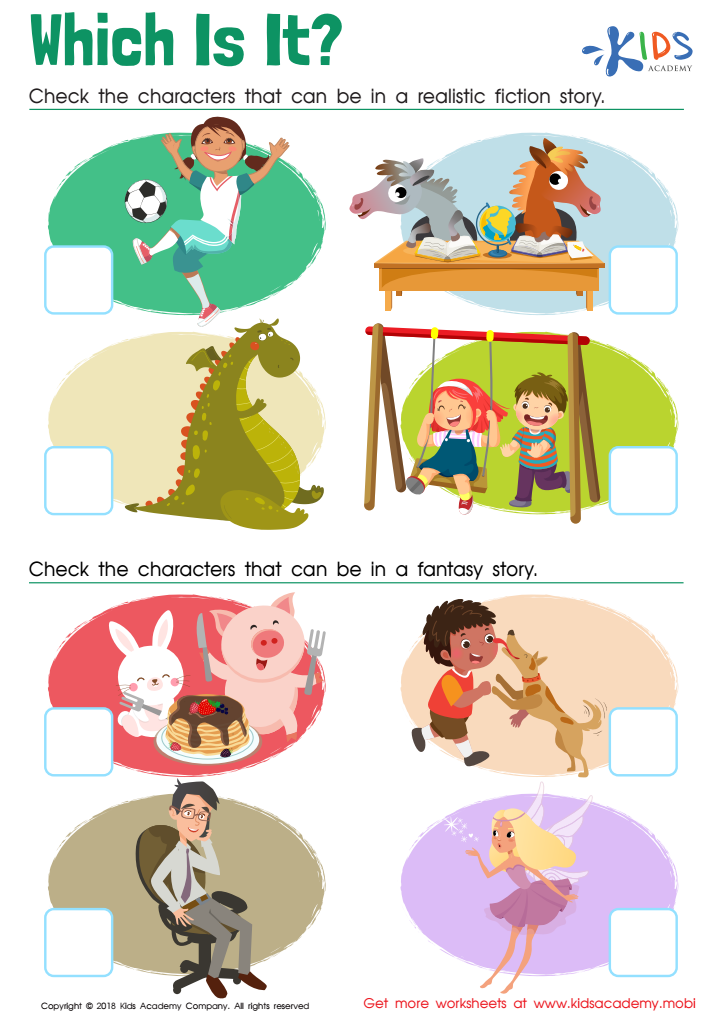
Which Is It? Worksheet
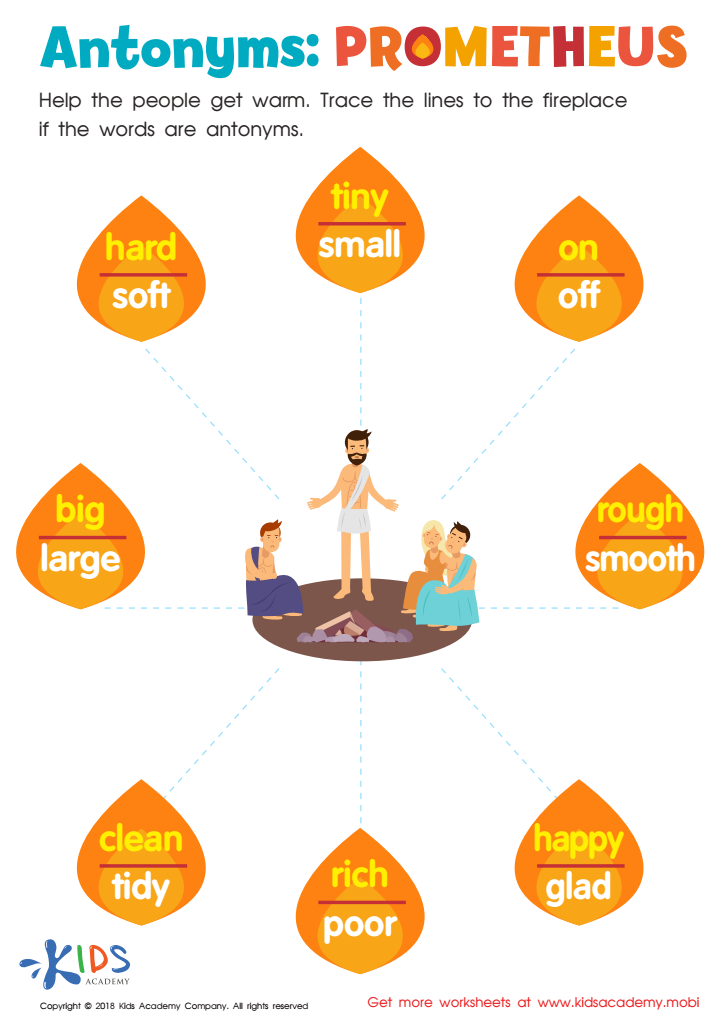
Antonyms: Prometheus Worksheet
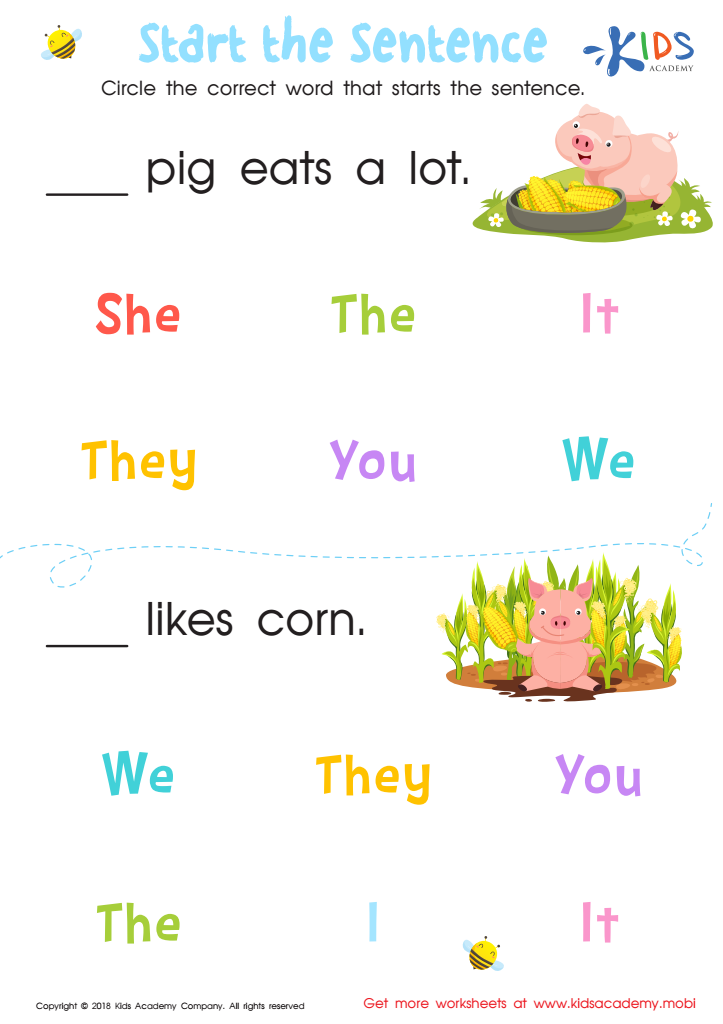
Start the Sentence Worksheet
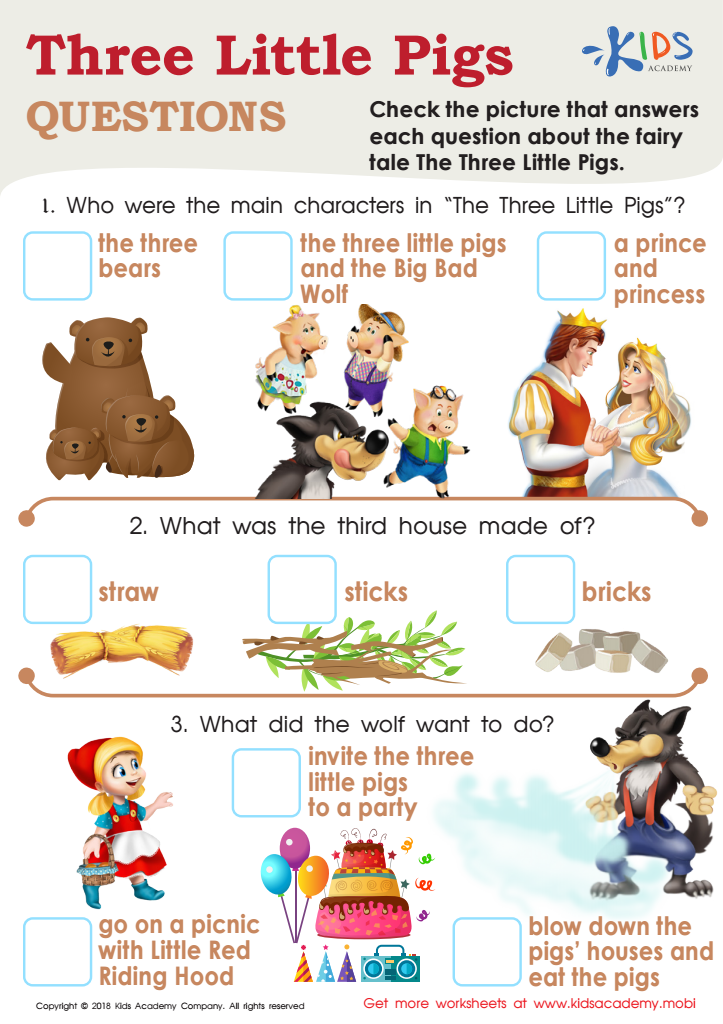
Three Little Pigs Questions Worksheet
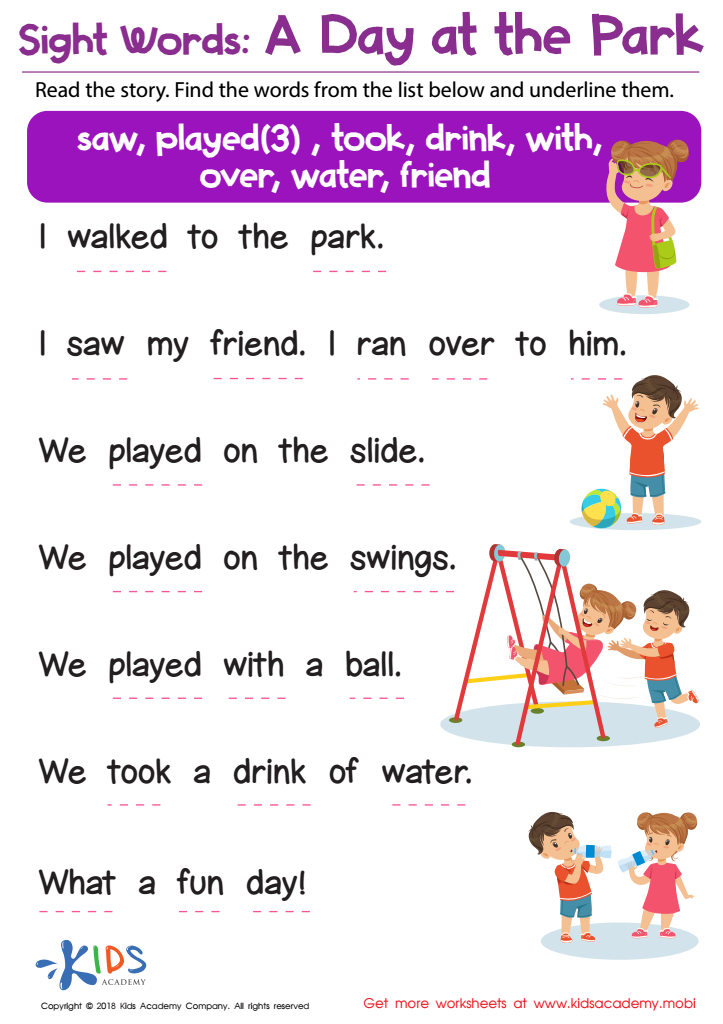
Sight Words: A Day at the Park Worksheet
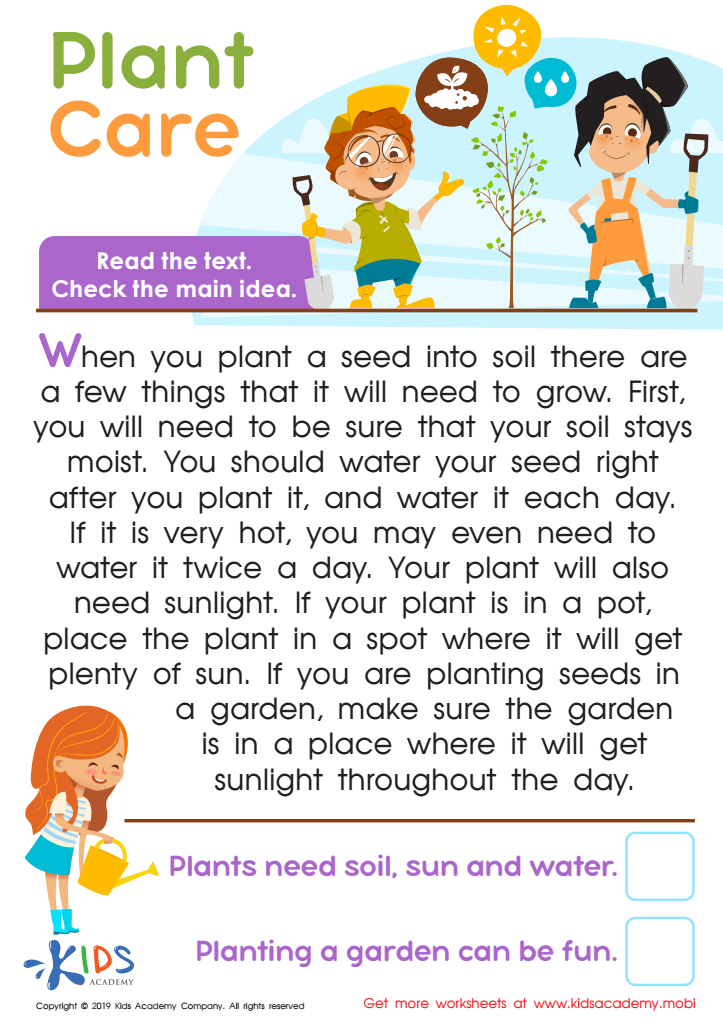
Plant Care Worksheet
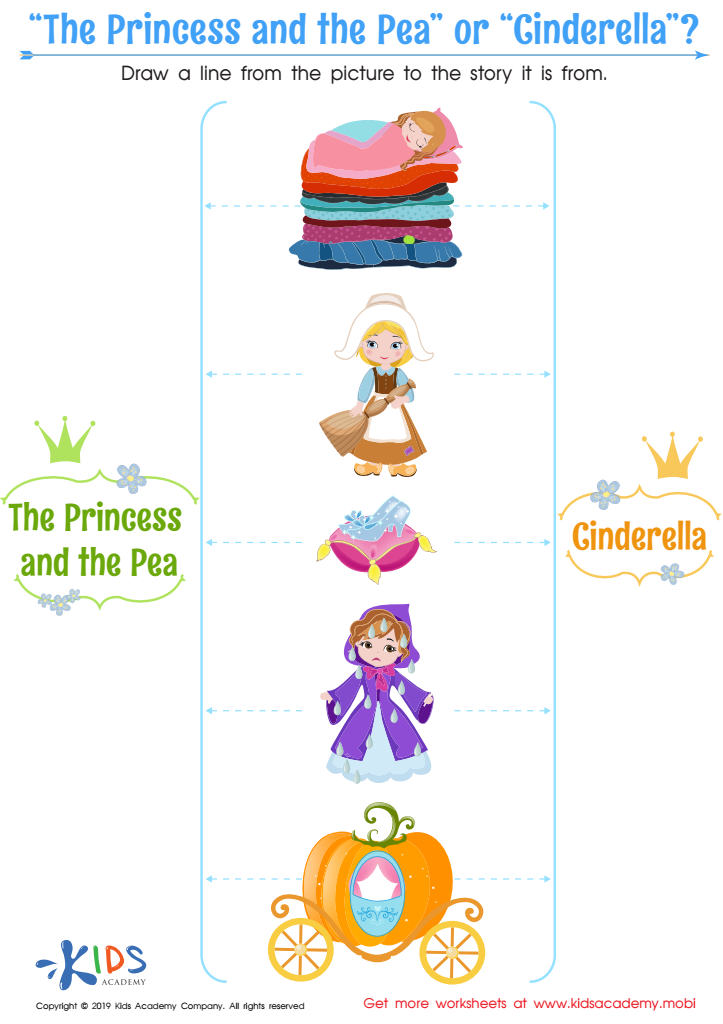
“The Princess and the Pea” or “Cinderella” Worksheet
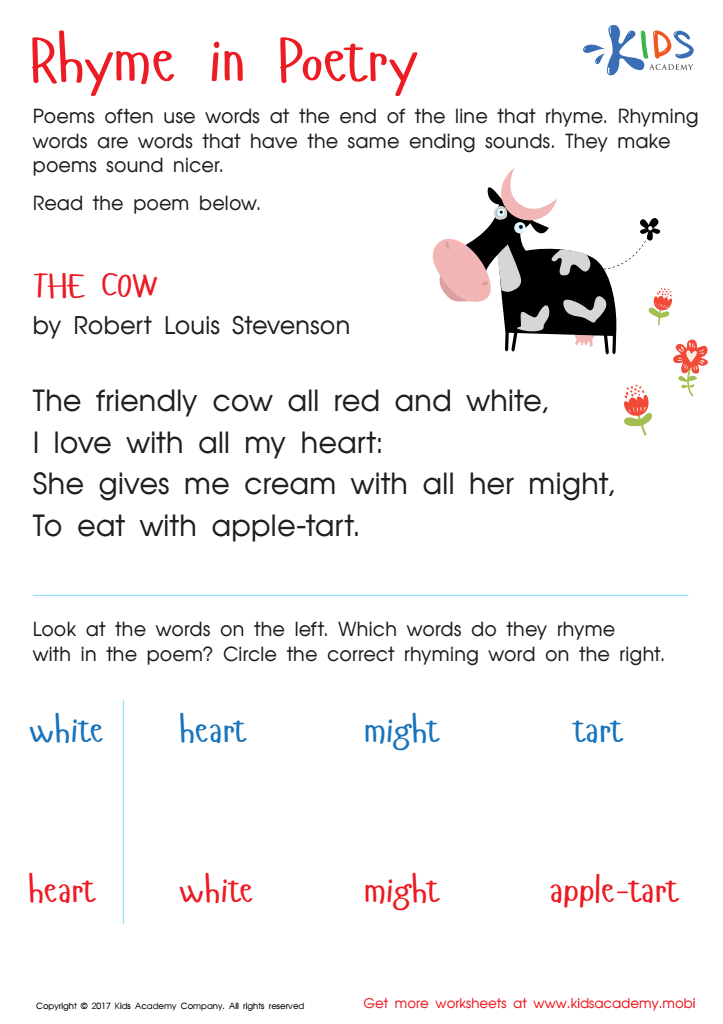
Rhyme In Poetry Worksheet
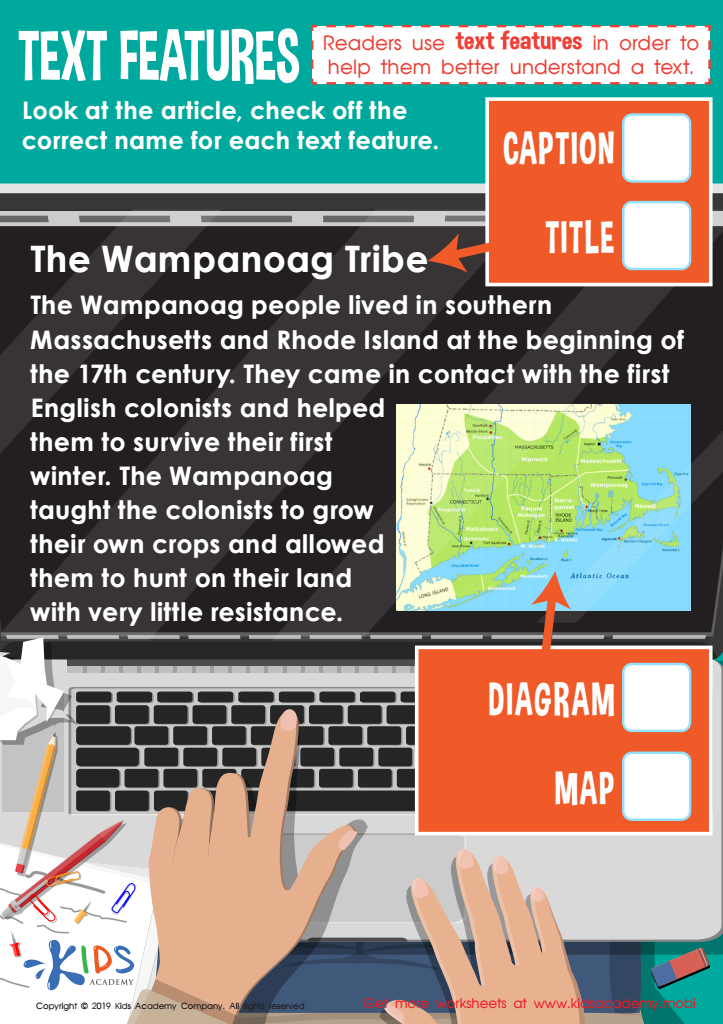
Text Features Worksheet
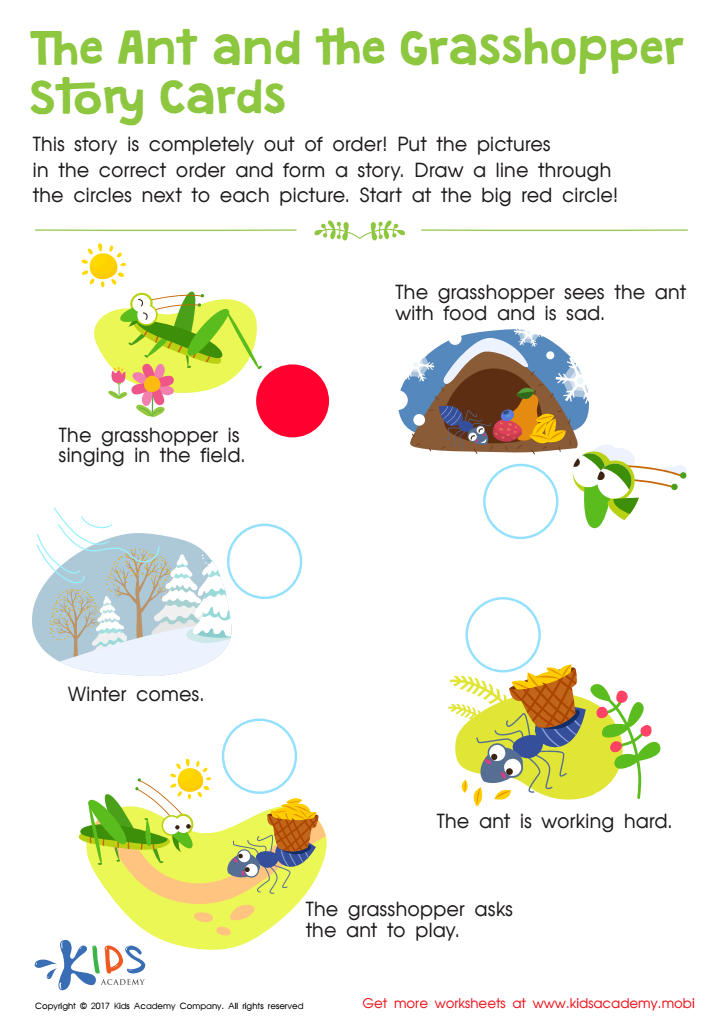
The Ant and The Grasshopper Worksheet
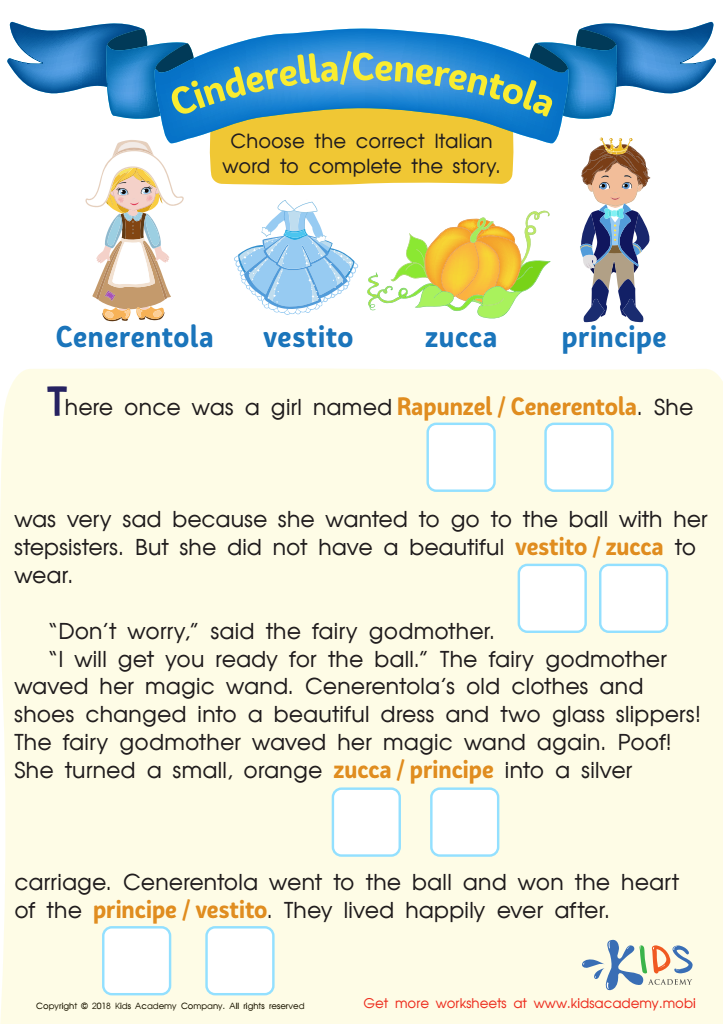
Cinderella / Cenerentola Worksheet
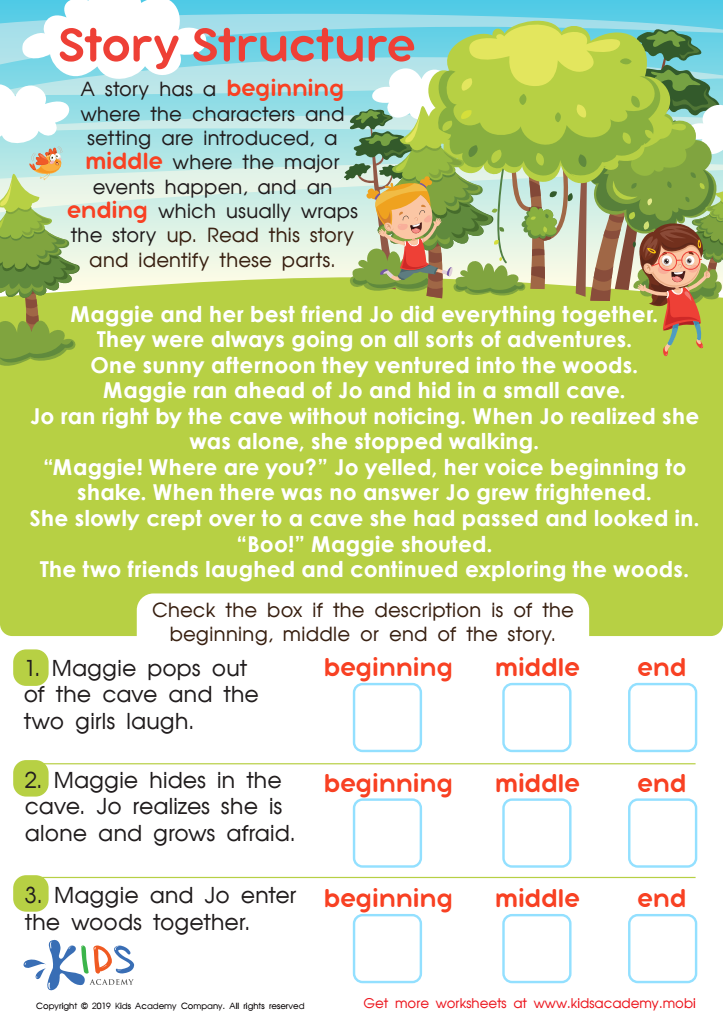
Story Structure Worksheet
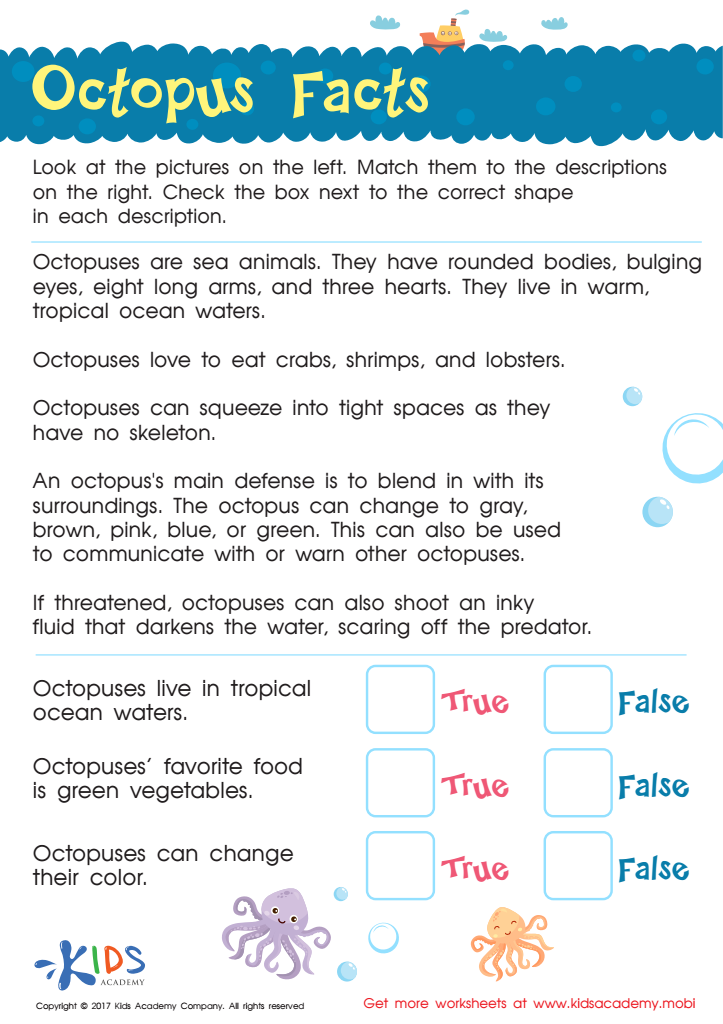
Octopus Facts Worksheet For Kids
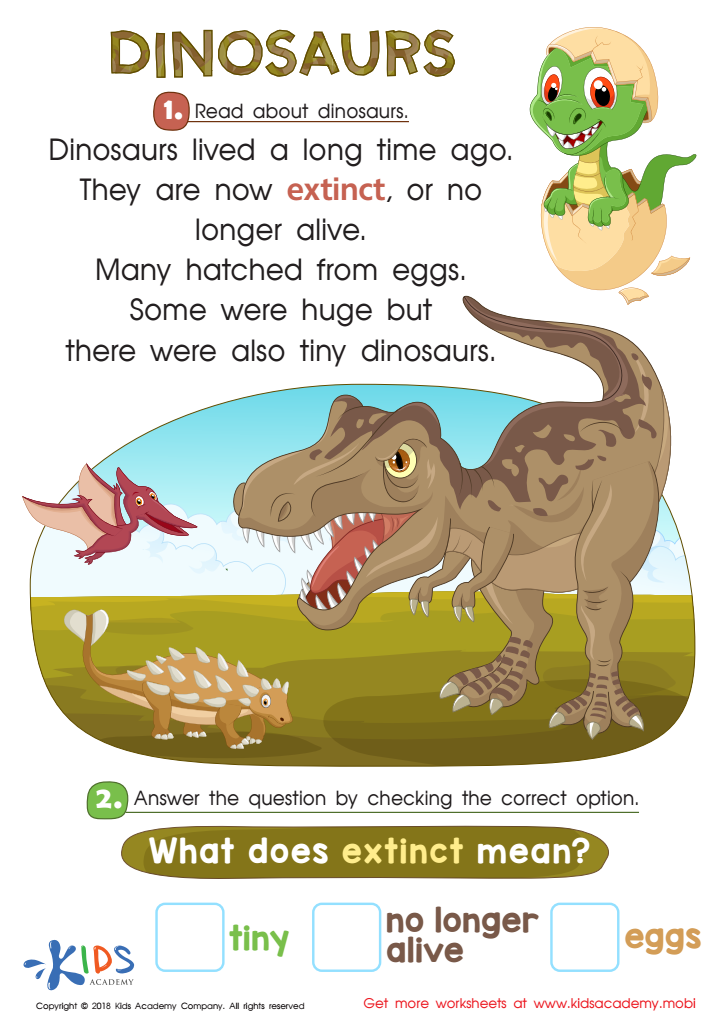
Dinosaurs Worksheet
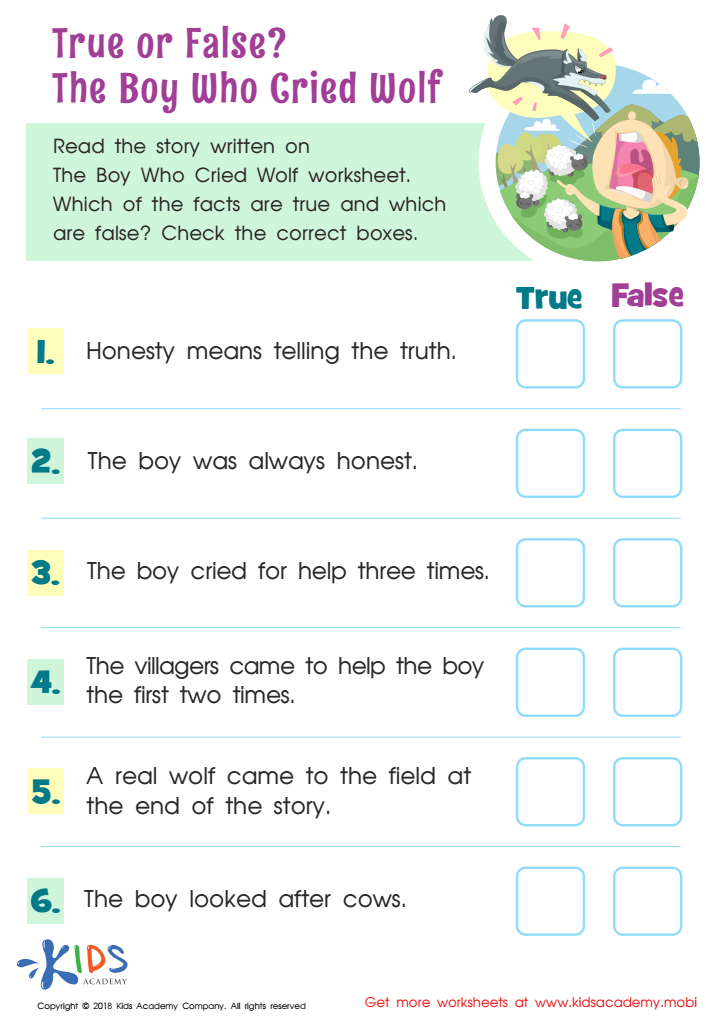
True or False? The Boy Who Cried Wolf Worksheet
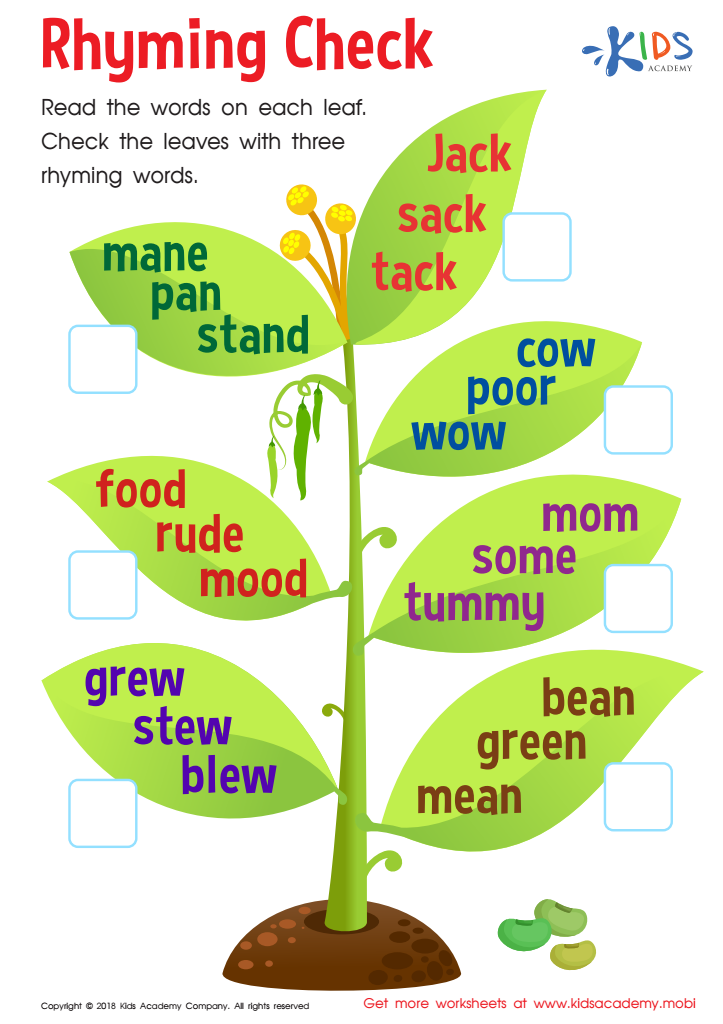
Rhyming Check Worksheet
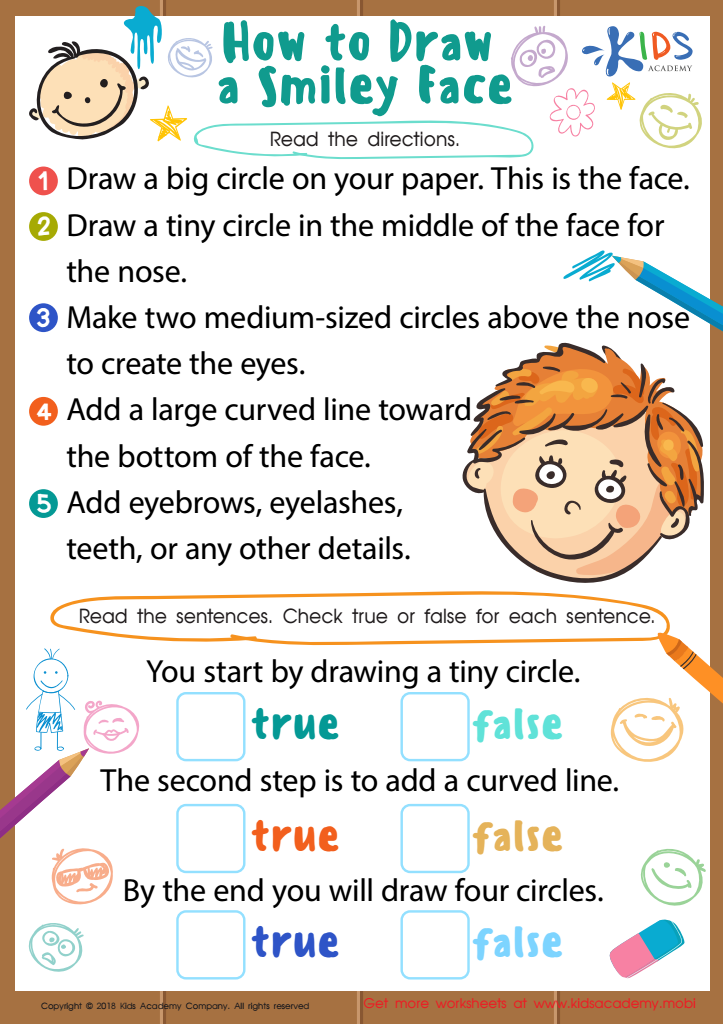
How to Draw a Smiley Face Worksheet


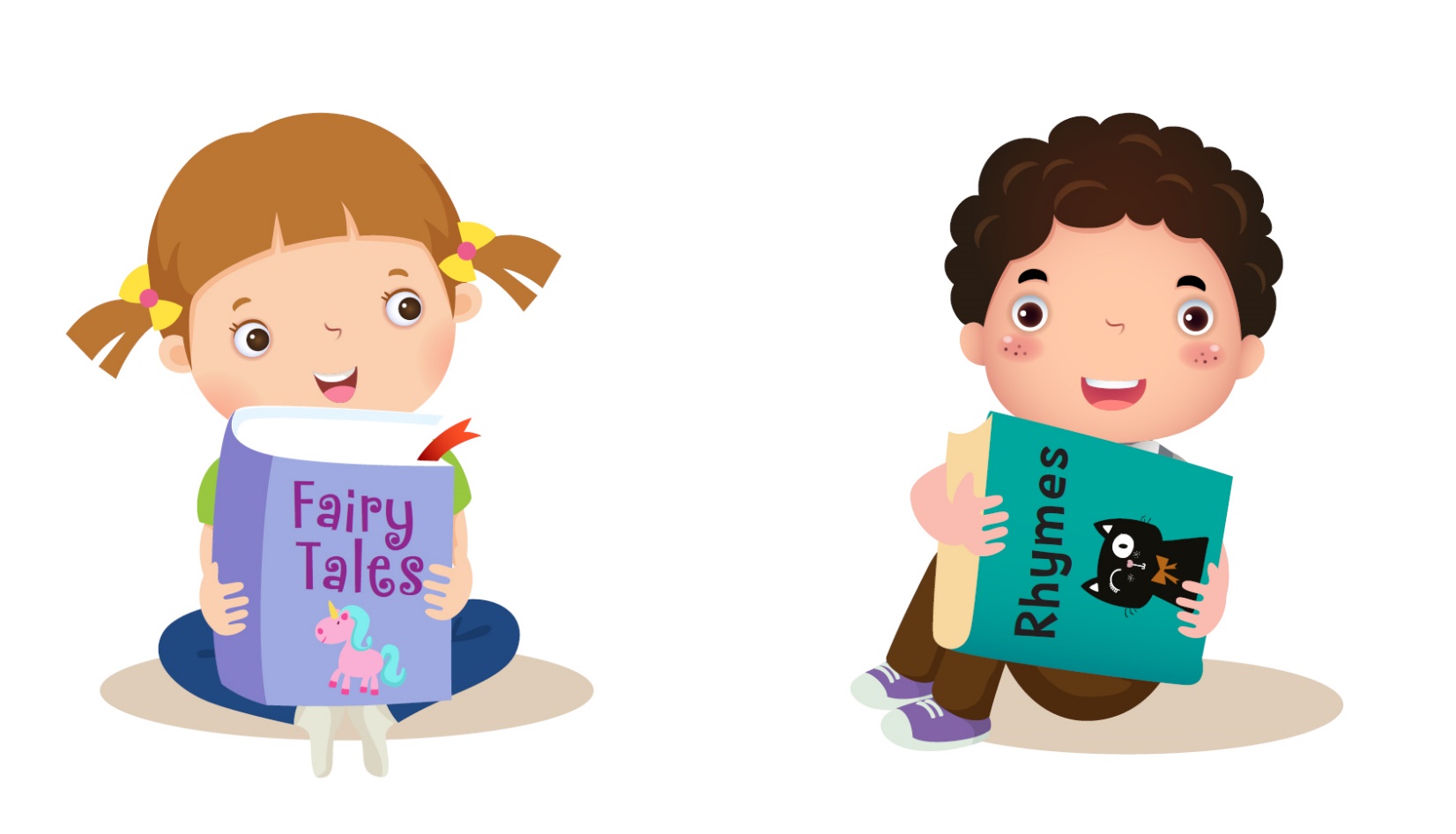





Reading comprehension is a fundamental skill that serves as the cornerstone of a child's education and cognitive development, particularly for ages 3-9. During these formative years, children transition from learning to read to reading to learn. High-quality reading comprehension skills empower children to understand and critically engage with texts, which in turn supports learning across all academic subjects, from mathematics to science.
Parents and teachers play a crucial role in developing reading comprehension skills. To begin with, frequent and interactive reading sessions promote an enjoyment of books, enriching a child's vocabulary and enhancing their ability to understand complex sentences and ideas. Furthermore, as children ask questions or narrate stories, they inherently practice conveying their thoughts clearly, thereby reinforcing their cognitive and linguistic capabilities.
Moreover, good reading comprehension establishes the foundation for academic success. It improves critical thinking, problem-solving skills, and the capability to grasp multi-step instructions. Struggles in reading comprehension can lead to broader learning difficulties, adversely impacting a child’s confidence and academic progression. Early intervention and support from parents and teachers foster lifelong learning habits, resilience, and scholarly enthusiasm.
In sum, parents and teachers should prioritize normal reading comprehension because it not only fortifies academic competence but also stimulates cognitive and emotional growth, paving the way for a well-rounded, curious, and capable individual.








