Normal Word Scramble Worksheets for Ages 3-9
13 filtered results
-
From - To
Introduce fun and learning with our Normal Word Scramble Worksheets for Ages 3-9! Perfect for early readers, these engaging printables help children improve vocabulary, spelling, and problem-solving skills. Each worksheet is thoughtfully designed to challenge young minds while keeping them entertained. With our simple yet stimulating word scrambles, kids will have a blast rearranging letters to form correct words. Ideal for classroom activities or at-home practice, these worksheets cater to various learning paces and styles. Help your child enhance their language abilities while enjoying this playful and educational activity. Start the word-fun journey today!
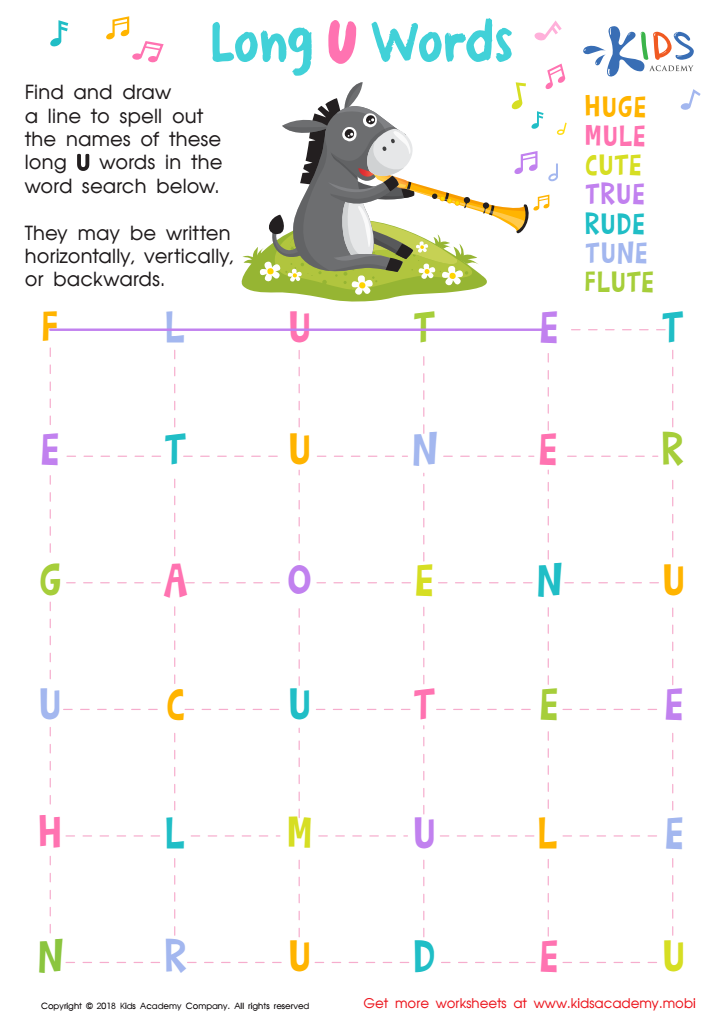
Long /u/ Words Worksheet
 Assign to My Students
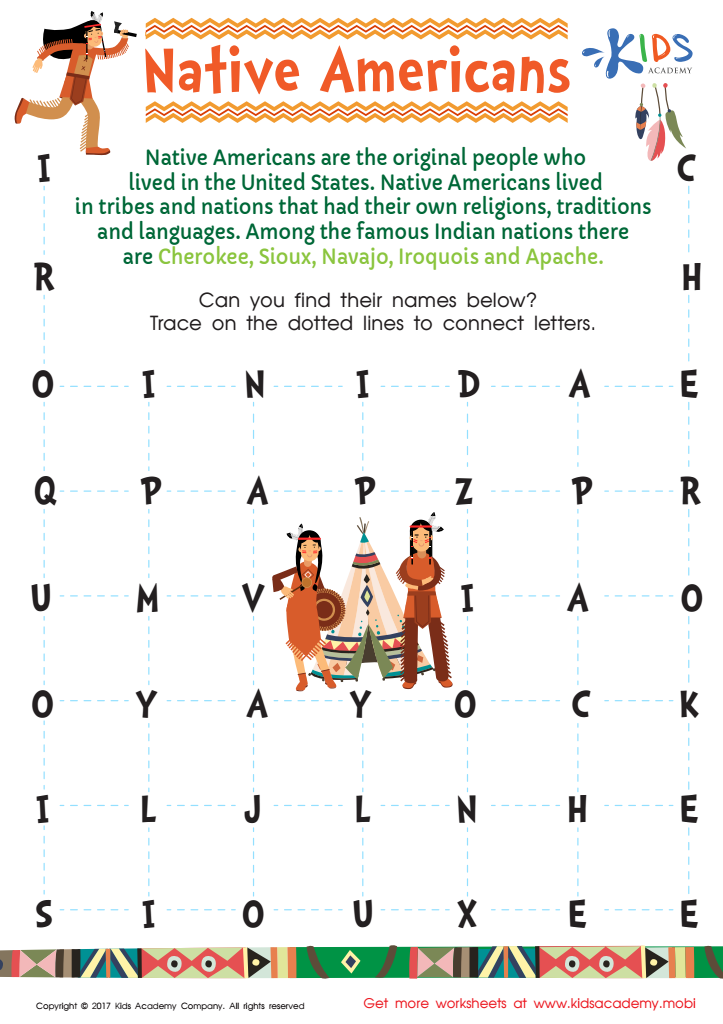
Native American Word Search Printable
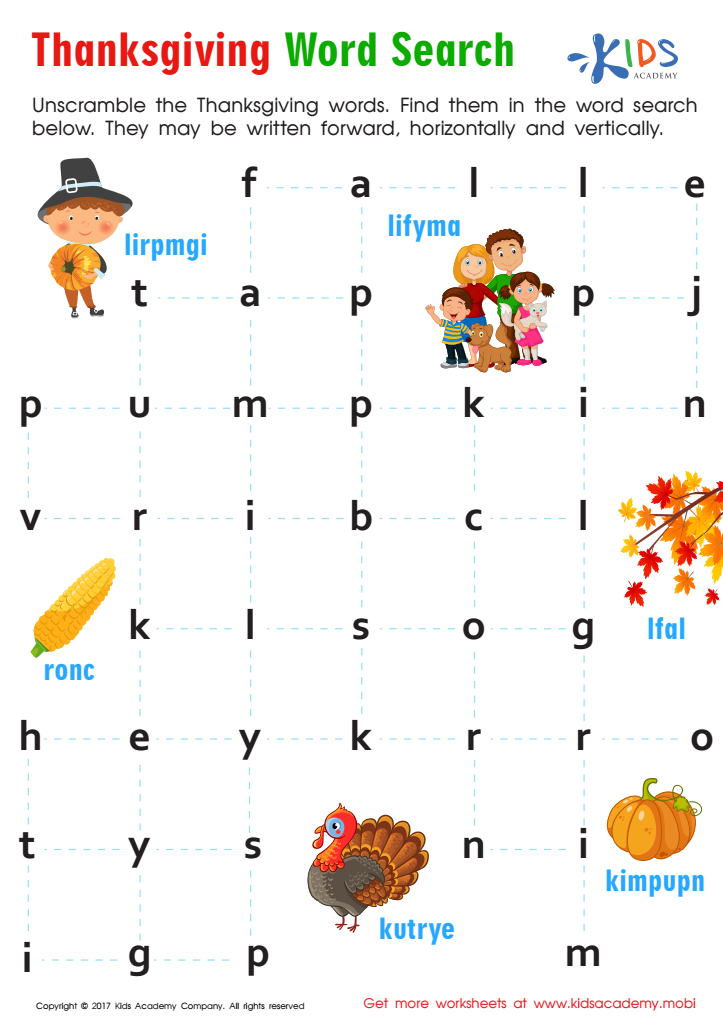
Thanksgiving Word Search Sight Words Worksheet
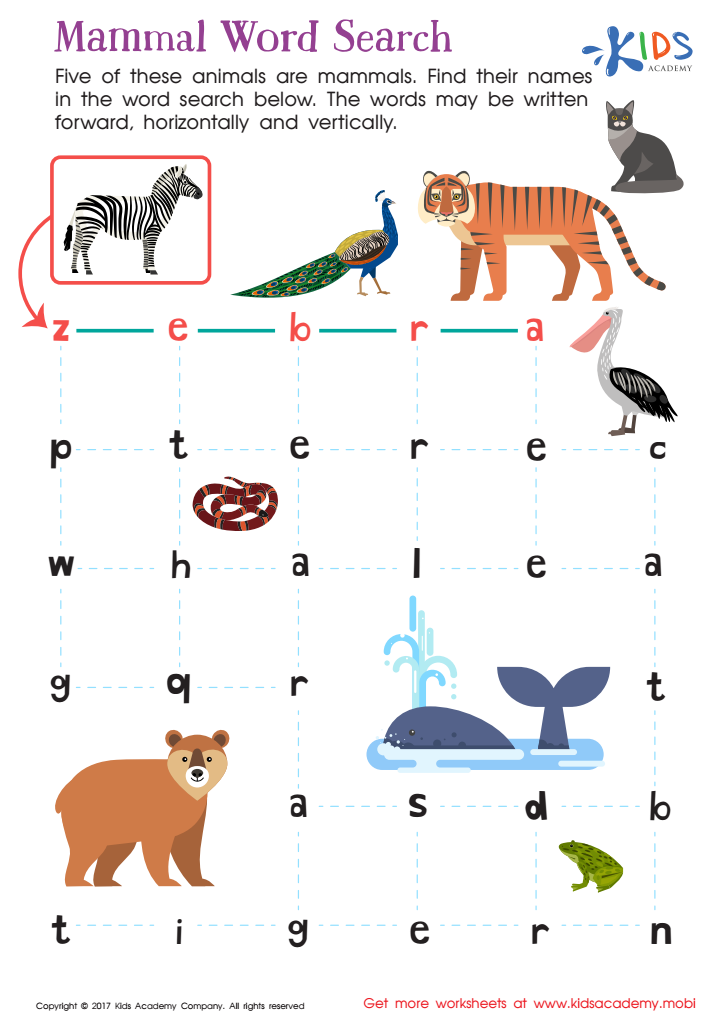
Printable Mammal Word Search
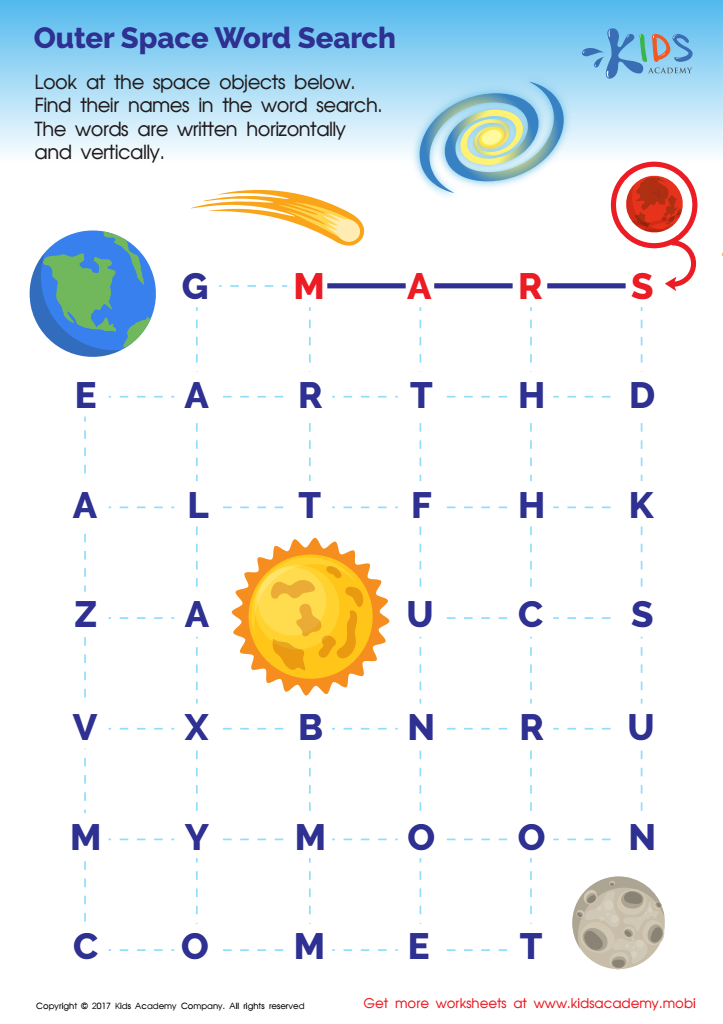
Outer Space Word Search Printable
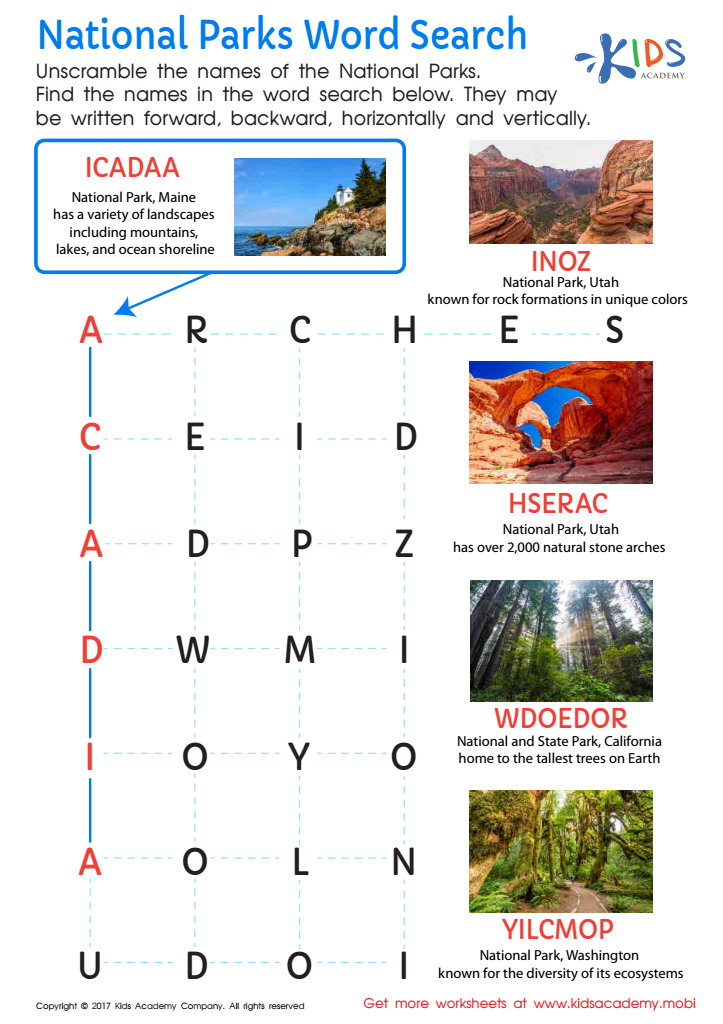
National Parks Word Search Worksheet
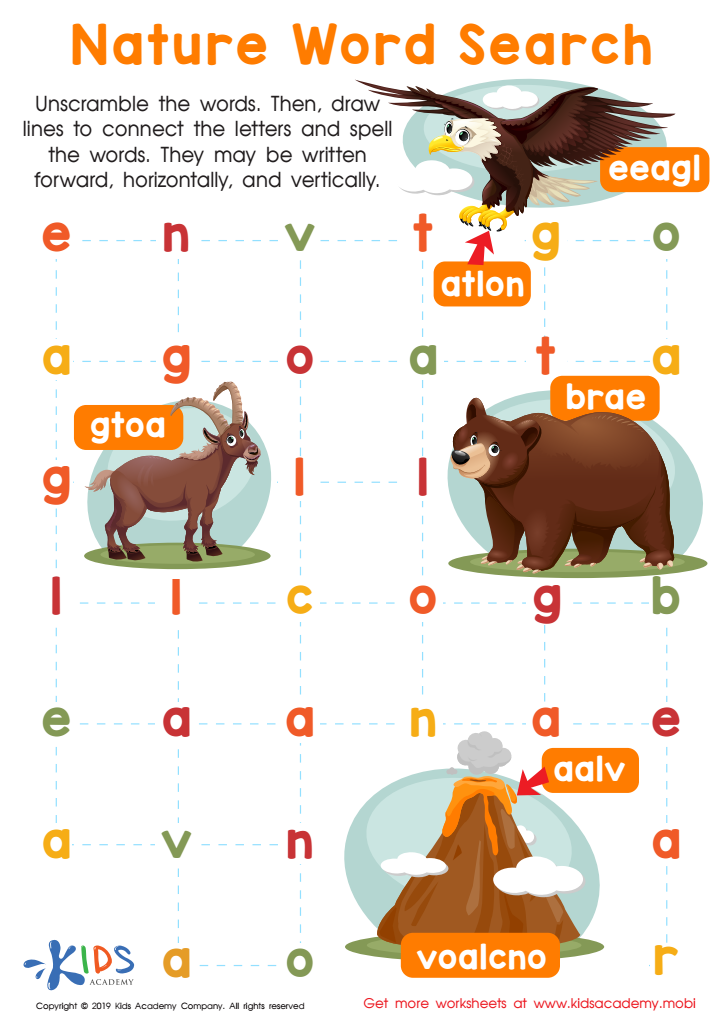
Nature Word Search Worksheet
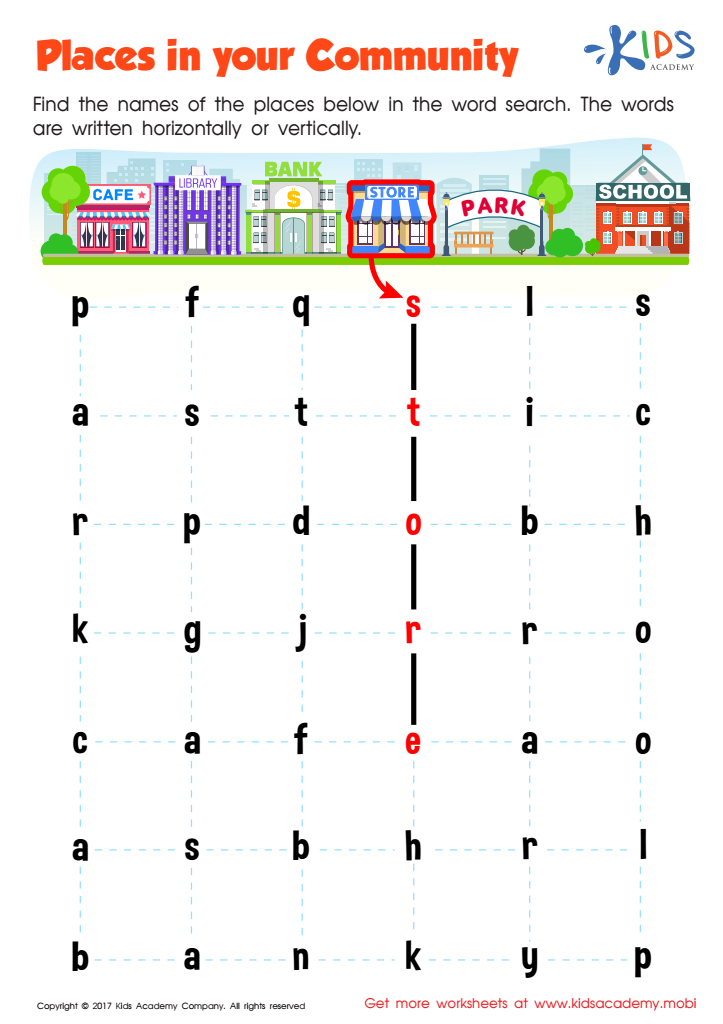
Places in Your Community Worksheet
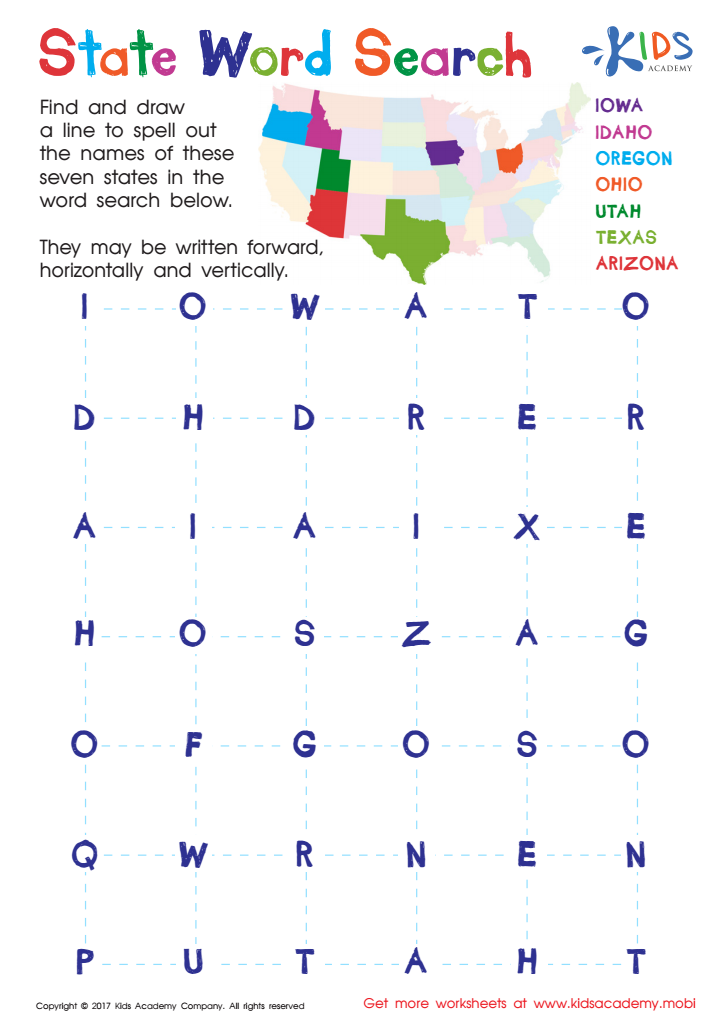
State Word Search Worksheet
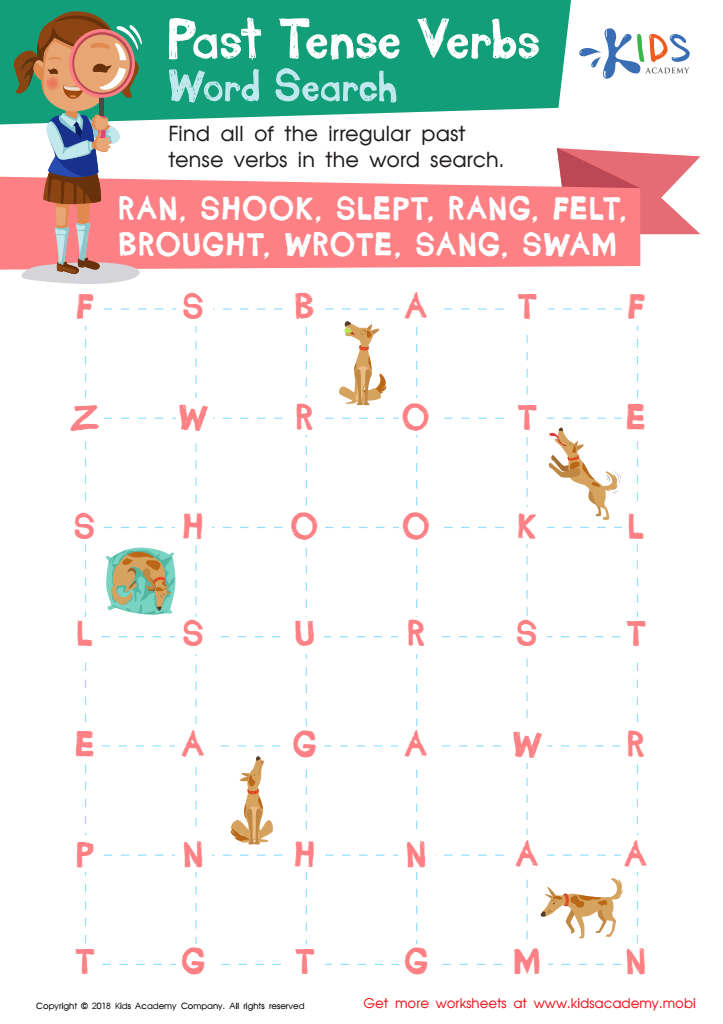
Past Tense Verbs Word Search Worksheet
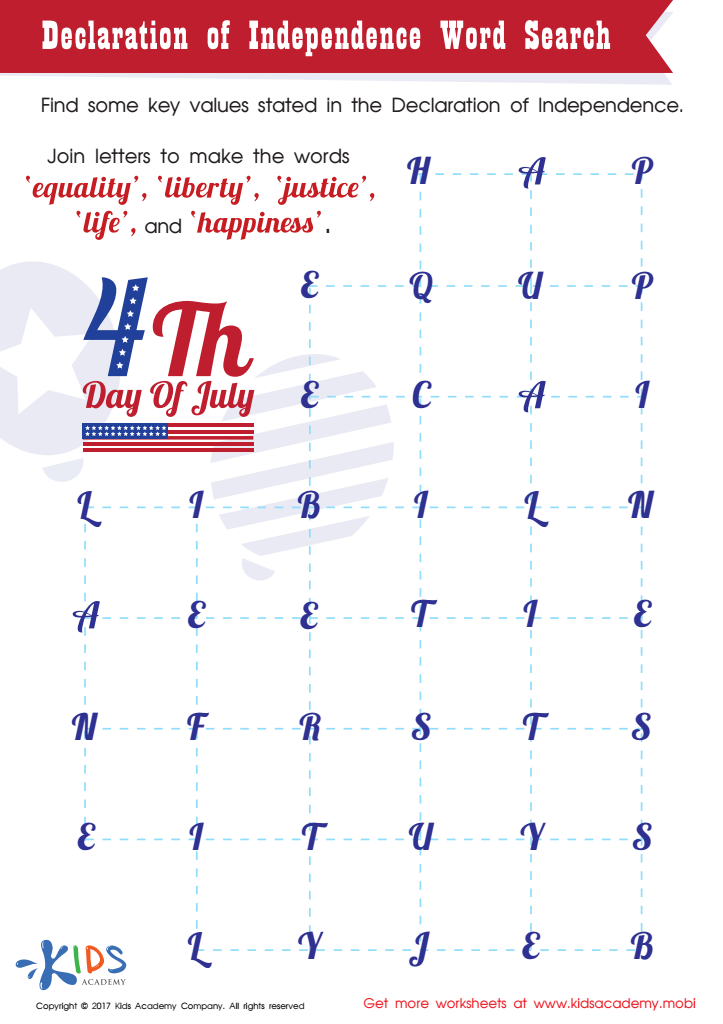
Declaration of Independence Word Search Printable
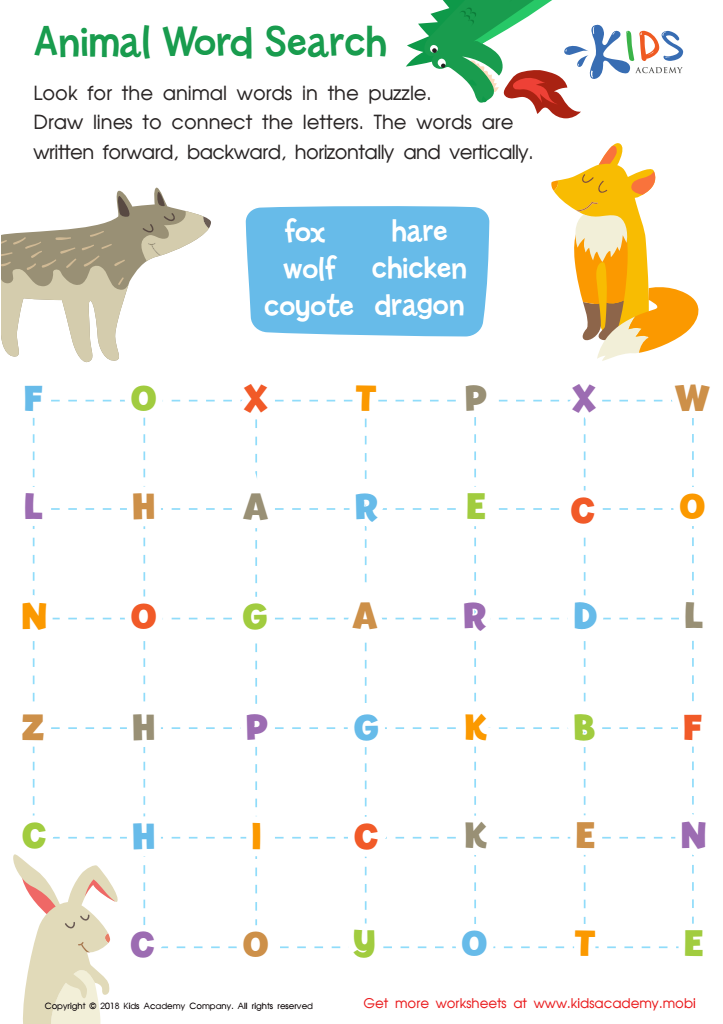
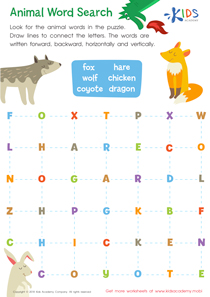
Animal Word Search Worksheet
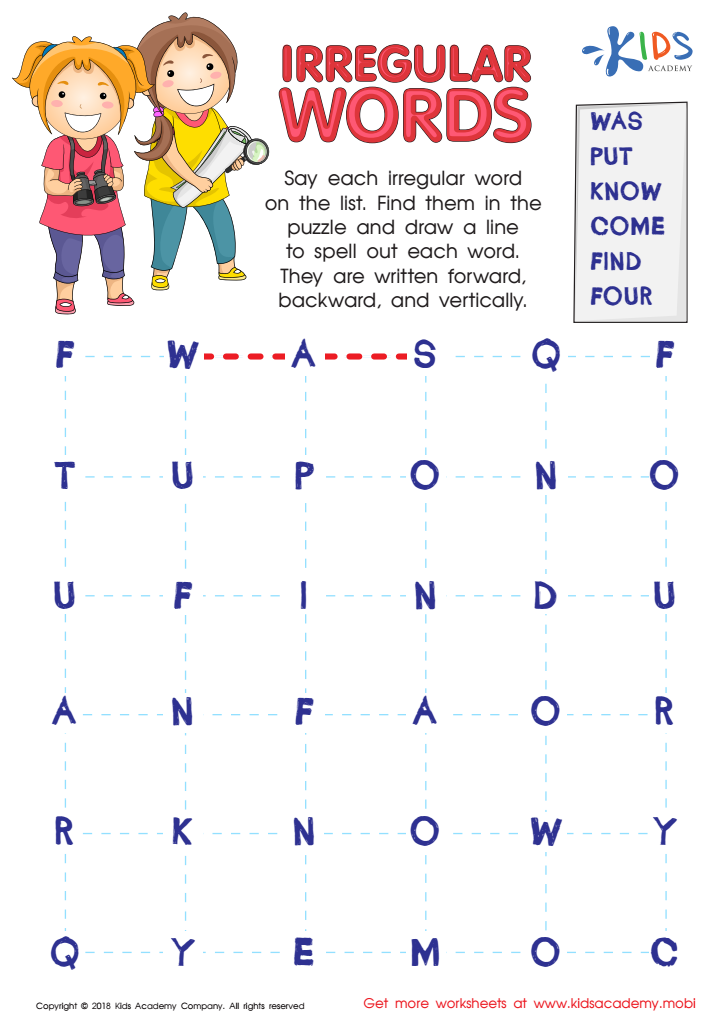
Irregular Words Worksheet




Word scrambles are more than just a fun activity for children; they are also incredibly beneficial for cognitive and linguistic development, especially for ages 3-9. This age range is critical for foundational learning, and engaging in word scrambles helps children enhance their problem-solving skills as they learn to reorganize jumbled letters to form meaningful words. This kind of exercise promotes concentration and patience, critical traits for academic and personal growth.
Additionally, word scrambles build vocabulary and spelling skills. As children identify and spell out words, they become more familiar with word patterns and improve their recognition of common letter pairings and sequences. This reinforces their ability to spell correctly and helps them recognize new words more easily in both reading and writing contexts.
For younger children, engaging in word-scramble activities can support letter recognition and phonics. By seeing and manipulating letters, they develop an understanding of the sounds each letter makes and how letters combine to form sounds and words. For slightly older children, it reinforces reading skills and exposes them to new vocabulary in an enjoyable and interactive way.
Lastly, such activities are usually straightforward and inclusive, making them accessible to a wide range of learning levels and abilities. They provide an excellent opportunity for parents and teachers to engage with children in a meaningful learning process, strengthening both educational development and parent-child or teacher-student relationships.