Normal Social Studies Worksheets for Ages 3-9 - Page 2
228 filtered results
-
From - To
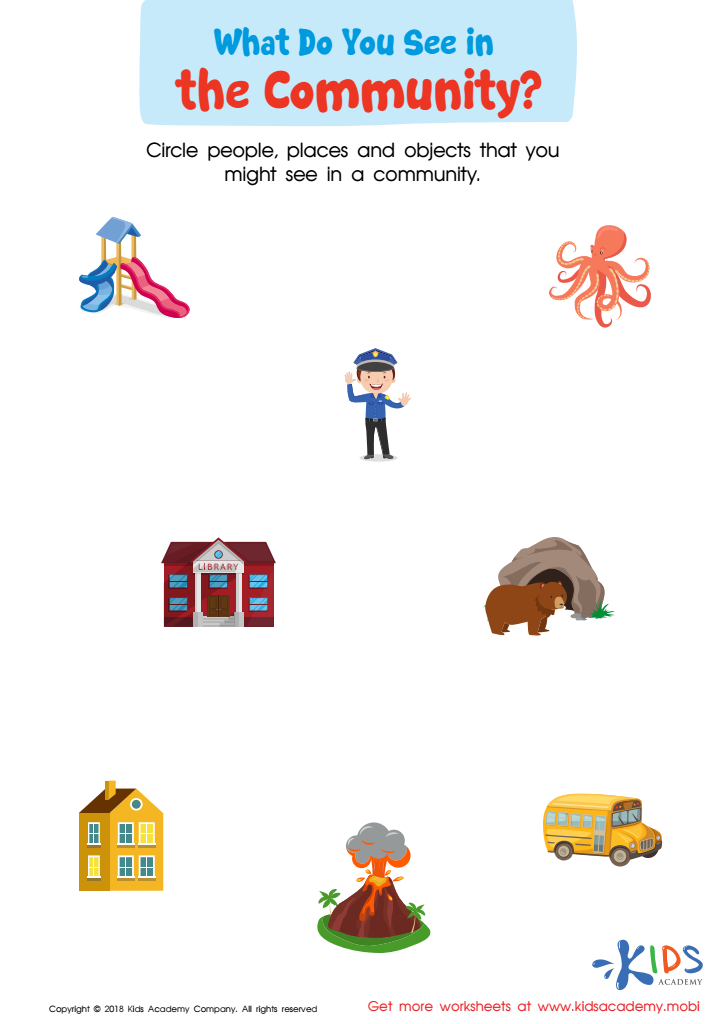
What Do You See in the Community Worksheet
 Assign to My Students
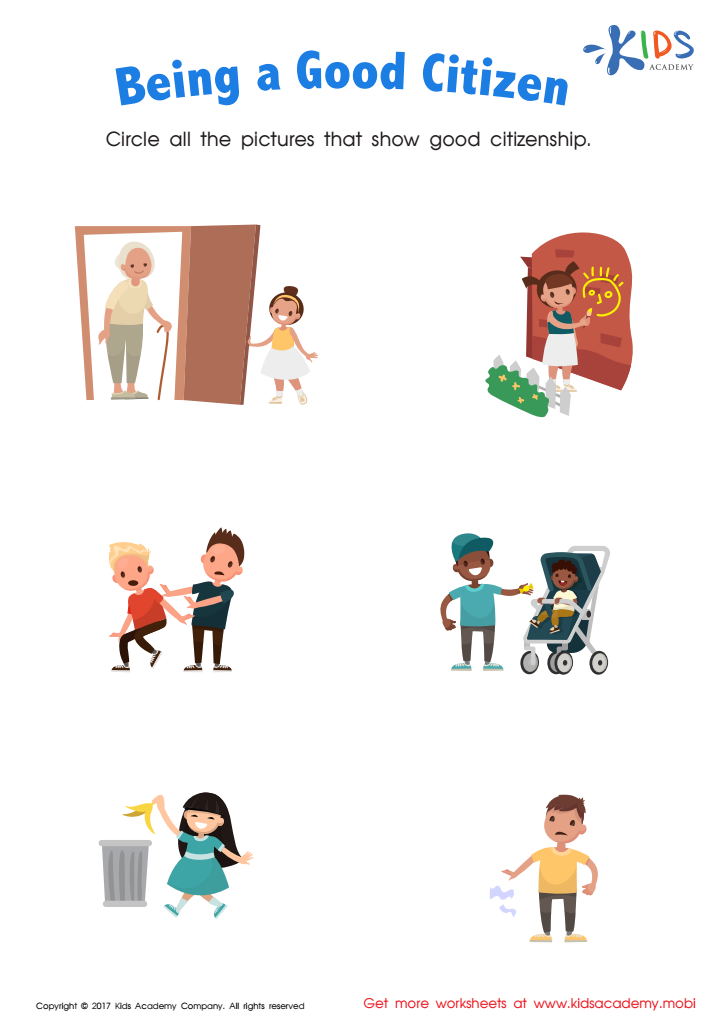
Being a Good Citizen Printable

Washington, D.C. Symbols Worksheet
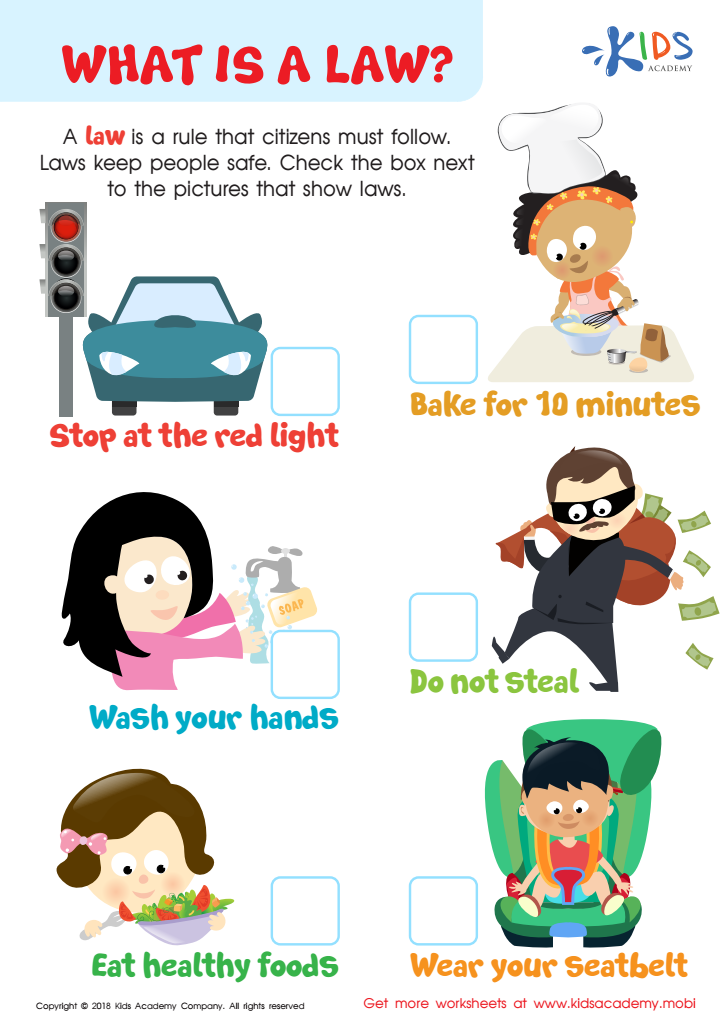
What is a Law? Worksheet
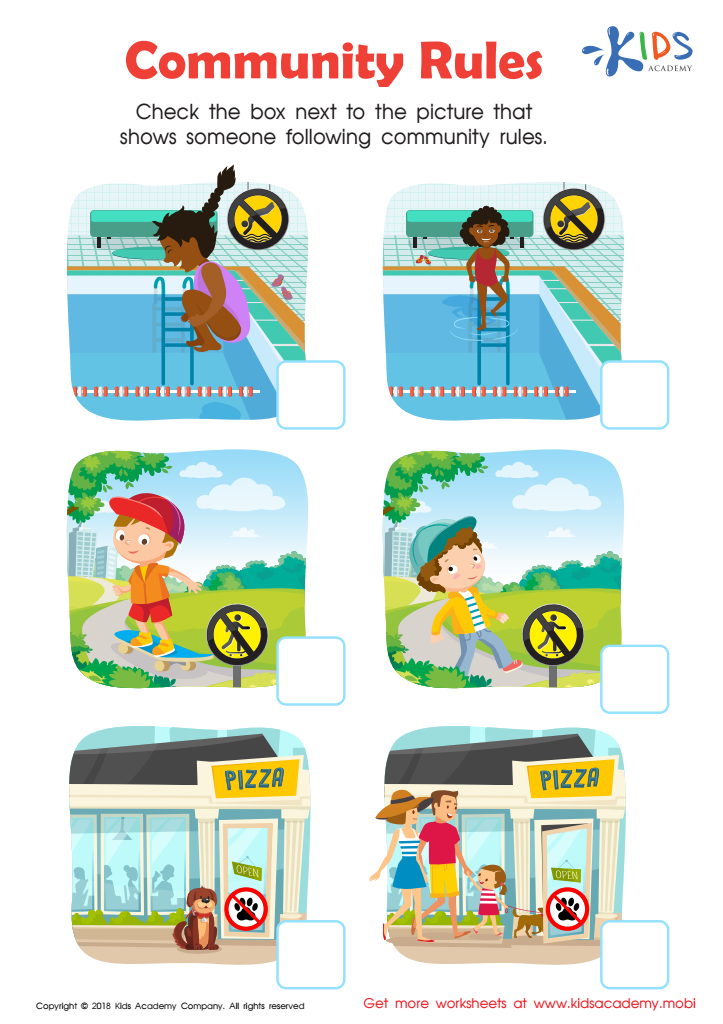
Community Rules Worksheet
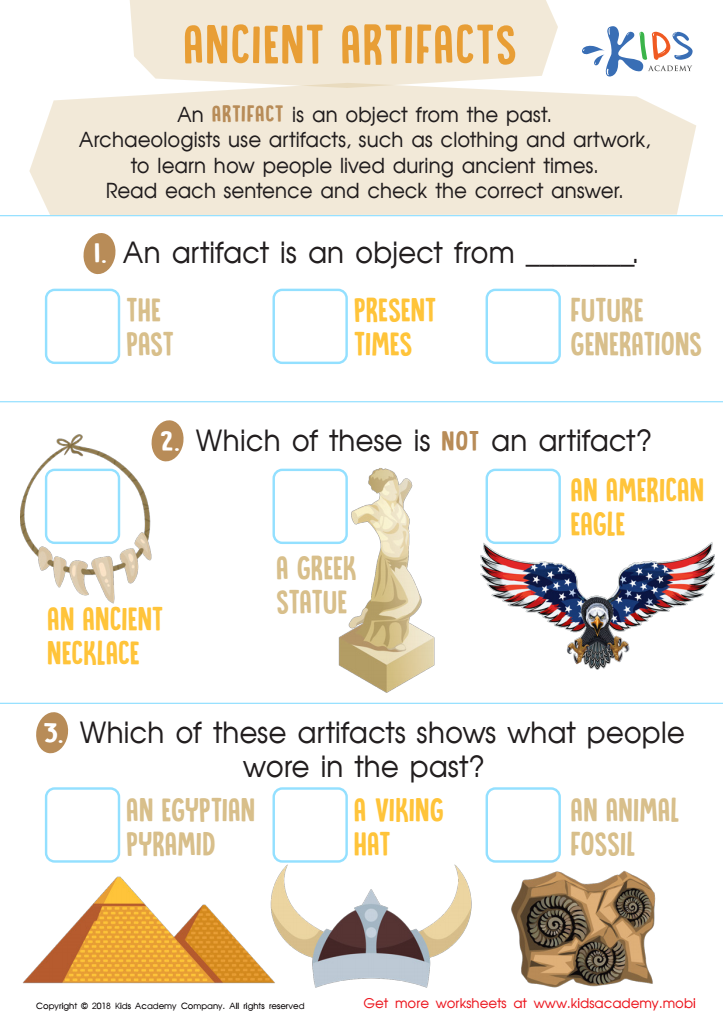
Ancient Artifacts Worksheet
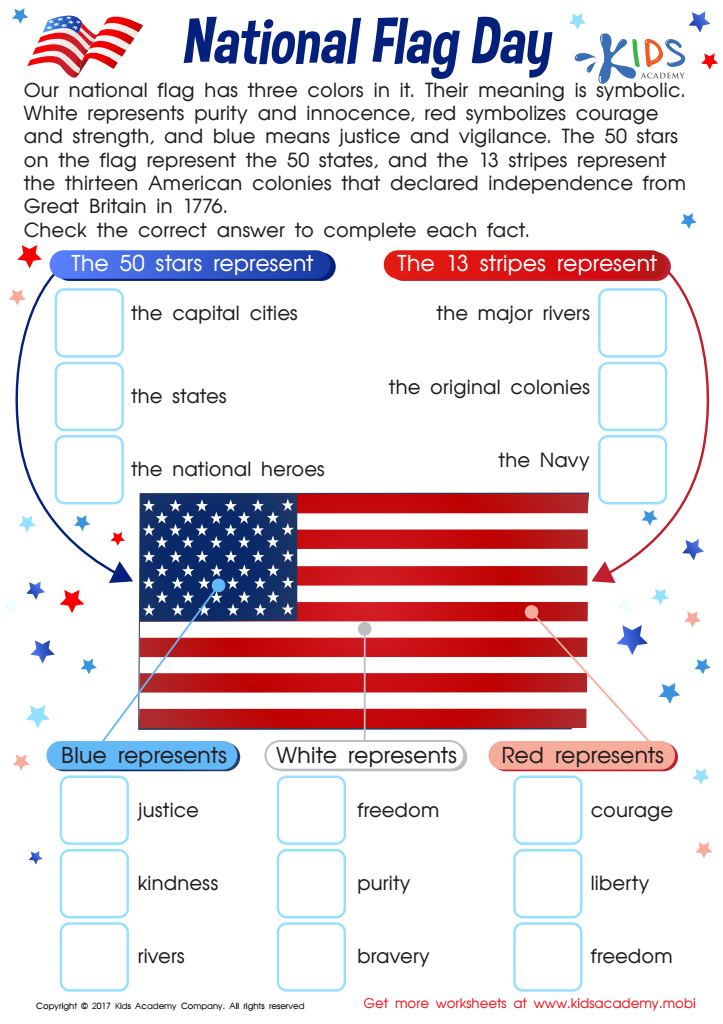
US National Flag Day Worksheet
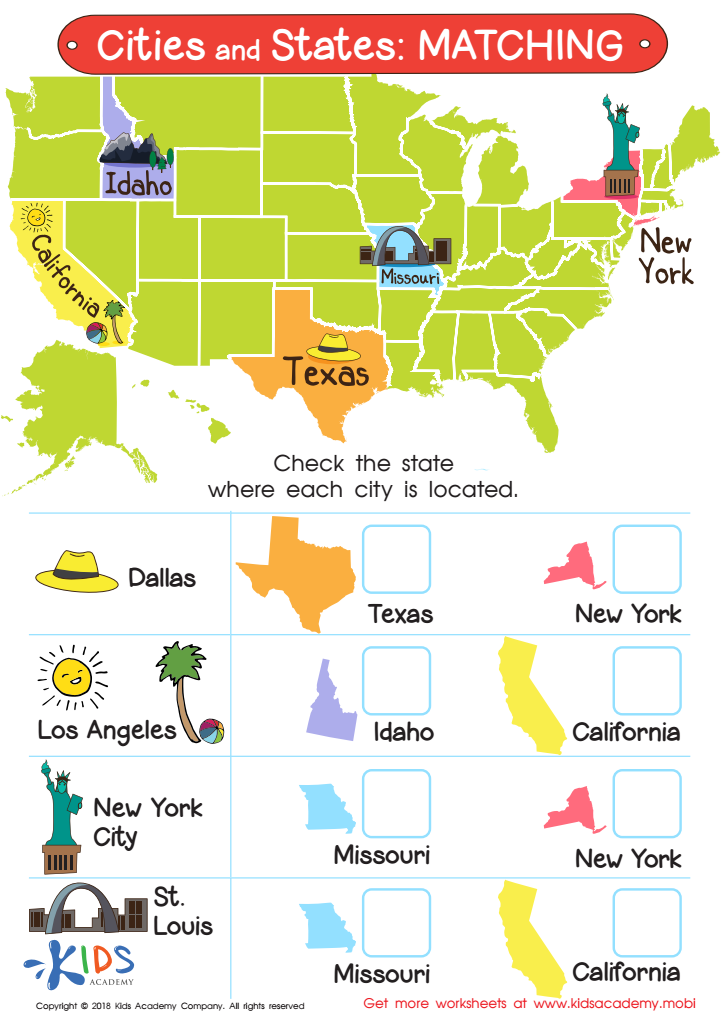
Cities and States: Matching Worksheet
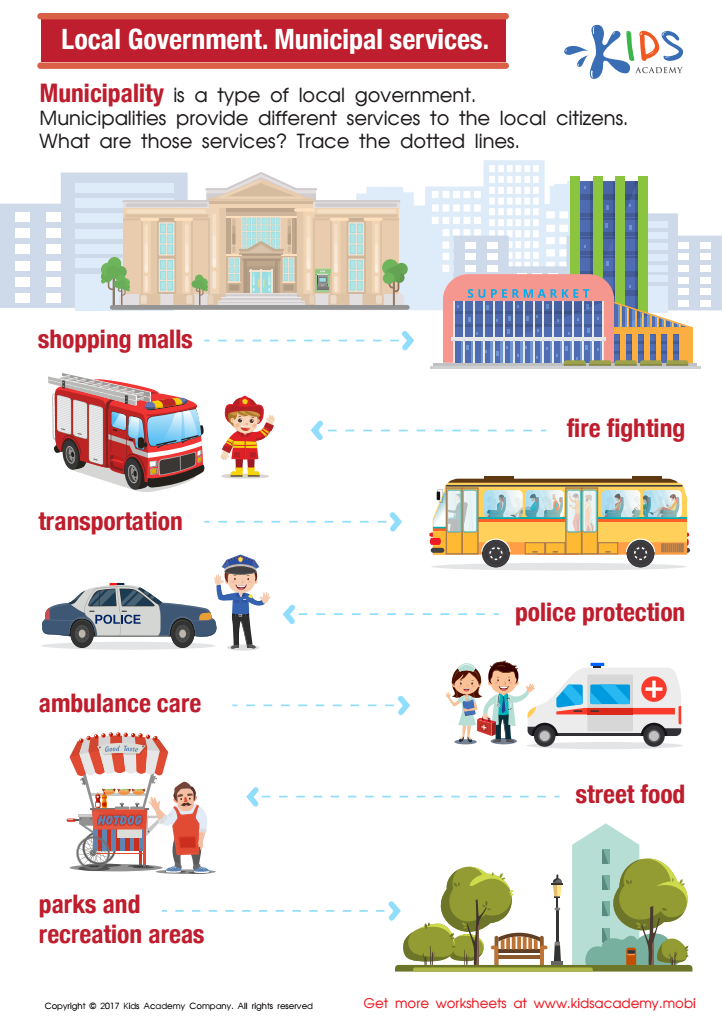
Local Government Worksheet
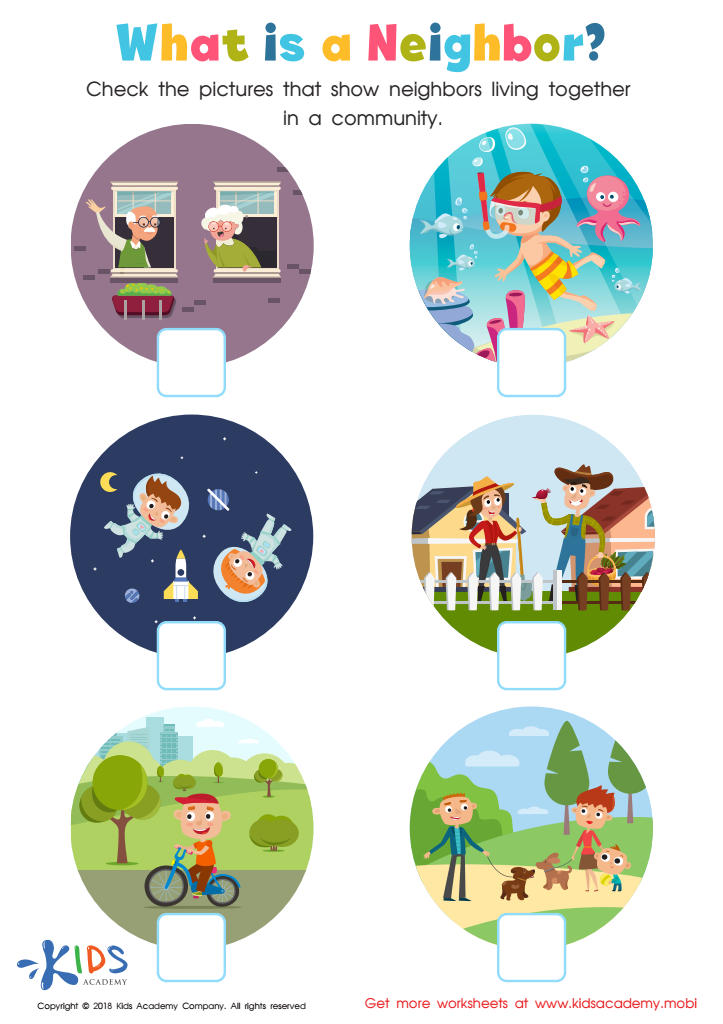
What is a neighbor Worksheet
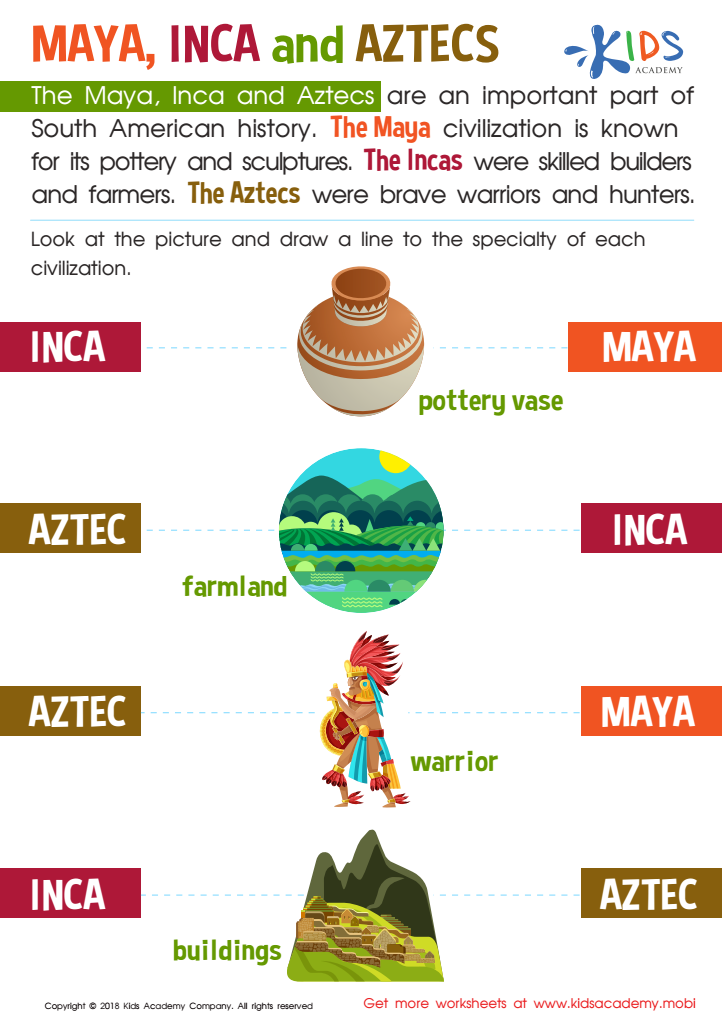
Maya, Inca and Aztecs Worksheet

Map Symbols Worksheet
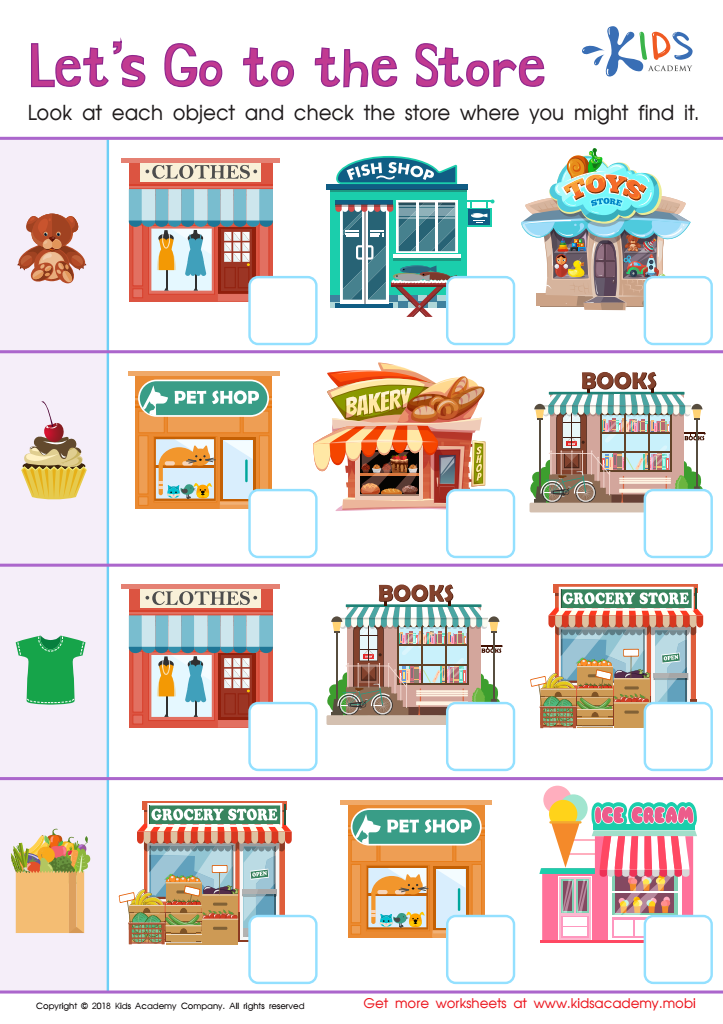
Let's Go to the Store! Worksheet
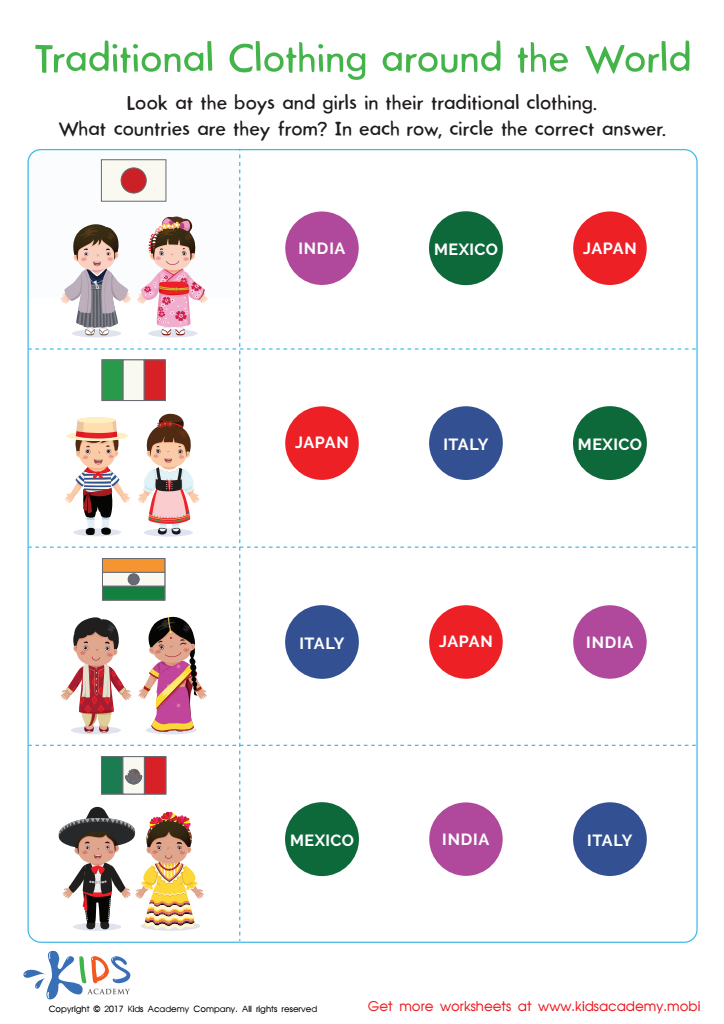
Traditional Clothing Worksheet
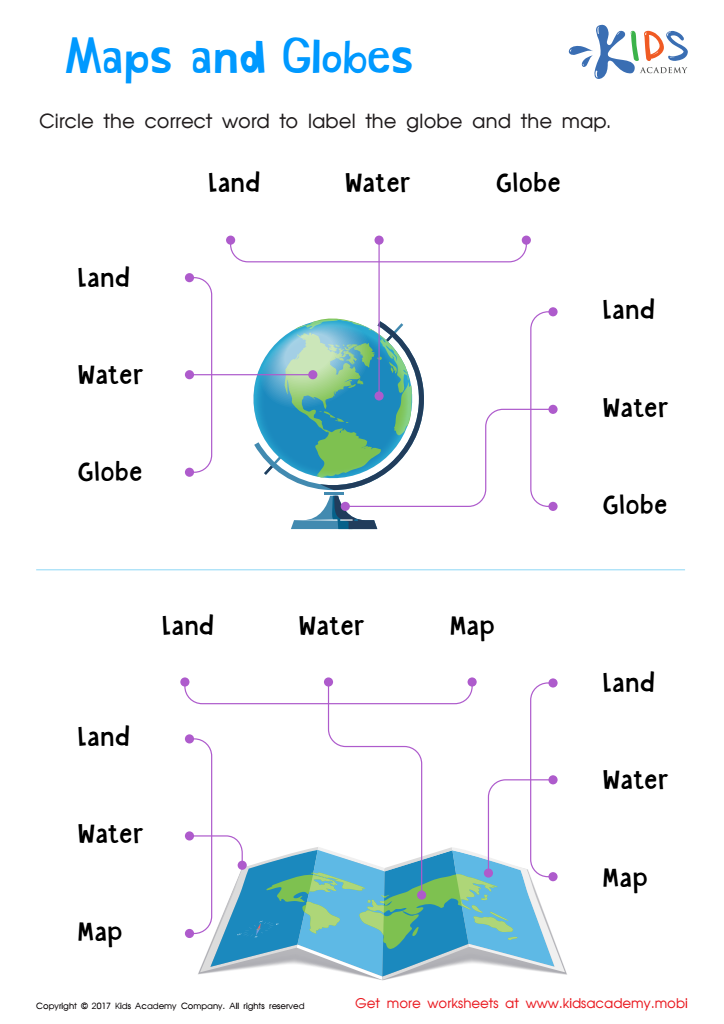
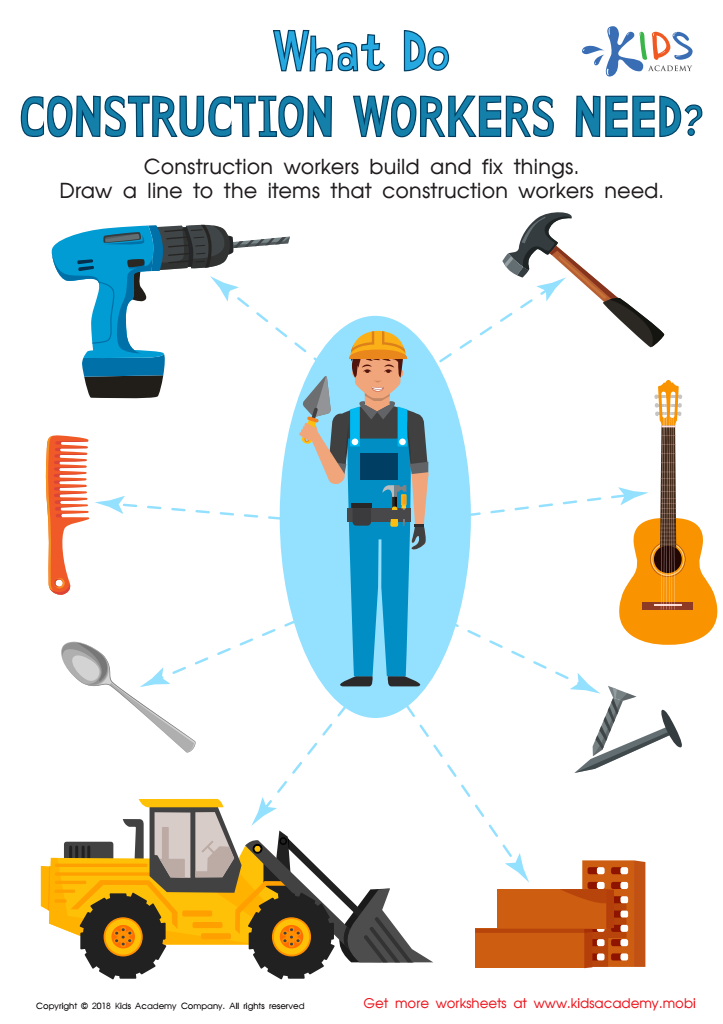
What Do Construction Workers Need? Worksheet
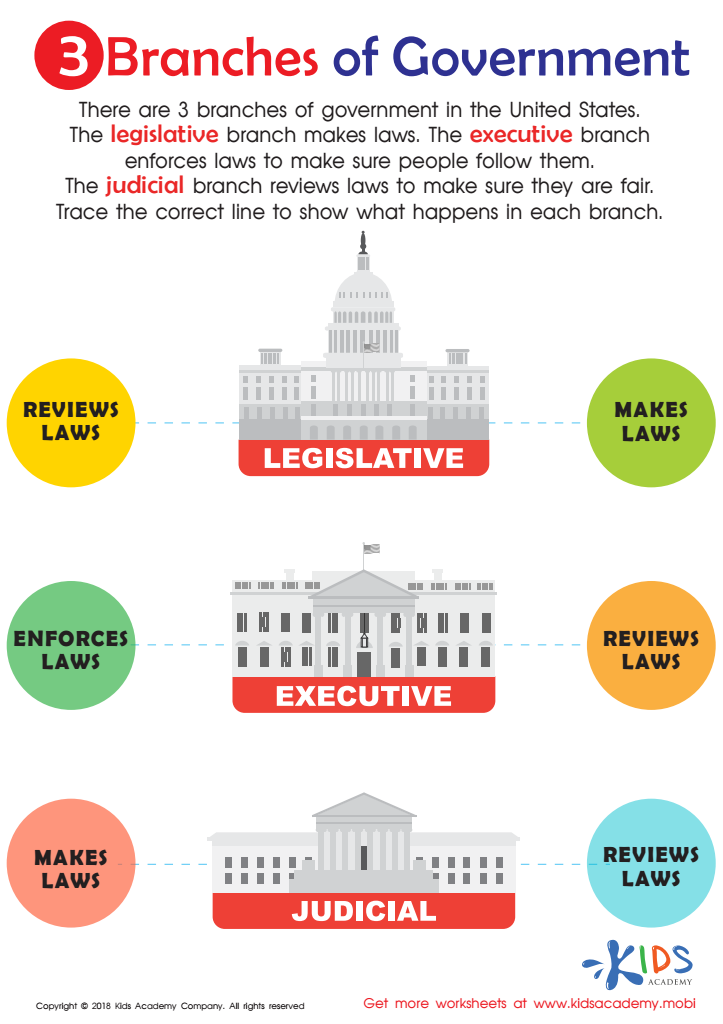
3 Branches of Government Worksheet
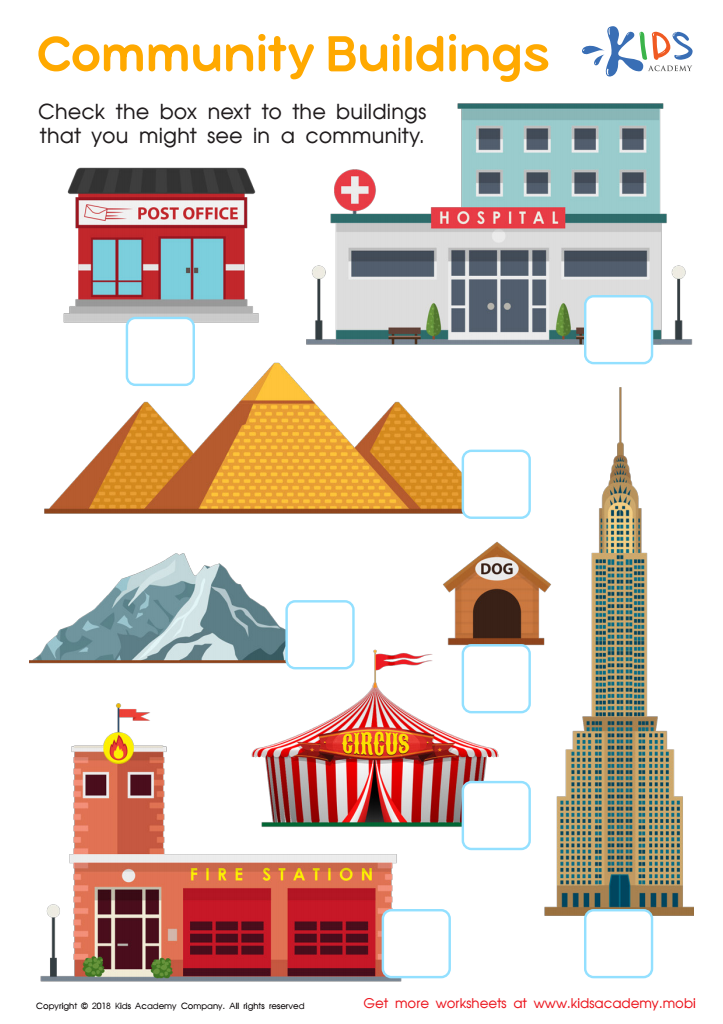
Community Buildings Worksheet
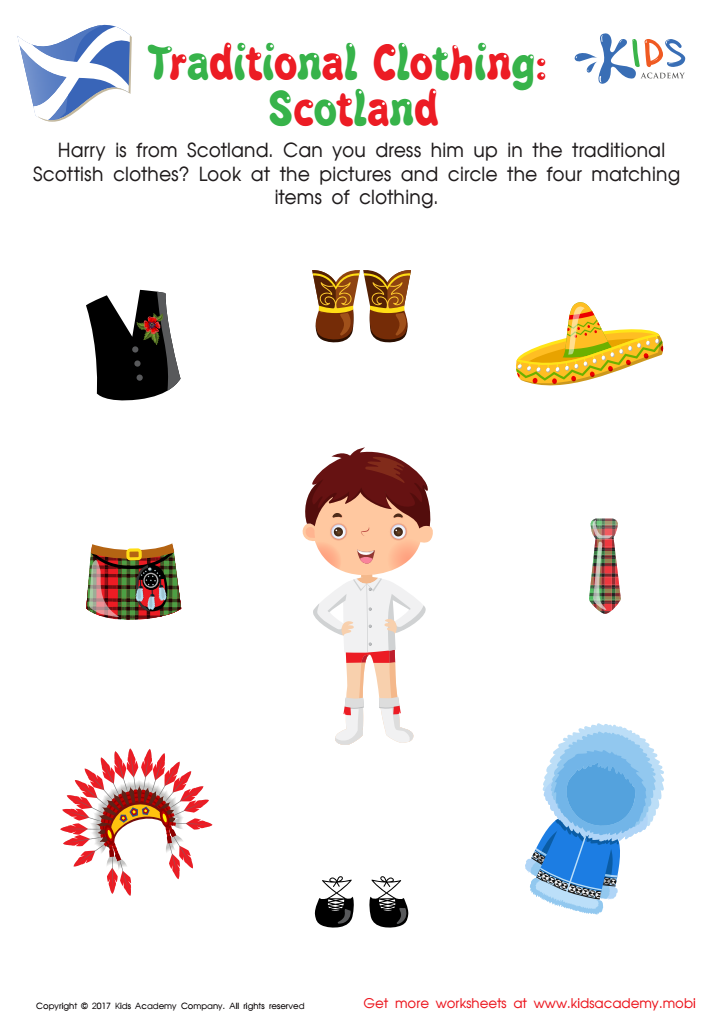
Traditional Clothing in Scotland Worksheet
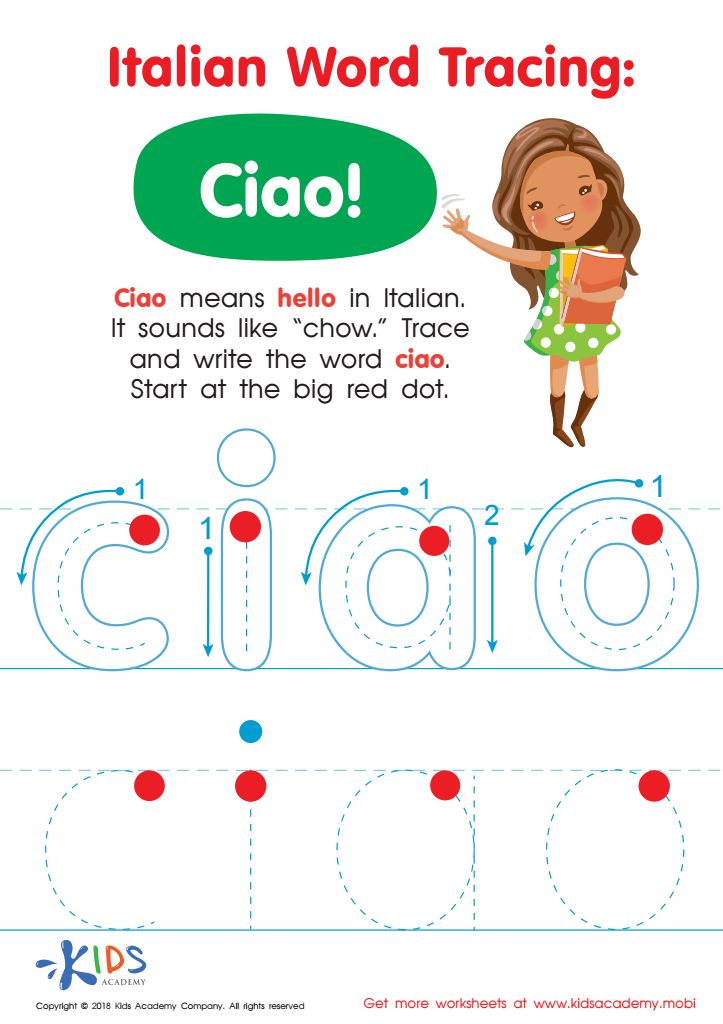
Italian Word Tracing: Ciao Worksheet
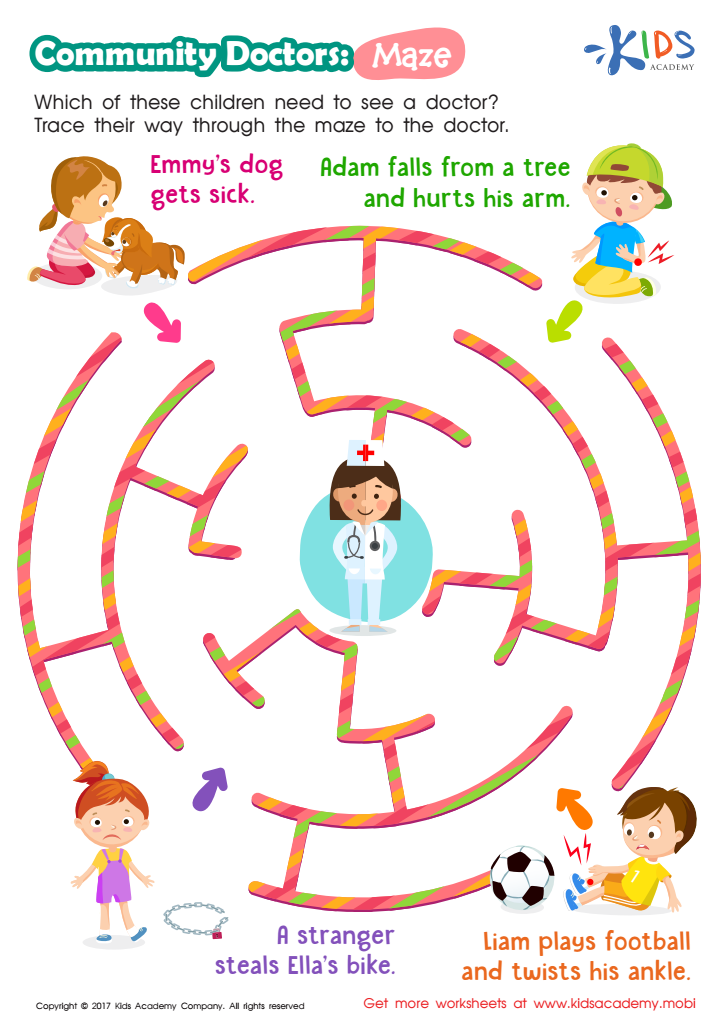
Community Doctors: Maze Printable

World Explorers Worksheet
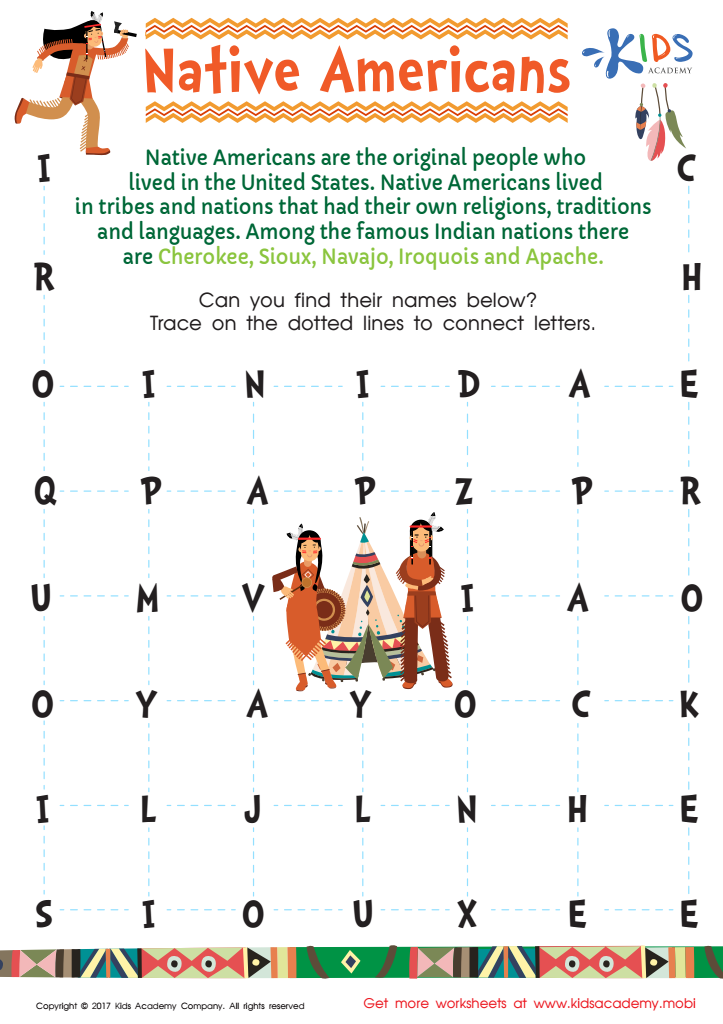
Native American Word Search Printable



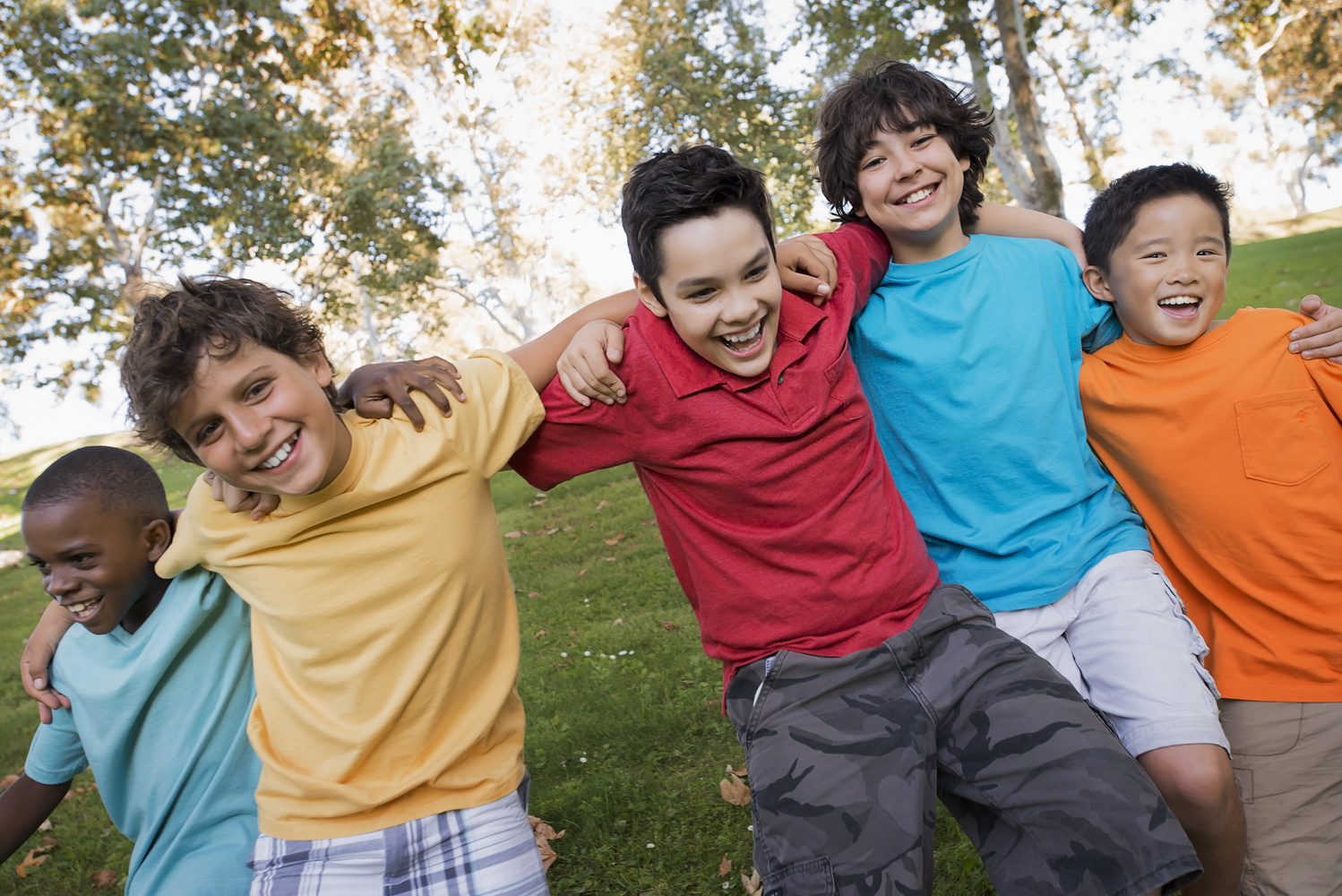



Parents and teachers should care about Normal Social Studies for Ages 3-9 because this formative period is critical for shaping children's understanding of the world around them. Social studies at this age provides young learners with essential knowledge about their communities, cultures, and the world beyond. Through engaging activities, children develop a sense of belonging and empathy, fostering respect for diversity and encouraging positive social interactions.
Integrating social studies in early education promotes critical thinking and problem-solving skills as children learn to ask questions, analyze information, and draw connections between their experiences and broader societal issues. Furthermore, as they explore themes like family, community roles, and historical events, they build a foundational literacy that enhances their communication skills.
Moreover, introducing social studies at an early age helps children to understand civic values, responsibility, and the importance of participating in their communities. By nurturing informed and socially aware citizens, parents and teachers help pave the way for future generations to contribute positively to society. In sum, Normal Social Studies not only enrich children's academic experience but also cultivates the values needed for a more inclusive and compassionate world.