Normal Space Worksheets for Ages 3-9
4 filtered results
-
From - To
Explore the wonders of outer space with our captivating Normal Space Worksheets for ages 3-9! Designed to inspire young minds, these engaging worksheets introduce children to planets, stars, and the mysteries of the cosmos. Each worksheet combines fun illustrations with educational activities to enhance comprehension and spark curiosity. Perfect for home or classroom use, our space-themed worksheets help develop critical thinking, observation skills, and a love for science. Whether identifying planets or learning about space missions, your child will embark on an exciting cosmic journey. Download now and watch our little astronauts soar in knowledge and imagination!
 Assign to My Students
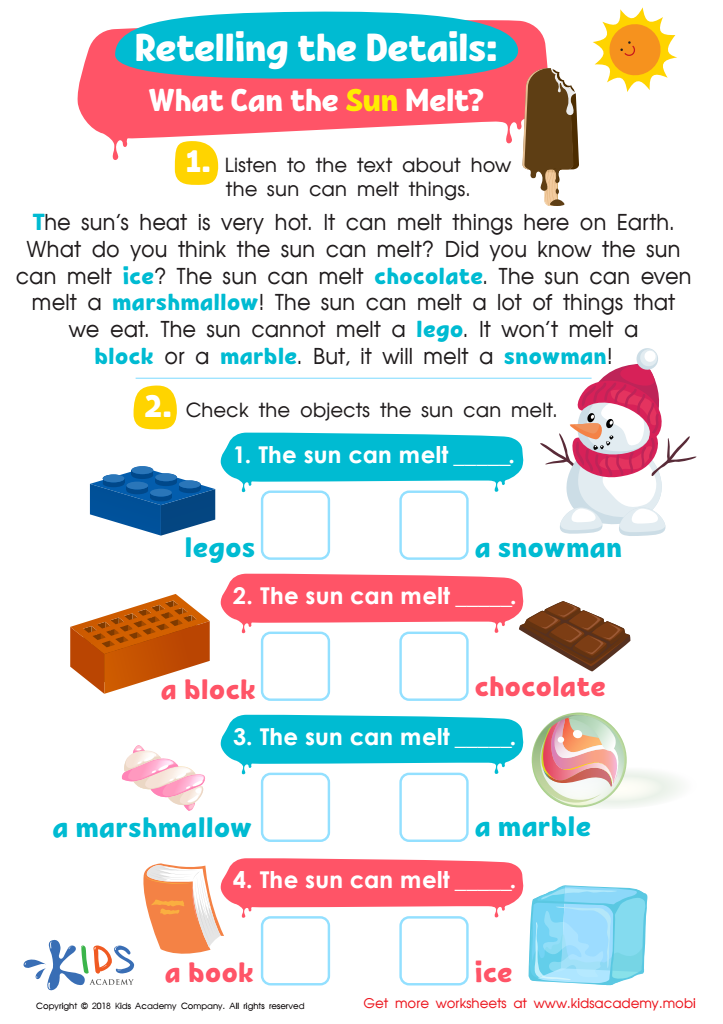
Retelling the Details: What Can the Sun Melt? Worksheet
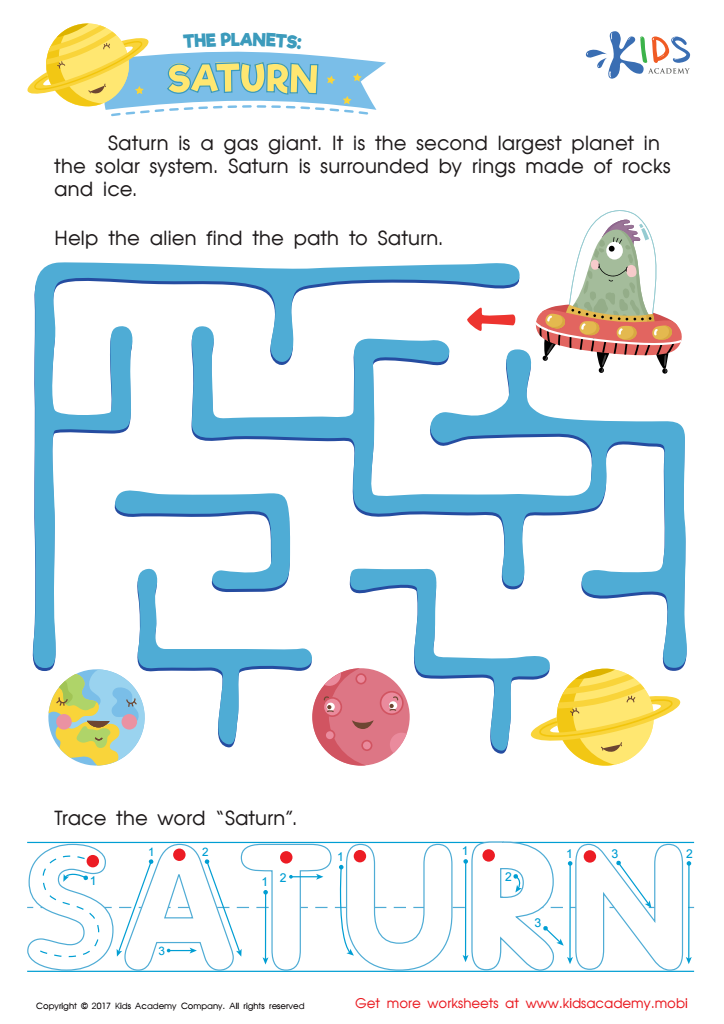
The Planets: Saturn Printable
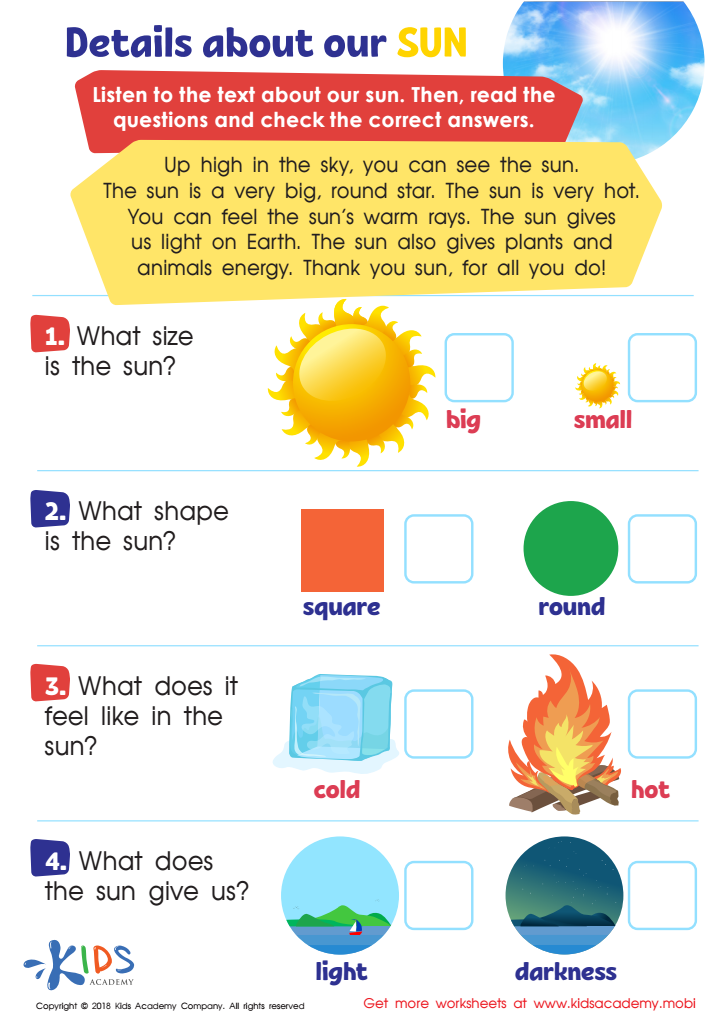
Details About Our Sun Worksheet






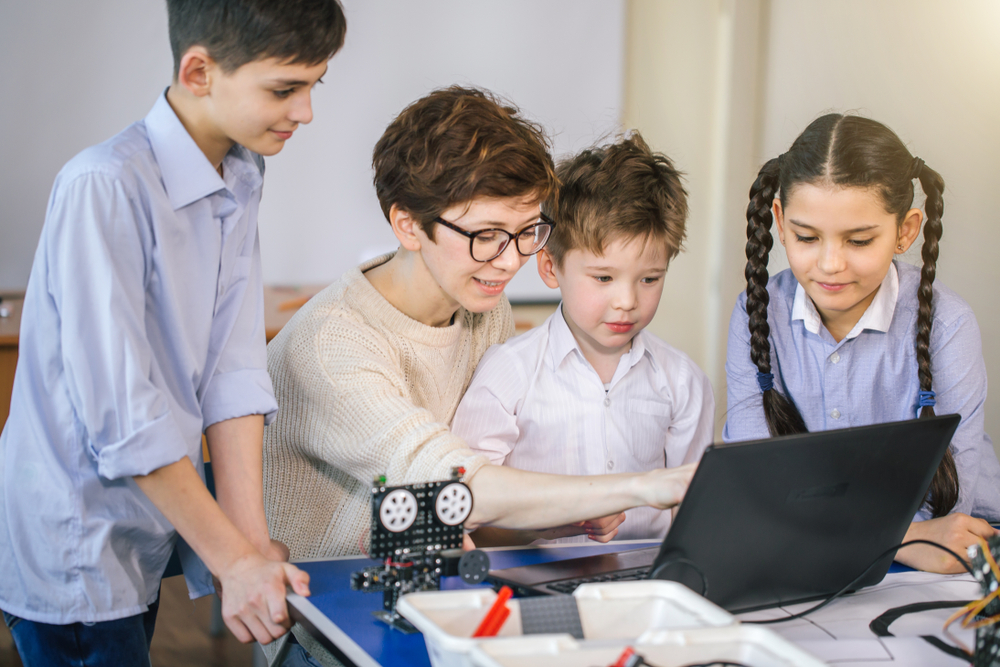

The concept of "Normal Space" for ages 3-9 focuses on creating an environment that is developmentally optimal for young children. A caring and thoughtfully organized space considers safety, stimulation, and emotional needs. Parents and teachers should prioritize such environments because these years are critical for children's physical, mental, and social development.
During these formative years, children are highly sensitive to their surroundings. A well-structured "normal space" promotes independence, exploration, and learning. For instance, furniture scaled to child size enables self-directed activity, fostering confidence and self-reliance. Safety measures, like soft edges and non-toxic materials, protect active and curious youngsters from harm, giving parents and teachers peace of mind.
Moreover, an enriching environment provides diverse sensory stimuli, from bright colors and diverse textures to engaging play materials. This aids cognitive development, enhancing skills like problem-solving and creativity. Social spaces encourage interaction and cooperation, vital for emotional and social skills.
In a high-quality "normal space," emotional well-being is nurtured. A warm and inviting atmosphere helps children feel secure and loved, forming a healthy foundation for lifelong learning. Parents and teachers who invest in such environments contribute to their children’s holistic growth, well-being, and future success. Thus, the significance of "normal space" cannot be underestimated.