Fine Motor Skills Normal Worksheets for 3-Year-Olds - Page 2
72 filtered results
-
From - To
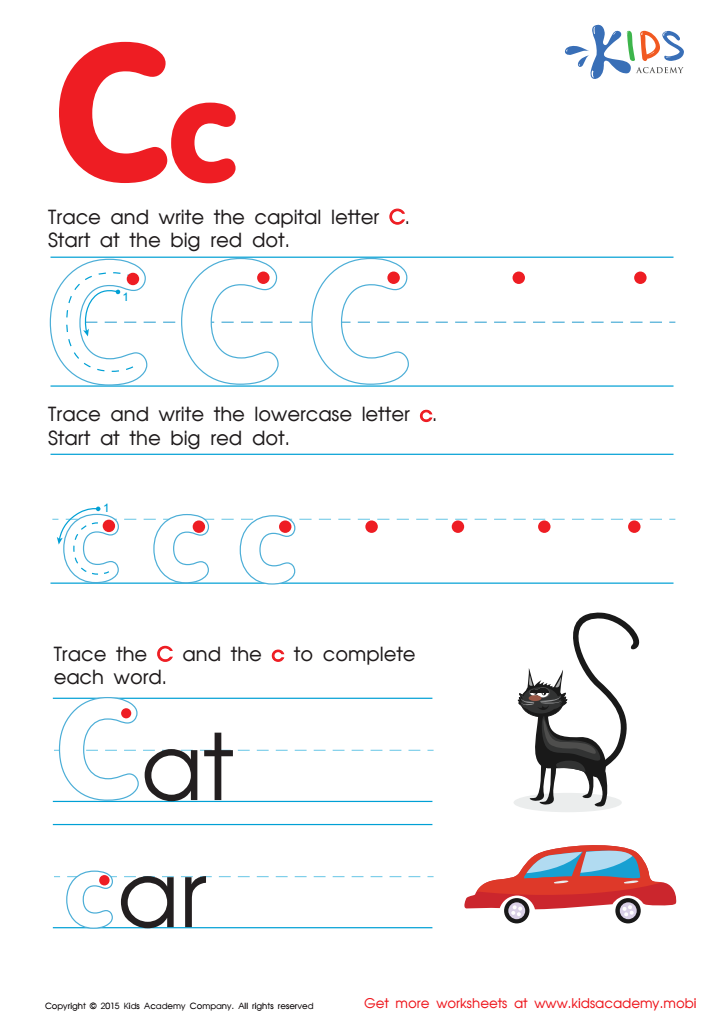
Letter C Tracing Page
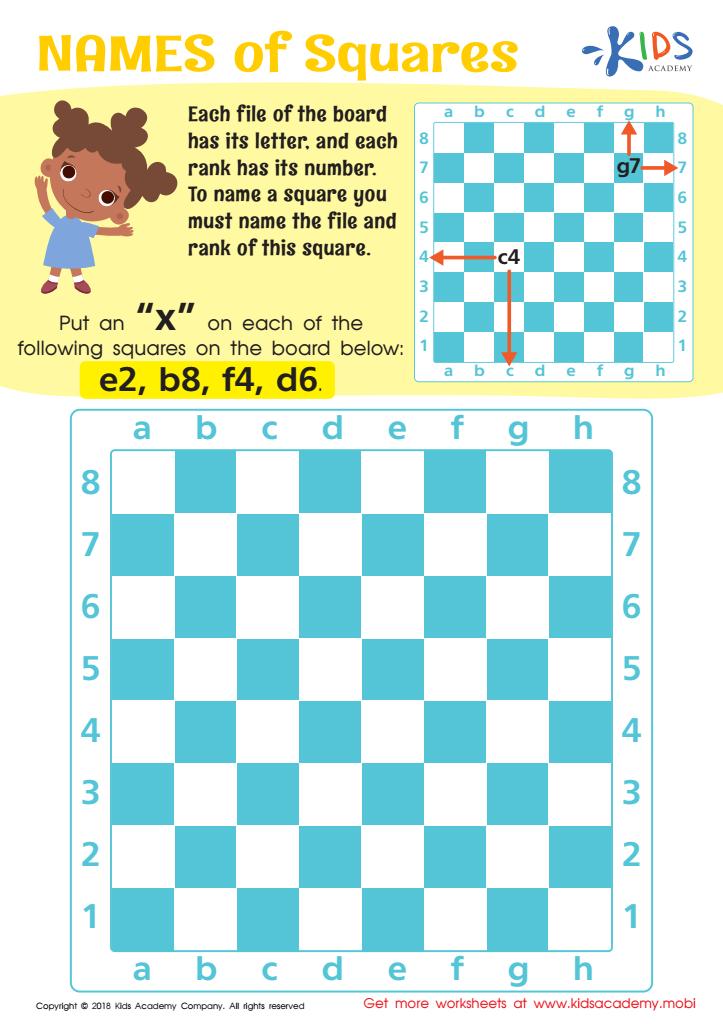
Names of Squares Worksheet

Fireman Worksheet
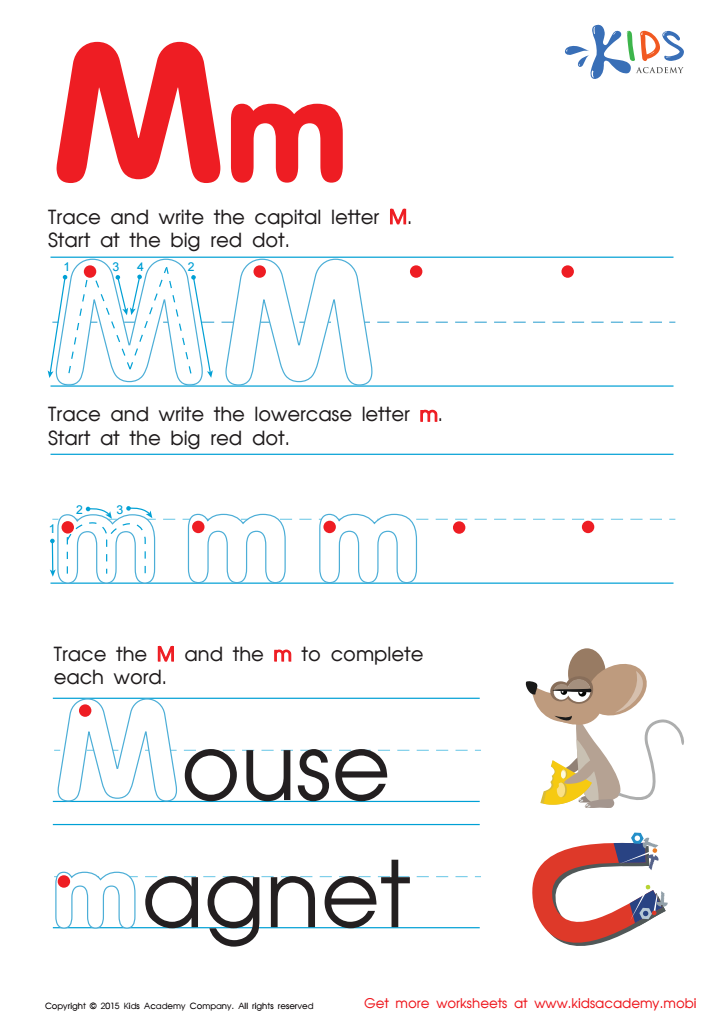
Letter M Tracing Page
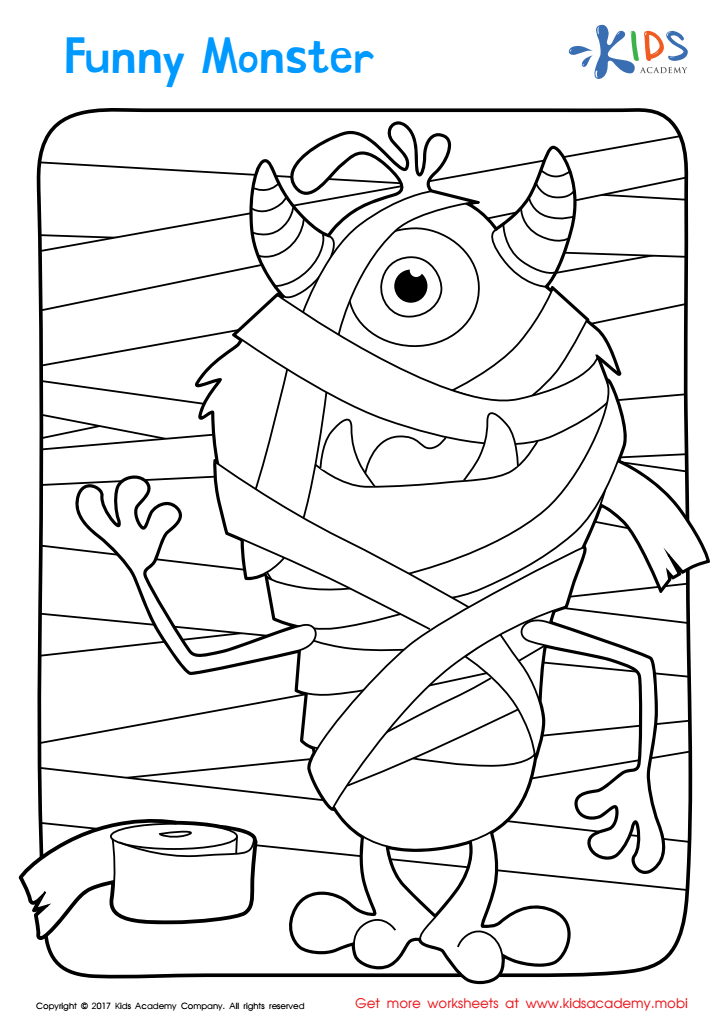
Halloween: A Funny Monster Worksheet
 Assign to My Students

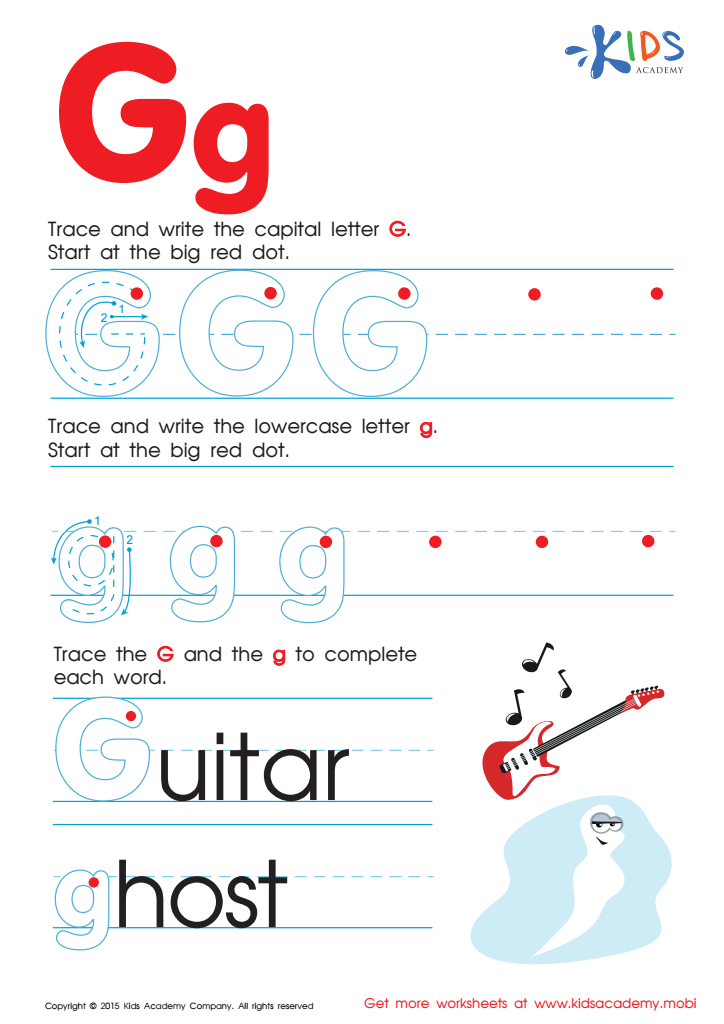
Letter G Tracing Page


Easter Holiday Printable
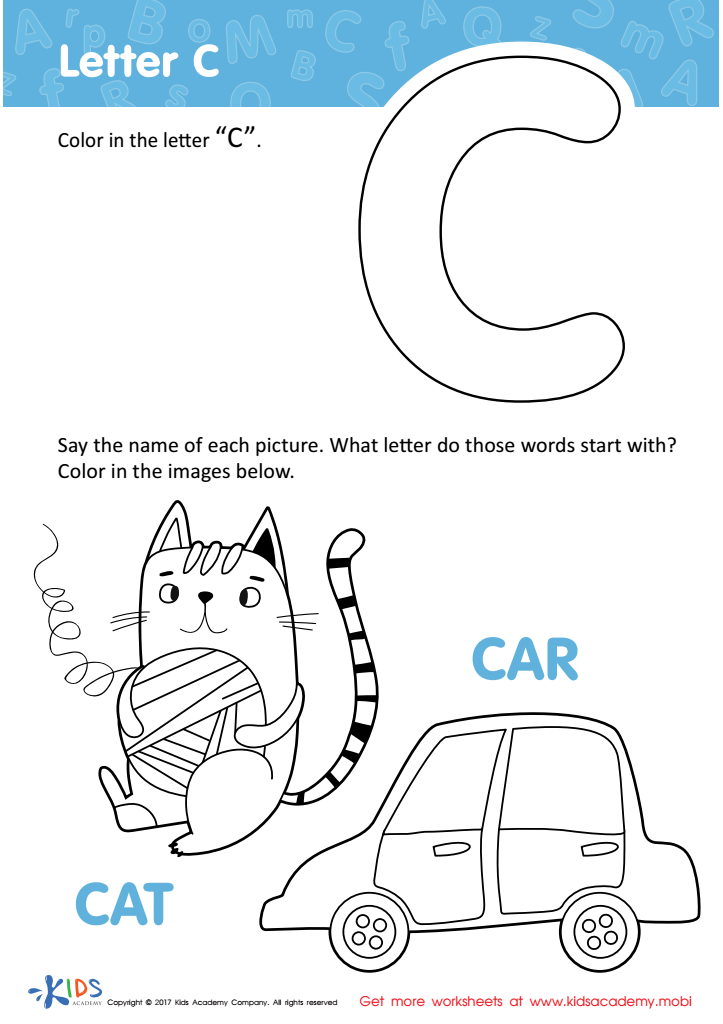
Letter C Coloring Sheet
Assign to My Students
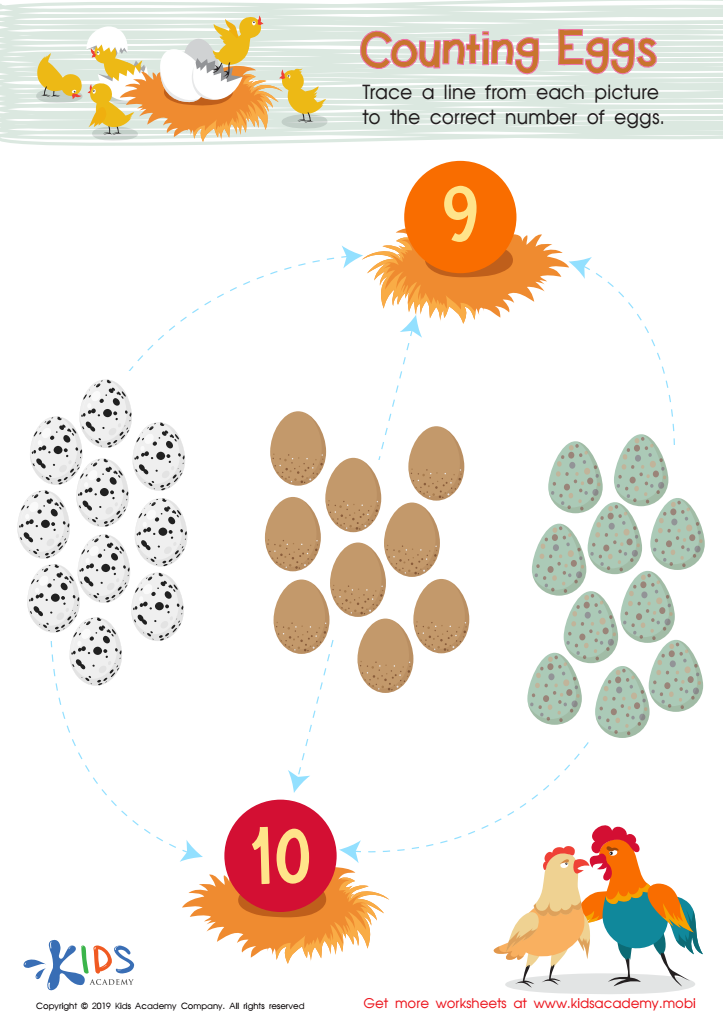
Counting Eggs Worksheet
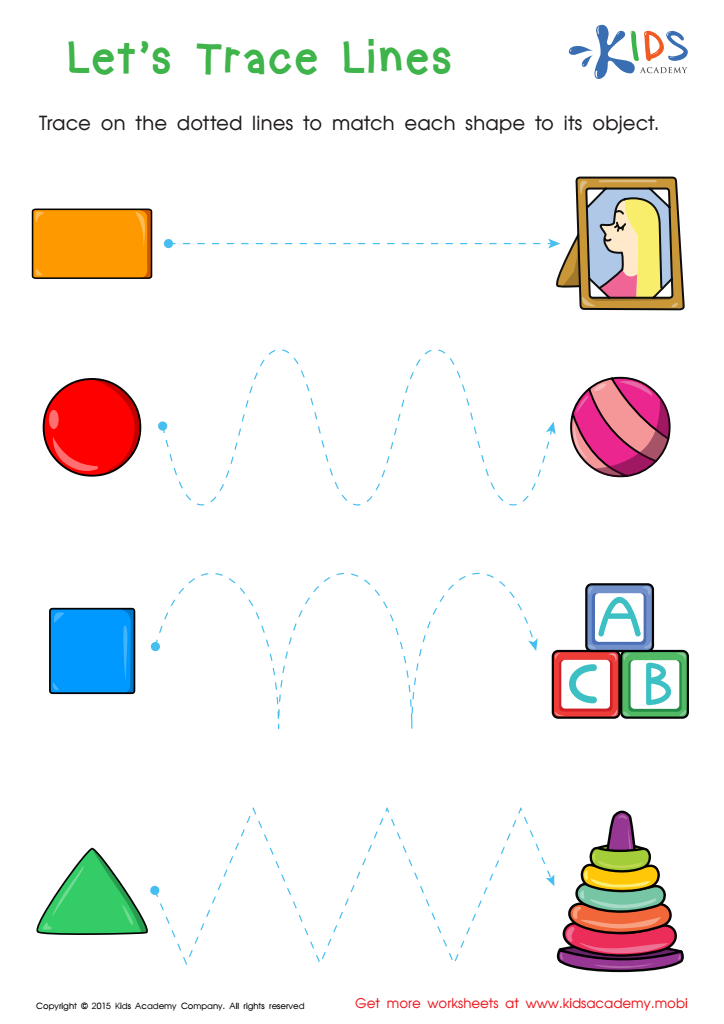
First Words: Let's Trace Lines Worksheet
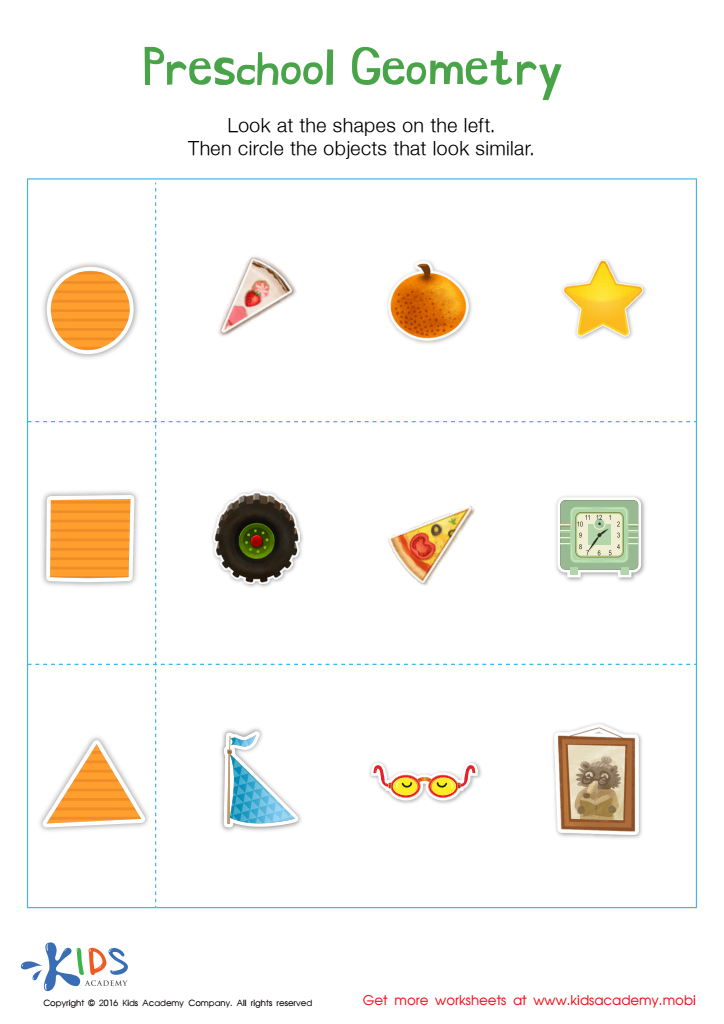
Preschool Geometry Match Up Worksheet

Sea Horses Printable
Assign to My Students
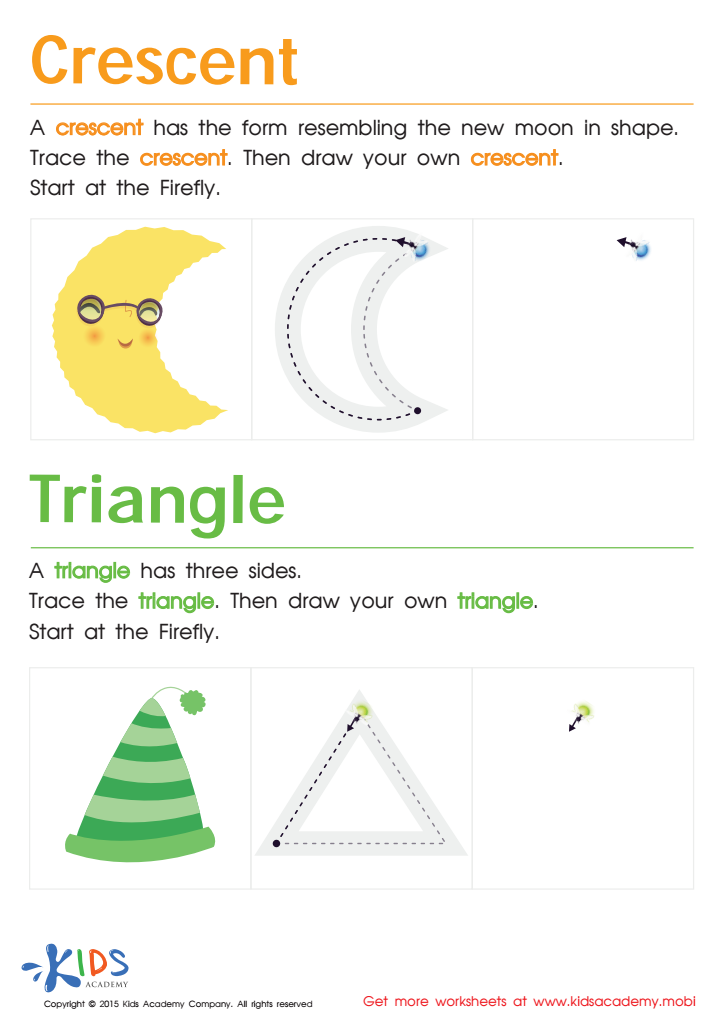
Learning to Draw Crescents And Triangles Worksheet
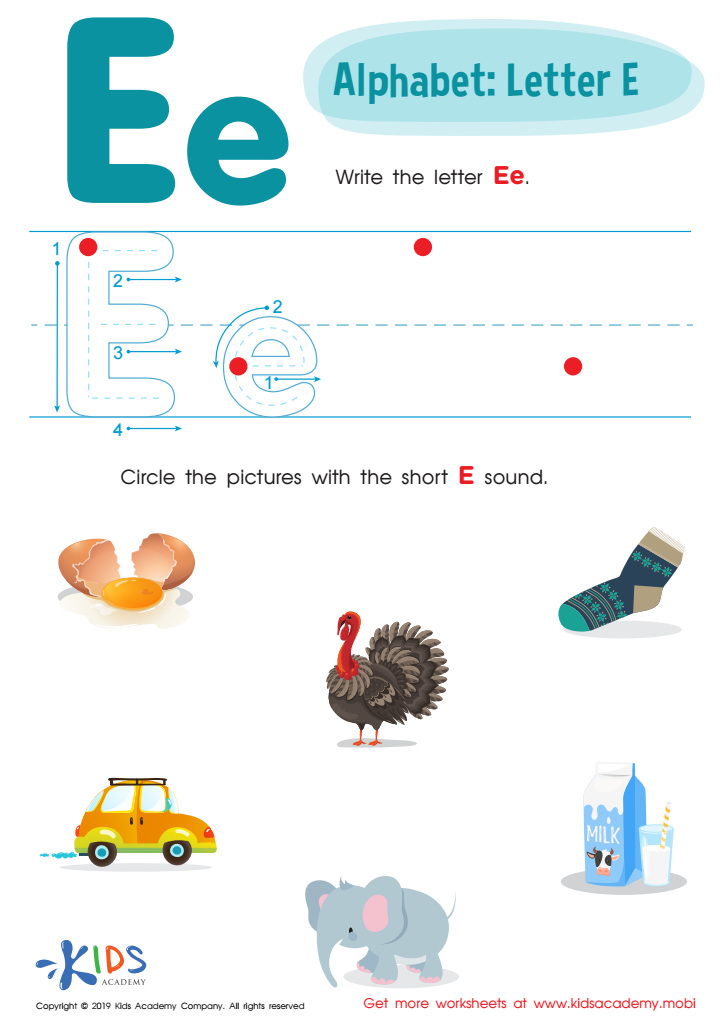
Letter E Tracing Worksheet
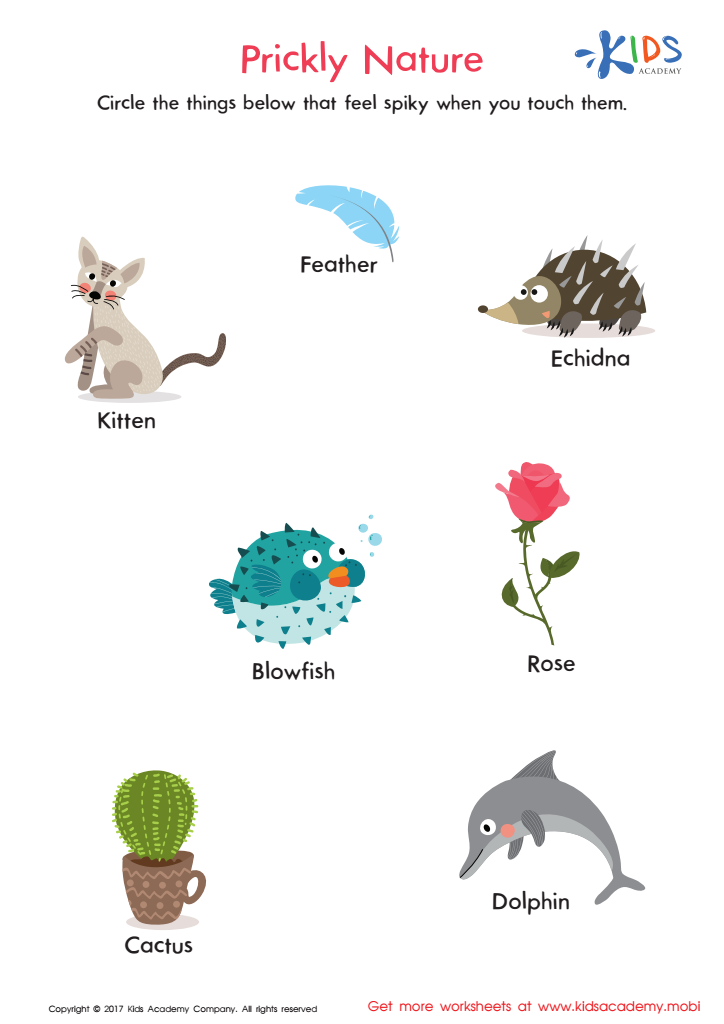
Prickly Nature Worksheet
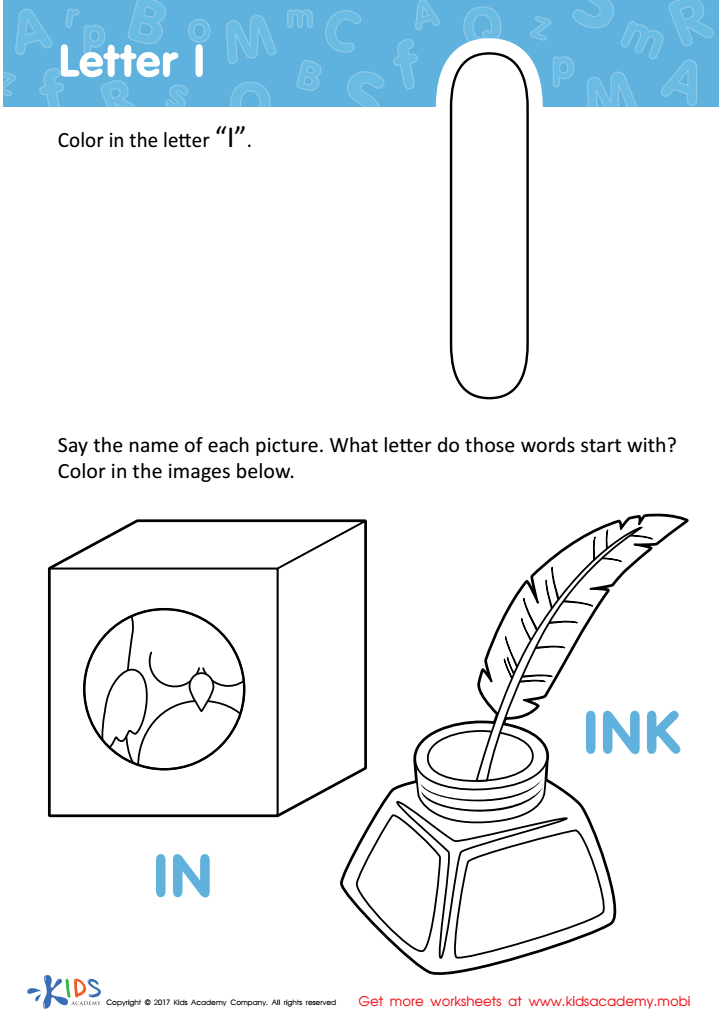
Letter I Coloring Sheet
Assign to My Students
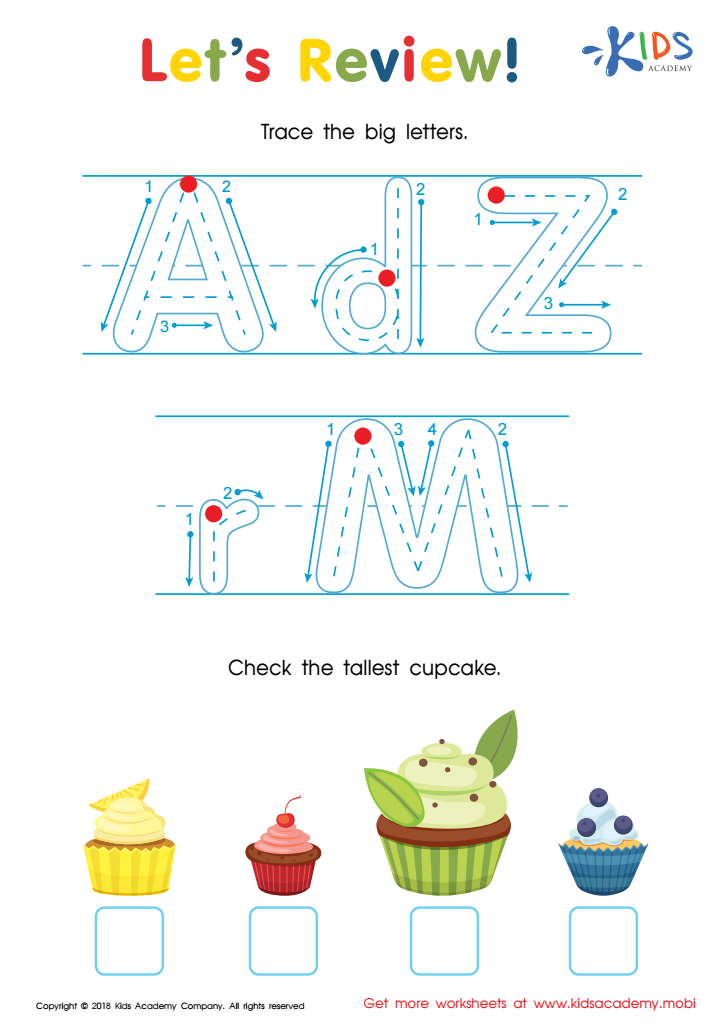
Let's Review! Big Letters Worksheet

Long and Short U Worksheet
Assign to My Students
The Wheels on the Bus Coloring Page
Assign to My Students
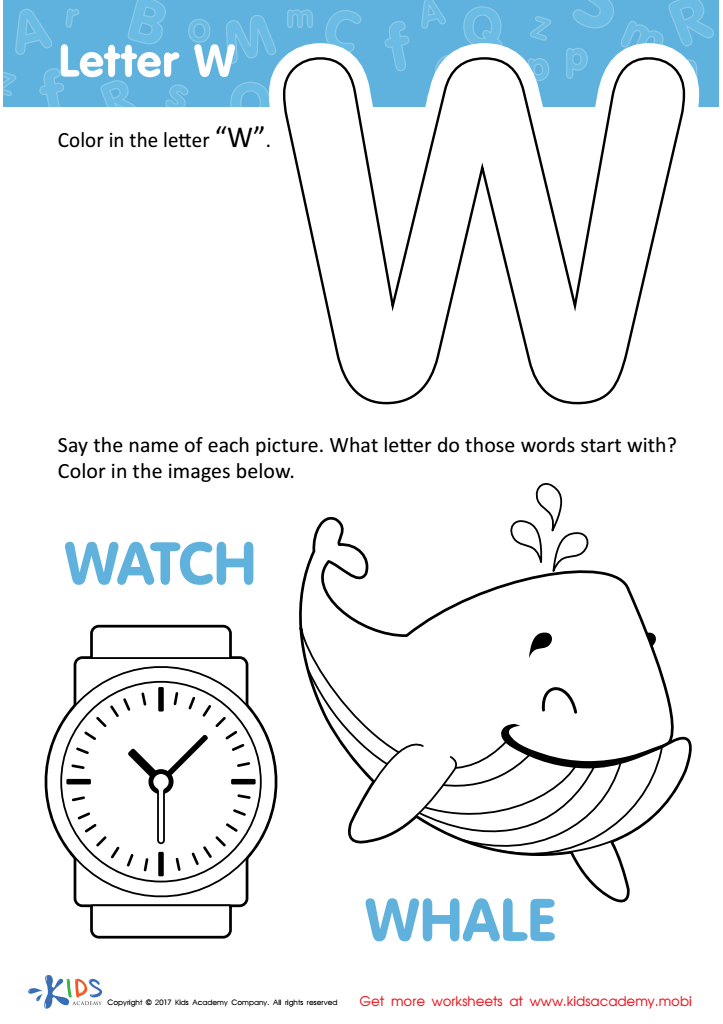
Letter W Coloring Sheet
Assign to My Students
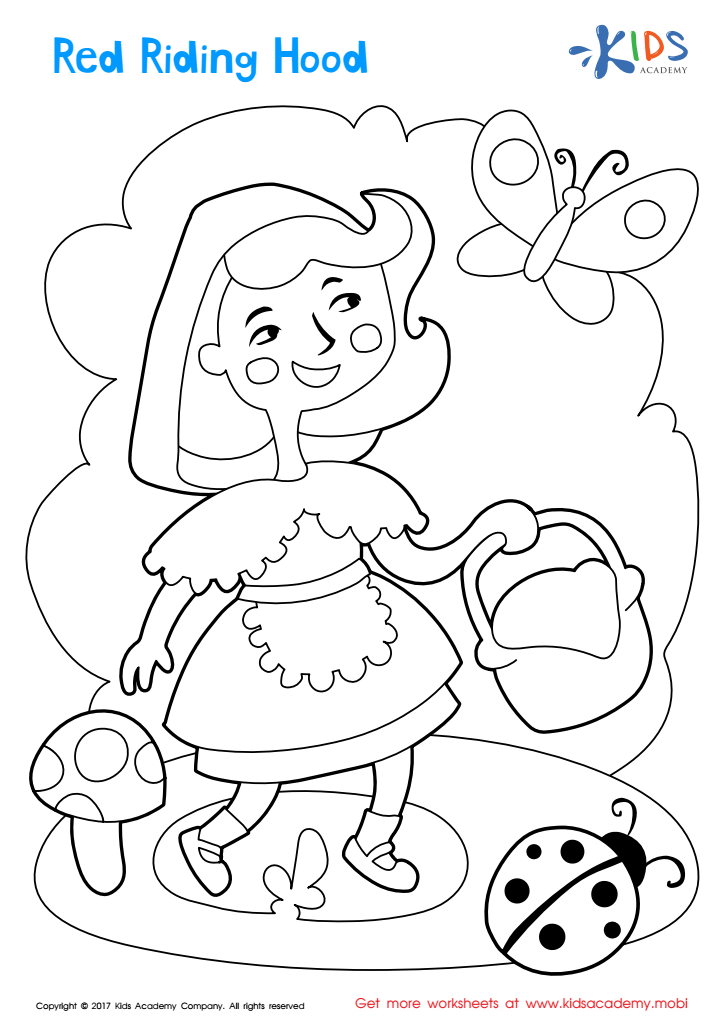
Red Riding Hood Coloring Page
Assign to My Students
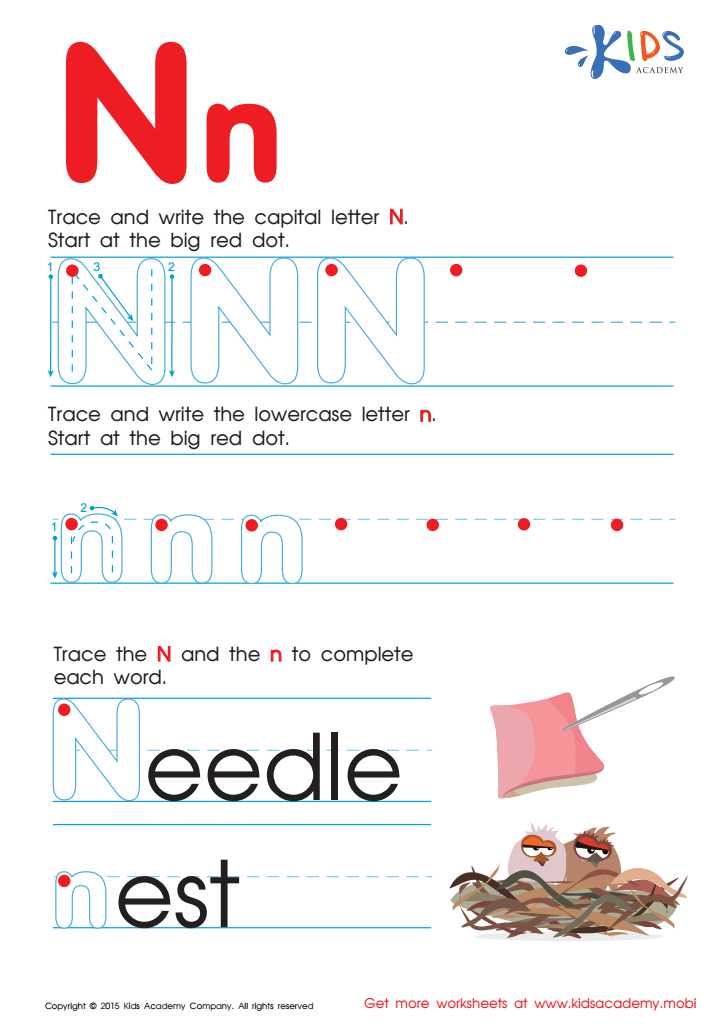
Letter N Tracing Page





.jpg)


Fine motor skills refer to the coordination between small muscles, like those in the hands and fingers, with the eyes. For a 3-year-old, developing fine motor skills is crucial because it lays the foundation for many essential activities they will engage in, both now and in the future. Parents and teachers should care about fine motor skills for several reasons.
Firstly, fine motor skills are fundamental for self-care tasks such as buttoning clothes, using utensils, and brushing teeth. Proficiency in these areas promotes independence, boosting the child's self-esteem and confidence.
Secondly, these skills are vital for academic readiness. As children grow, they will need to hold pencils correctly, cut with scissors, and manage other classroom tasks that require dexterity. Early practice ensures they are better prepared for the structured learning environment of preschool or kindergarten.
Additionally, developing fine motor skills enhances cognitive and neurological development. Activities that build these skills, like drawing, building with blocks, or manipulating small objects, often involve problem-solving and critical thinking, helping to foster other areas of mental development.
Neglecting fine motor skill development can lead to delays that may affect a child’s ability to perform tasks efficiently, impacting their learning and overall development. Hence, it's important for parents and teachers to nurture these skills from an early age to support holistic early childhood growth.








