Vocabulary Building Normal Worksheets for 3-Year-Olds
12 filtered results
-
From - To
Our "Vocabulary Building Normal Worksheets for 3-Year-Olds" are designed to make language learning engaging and fun for your little ones. These printable worksheets feature a variety of colorful activities, including matching pictures with words, identifying everyday objects, and simple word games. By using our expertly crafted worksheets, your child will develop essential vocabulary skills, enhance their understanding of the world around them, and gain confidence in their language abilities. Perfect for both preschool settings and home learning, these resources support early literacy in an interactive and delightful way. Start building a strong language foundation today!
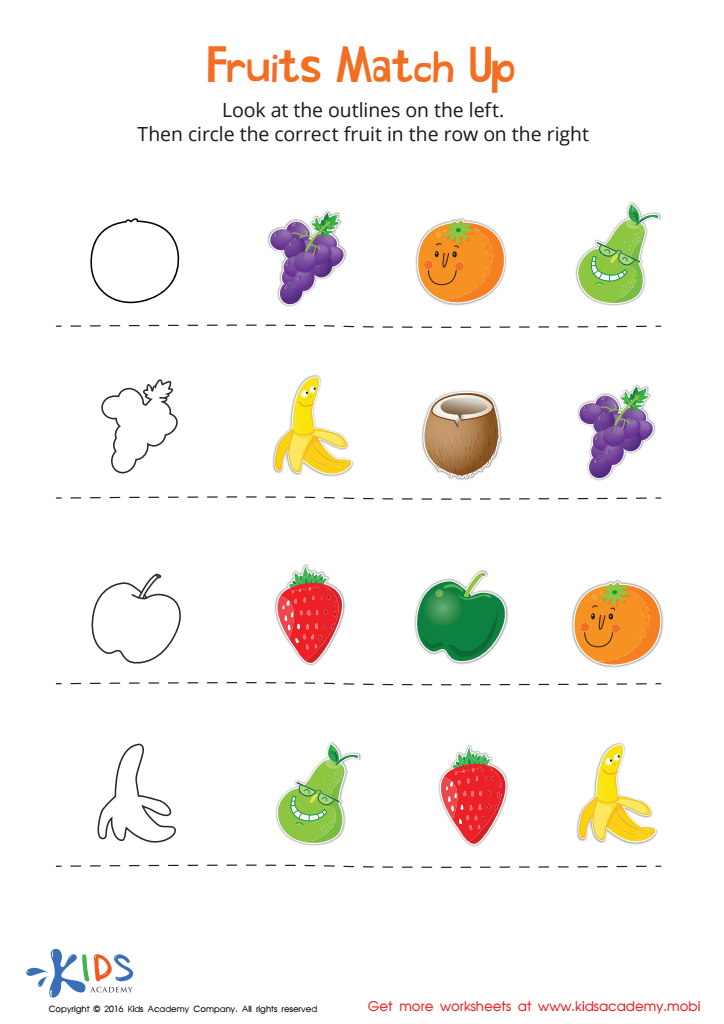
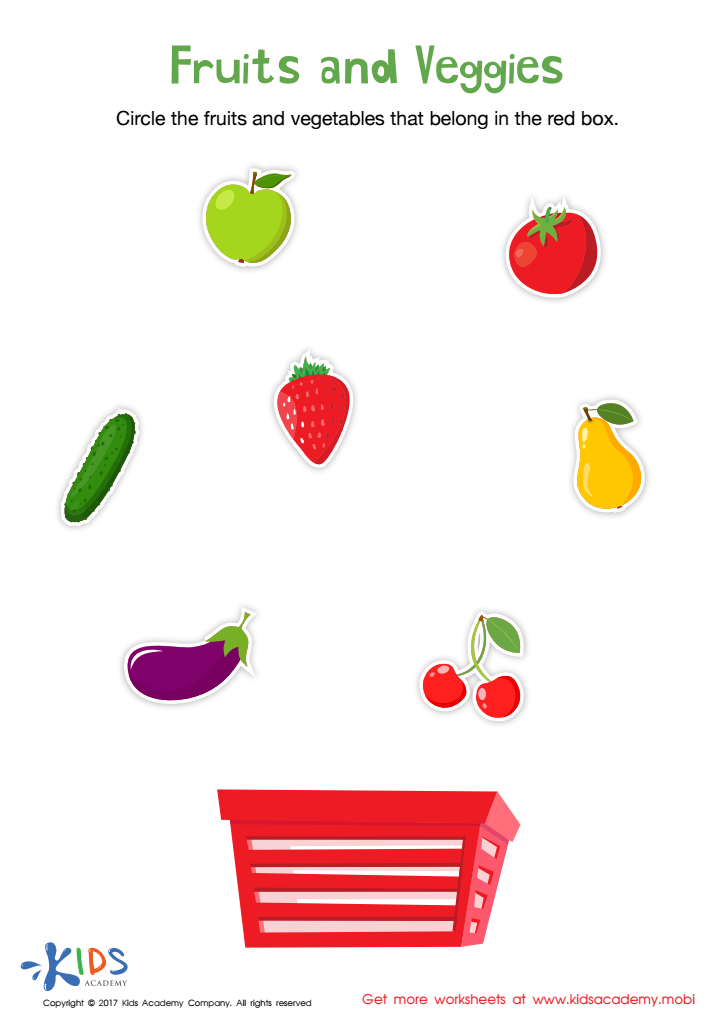
Fruits Match Up Worksheet
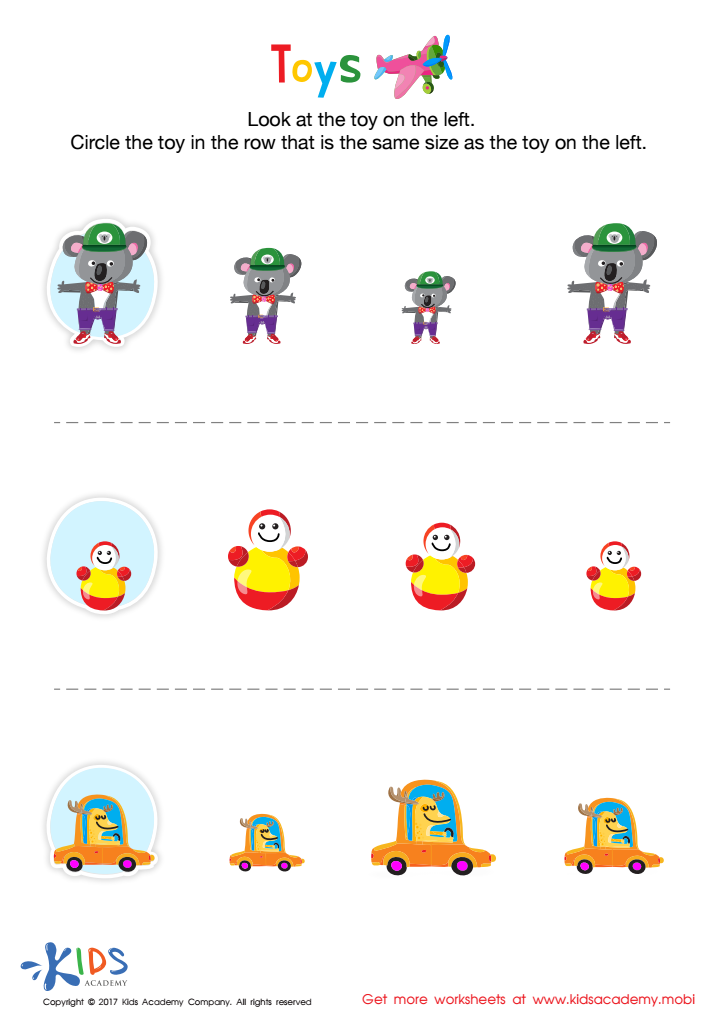
Matching: Classifying Toys by Size Worksheet
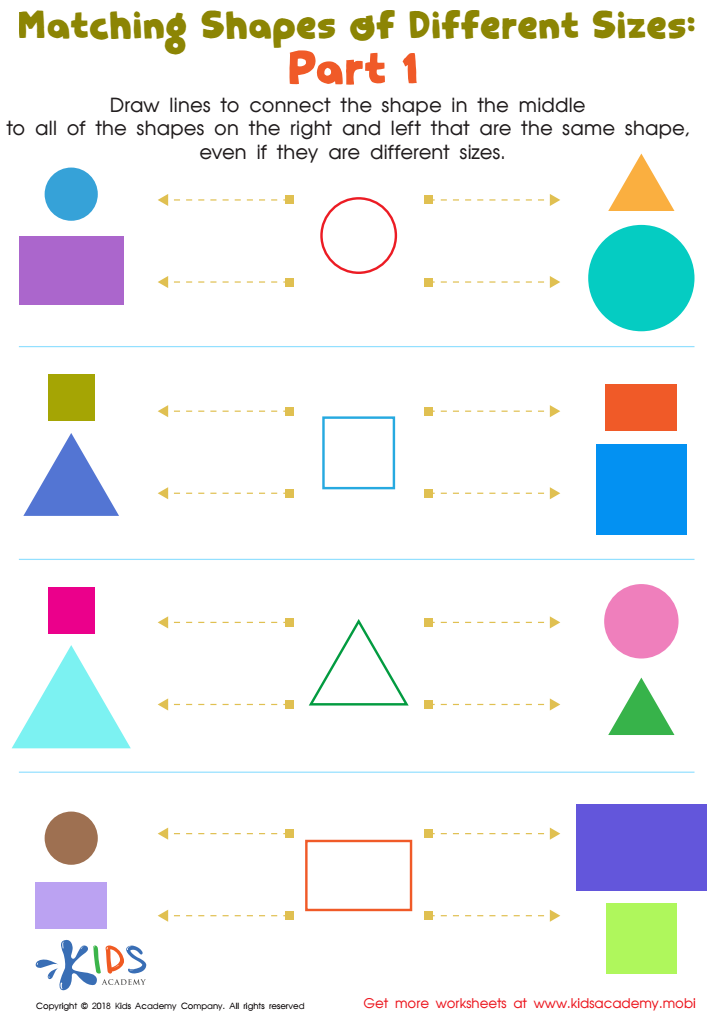
Geometry: part 1 Worksheet
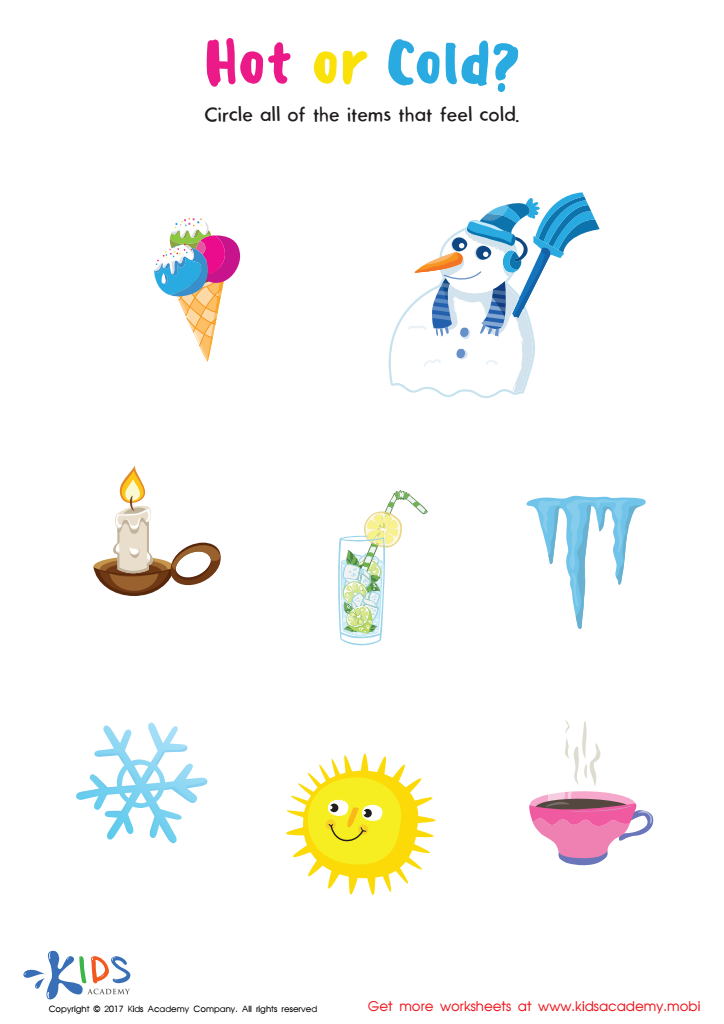
Hot or Cold Printable
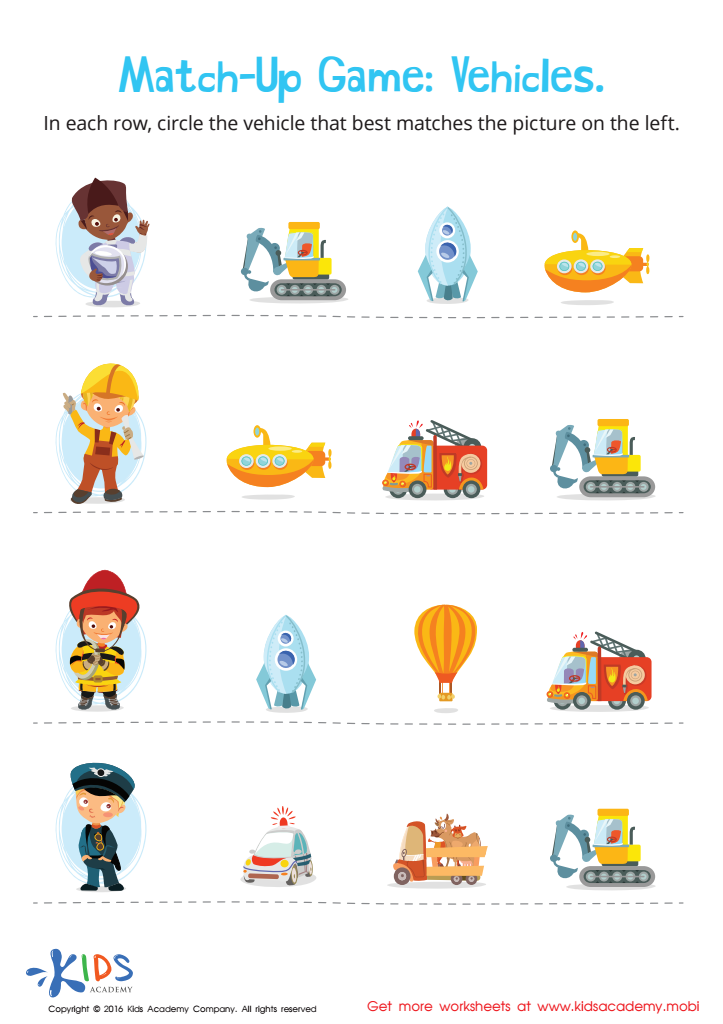
Vehicles Worksheet
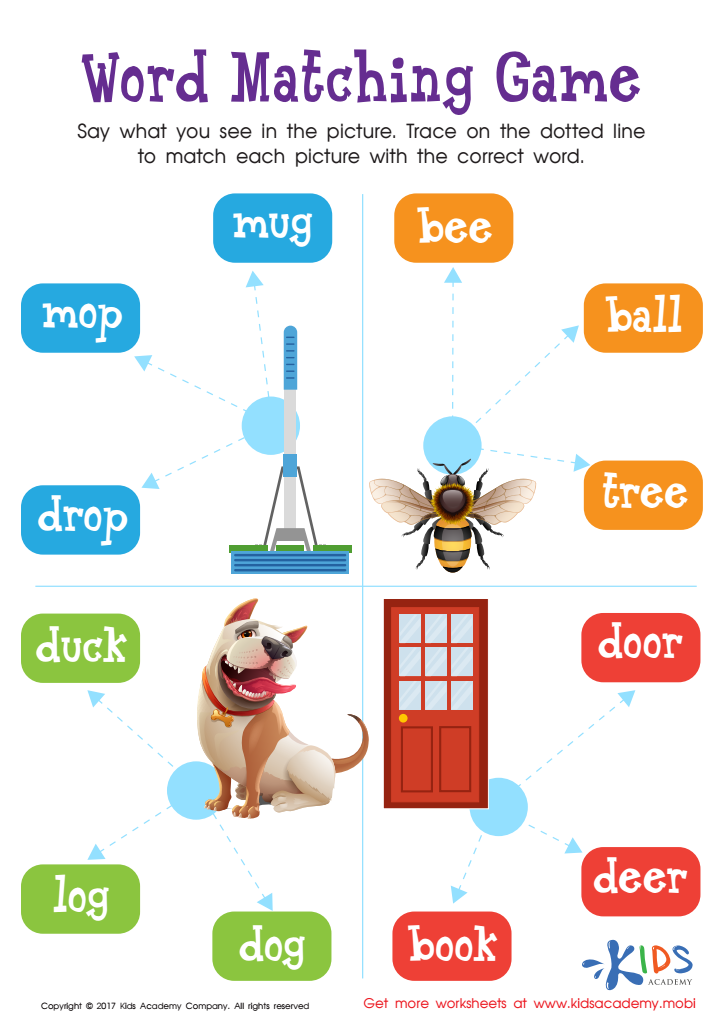
Word Matching Game Worksheet
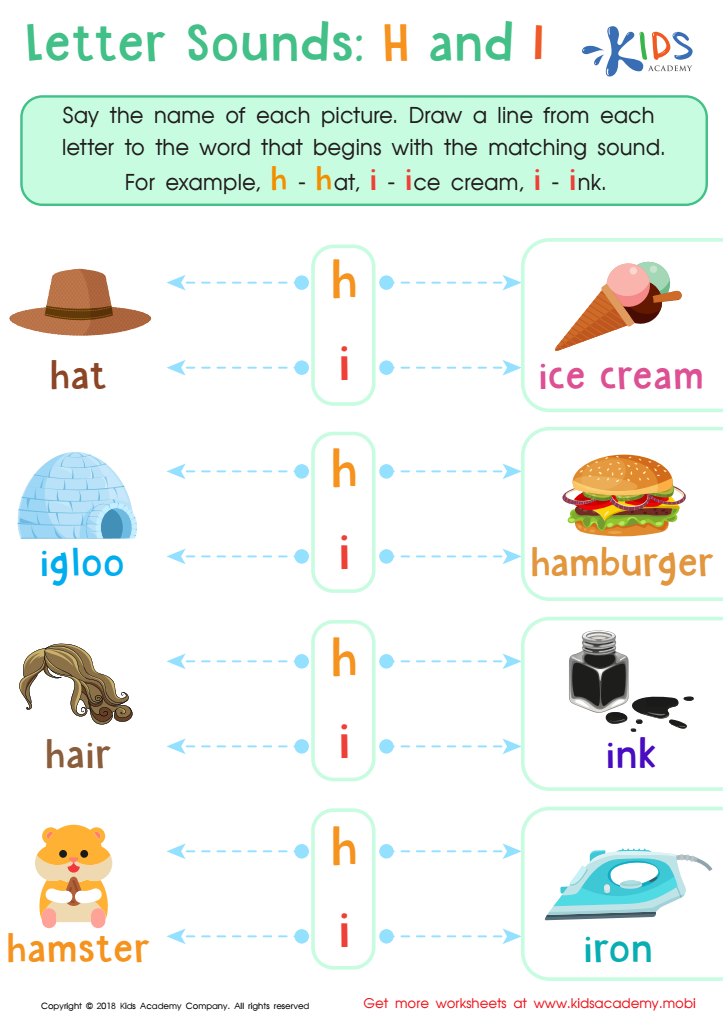
Letter H and I Sounds Worksheet
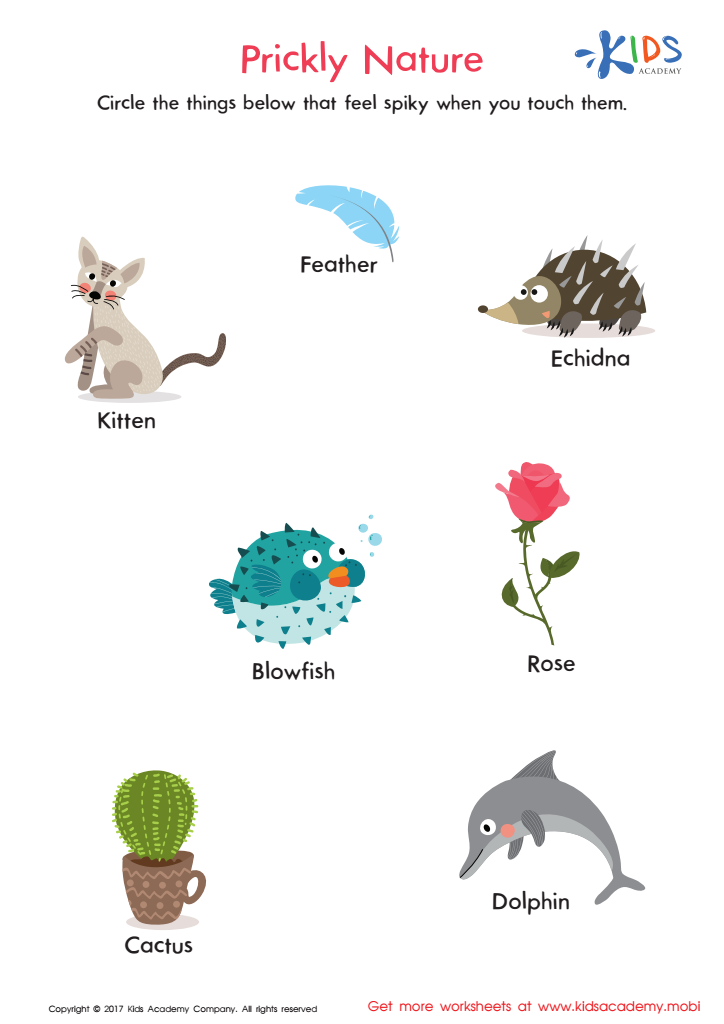
Prickly Nature Worksheet
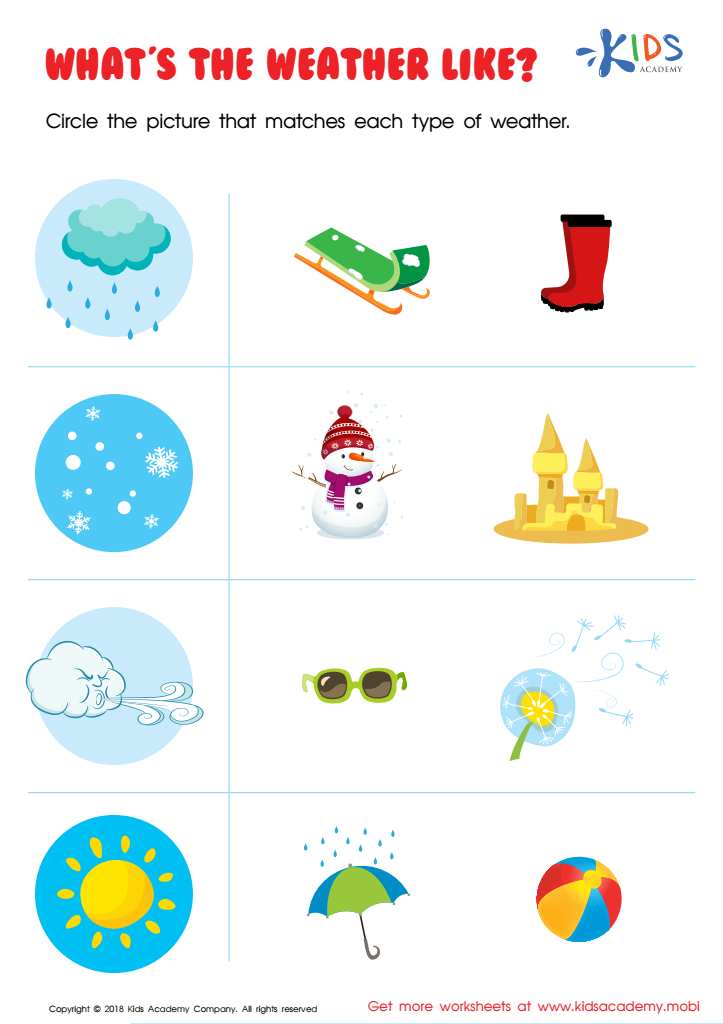
What's the Weather Like? Worksheet
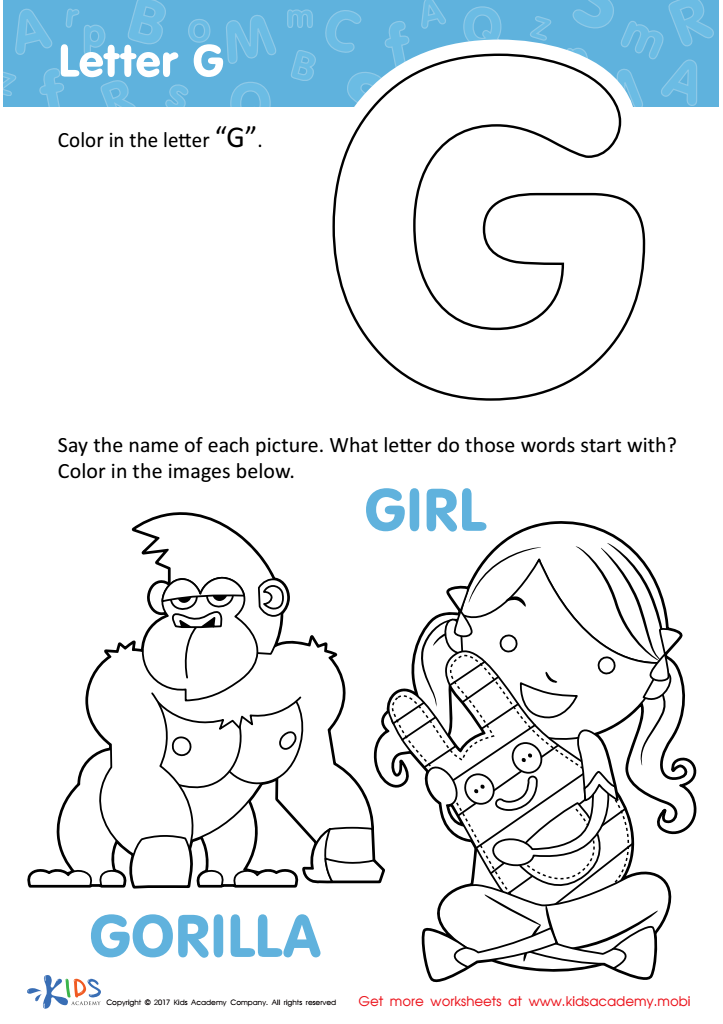
Letter G Coloring Sheet
 Assign to My Students
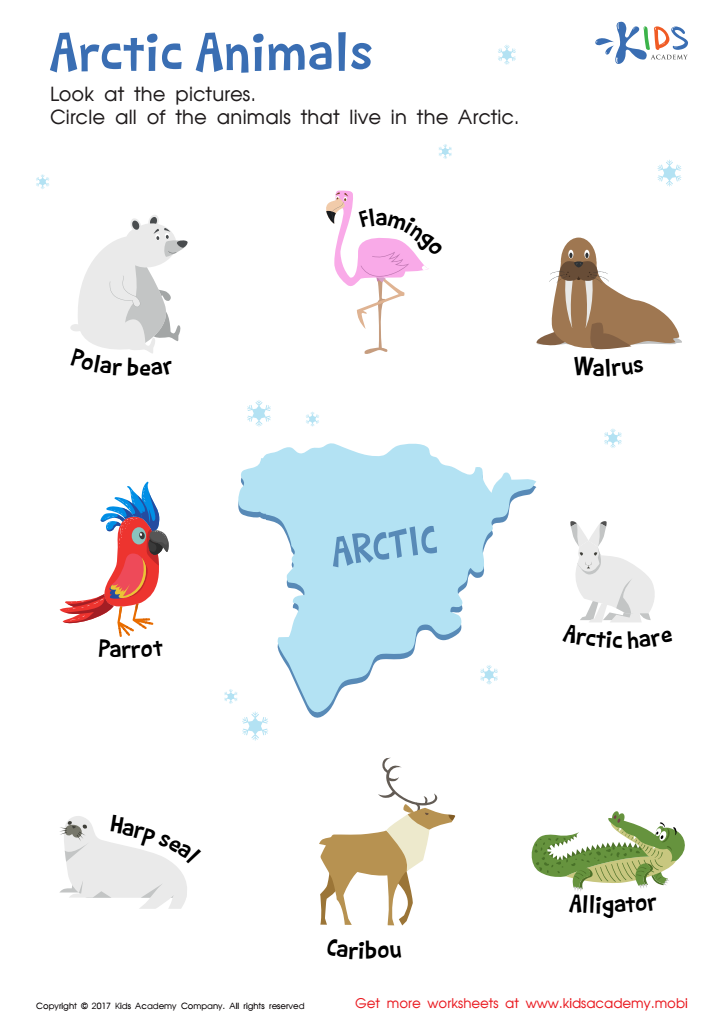
Arctic Animals Worksheet








Parents and teachers should prioritize vocabulary building for 3-year-olds because early language development is fundamental to a child's overall cognitive, social, and emotional growth. At this age, children are rapidly absorbing the world around them, and a rich vocabulary helps them understand and communicate more effectively. Enhancing vocabulary equips children with the tools needed for better comprehension, which is critical for future reading and academic success.
A well-developed vocabulary influences a child’s ability to express their thoughts, feelings, and needs, leading to improved social interactions and relationships. It supports better listening skills and fosters curiosity, as children with a broader vocabulary are more inclined to ask questions and engage in meaningful conversations.
Teaching young children new words also has neurodevelopmental benefits. It strengthens neural connections and promotes better memory and learning skills, laying a strong foundation for lifelong education. Moreover, a robust vocabulary can boost a child's confidence and self-esteem, encouraging a positive attitude towards learning.
By investing time in vocabulary building, parents and teachers help set the stage for a child's holistic development, making it easier for them to navigate various aspects of life, both in and out of the classroom. In essence, this early effort creates a stable groundwork for continued educational and personal growth.








