Problem-Solving Skills Normal Worksheets for Ages 4-6 - Page 3
73 filtered results
-
From - To
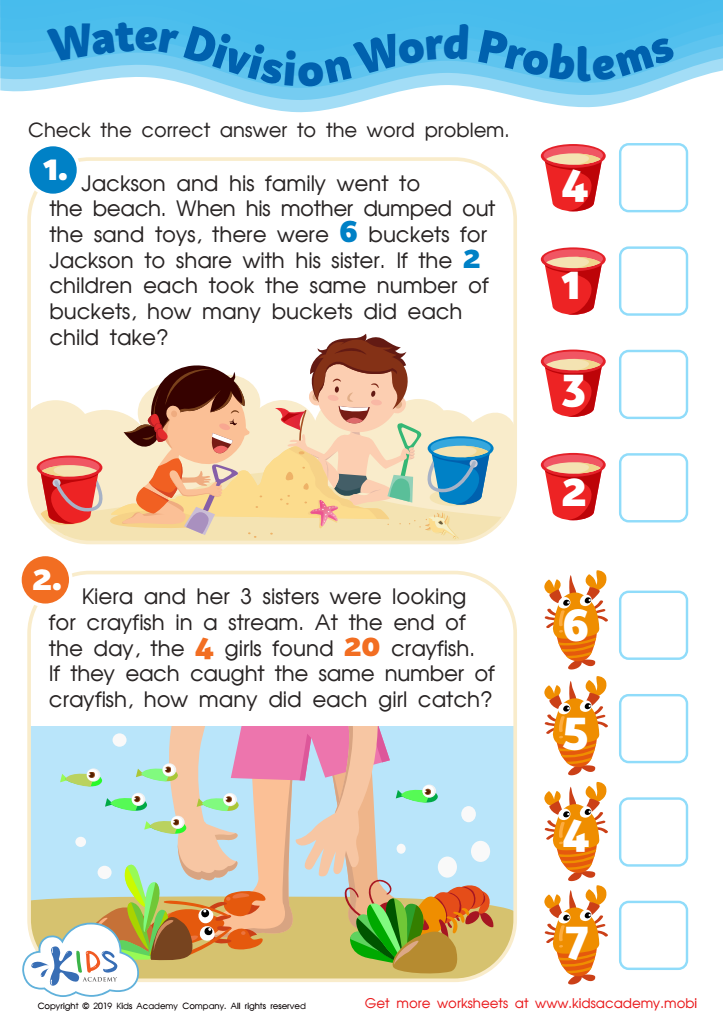
Water Division Word Problems Worksheet
 Assign to My Students
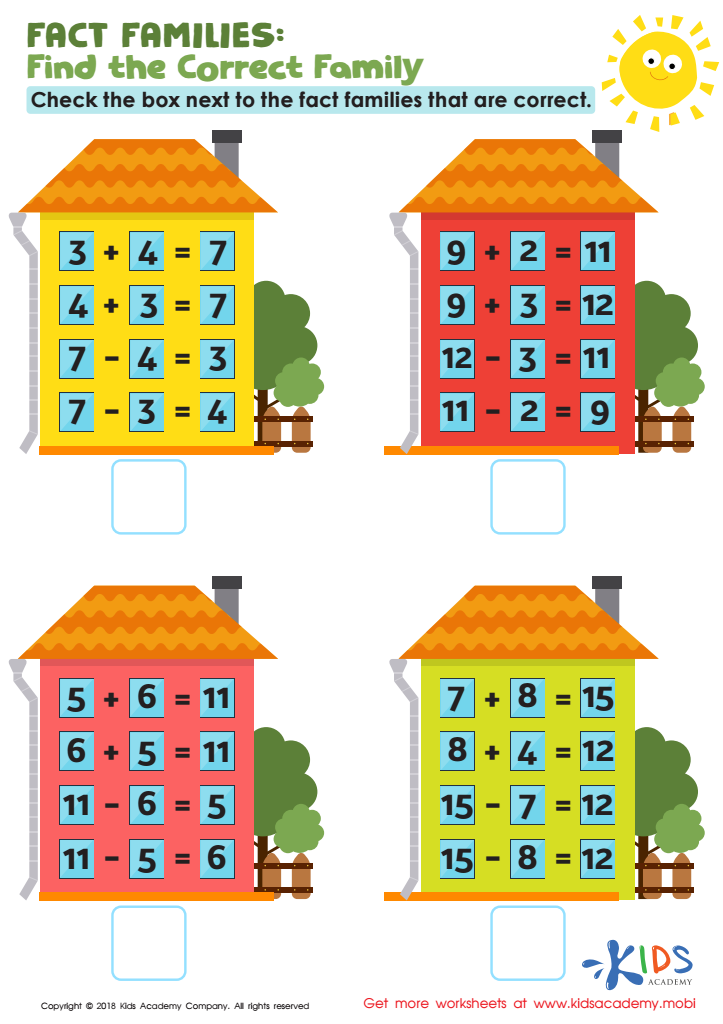
Fact Families: Find Correct Family Worksheet
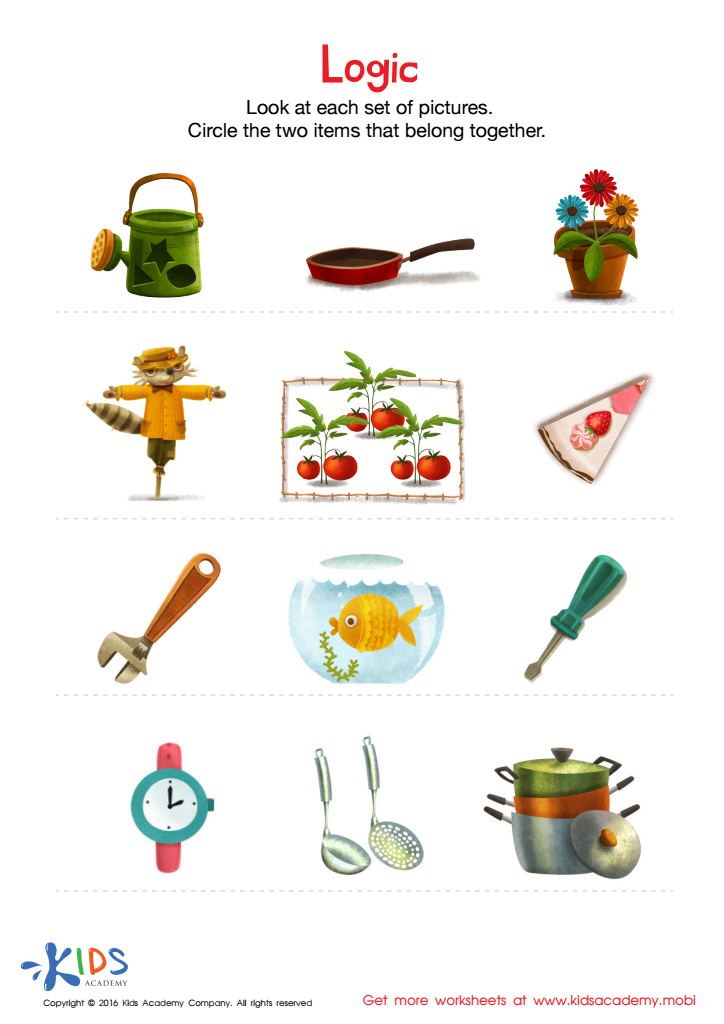
Logic Game Sorting Worksheet
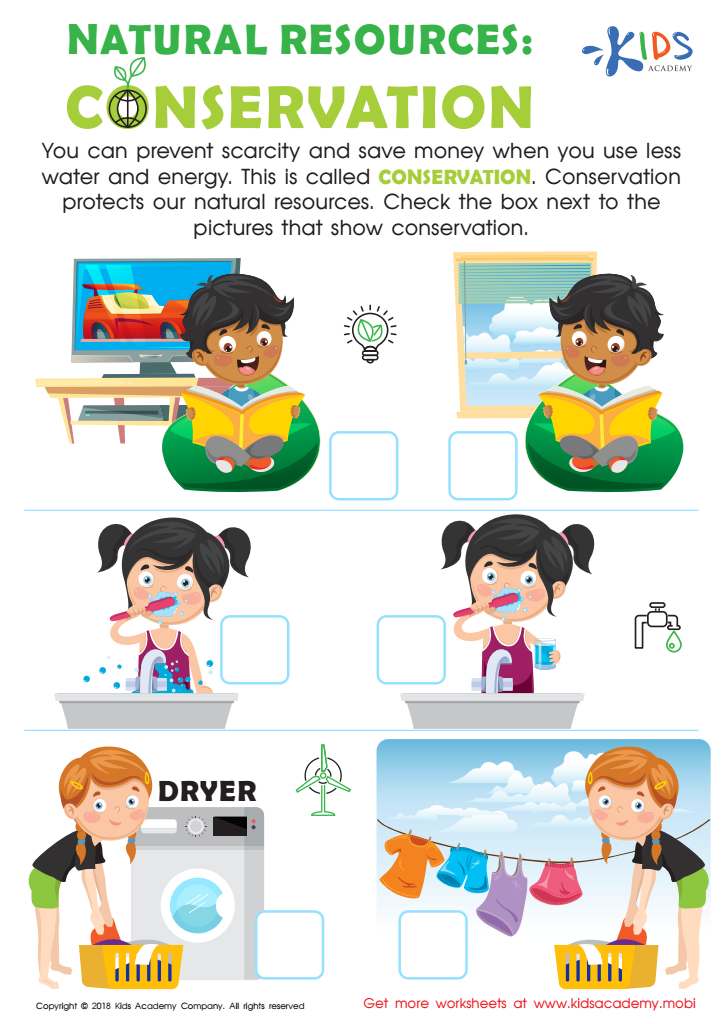
Natural Resources: Conservation Worksheet
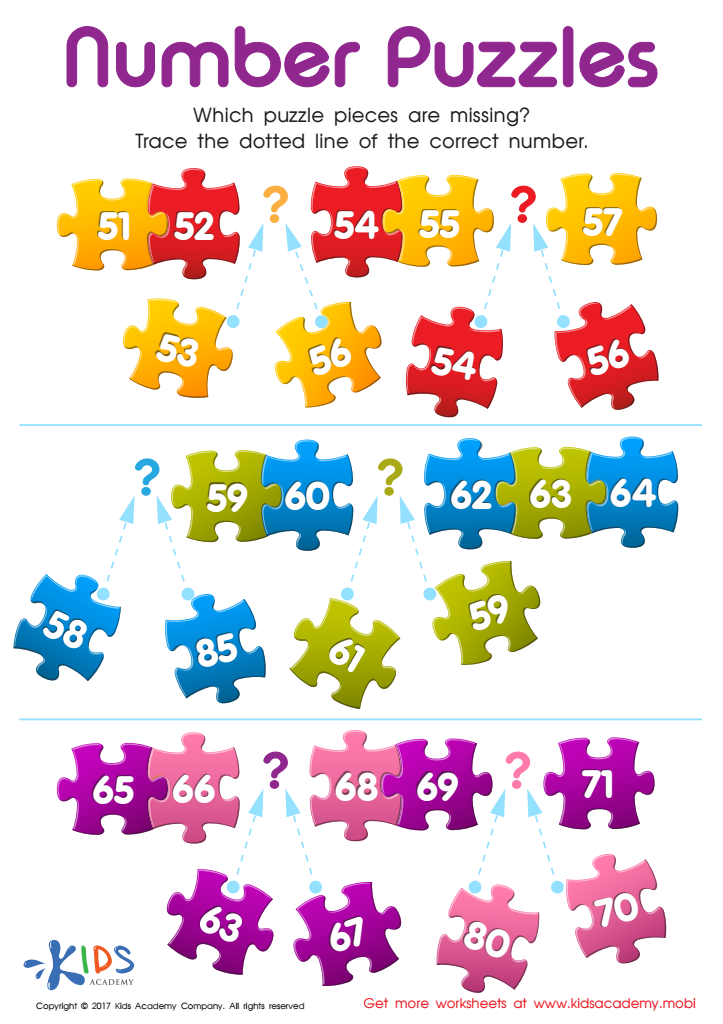
Number Puzzles Worksheet
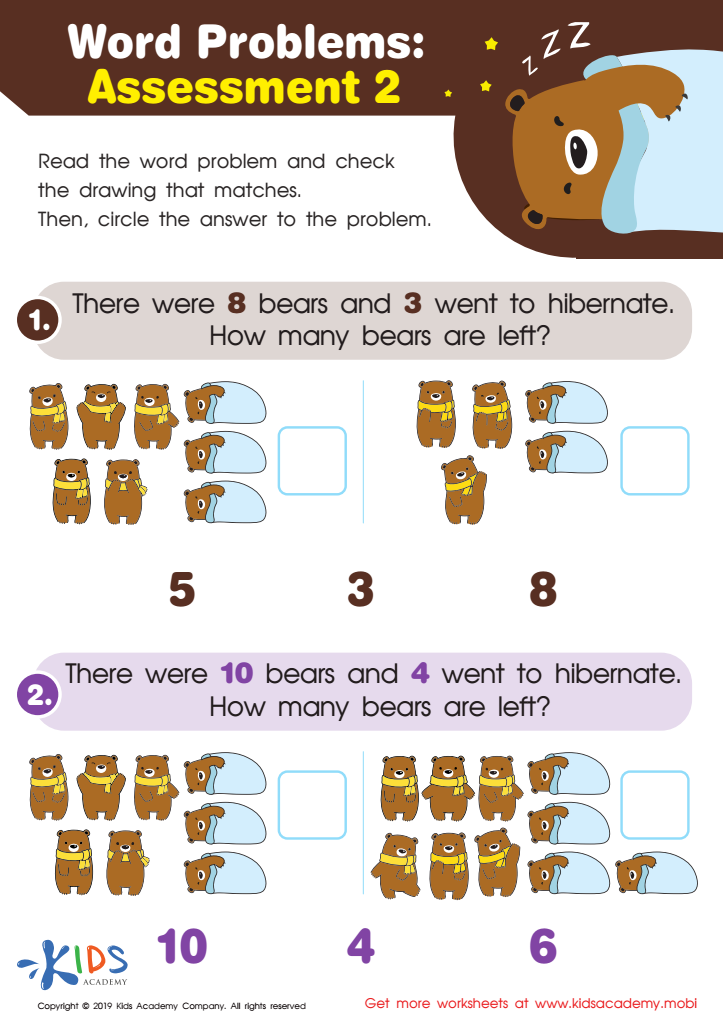
Word Problems: Assessment 2 Worksheet
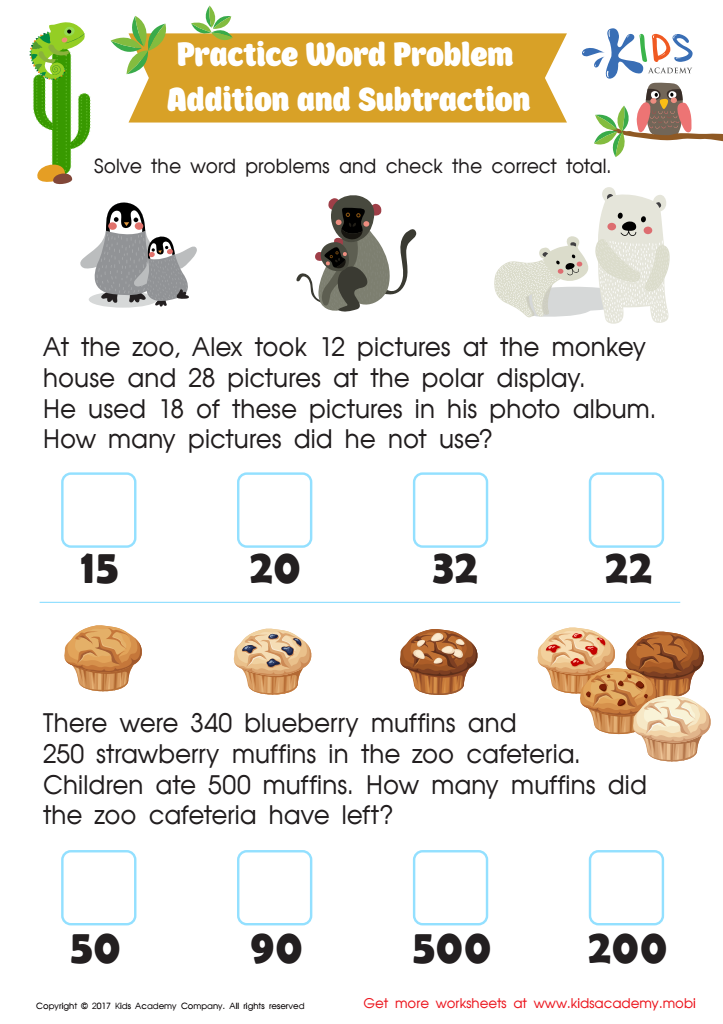
Addition and Subtraction: Word Problems Worksheet

Vegetable Gardens Worksheet
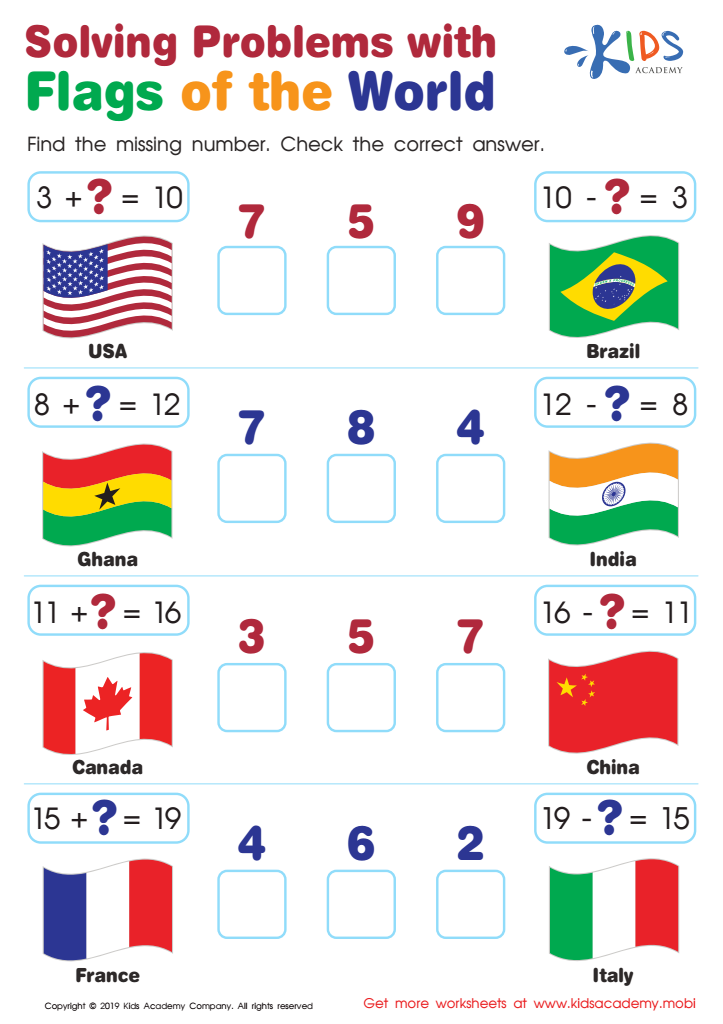
Solving Problems with Flags of the World Worksheet
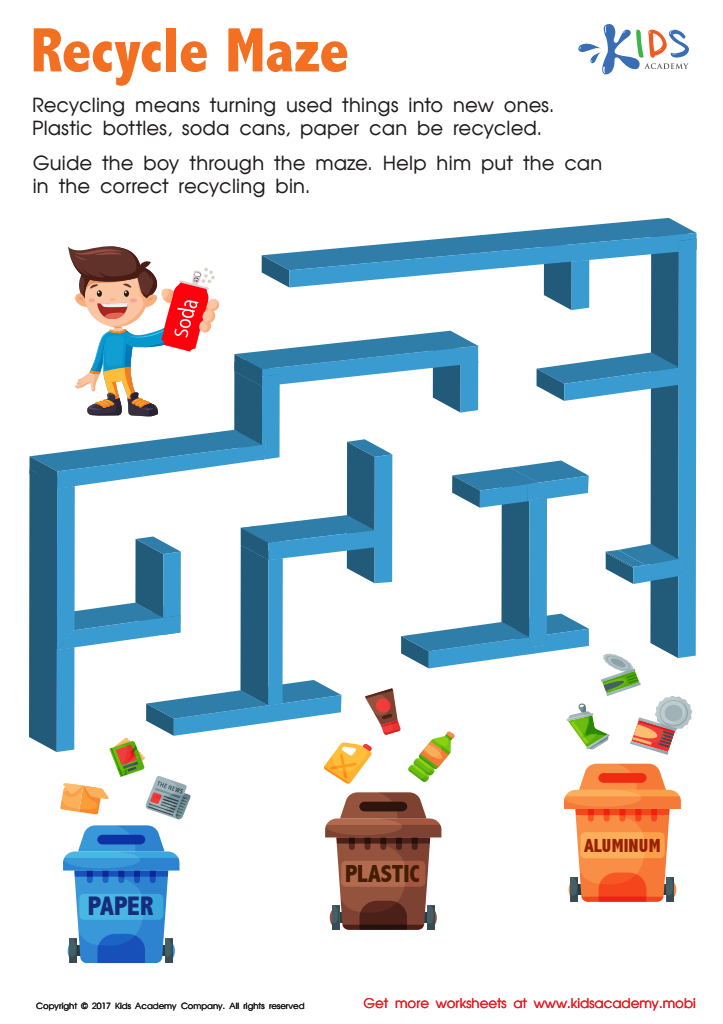
Recycle Maze Worksheet
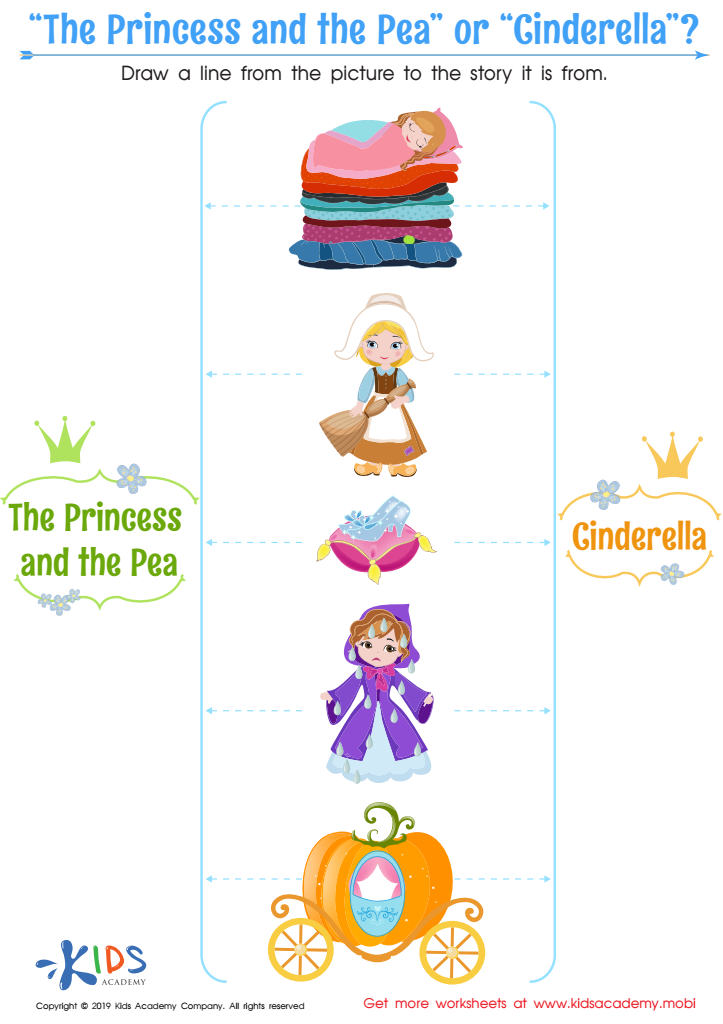
“The Princess and the Pea” or “Cinderella” Worksheet
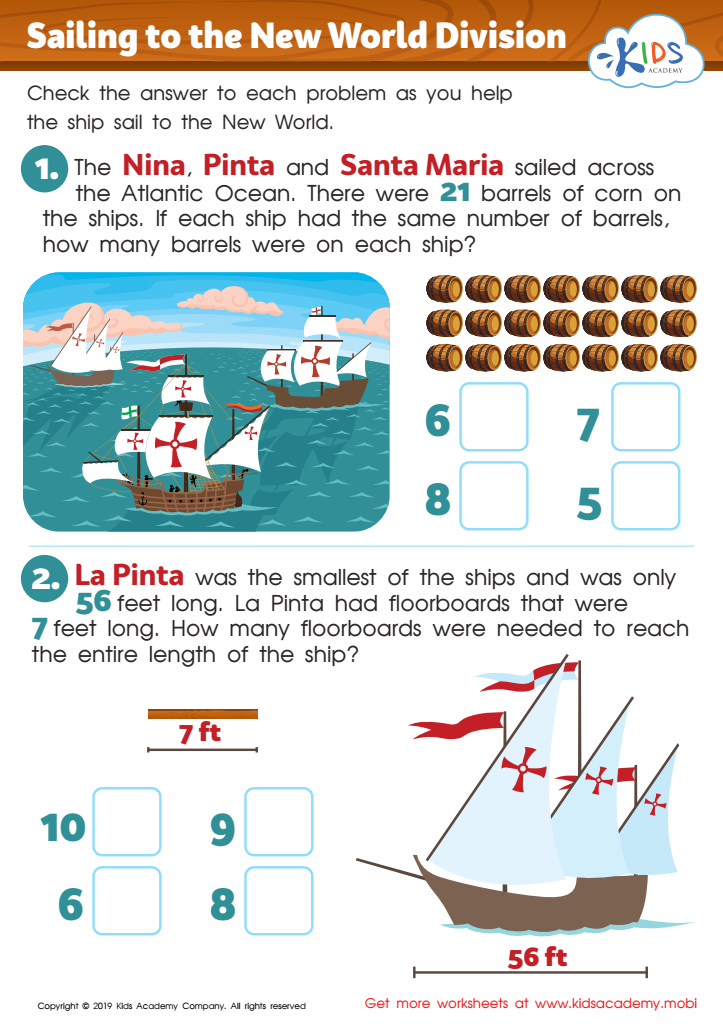
Sailing to the New World Division Worksheet

Towns Worksheet
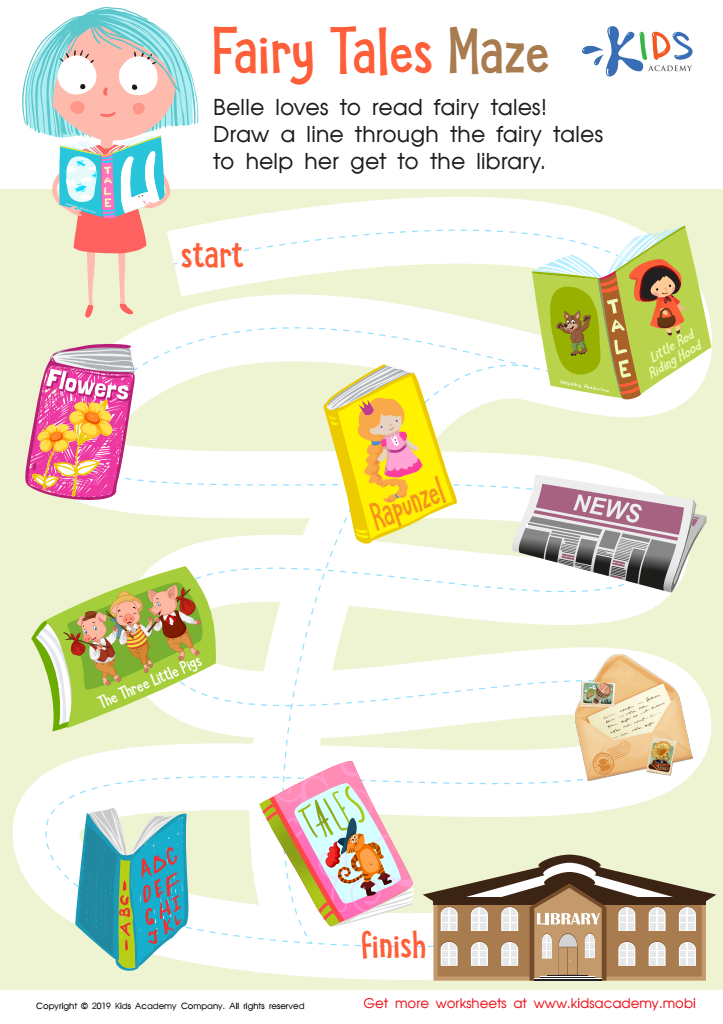
Fairy Tales Maze Worksheet


Take a Look - Part 1 Worksheet
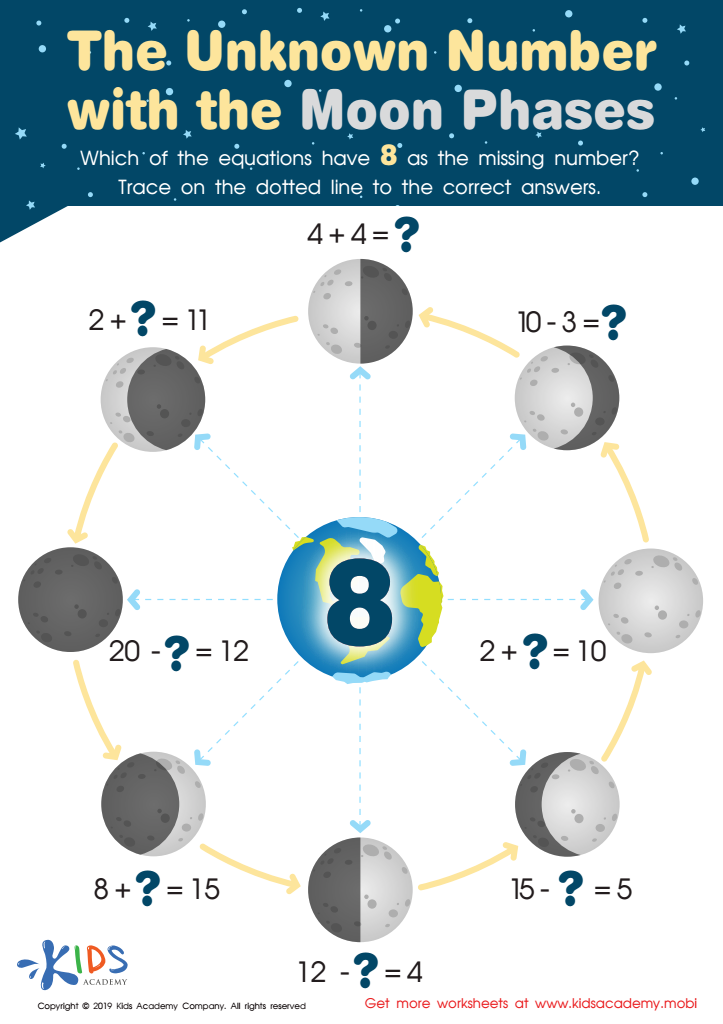
The Unknown Number with the Moon Phases Worksheet
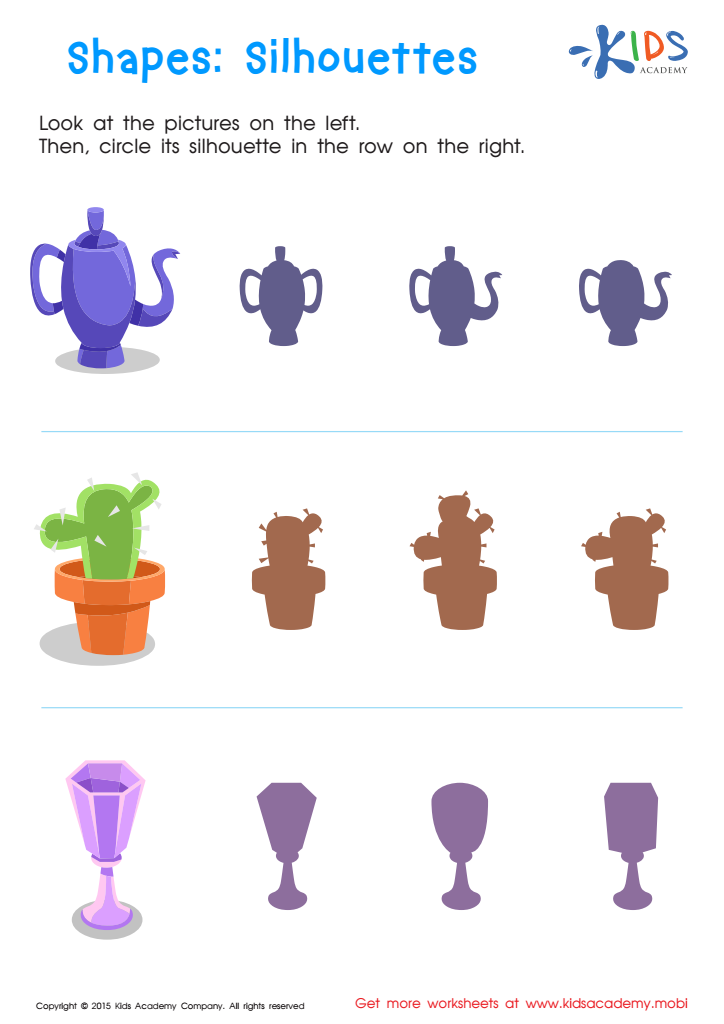
Silhouettes – Shapes Worksheet

Astronomer Maze: Telescope Worksheet

Shape Pattern Fun Worksheet
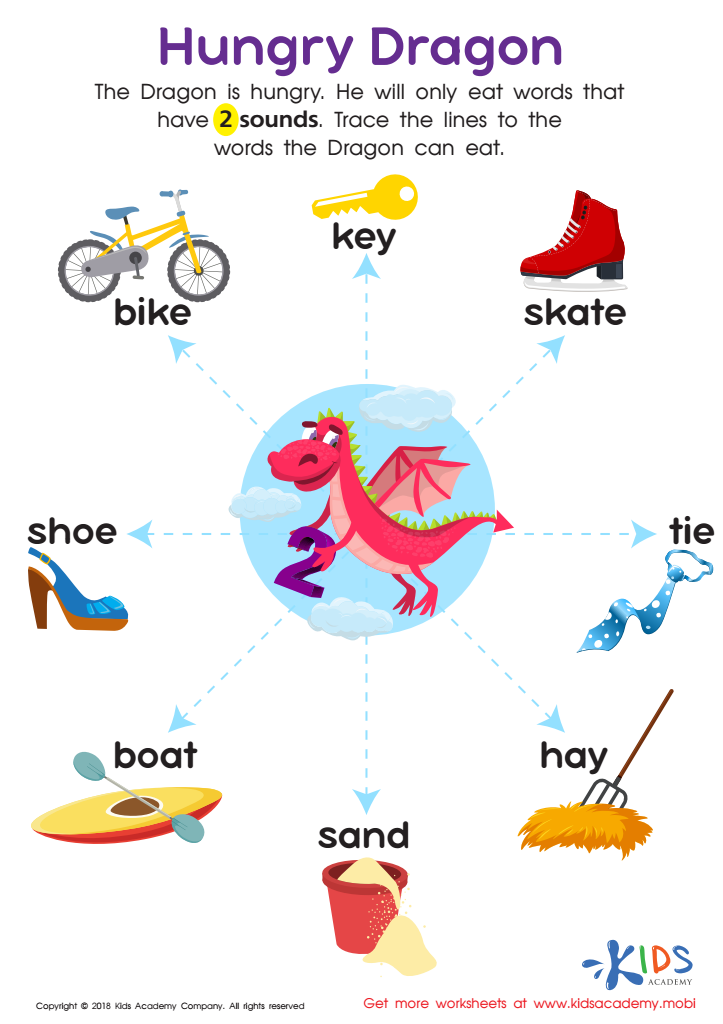
Hungry Dragon Worksheet
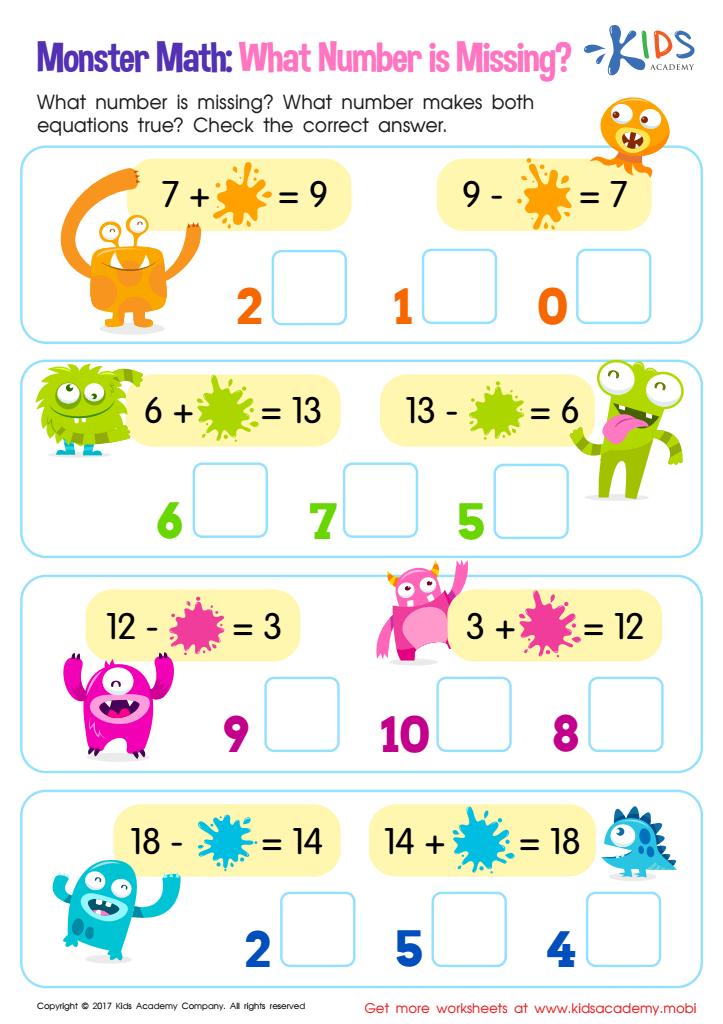
Missing Number: Monster Math Worksheet
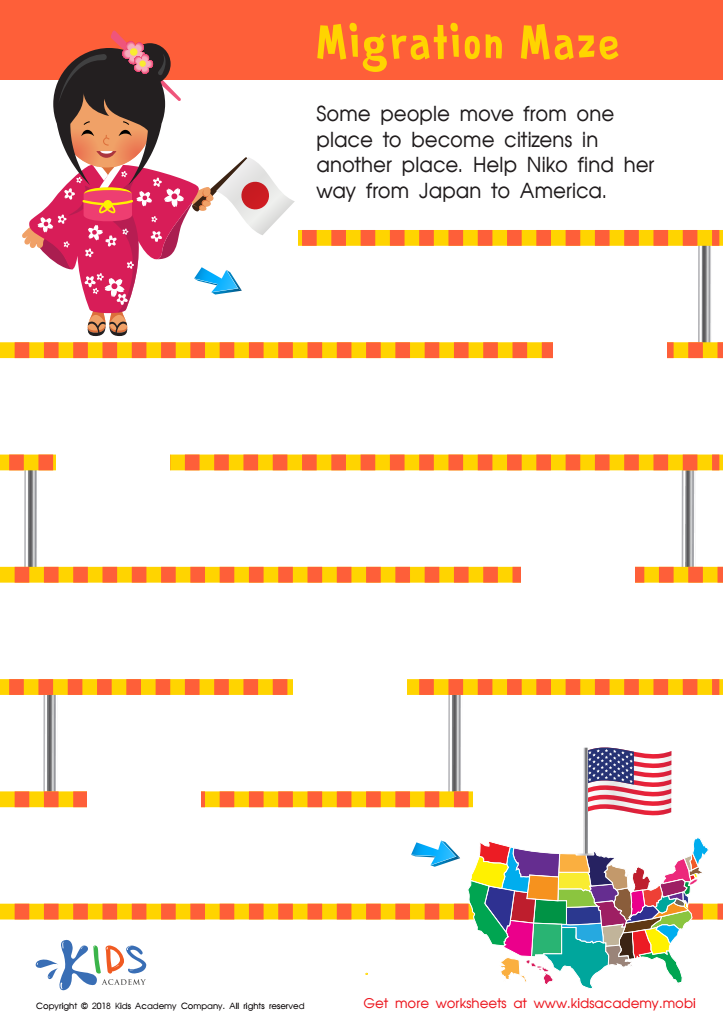
Migration Maze Worksheet
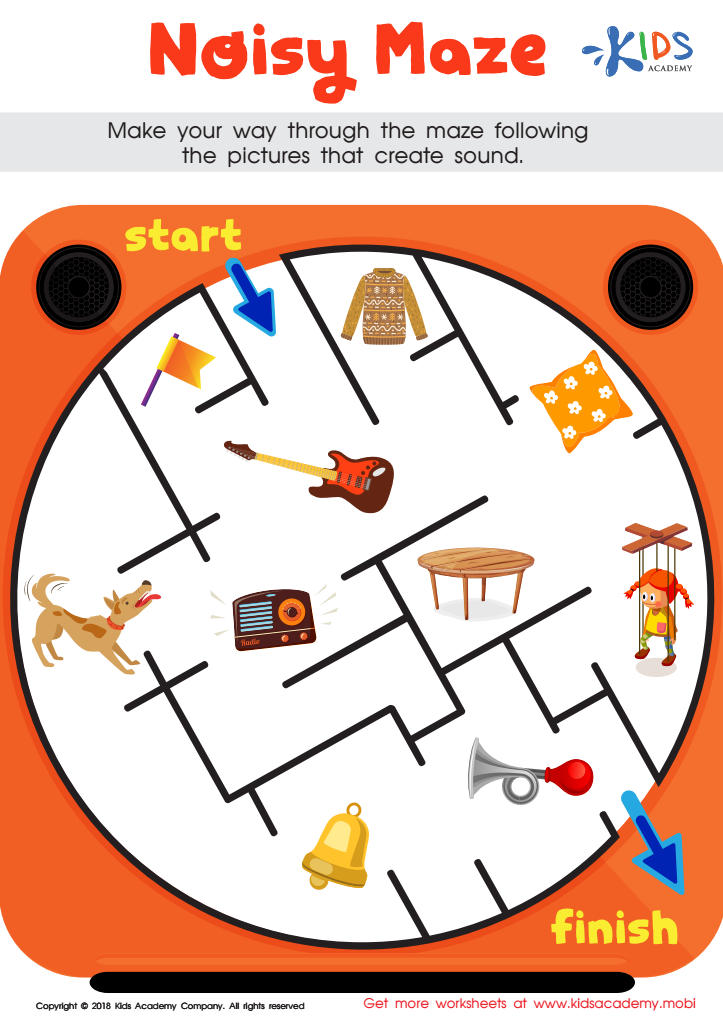
Noisy Maze Worksheet








Problem-solving skills are crucial for children aged 4-6 as they form the foundation for future learning and development. During these formative years, children are often faced with various challenges that require them to think critically, reason, and find solutions. By fostering these skills, parents and teachers help children develop resilience, creativity, and independence.
At this age, children learn through exploration and play, where they encounter real-life problems—be it figuring out how to share toys, constructing a sturdy block tower, or solving a puzzle. Encouraging them to engage in problem-solving activities enhances their cognitive abilities and nurtures their curiosity. Moreover, these skills significantly contribute to their academic success later on, as children who can think logically are better prepared to tackle new concepts and subjects.
Additionally, strong problem-solving skills promote emotional intelligence by helping children learn to manage frustration and collaborate with peers. Not only does this lay the groundwork for social skills, but it also cultivates a love for learning. In short, by supporting the development of problem-solving skills during ages 4-6, adults invest in a child's lifelong ability to navigate challenges and seize opportunities.








