Normal Worksheets for Ages 4-7
1399 filtered results
-
From - To
Discover a vibrant collection of normal worksheets tailored for children aged 4-7 on our engaging platform. Designed to support early learning, these worksheets cover essential skills such as counting, reading, writing, and problem-solving in a fun and interactive way. Each activity aims to stimulate young minds and enhance their cognitive abilities while fostering a love for learning. With colorful illustrations and age-appropriate content, our worksheets make practicing foundational concepts enjoyable. Perfect for both home and classroom use, these resources are an invaluable tool for teachers and parents alike, helping children succeed in their educational journey. Start exploring today!
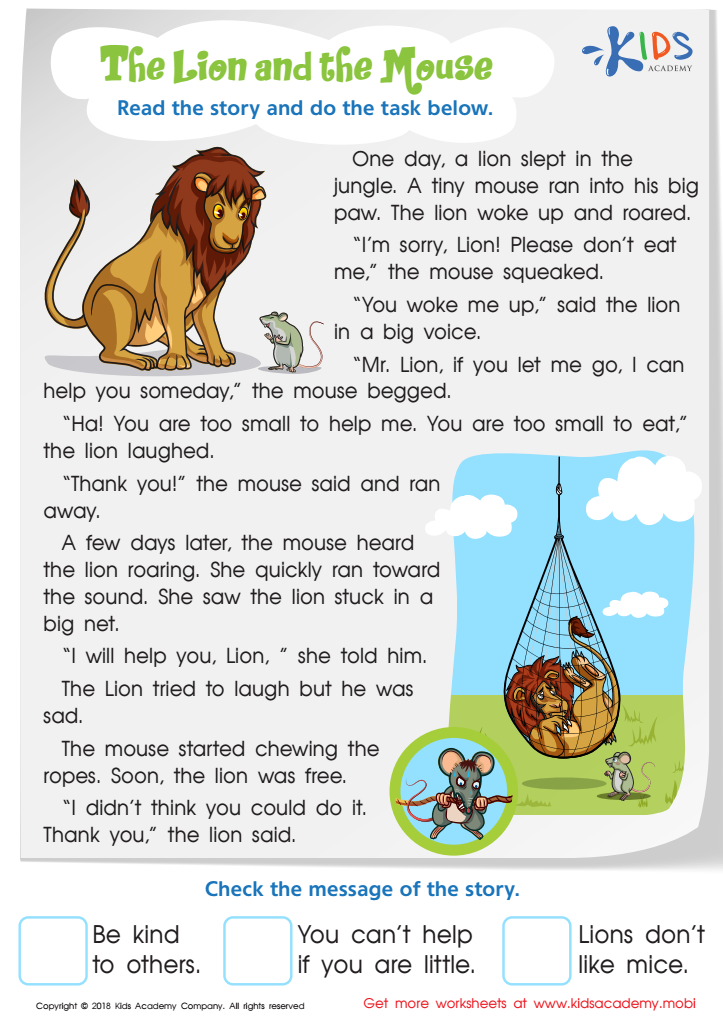
The Lion and the Mouse Worksheet
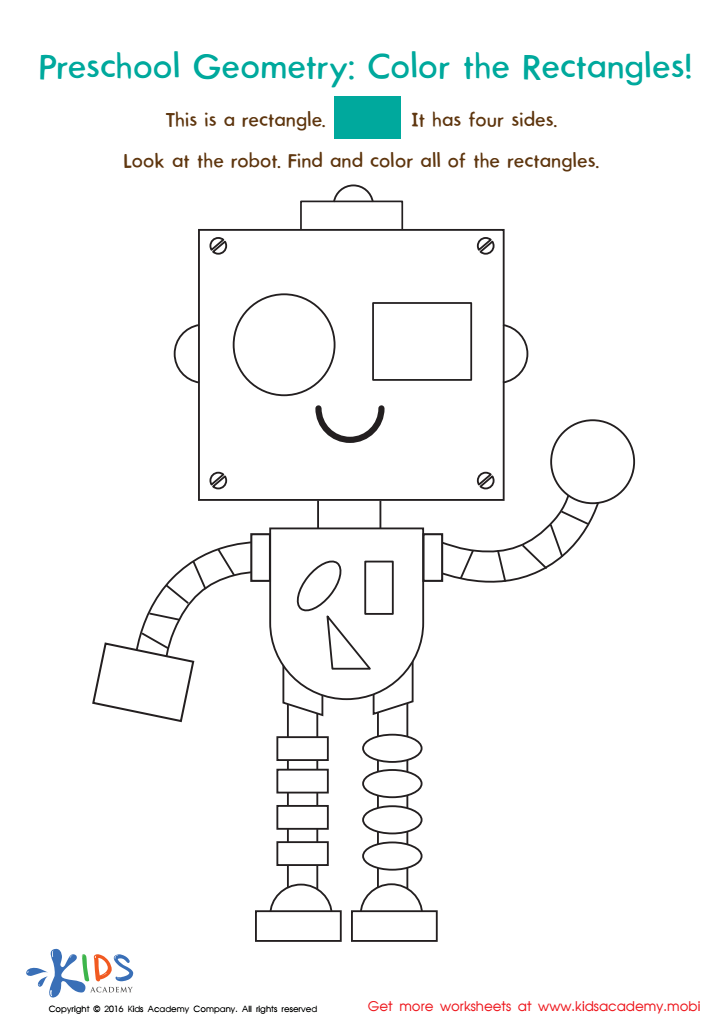
Geometry Worksheet
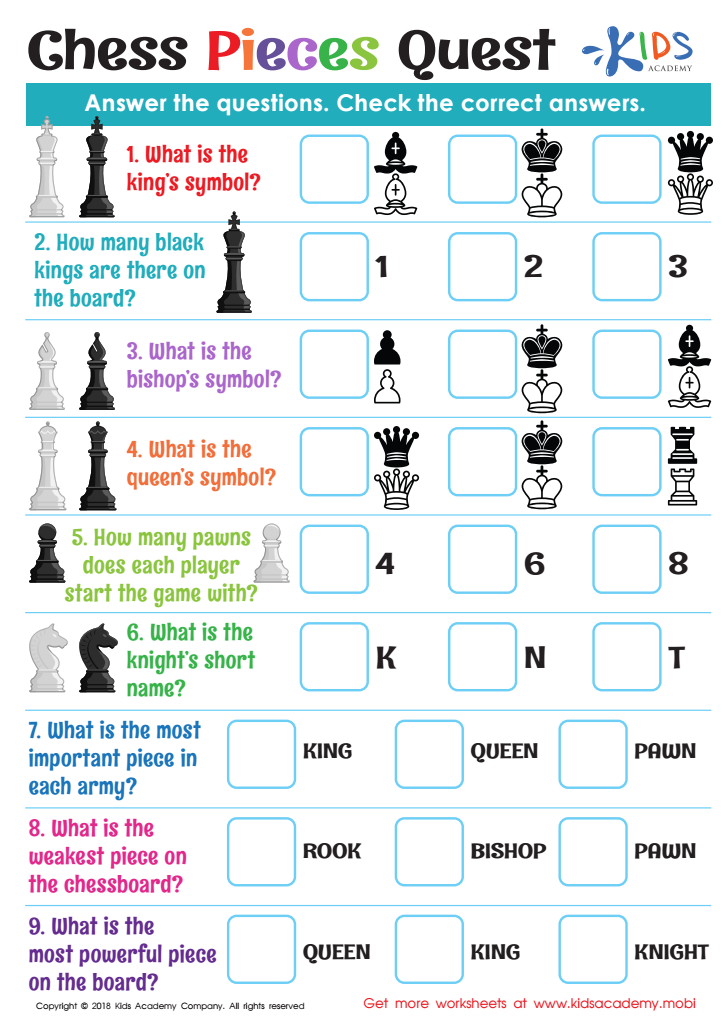
Chess Pieces Quest Worksheet
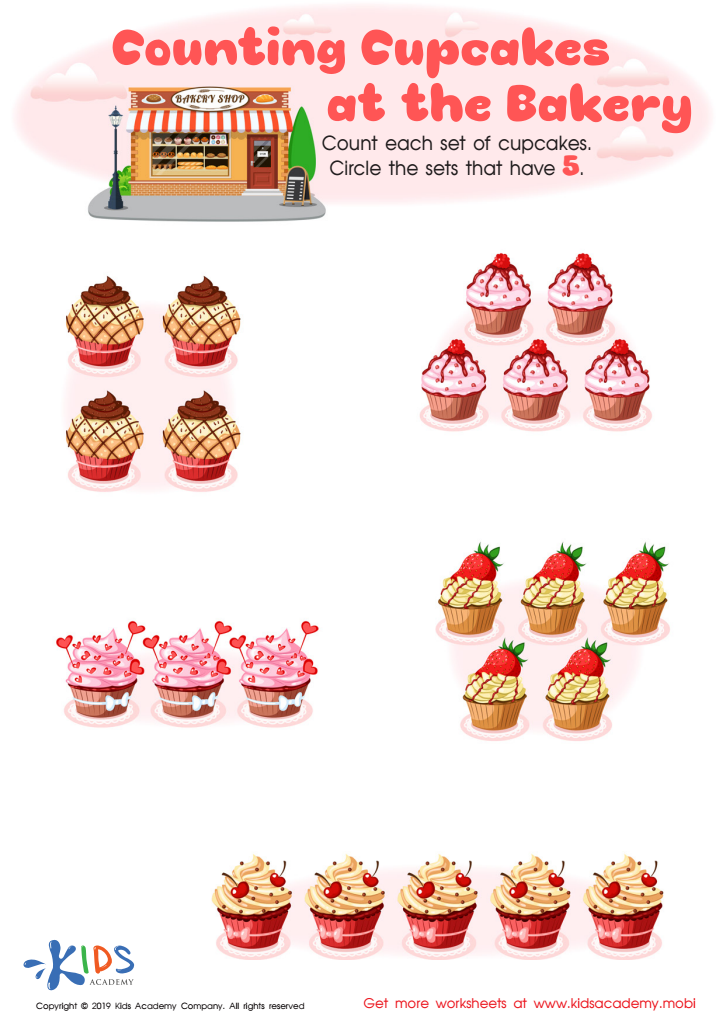
Counting Cupcakes Worksheet
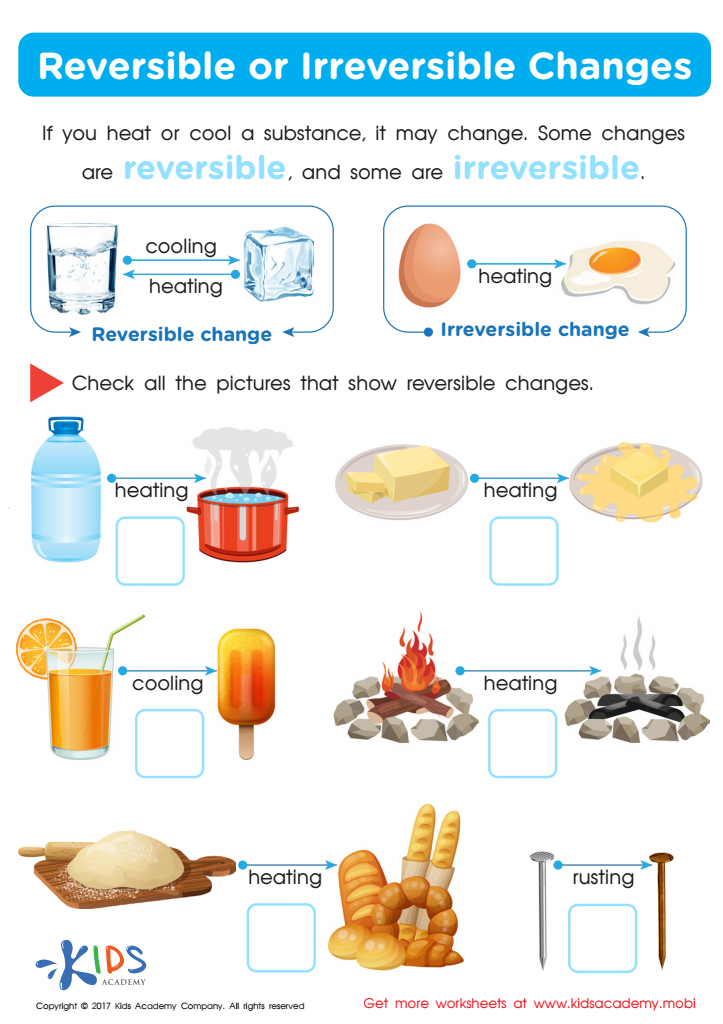
Reversible Irreversible Changes Worksheet
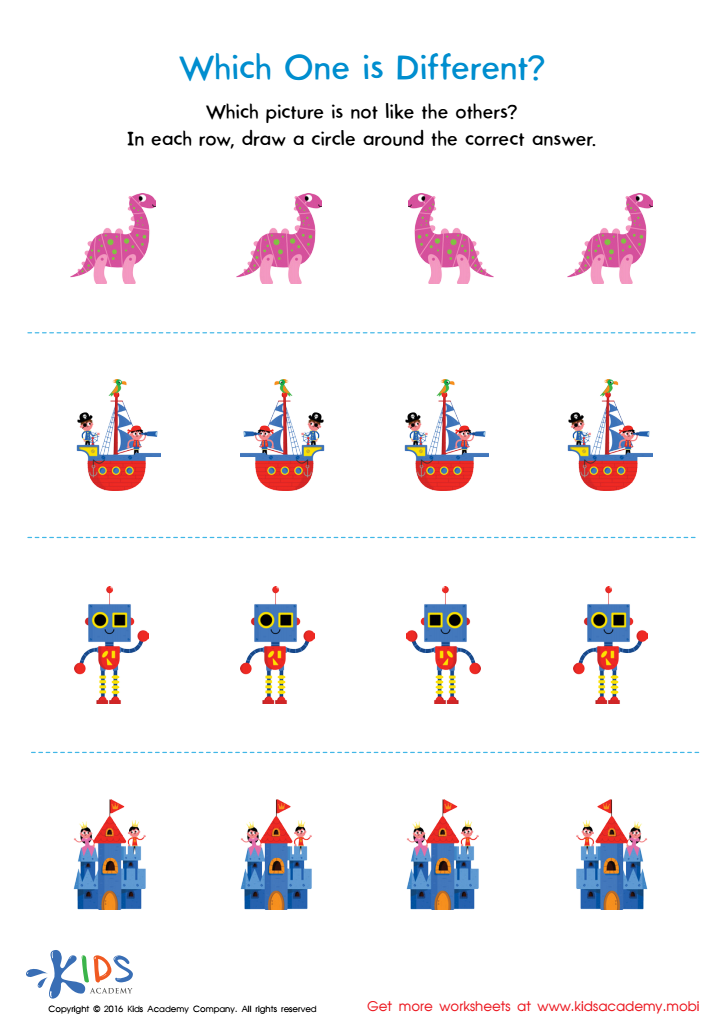
Which One Is Different Worksheet
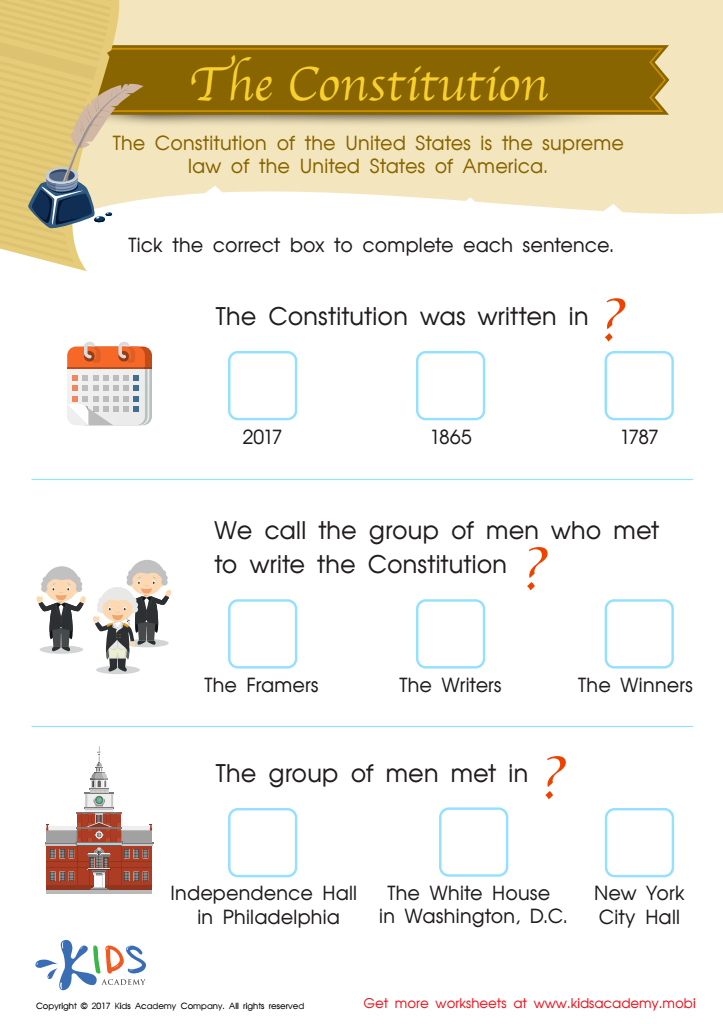
The Constitution Worksheet
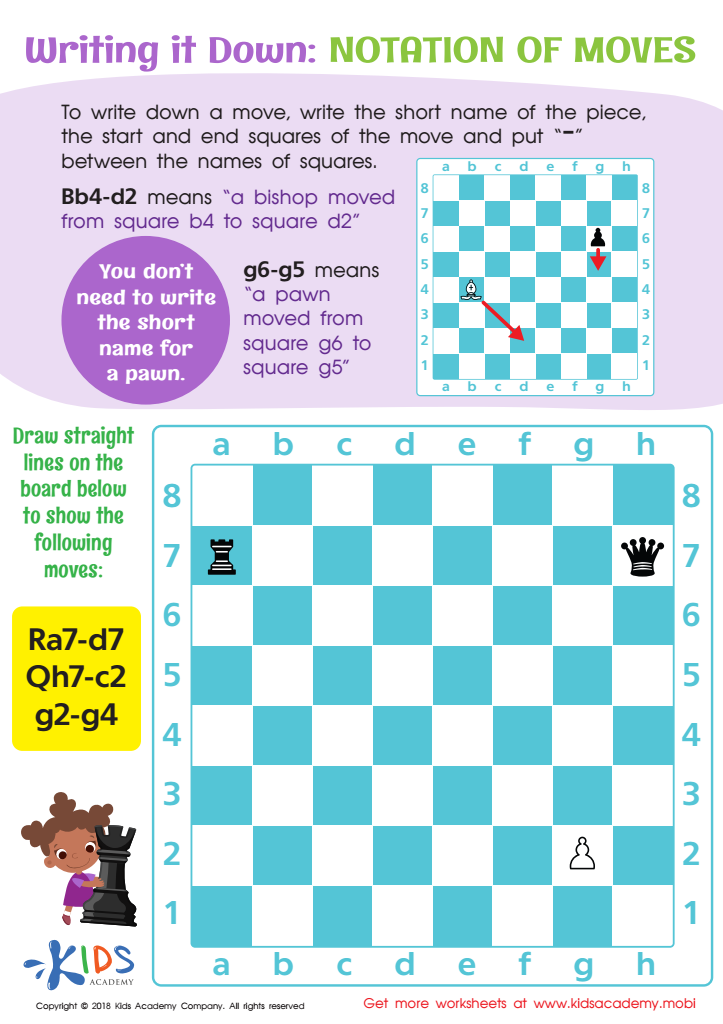
Notation of Moves Writing it Down Worksheet
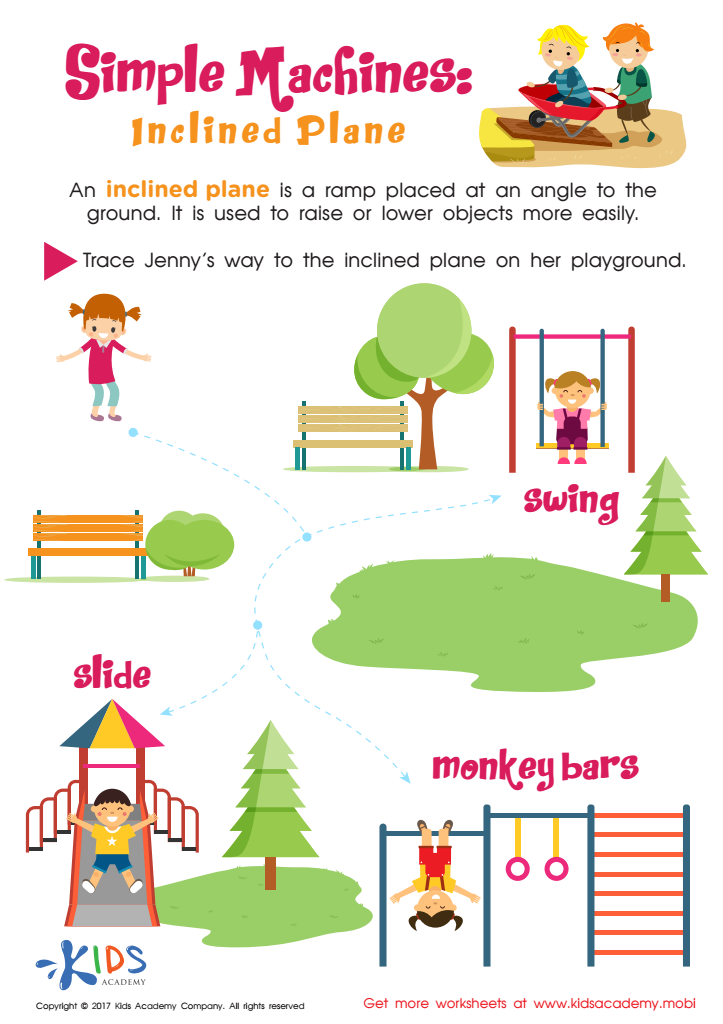
Simple Machines Inclined Plane Worksheet
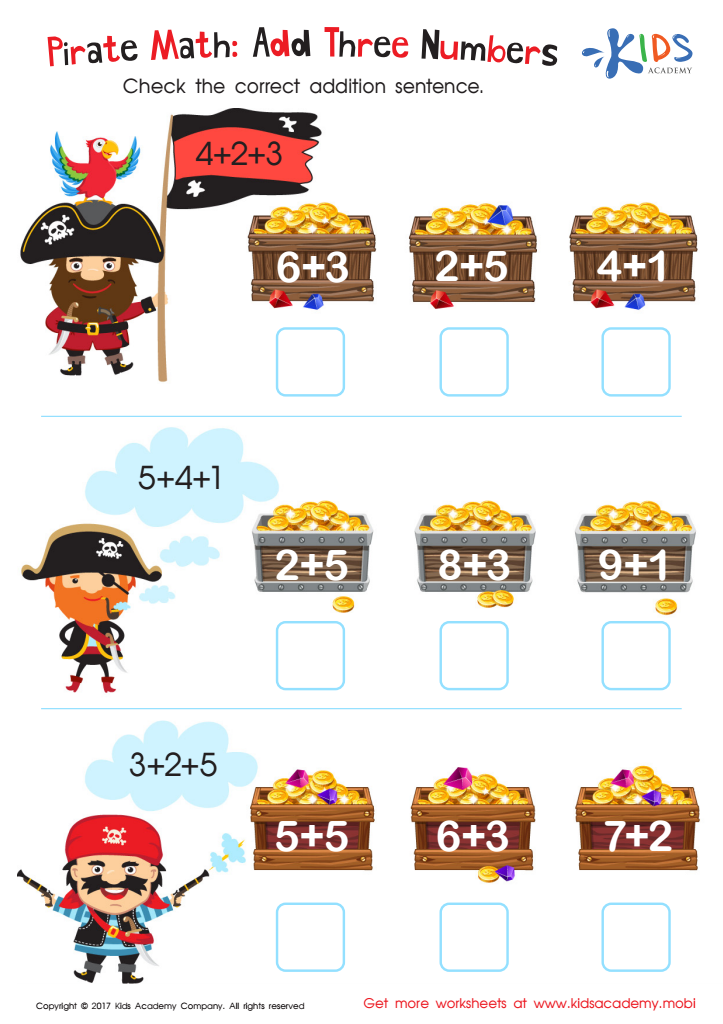
Pirate Math Printable
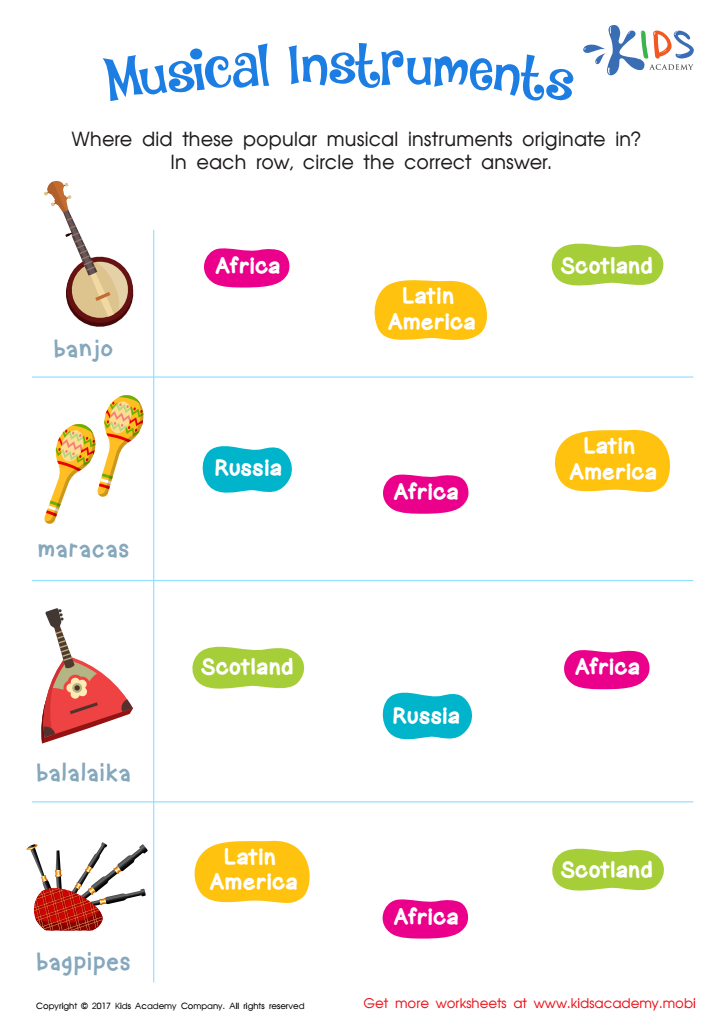
Musical Instruments Printable
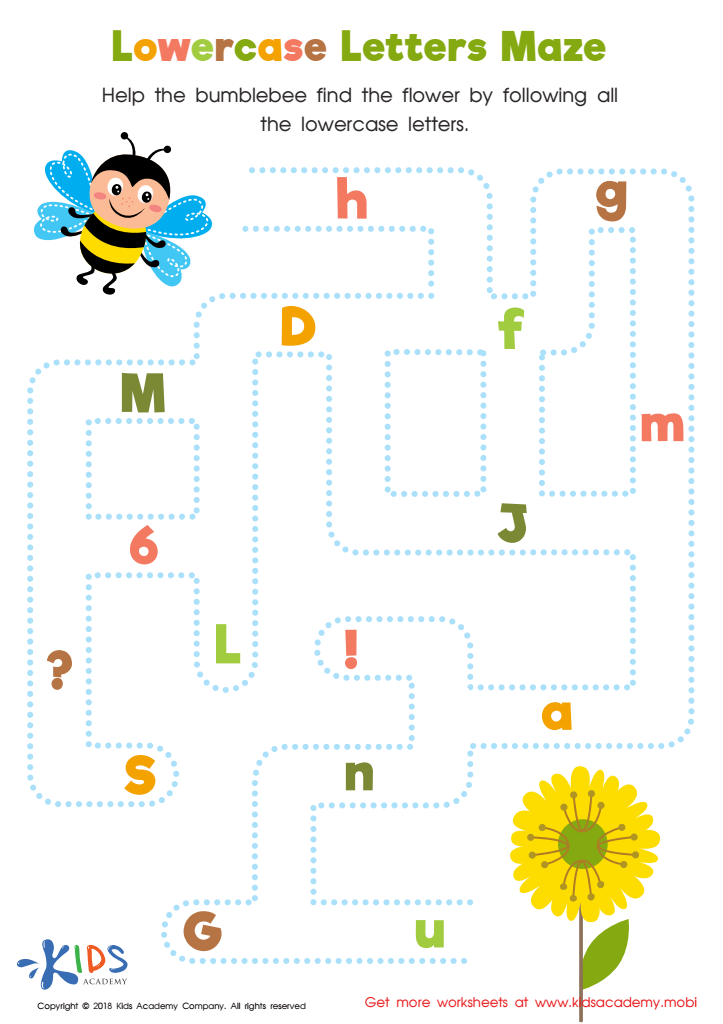
Lowercase Letters Maze Worksheet
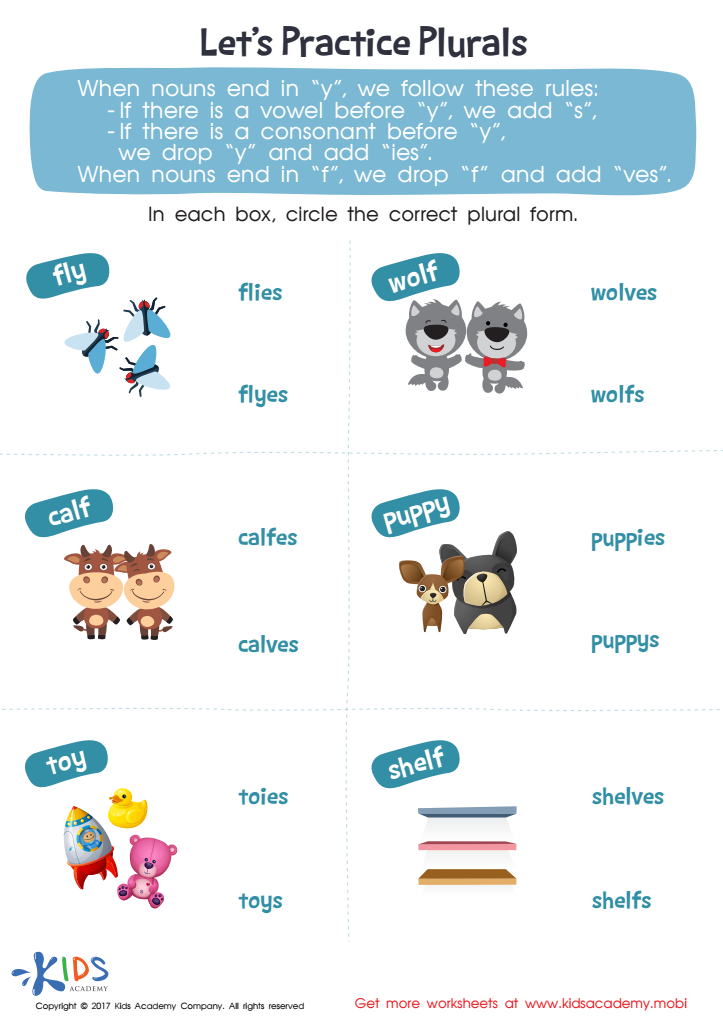
Let's Practice Plurals Word Structure Worksheet
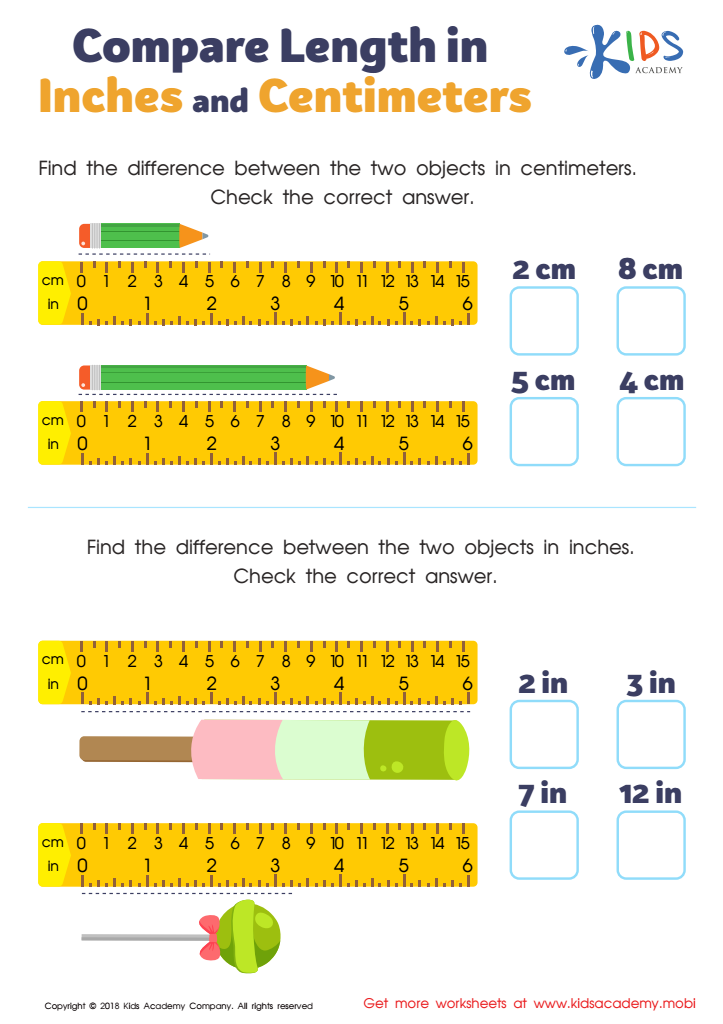
Compare Length in Inches and Centimeters Worksheet
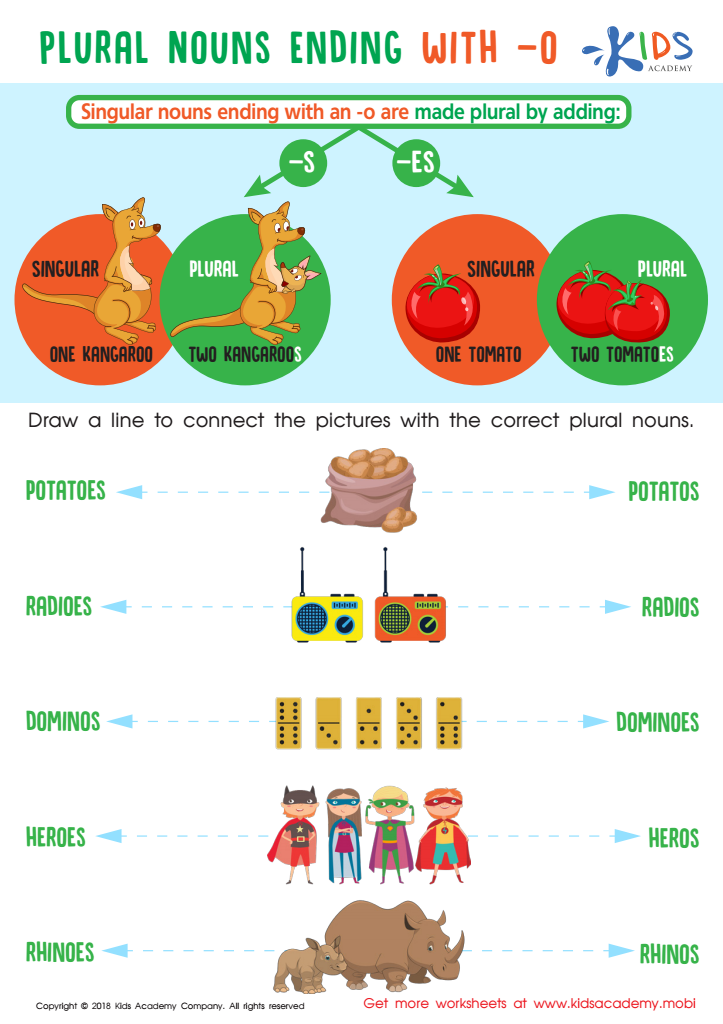
Plural Nouns Ending with -o Worksheet
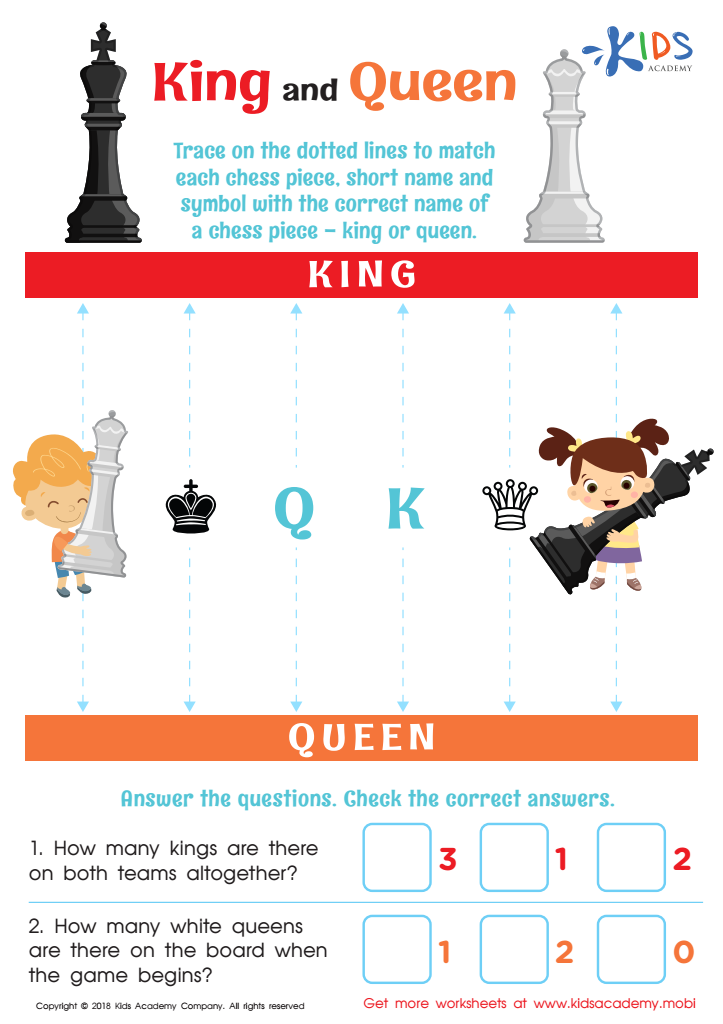
King and Queen Worksheet
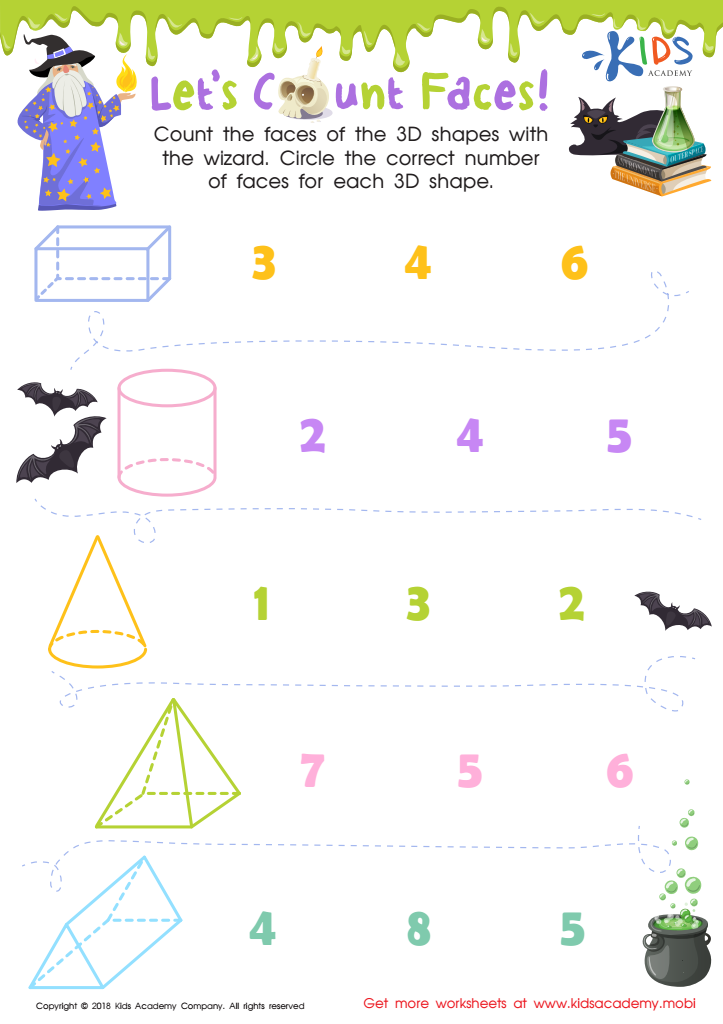
Let's Count Faces! Worksheet
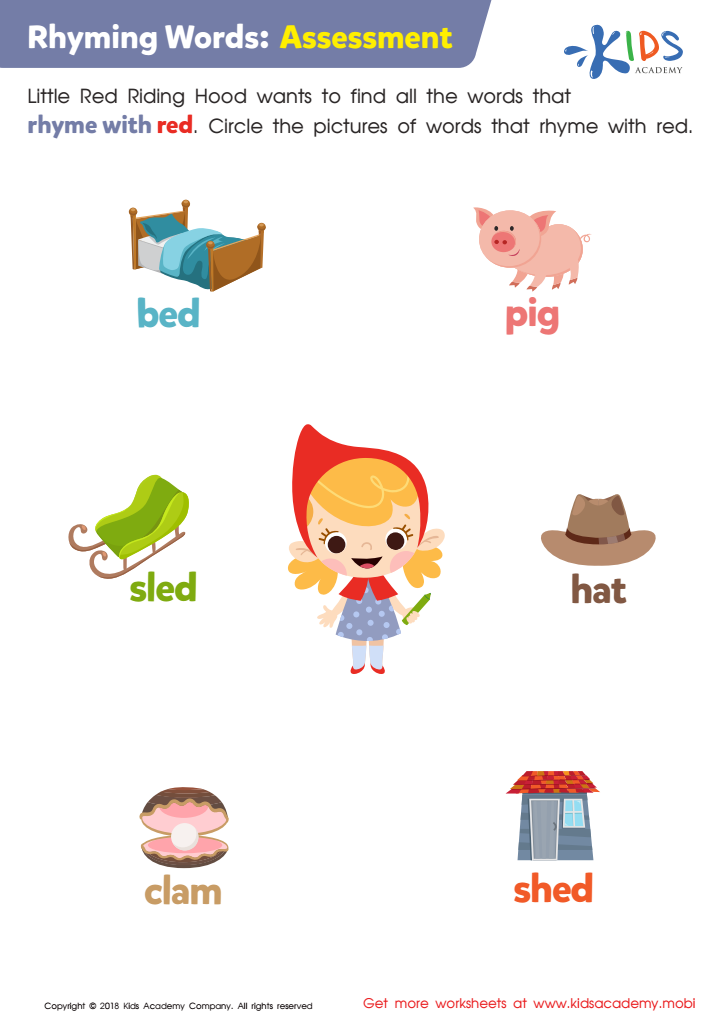
Rhyming Words: Assessment Worksheet
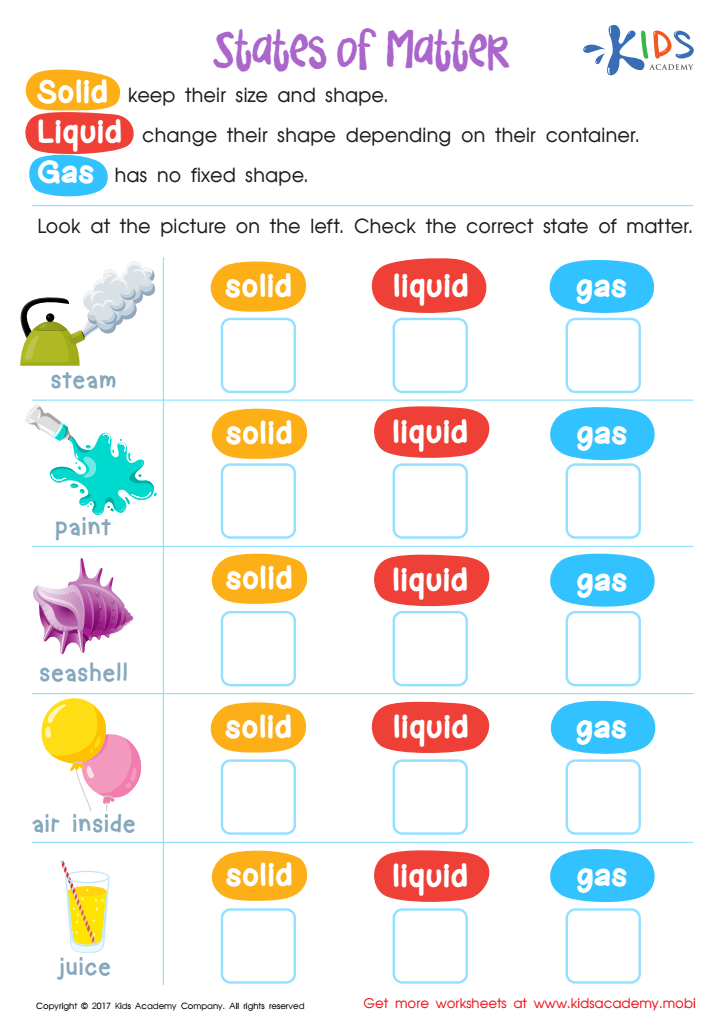
Physical Science: States of Matter Worksheet
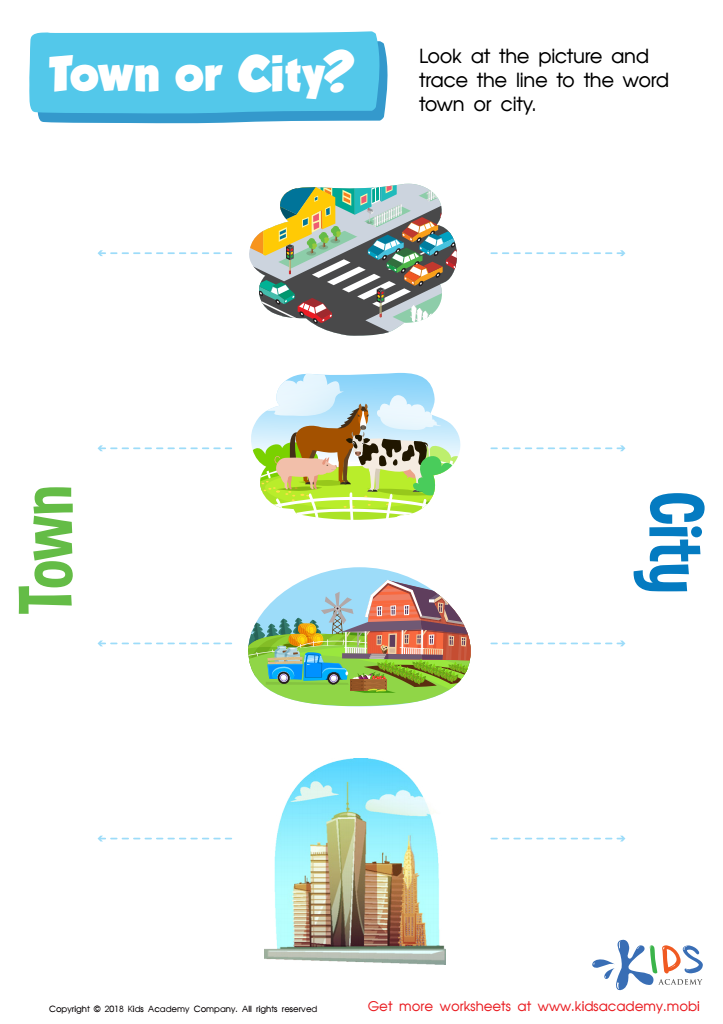
Town or City? Worksheet
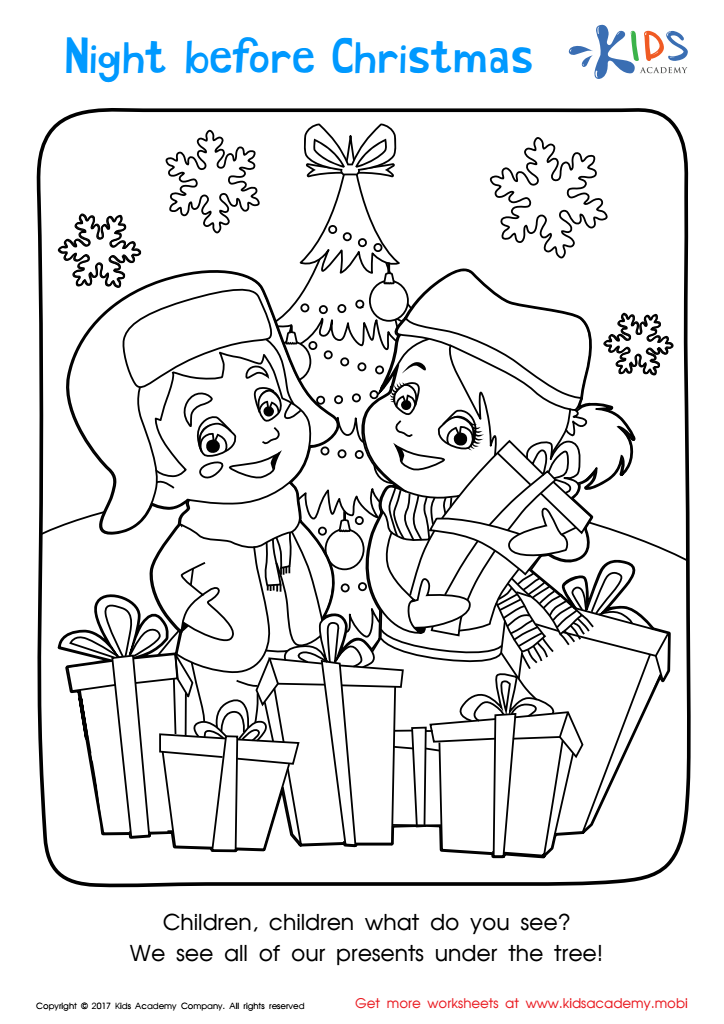
Christmas: Night Before Christmas Printable
 Assign to My Students
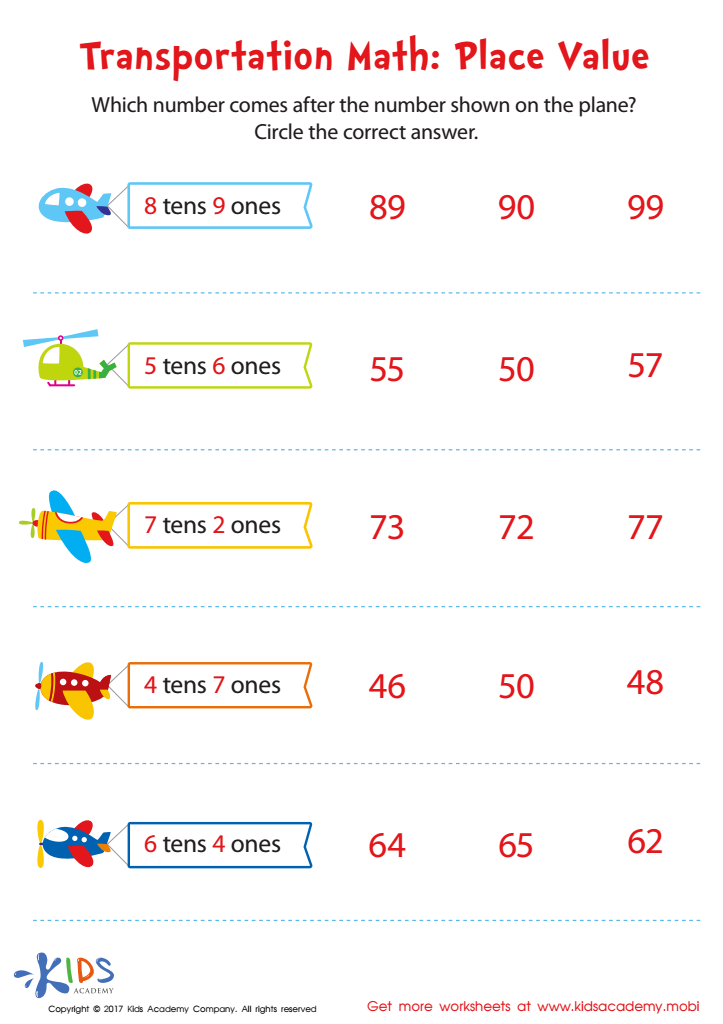
Transportation Math Printable
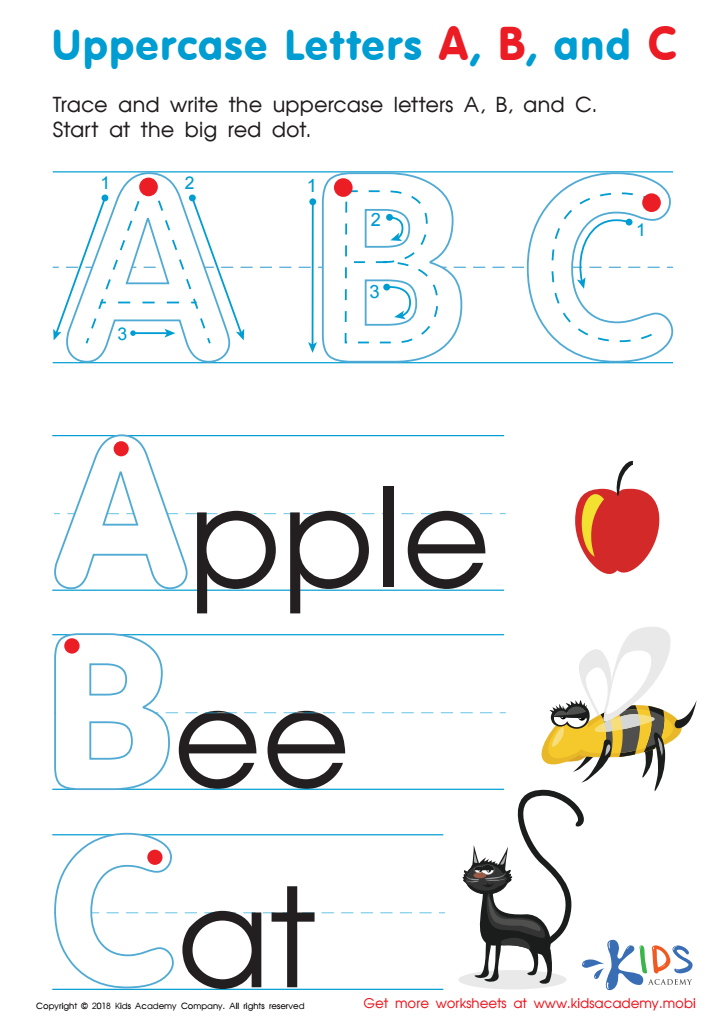
Uppercase Letters A, B, and C Worksheet
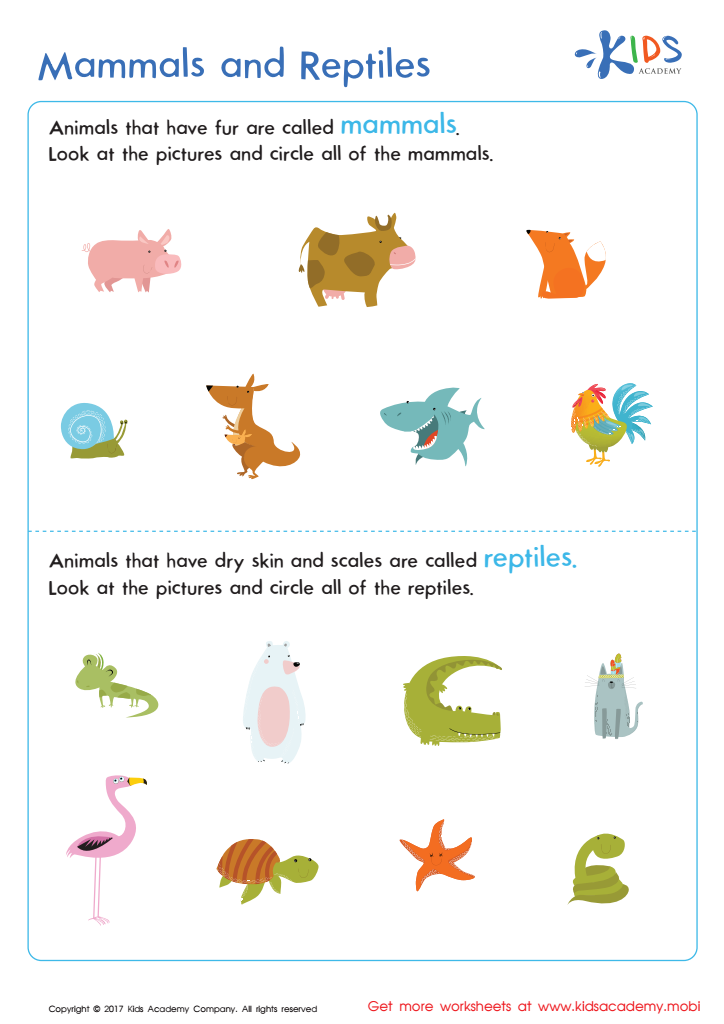
Mammals and Reptiles Worksheet







Parents and teachers should prioritize knowledge about the concept of "Normal" for ages 4-7 because it lays the groundwork for children's understanding of social interactions, emotions, and self-acceptance. At this developmental stage, children are intensely observant and begin to compare themselves to their peers. Understanding what constitutes "normal" helps them navigate social dynamics, fostering inclusivity and empathy.
Discussions around normality can empower children to appreciate diversity in abilities, interests, and backgrounds, promoting a positive self-image and respect for others. It can also address issues such as bullying, as children learn to embrace differences rather than fear or ridicule them. Educators and parents can utilize this understanding to create supportive environments where children feel safe expressing themselves without fear of judgment.
Moreover, recognizing the fluidity of normality allows adults to guide children in understanding that life’s variations are normal—be it differences in learning styles, family structures, or preferences. This ultimately leads to well-rounded individuals who are capable of nurturing relationships based on acceptance and kindness, essential skills for their future social development. By fostering these ideals in early childhood, parents and teachers play a vital role in shaping empathetic, resilient, and open-minded adults.








