Fine Motor Skills Normal Math Worksheets for Ages 4-7
41 filtered results
-
From - To
Our "Fine Motor Skills Normal Math Worksheets for Ages 4-7" are designed to enhance your child's learning experience by combining important mathematical concepts with essential fine motor exercises. These engaging worksheets help young learners develop precision and control needed for writing, drawing, and other activities. The worksheet activities include tracing numbers, connecting dots, and completing patterns, offering a fun and educational way to strengthen both cognitive and motor skills. Perfect for early learners, these worksheets support school readiness and foster a love for math in a playful, hands-on way. Give your child the tools to succeed with our specially crafted worksheets!

8 Petals Worksheet
 Assign to My Students

Set Sail Worksheet
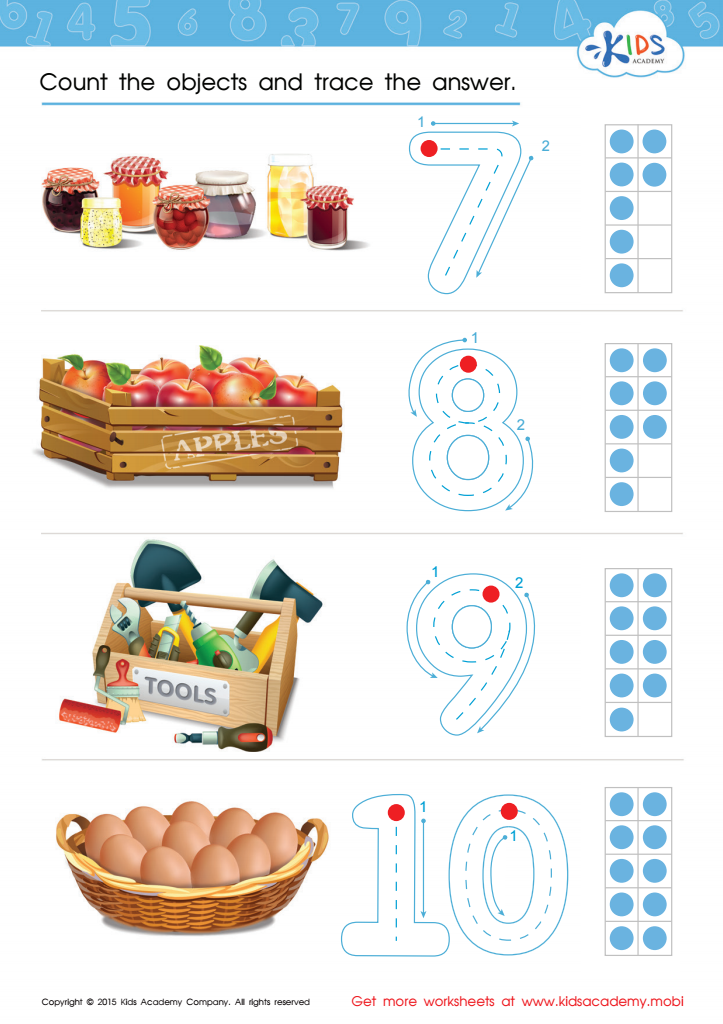
Count and Trace 7 – 10 Worksheet
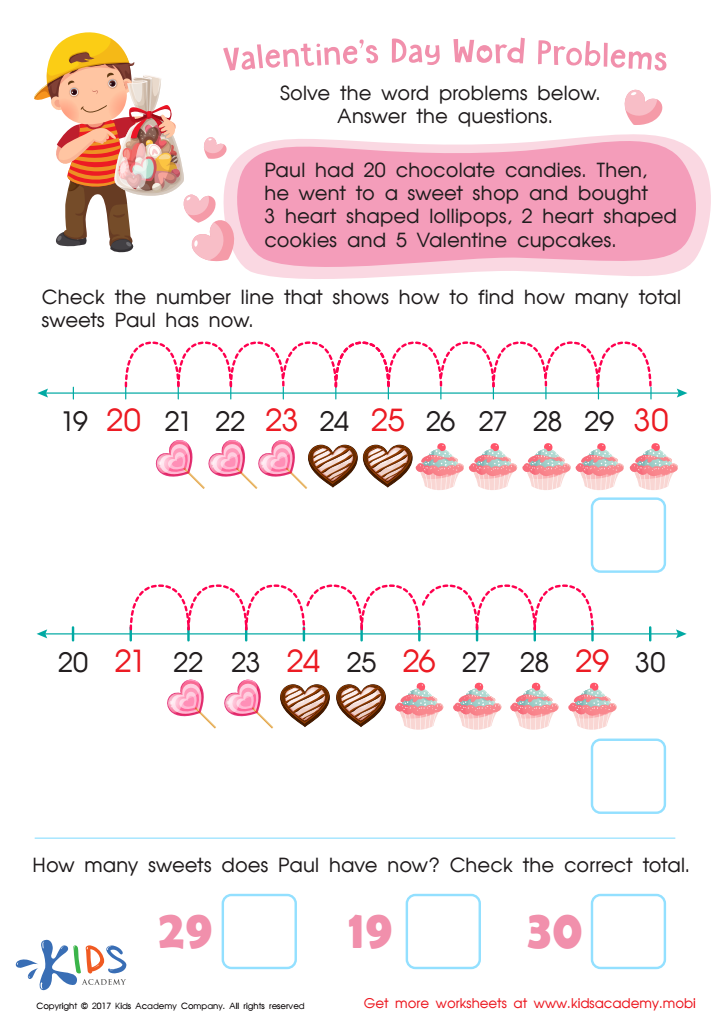
Valentines Day 2 Printable
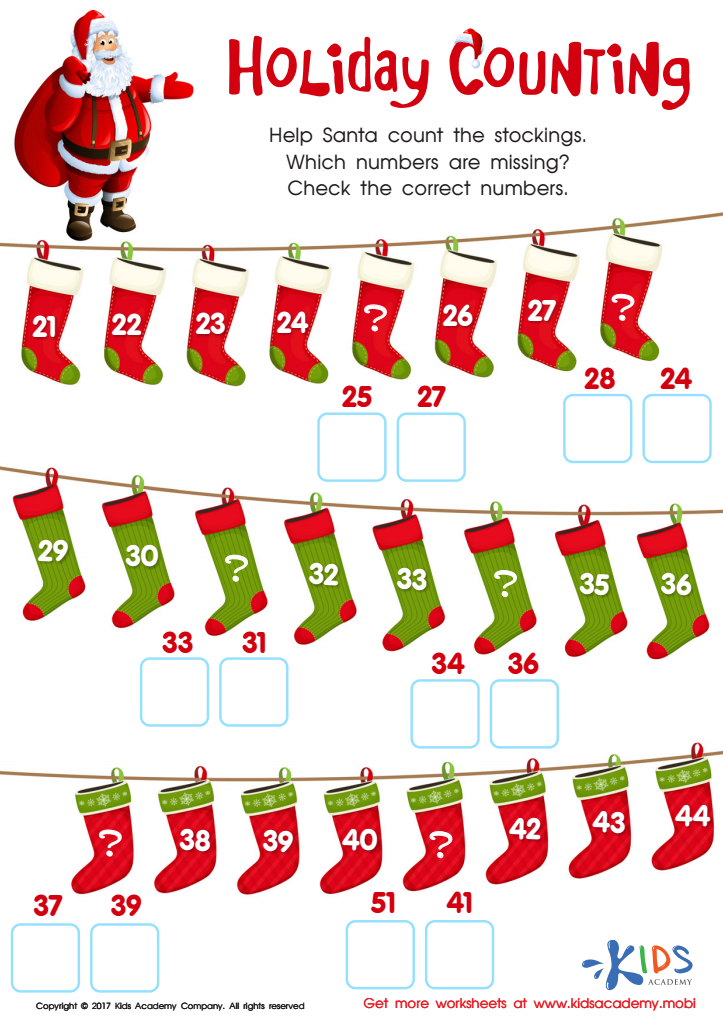
Holiday Counting Worksheet
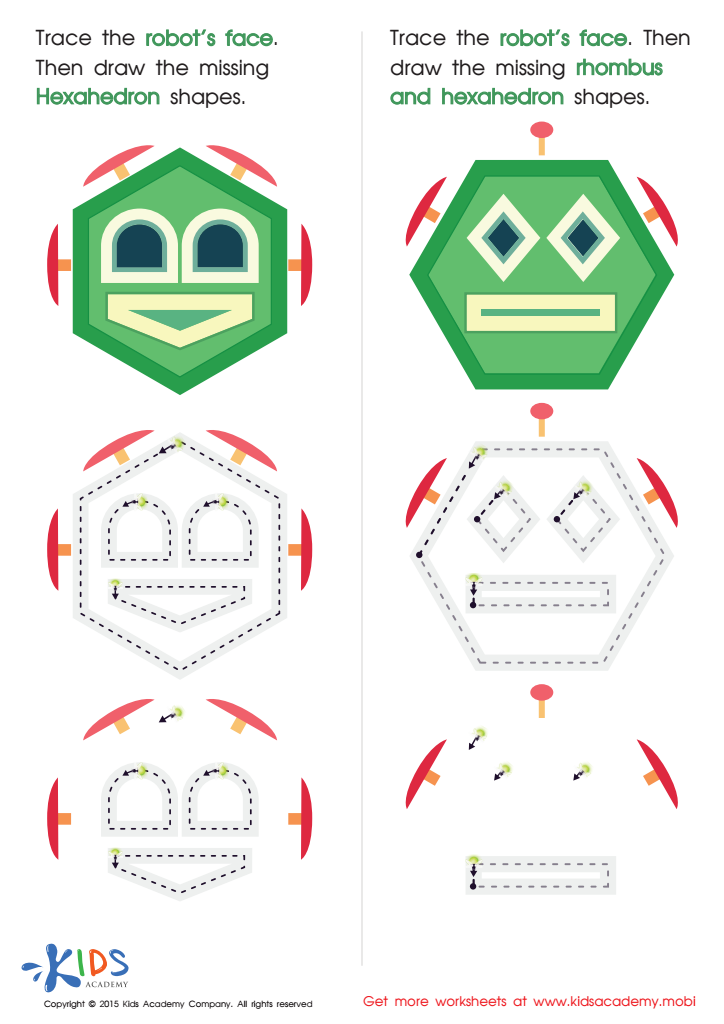
Practice Drawing Hexahedrons And a Rhombus Worksheet
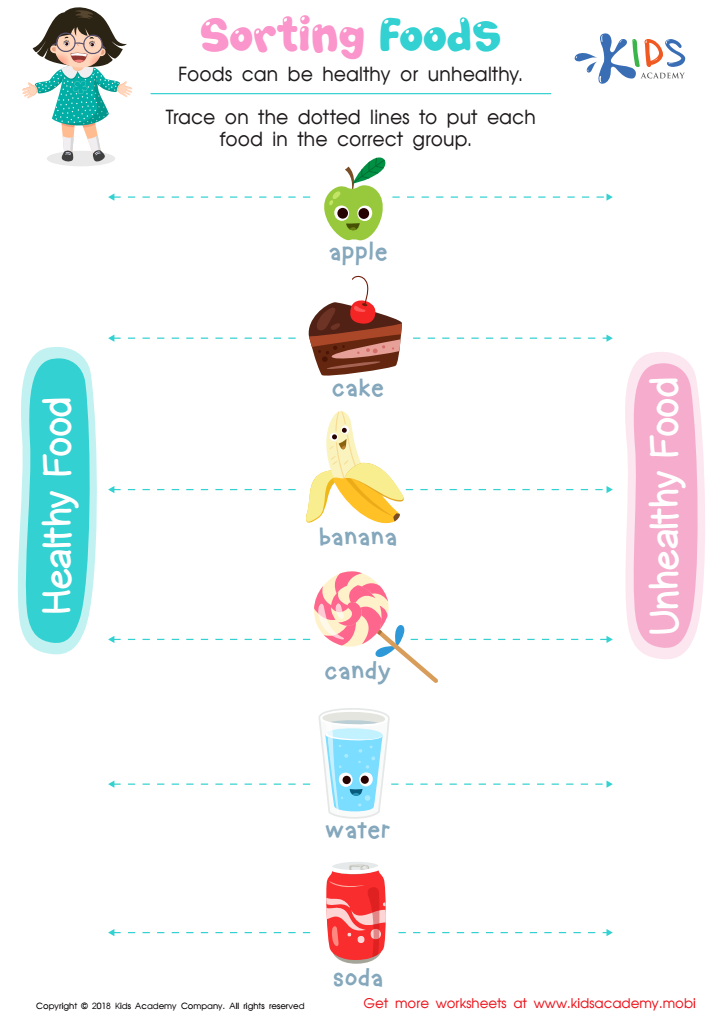
Sorting Food Worksheet
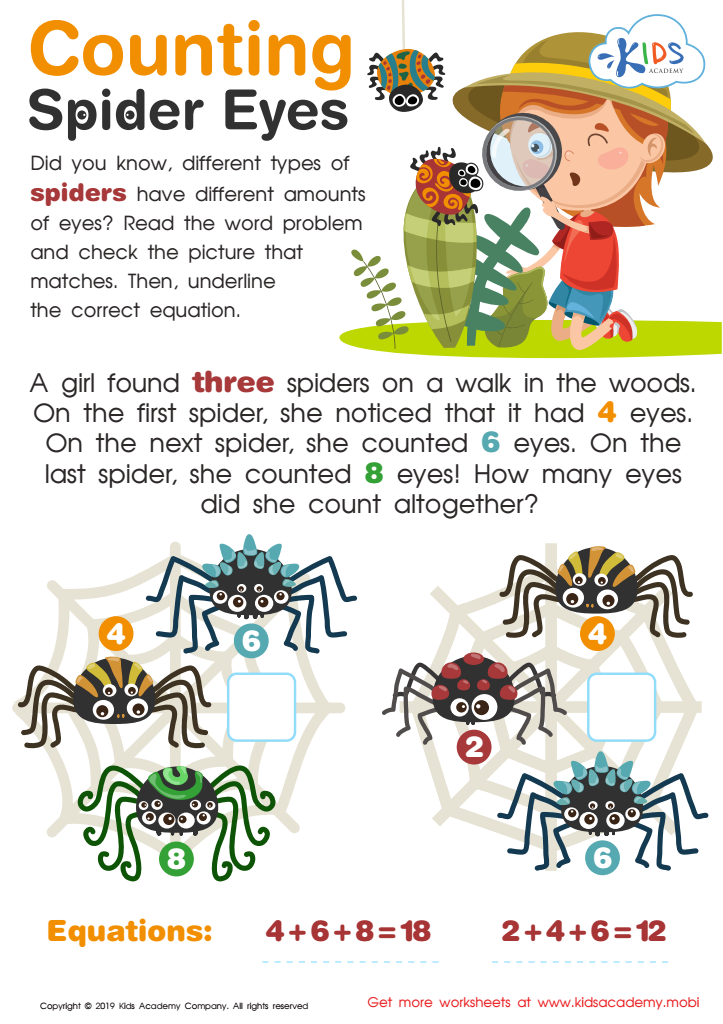
Counting Spider Eyes Worksheet
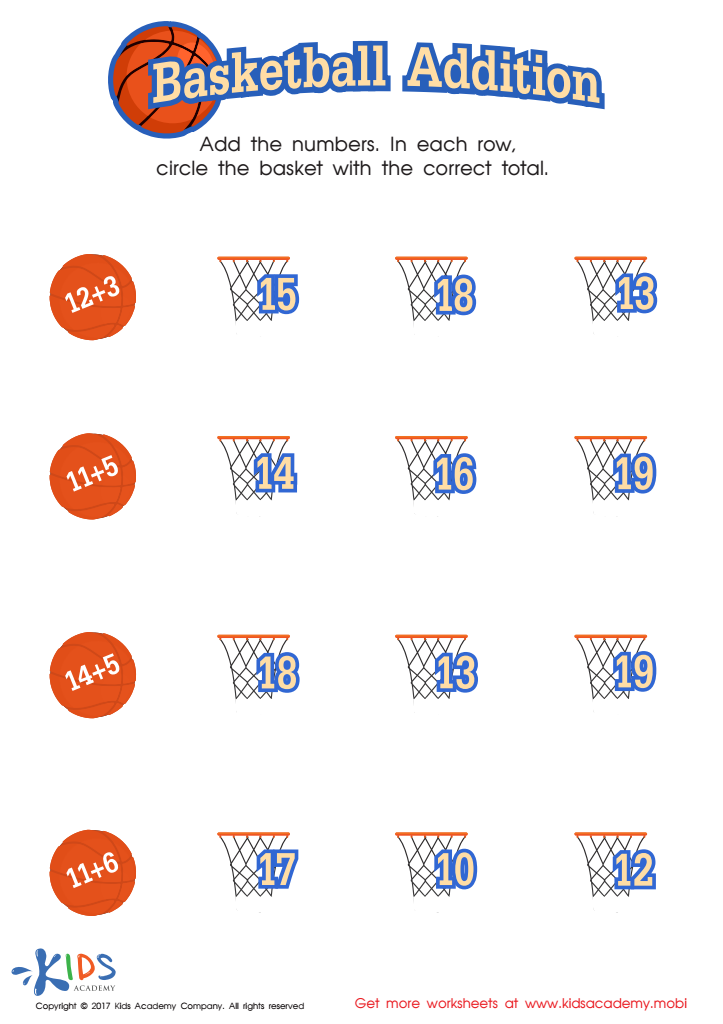

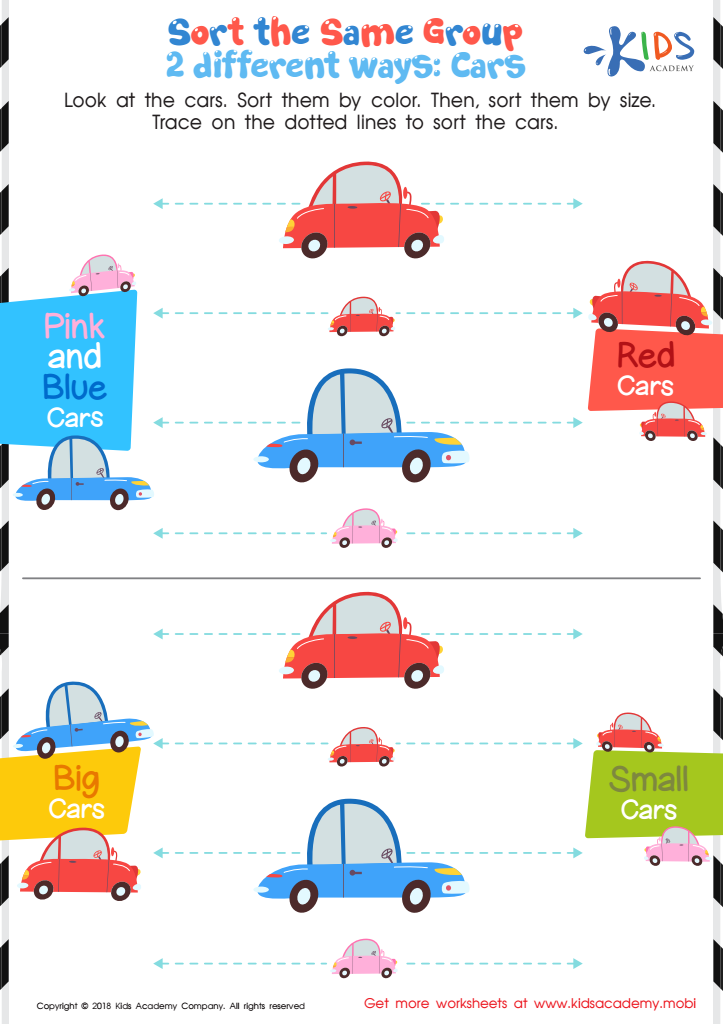
Sort the Same Group 2 Different Ways: Cars Worksheet

Ten Spots Worksheet
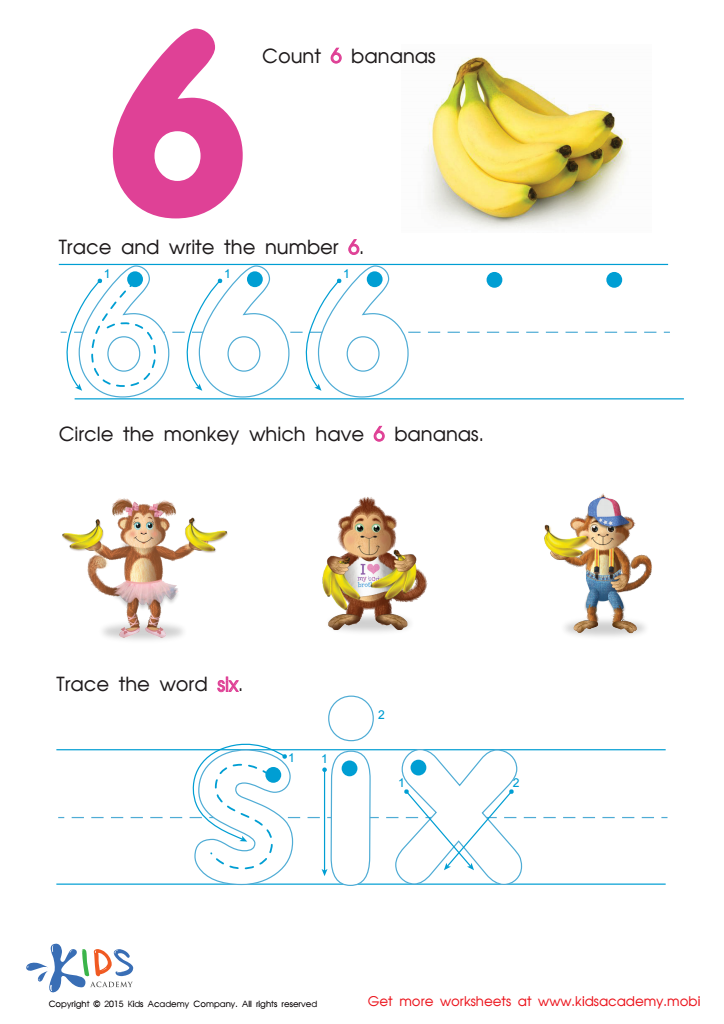
Tracing And Writing Number 6 Worksheet
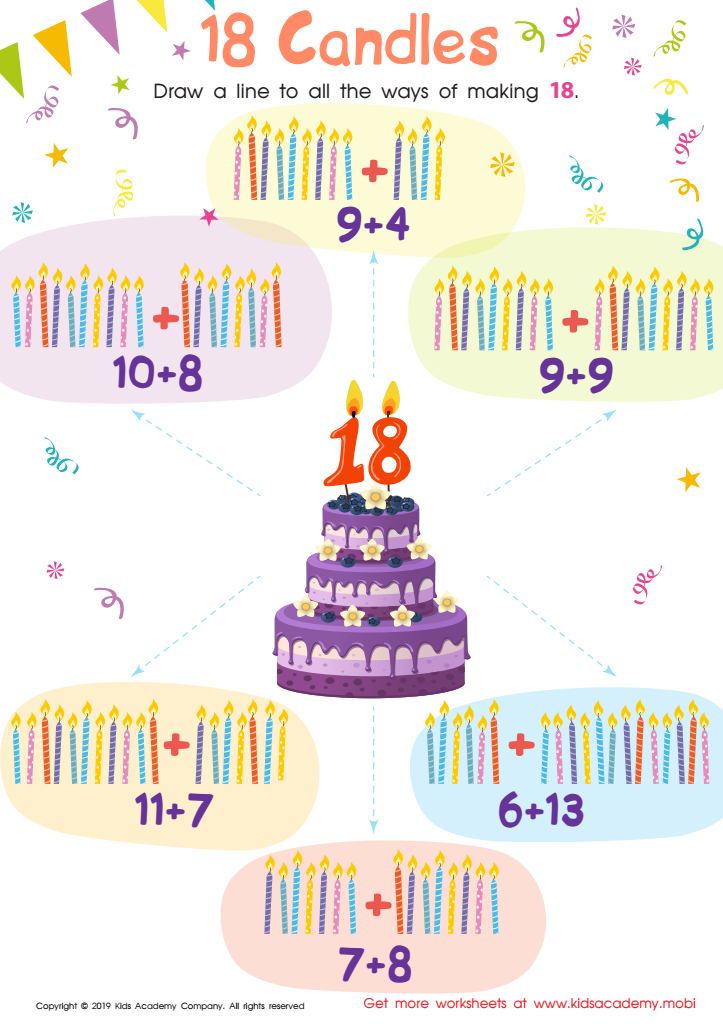
18 Candles Worksheet
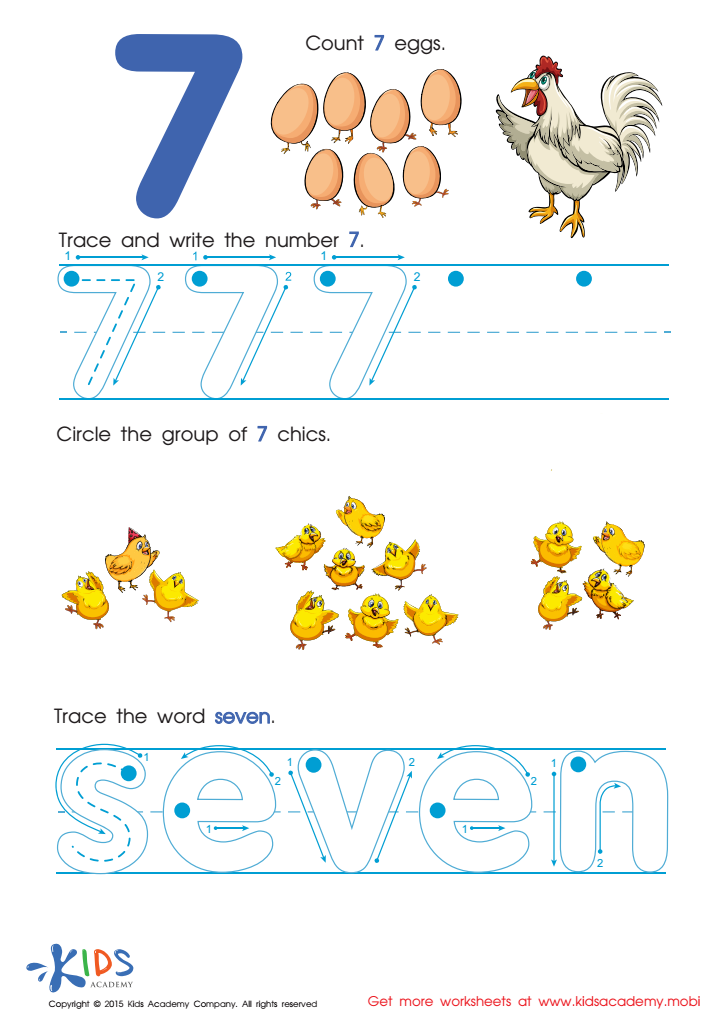
Trace And Write Number 7 with Fun Worksheet
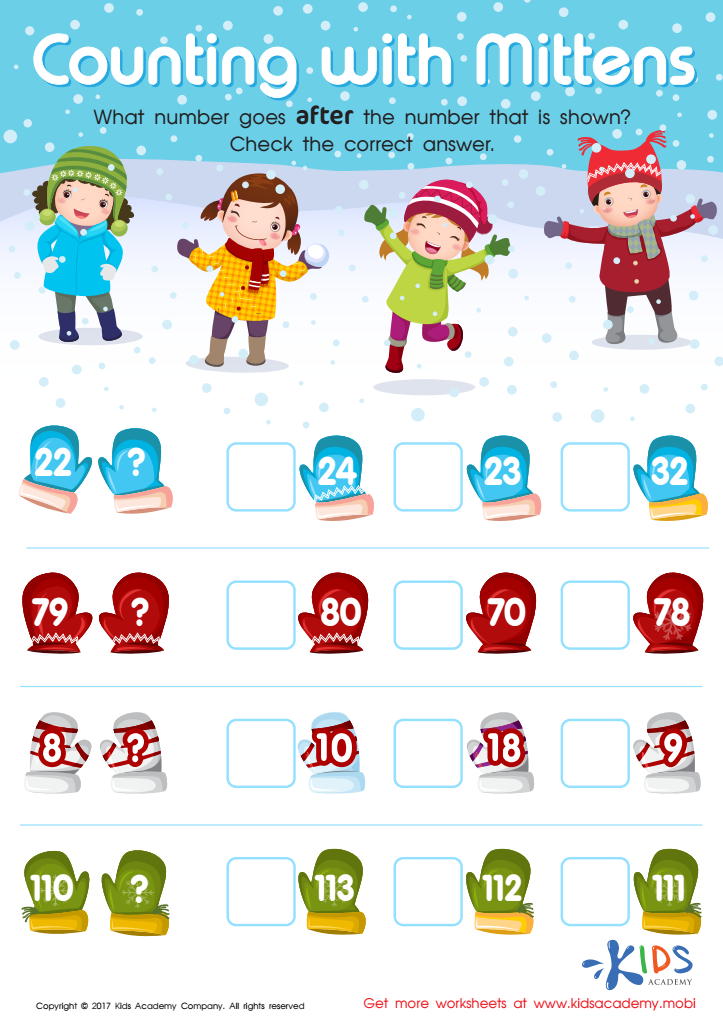
Counting with Mittens Worksheet
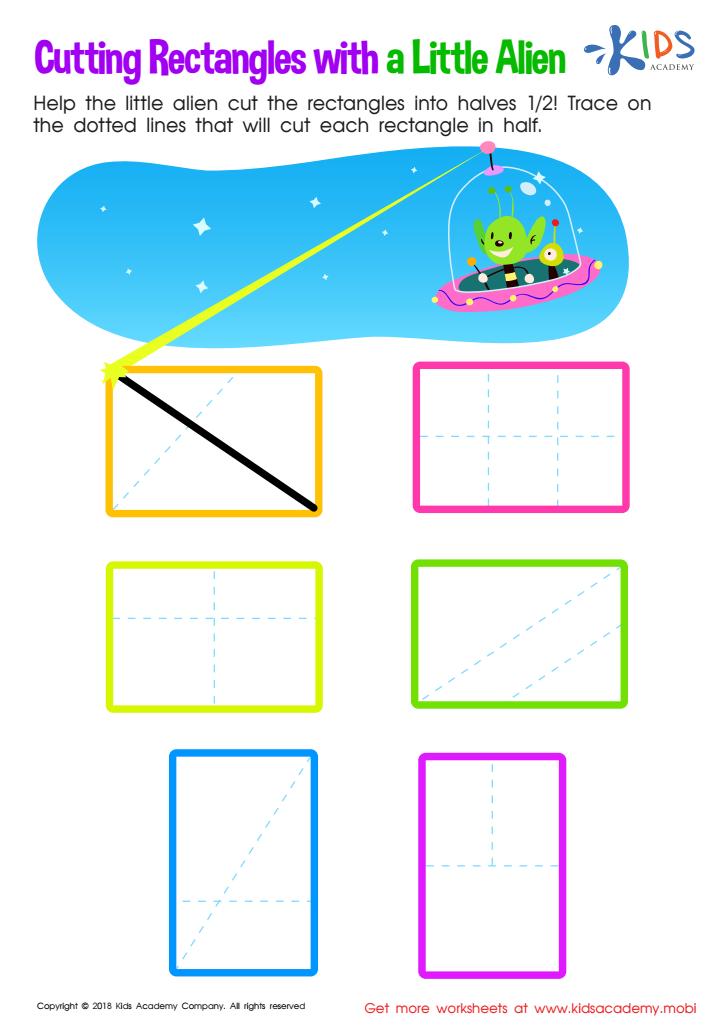
Cutting Rectangles with Alien Worksheet

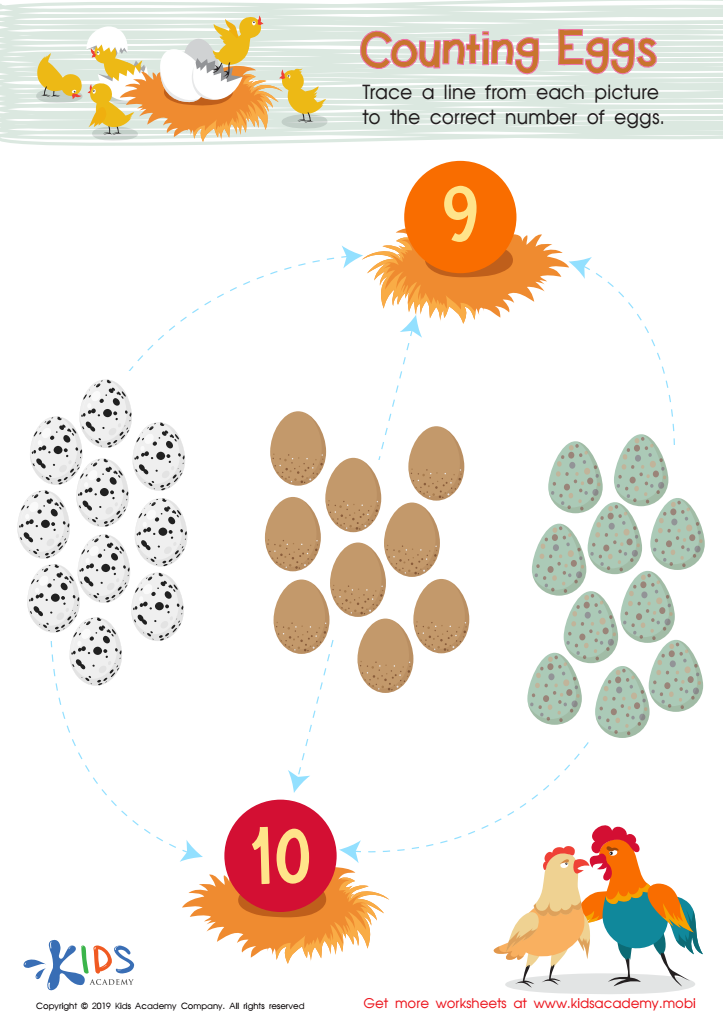
Counting Eggs Worksheet
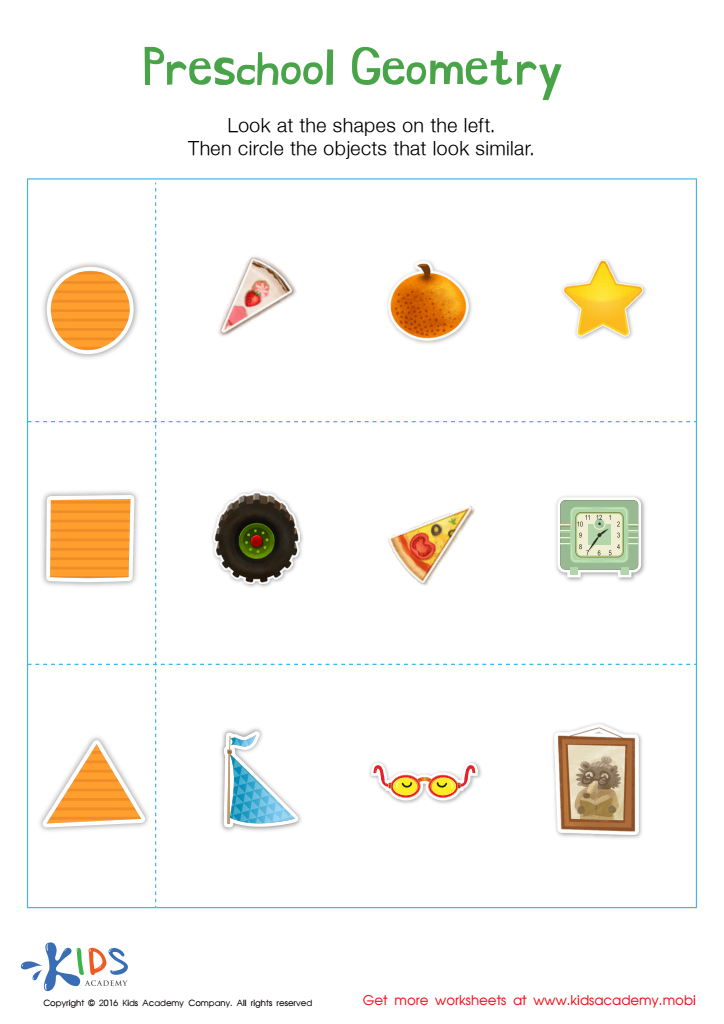
Preschool Geometry Match Up Worksheet

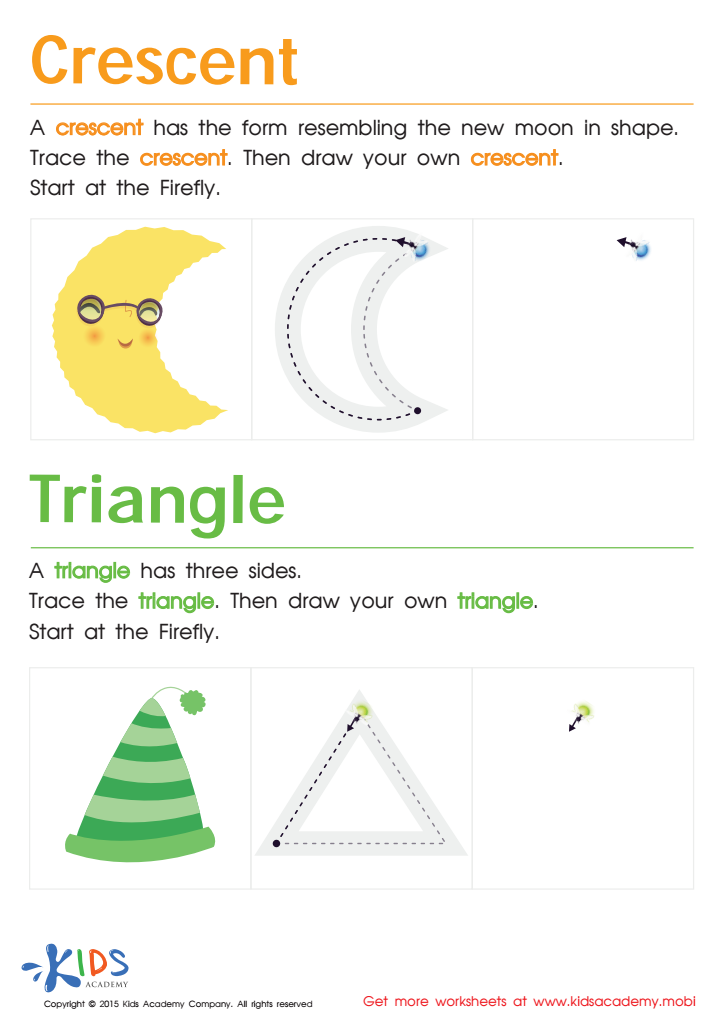
Learning to Draw Crescents And Triangles Worksheet
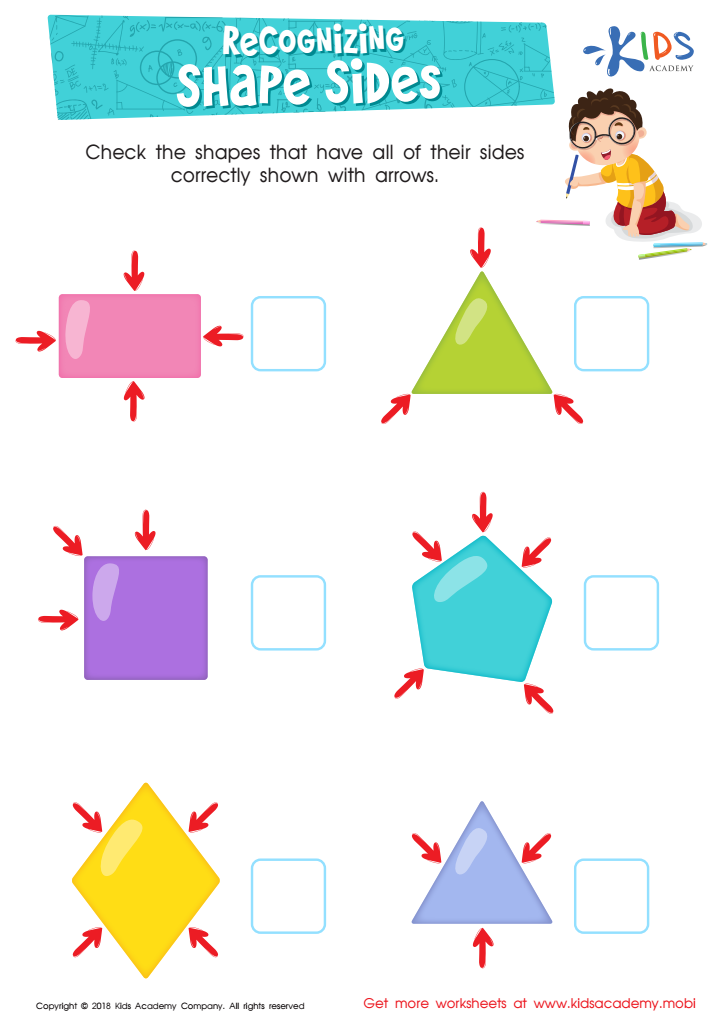
Recognizing Shape Sides Worksheet
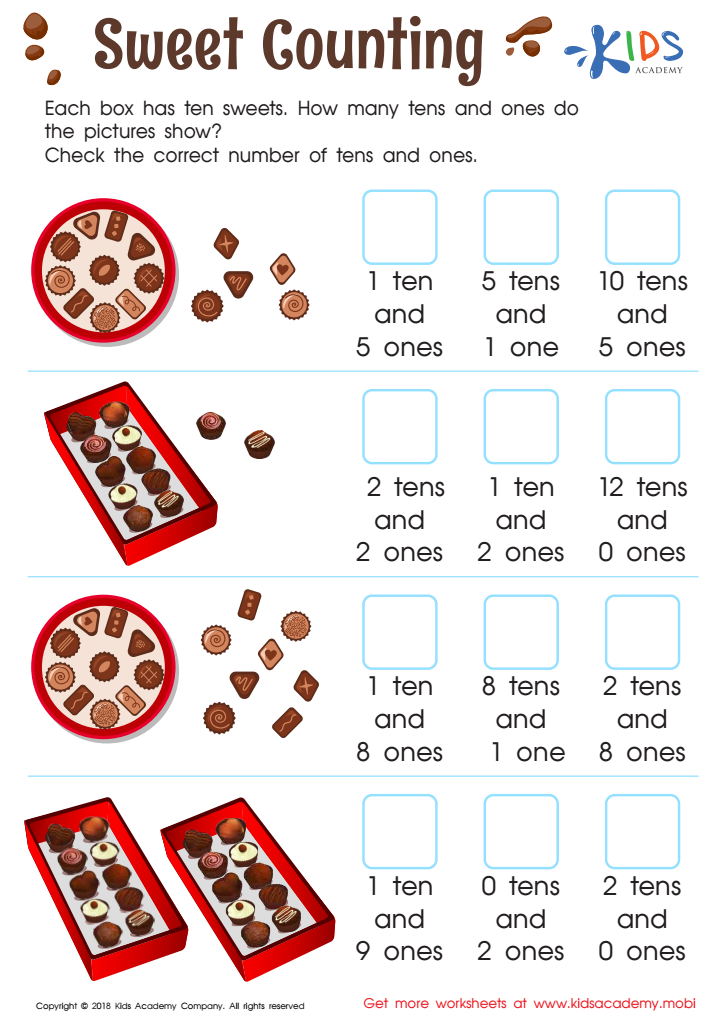
Sweet Counting - Part 2 Worksheet








Fine motor skills play a crucial role in a child's overall development, and this is particularly important for children aged 4-7. These skills involve the coordination of small muscles, particularly in the hands and fingers, necessary for tasks like writing, buttoning a shirt, or using scissors. When children have well-developed fine motor skills, they are better equipped to participate in everyday activities, boosting their independence and self-confidence.
For parents and teachers, nurturing these skills can significantly impact a child's academic and social success. Fine motor abilities are essential for seamless integration into grade school, where tasks such as coloring within lines, cutting shapes, and forming letters and numbers come into play daily. Specifically, in mathematics, children must write numbers clearly, which aids in their number recognition and overall calculation abilities. Accuracy and legibility in math tasks help minimize errors and establish foundational mathematic understanding earlier.
Moreover, strong fine motor skills support cognitive development through enhanced hand-eye coordination and spatial awareness. This early phase is primed for growth and development, and investing time in fine motor skills can lead to improved attention, better classroom behavior, and a more enjoyable learning experience. By focusing on these skills, parents and teachers facilitate a smoother academic journey for young learners, laying a solid foundation for future education.








