Normal Numbers up to 100 Worksheets for Ages 4-7
22 filtered results
-
From - To
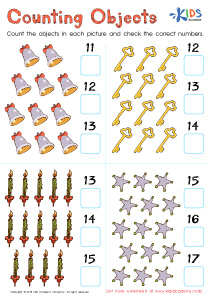
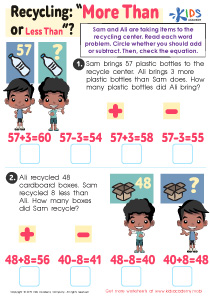
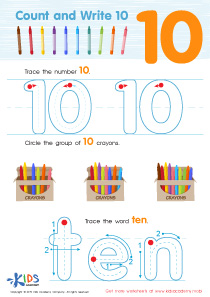
Introduce your young learners to the world of numbers with our "Normal Numbers up to 100 Worksheets for Ages 4-7". These engaging and colorful worksheets are designed to help children practice counting, recognizing, and writing numbers up to 100. Ideal for developing early math skills, each activity is carefully curated to make learning fun and interactive for kids. With a variety of exercises ranging from tracing and matching to simple addition and subtraction, these worksheets cater to differing skill levels and learning styles, fostering confidence and proficiency in understanding numbers. Perfect for use in the classroom or for extra practice at home!
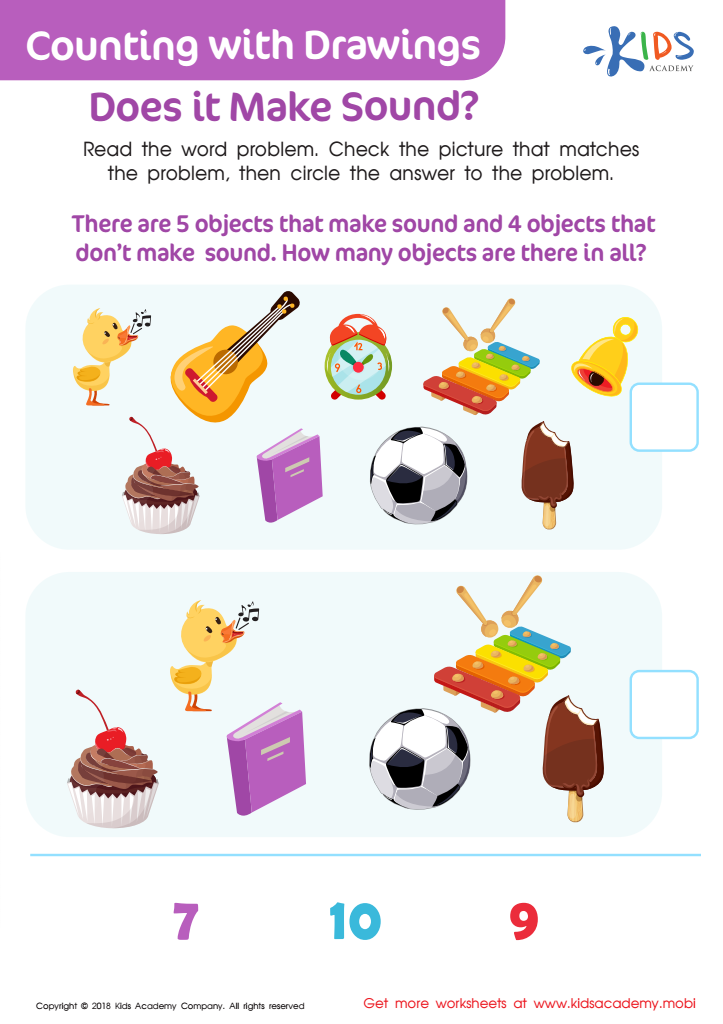
Counting With Drawings. Does It Make Sound? Worksheet
 Assign to My Students
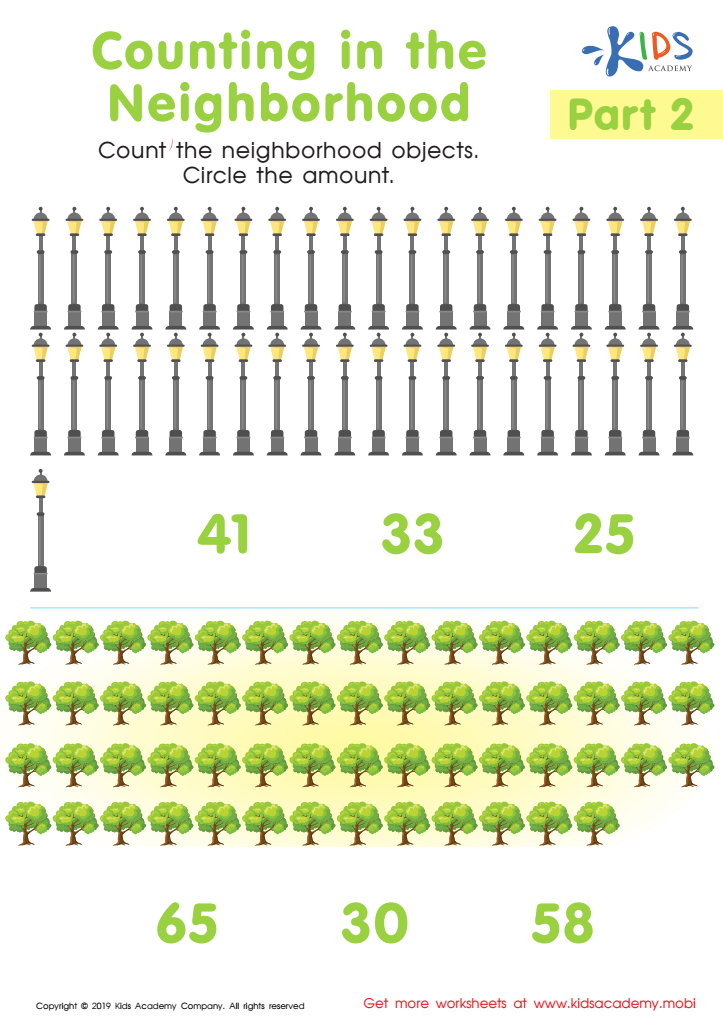
Counting In The Neighborhood Part 2 Worksheet
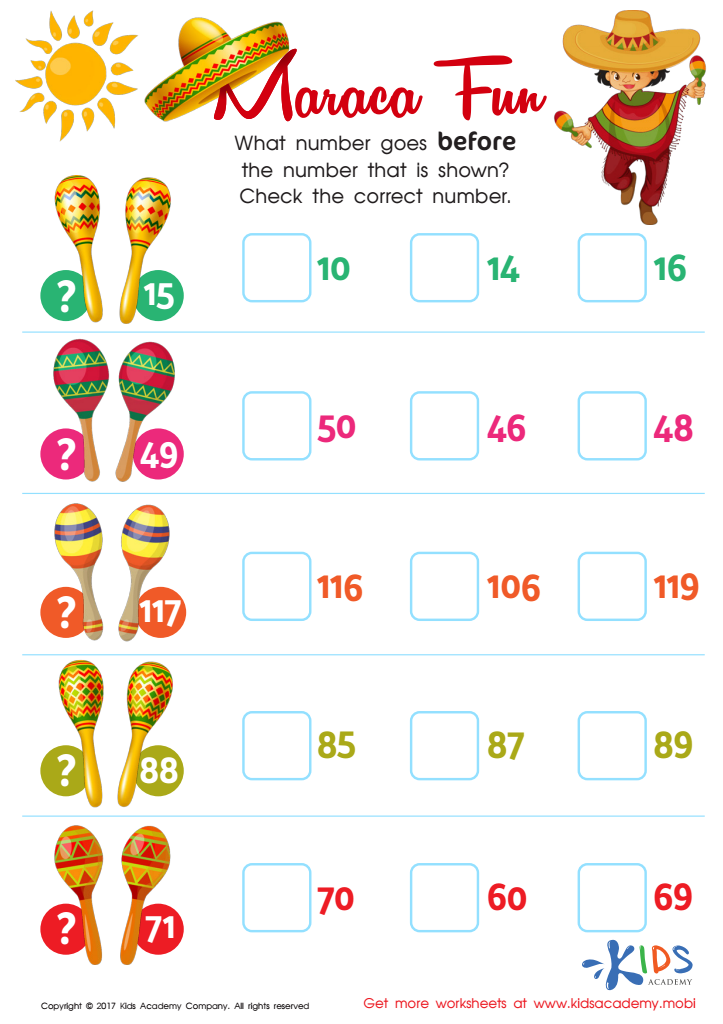
Counting: Maraca Fun Worksheet
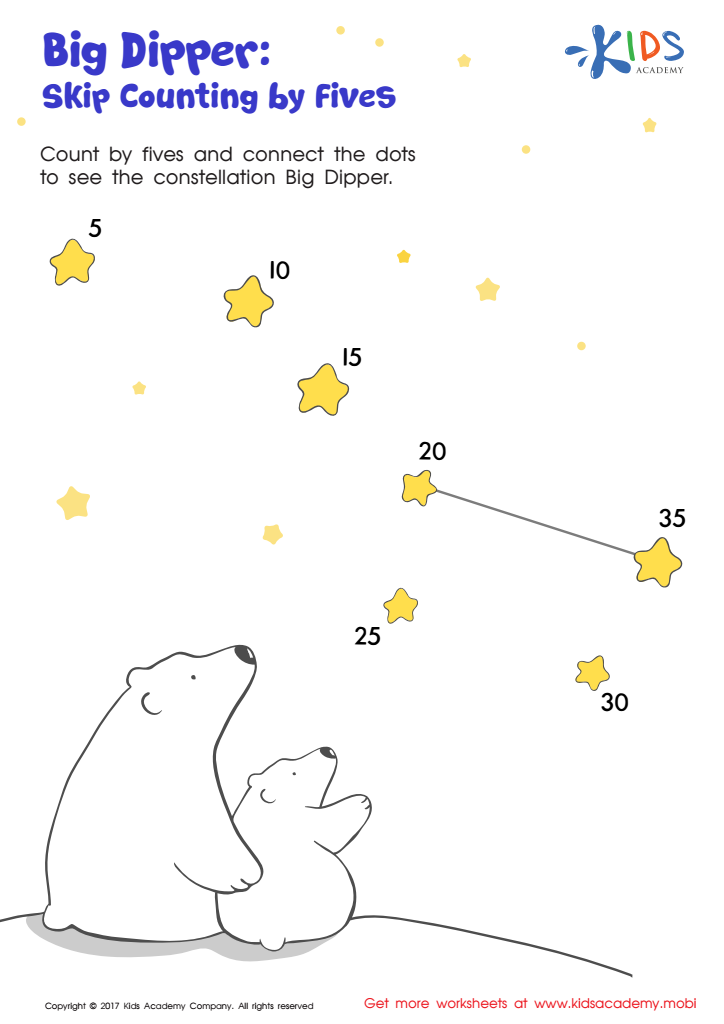
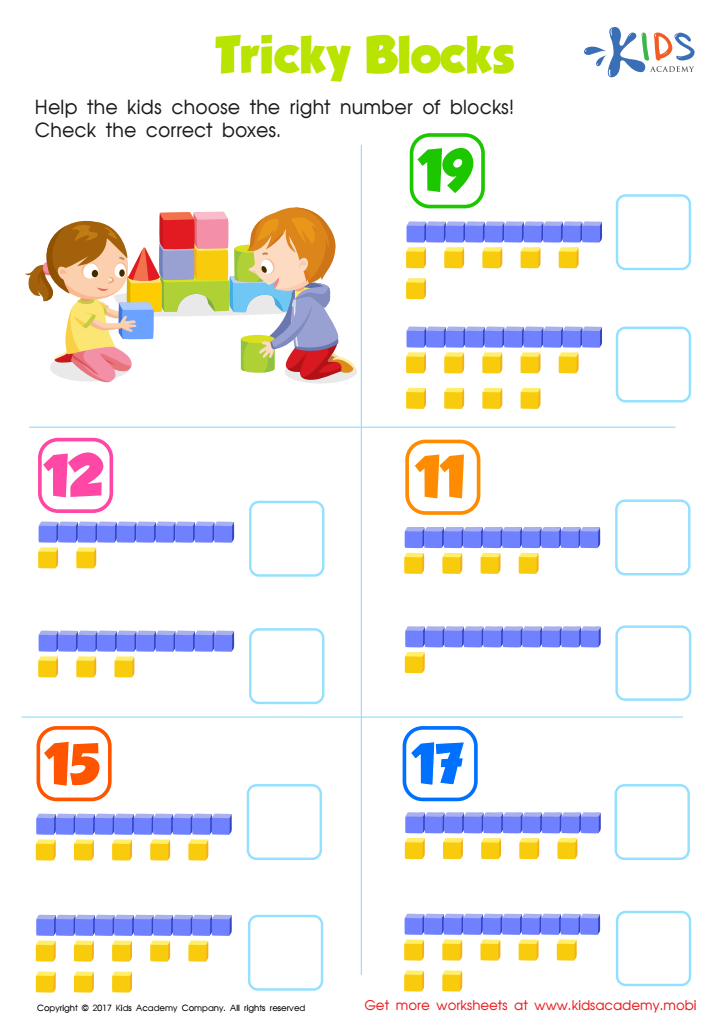
Tricky Blocks Worksheet
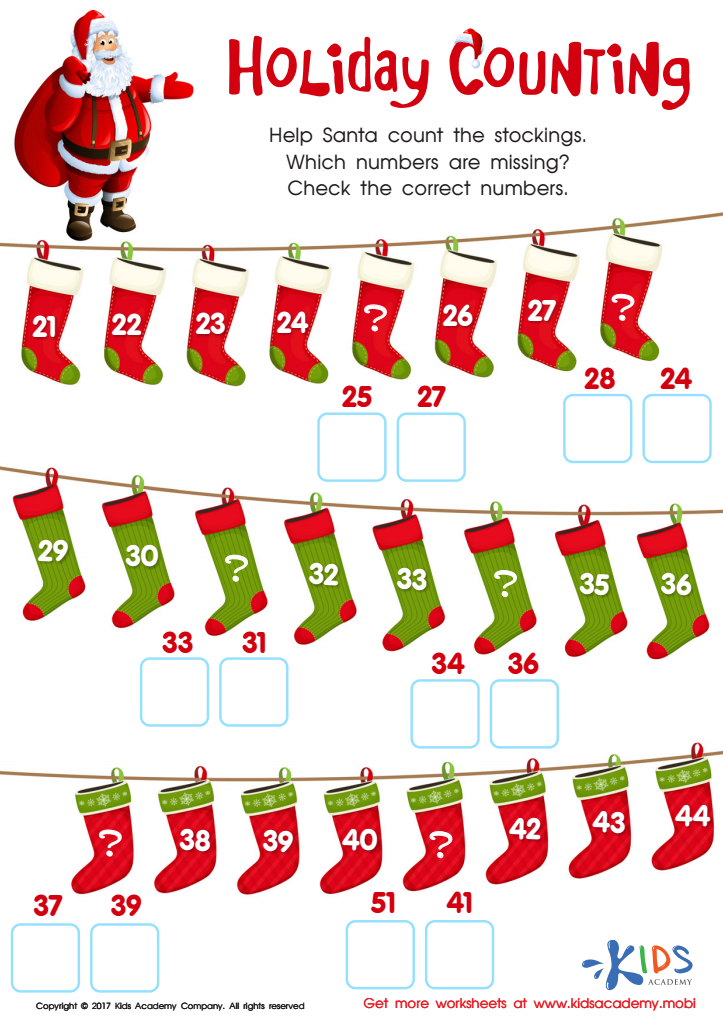
Holiday Counting Worksheet
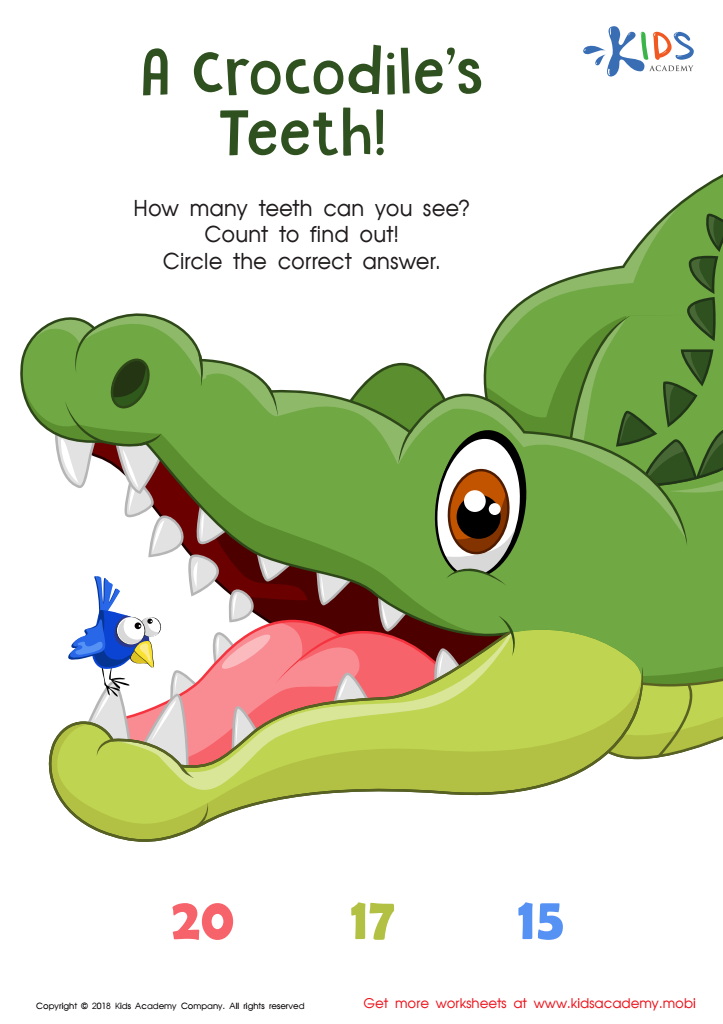
A Crocodile's Teeth Worksheet
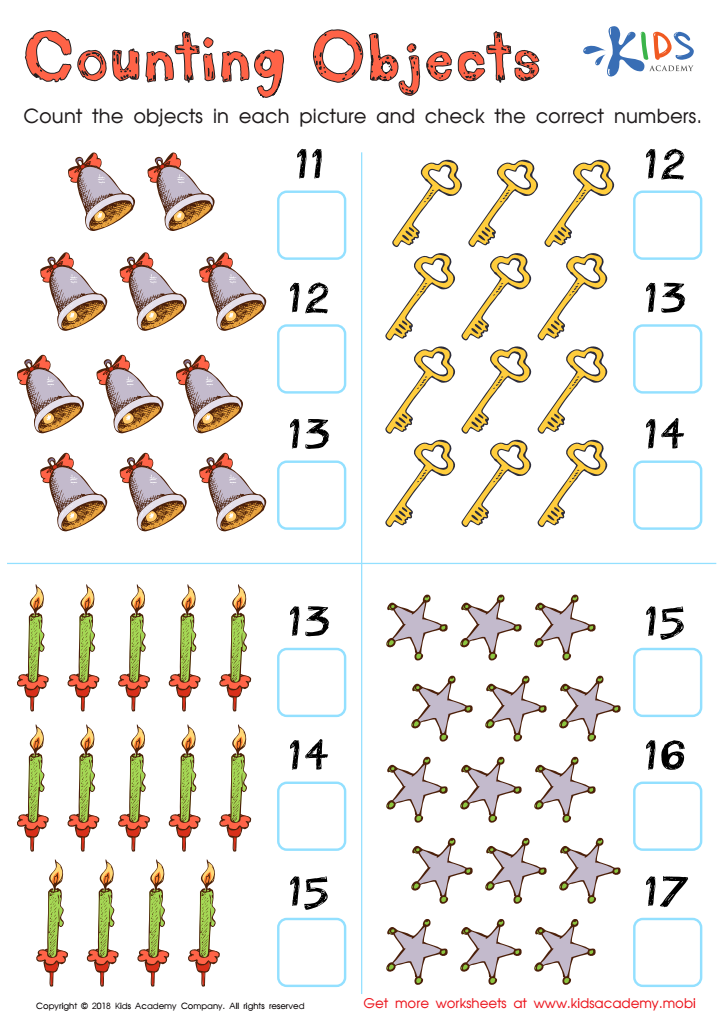
Counting Numbers Worksheet For Kindergarten
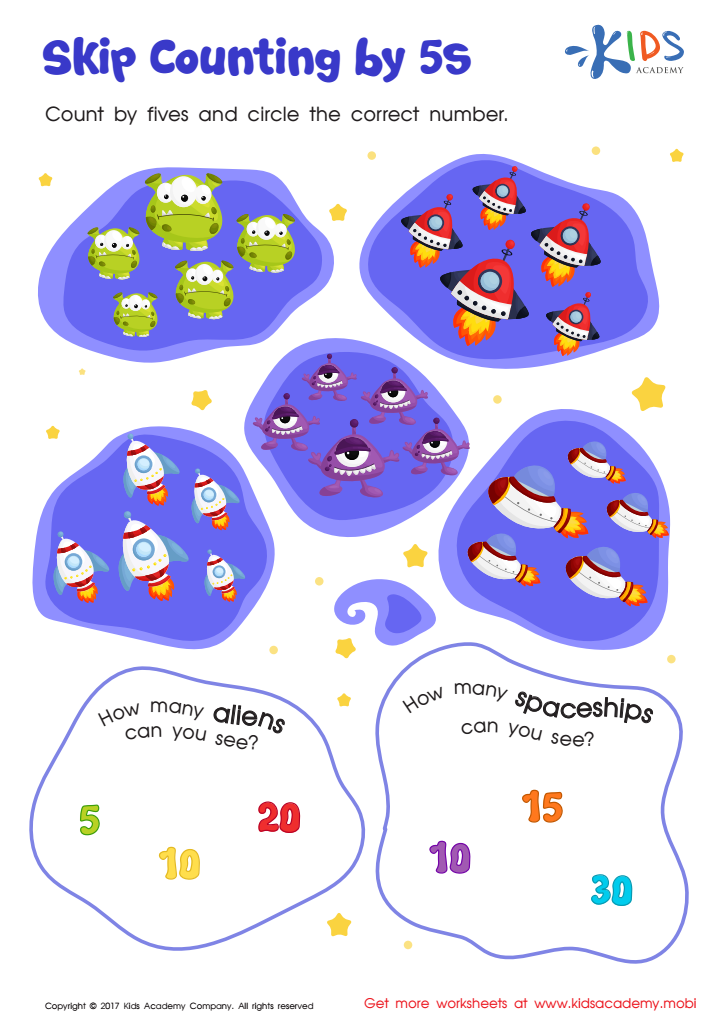
Skip Counting by 5s: Aliens and Spaceships Printable
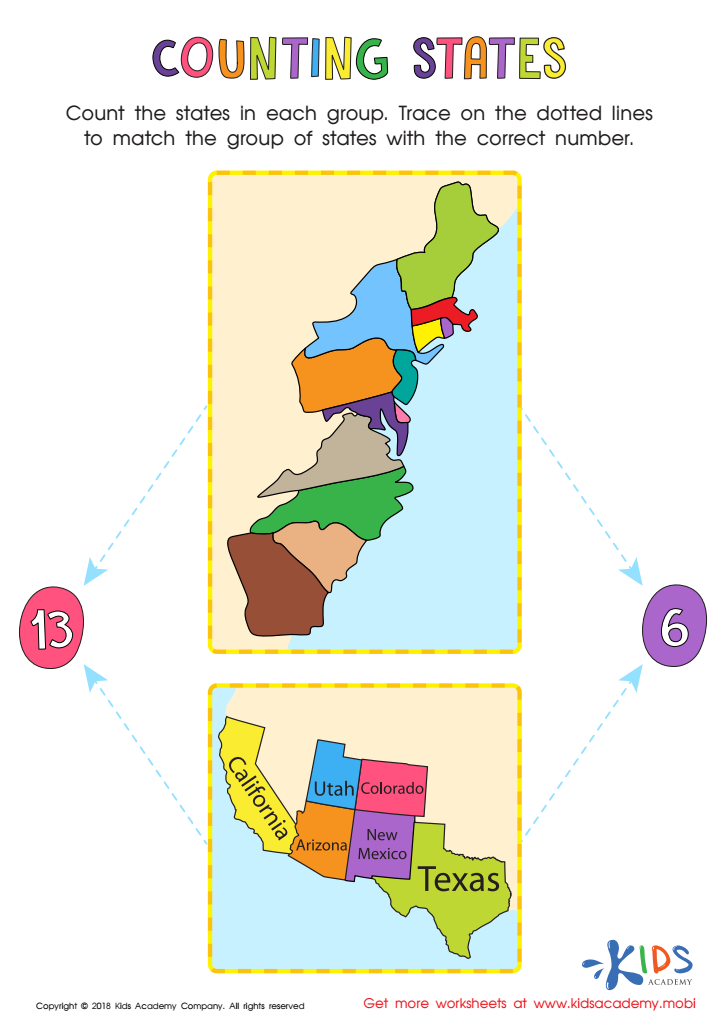
Counting States Worksheet
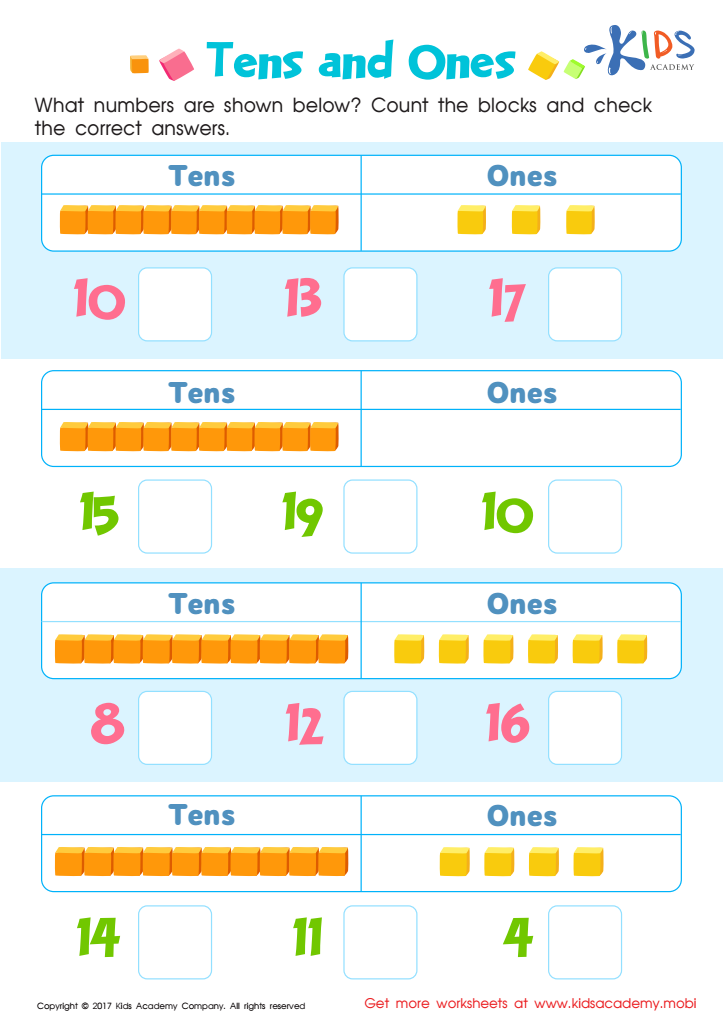
Tens and Ones Worksheet
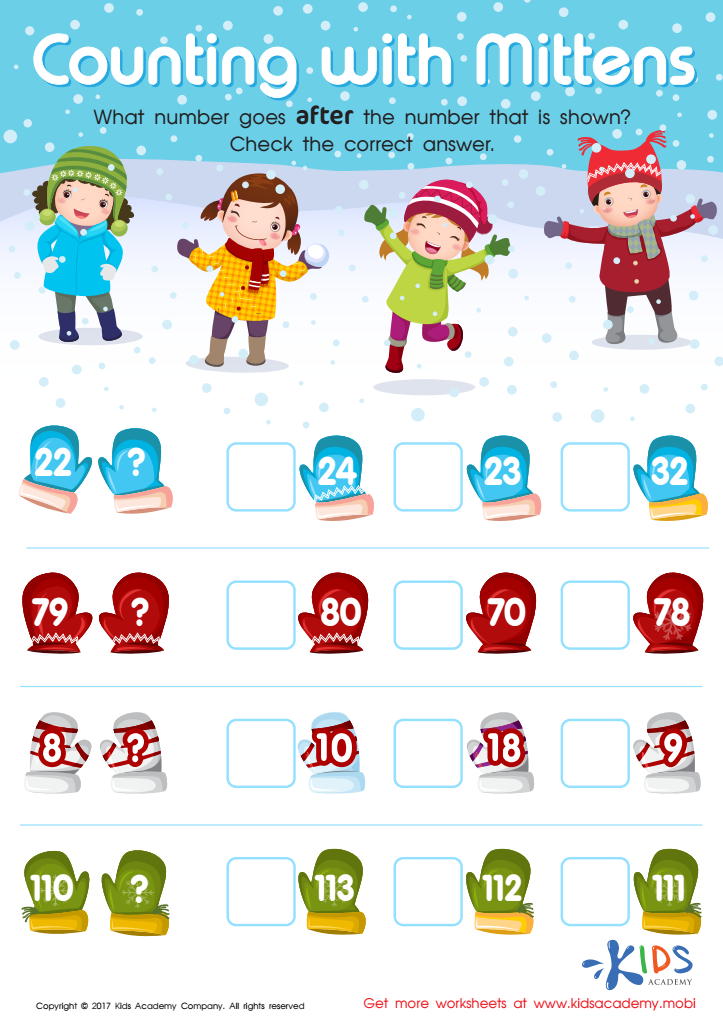
Counting with Mittens Worksheet
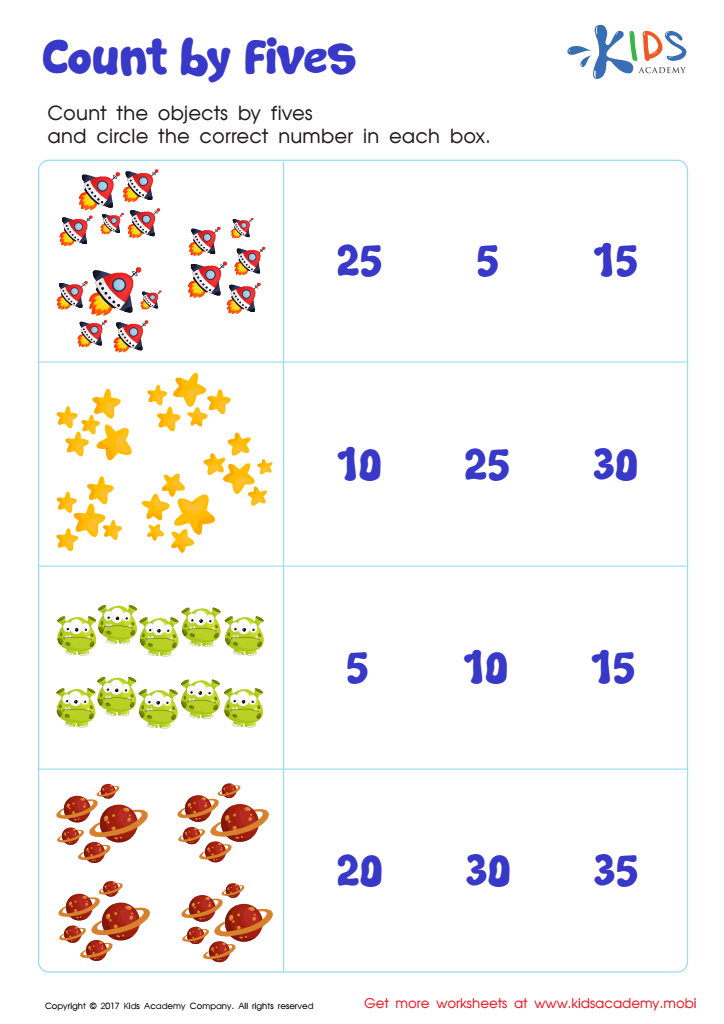
Skip Counting by 5s: Space Math Printable
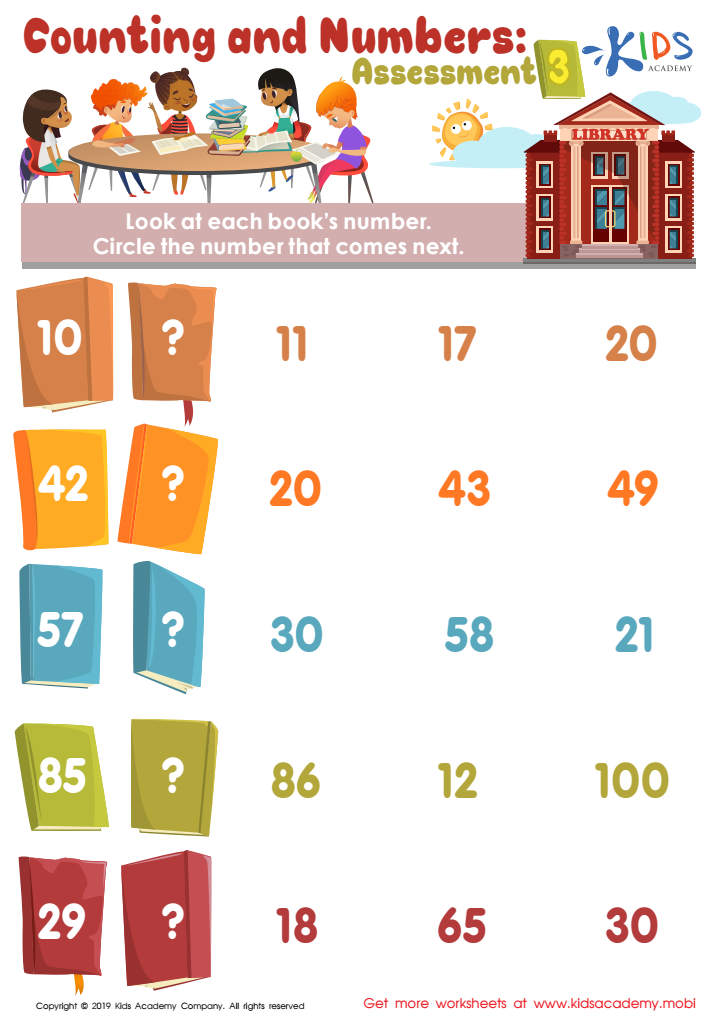
Counting and Numbers: Assessment Worksheet
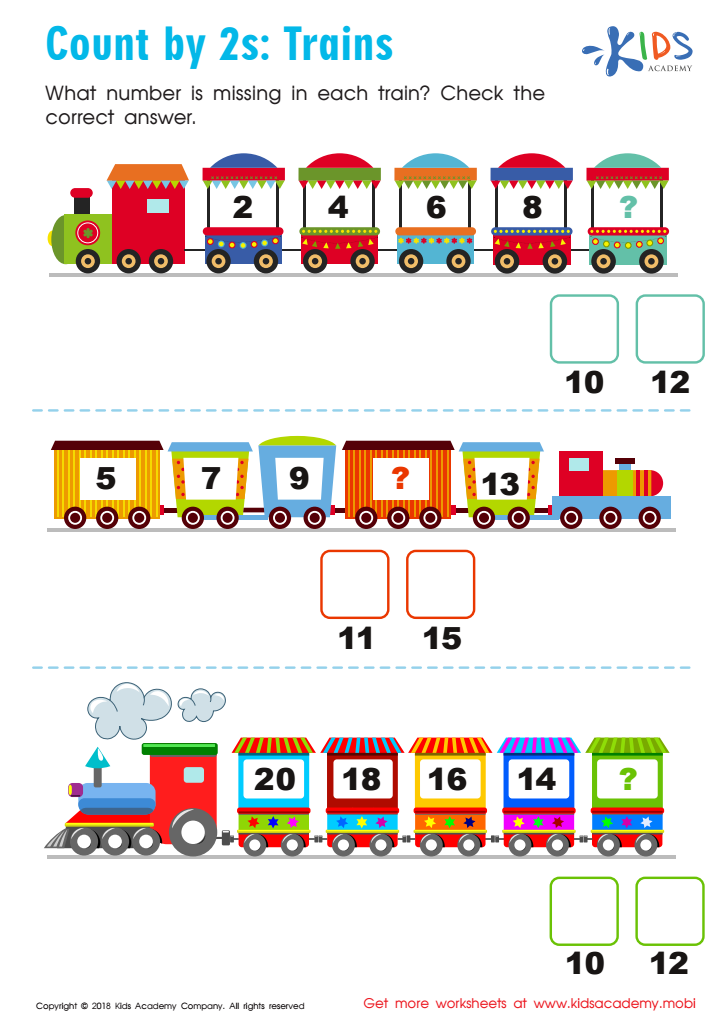
Count by 2's: Trains Worksheet
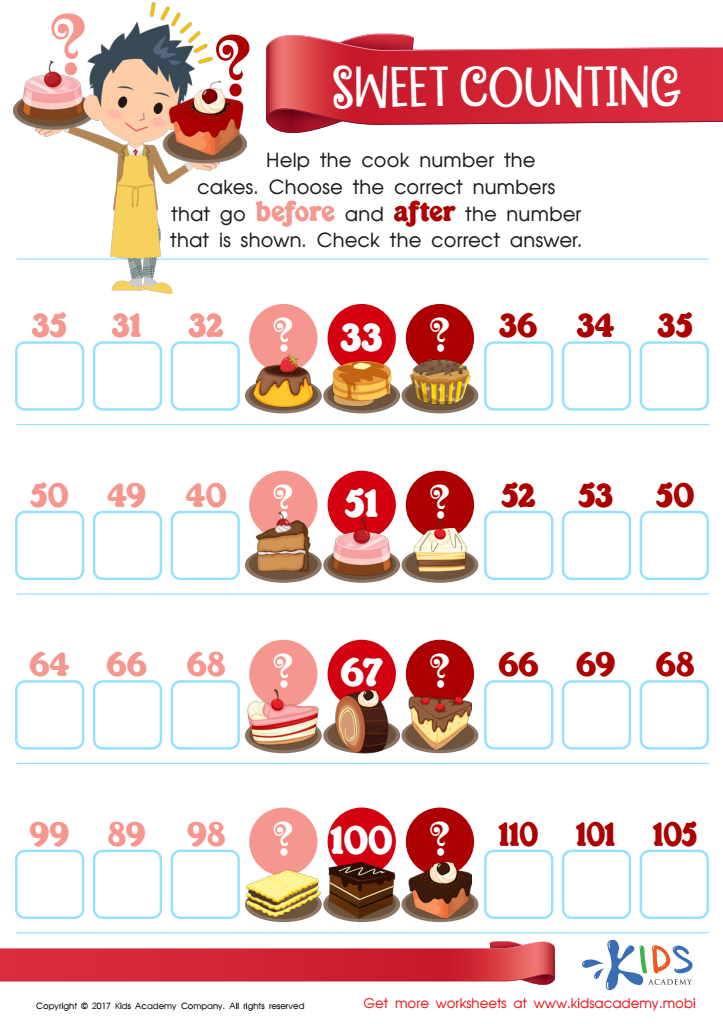
Sweet Counting - Part 1 Worksheet
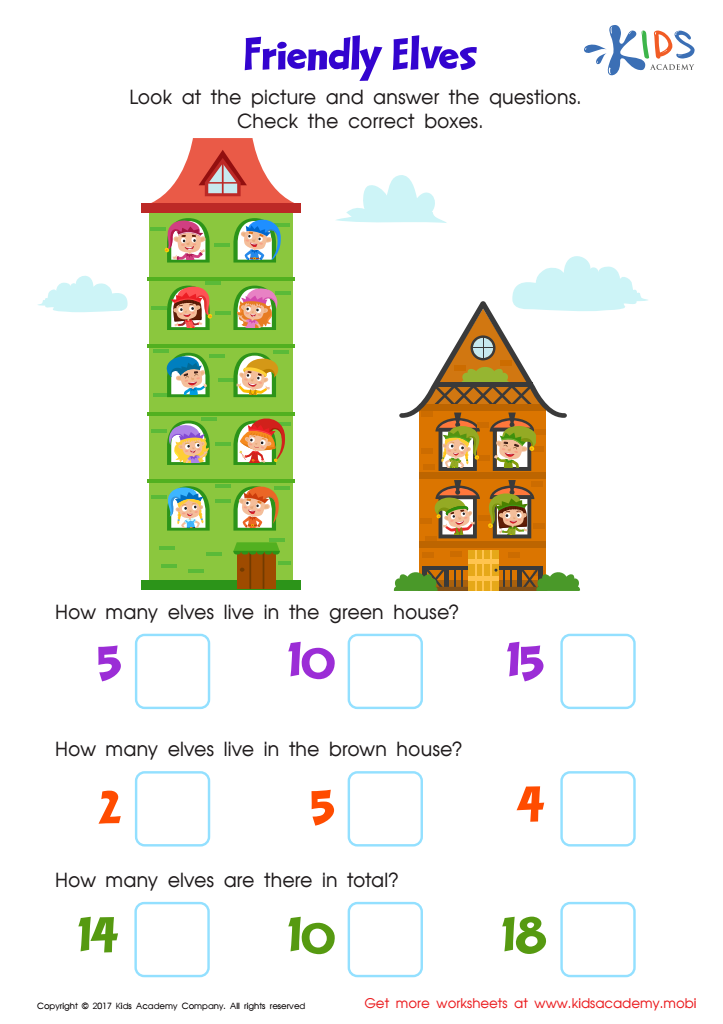
Place Value: Friendly Elves Worksheet
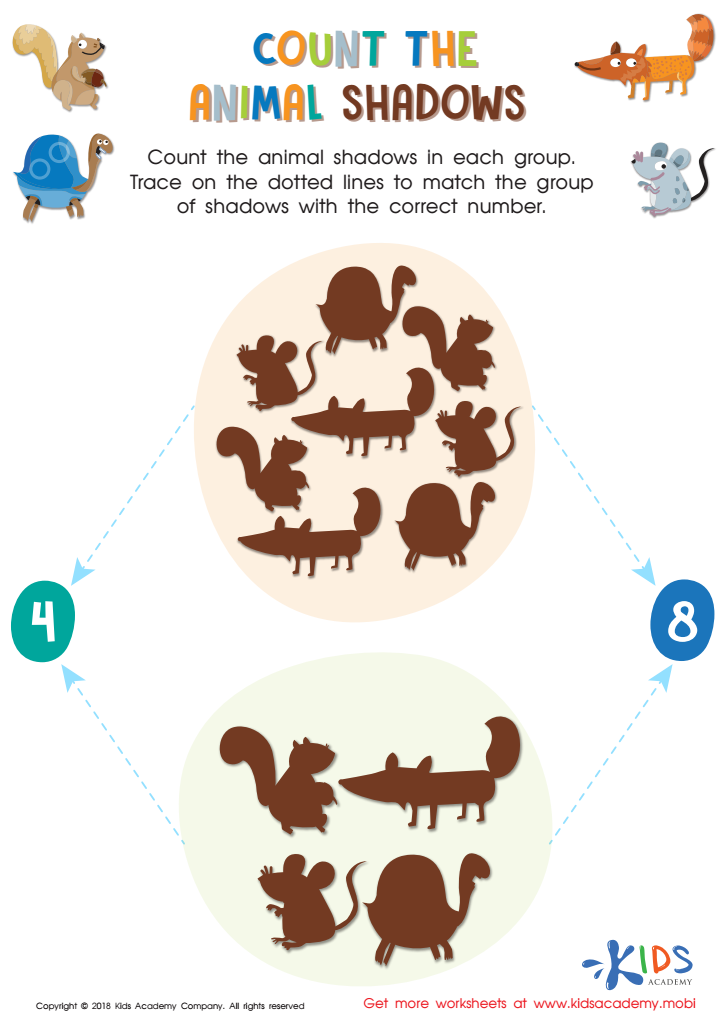
Count the Animal Shadows Worksheet
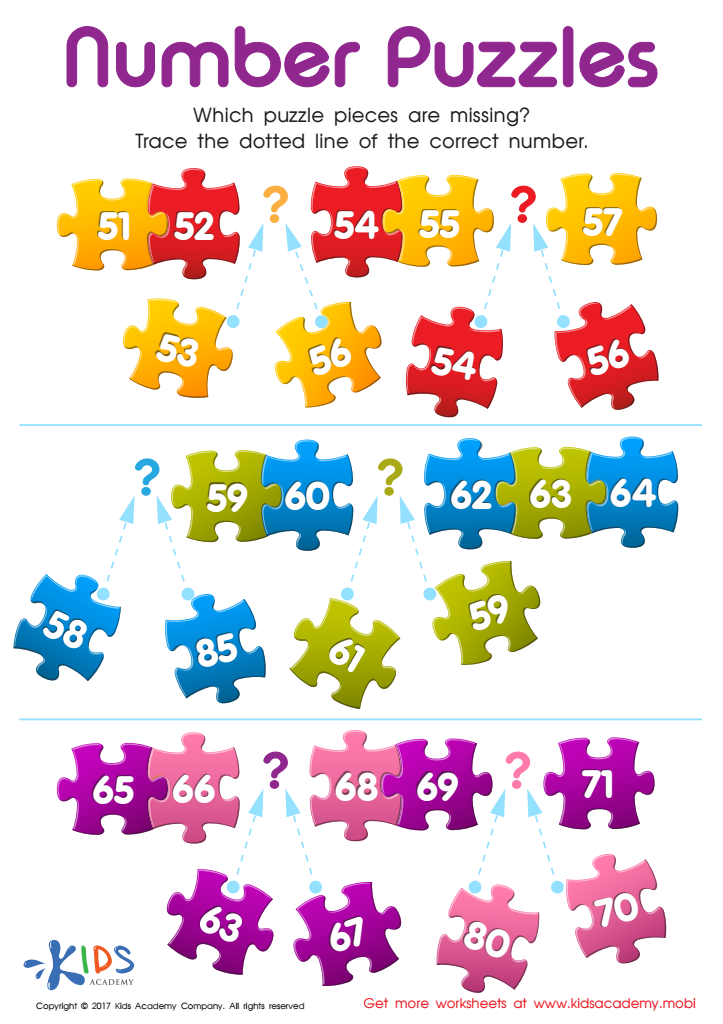
Number Puzzles Worksheet
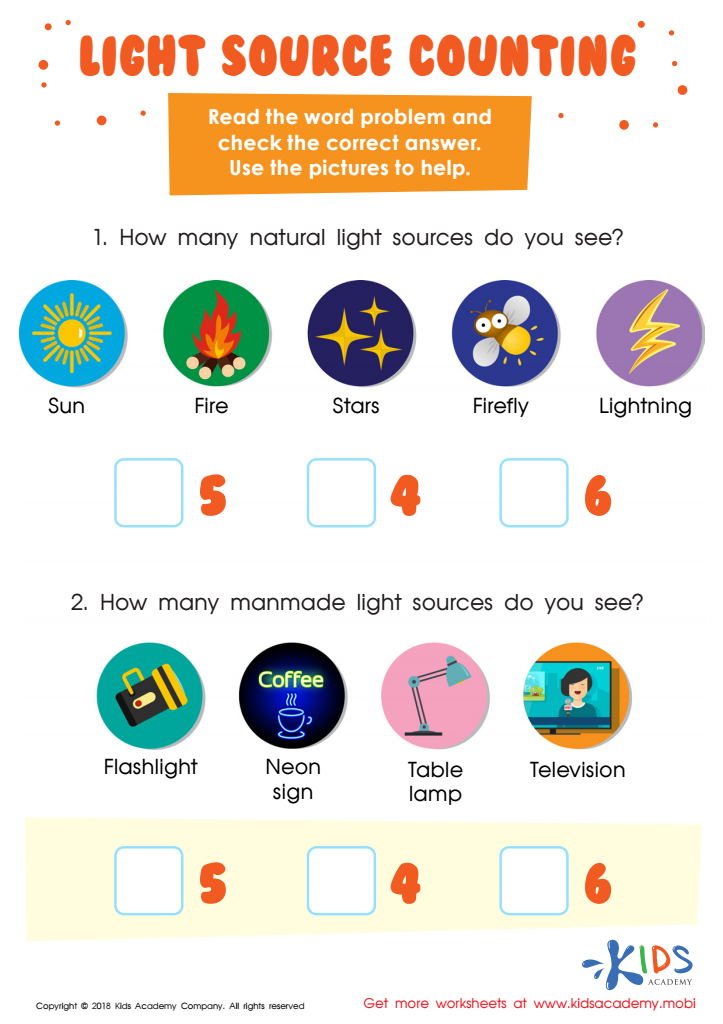
Light Source Counting Worksheet
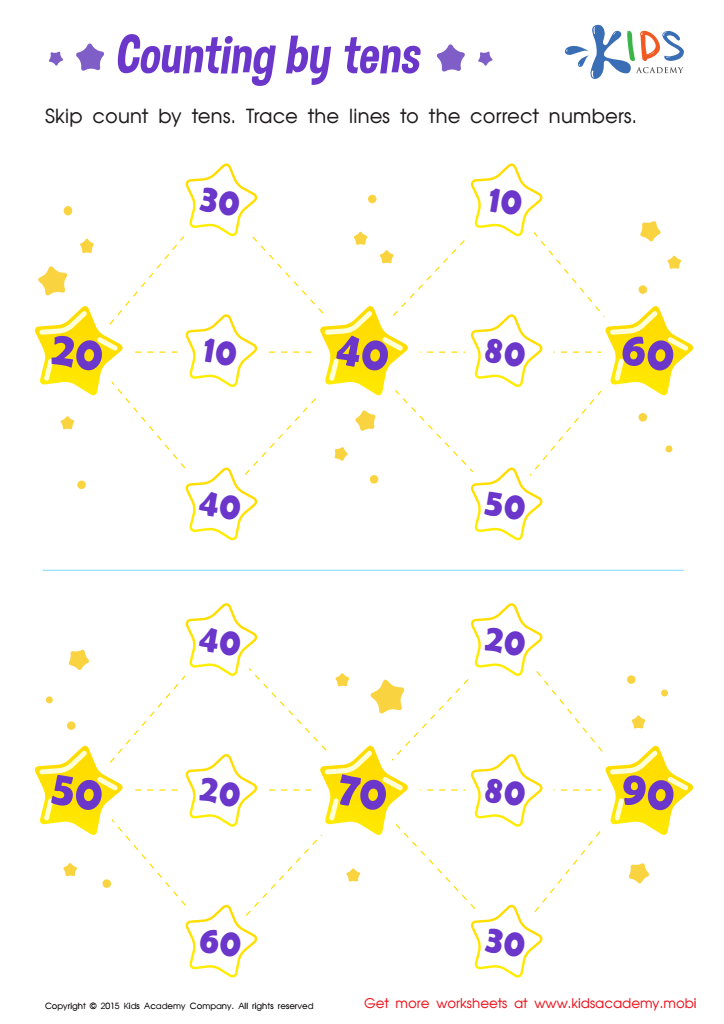
Learn Dozens: Counting by Tens Printable
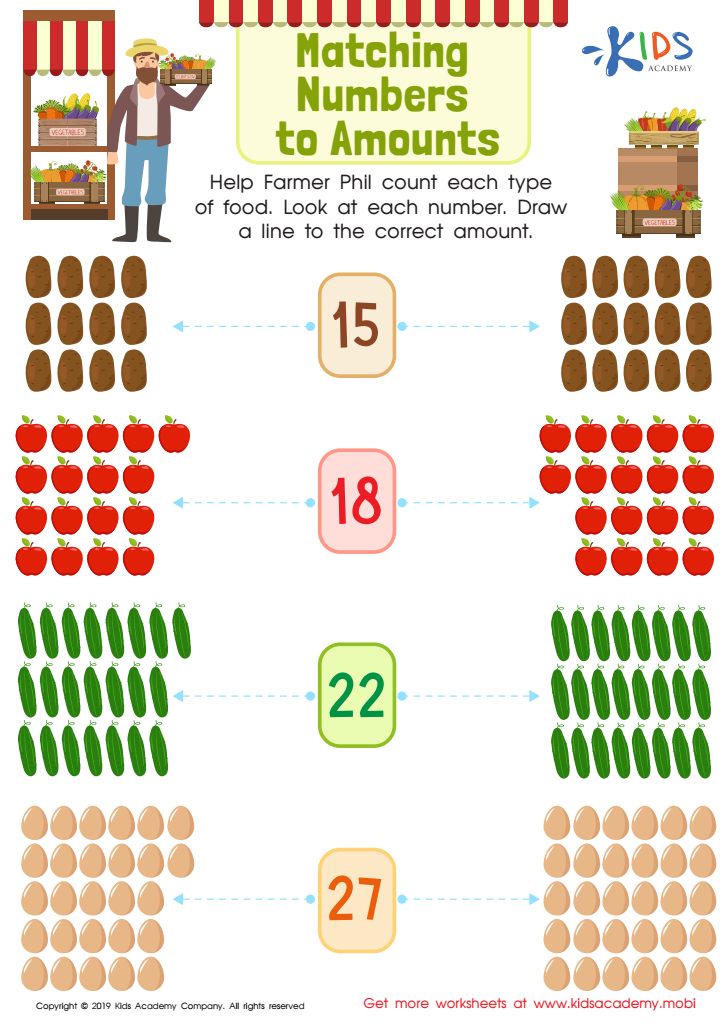
Matching Numbers to Amounts Worksheet






Understanding normal numbers up to 100 is crucial for young children aged 4-7 because it forms the foundation for their future mathematical learning. Normal numbers, often referred to as the natural or counting numbers (1, 2, 3, etc.), are the first numbers children typically learn. Familiarity with these numbers unlocks a range of critical skills, such as basic addition and subtraction, and sets the stage for more complex concepts like multiplication and division.
At this age, children's brains are exceptionally receptive to learning and recognizing patterns. Engaging with normal numbers helps them develop number sense, an intuitive understanding of numbers and their relationships. This is fundamental to their ability to solve problems both in mathematics and daily life. Being comfortable with numbers up to 100 also aids in recognizing numerical order, understanding place value, and learning to count by increments (e.g., by fives and tens), which are essential skills in early arithmetic.
Furthermore, incorporating normal numbers into various activities strengthens children's cognitive and fine motor skills. Through counting games, puzzles, and everyday interactions, children learn to apply numerical concepts in practical settings, reinforcing their learning in a meaningful way. For parents and teachers, fostering a solid grasp of normal numbers up to 100 prepares children for academic success and builds their confidence, making mathematics a fun and essential part of their daily experiences.