Fine Motor Skills Normal Worksheets for Ages 4-8 - Page 5
134 filtered results
-
From - To
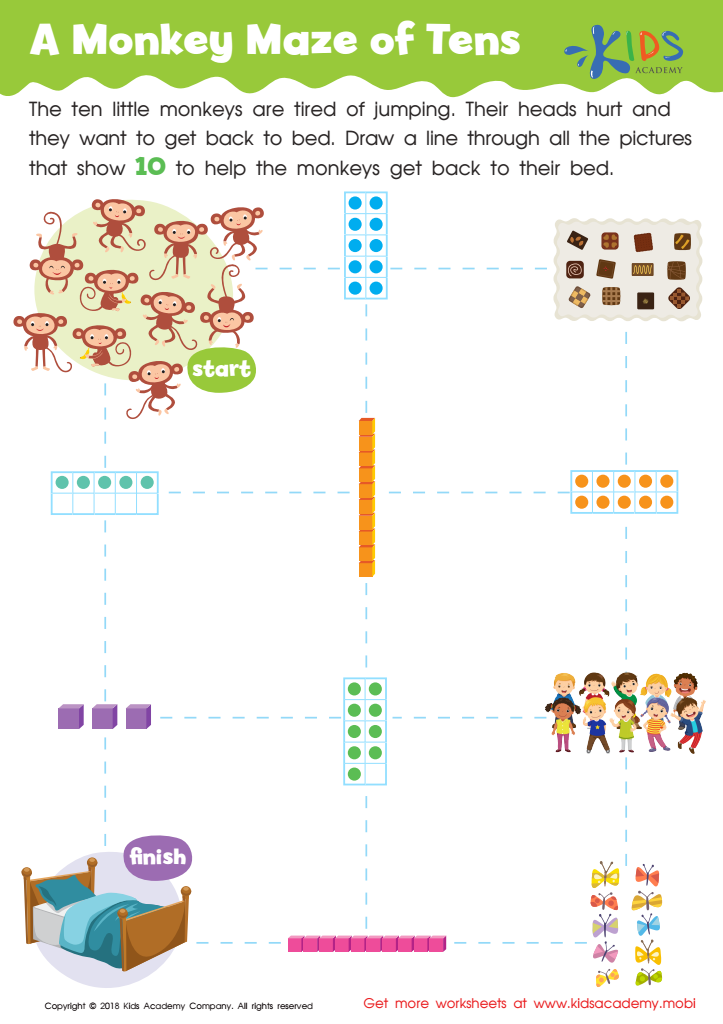
A Monkey Maze of Tens Worksheet
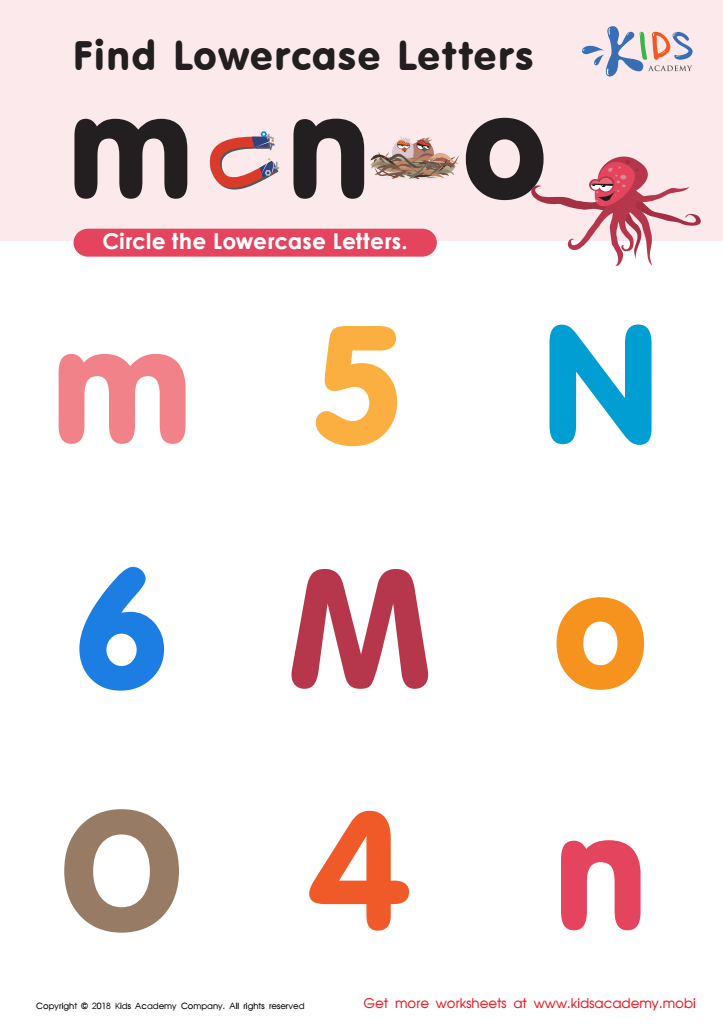
Find Lowercase Letters m n o Worksheet

Shapes and Colors Worksheet
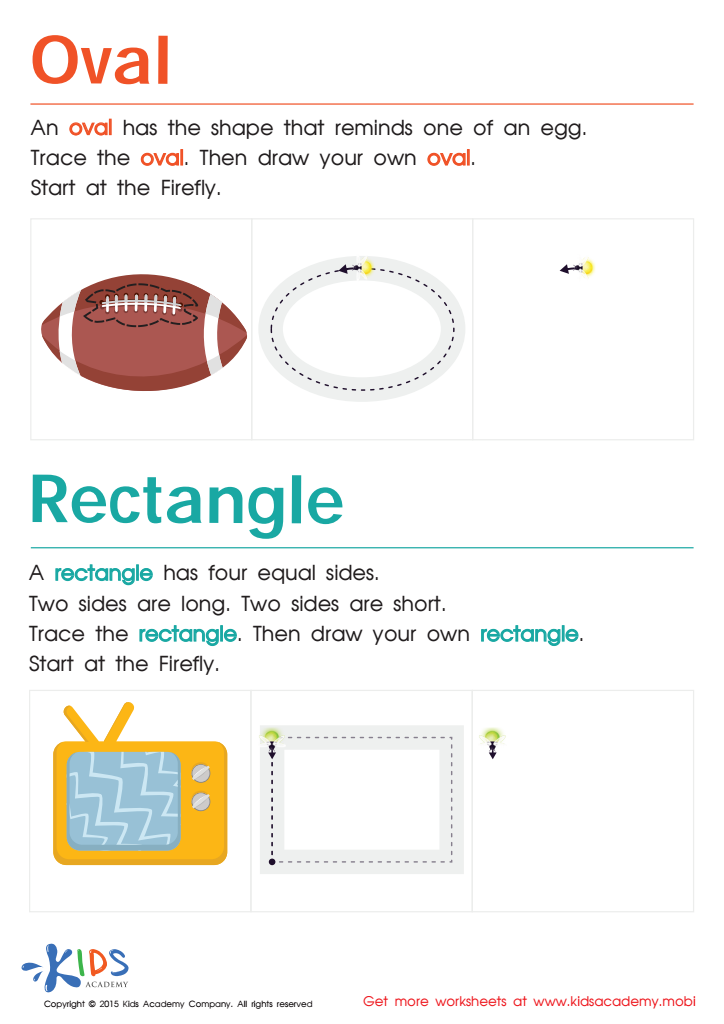
Easy Drawing of Ovals And Rectangles Worksheet
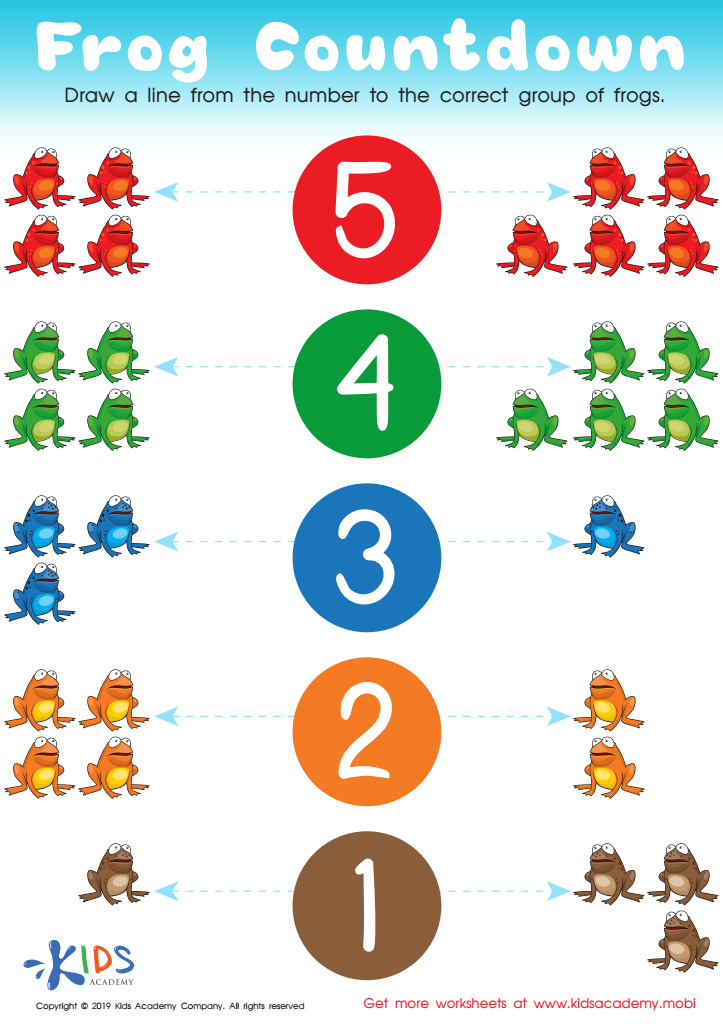
Frog Countdown Worksheet
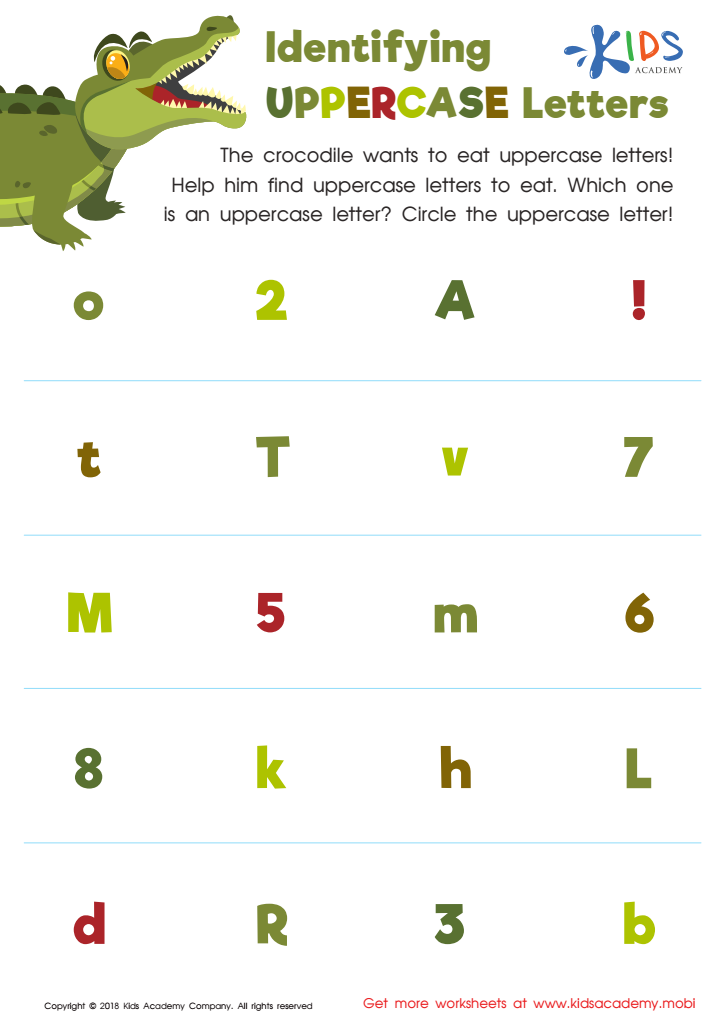
Identifying Uppercase Letters Worksheet
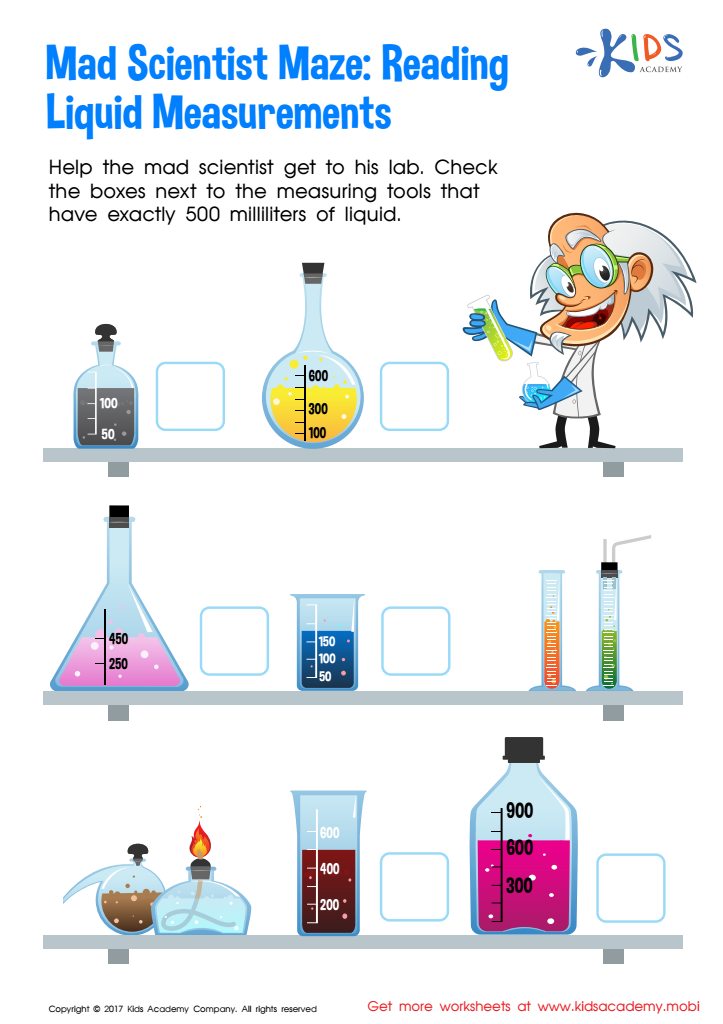
Reading Liquid Measurement Worksheet

3D Shapes Quest Worksheet
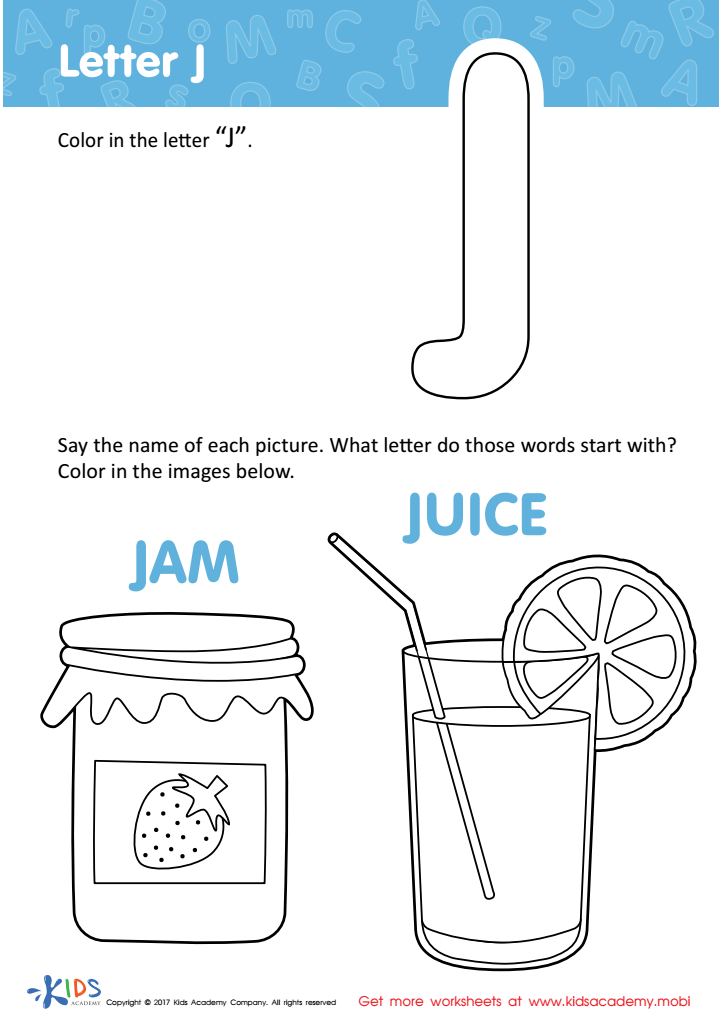
Letter J Coloring Sheet
 Assign to My Students

Playground Worksheet
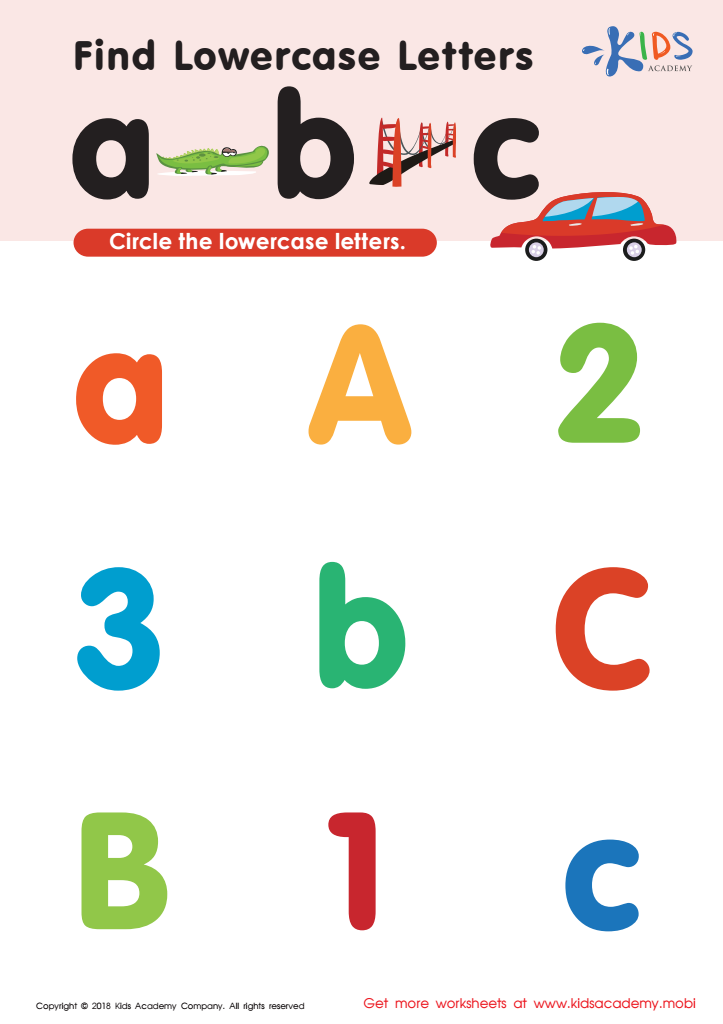
Find lowercase letters a b c Worksheet
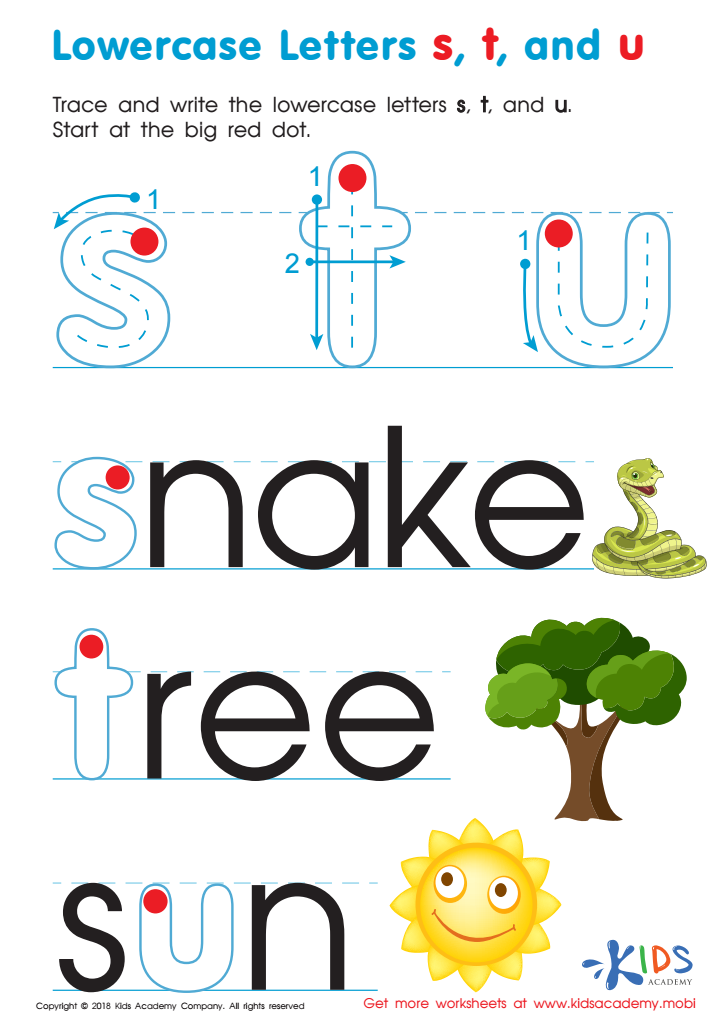
Lowercase Letters s t u Worksheet
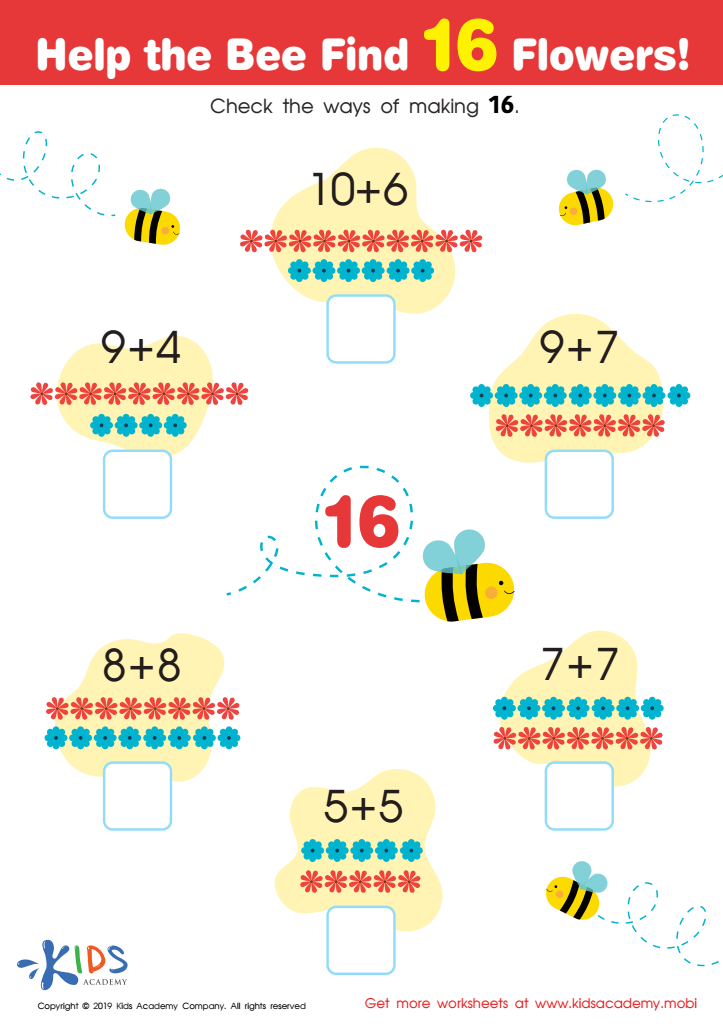
Help the Bee Find 16 Flowers Worksheet
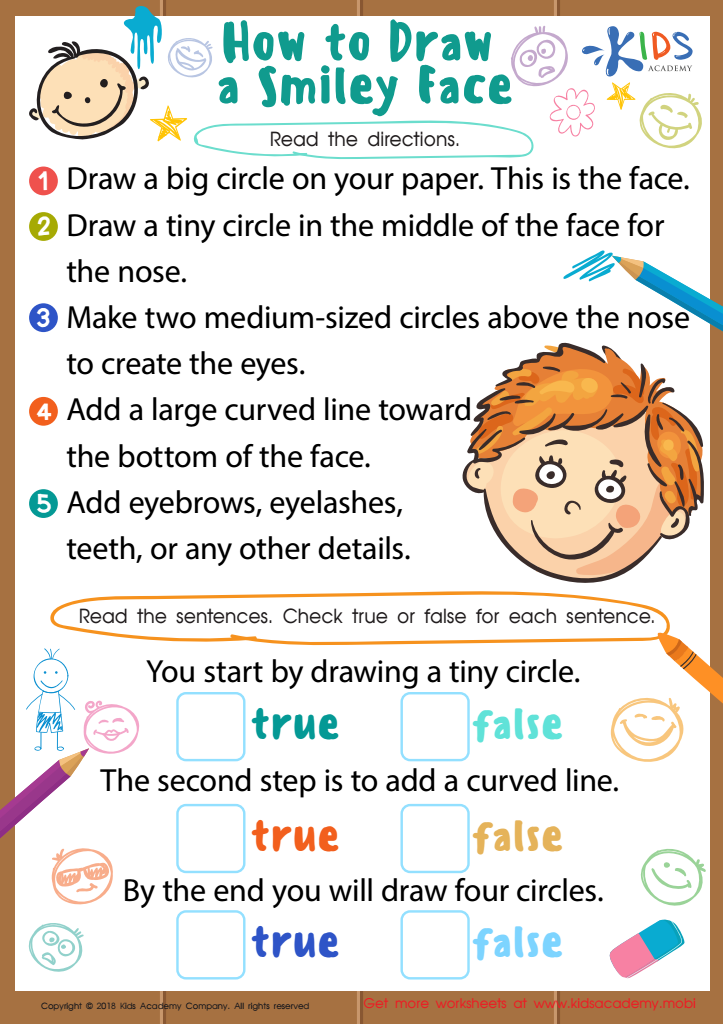
How to Draw a Smiley Face Worksheet
Turkey Thanksgiving Day Worksheet
Assign to My Students
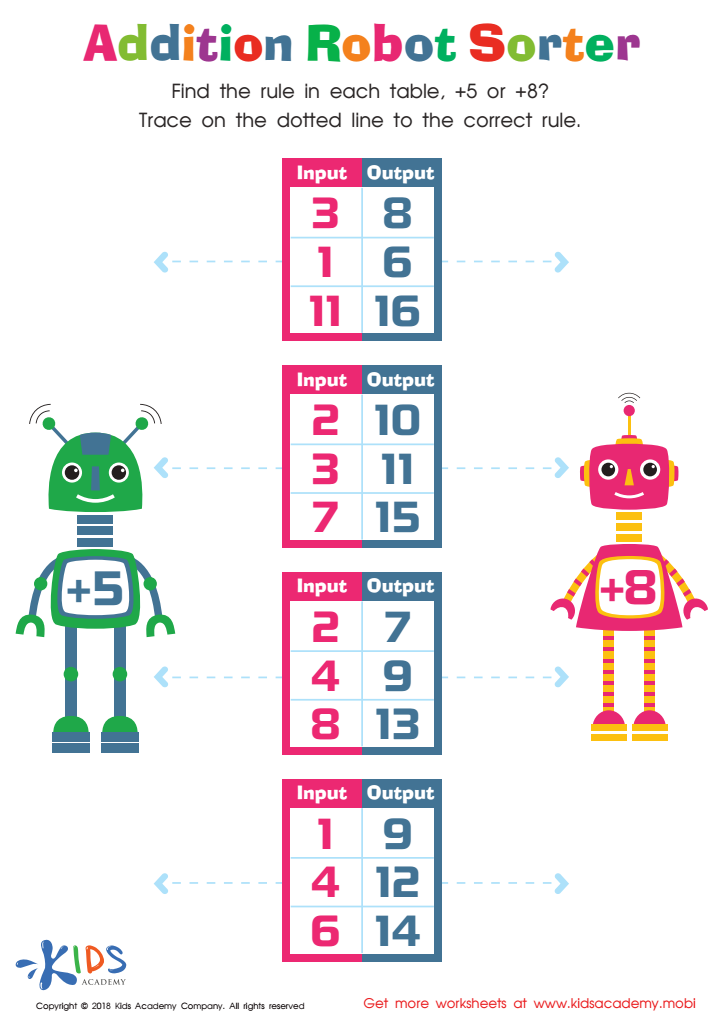
Addition Robot Sorter Worksheet

Christmas: Christmas Tree Printable
Assign to My Students

Bee Rhyming Words Worksheet
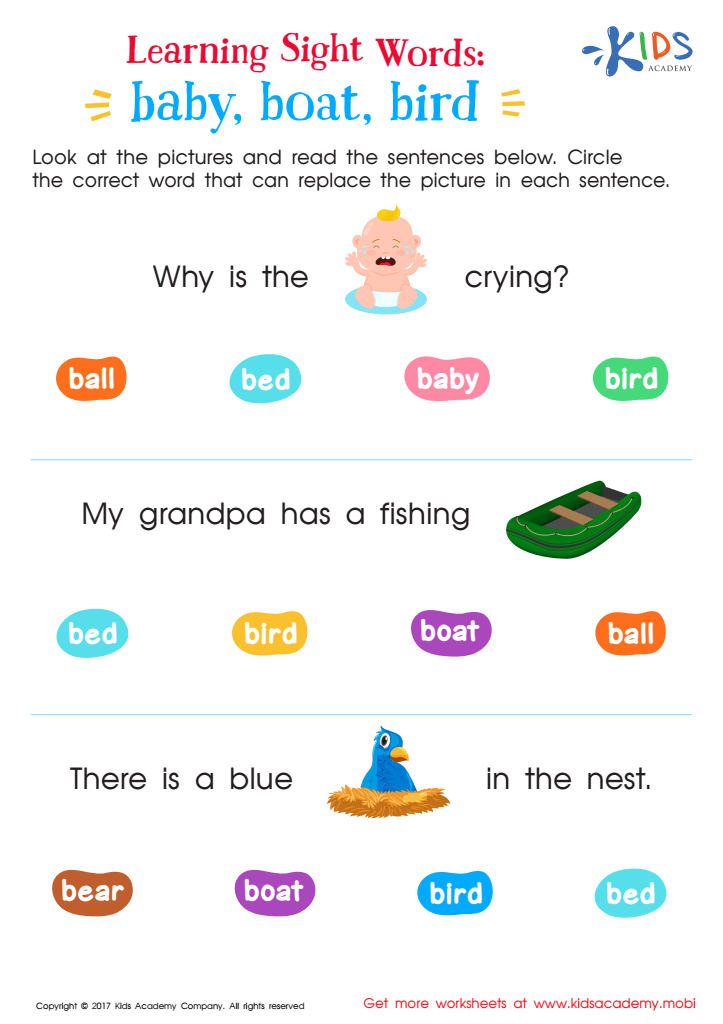
Baby, Boat, Bird Worksheet Sight Words Worksheet
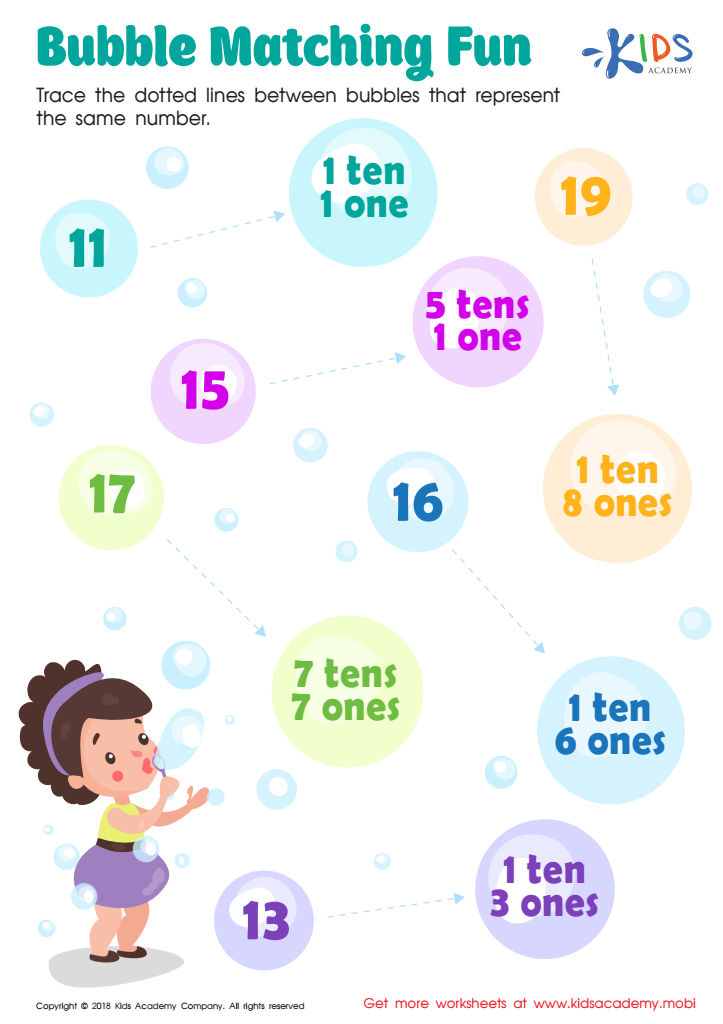
Bubble Matching Fun Worksheet
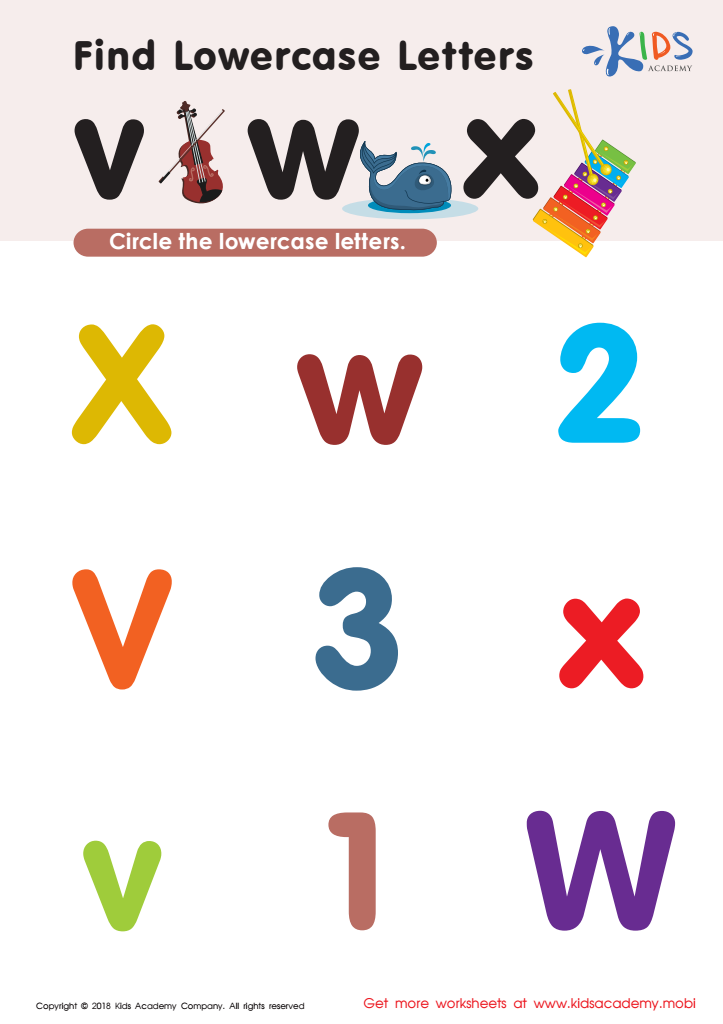
Find Lowercase Letters v w x Worksheet
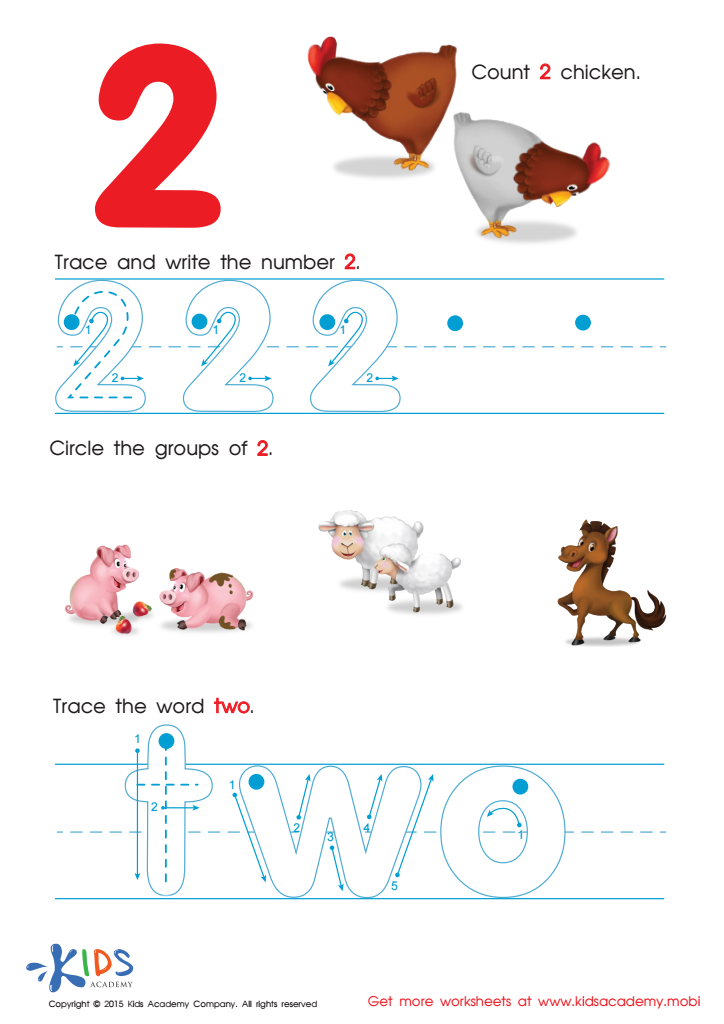
Learn to Write the Number 2 Worksheet
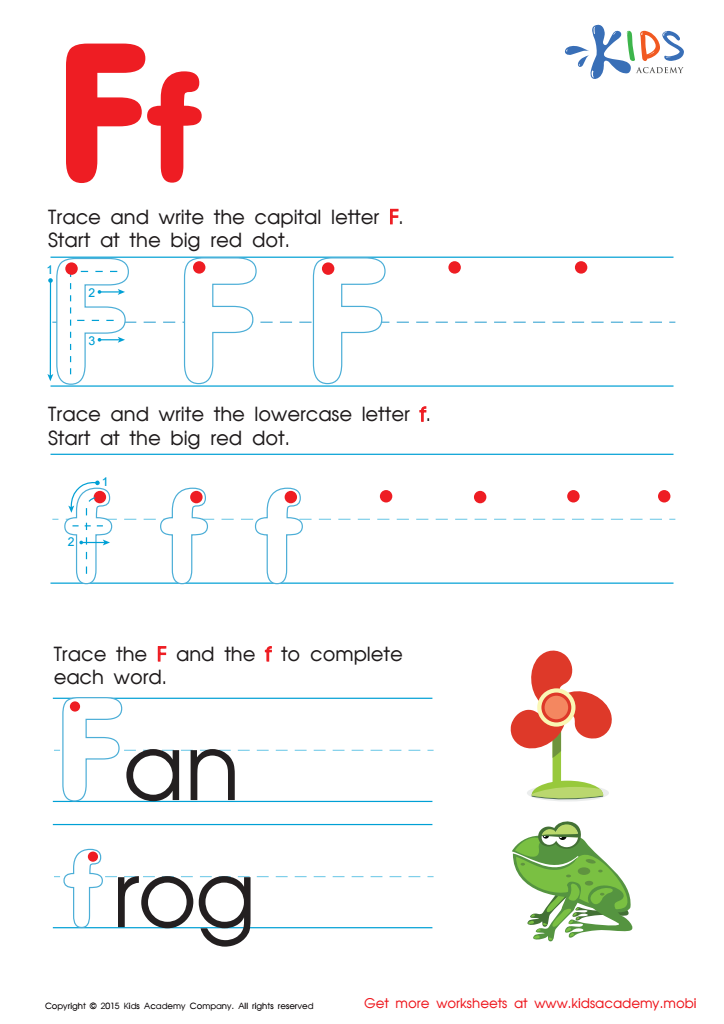
Letter F Tracing Page
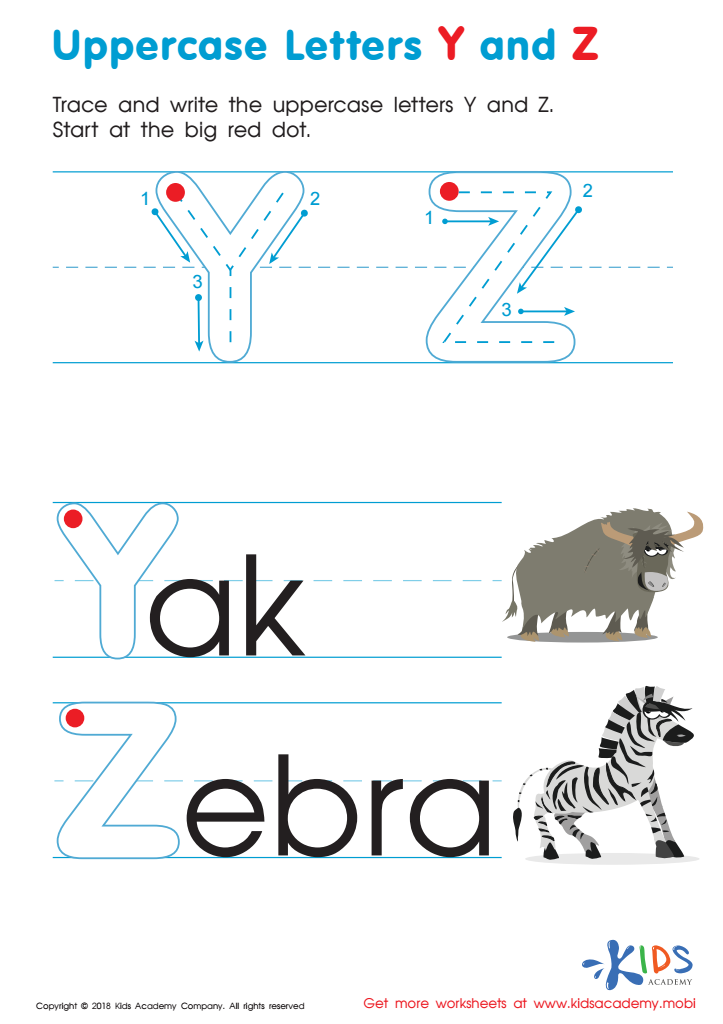
Uppercase Letters Y Z Worksheet








Fine motor skills are critical for children aged 4-8 because they form the basis for essential life and academic activities. These skills involve the coordinated efforts of the small muscles in the hands and fingers, enabling children to perform tasks such as writing, cutting with scissors, buttoning clothing, and tying shoelaces. Without well-developed fine motor skills, children may struggle to perform everyday tasks independently, which can affect their self-esteem and self-reliance.
Parents and teachers should pay attention to the development of fine motor skills because these skills are fundamental to a child's academic success. For instance, the ability to write legibly and efficiently affects a child’s capacity to express ideas on paper, complete worksheets, and pass exams. Furthermore, activities that promote fine motor control, such as drawing or playing with building blocks, also encourage cognitive development, hand-eye coordination, and concentration.
Poor development of fine motor skills can signal potential developmental issues and might necessitate early intervention. By identifying these challenges early on, parents and teachers can take appropriate steps, such as occupational therapy or fine motor exercises, to support the child in reaching age-appropriate milestones. Ensuring that fine motor skills are nurtured helps set the stage for overall academic achievement and functional daily living skills.








