Phonics Skills Normal Worksheets for Ages 4-8 - Page 3
62 filtered results
-
From - To
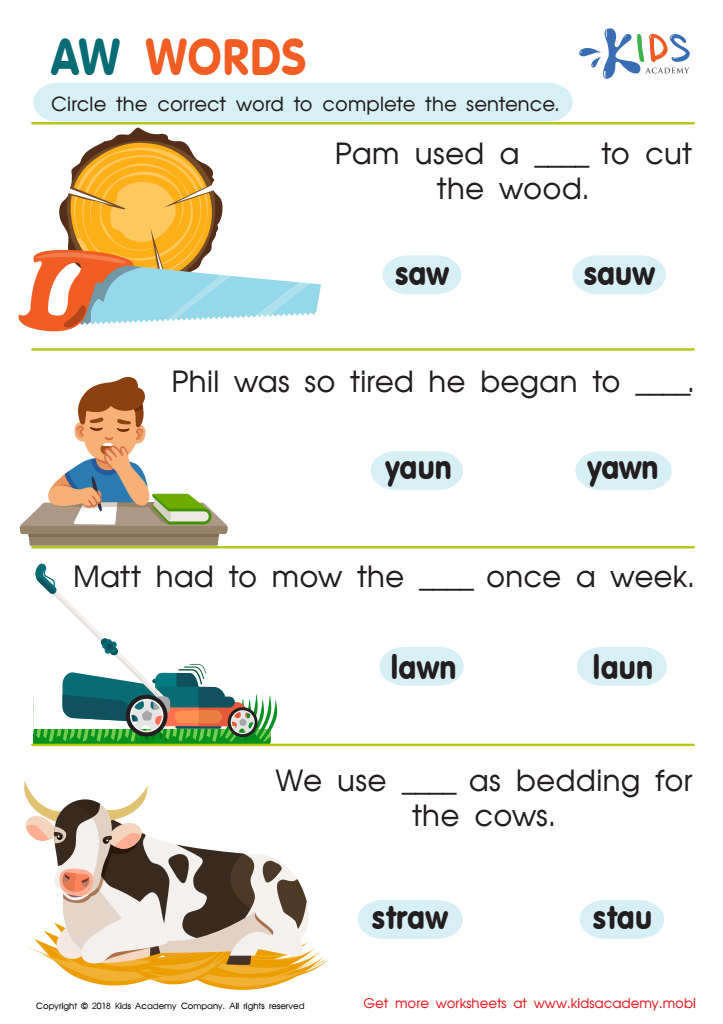
Reading: AW Words Worksheet
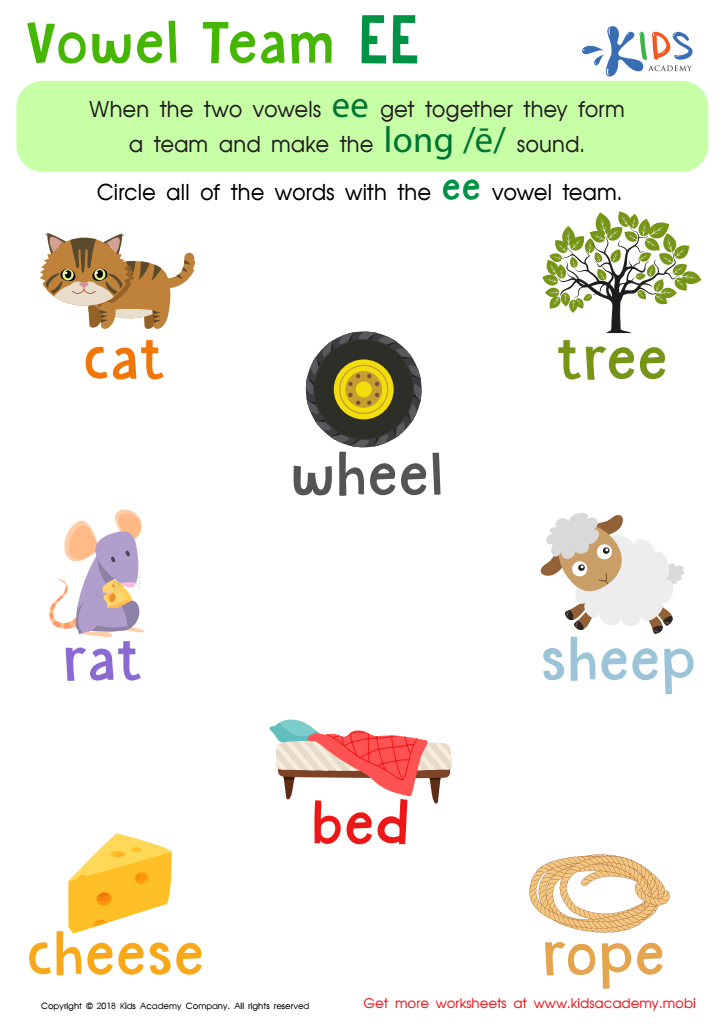
Reading: Vowel Team EE Worksheet
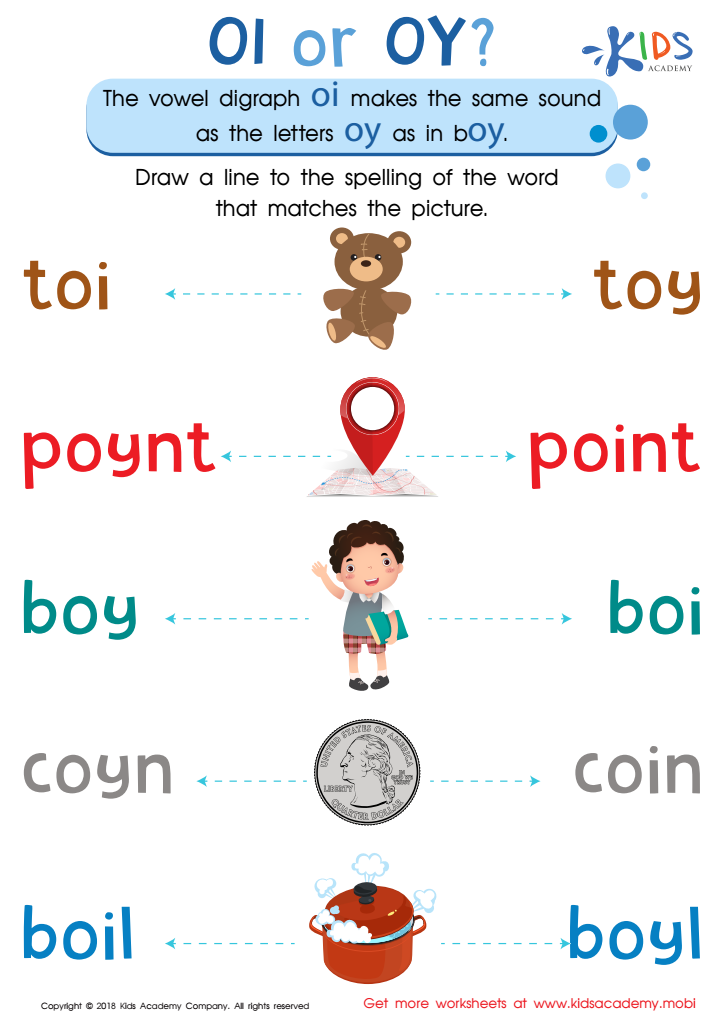
Reading: OI and OY Worksheet
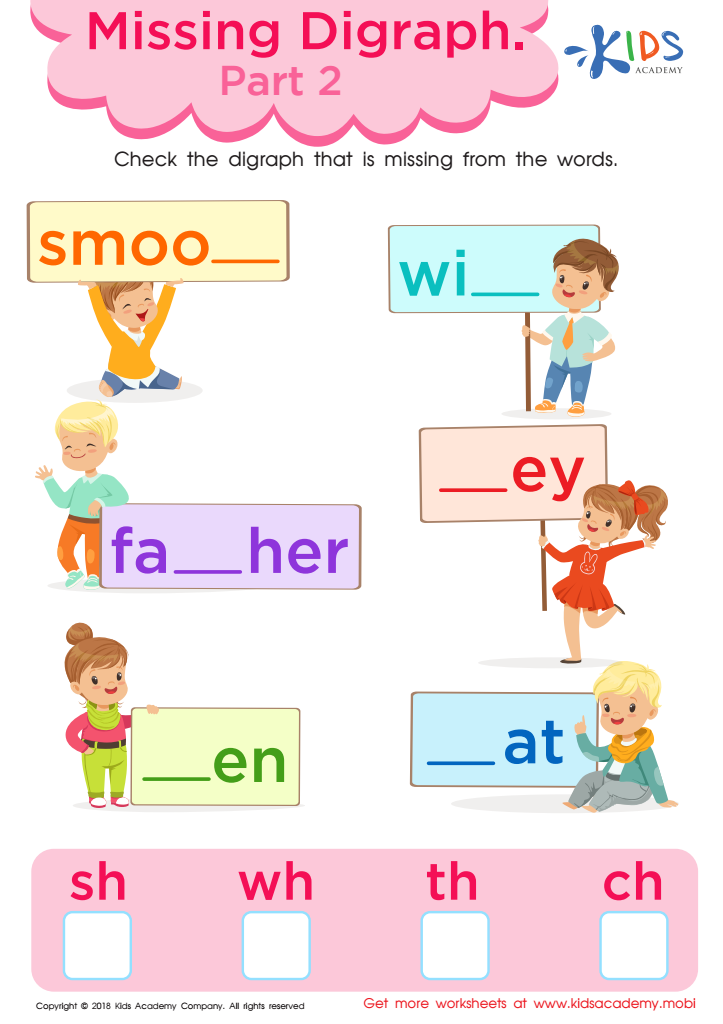
Missing Digraph: Part 2 Worksheet
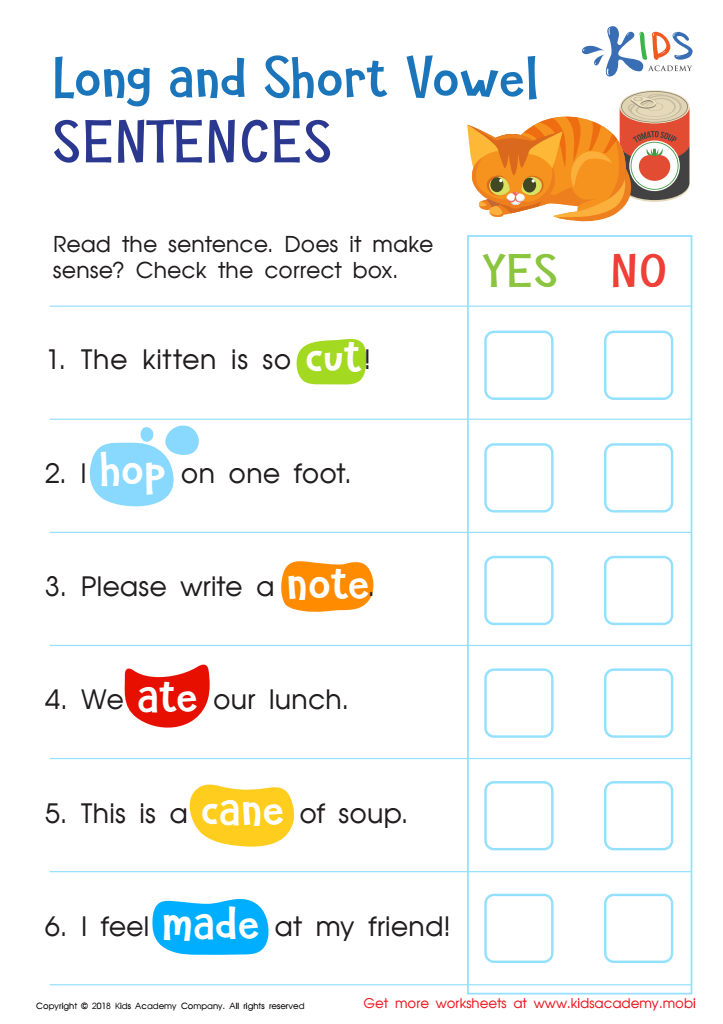
Long and Short Vowel Sentences: Assessment Worksheet
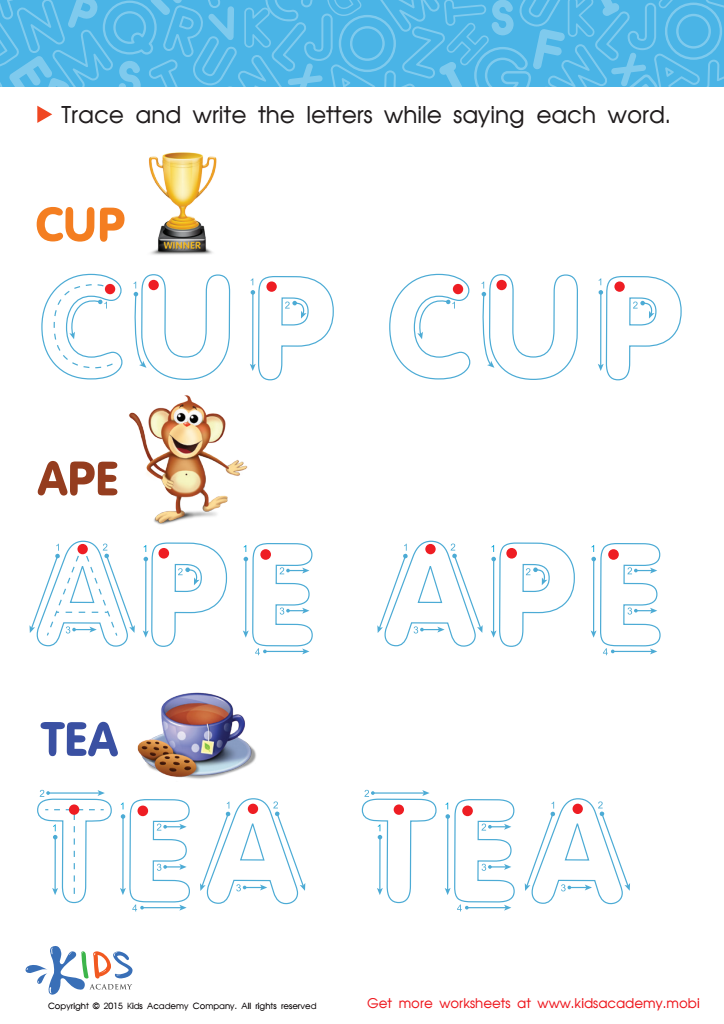
A Cup, an Ape and Tea Spelling Worksheet
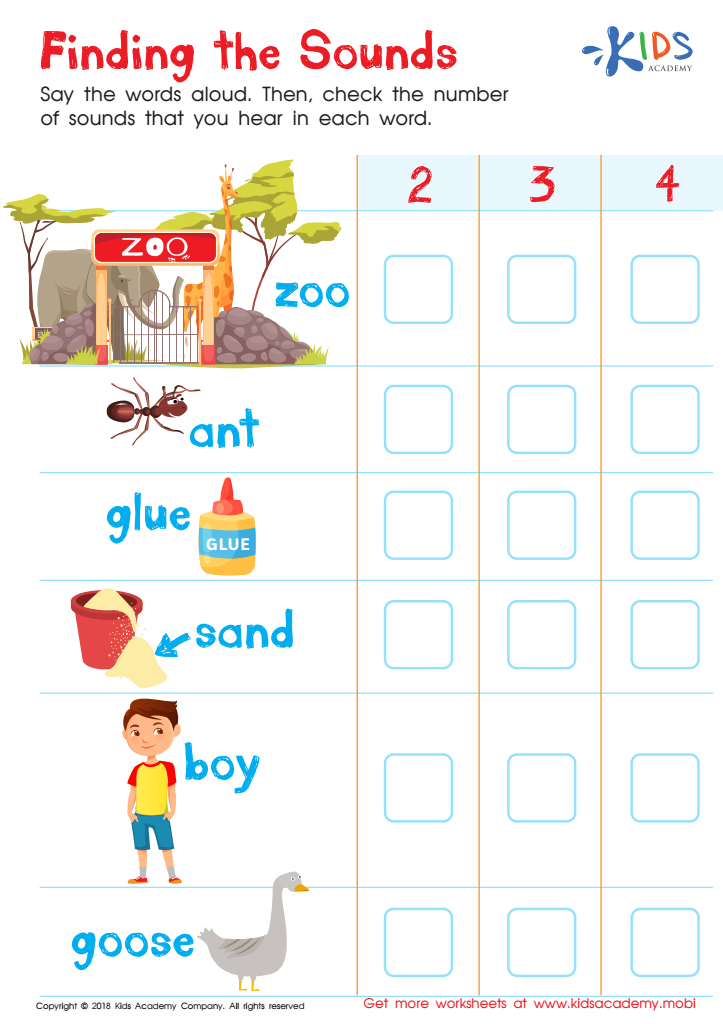
Finding the Sounds Worksheet
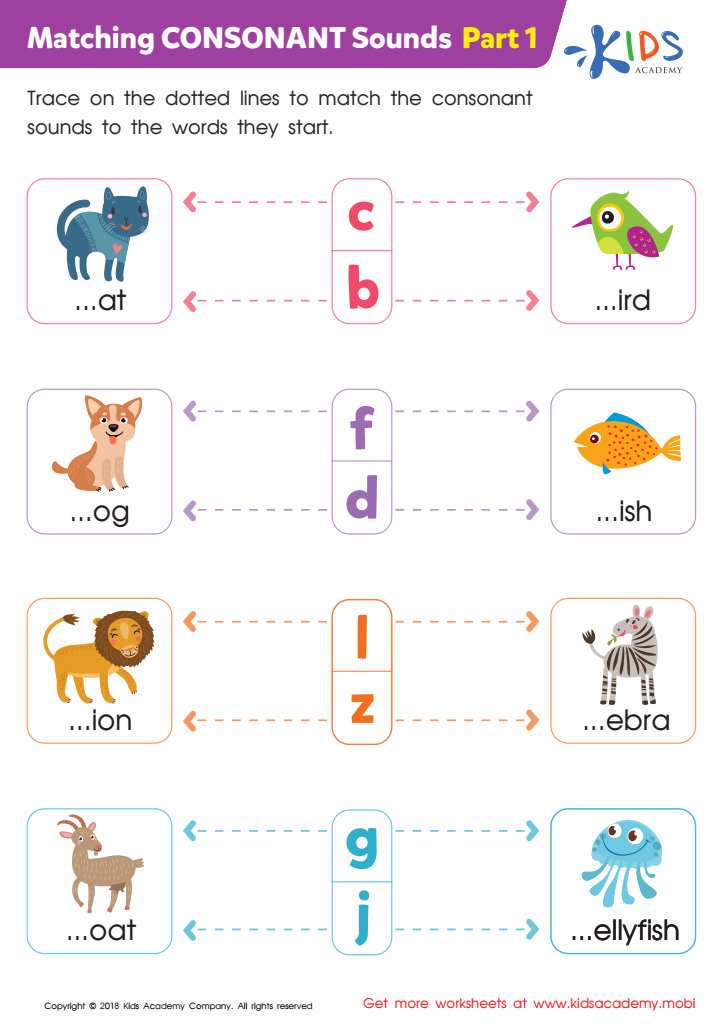
Matching Consonant Sounds: Part 1 Worksheet
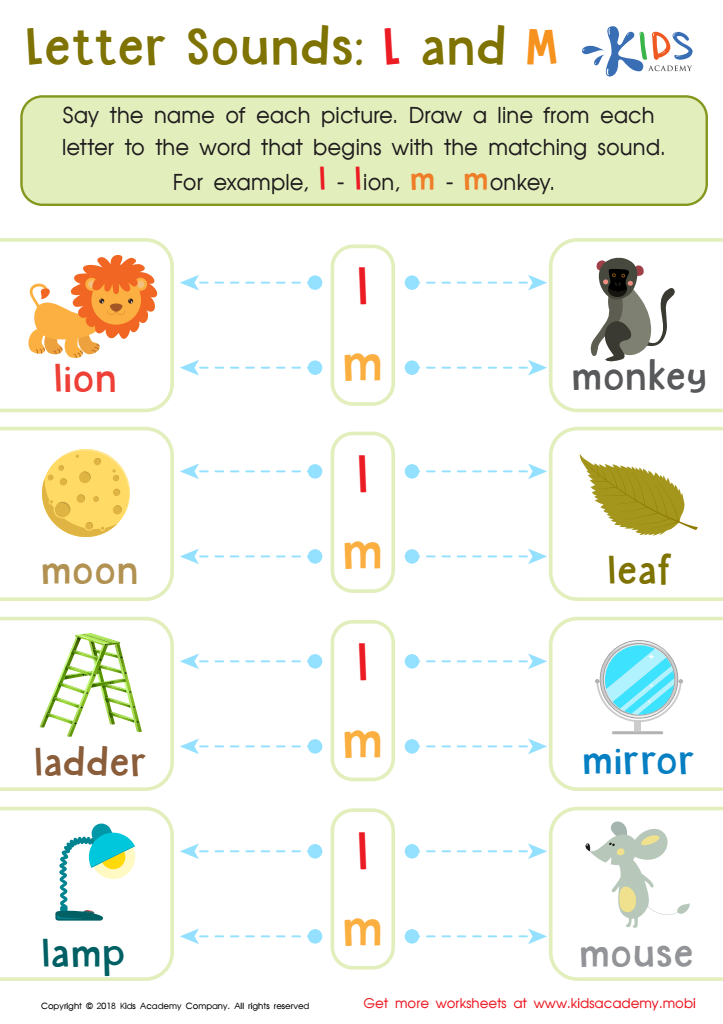
Letter l and M Sounds Worksheet
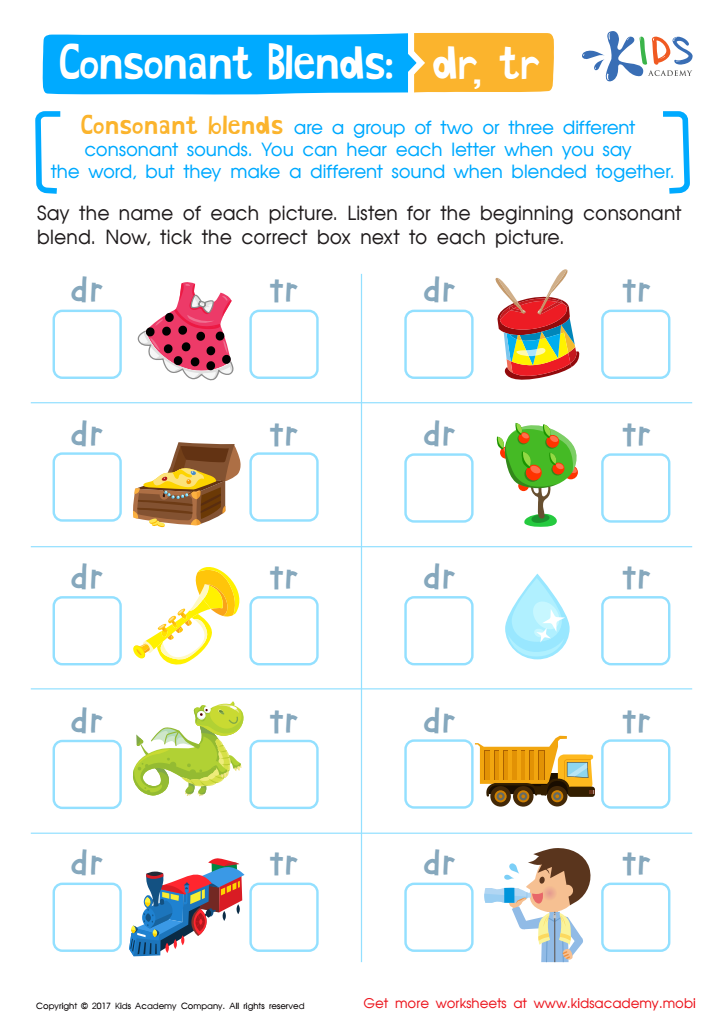
Consonant Blends: "Dr" and "Tr" Printable
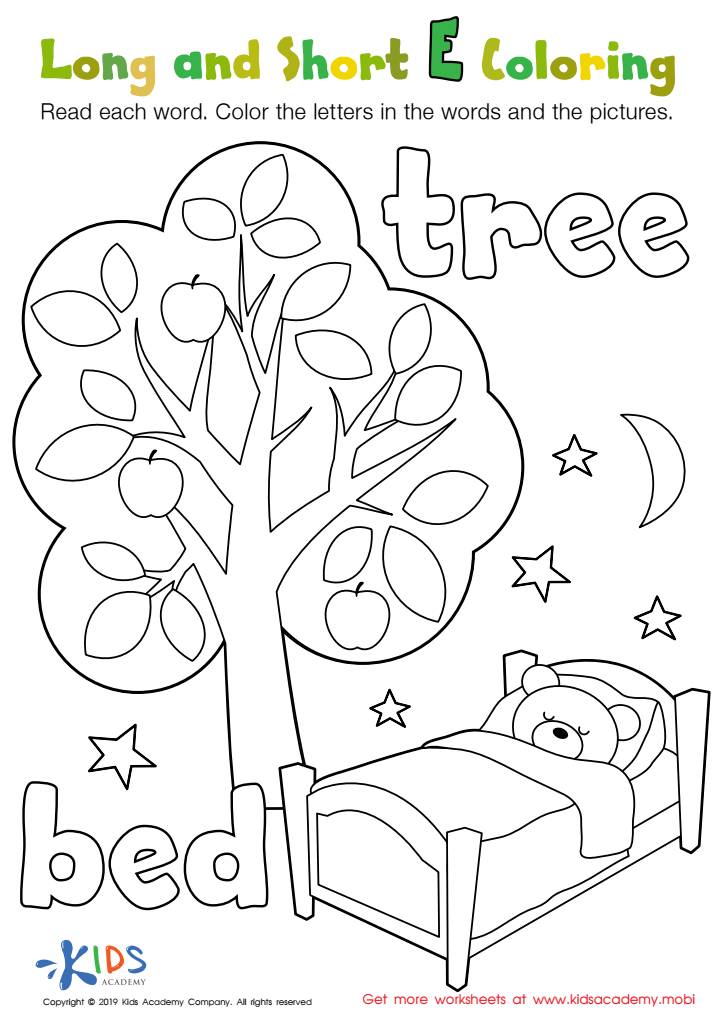
Long and Short E Worksheet
 Assign to My Students
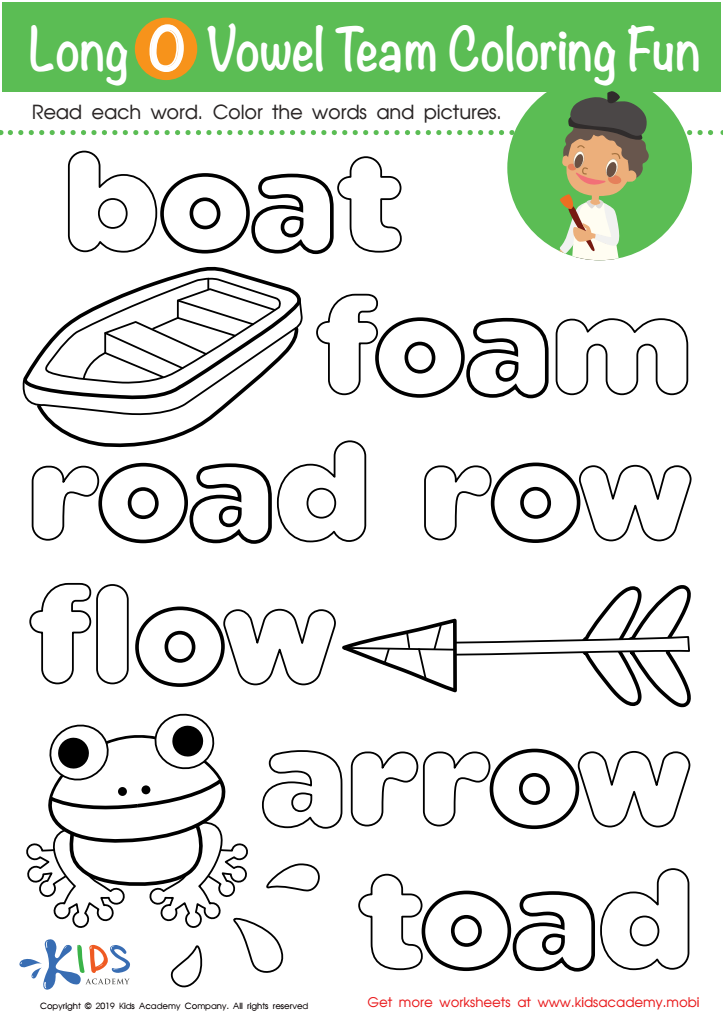
Long O Vowel Team Coloring Worksheet
Assign to My Students
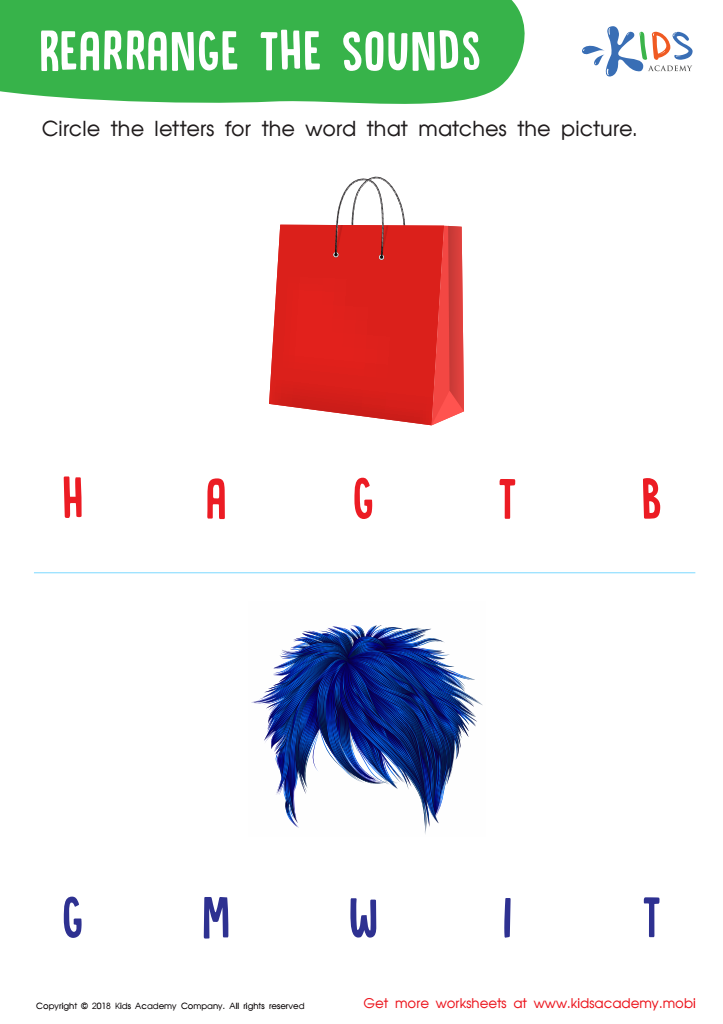
Rearrange the Sounds Worksheet
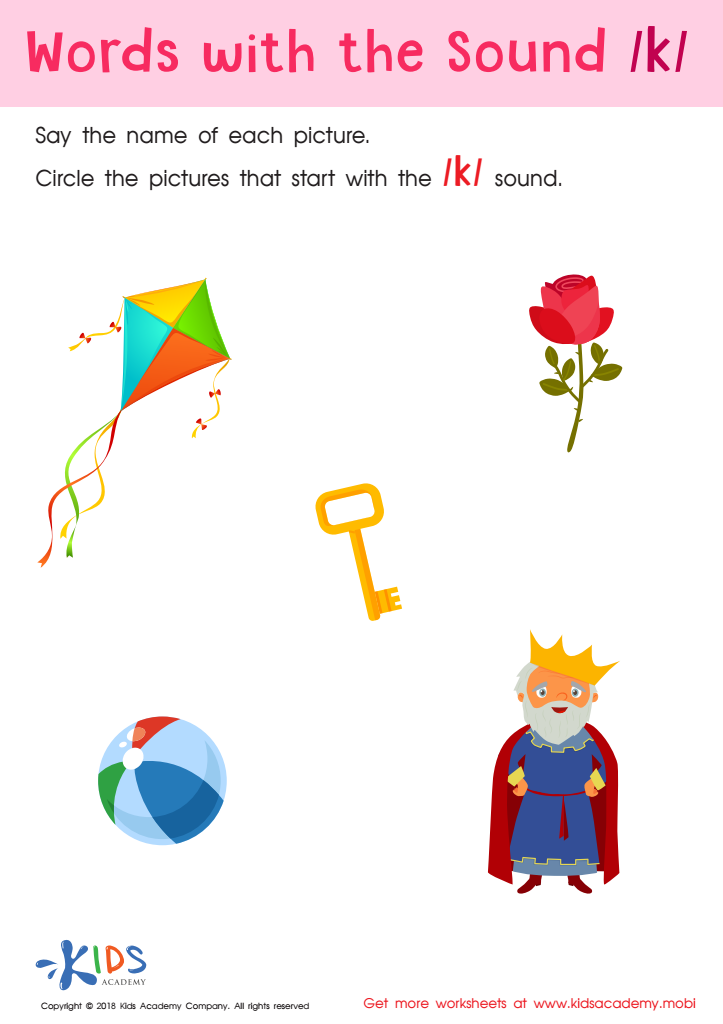
Words with sound k Reading Worksheet







Phonics skills are foundational for young learners aged 4-8, as they serve as a critical bridging element between spoken language and reading. Understanding phonics helps children decode words, allowing them to read independently and with comprehension. This skill fosters not only literacy but also confidence, enabling students to engage fully with their learning environment.
Parents and teachers should prioritize phonics because these skills correlate directly with academic success across subjects. Solid phonics knowledge enhances vocabulary, spelling, and writing skills, essential for effective communication. Additionally, early phonetic awareness can prevent future reading difficulties, helping to cultivate a positive relationship with reading that can last a lifetime.
Moreover, staying engaged with phonics leads to better performance on standardized testing and, ultimately, increased opportunities for higher education and career paths. Since many children have varying learning styles, phonics instruction can also be tailored through interactive and multisensory approaches, addressing individual needs and promoting inclusiveness in the classroom.
In summary, attention to phonics skills not only prepares children for immediate educational challenges but instills lifelong learning habits, making it a crucial focus for parents and teachers alike.








