Normal Numbers Worksheets for Ages 4-8 - Page 4
237 filtered results
-
From - To
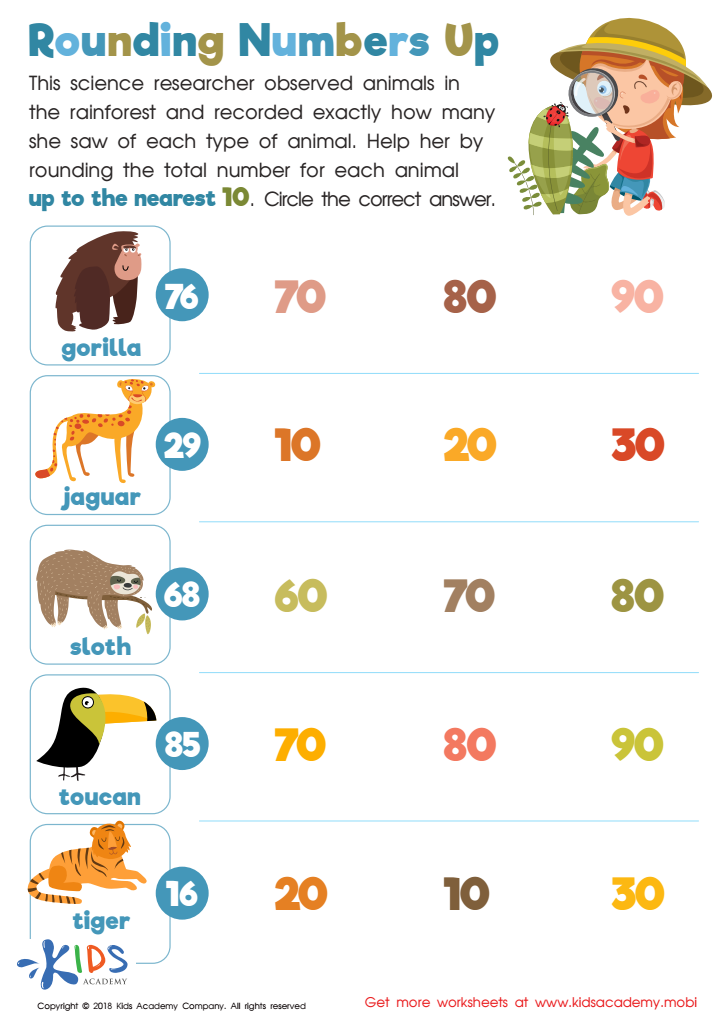
Rounding Numbers Up Worksheet
 Assign to My Students
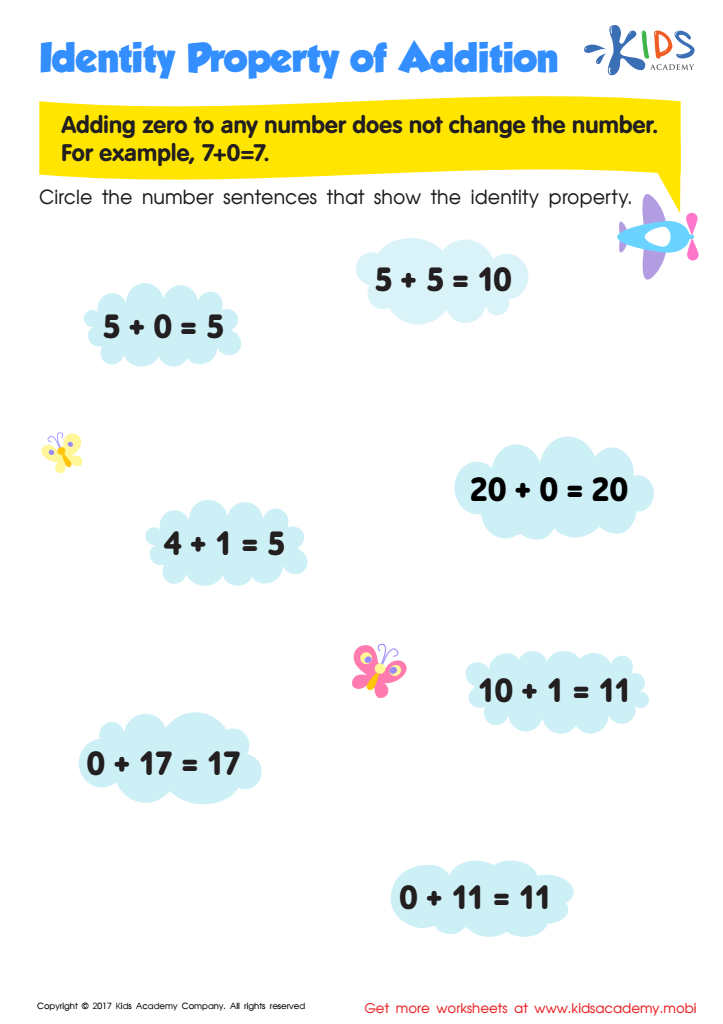
Identity Property of Addition Worksheet
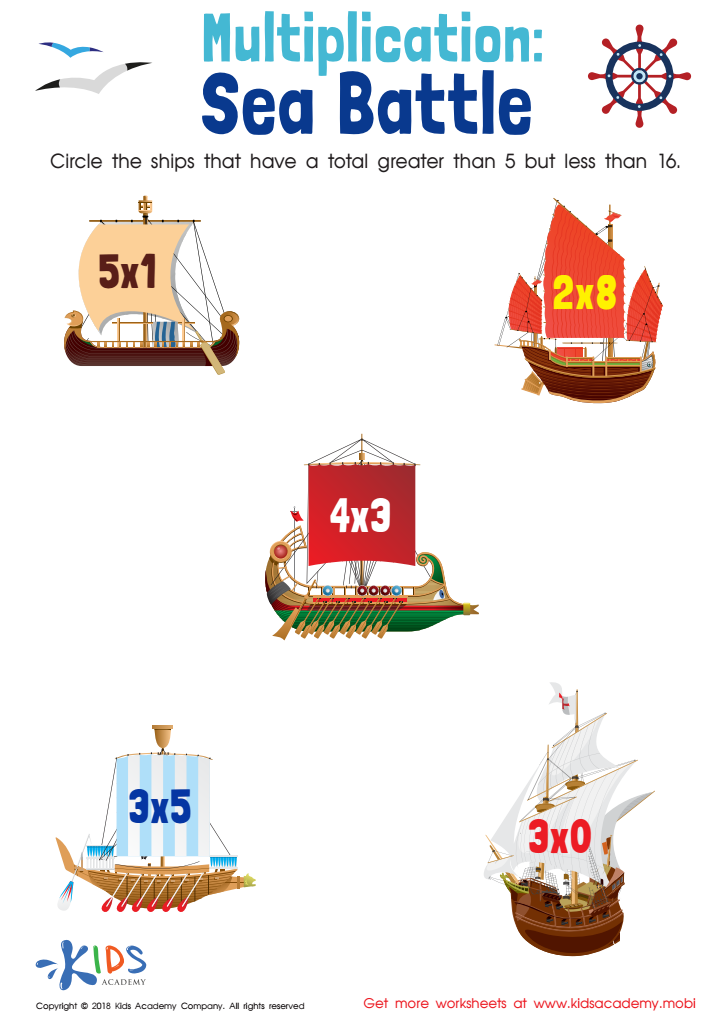
Sea Battle: Multiplication Worksheet
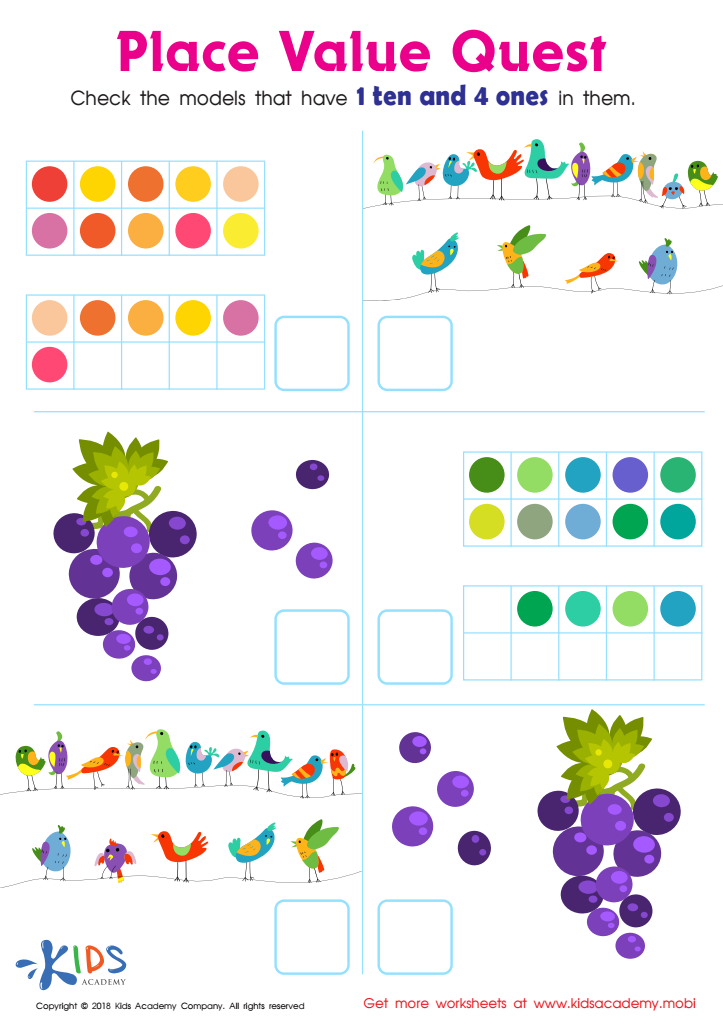
Place Value Quest Worksheet
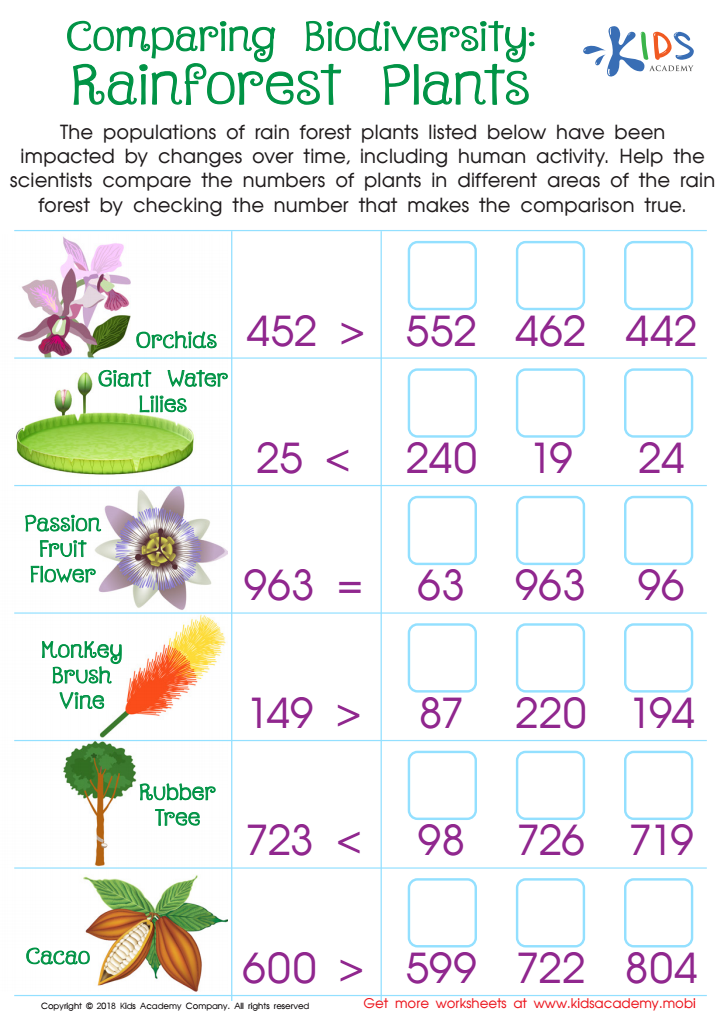
Comparing Biodiversity: Rainforest Plants Worksheet
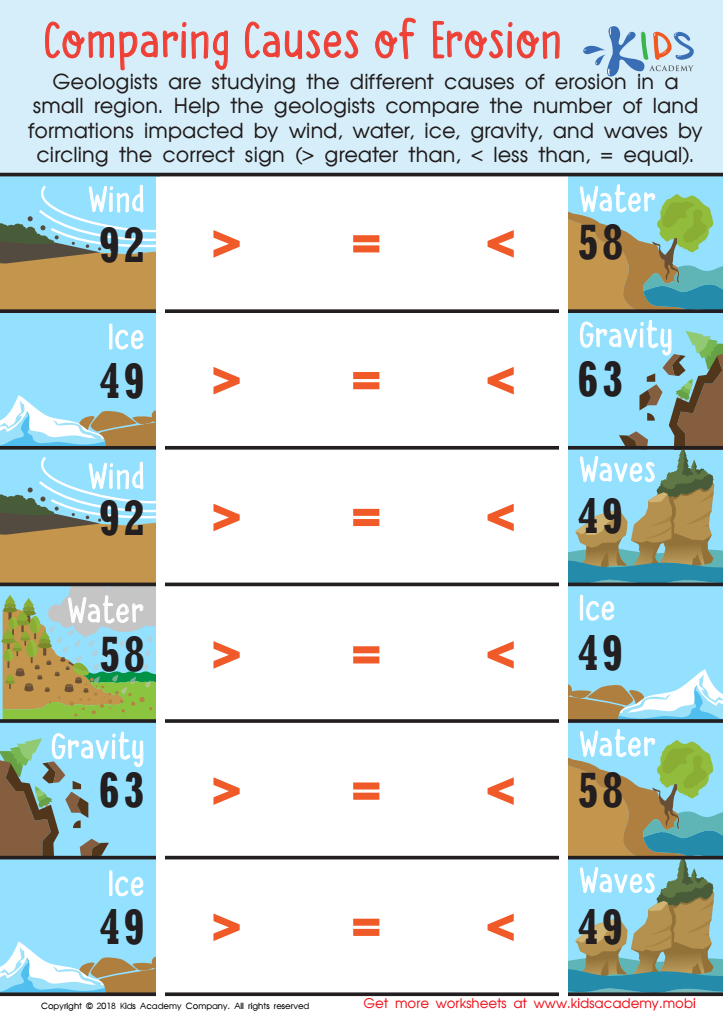
Comparing Causes of Erosion Worksheet
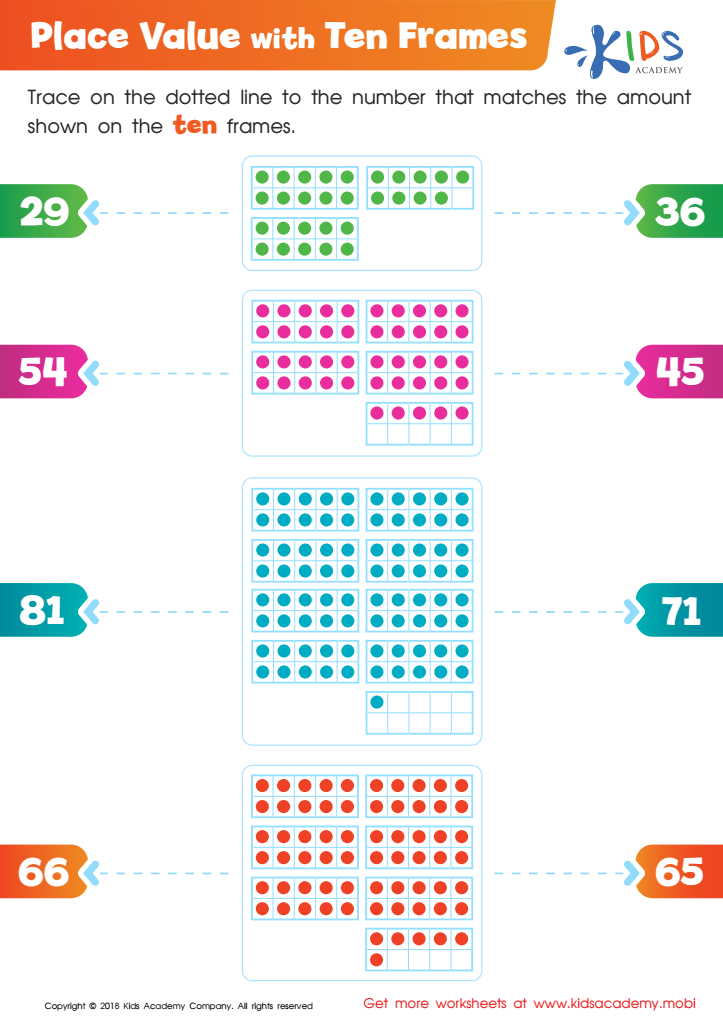
Place Values with Ten Frames Worksheet
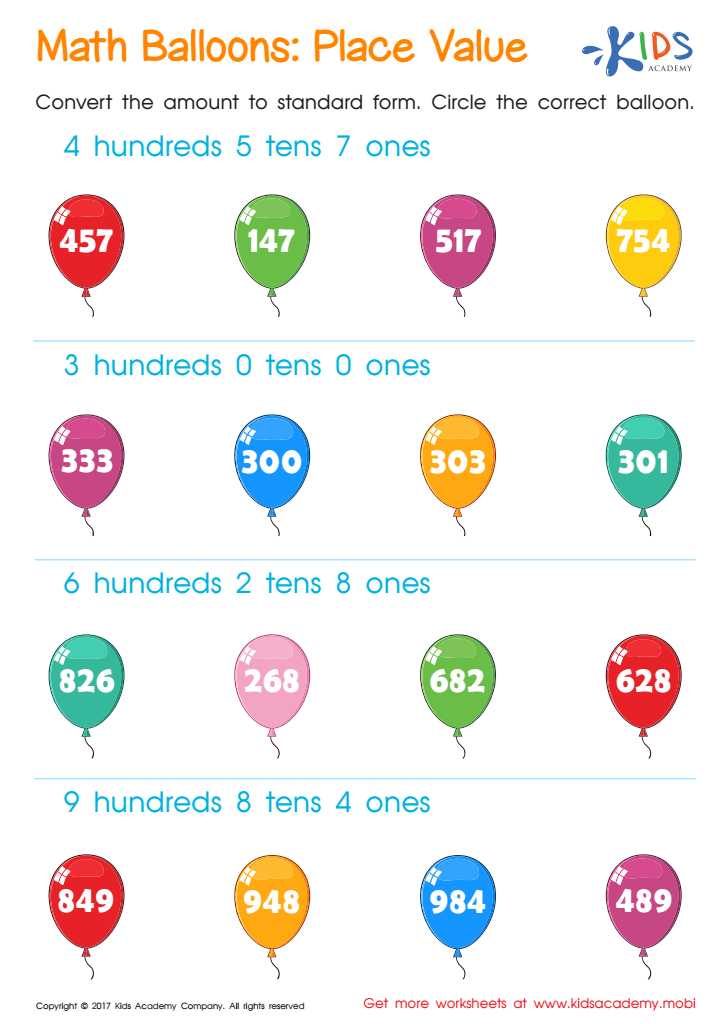
Place Value Printable Worksheet
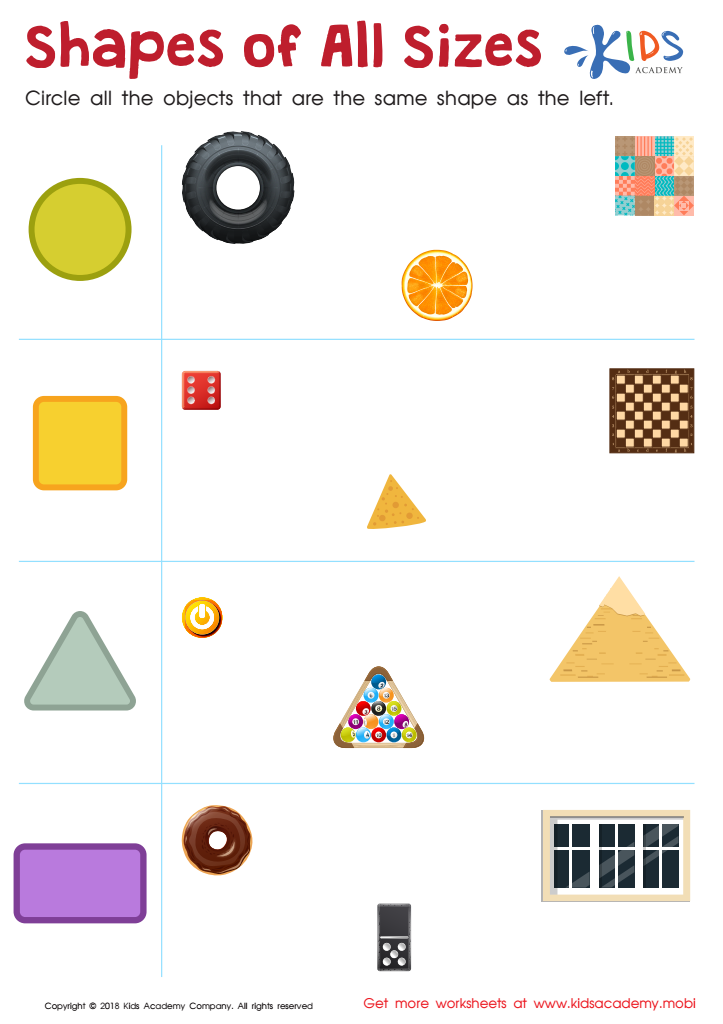
Shapes of All Sizes Worksheet
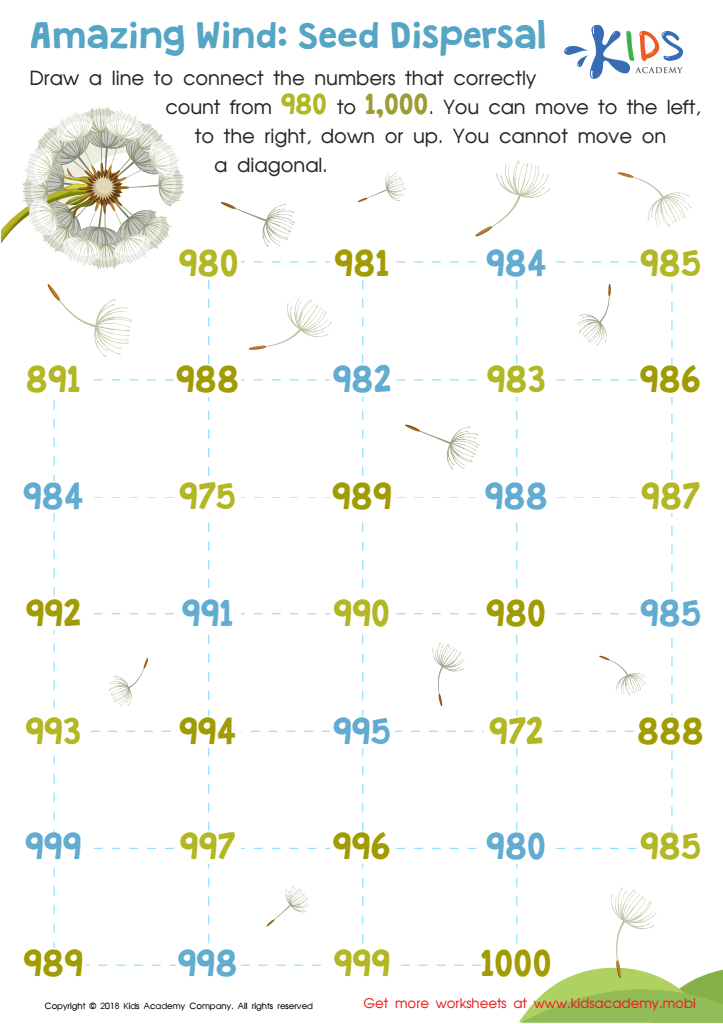
Amazing Wind: Seed Dispersal Worksheet
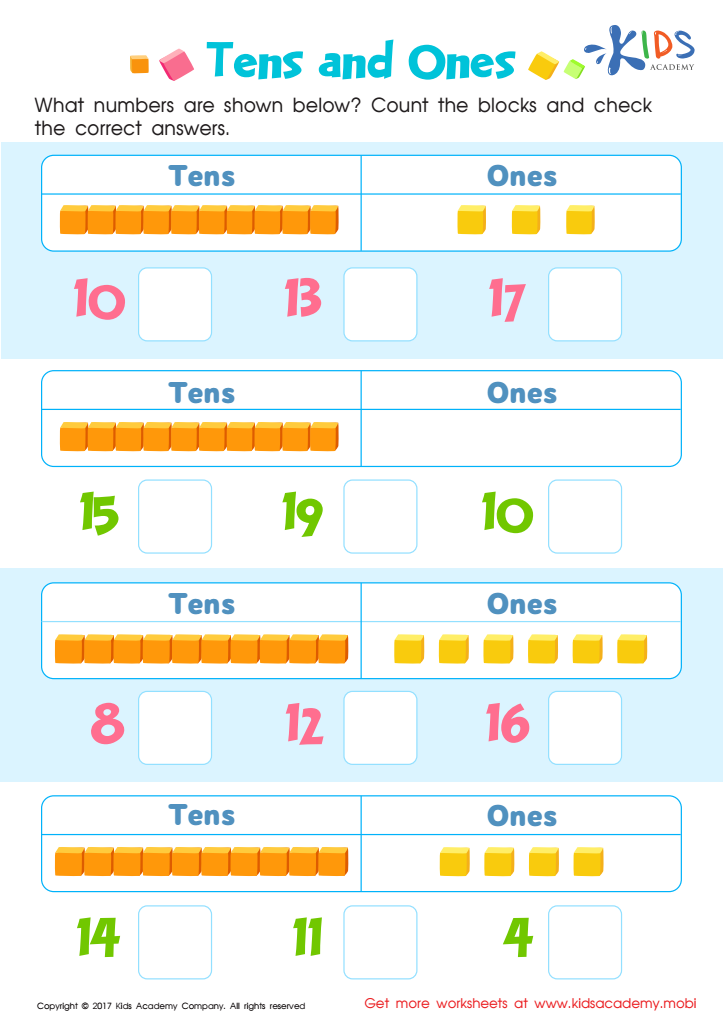
Tens and Ones Worksheet
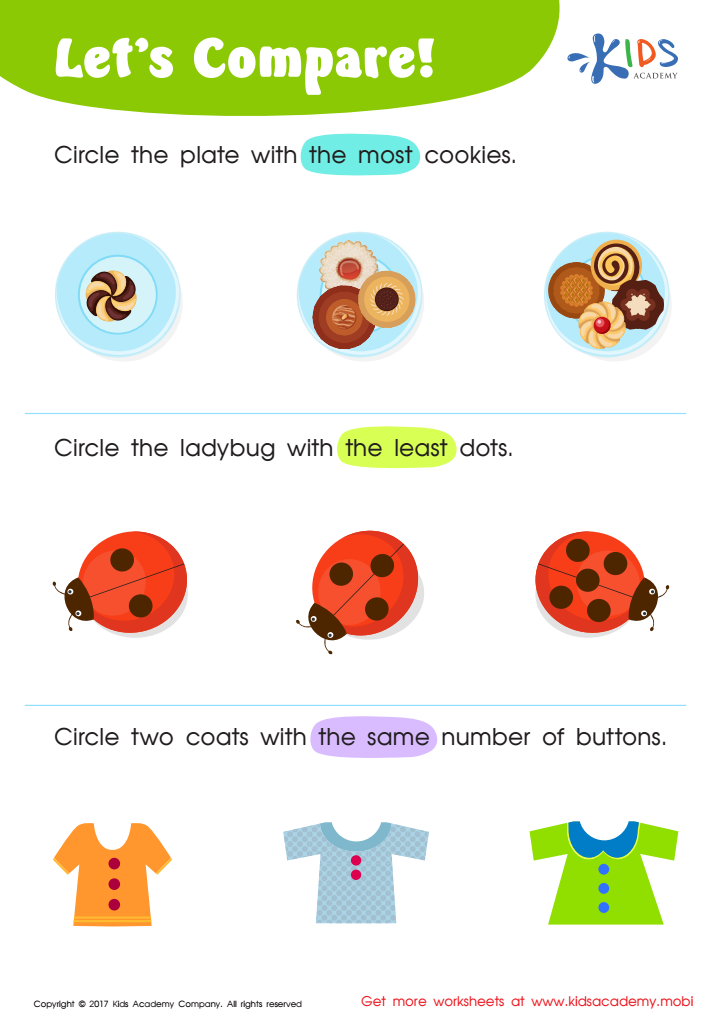
Matching: Classifying Toys by Size Worksheet
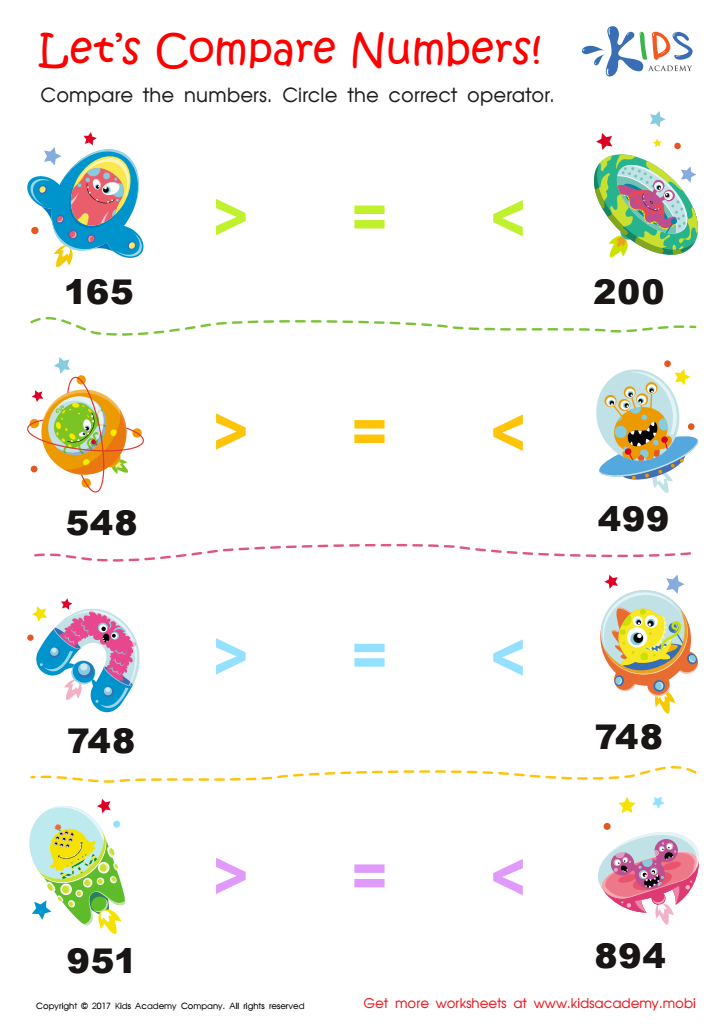
Comparing Numbers Worksheet for 2nd Grade
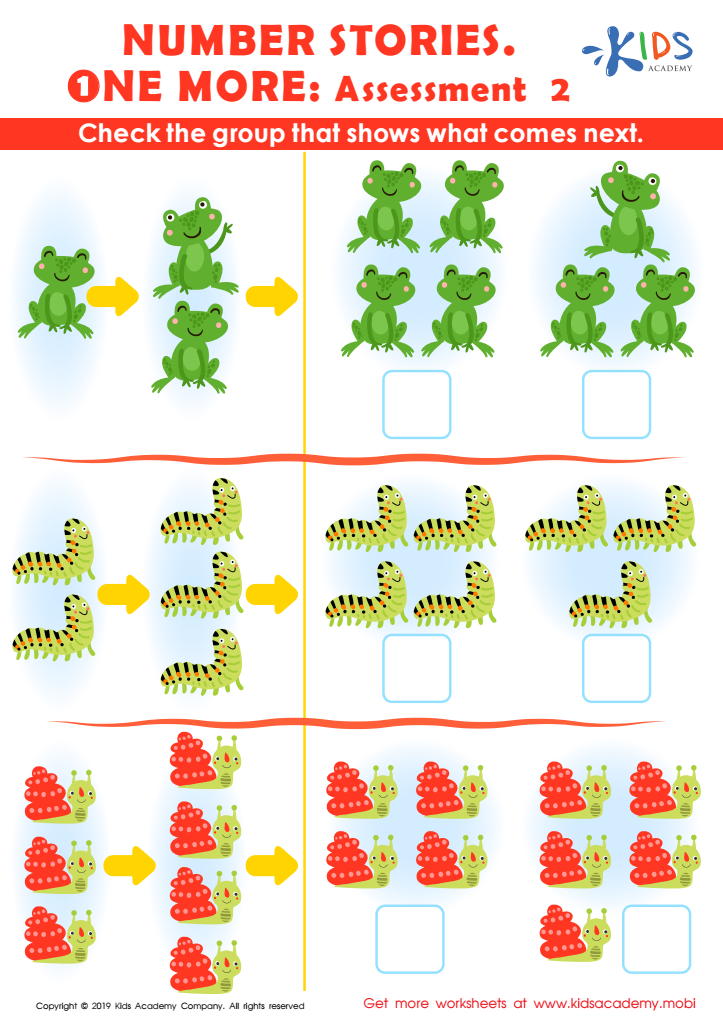
Number Stories One More – Assessment 2 Worksheet
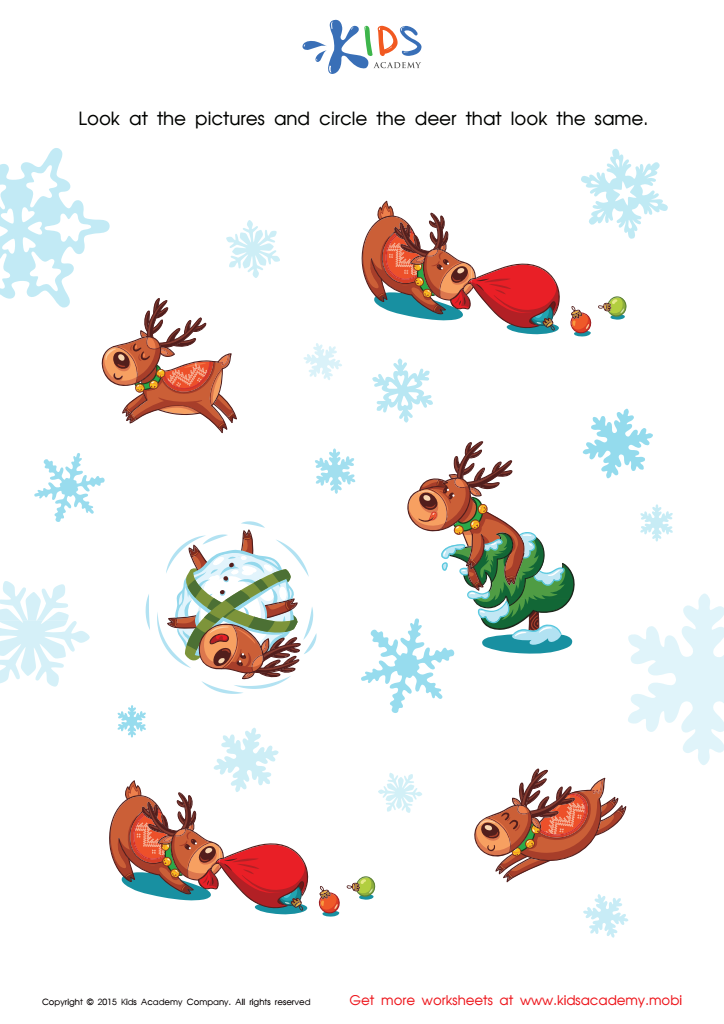
Count the Deer Worksheet
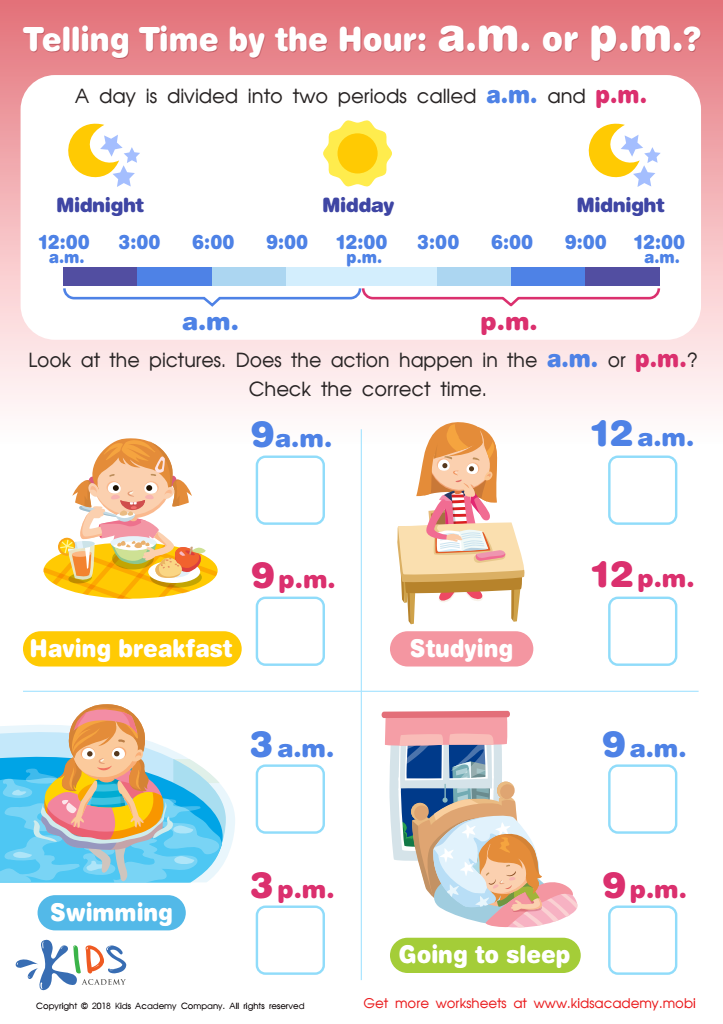
Tilling Time by the Hour: a.m. or p.m.? Worksheet
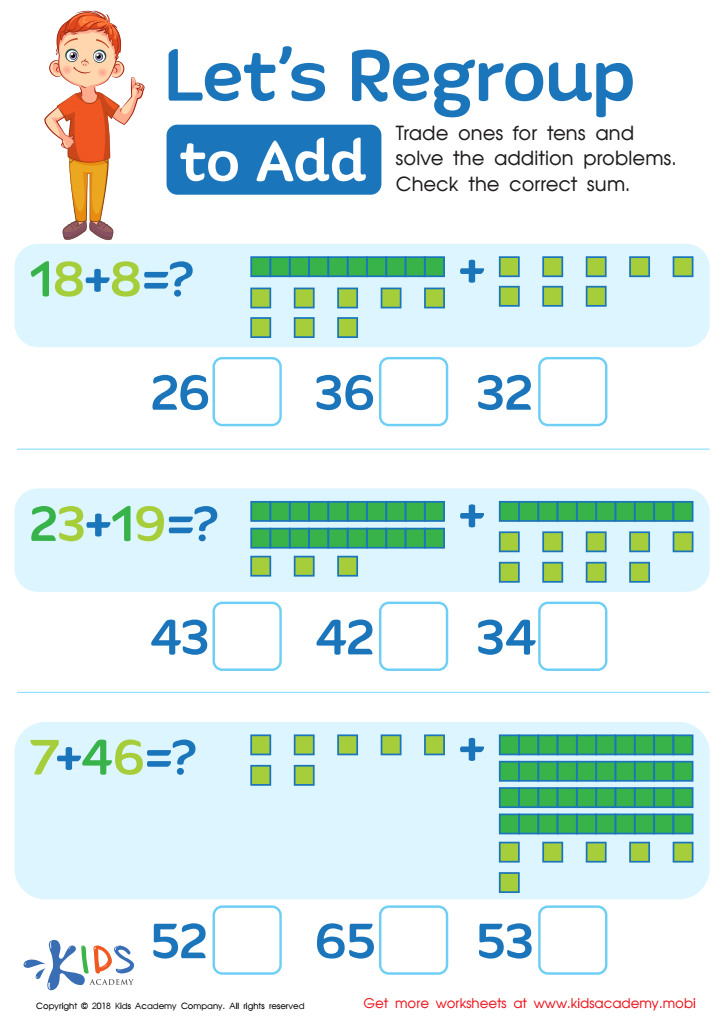
Let's Regroup to Add Worksheet
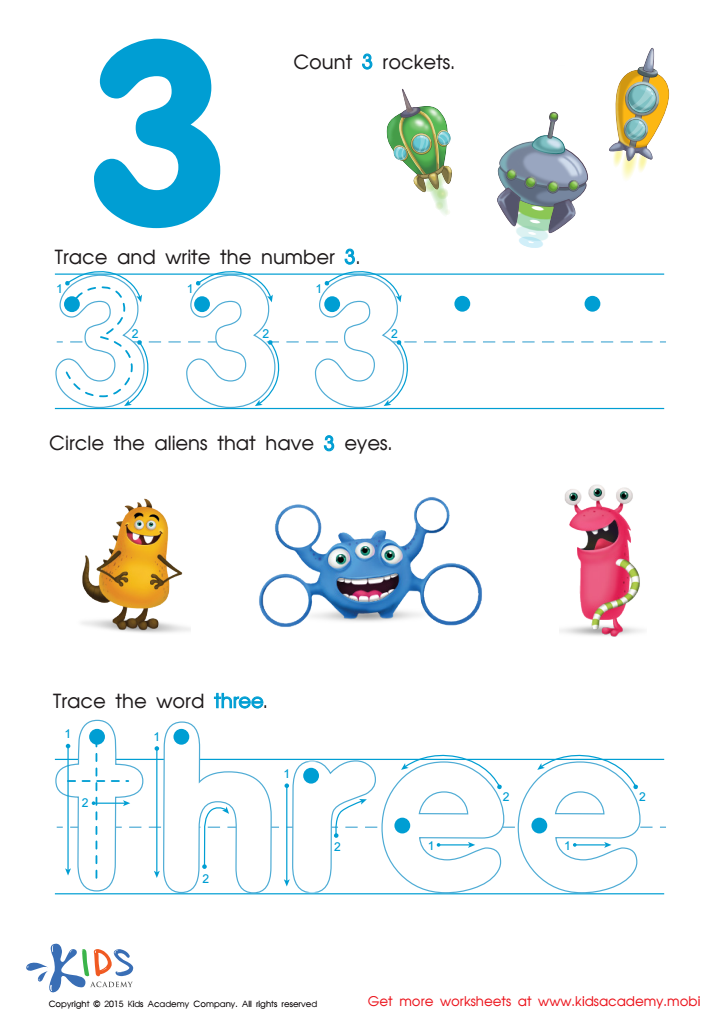
Learning Number Three Worksheet
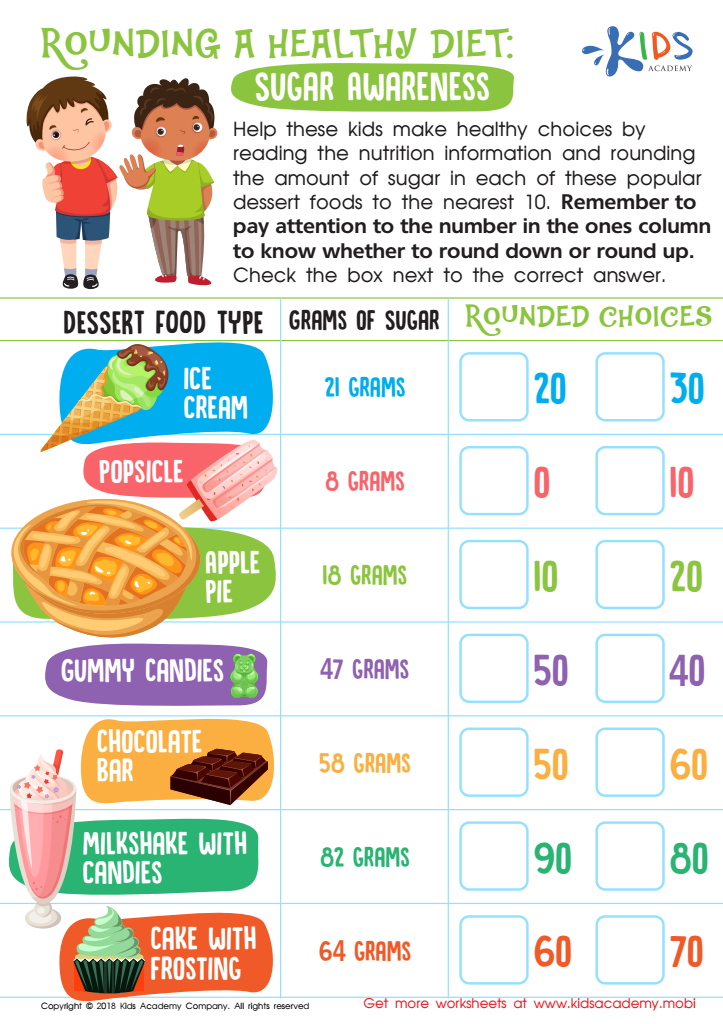
Rounding Healthy Diet Worksheet
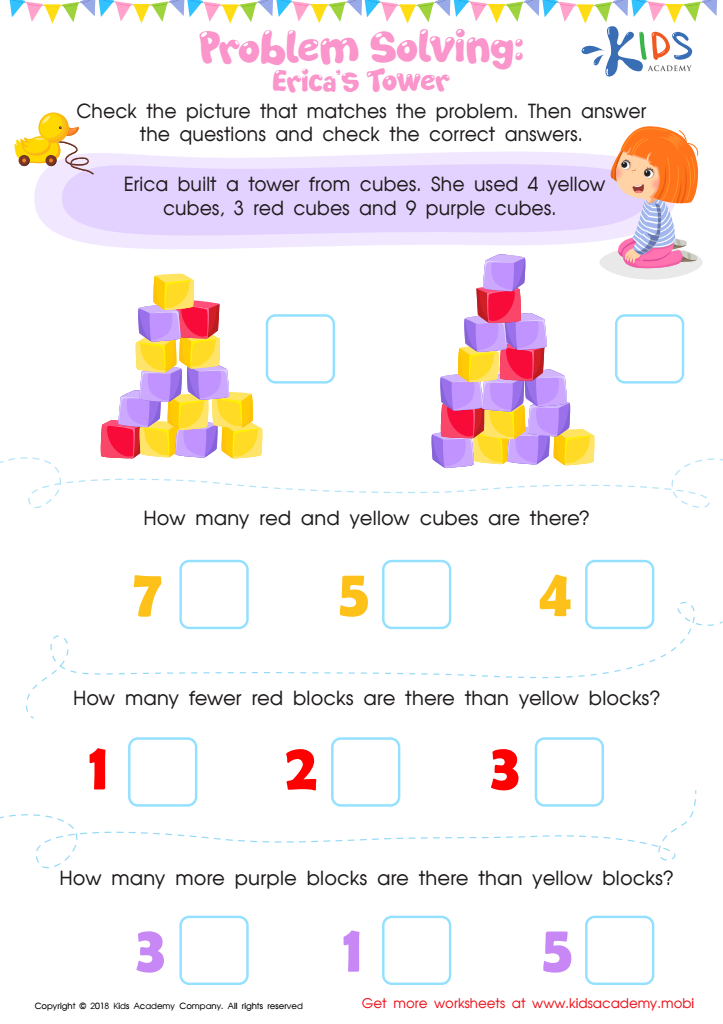
Problem Solving: Erica's Tower Worksheet
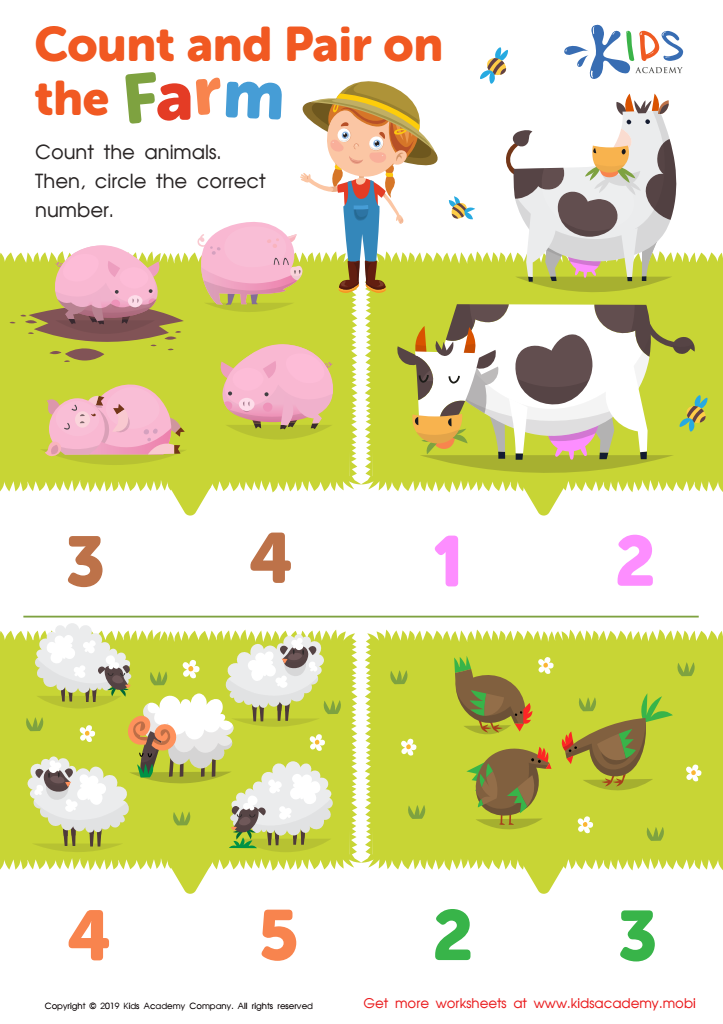
Count and Pair on the Farm Worksheet
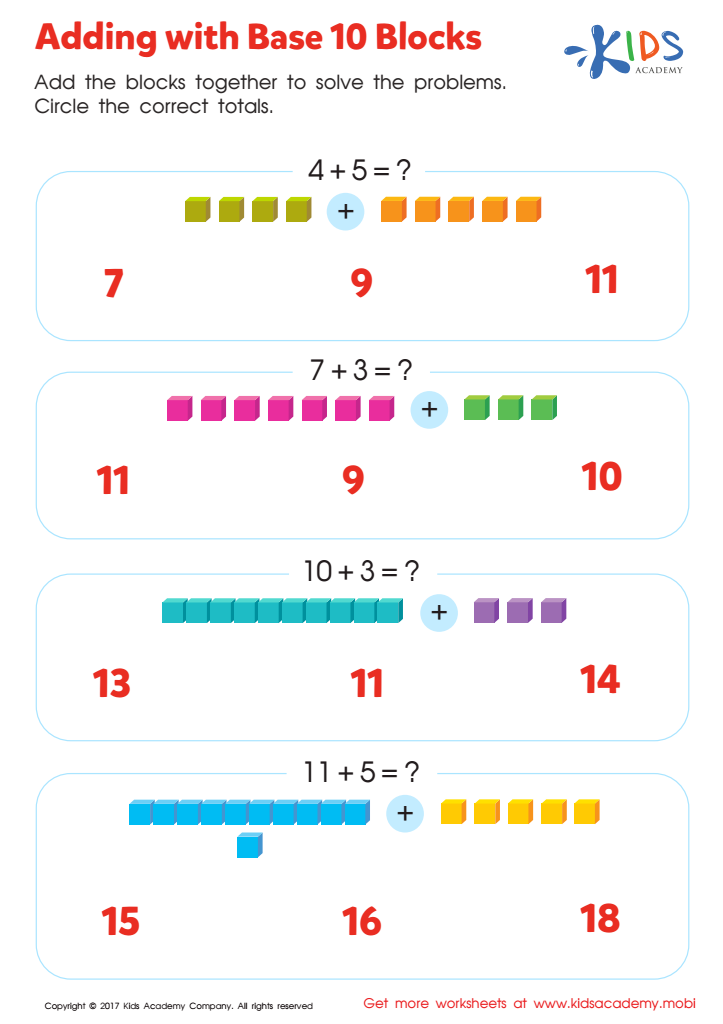
Adding with Base Ten Blocks Worksheet
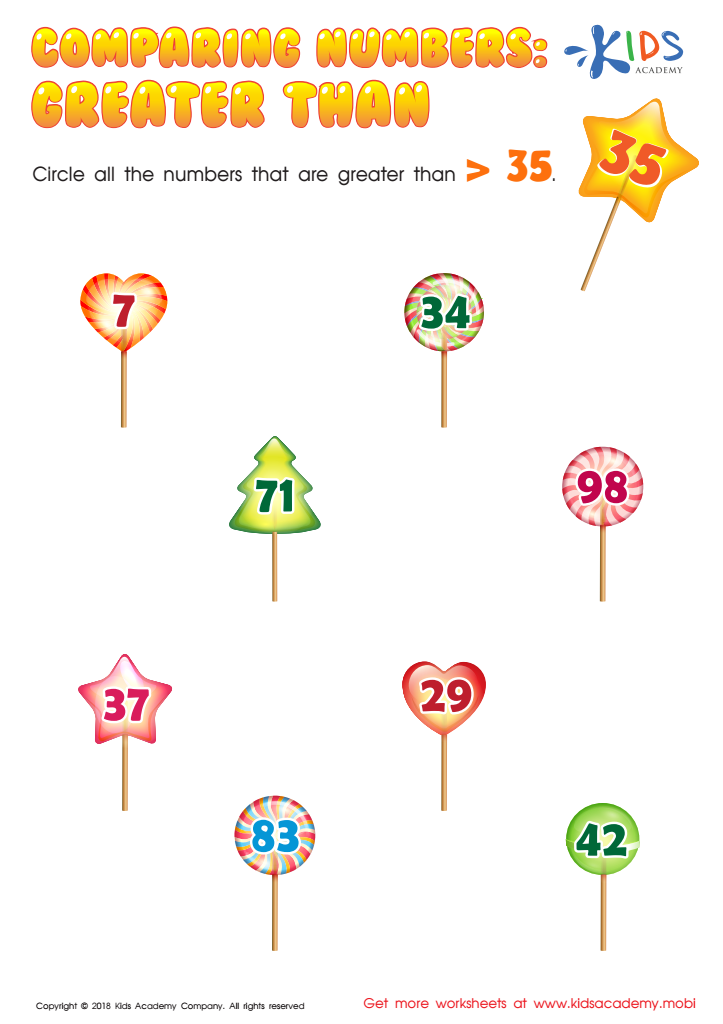
Greater Than Worksheet
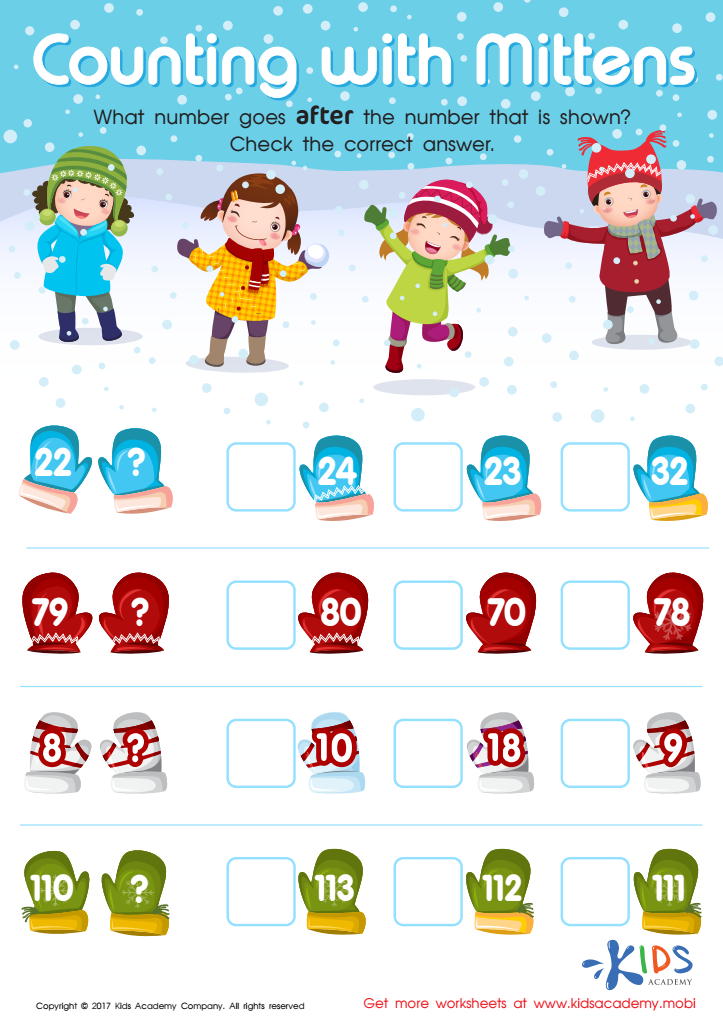
Counting with Mittens Worksheet








Normal numbers, though a complex concept in mathematics, can be introduced to children aged 4-8 in simple terms that align with their early understanding of patterns and counting. Parents and teachers should care about normal numbers because they make an engaging gateway into the world of numbers and probability.
Understanding normal numbers can help children recognize that numbers are not just abstract symbols but can reveal fascinating properties through patterns. For instance, when children explore the idea of a normal number—where every digit from 0-9 appears with equal frequency—it encourages them to think critically about numbers and develop a sense of fairness and balance in counting.
Inclusion of mathematical concepts like normal numbers can promote logical reasoning, problem-solving skills, and a love for mathematics. Additionally, discussing everyday examples of randomness and patterns—like rolling dice or flipping coins—can introduce children to the idea of chance and frequency without overwhelming them.
Ultimately, exploring basic principles behind normal numbers fosters curiosity, boosts numeracy skills, and lays the foundation for more advanced mathematical concepts in later years, turning math from a chore into an enjoyable exploration of discovery.








