Fine Motor Skills Normal Math Worksheets for Ages 4-8 - Page 2
43 filtered results
-
From - To
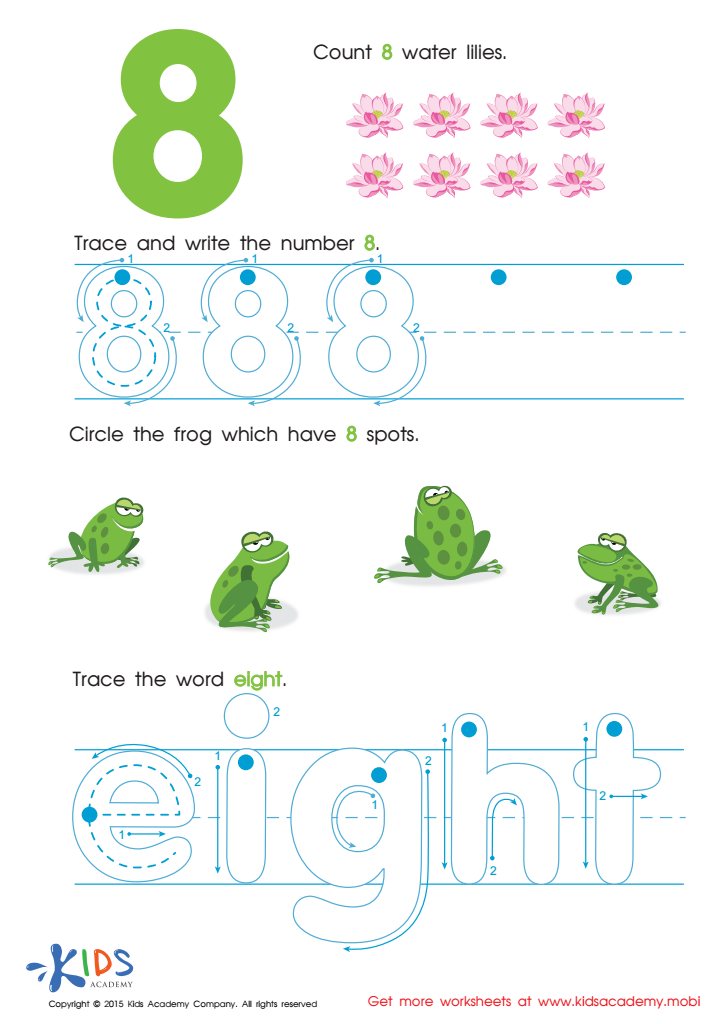
Learn Number 8 Easily Worksheet
 Assign to My Students
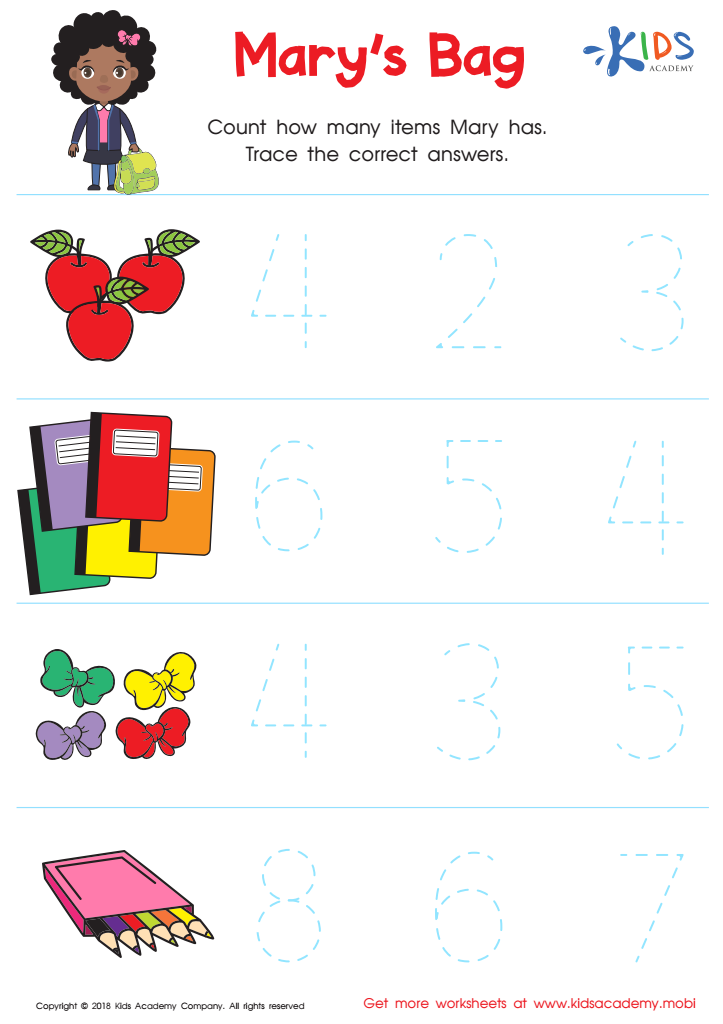
Kindergarten Number Tracing: Mary's Bag Worksheet

Three–Dimensional Shapes: Cylinder Worksheet
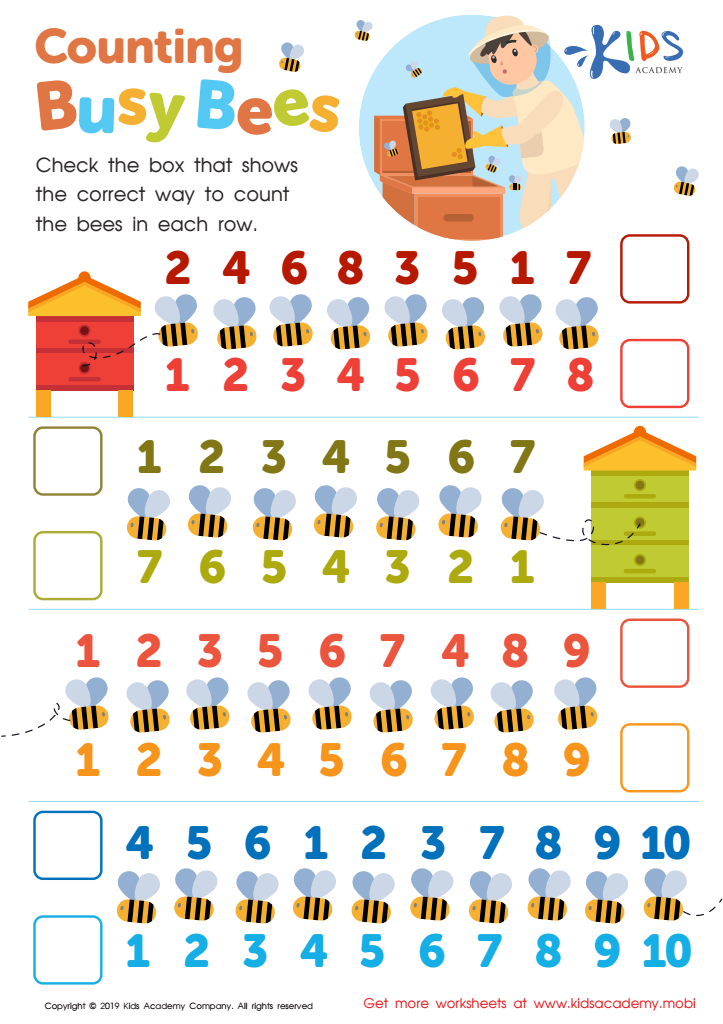
Counting Busy Bees Worksheet
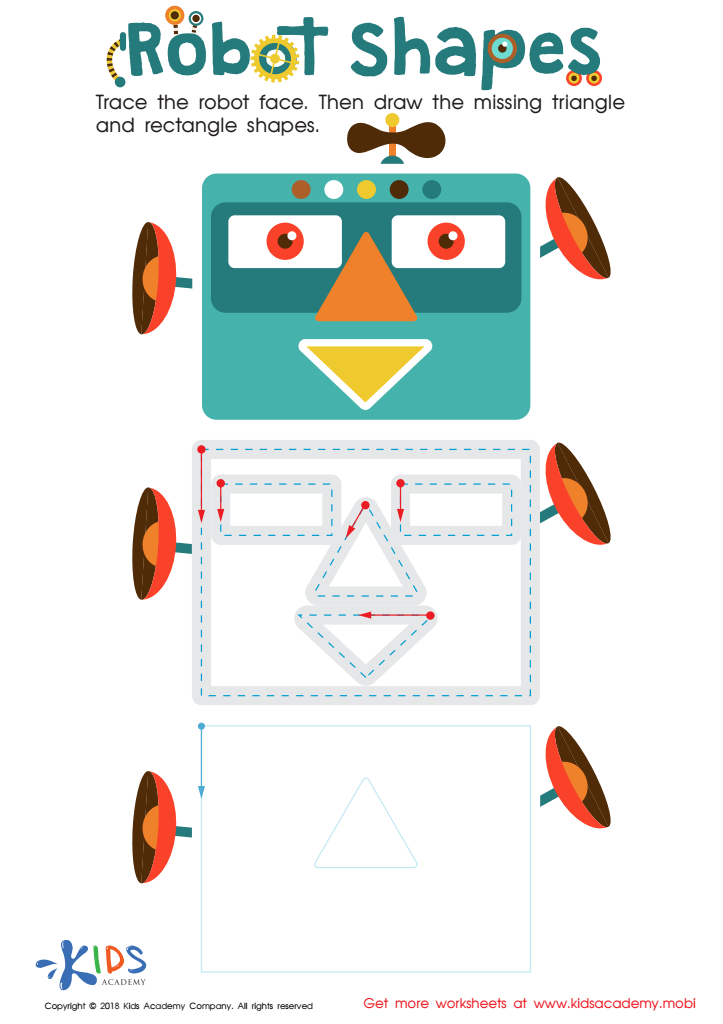
Robot Shapes Worksheet
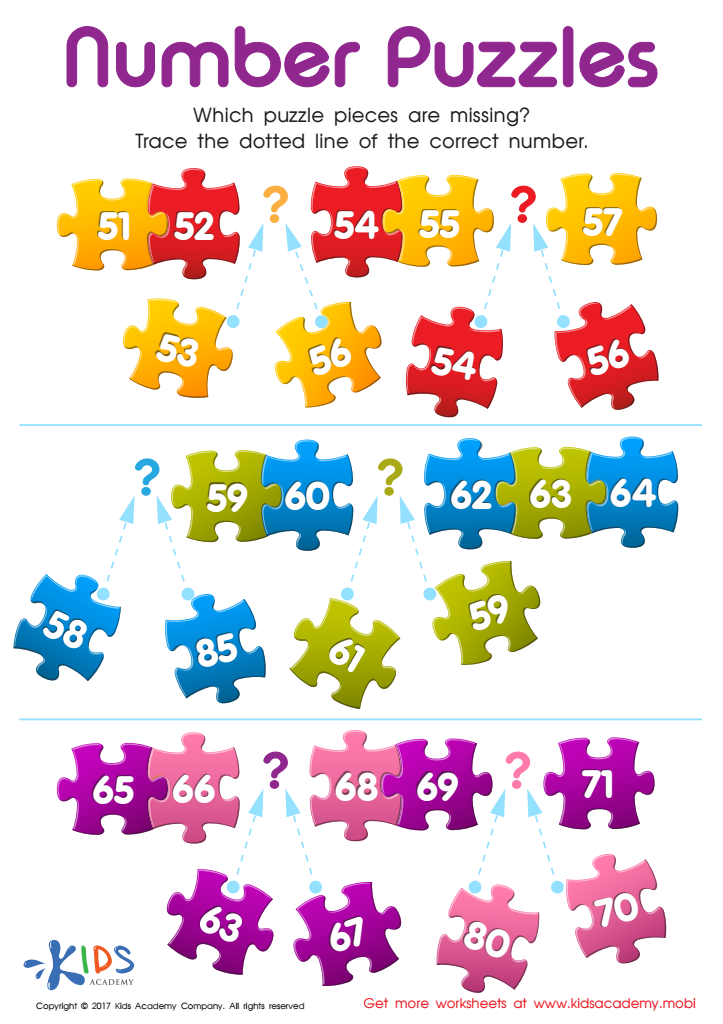
Number Puzzles Worksheet
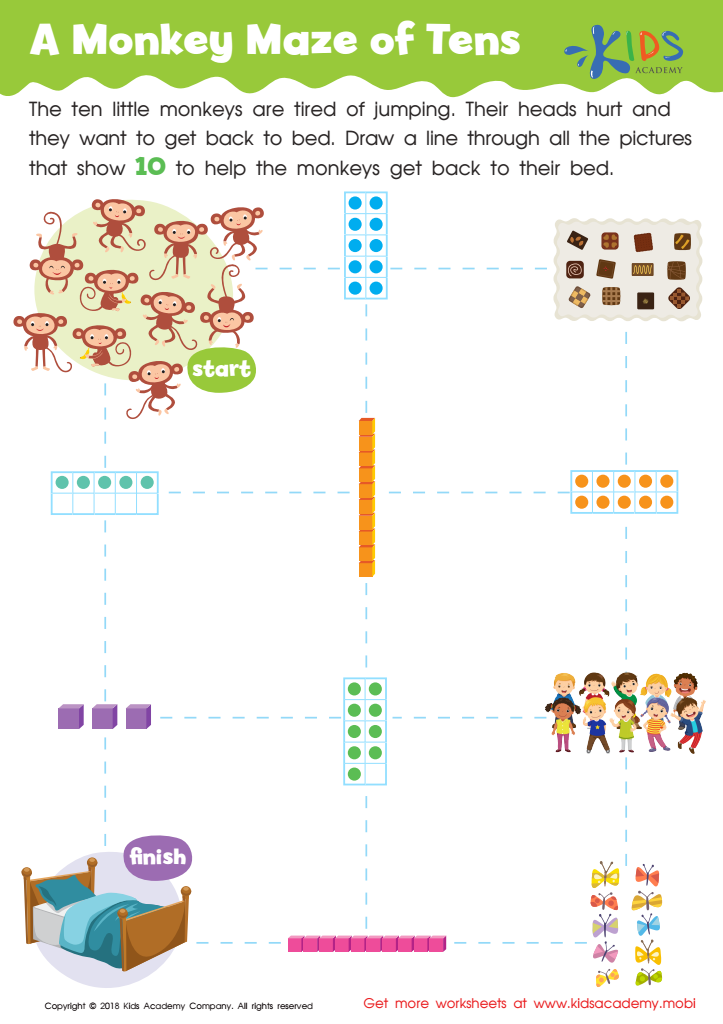
A Monkey Maze of Tens Worksheet
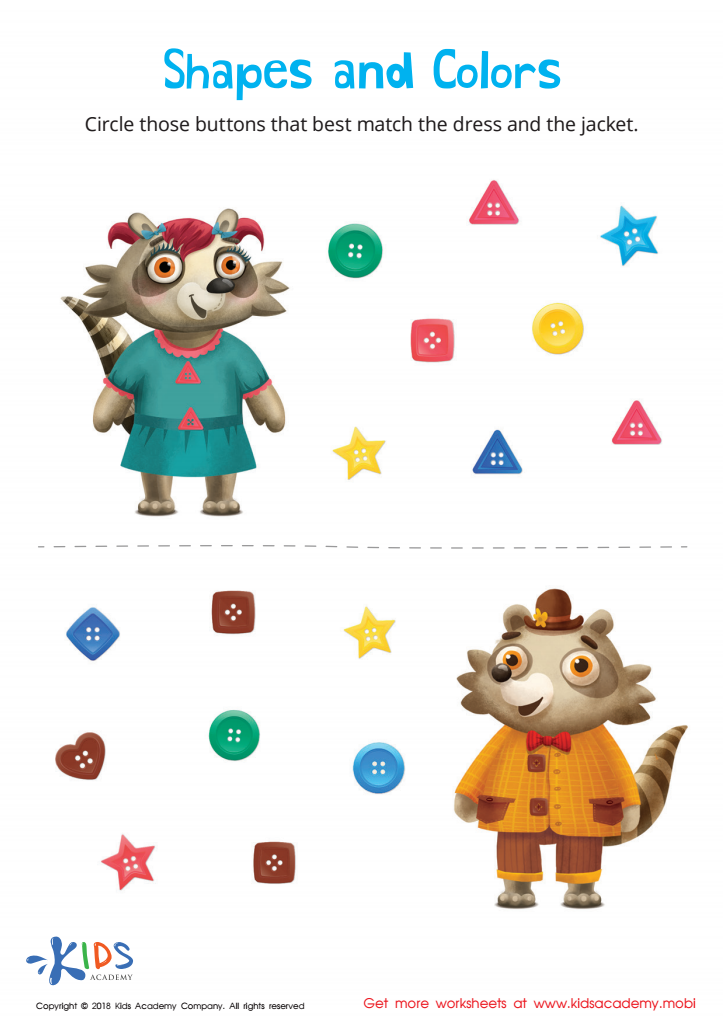
Shapes and Colors Worksheet
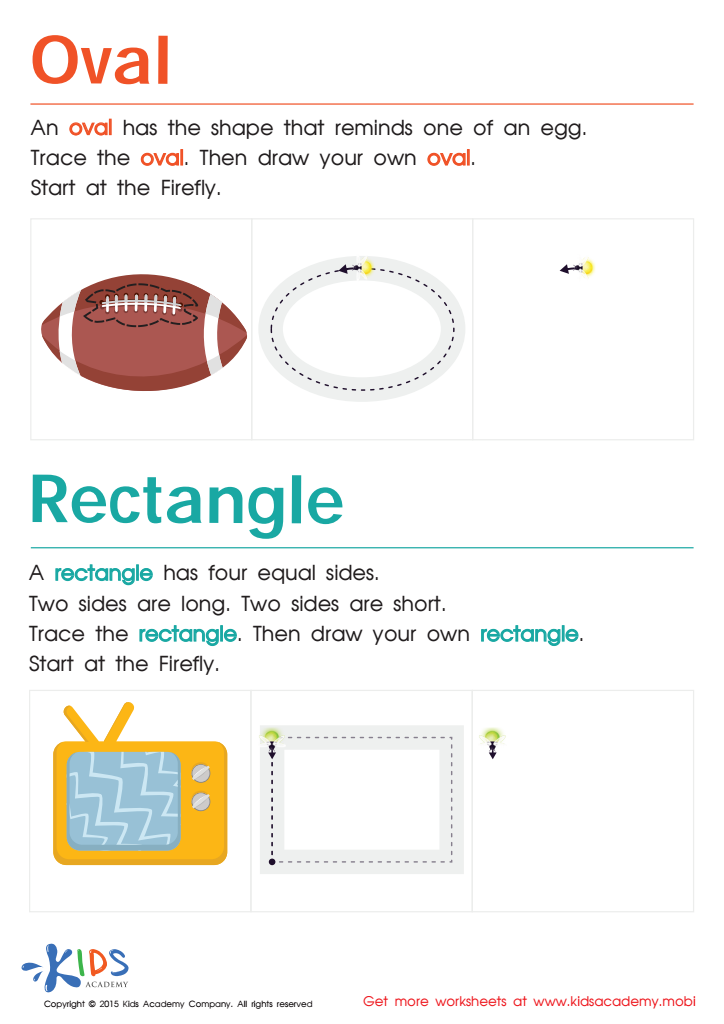
Easy Drawing of Ovals And Rectangles Worksheet
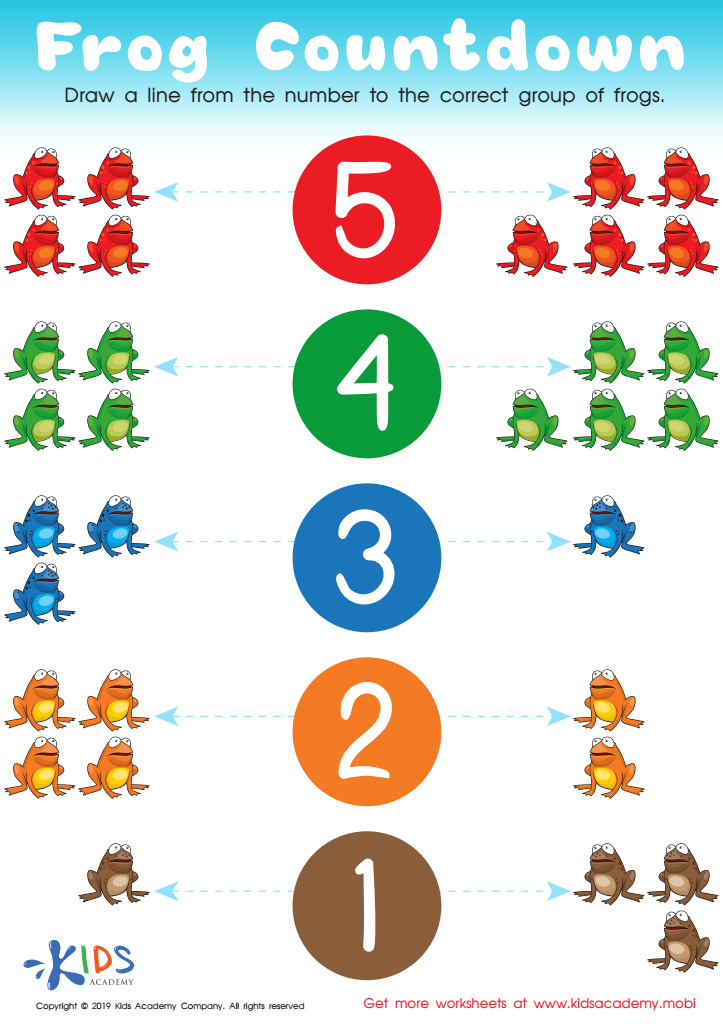
Frog Countdown Worksheet
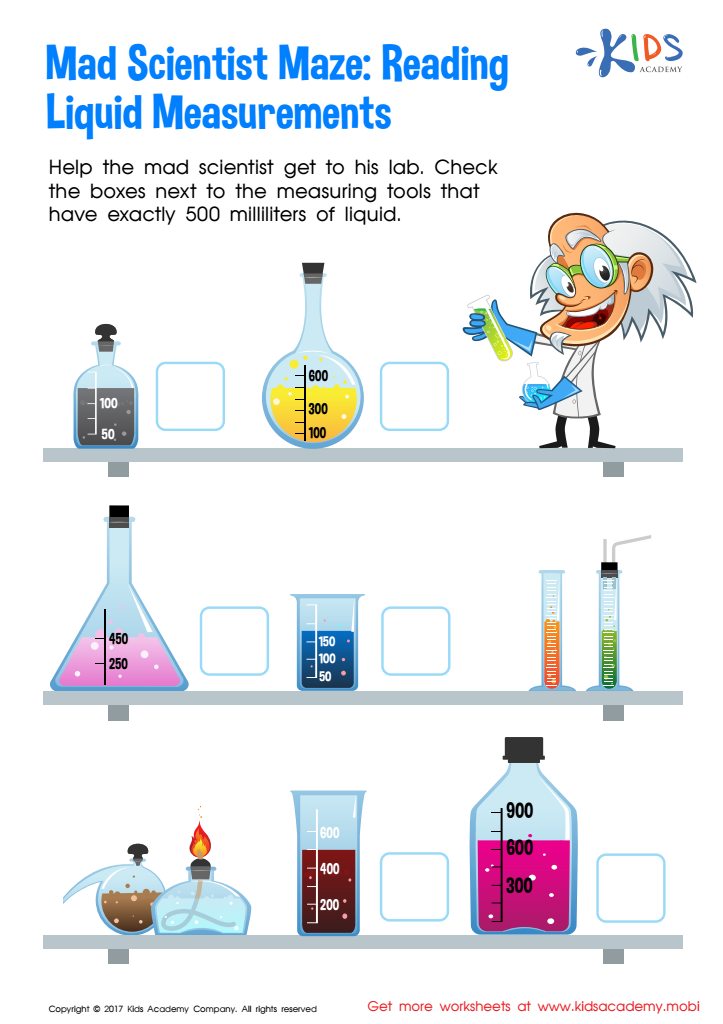
Reading Liquid Measurement Worksheet
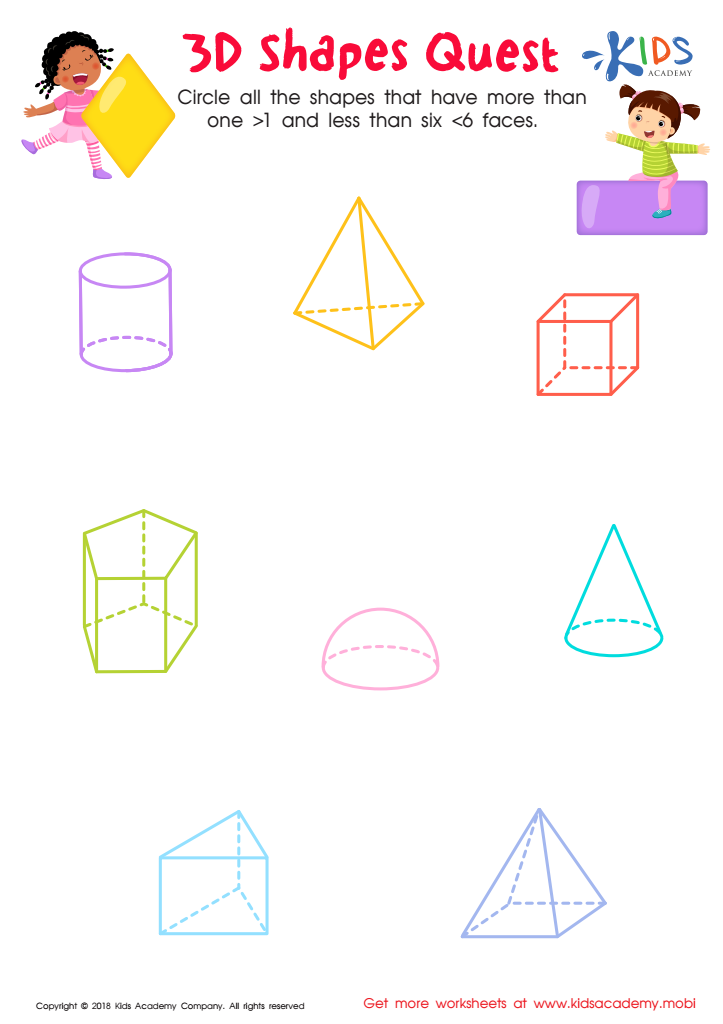
3D Shapes Quest Worksheet
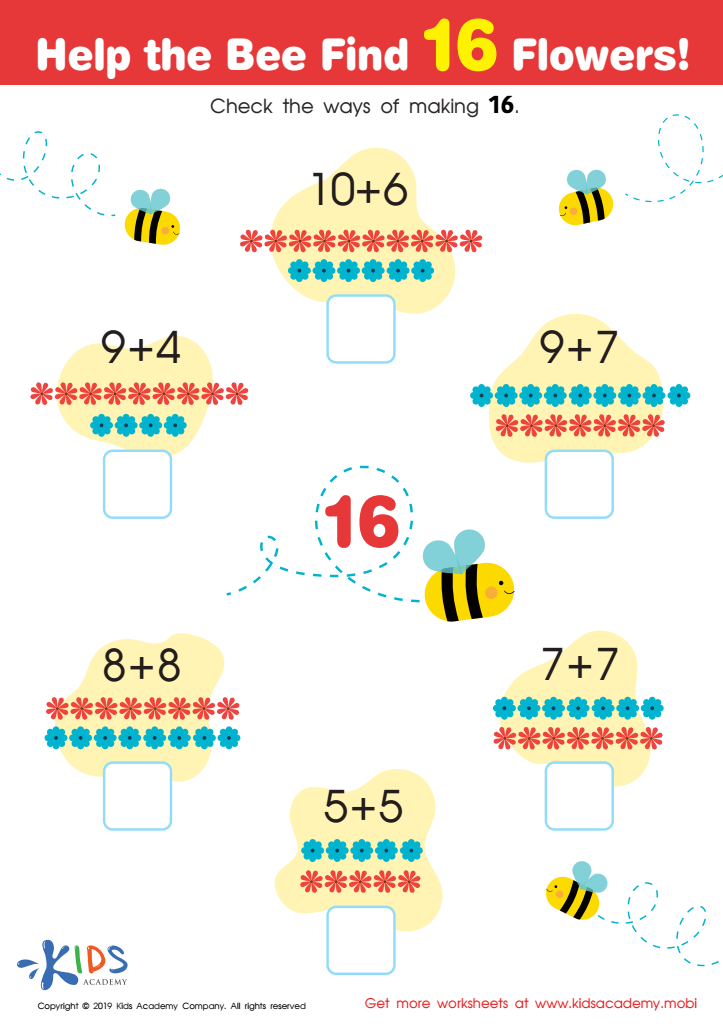
Help the Bee Find 16 Flowers Worksheet
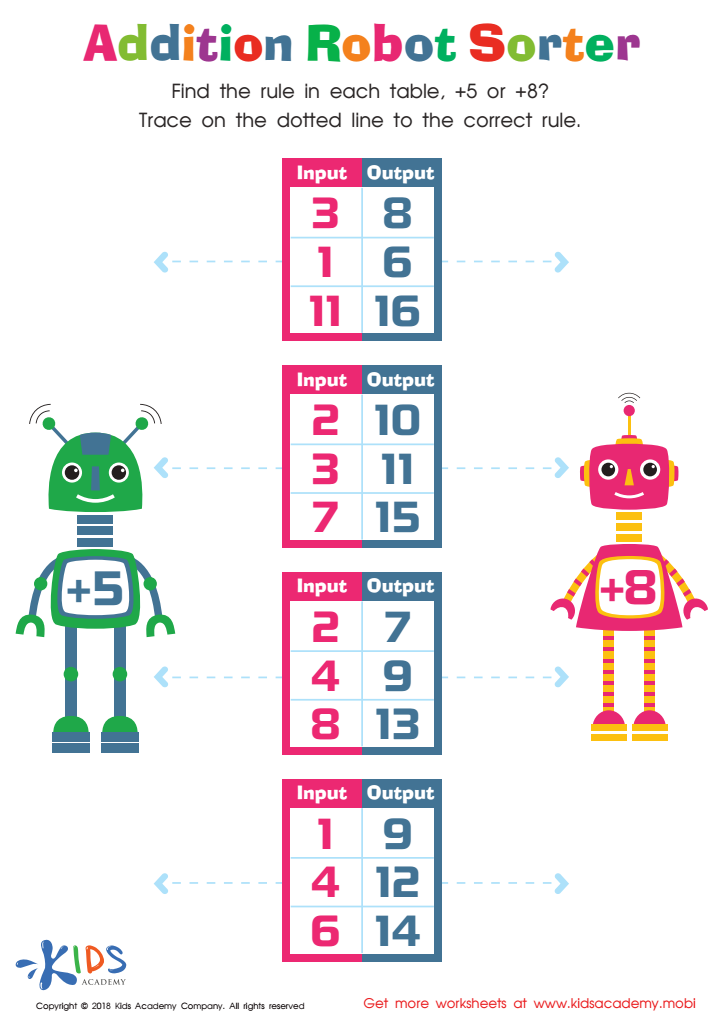
Addition Robot Sorter Worksheet
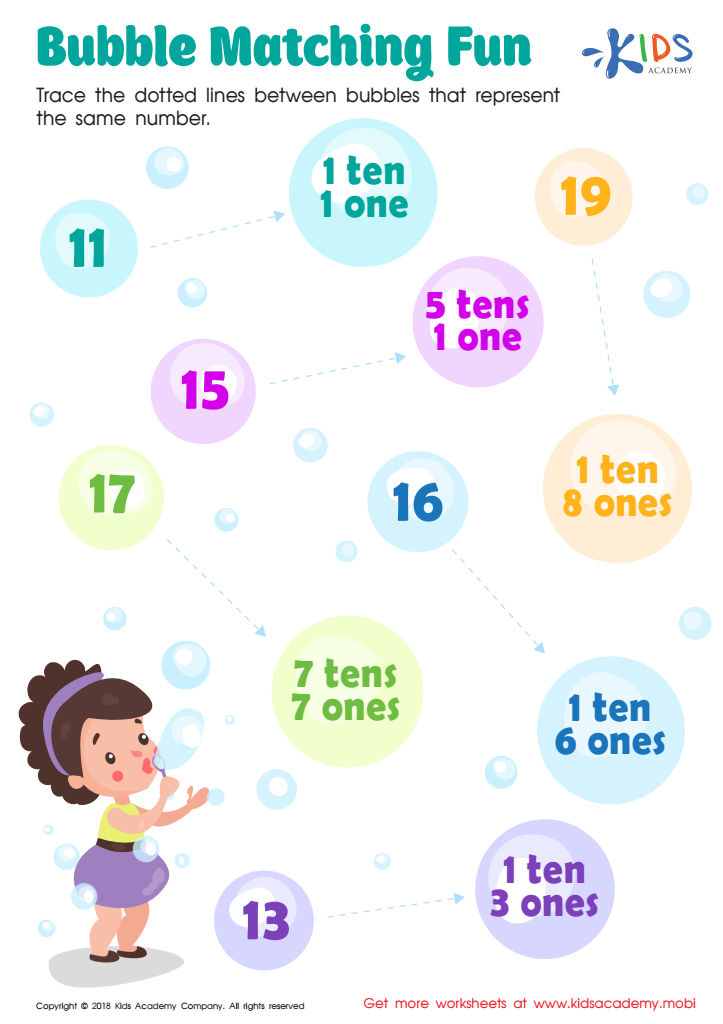
Bubble Matching Fun Worksheet
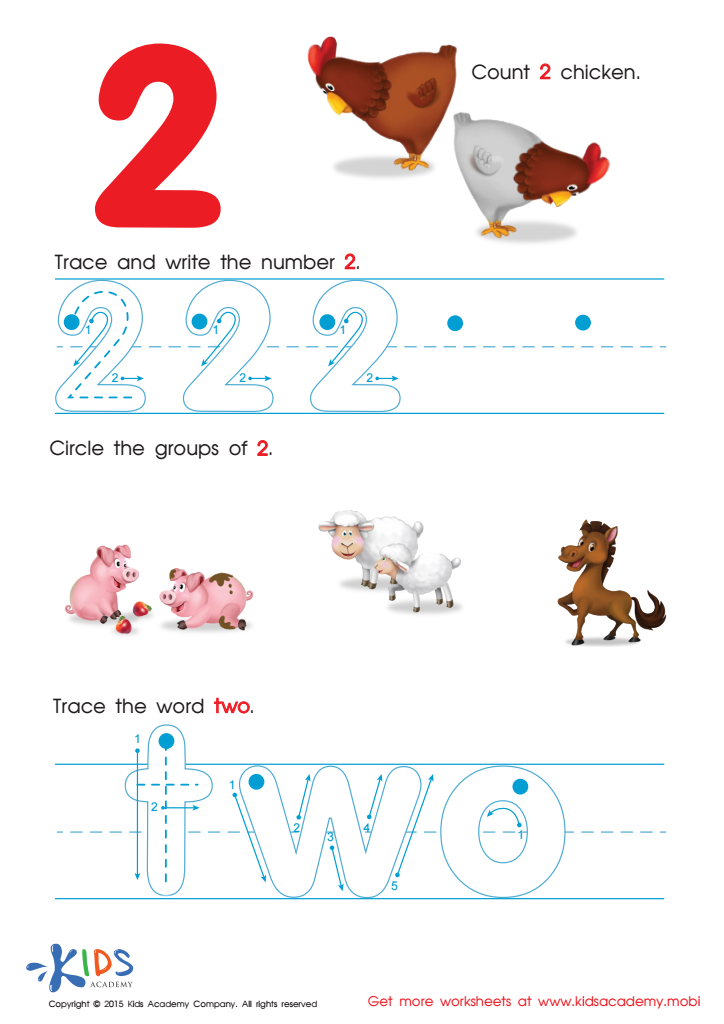
Learn to Write the Number 2 Worksheet
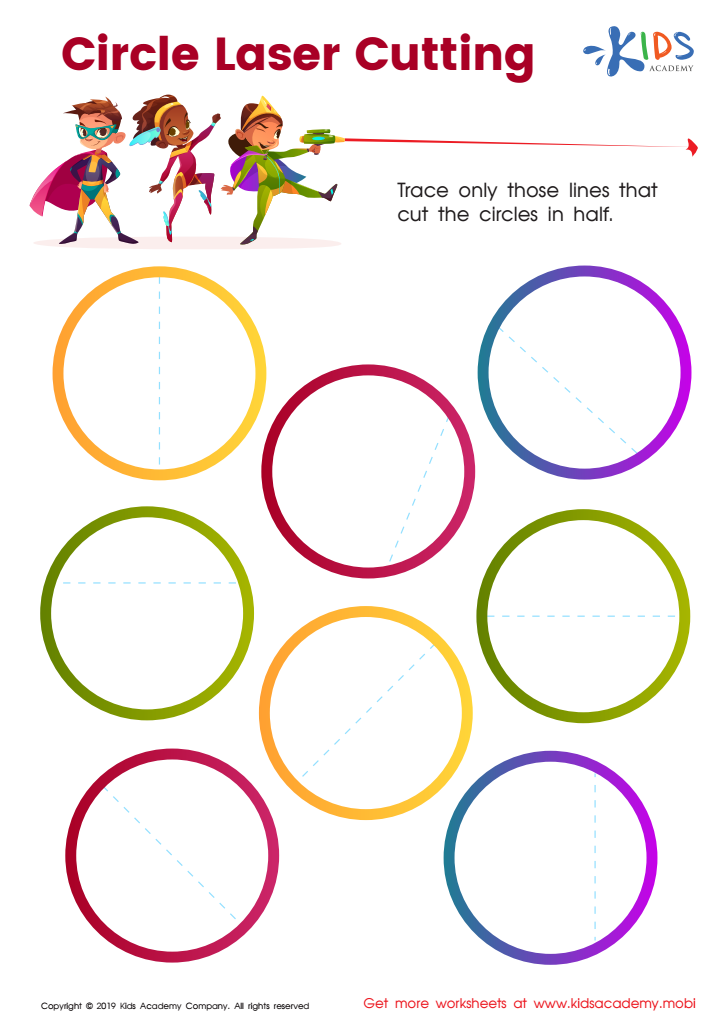
Circle Laser Cutting Worksheet
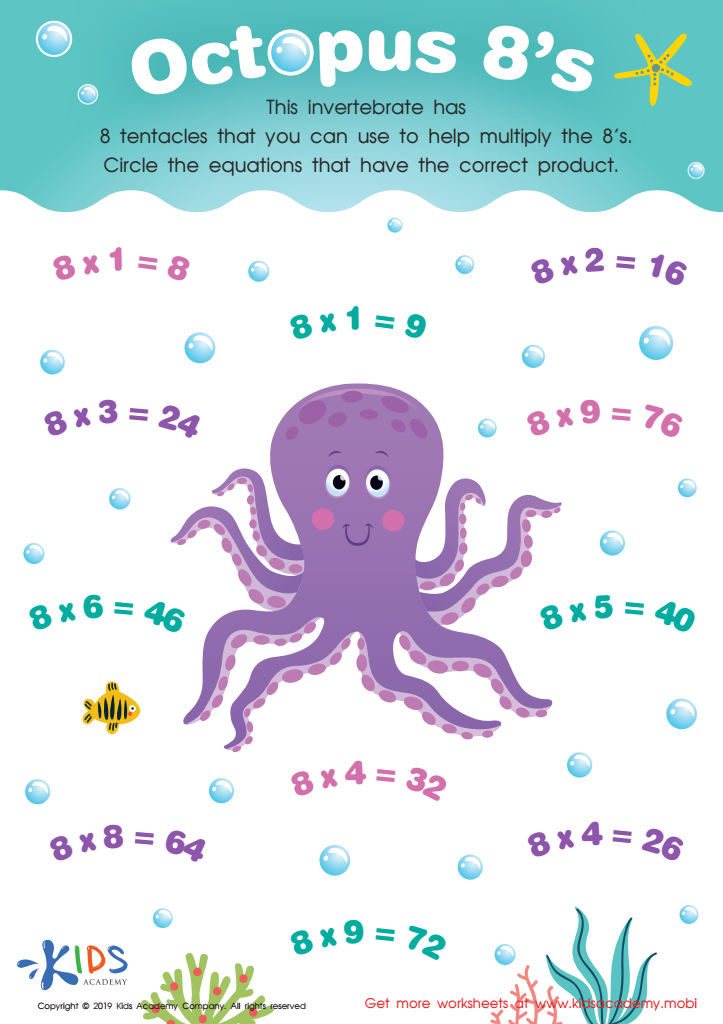
Octopus 8’s Worksheet
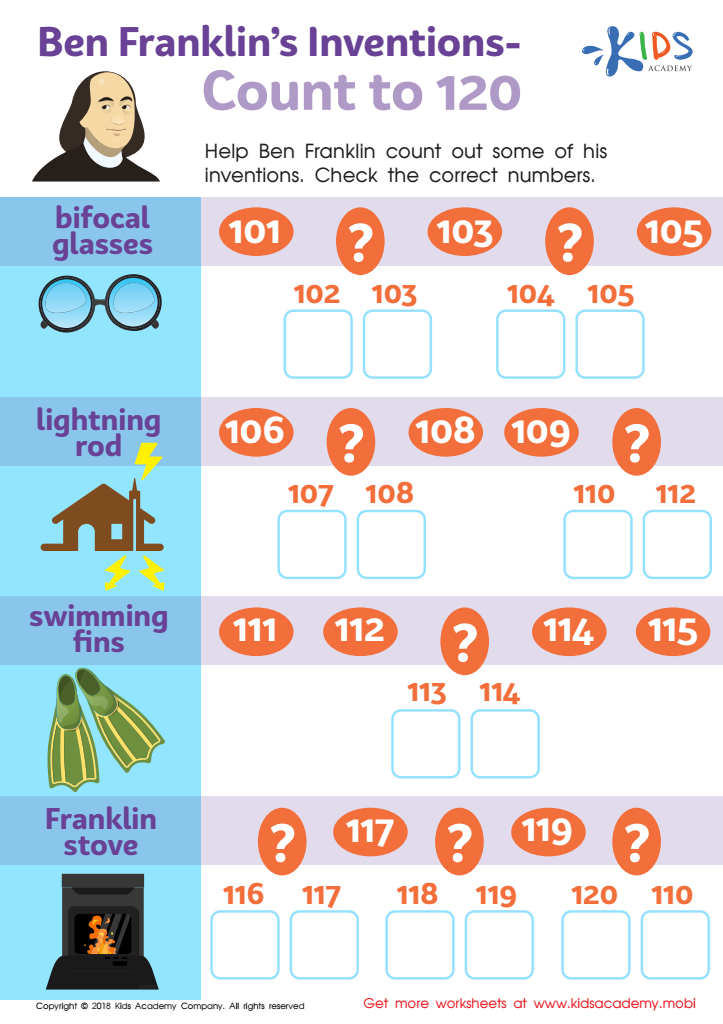
Ben Franklin’s Inventions – Count to 120 Worksheet








Fine motor skills are crucial for children aged 4-8 as they directly influence their ability to perform everyday activities and foundational learning tasks, such as writing, drawing, and manipulating small objects. These skills involve the coordination of small muscles in the hands and fingers, which are essential for holding a pencil, cutting with scissors, buttoning a shirt, and typing on a keyboard.
Parents and teachers should focus on the development of fine motor skills because they are intertwined with a child's cognitive, social, and emotional growth. During this pivotal period, fine motor activities not only enhance hand-eye coordination but also bolster problem-solving abilities and concentration. For instance, practicing handwriting helps develop alphabet recognition and literacy, and building with blocks can enhance spatial awareness and basic math skills.
Furthermore, achieving proficiency in fine motor skills can boost a child's confidence and independence, making them feel more competent in executing tasks by themselves. Conversely, children who struggle with fine motor skills may face challenges in academic settings, possibly leading to frustration or disengagement. Addressing these skills early on enables a smoother transition into more complex learning stages and sets a solid foundation for future educational success and everyday functionality. Thus, fostering the development of fine motor skills is essential for empowering children to thrive both academically and personally.








