Shape Recognition Normal Math Worksheets for Ages 4-8 - Page 2
36 filtered results
-
From - To
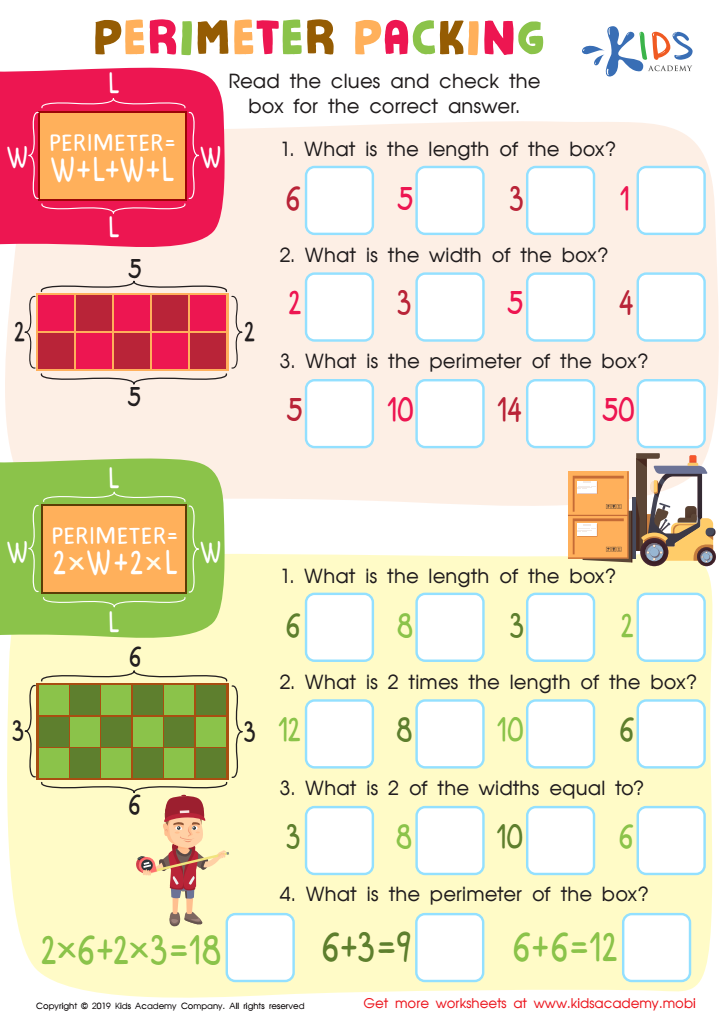
Perimeter Parking Worksheet
 Assign to My Students
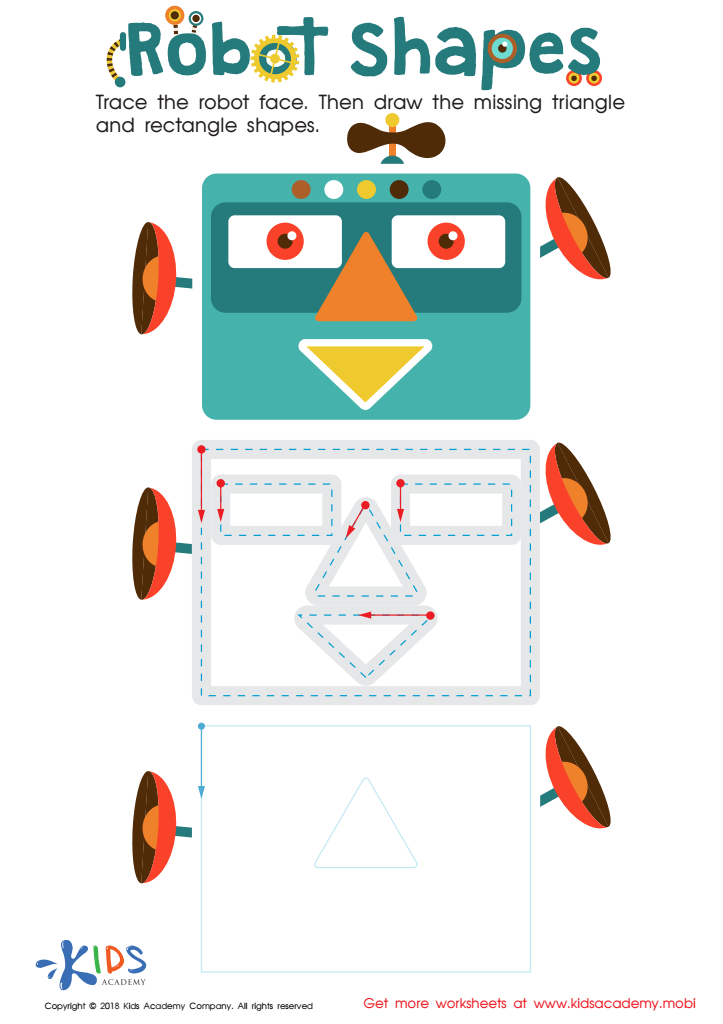
Robot Shapes Worksheet
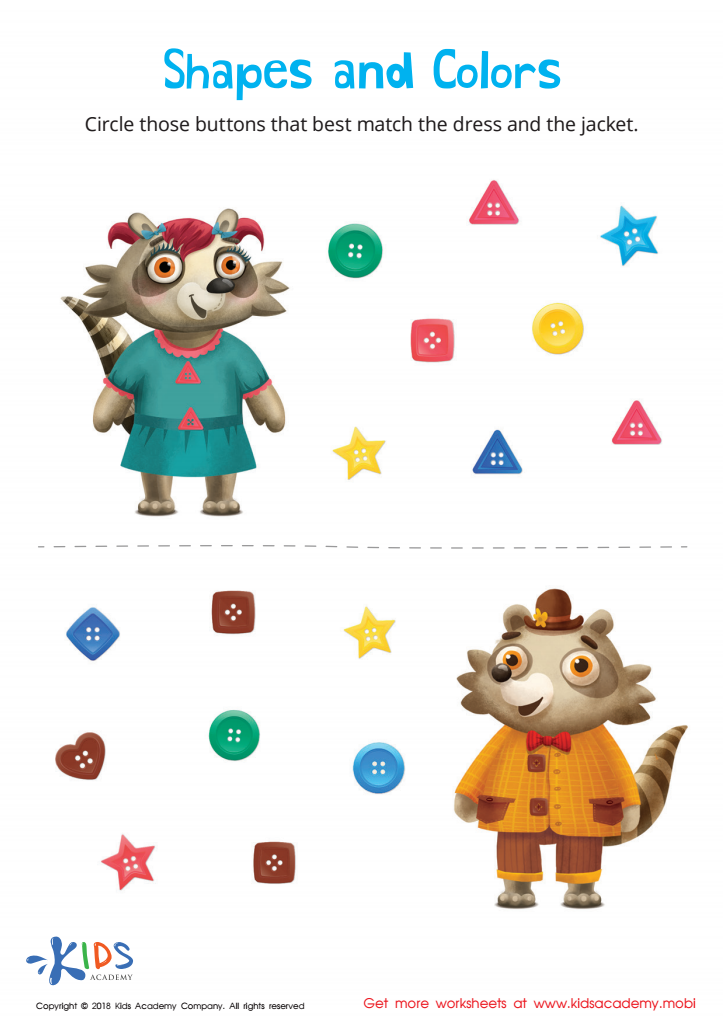
Shapes and Colors Worksheet
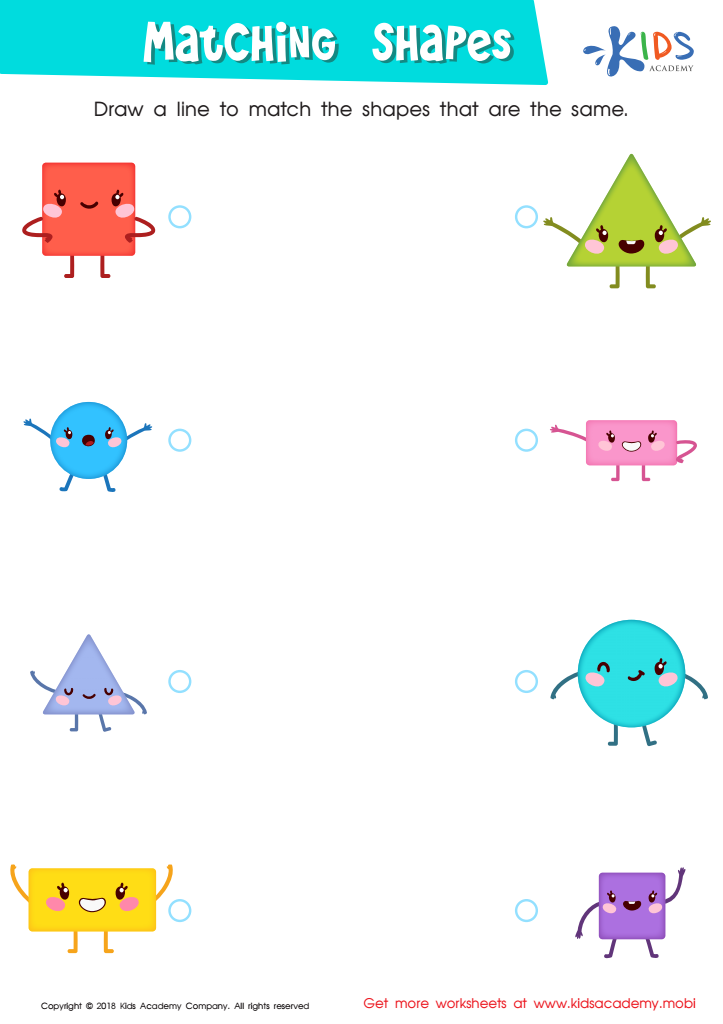
Matching Shapes Worksheet
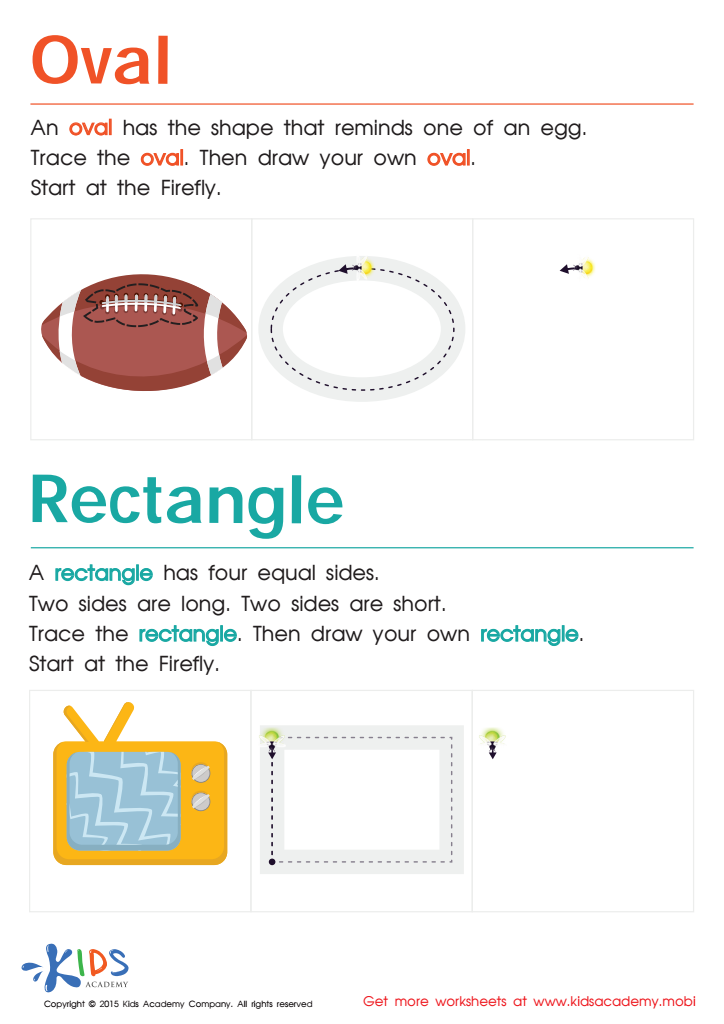
Easy Drawing of Ovals And Rectangles Worksheet
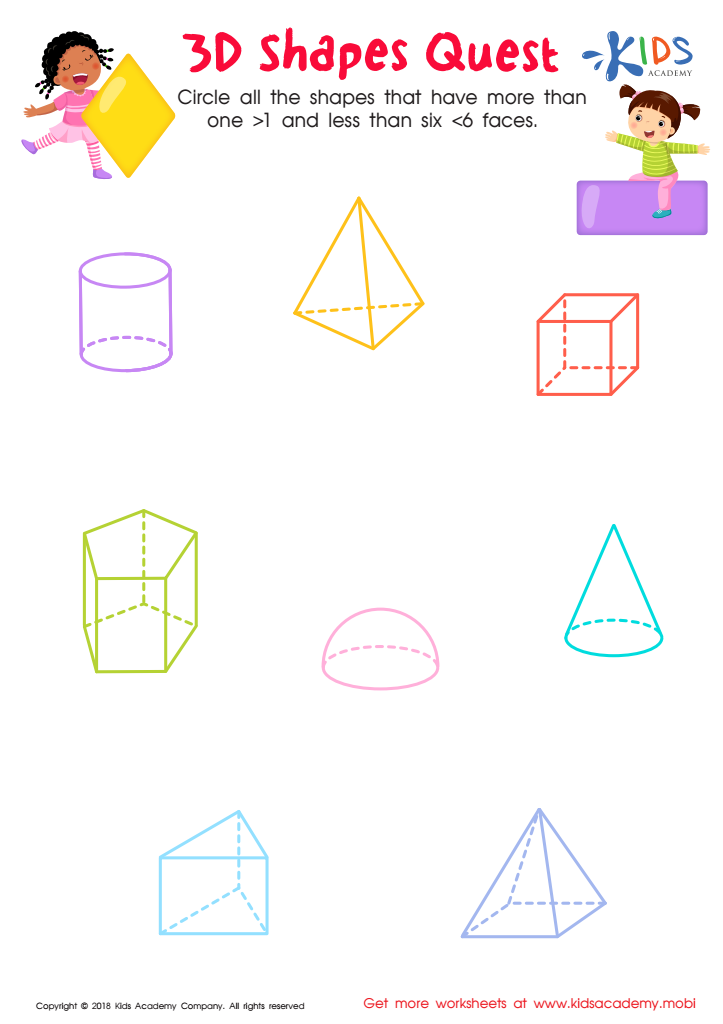
3D Shapes Quest Worksheet
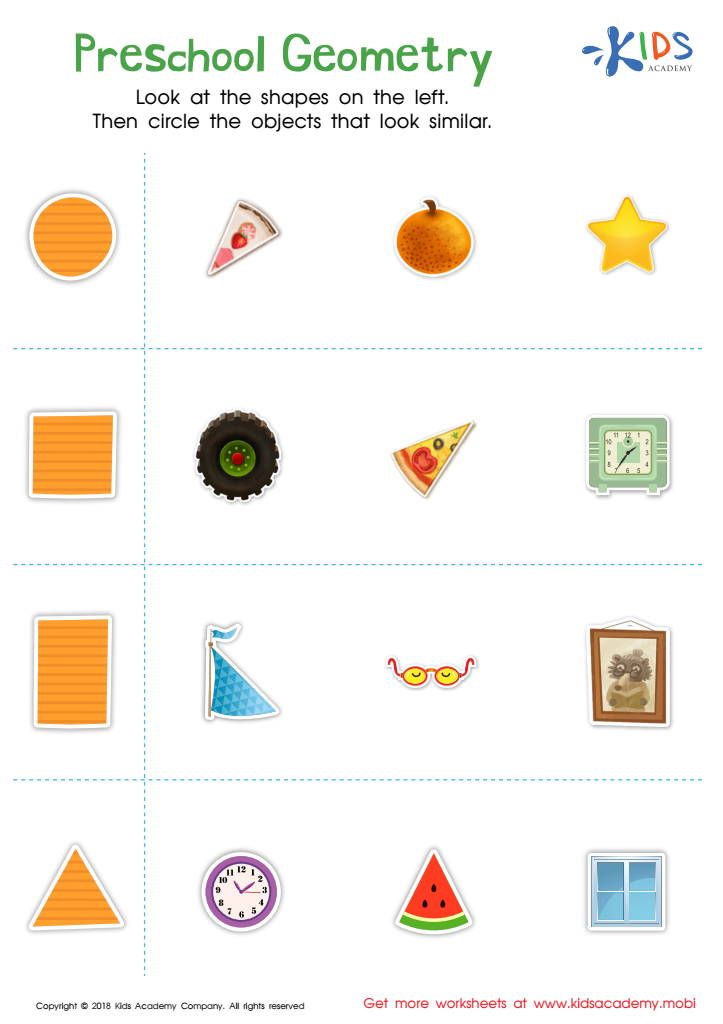
Preschool Geometry Worksheet
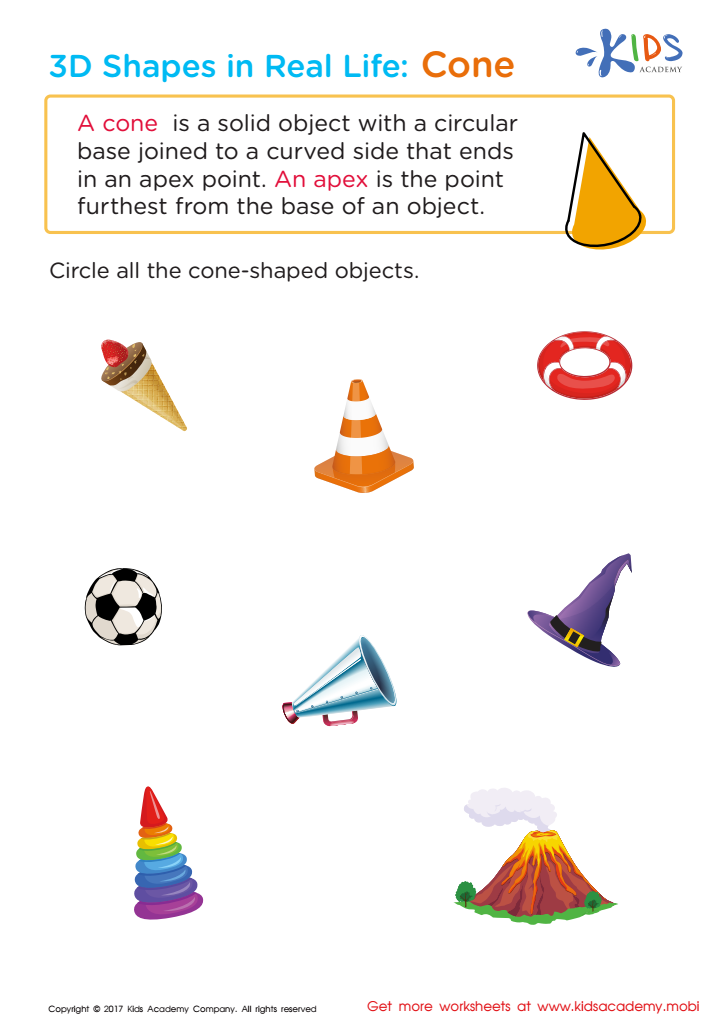
Shapes in Real Life: Cone Worksheet
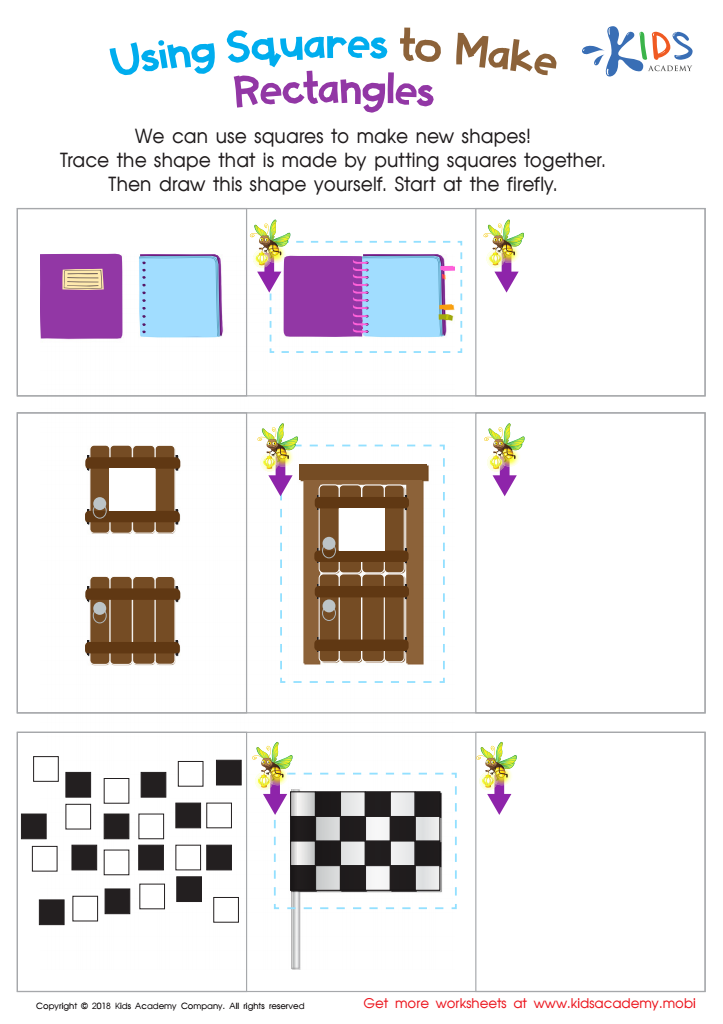
Using Squares to Make Rectangles Worksheet
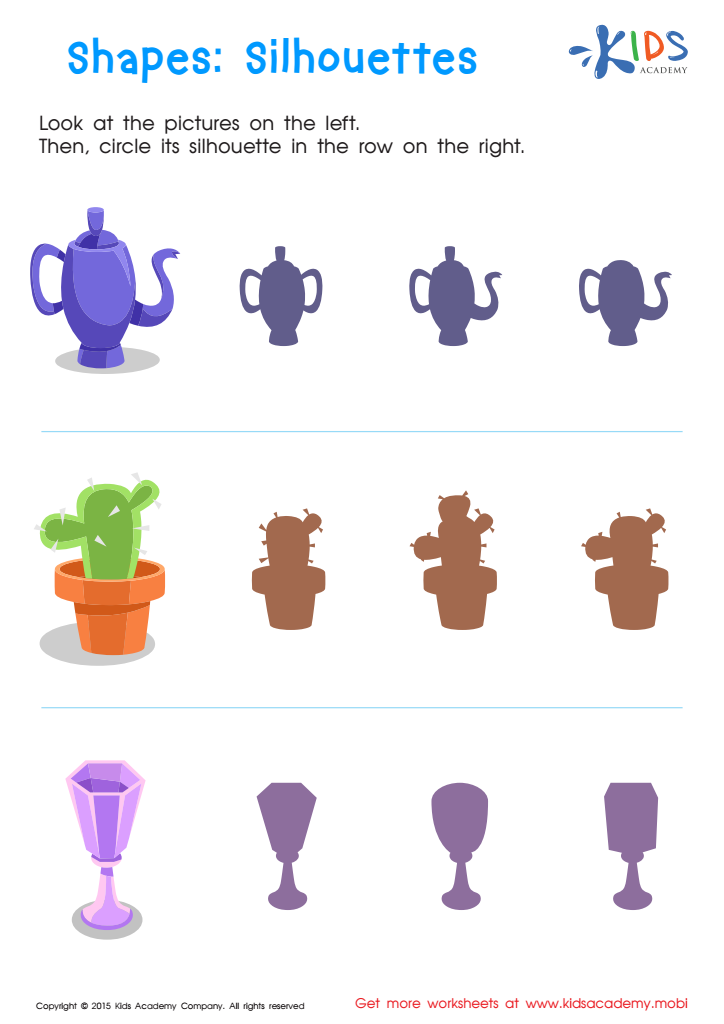
Silhouettes – Shapes Worksheet
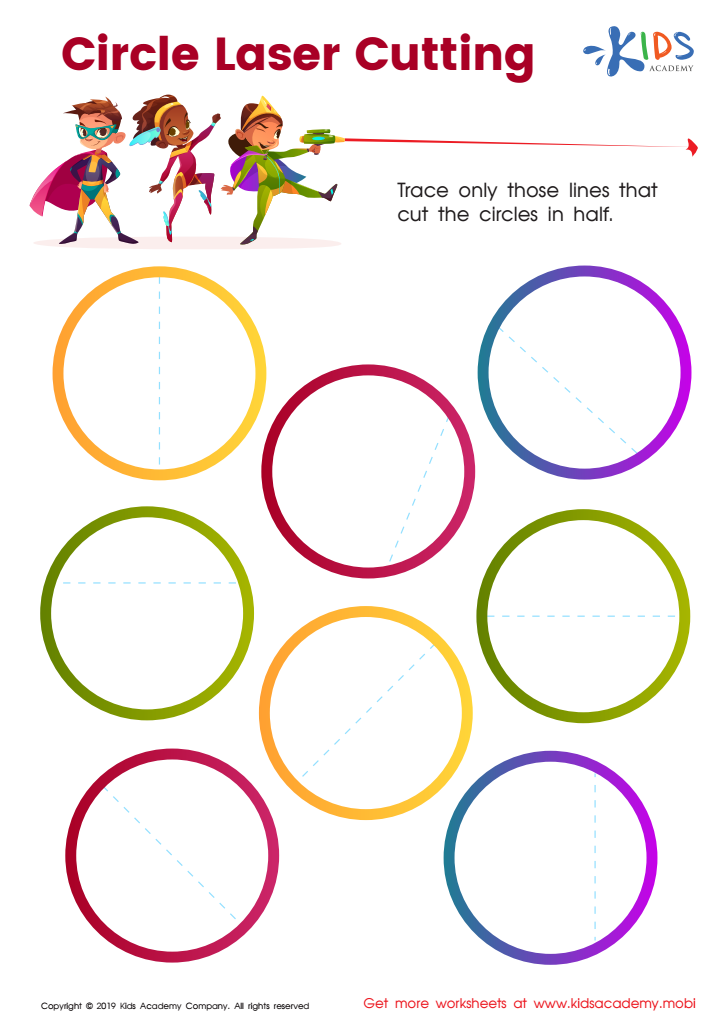
Circle Laser Cutting Worksheet
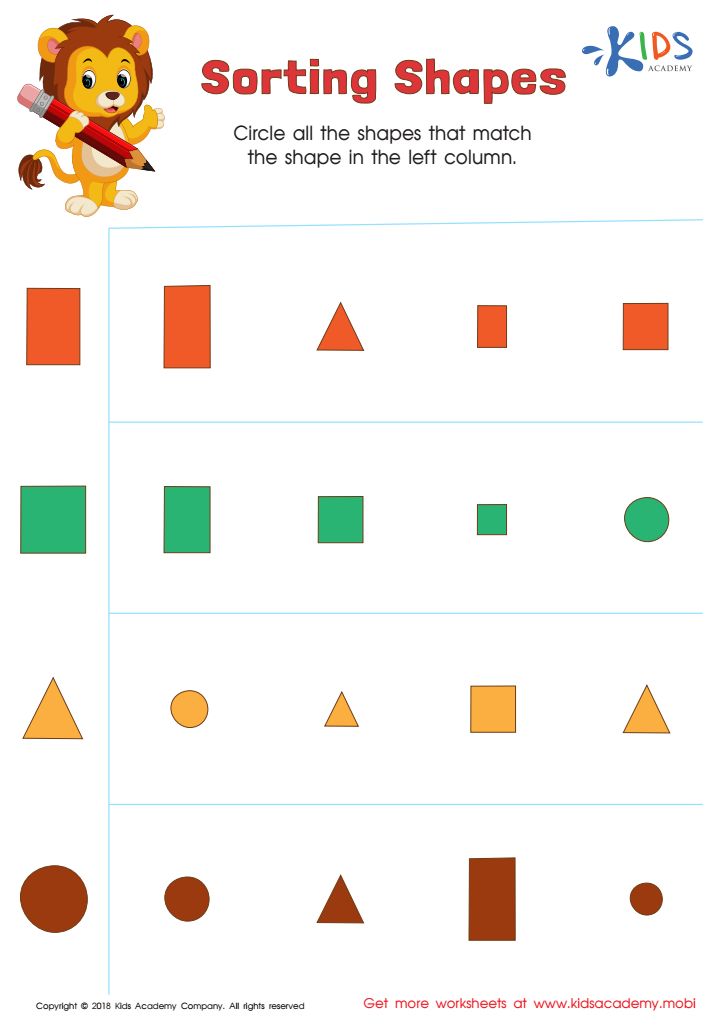
Sorting Shapes - Part 2 Worksheet








Shape recognition is a foundational skill in early mathematics for children ages 4-8, and it should be a priority for parents and teachers alike. Understanding shapes is not merely about identifying circles, squares, and triangles; it forms the basis for more complex geometric concepts that children will encounter later in their education. Shape recognition fosters critical thinking and problem-solving skills, enabling young learners to make connections between shapes and the physical world around them.
Additionally, mastering shape recognition can enhance spatial awareness, which is essential for activities ranging from reading maps to understanding architecture. Early exposure to shapes contributes to cognitive development, as children learn to categorize and compare different objects. Engaging activities related to shape recognition can also promote fine motor skills through hands-on experiences like drawing, cutting, and constructing shapes.
Moreover, the skills developed through shape recognition lay the groundwork for advanced topics, such as measurement and data, reinforcing the importance of numeracy. When parents and teachers prioritize shape recognition, they are equipping children with vital tools for future academic success while nurturing their enthusiasm for learning. Ultimately, caring for this essential aspect of early math education supports holistic development in young learners.








