Normal Space Worksheets for Ages 4-8 - Page 2
38 filtered results
-
From - To
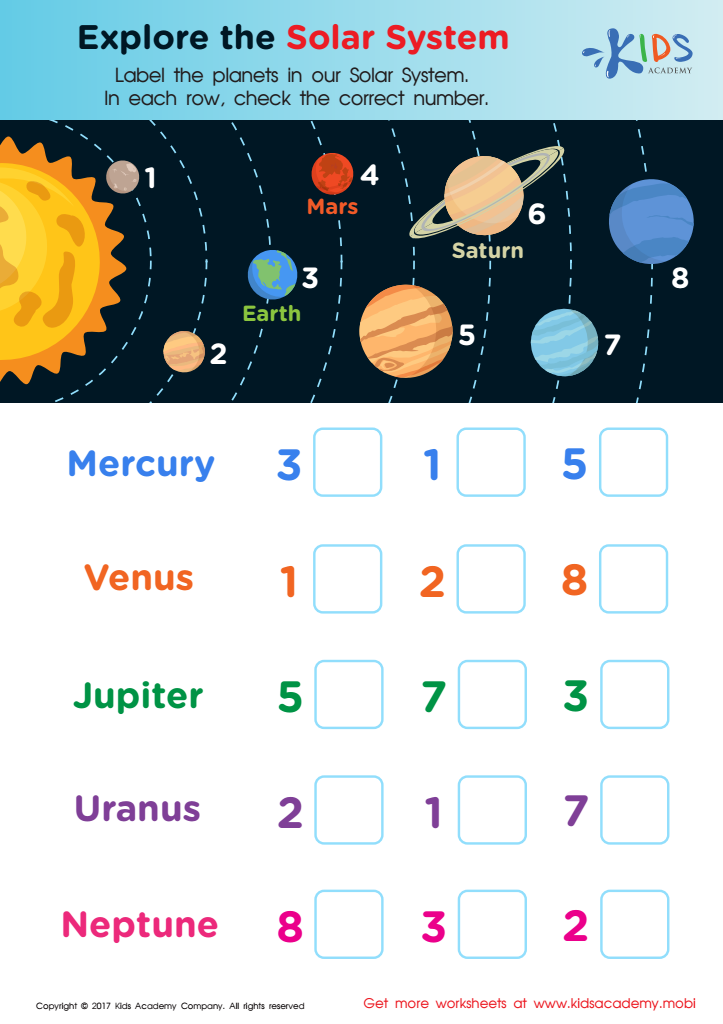
Solar System Planets Worksheet
 Assign to My Students
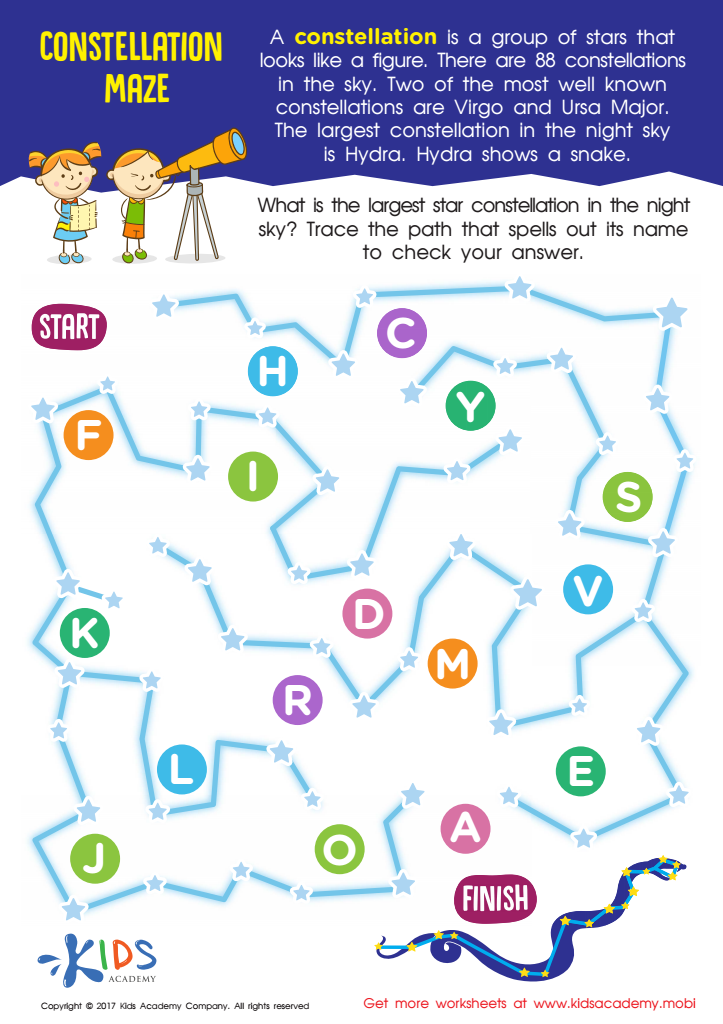
Constellations Worksheet
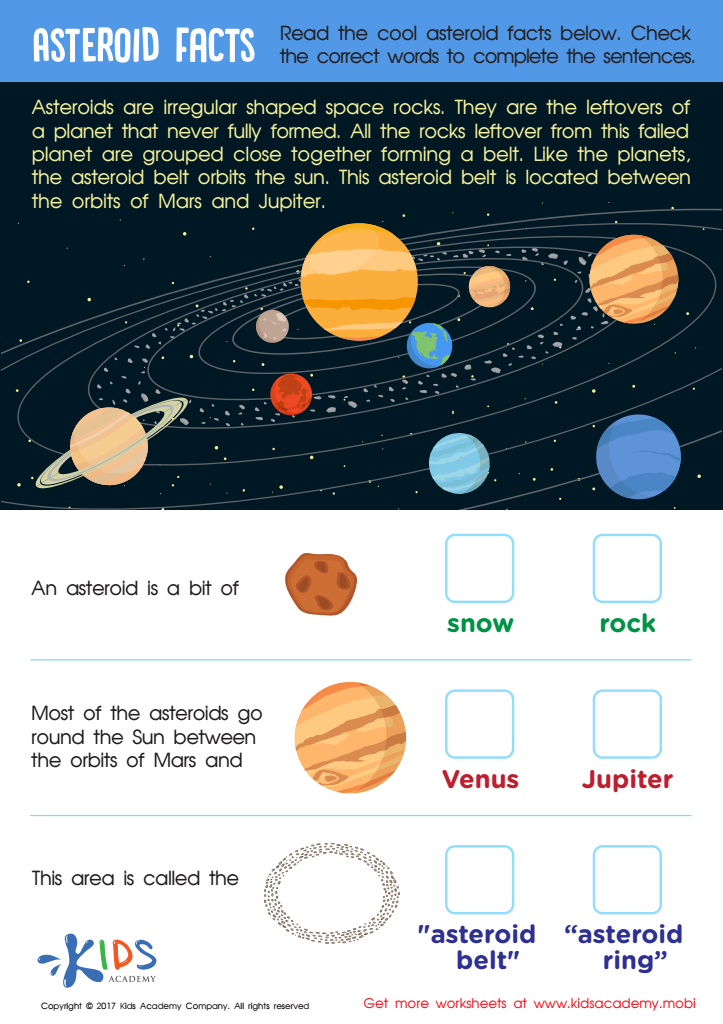
Asteroid Facts Worksheet
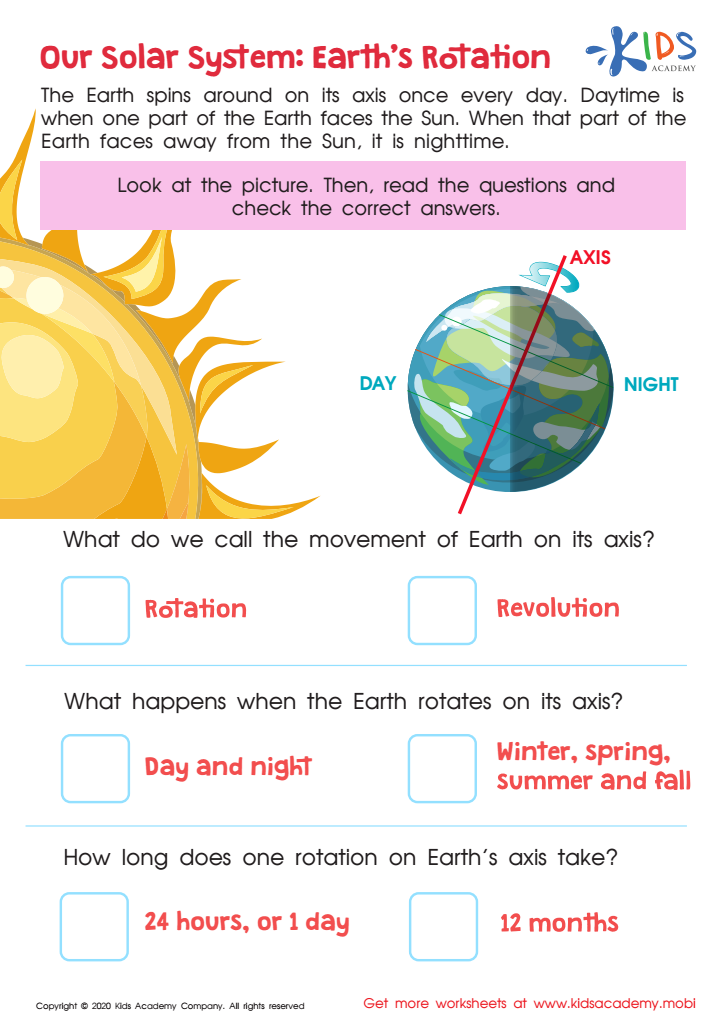
Our Solar System: Earth's Rotation Printable
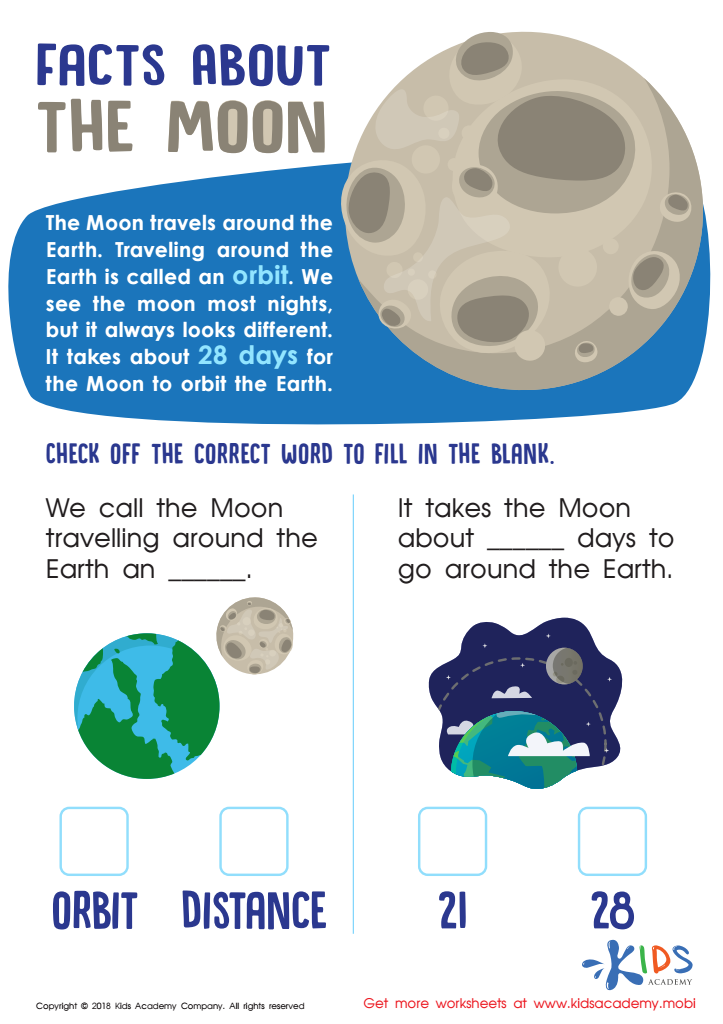
Facts About the Moon Worksheet
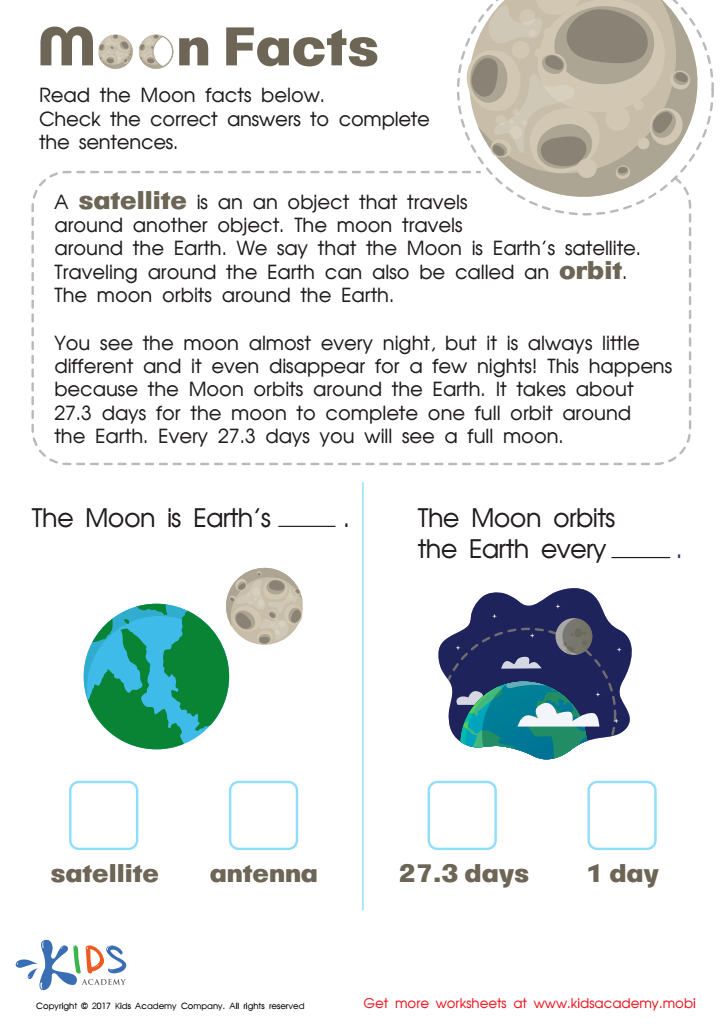
Moon Facts Worksheet
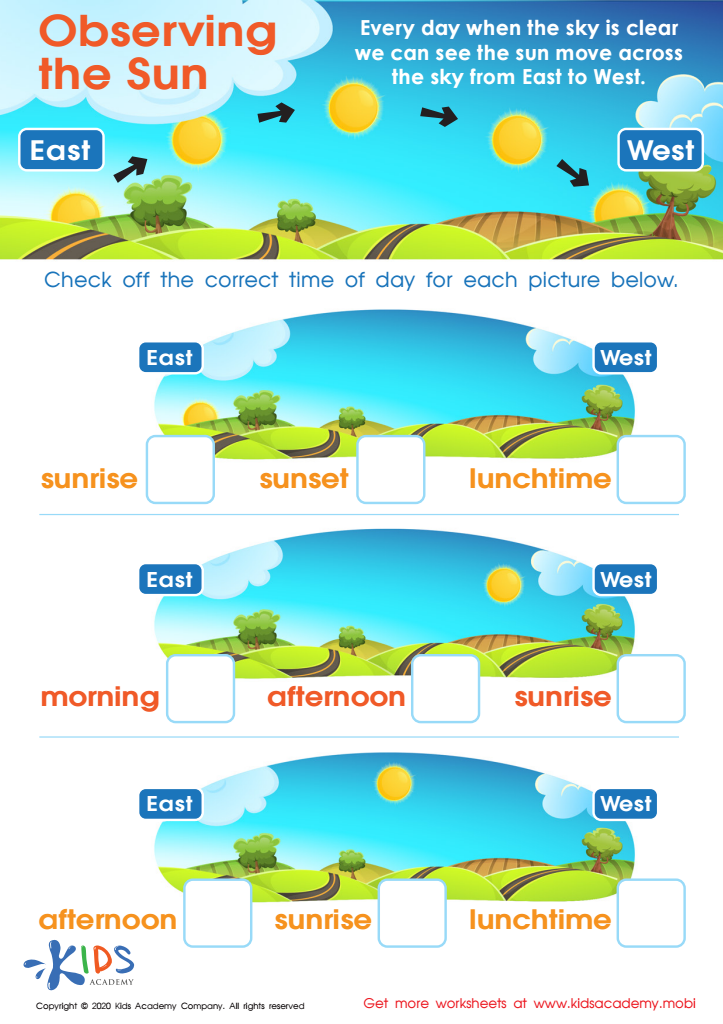
Observing the Sun Worksheet
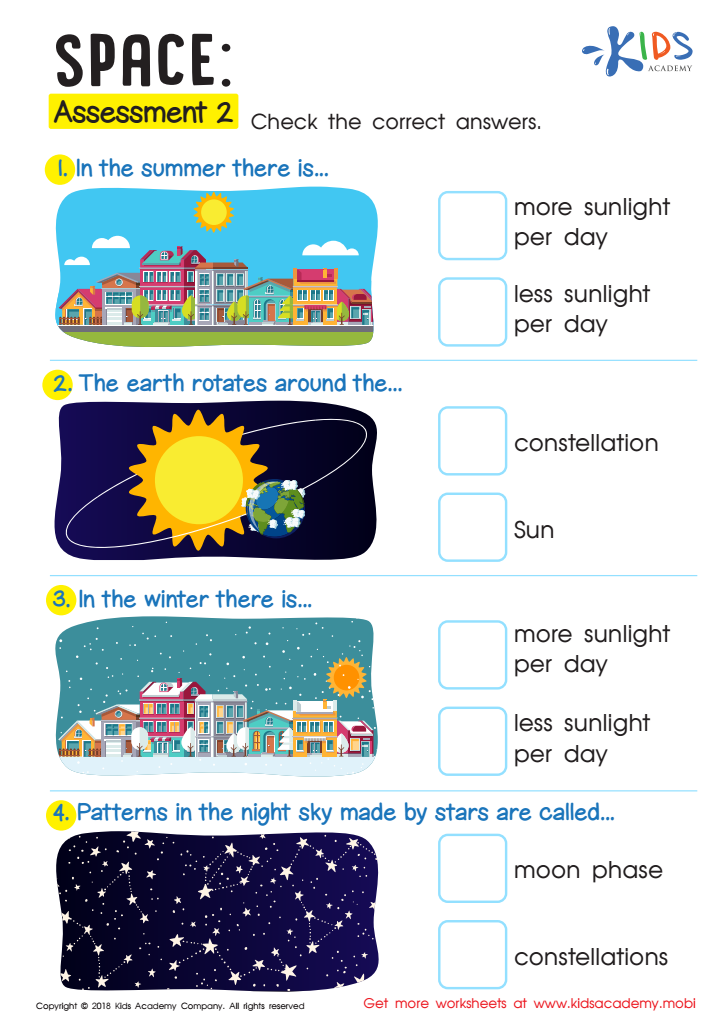
Space: Assessment 2 Worksheet
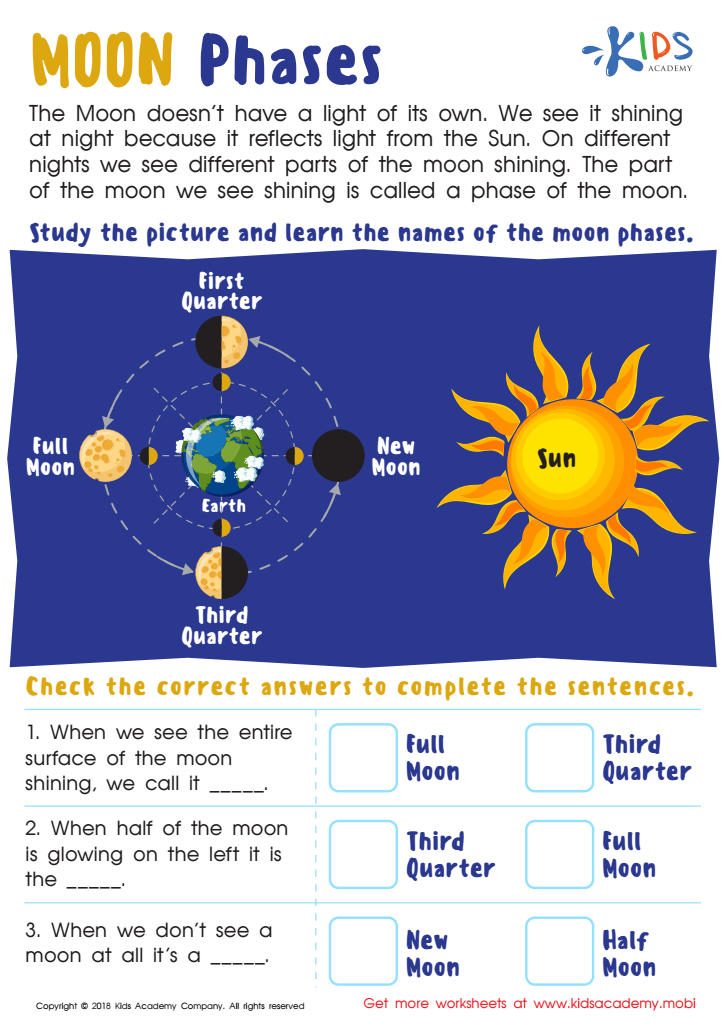
Moon Phases Worksheet
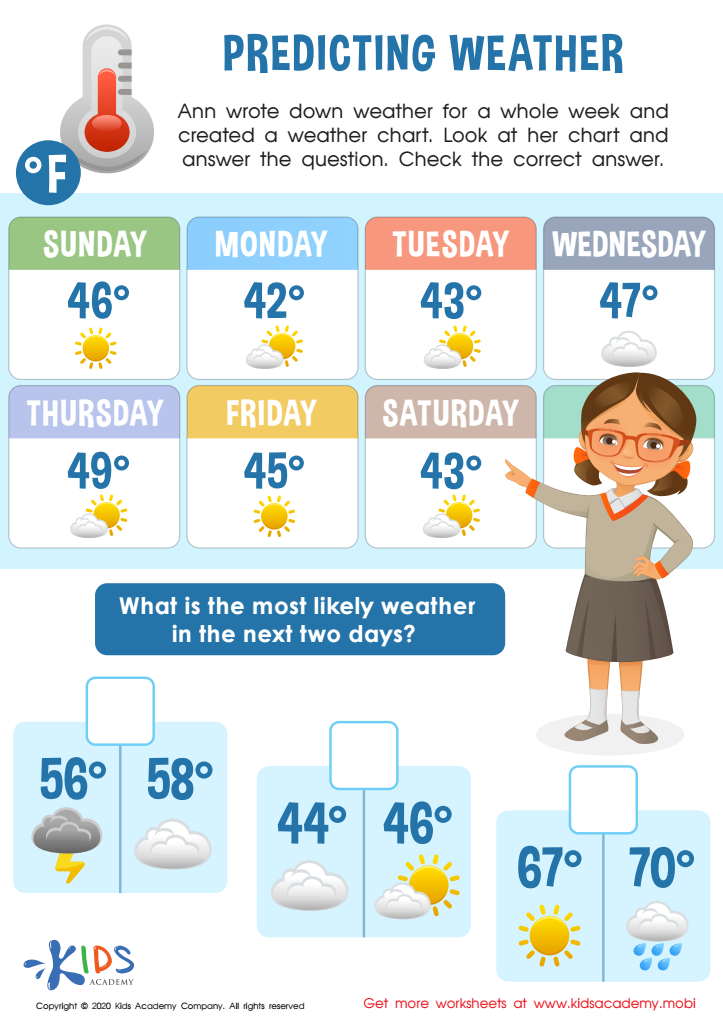
Predicting Weather Worksheet
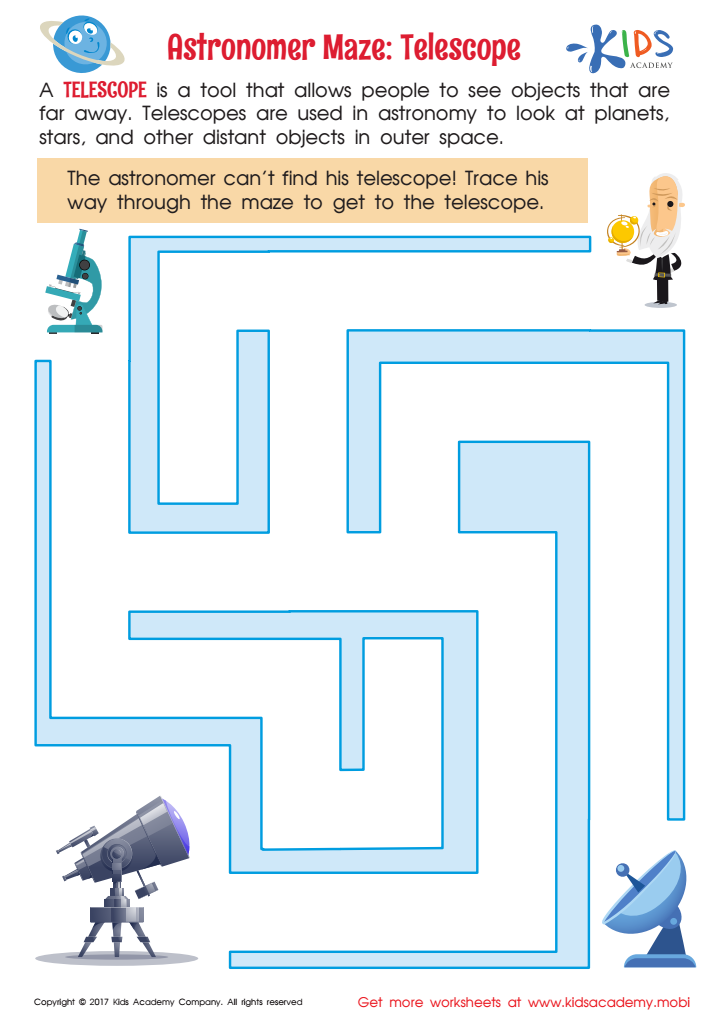
Astronomer Maze: Telescope Worksheet
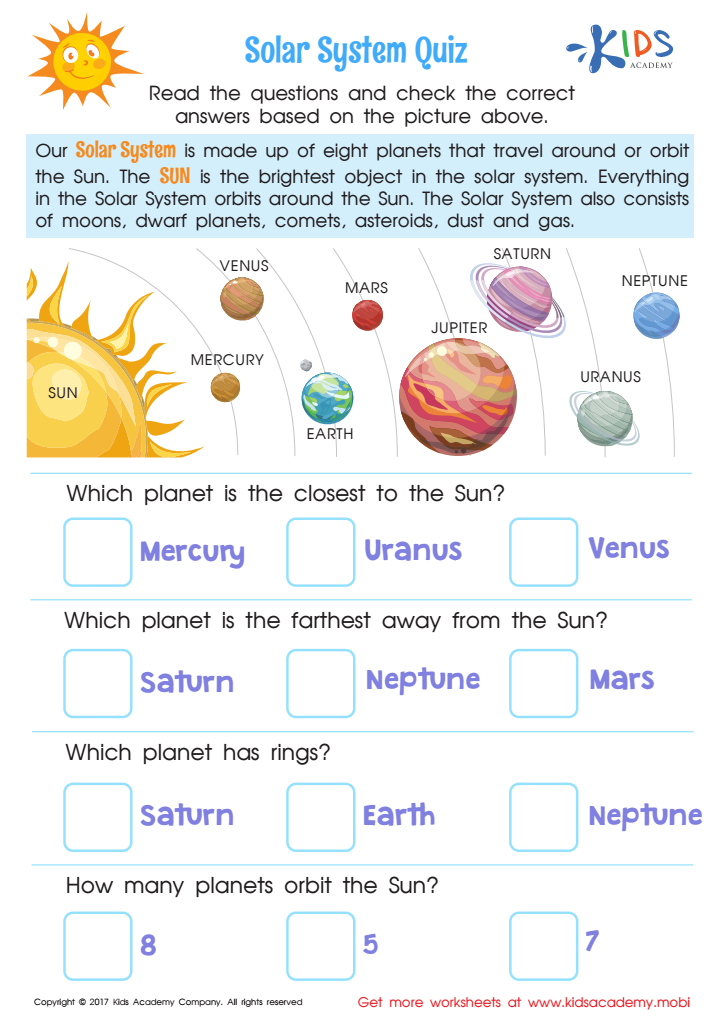
Solar System Quiz Printable
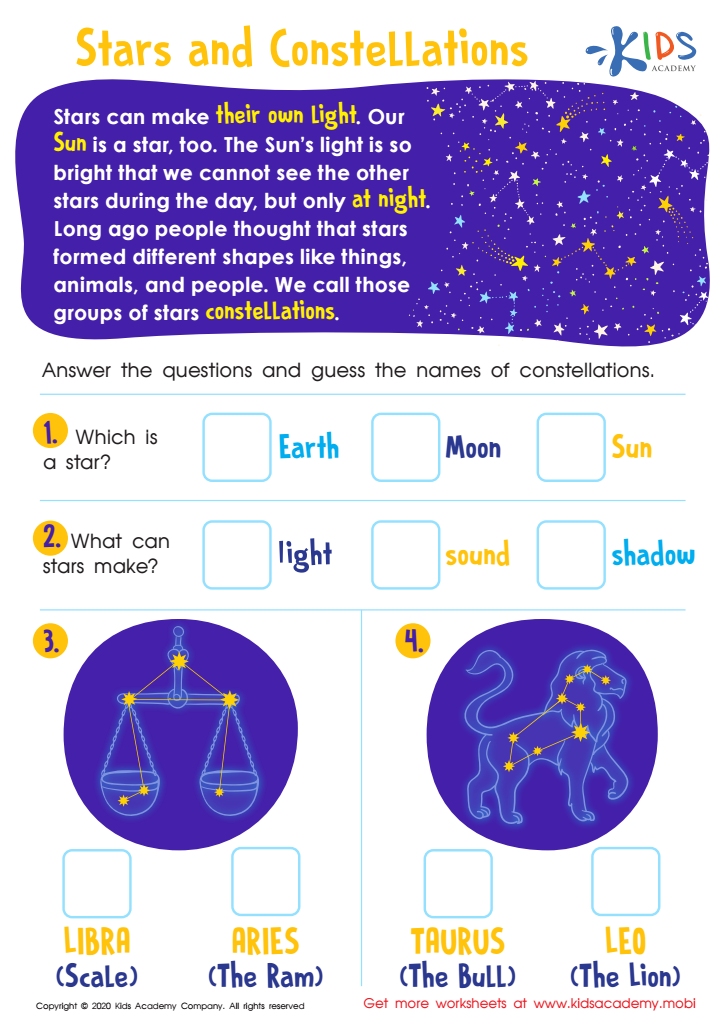
Stars and Constellations Worksheet
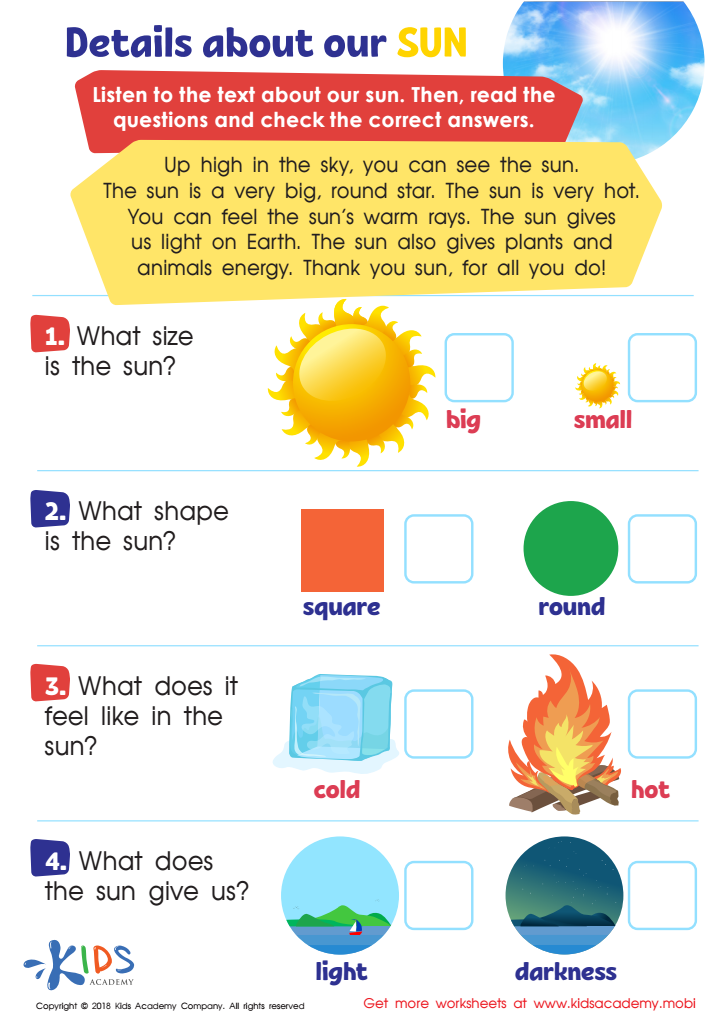
Details About Our Sun Worksheet




%20(1).jpg)



Normal Space refers to the environment and routines that encompass the everyday life of children aged 4-8. This space significantly impacts their physical, emotional, social, and cognitive development. For parents and teachers, it is crucial to understand and optimize this normal space for several reasons:
Firstly, a conducive normal space fosters a sense of security and stability. When children know what to expect in their daily routines, they feel safer and more confident. Consistency in sleep, play, and learning times can help establish a solid foundation for developing resilience and adaptability.
Secondly, a well-organized and stimulating environment enhances learning and creativity. Children this age are naturally curious; a space equipped with diverse, age-appropriate materials encourages exploration and learning through play. Access to books, creative supplies, and educational toys can spark curiosity and promote cognitive growth.
Thirdly, social interactions within normal space are pivotal for developing interpersonal skills. Opportunities for interaction with peers and adults foster communication, empathy, cooperation, and problem-solving abilities.
Lastly, a healthy physical environment—clean, safe, and ergonomically designed—supports their overall well-being and helps instill lifelong habits related to hygiene, exercise, and self-care.
By carefully curating the normal space, parents and teachers can play a pivotal role in nurturing well-rounded, happy, and developmentally sound children.







