Normal Letter Sounds Worksheets for Ages 4-9
24 filtered results
-
From - To
Explore our engaging Normal Letter Sounds Worksheets designed for children ages 4 to 9. These interactive resources enhance early phonics skills and boost literacy confidence. Each worksheet features fun activities focused on identifying and practicing letter sounds, helping young learners connect sounds with letters through colorful illustrations and engaging exercises. Ideal for home or classroom use, these worksheets cater to various learning styles, making phonics accessible and enjoyable. Perfect for reinforcing foundational reading skills, our letter sound worksheets provide essential practice that lays the groundwork for future literacy success. Start your child's reading journey today with our fun-filled, educational worksheets!
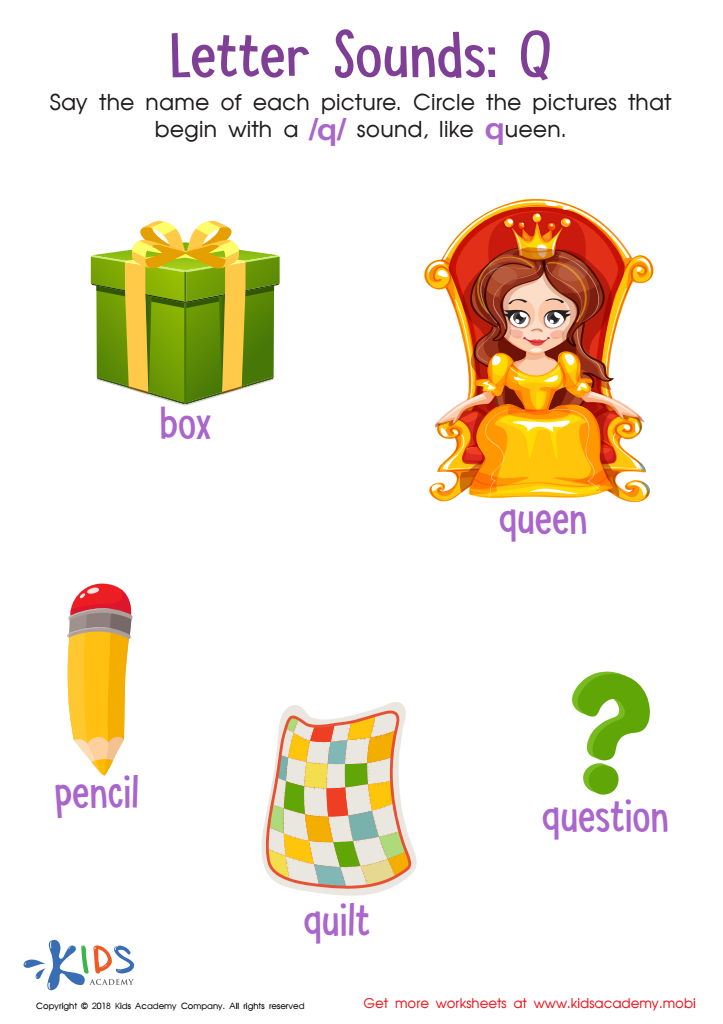
Letter Q Sounds Worksheet
 Assign to My Students
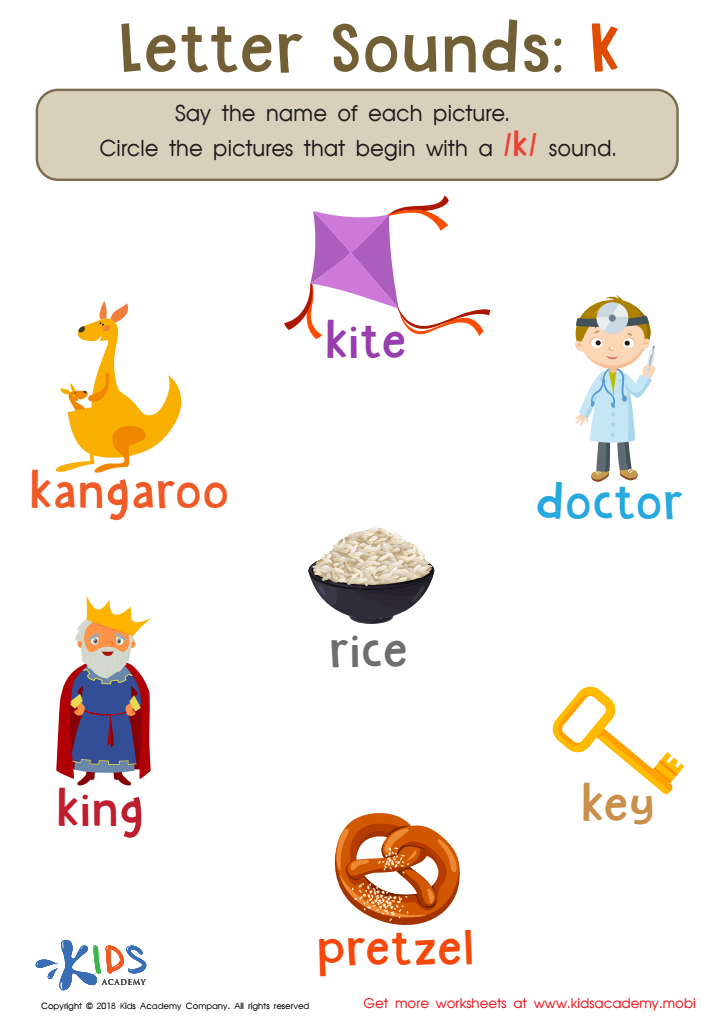
Letter K Sounds Worksheet
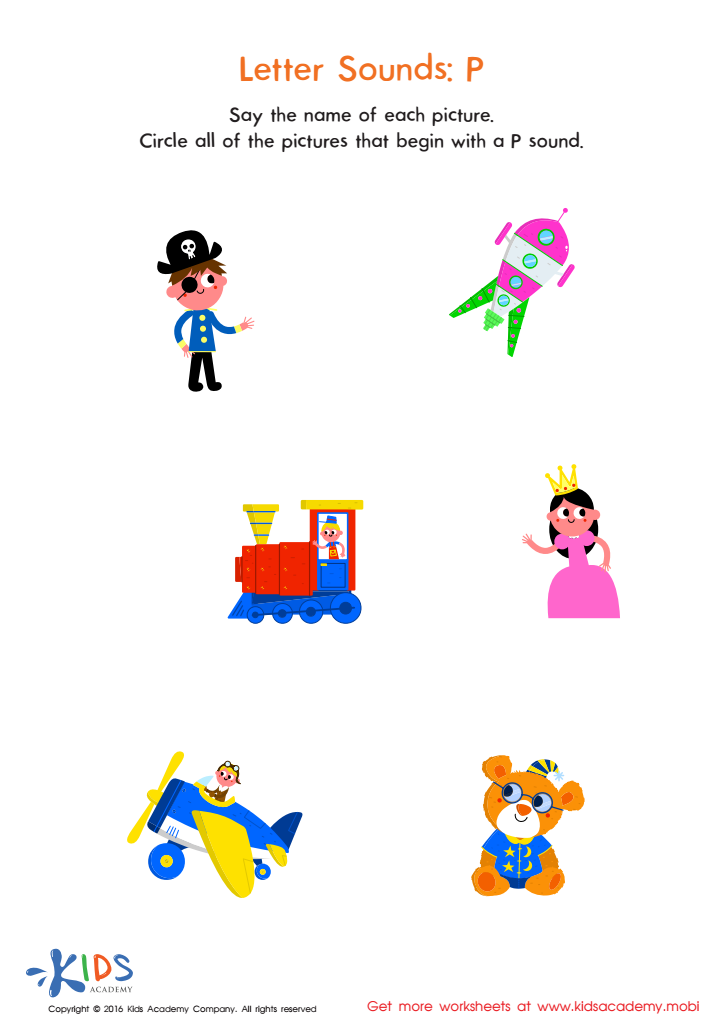
Letter P Sound Worksheet
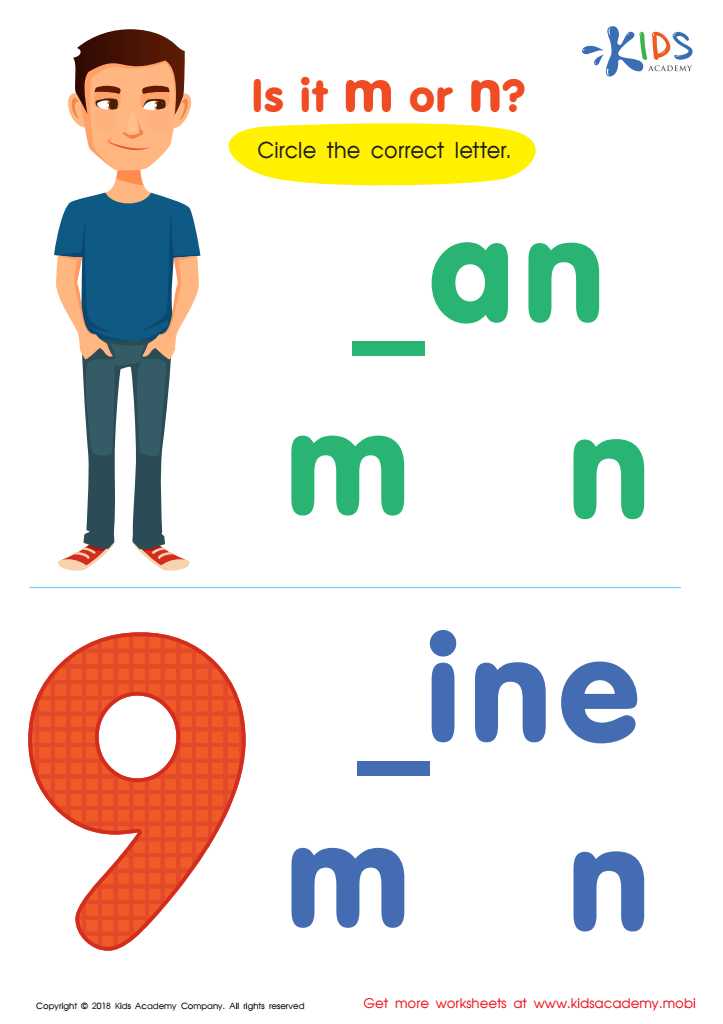
Is It m or n? Worksheet
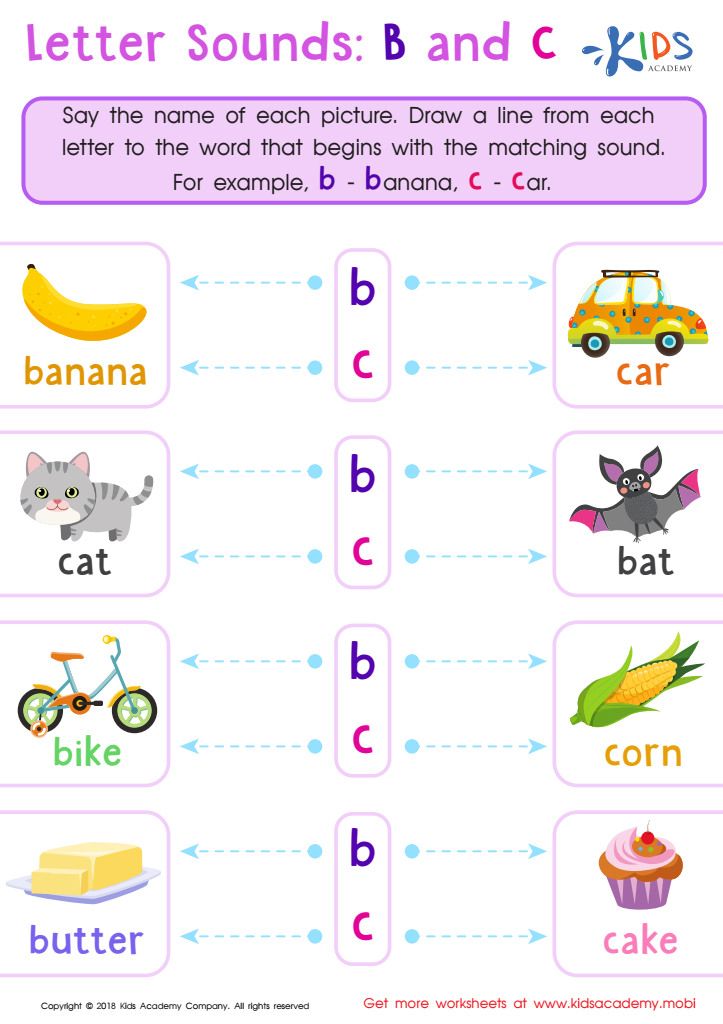
Letter B and C Sounds Worksheet
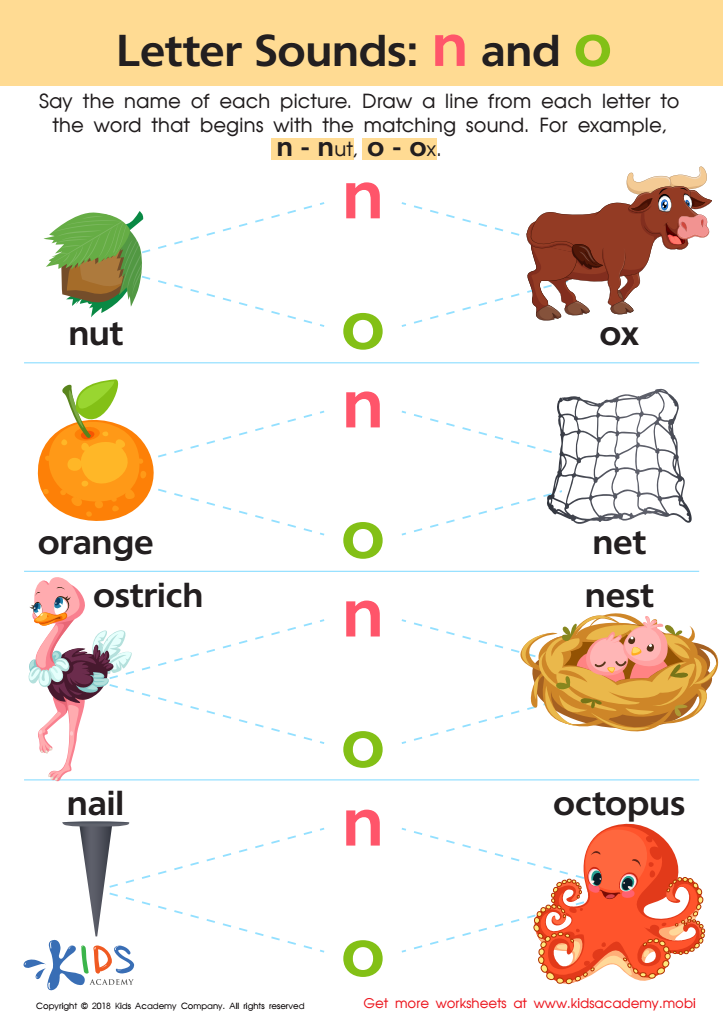
Letter N and O Sounds Worksheet
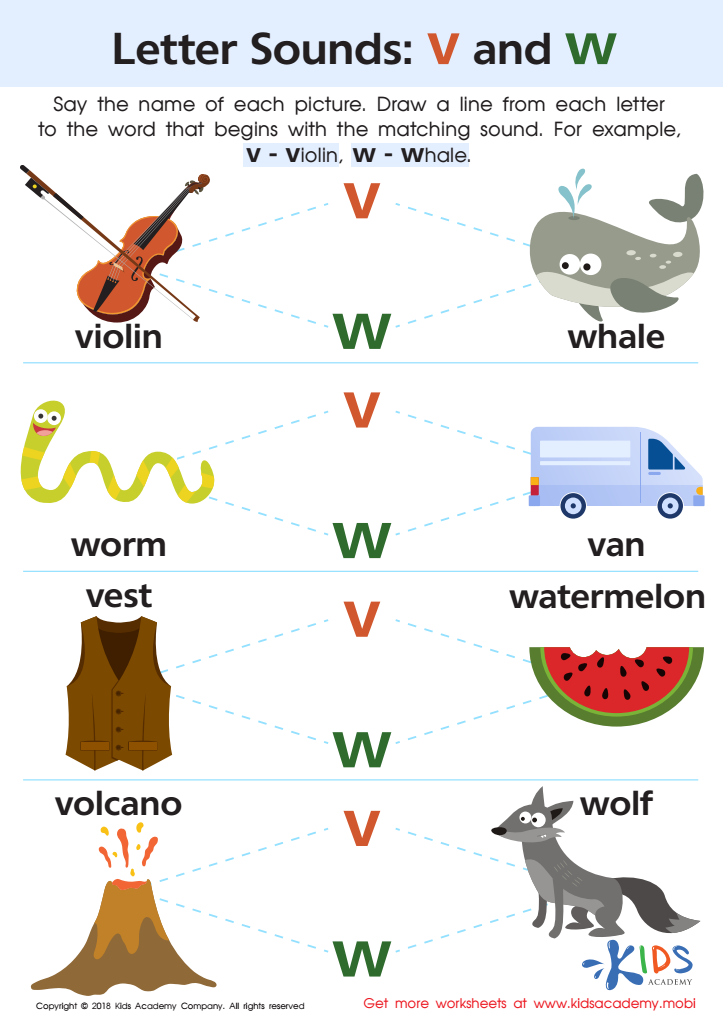
Letter V and W Sounds Worksheet
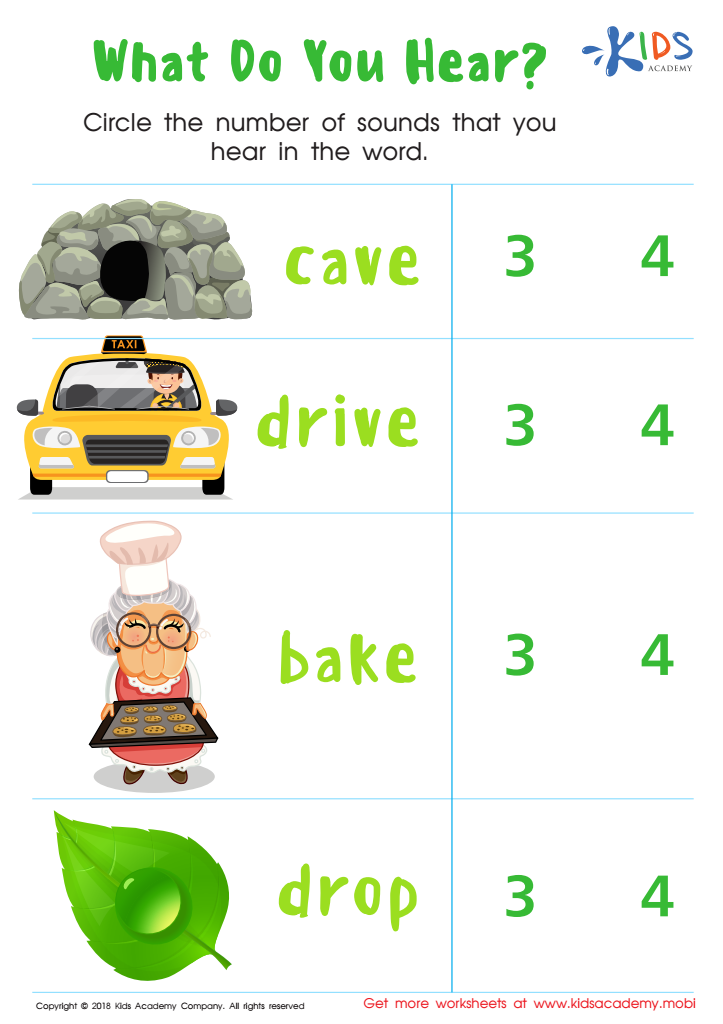
What Do You Hear? Worksheet
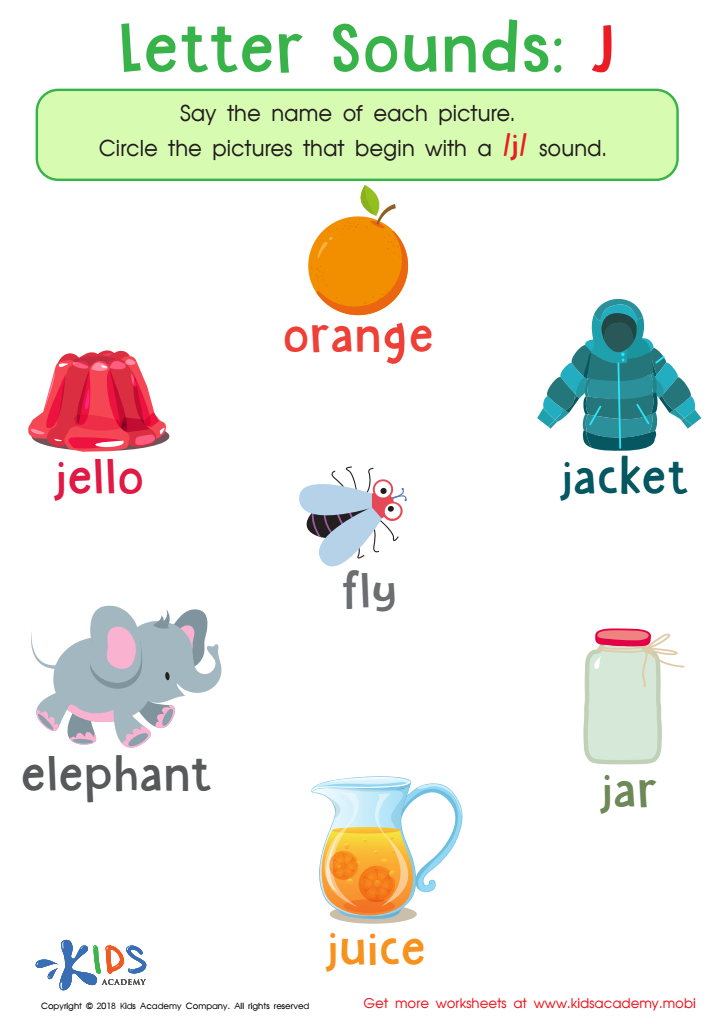
Letter Sounds: J Printable Worksheet
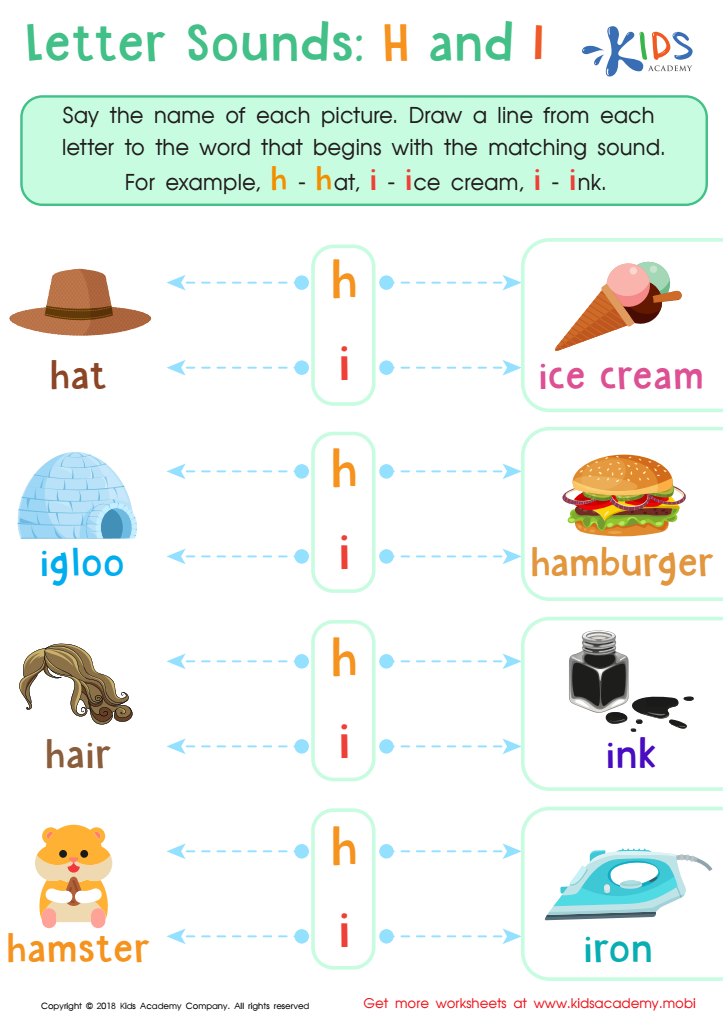
Letter H and I Sounds Worksheet
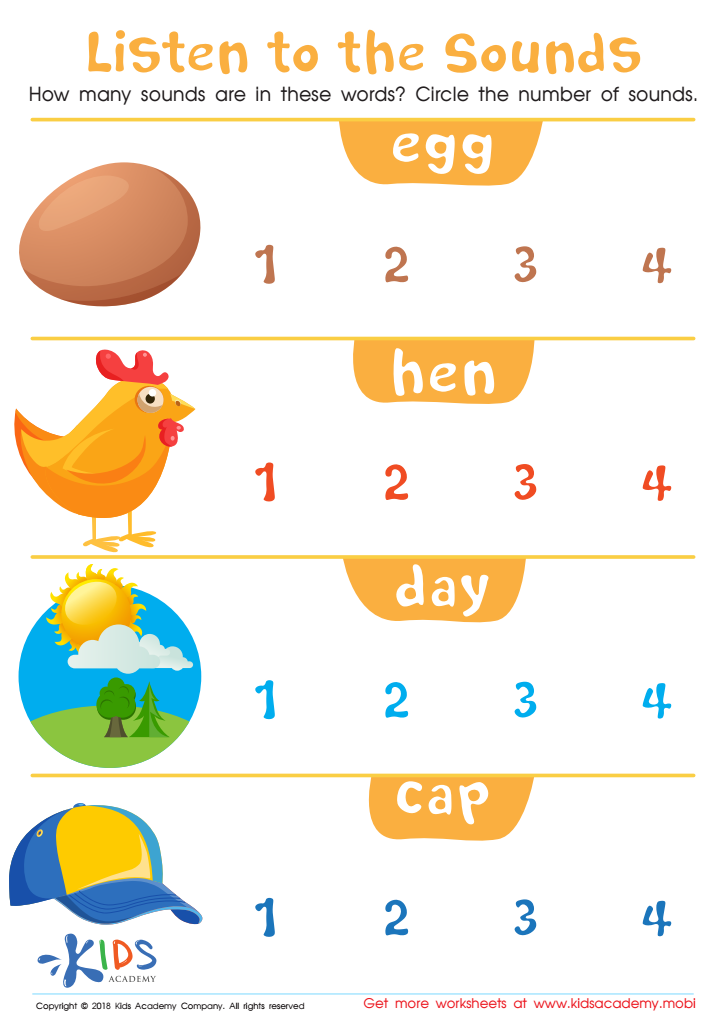
Listen to the Sounds Worksheet
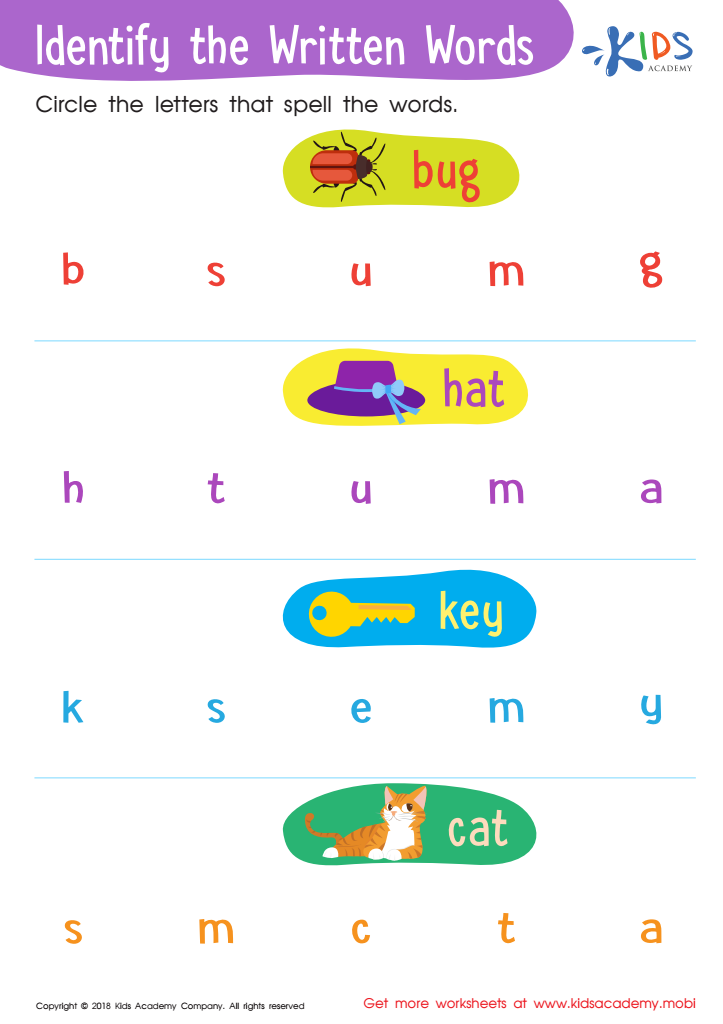
Identify the Written Words Worksheet
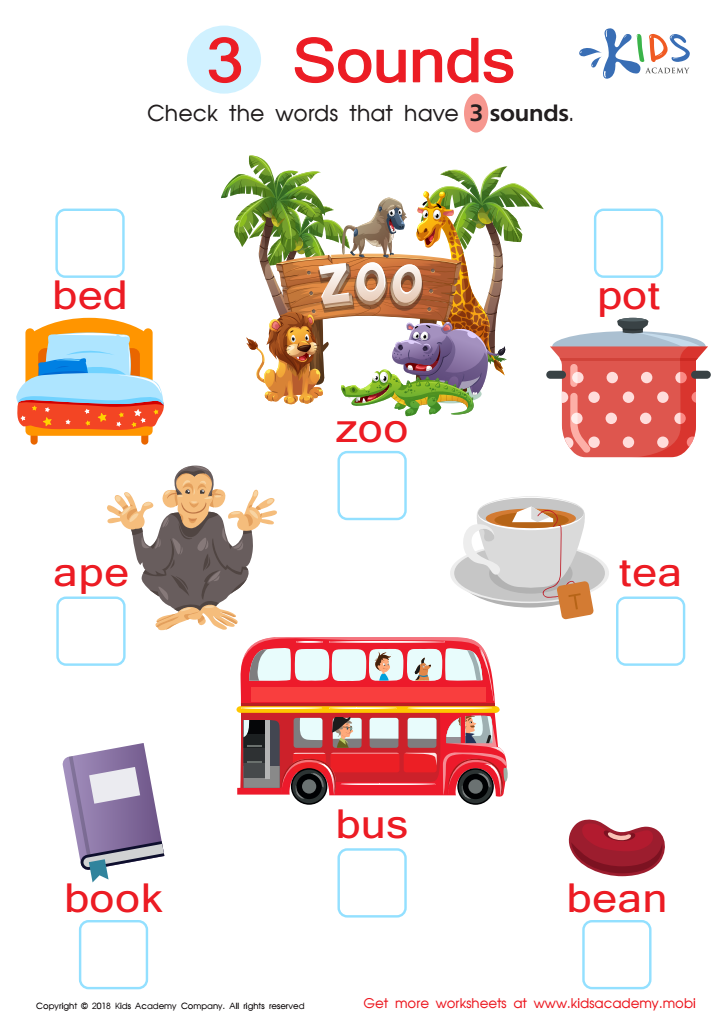
3 Sounds Worksheet
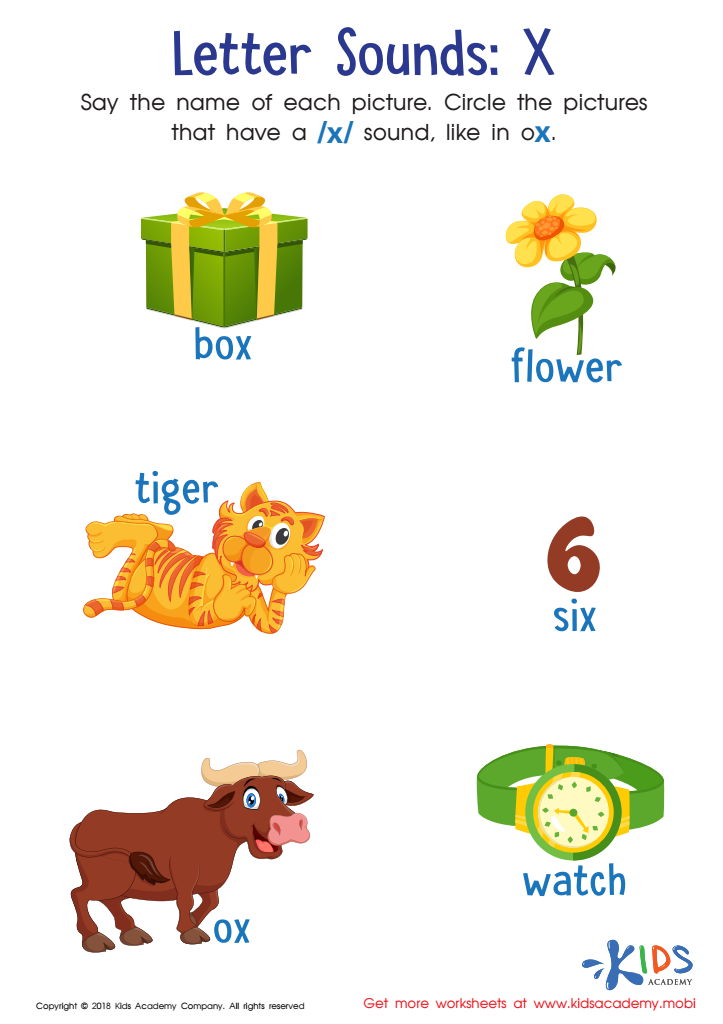
Letter X Sounds Worksheet
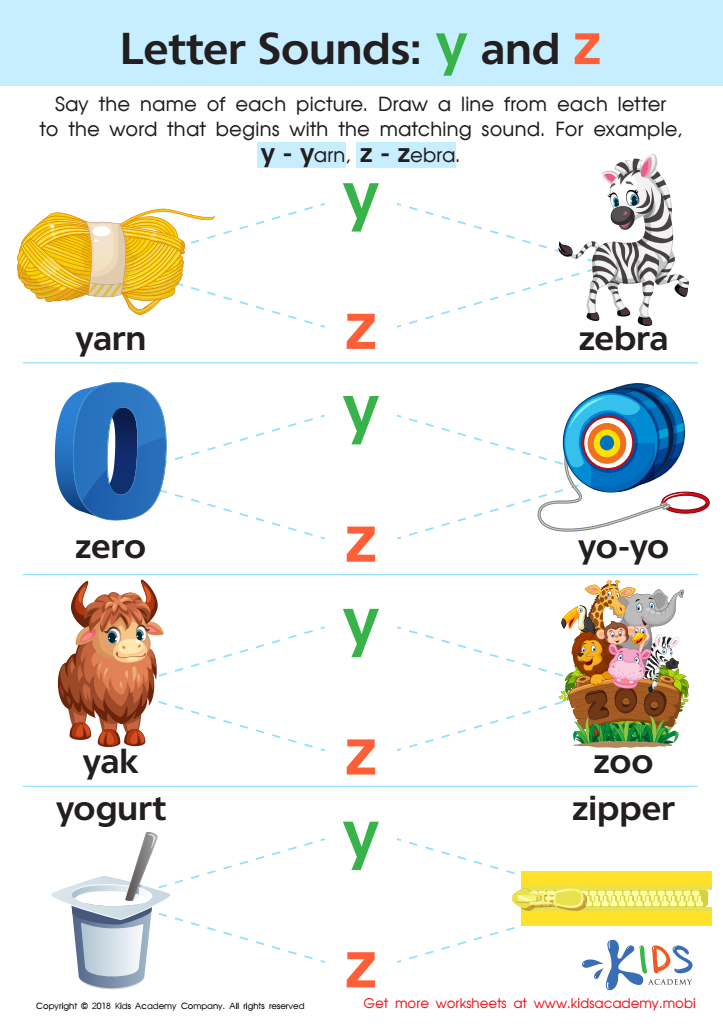
Letter Y and Z Sounds Worksheet
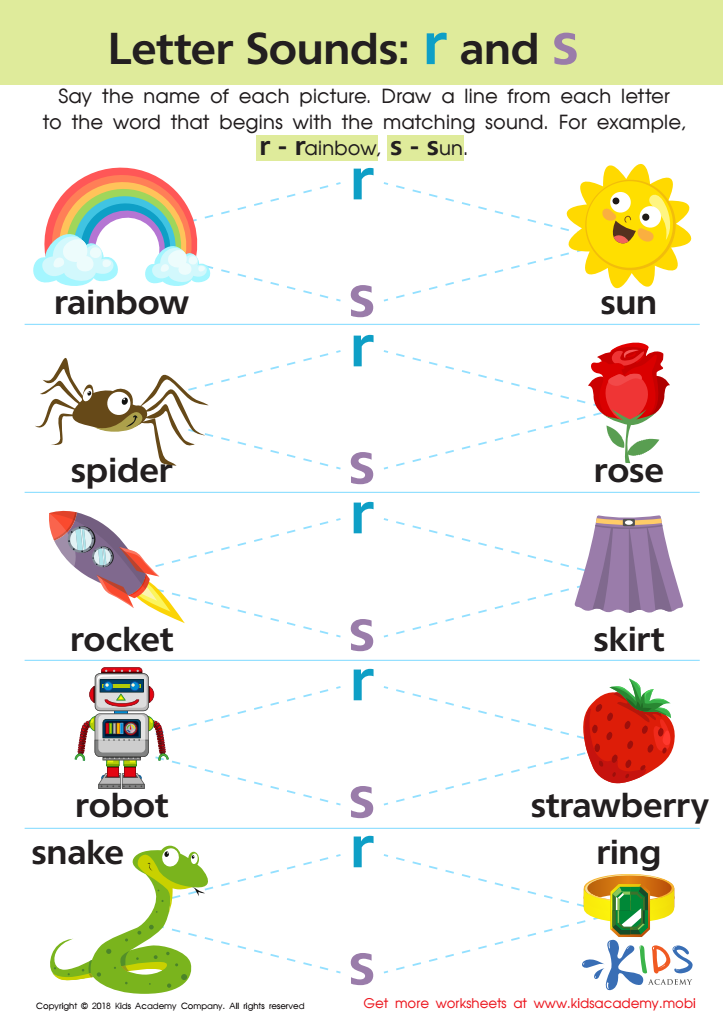
Letter R and S Sounds Worksheet
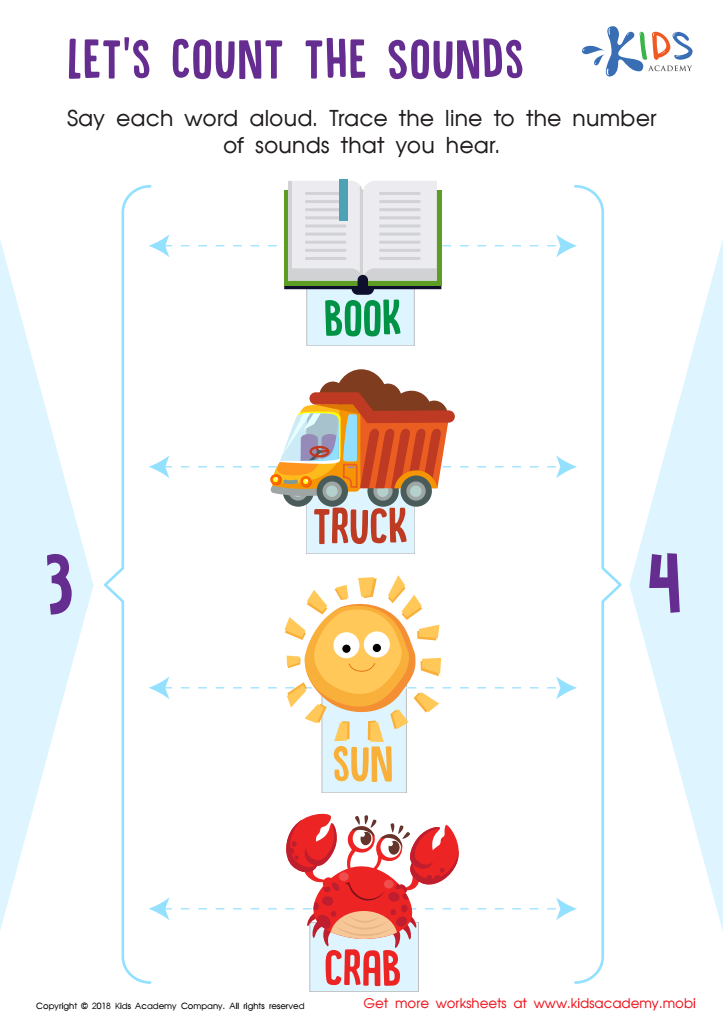
Let's Count the Sounds Worksheet
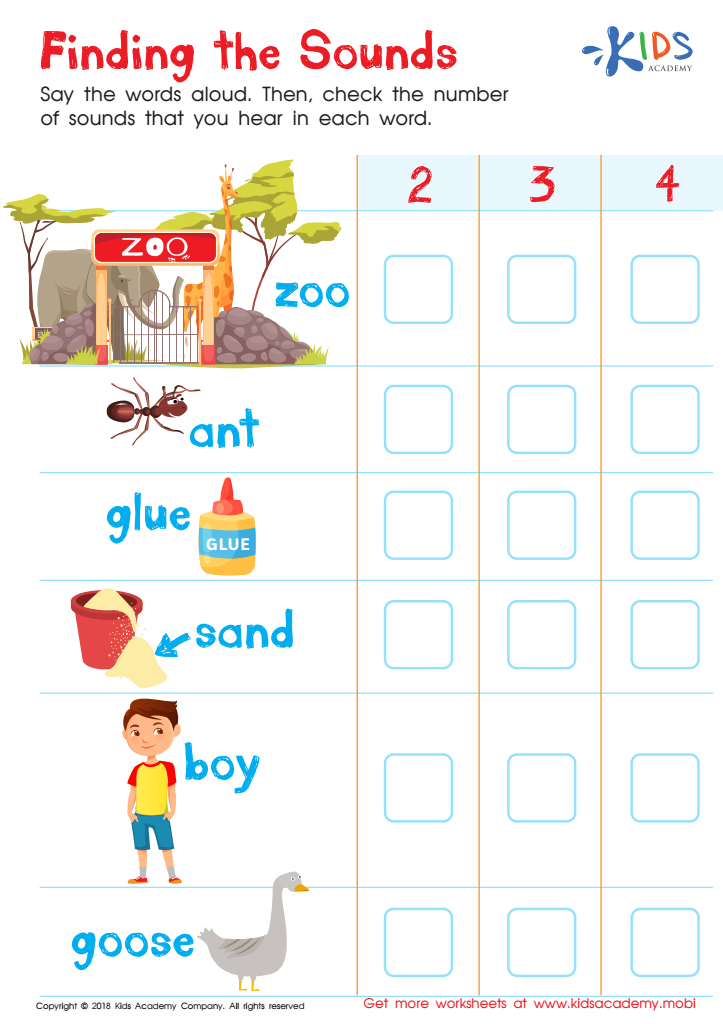
Finding the Sounds Worksheet
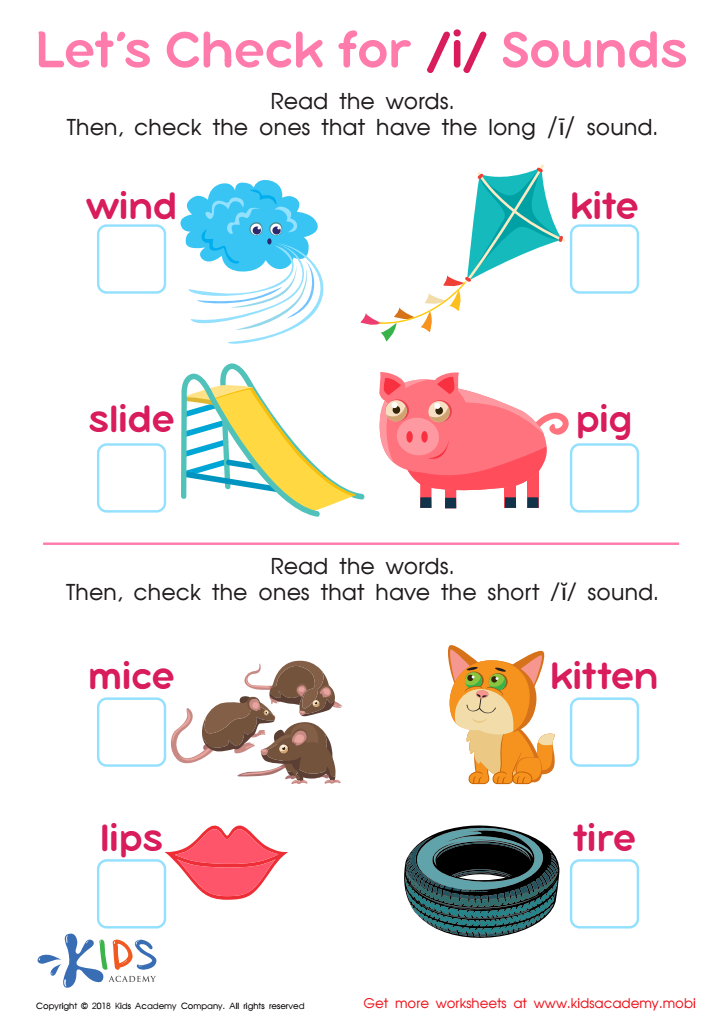
Let's Check for «i» Sounds Worksheet
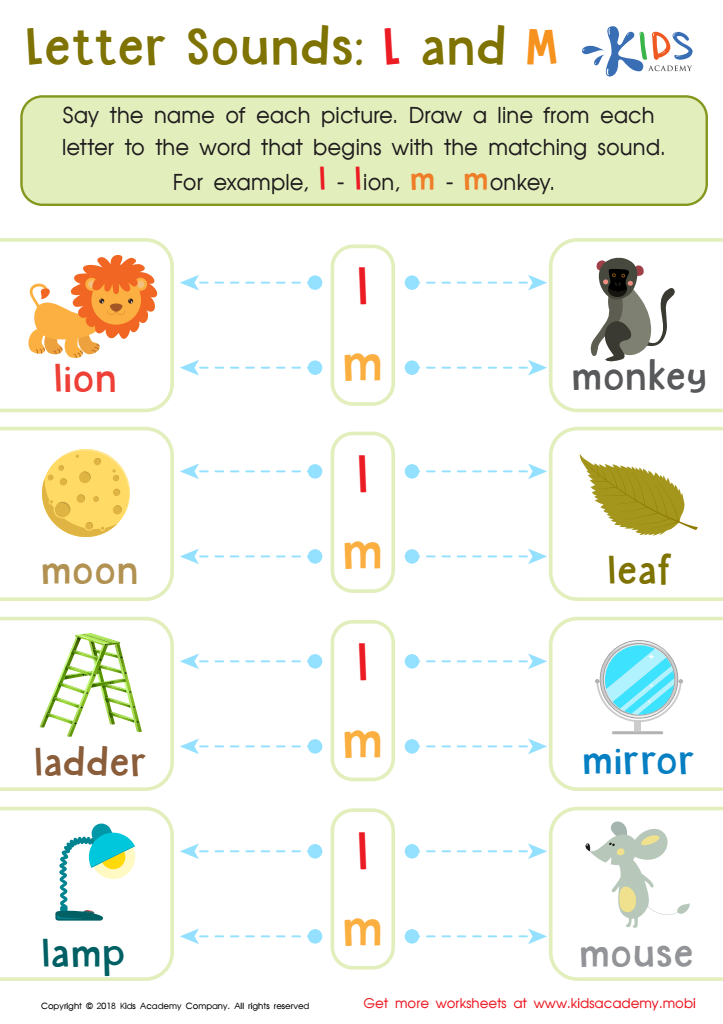
Letter l and M Sounds Worksheet
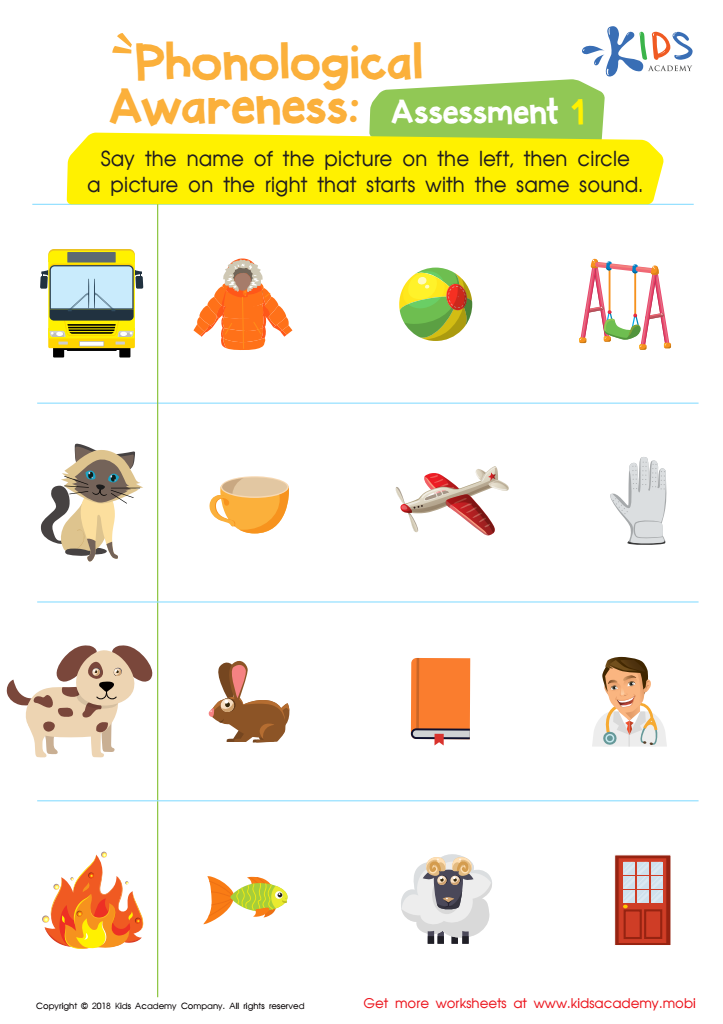
Phonological Awareness: Assessment 1 Worksheet
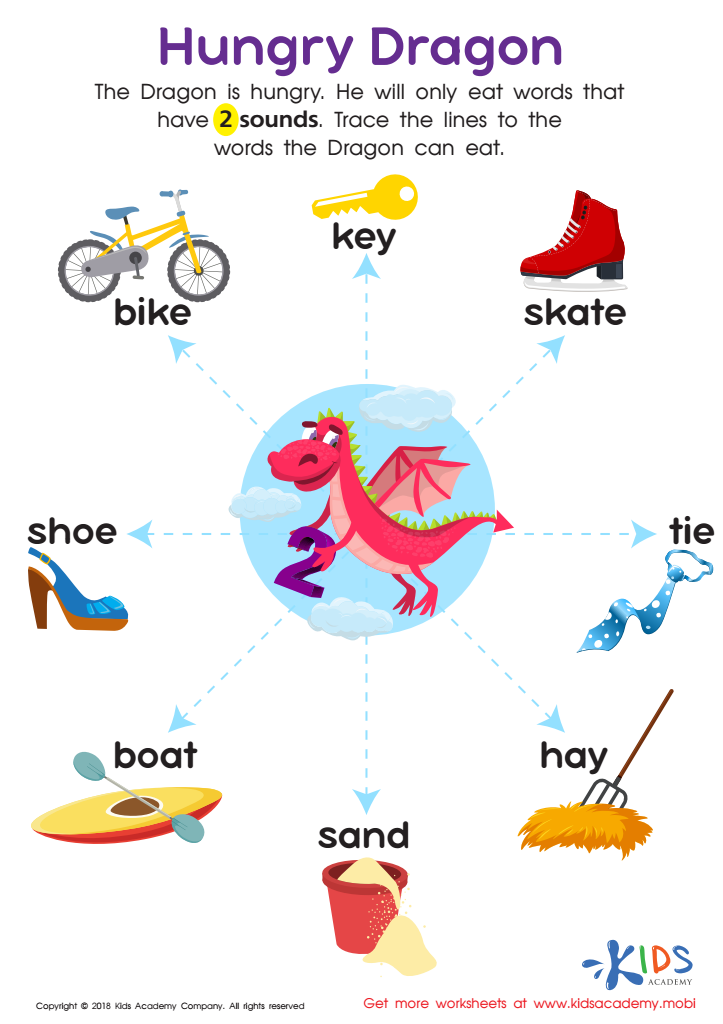
Hungry Dragon Worksheet
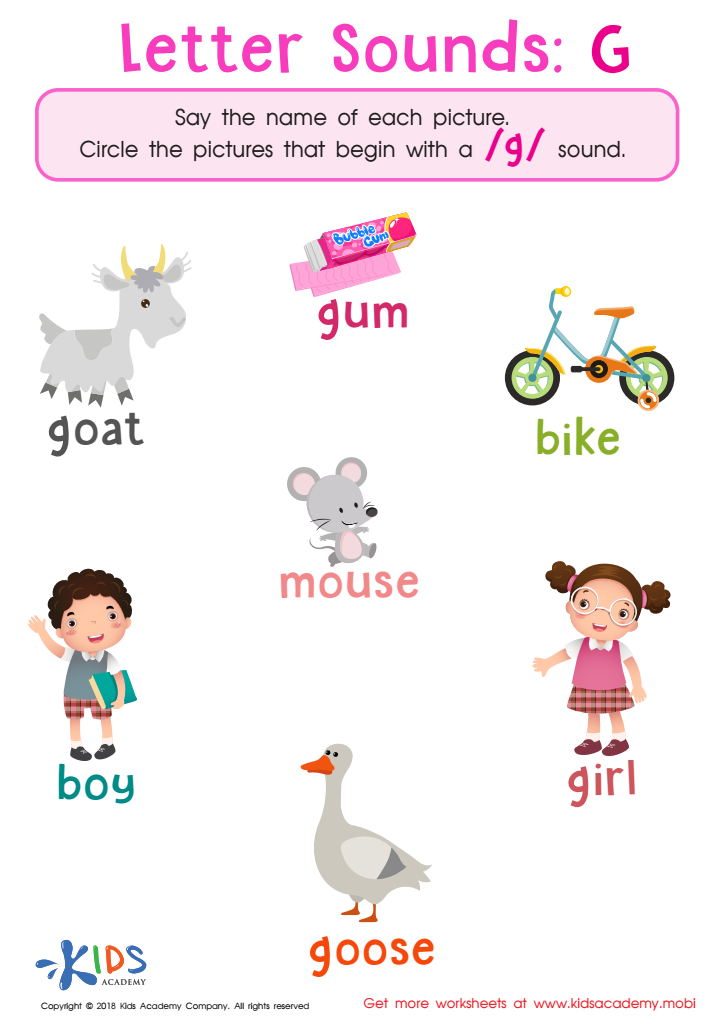
Letter G Sounds Worksheet
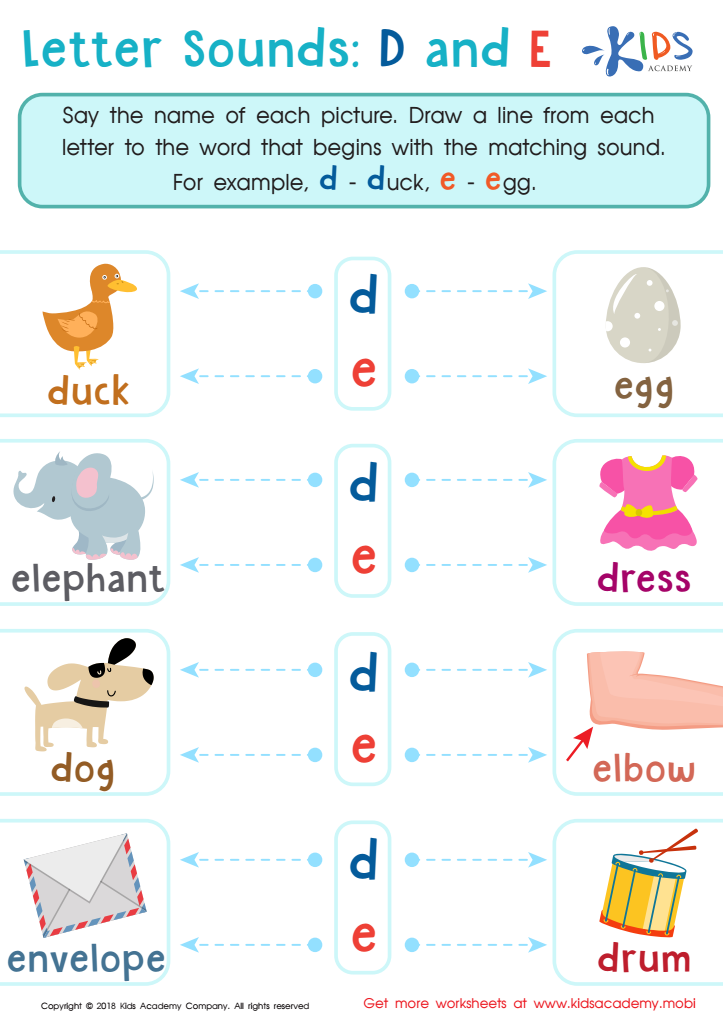
Letter D and E Sounds Worksheet








Understanding normal letter sounds is crucial for children ages 4-9 as it lays the foundation for their literacy skills. At this age, children are typically engaged in their early literacy development, which directly influences their ability to read and write effectively in the future. Normal letter sounds, or phonemes, help children decode words, recognize patterns, and develop spelling proficiency.
When parents and teachers emphasize these sounds, they empower children to build their vocabulary and improve their reading fluency. Exposure to letter sounds also enhances phonemic awareness—an essential skill for understanding how letters and sounds work together in written language. This critical understanding facilitates smoother transitions from phonics instruction to comprehensive reading and comprehension.
Moreover, nurturing a child's ability to recognize and articulate normal letter sounds fosters greater confidence in their communication skills. As a result, children become more willing to engage with books and participate in discussions. Ultimately, strong foundational skills in normal letter sounds foster a lifelong love for reading, essential for academic achievement and personal growth. Therefore, both parents and teachers play a pivotal role in supporting children’s phonetic development during these formative years.






