Normal Lowercase/Small Letters Worksheets for Ages 4-9
20 filtered results
-
From - To
Introduce your young learners to the joy of writing with our Normal Lowercase/Small Letters Worksheets for ages 4-9. Designed to reinforce alphabet familiarity and enhance fine motor skills, these printable worksheets make learning fun and engaging. Children will practice tracing and writing lowercase letters while enjoying a variety of activities tailored to their age group. Ideal for early childhood education, these worksheets are a wonderful resource for parents and teachers alike, ensuring kids develop strong foundational skills through repetition and practice. Give your little ones the tools they need to master the alphabet with our expertly crafted worksheets.
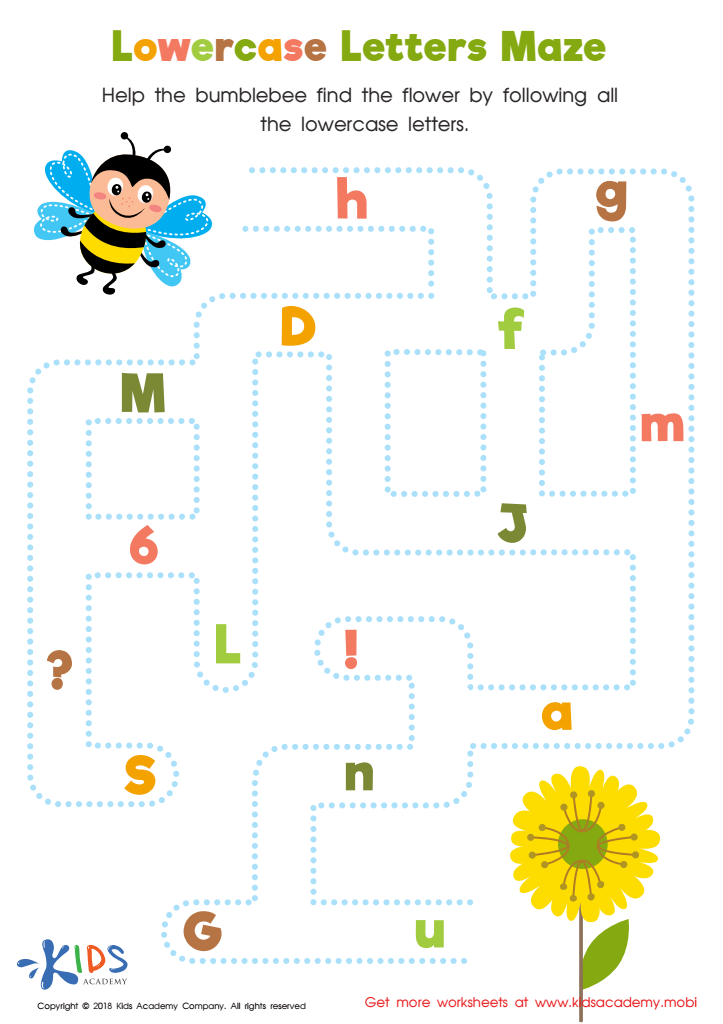
Lowercase Letters Maze Worksheet
 Assign to My Students
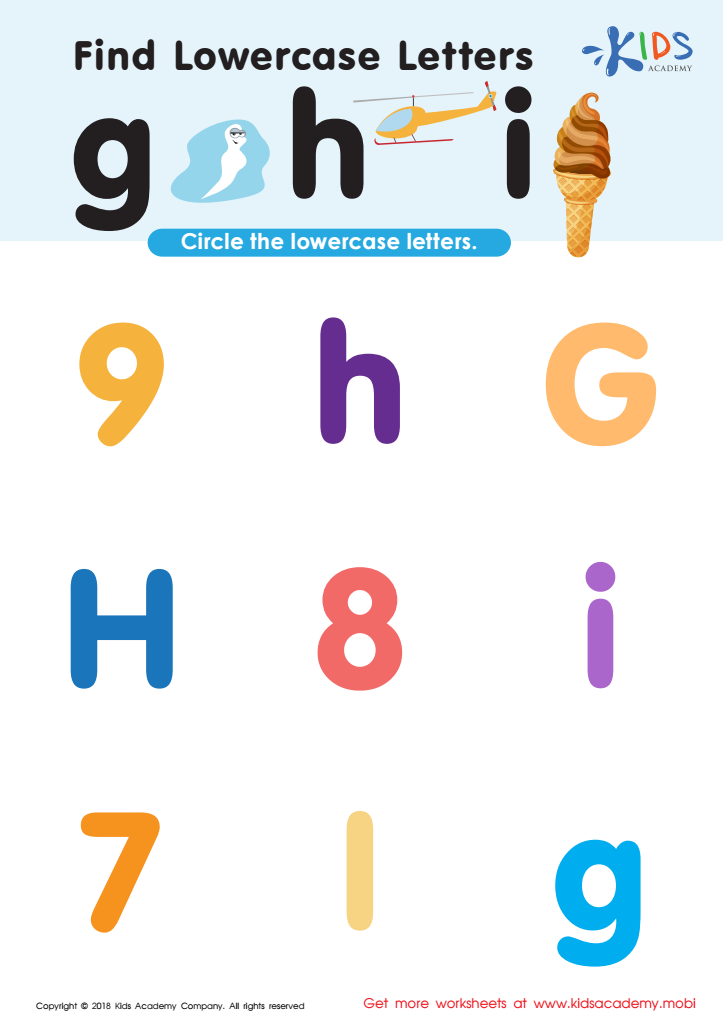
Find Lowercase Letters g h i Worksheet
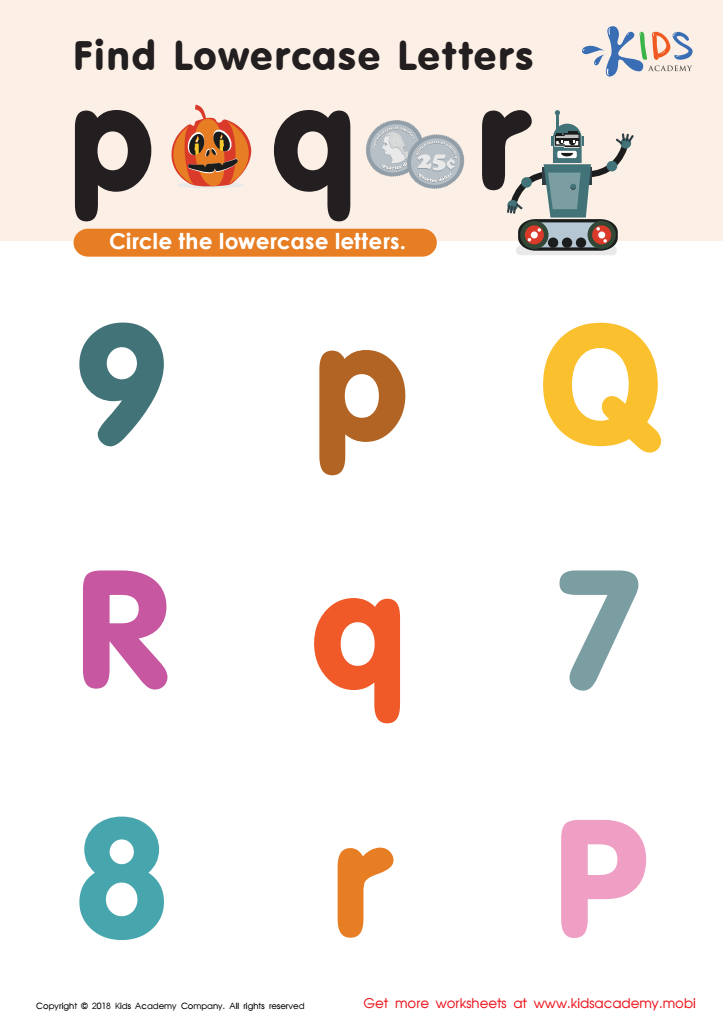
Find lowercase Letters p q r Worksheet
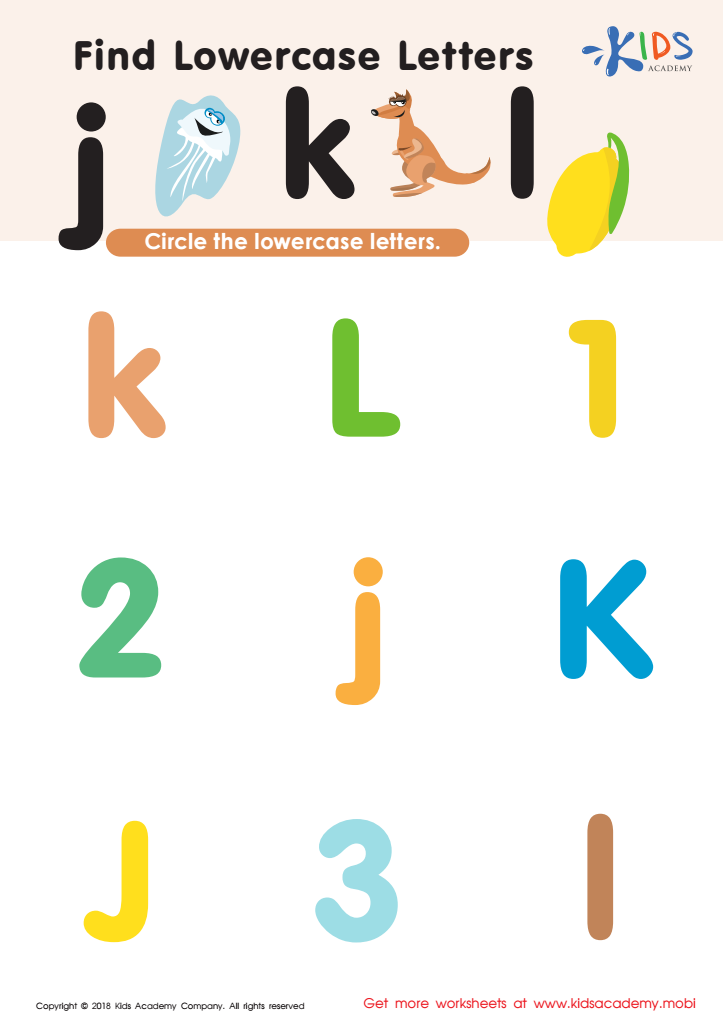
Find Lowercase Letters j k l Worksheet
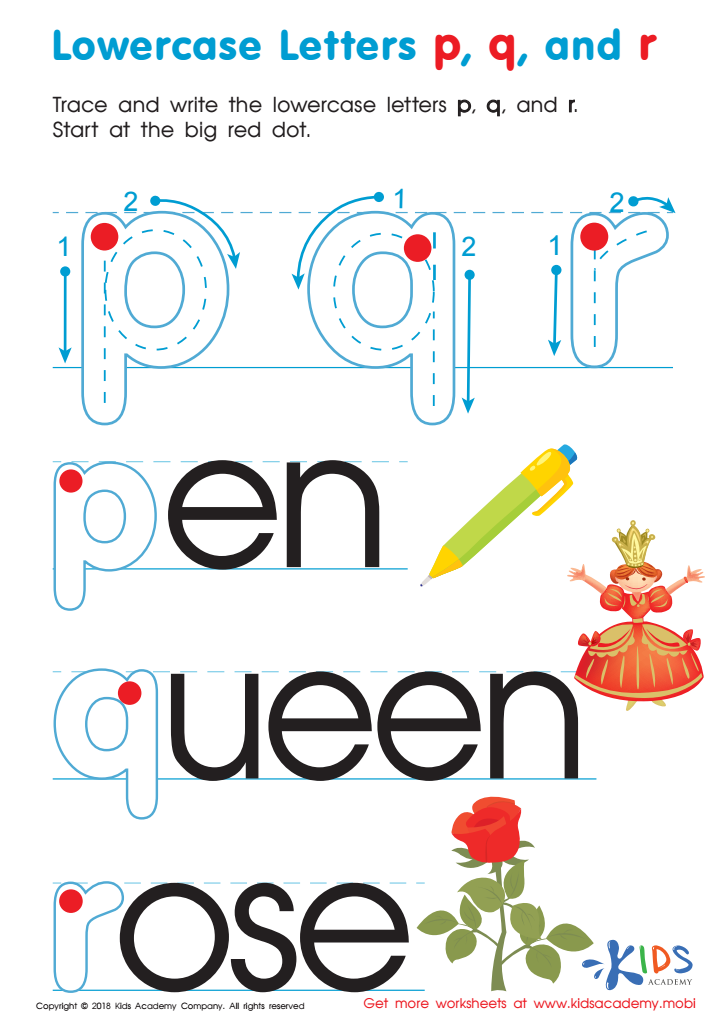
Lowercase Letters p q r Worksheet
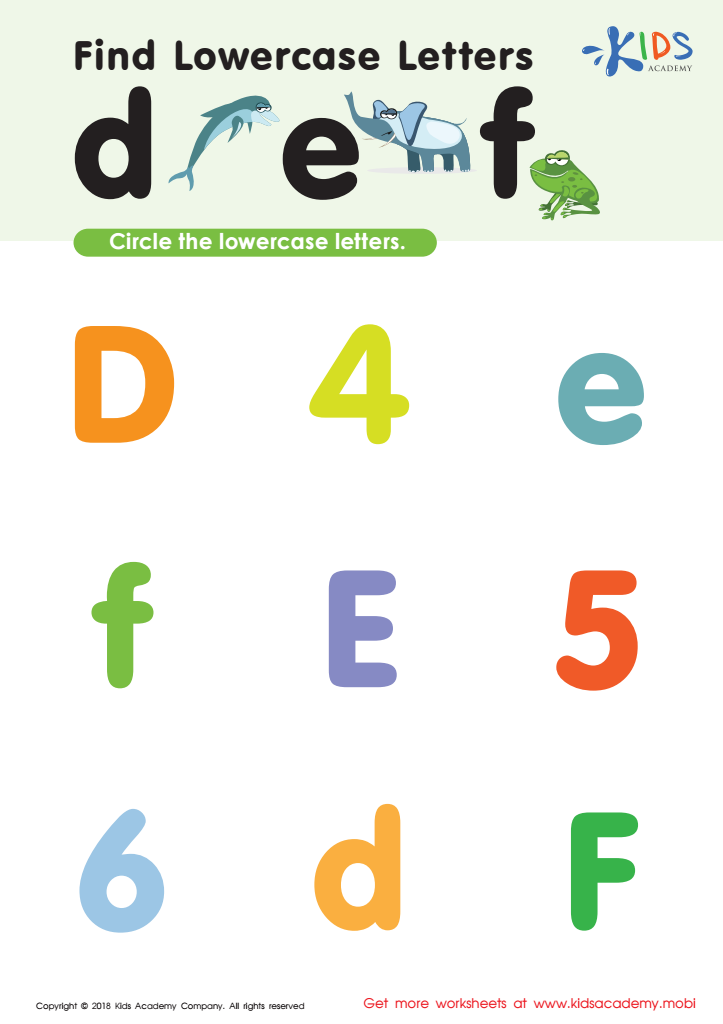
Find Lowercase Letters d e f Worksheet
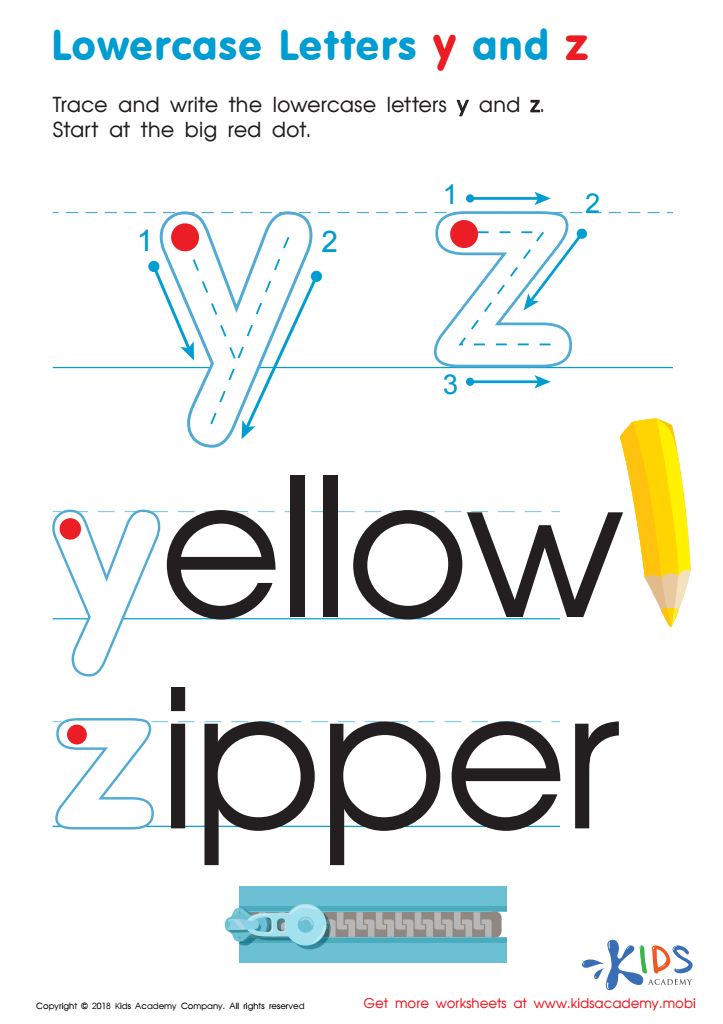
Lowercase Letters y z Worksheet
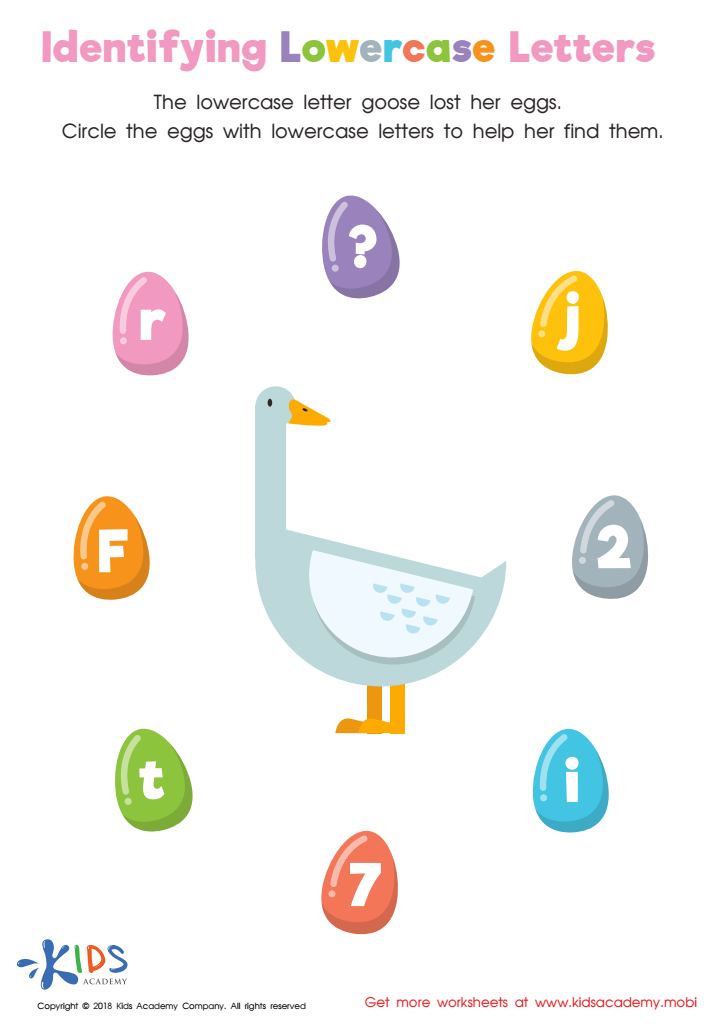
Identifying Lowercase Letters Worksheet
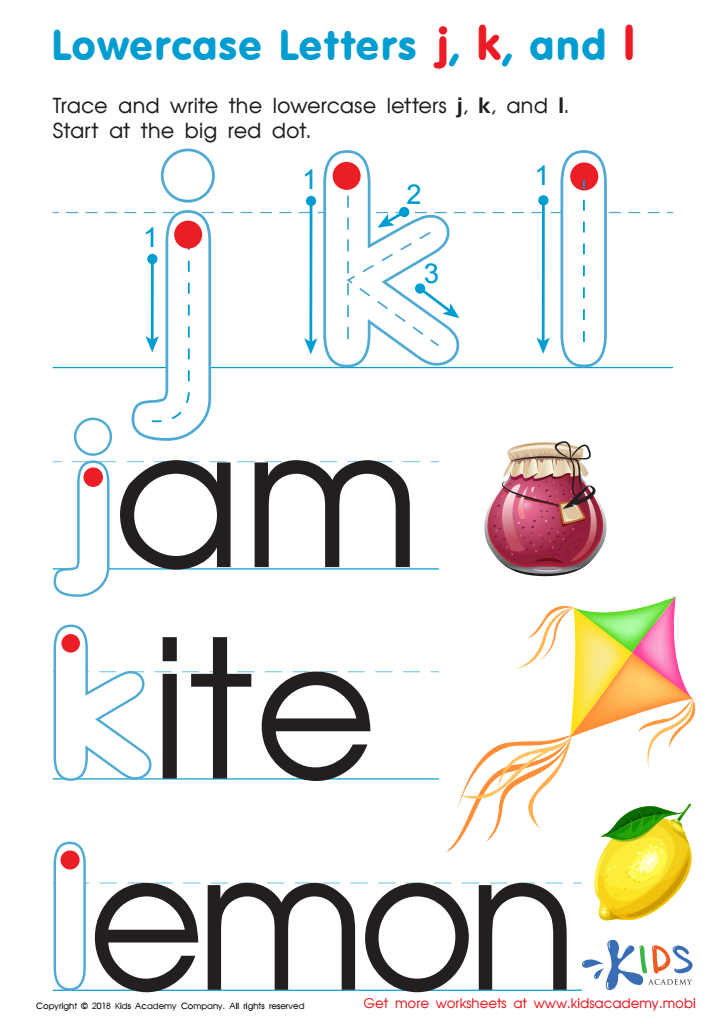
Lowercase Letters j k l Worksheet
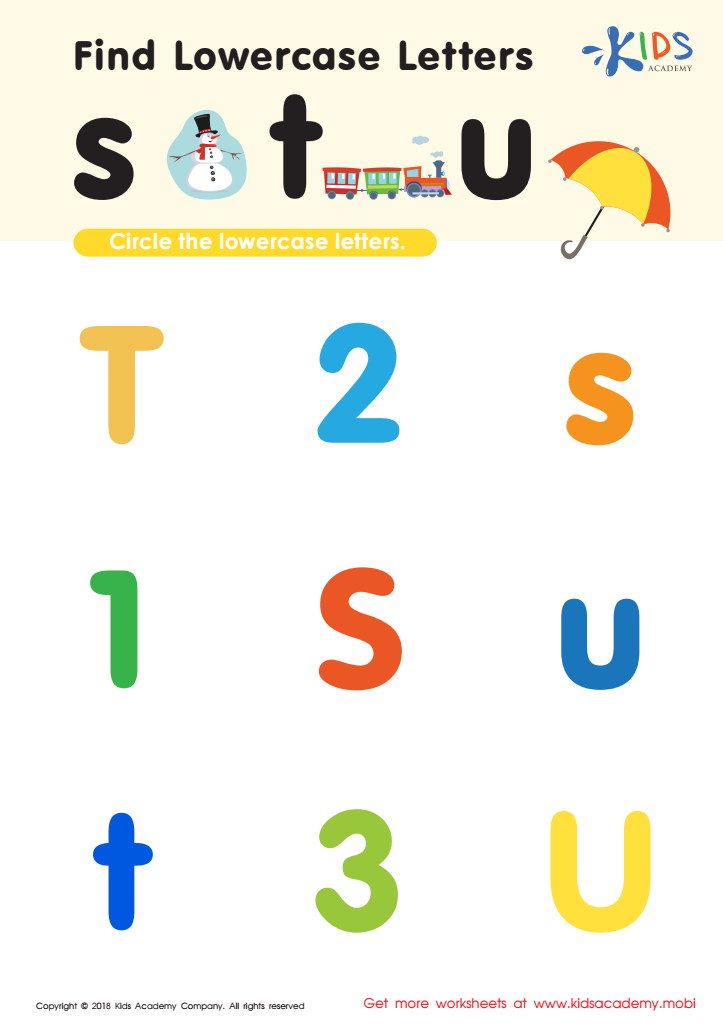
Find lowercase Letters s t u Worksheet
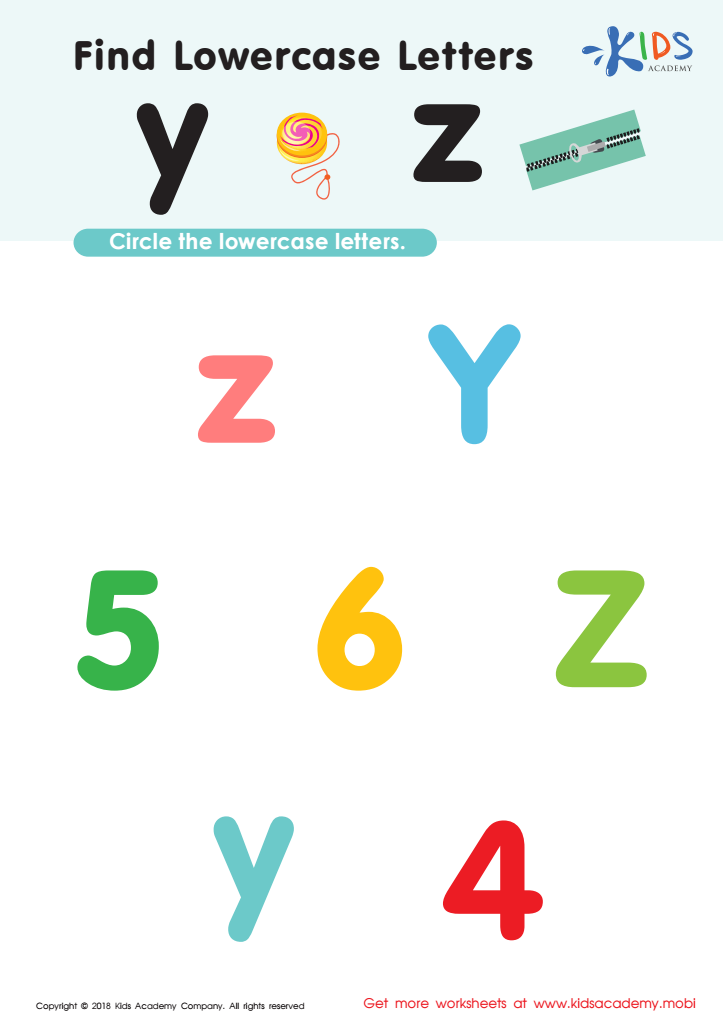
Find Lowercase Letters y z Worksheet
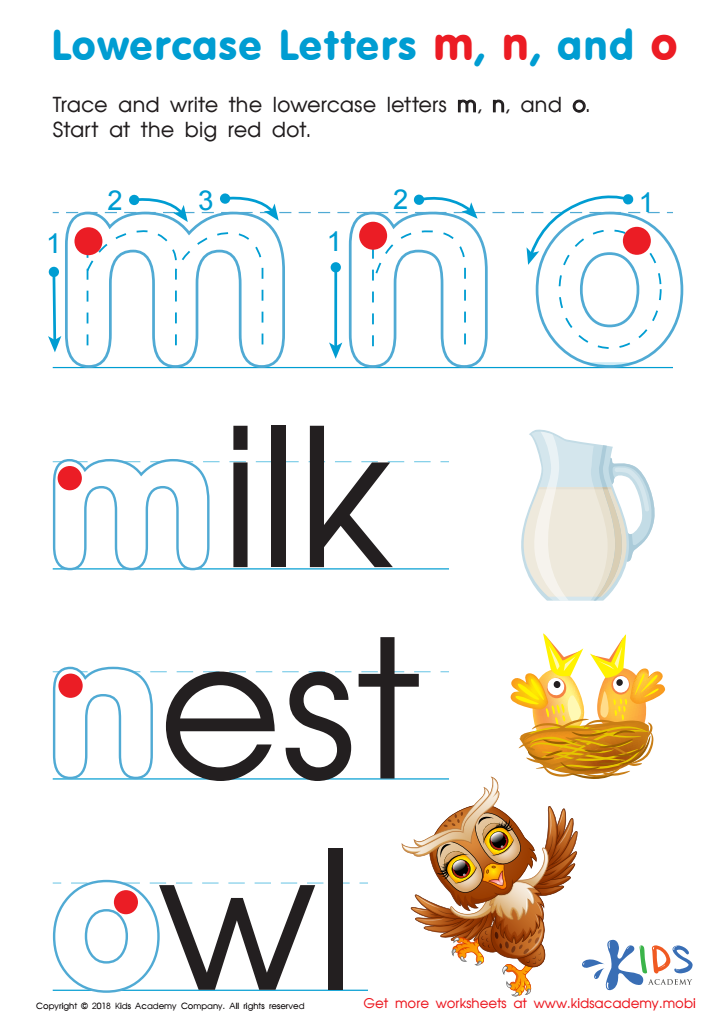
Lowercase Letters m n o Worksheet
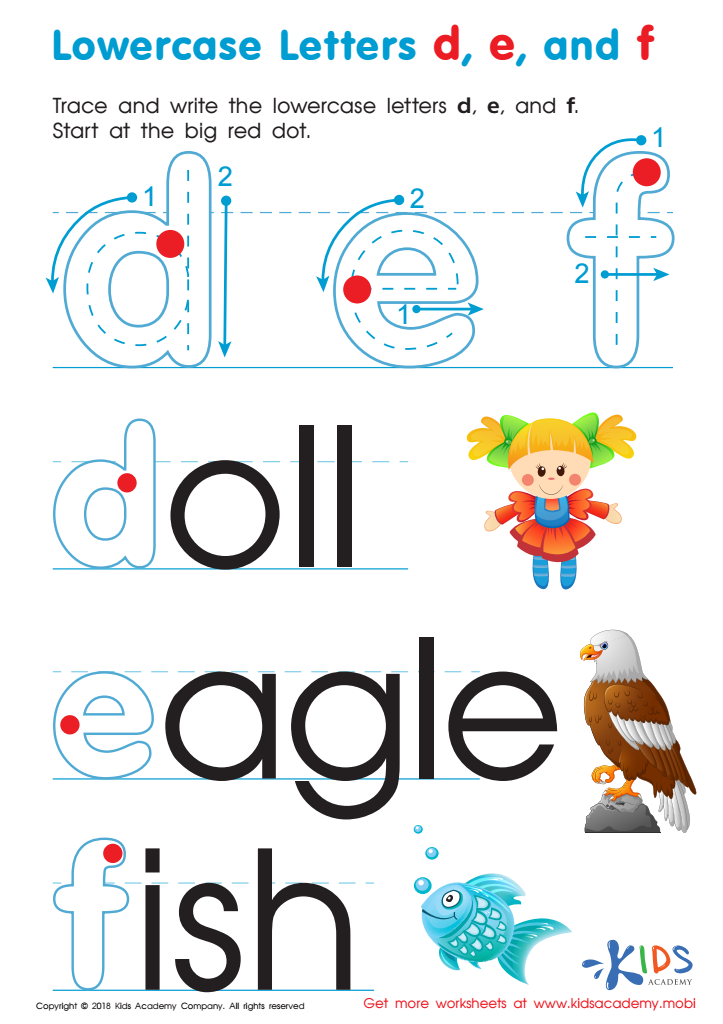
Lowercase Letters d e f Worksheet
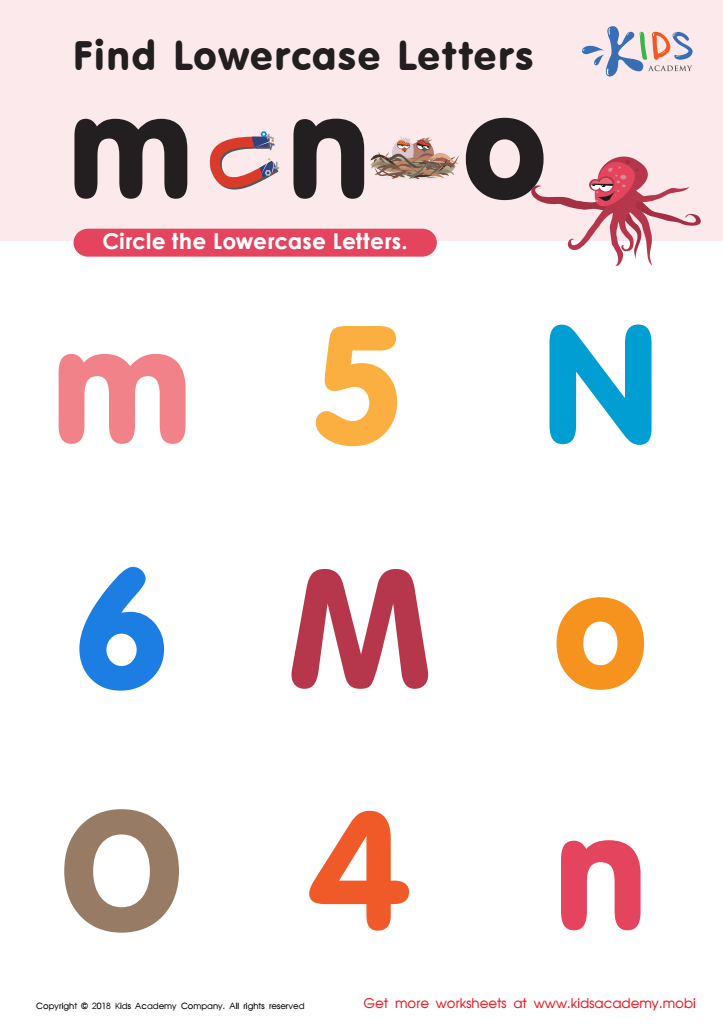
Find Lowercase Letters m n o Worksheet

Find lowercase letters a b c Worksheet
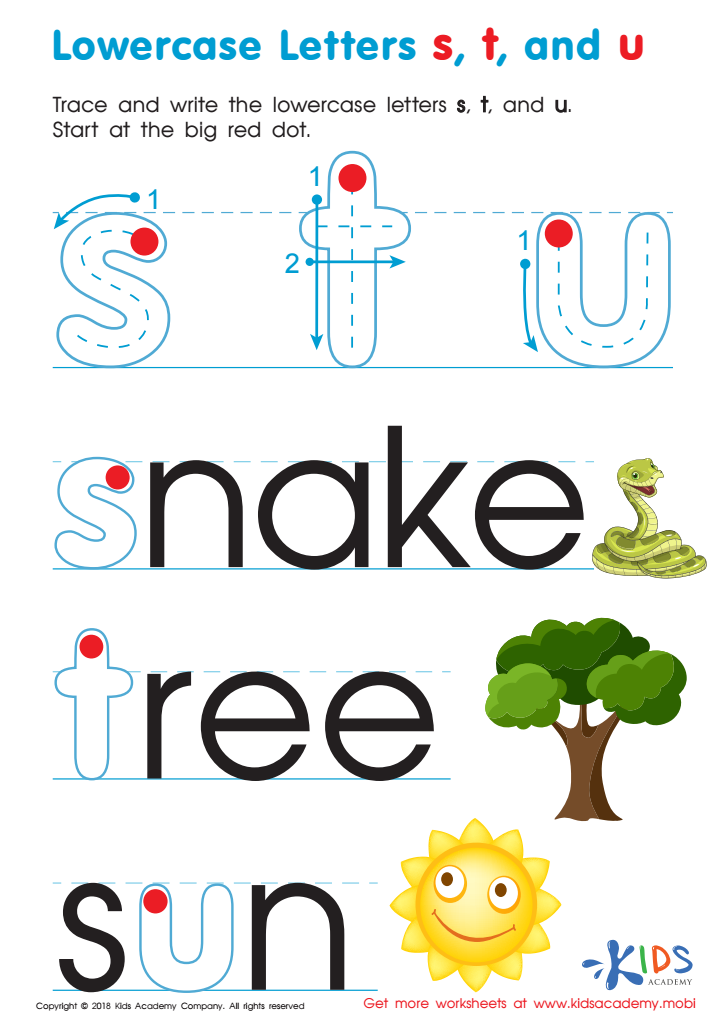
Lowercase Letters s t u Worksheet
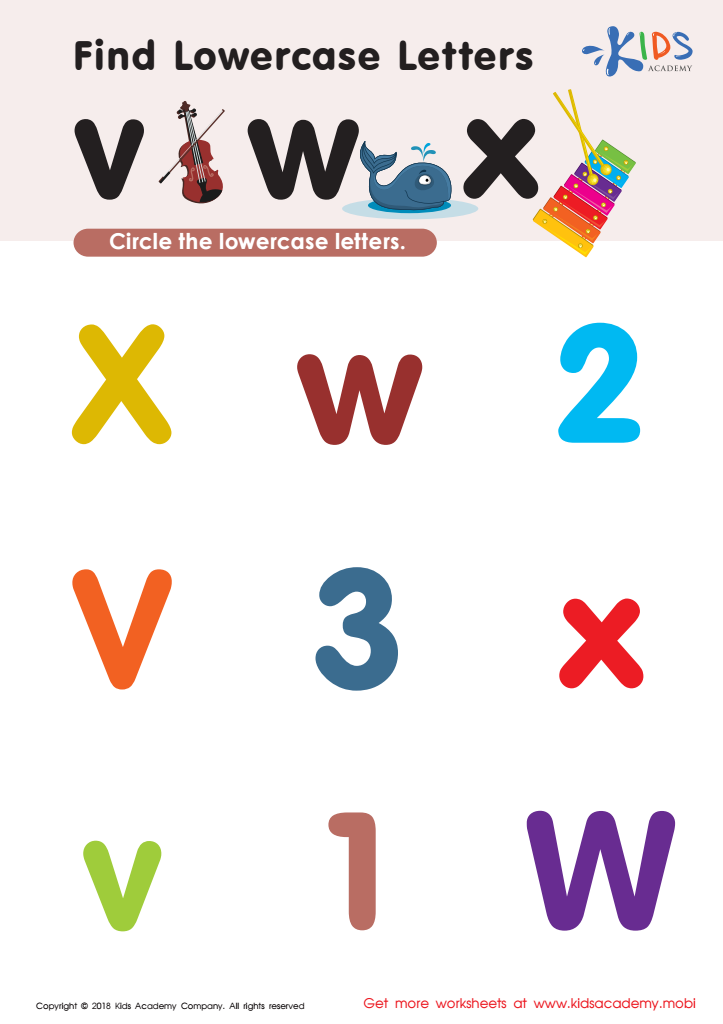
Find Lowercase Letters v w x Worksheet
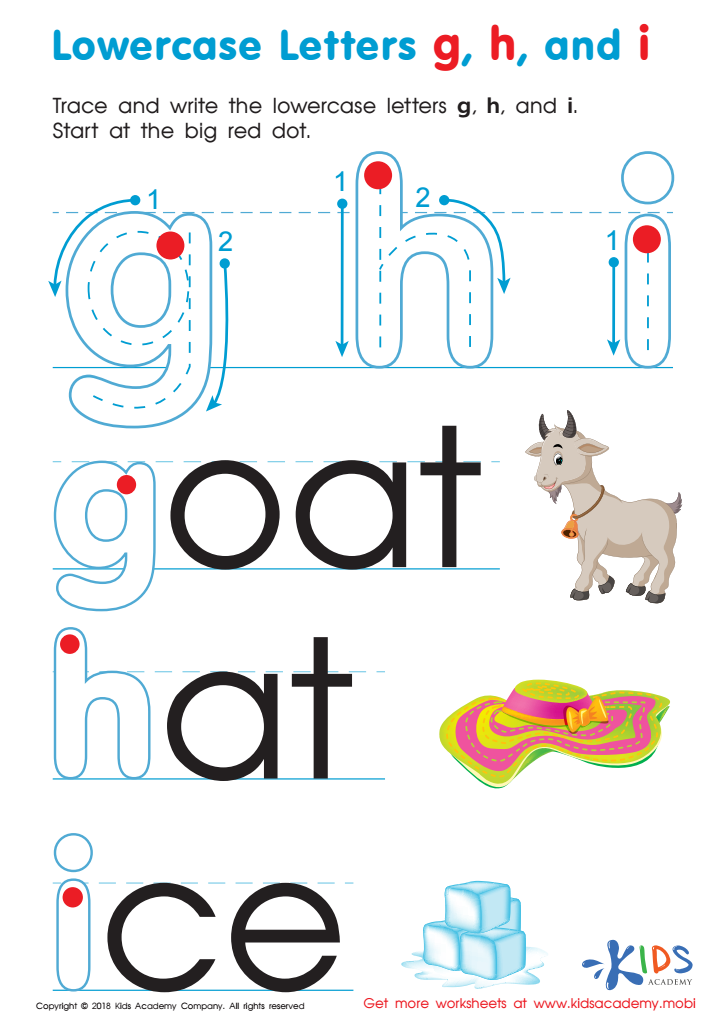
Lowercase Letters g h i Worksheet
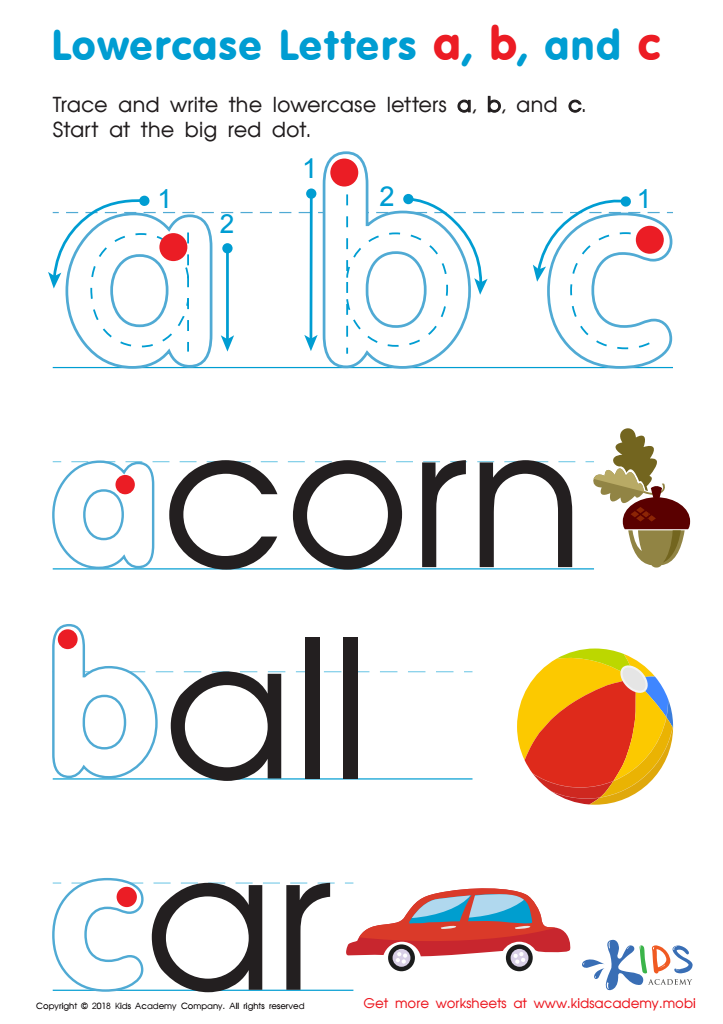
Lowercase Letters a b c Worksheet
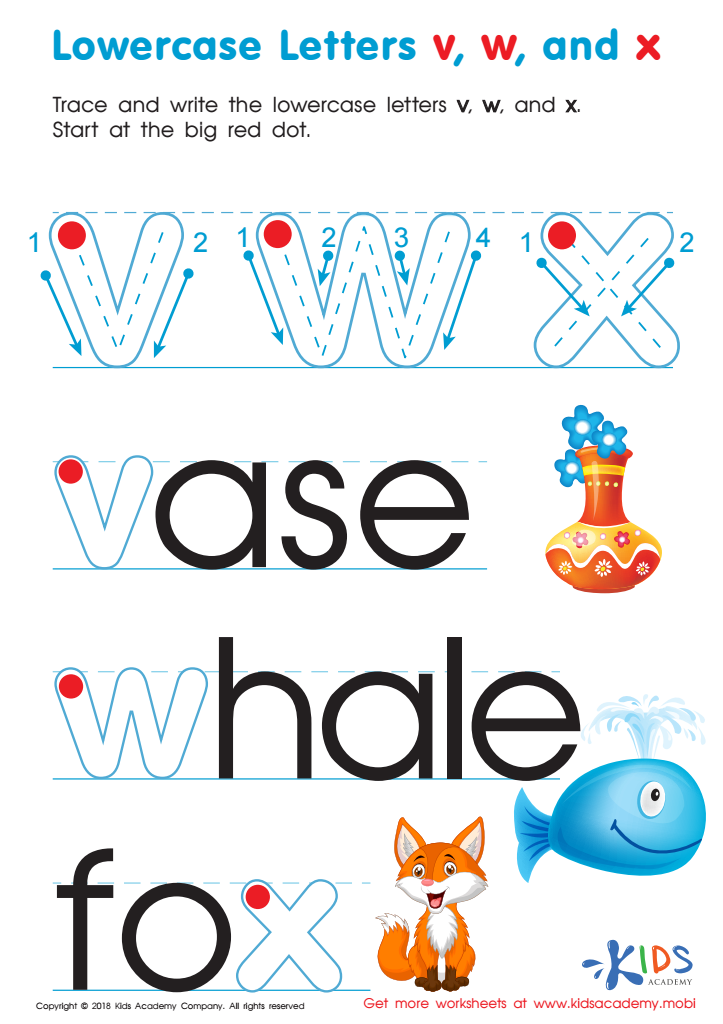
Lowercase Letters v w x Worksheet


Focusing on teaching normal lowercase/small letters to children aged 4-9 is crucial for several reasons. During these formative years, children are developing foundational literacy skills, and a good grasp of lowercase letters is an integral part of this process. Lowercase letters appear more frequently in written texts than uppercase letters, so familiarity with them enhances reading fluency and comprehension. When young learners recognize and write lowercase letters efficiently, they can more easily decode and understand words, leading to more successful reading experiences.
Additionally, writing lowercase letters helps children develop fine motor coordination and control. Careful practice of these smaller and more intricate letters can improve overall handwriting, making their writing not only legible but also faster and more fluid. This skill has lasting benefits across their academic journey, aiding in note-taking, written assignments, and communication.
Moreover, understanding the distinction between uppercase and lowercase letters is essential for proper grammar and punctuation, crucial elements of effective writing. Experiences with lowercase lettering at an early age enable children to follow conventional writing norms effortlessly.
Parents and teachers play a critical role in supporting this learning. By encouraging practice through engaging activities, games, and consistent reinforcement, they can help children gain confidence and proficiency in using lowercase letters, setting a strong foundation for lifelong literacy and academic success.