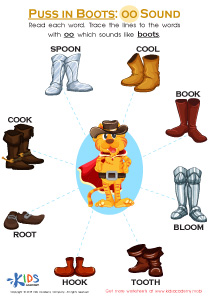
Normal Middle Vowel Worksheets for Ages 4-9
4 filtered results
-
From - To
Our "Normal Middle Vowel Worksheets for Ages 4-9" are expertly designed to enhance young learners' understanding of vowel sounds within English words. These engaging worksheets focus on identifying, pronouncing, and correctly using middle vowels in various words, helping children build strong reading and spelling skills. Tailored to suit kids aged 4-9, each activity combines fun illustrations and clear instructions to keep learners motivated and interested. Perfect for both classroom and at-home practice, these worksheets foster foundational literacy skills crucial for language development. Start your child's educational journey with effective resources that make learning enjoyable and impactful.
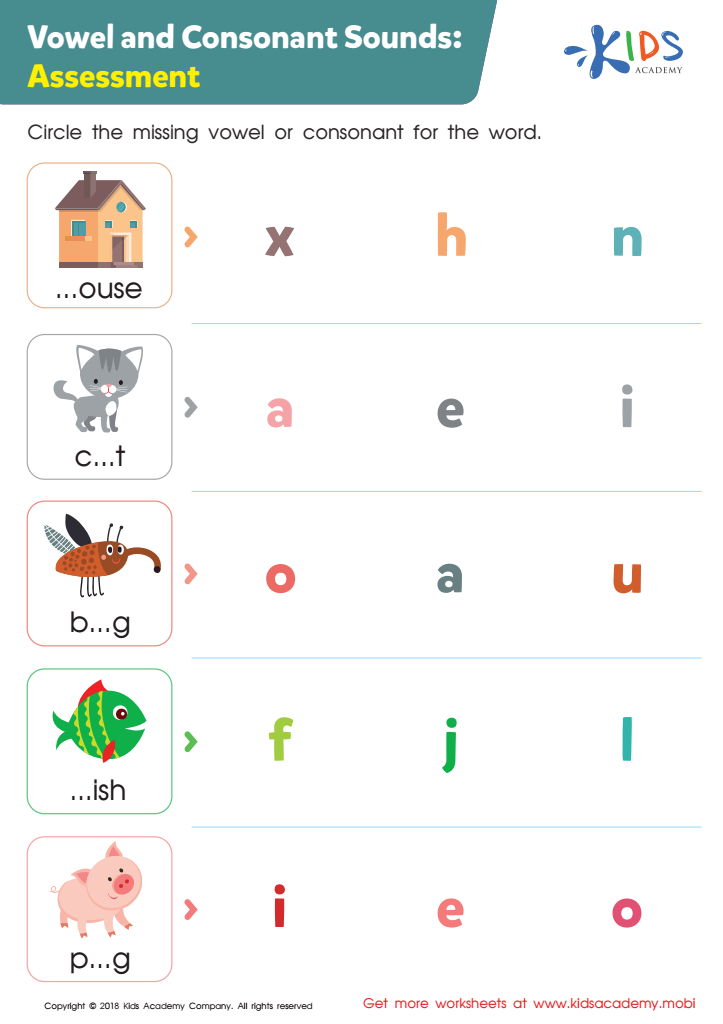
Vowel and Consonant Sounds: Assessment Worksheet
 Assign to My Students
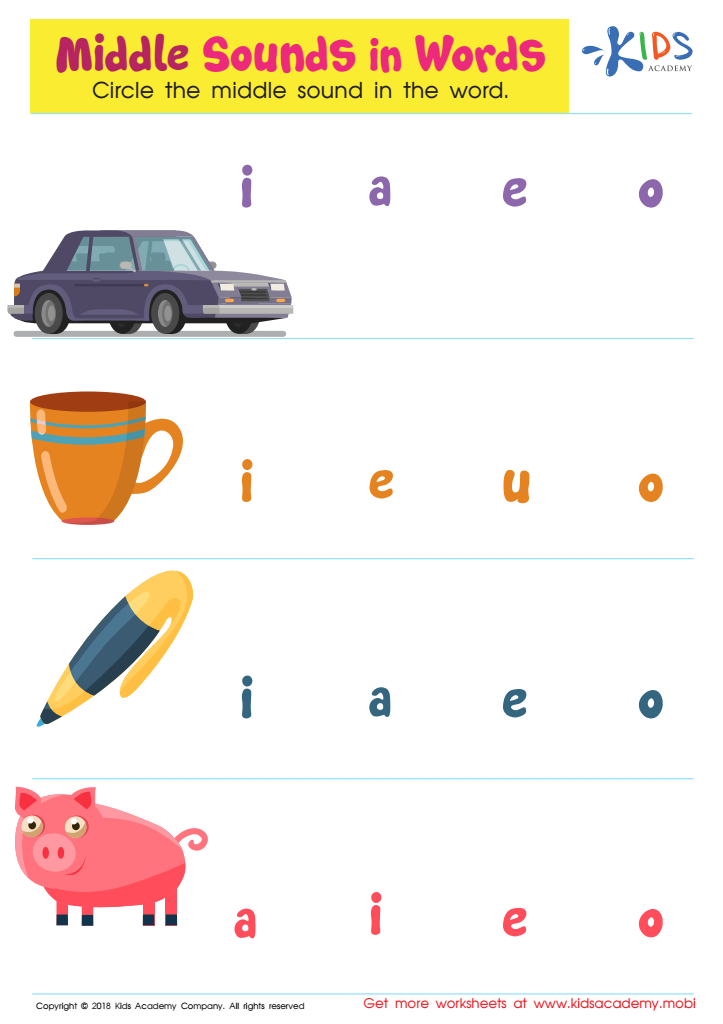
Middle Sounds in Words Worksheet
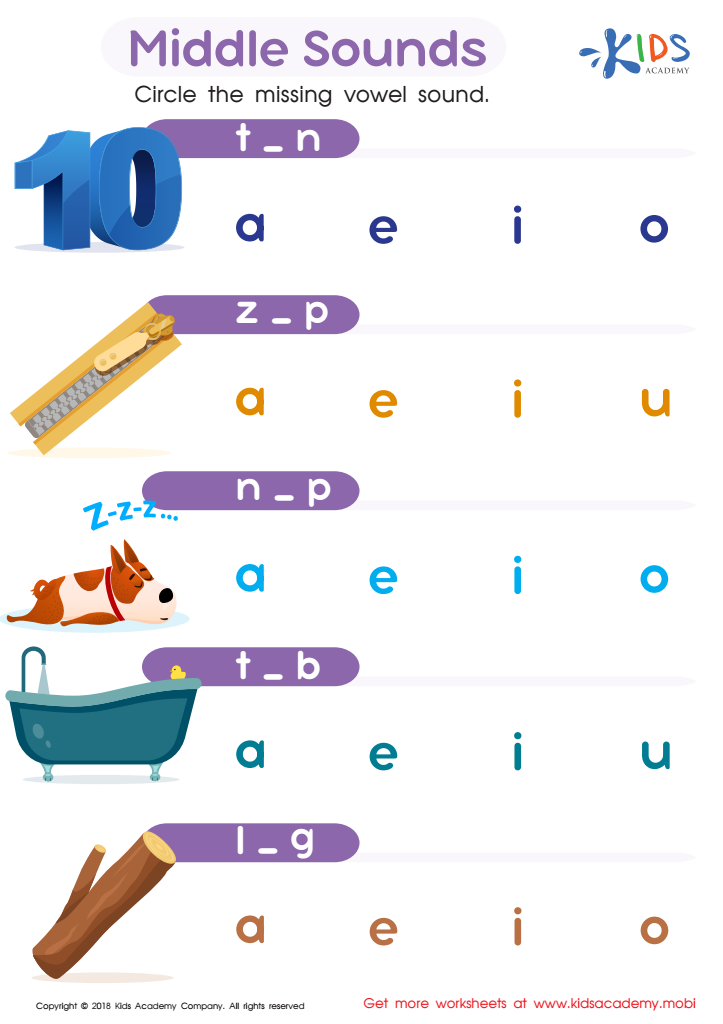
Middle Sounds Worksheet
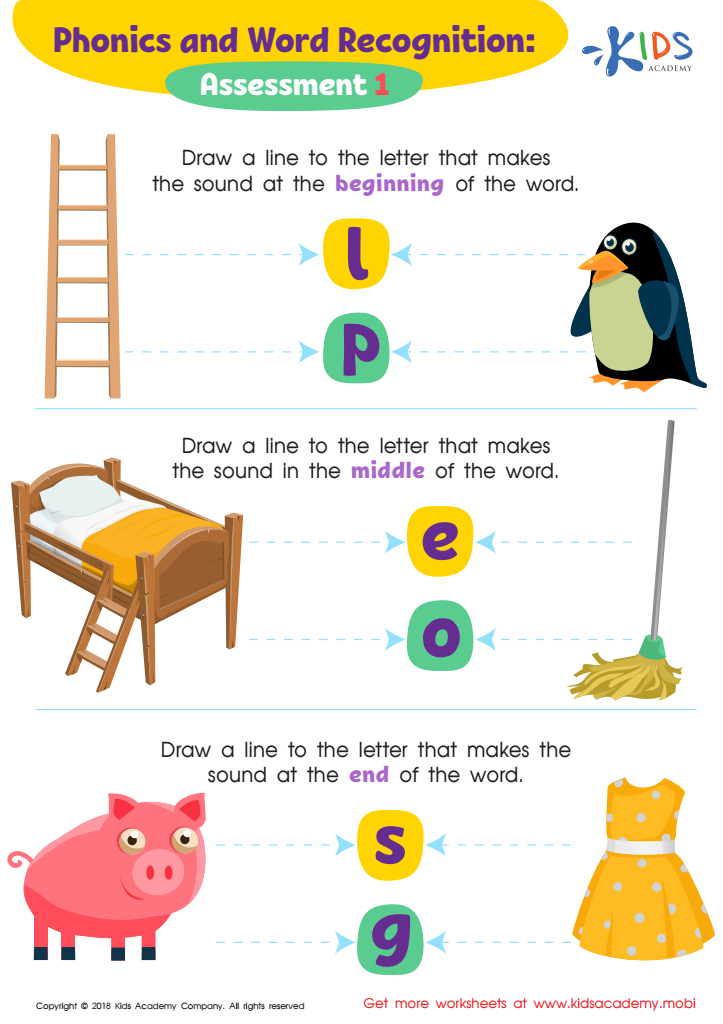
Phonics and Word Recognition: Assessment 1 ELA Worksheet



Understanding the development of normal middle vowels is essential for parents and teachers of children ages 4-9, as it represents a crucial stage in language and literacy development. Middle vowels, which include sounds such as /ɛ/ (as in "bed"), /ʌ/ (as in "sun"), and /ə/ (the unstressed 'schwa' sound in "sofa"), are foundational to word formation and pronunciation. Proficiency with these vowel sounds impacts a child’s ability to decode and spell words correctly, which in turn enhances reading fluency and comprehension.
If a child struggles with distinguishing or producing these vowels, it could signal potential difficulties with subsequent phonological skills. Thus, early detection allows for timely intervention, which can prevent long-term literacy challenges. Engaging children in playful, repetitive verbal exercises helps reinforce their auditory discrimination abilities, making reading practice more manageable and enjoyable.
Furthermore, being adept with vowel sounds aides broader cognitive development, including memory and listening skills, which are vital across all areas of learning. By paying attention to the mastery of middle vowels, parents and teachers support children in building robust foundational skills, fostering greater confidence and competence in their academic journey.