Normal 2D Shapes Worksheets for Ages 4-9 - Page 2
33 filtered results
-
From - To
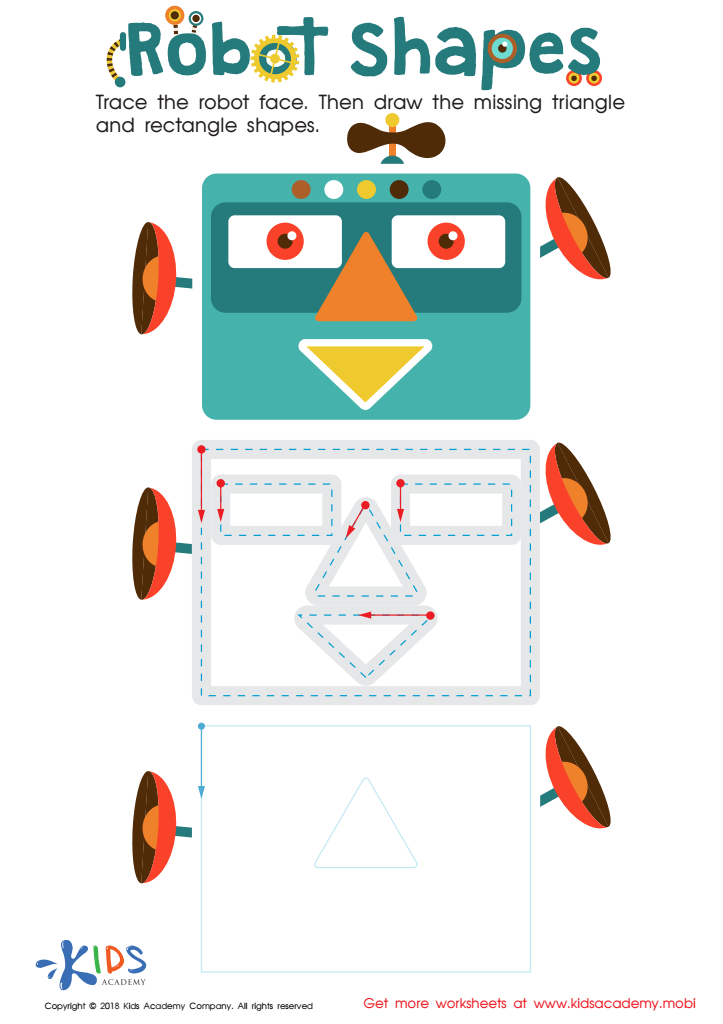
Robot Shapes Worksheet
 Assign to My Students

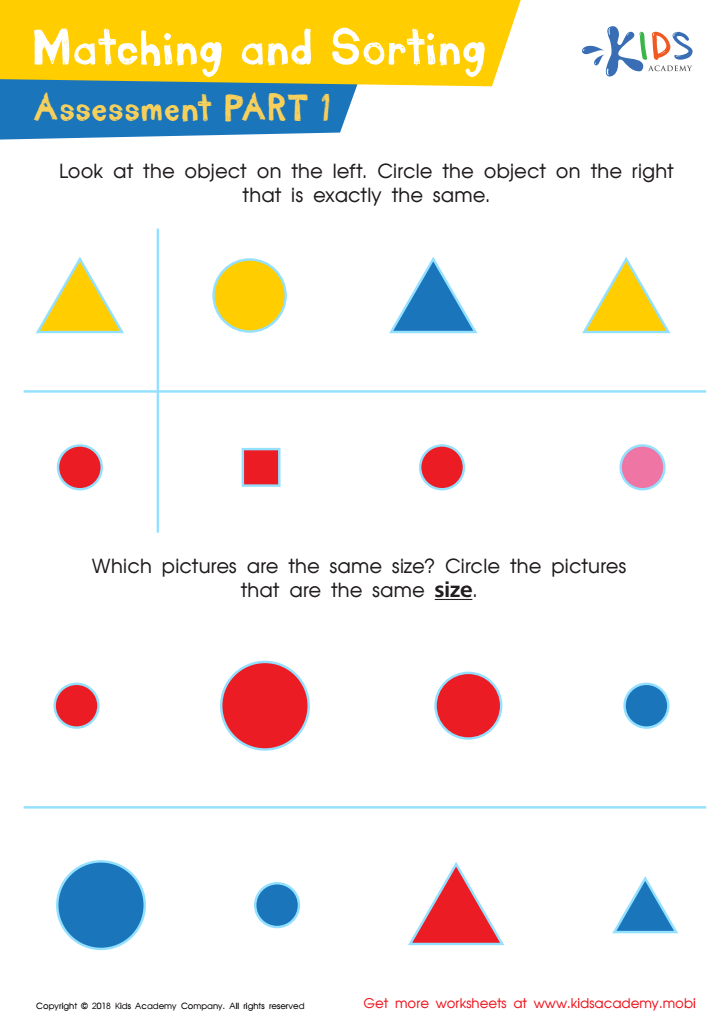
Matching and Sorting for Kindergarten: Assessment 1 Worksheet
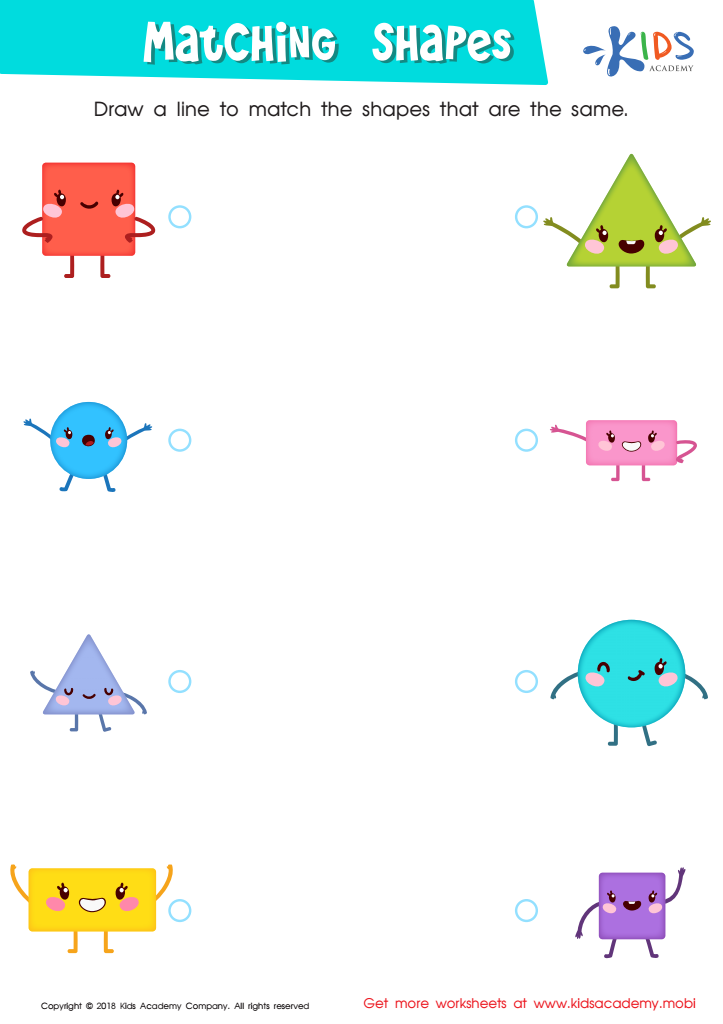
Matching Shapes Worksheet
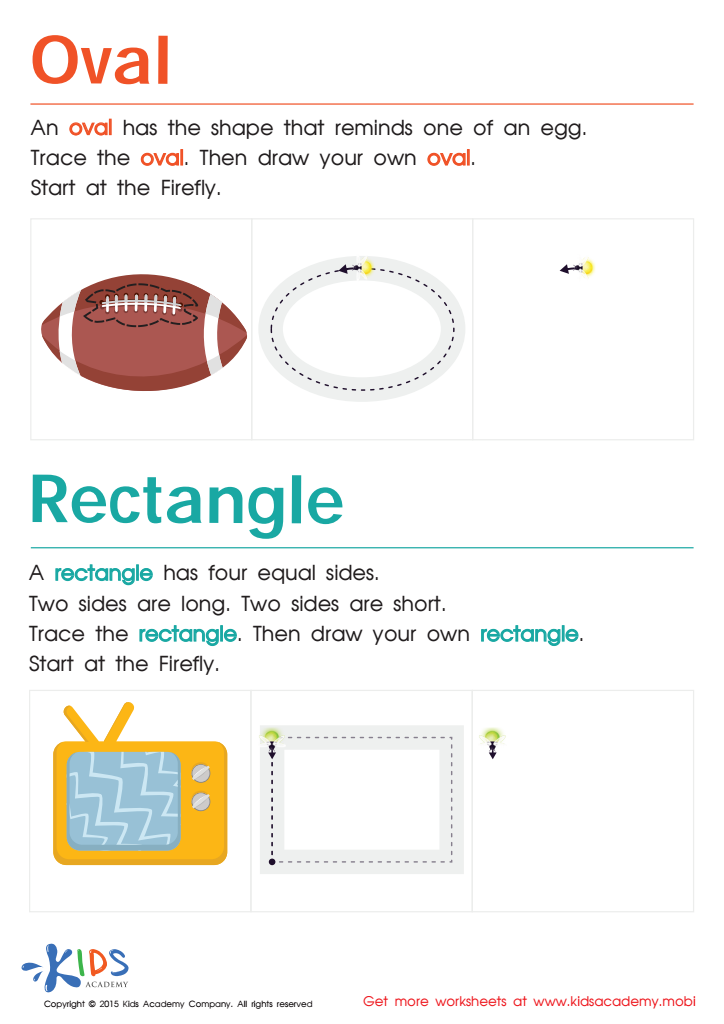
Easy Drawing of Ovals And Rectangles Worksheet
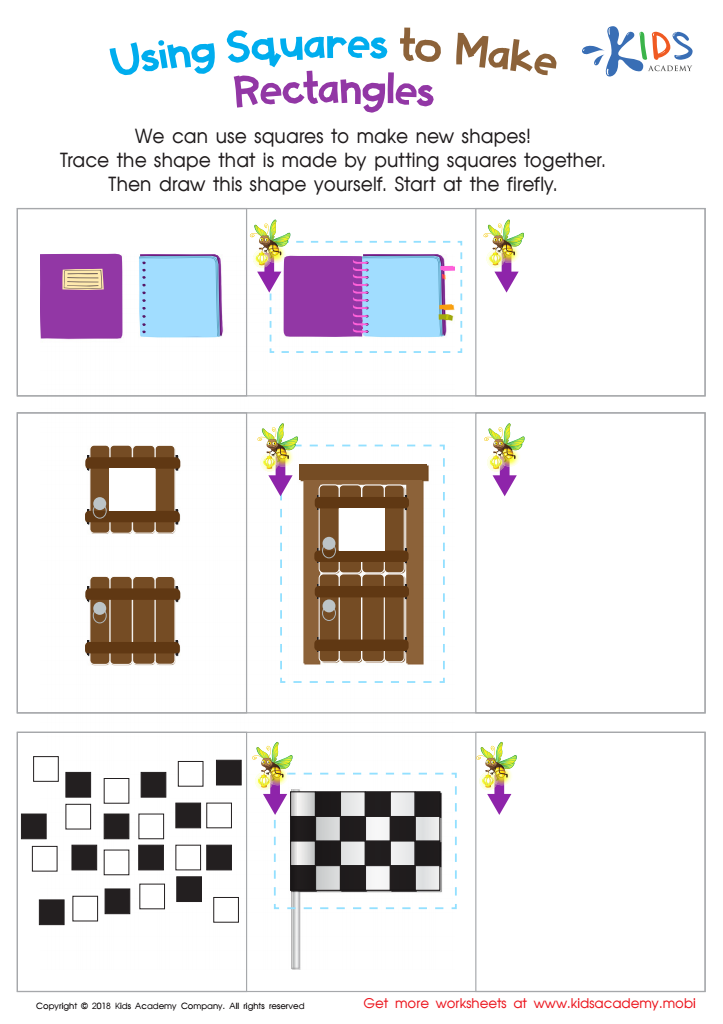
Using Squares to Make Rectangles Worksheet
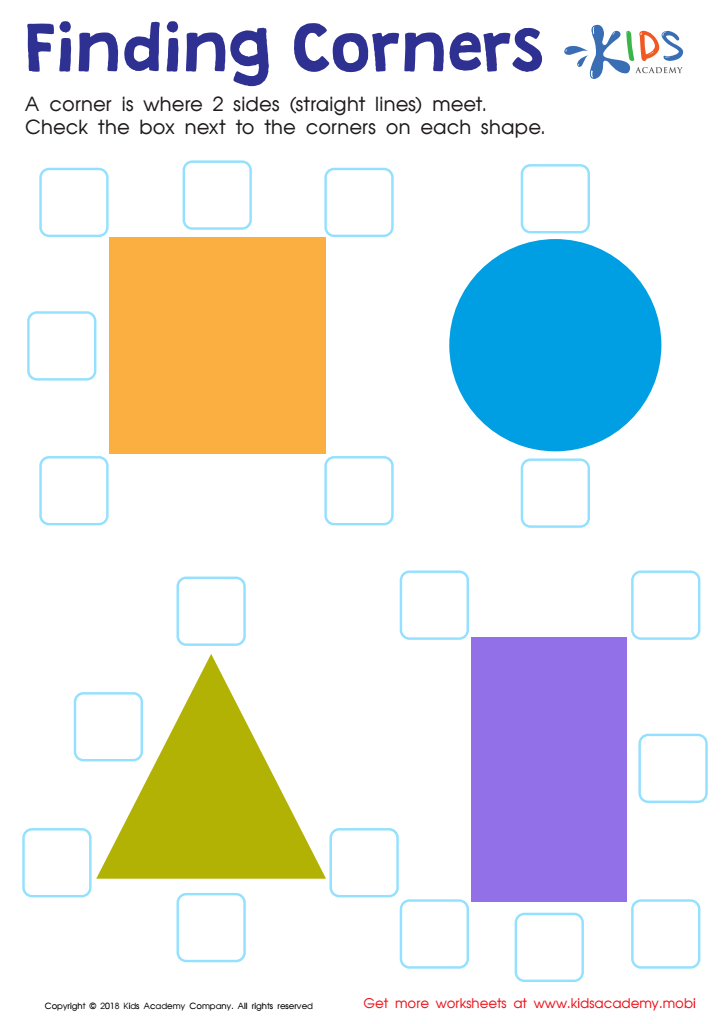
Finding Corners Worksheet
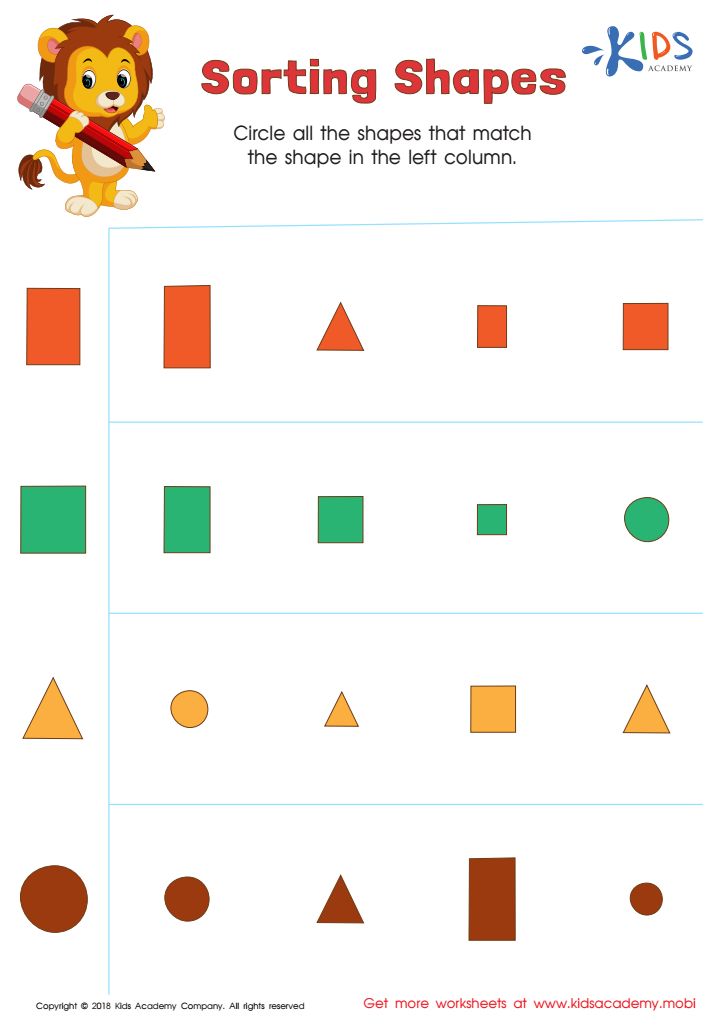
Sorting Shapes - Part 2 Worksheet
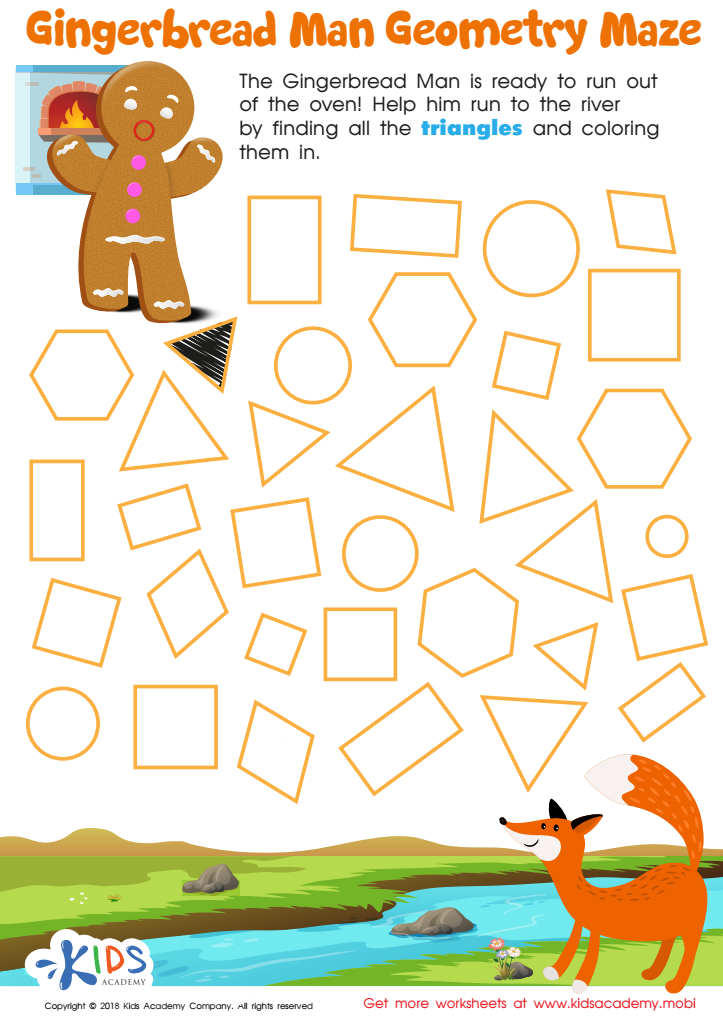
Gingerbread Man Geometry Maze Worksheet
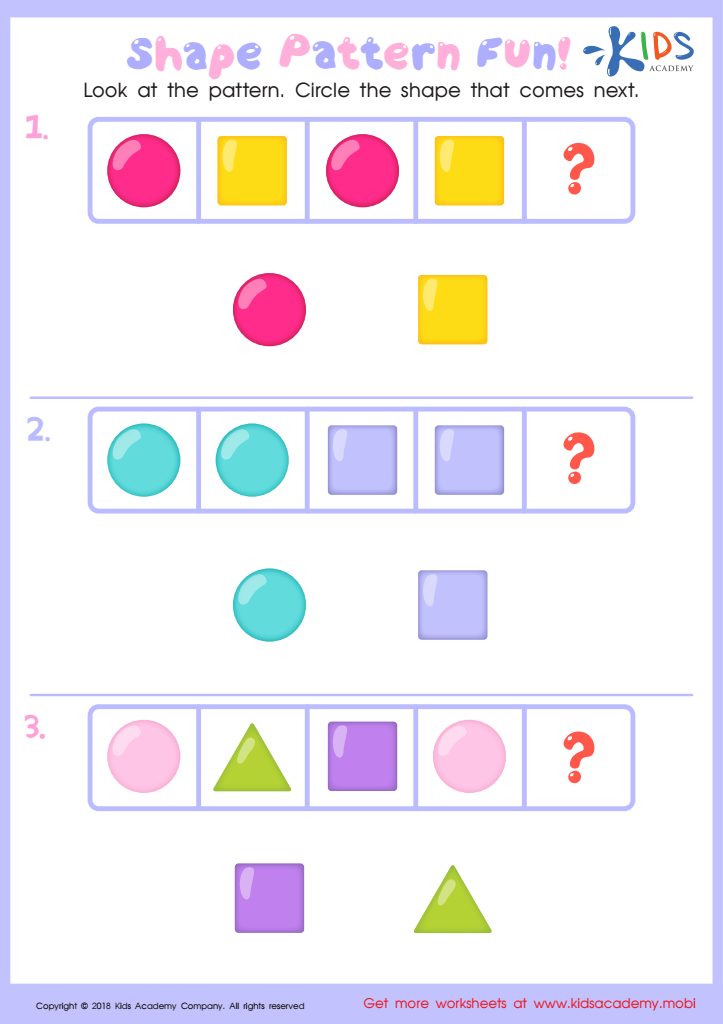
Shape Pattern Fun Worksheet








Understanding normal 2D shapes is fundamental for children aged 4-9, as it lays the groundwork for their mathematical knowledge and critical thinking skills. At this young age, kids are naturally curious and eager to explore their environment; recognizing and categorizing shapes helps them make sense of the world around them. Learning about shapes like circles, squares, triangles, and rectangles enhances spatial awareness and boosts cognitive development.
Familiarity with shapes also supports important skills in geometry, paving the way for more complex mathematical concepts in later years. Parents and teachers can weave shape recognition into everyday activities, such as counting objects, drawing, or even cooking, making learning fun and engaging.
Additionally, understanding shapes aids in development beyond math. It encourages problem-solving, enhances fine motor skills through crafting and drawing, and fosters the ability to compare and contrast different objects, nurturing analytical thinking.
Integrating shape education into both home and school environments not only enriches children's learning experiences but also builds confidence as they begin to connect shapes with patterns, numbers, and their surroundings. Ultimately, nurturing a strong foundation in shapes prepares children for future academic success and everyday life skills.