Normal Science Worksheets for Ages 4-9 - Page 11
315 filtered results
-
From - To
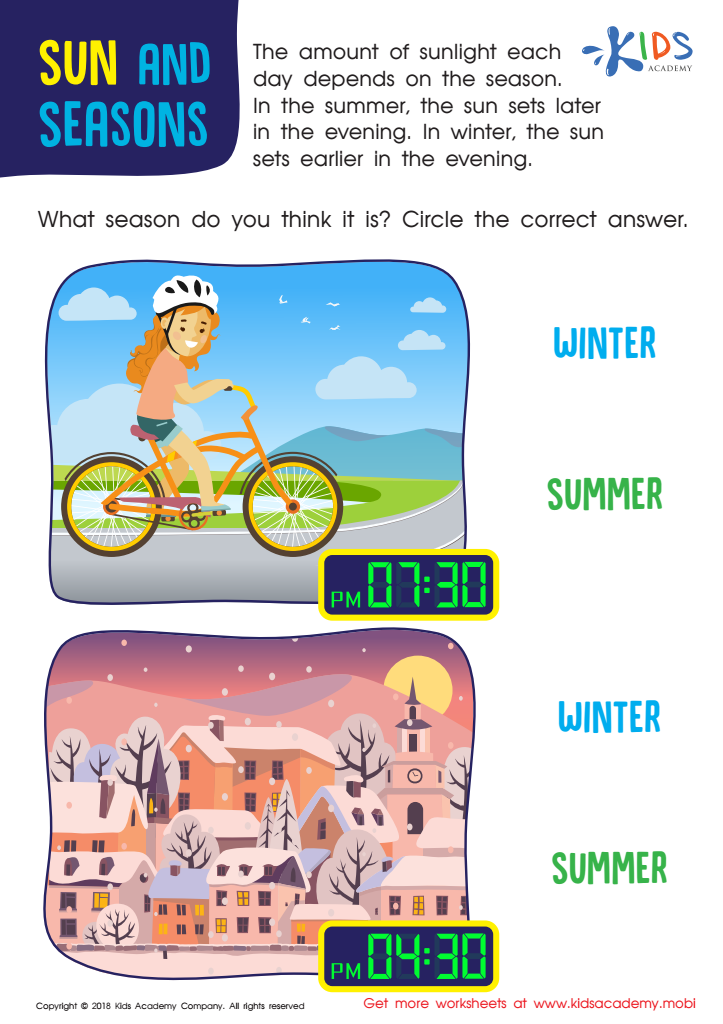
Sun and Seasons Worksheet
 Assign to My Students
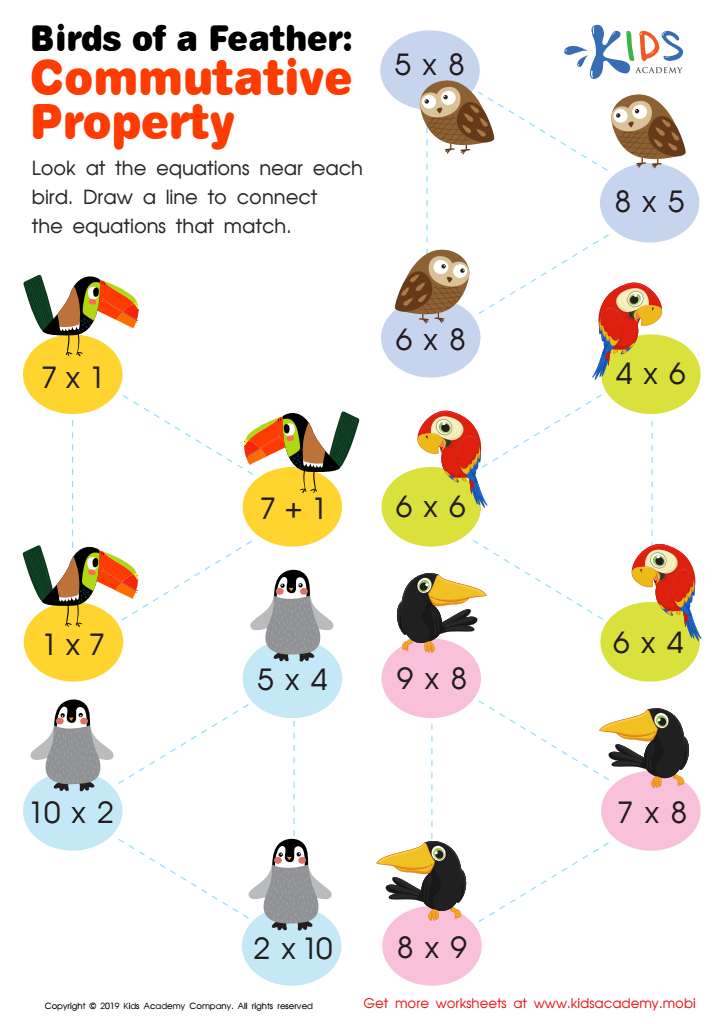
Birds of a Feather: Commutative Property Worksheet
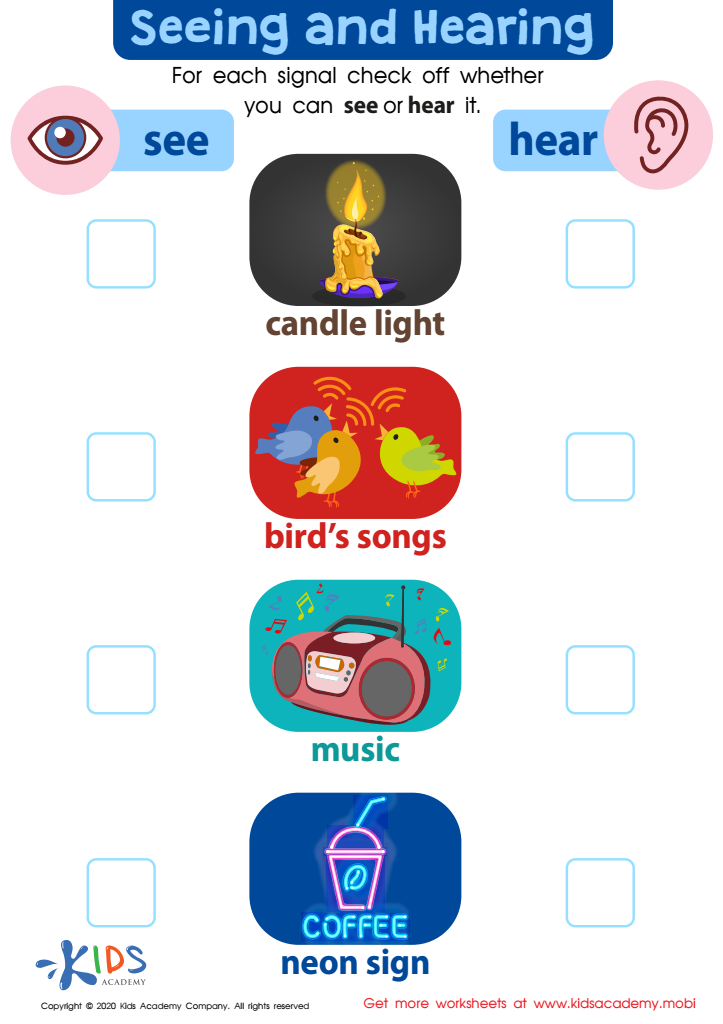
Seeing and Hearing Worksheet
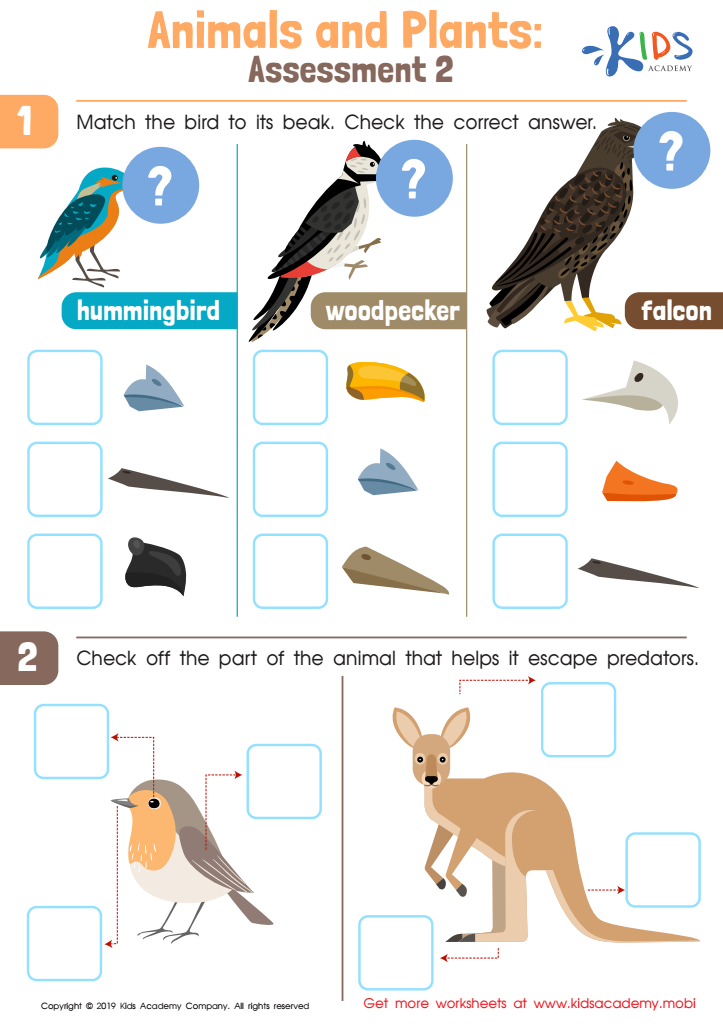
Animals and Plants: Assessment 2 Worksheet
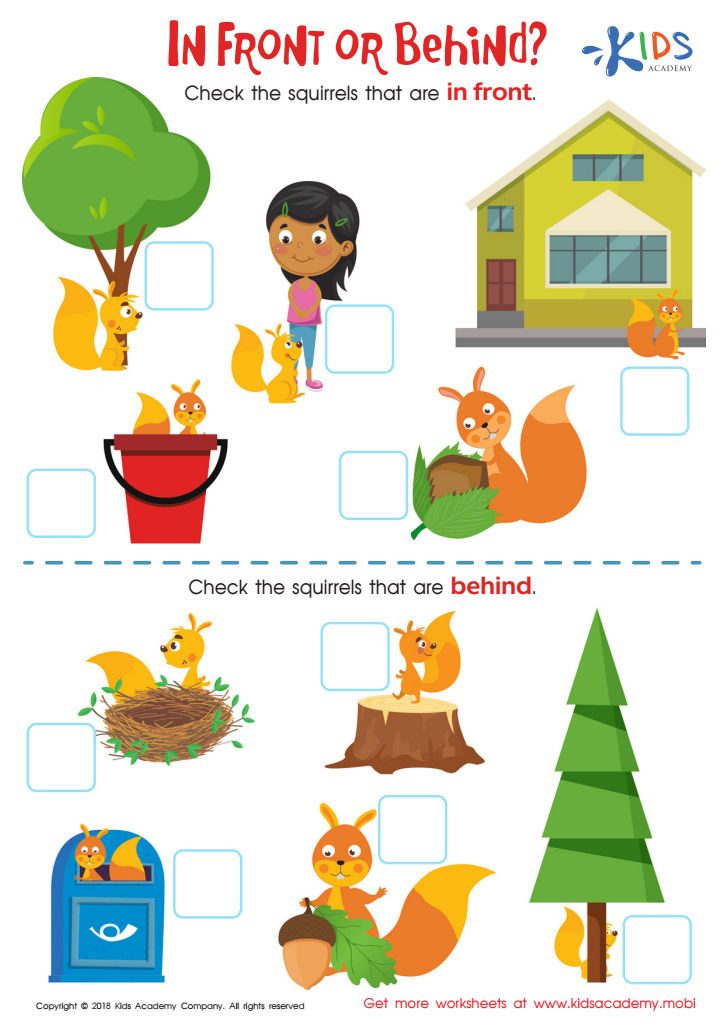
In Front or Behind: Part 2 Worksheet
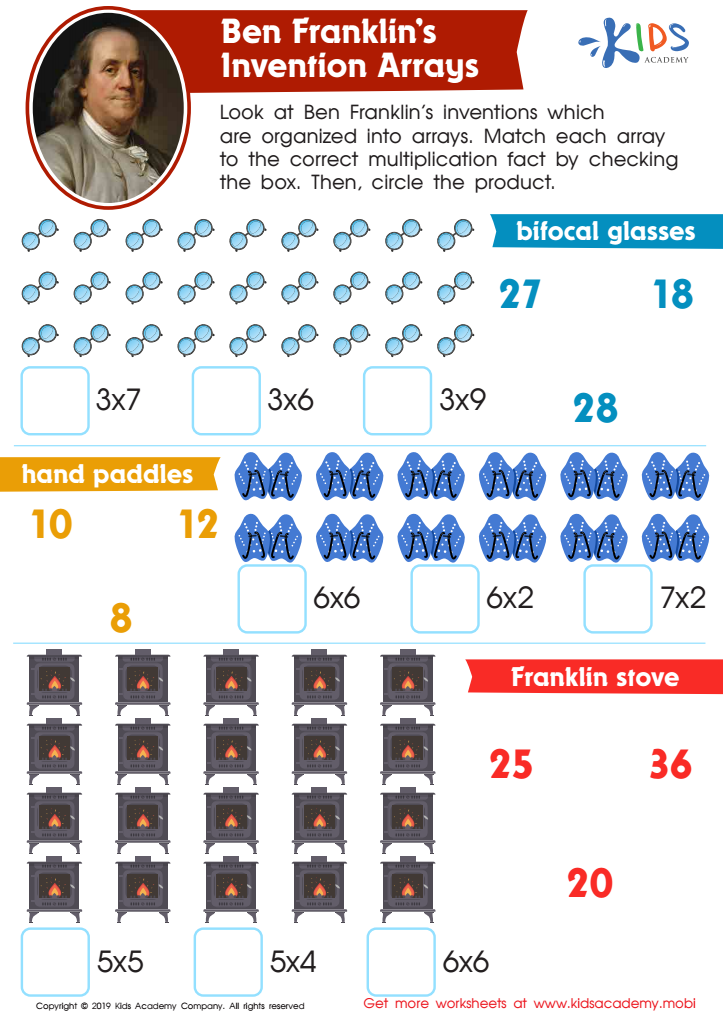
Ben Franklin’s Invention Arrays Worksheet
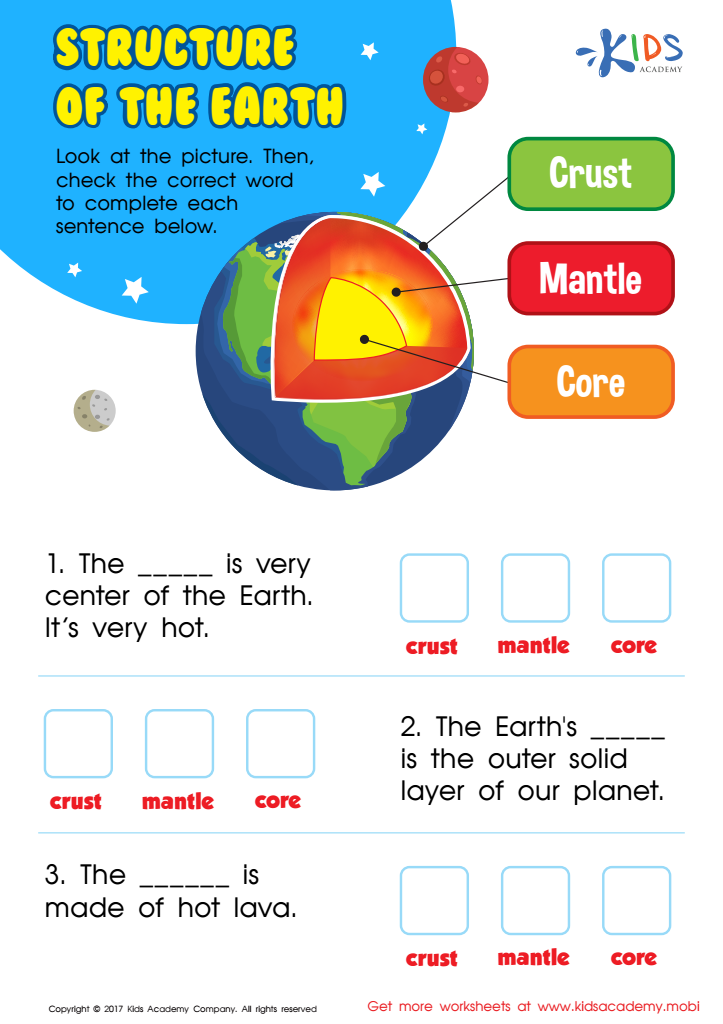
Structure of the Earth Worksheet
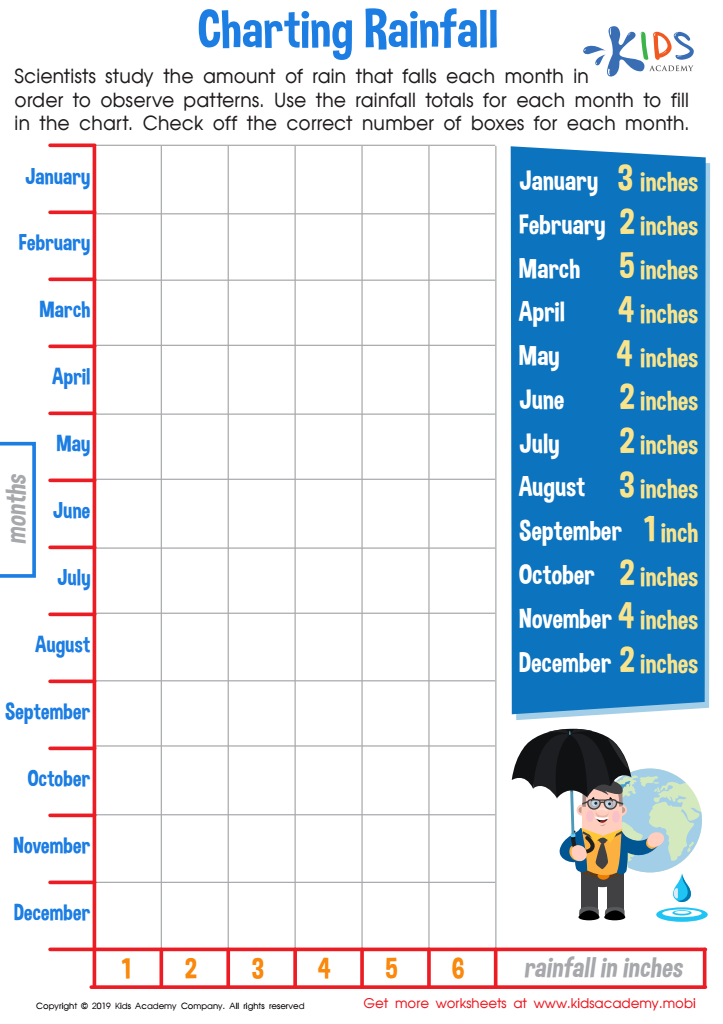
Charting Rainfall Worksheet
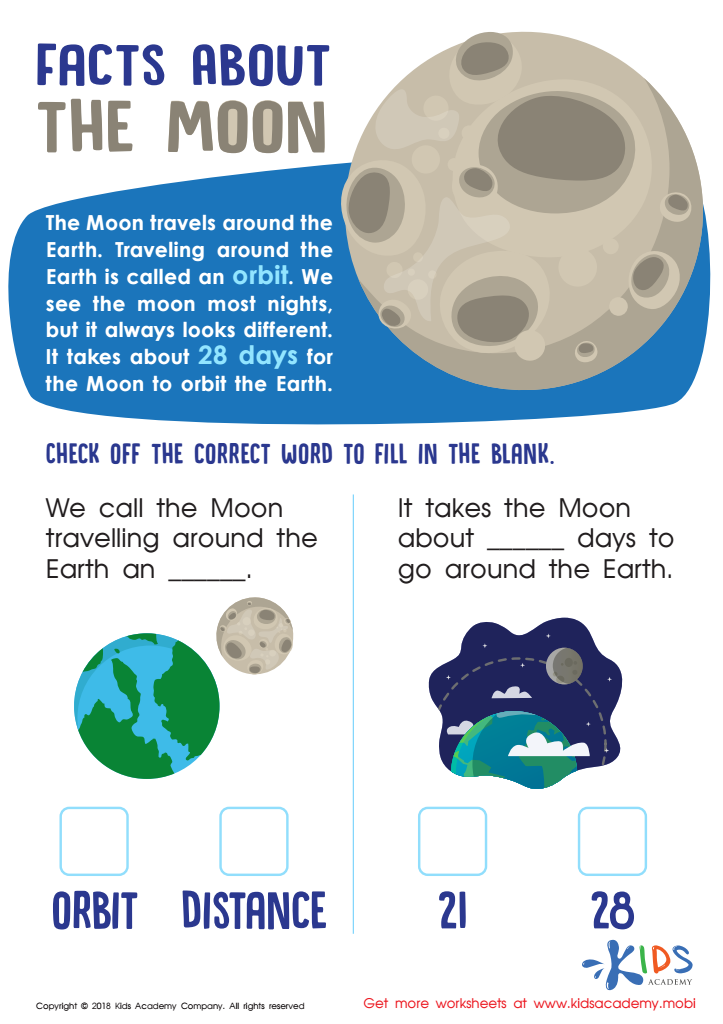
Facts About the Moon Worksheet
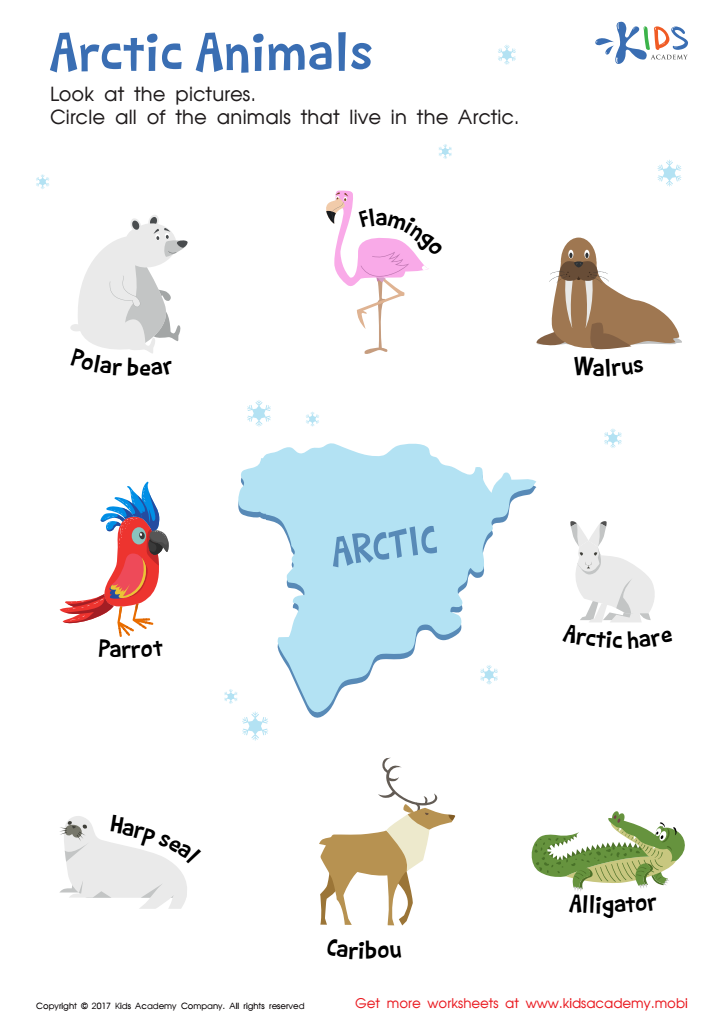
Arctic Animals Worksheet
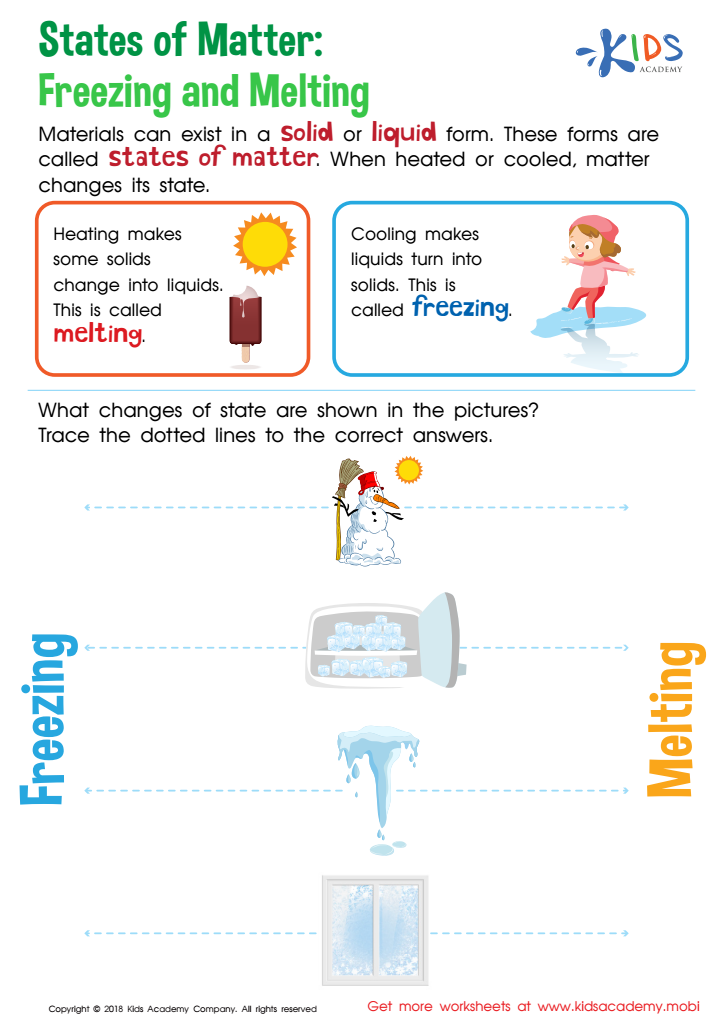
States of Matter: Freezing and Melting Worksheet
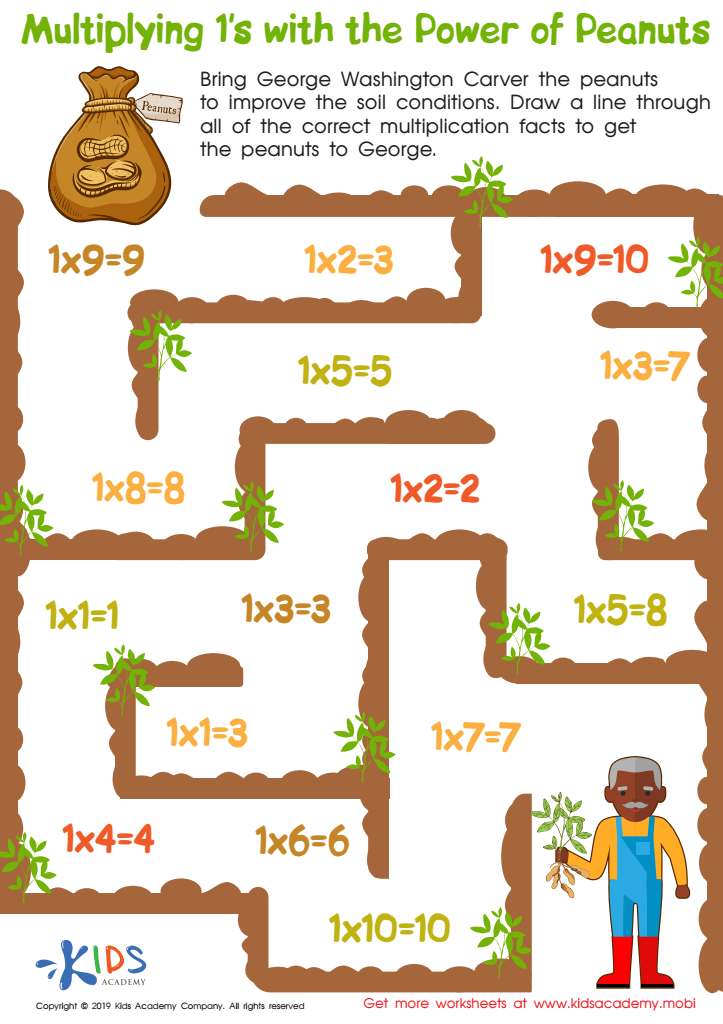
Multiplying 1’s With the Power of Peanuts Worksheet
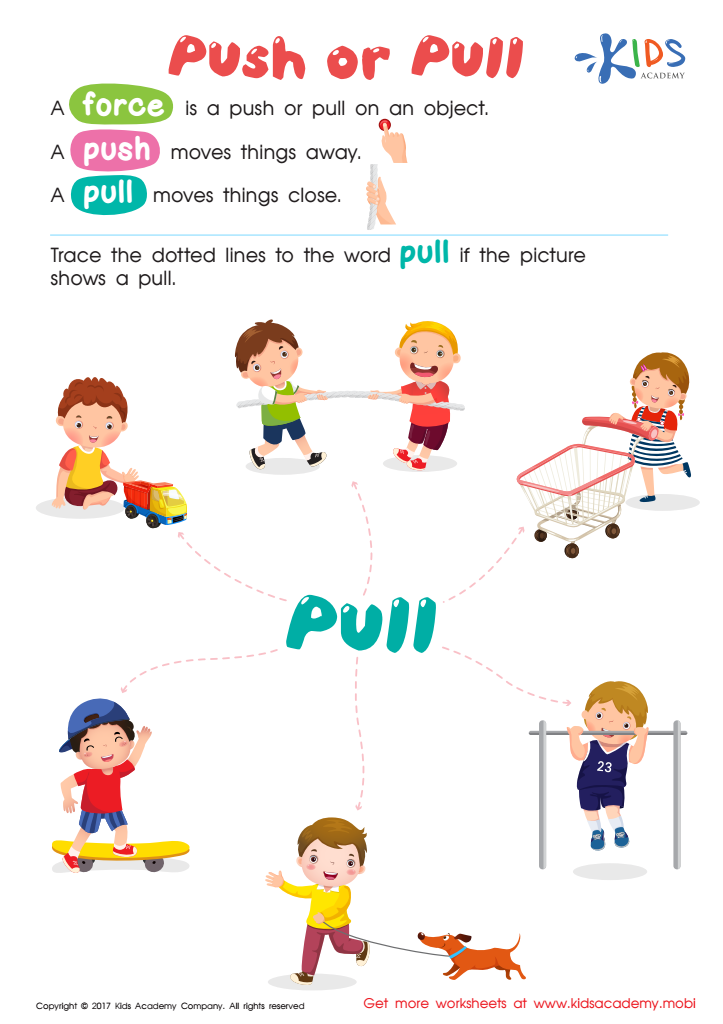
Pull or Push Worksheet
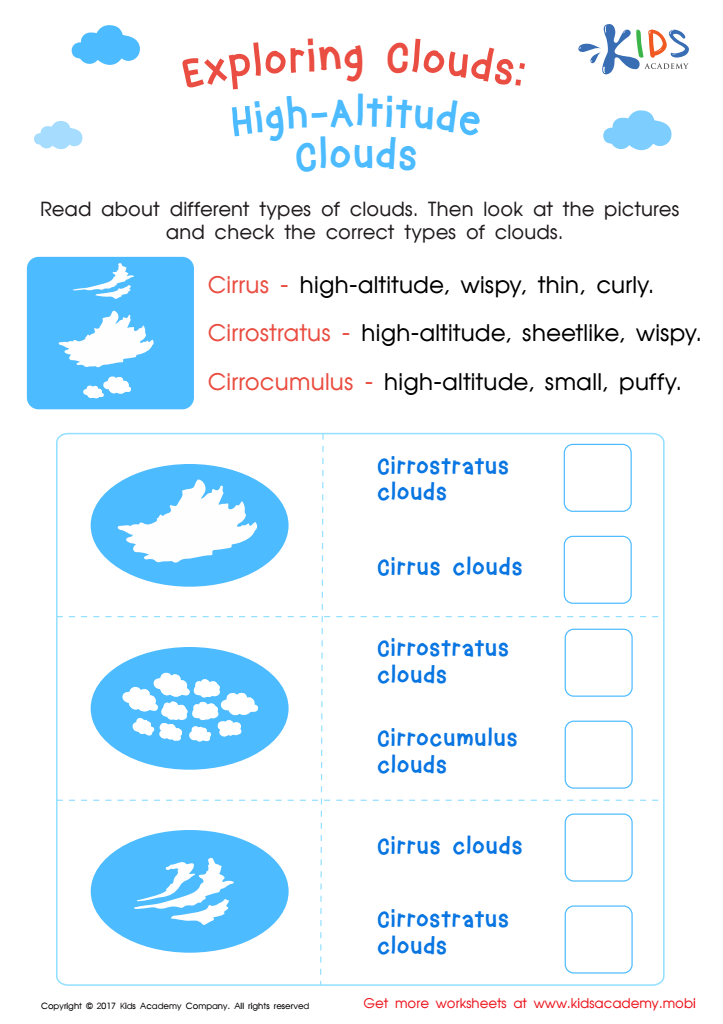
Exploring Clouds: High Altitude Clouds Worksheet
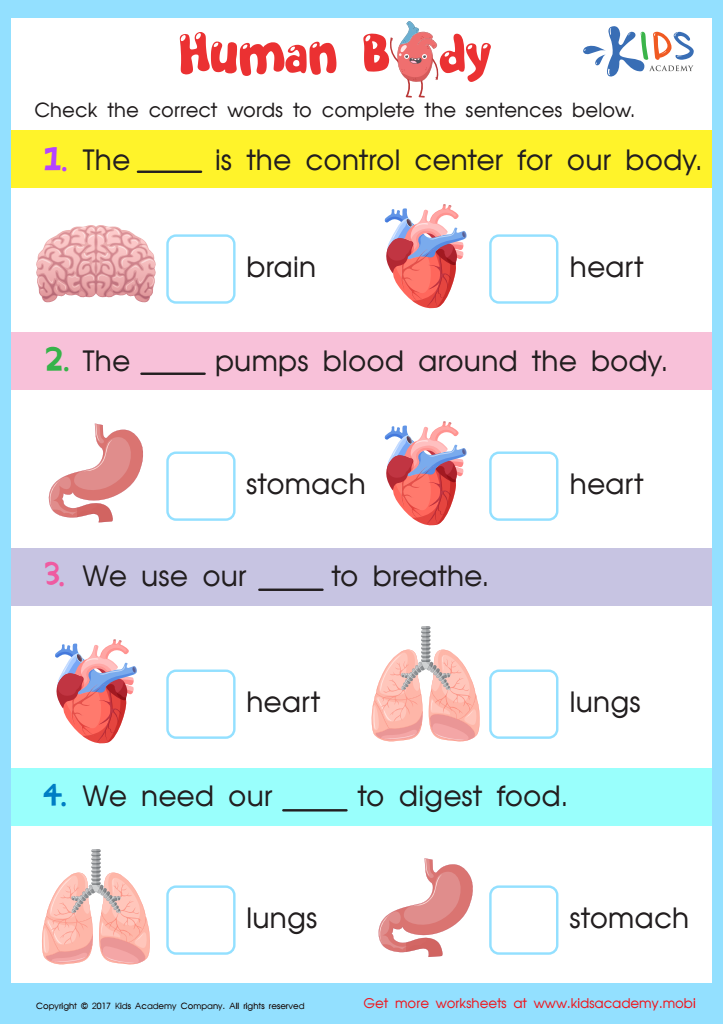
Internal Organs Worksheet
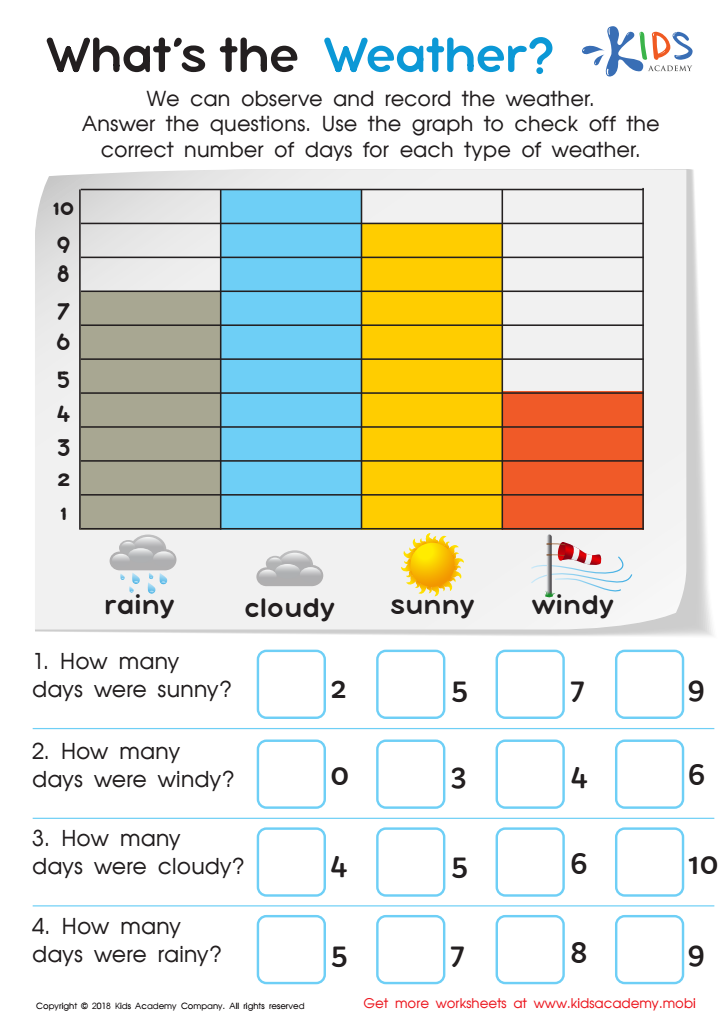
What's the Weather? Worksheet
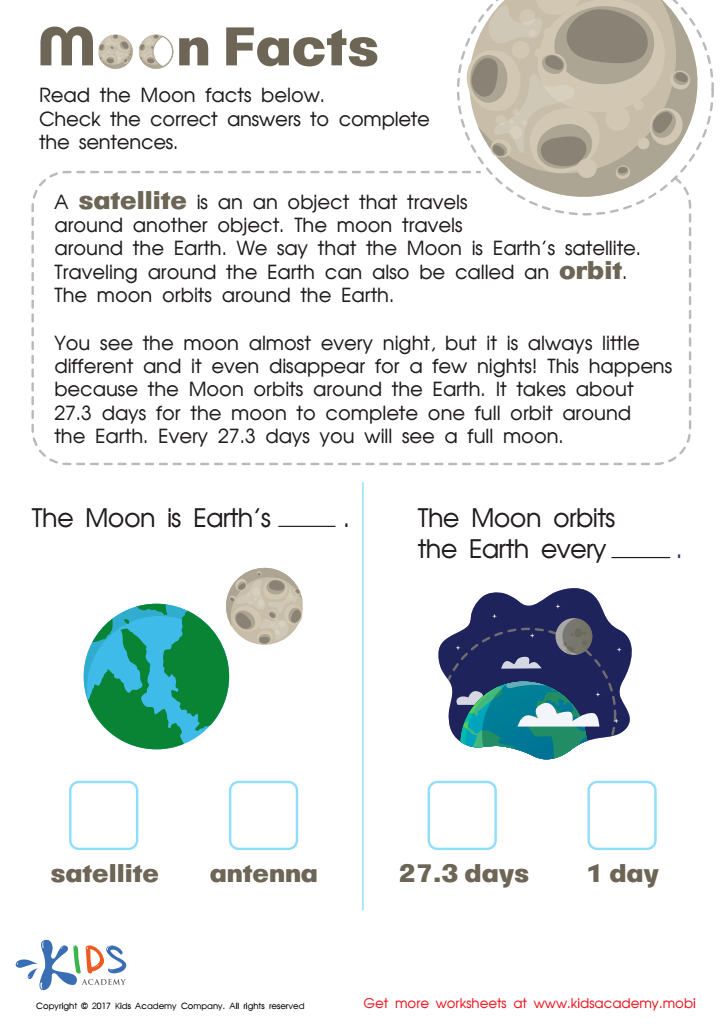
Moon Facts Worksheet
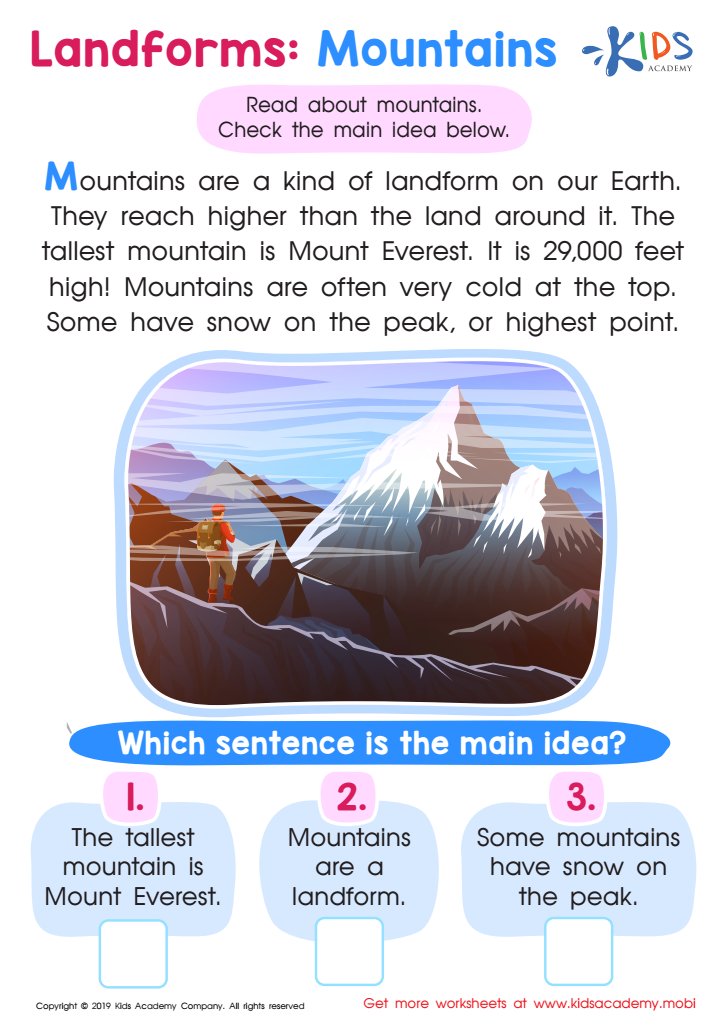
Landforms: Mountains Worksheet
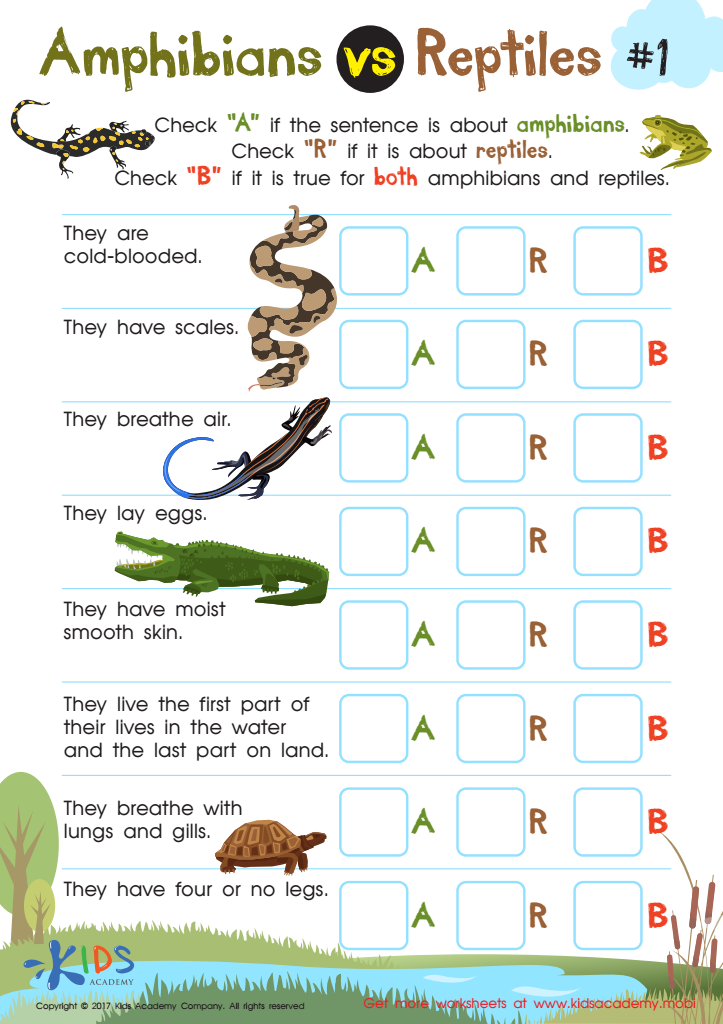
Amphibians vs Reptiles Worksheet
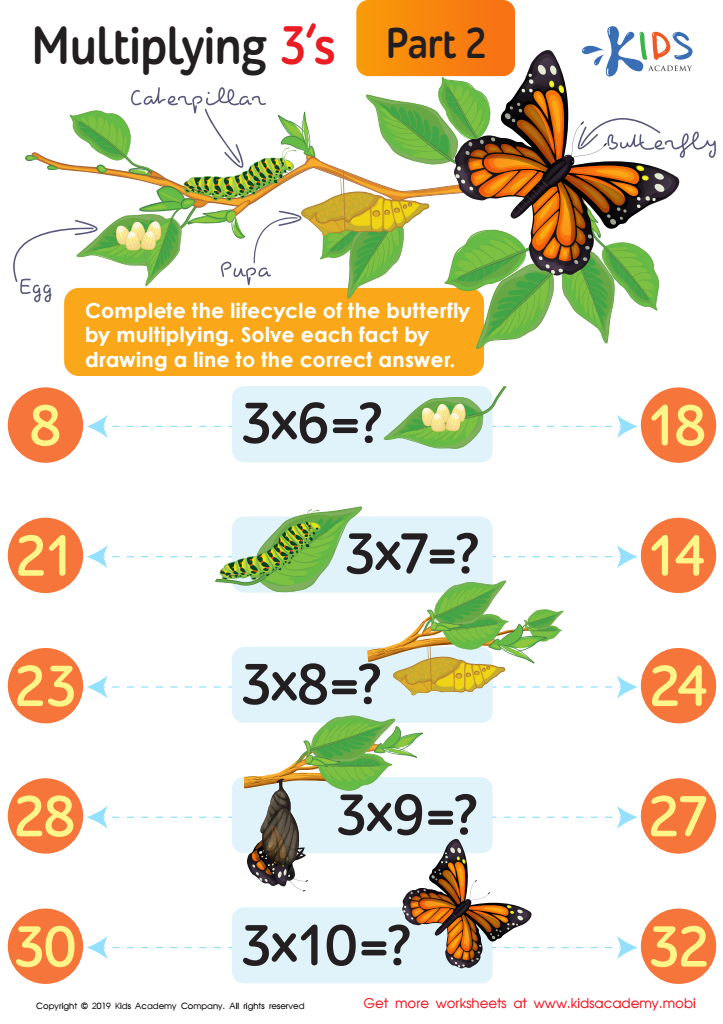
Multiplying 3s Part 2 Worksheet
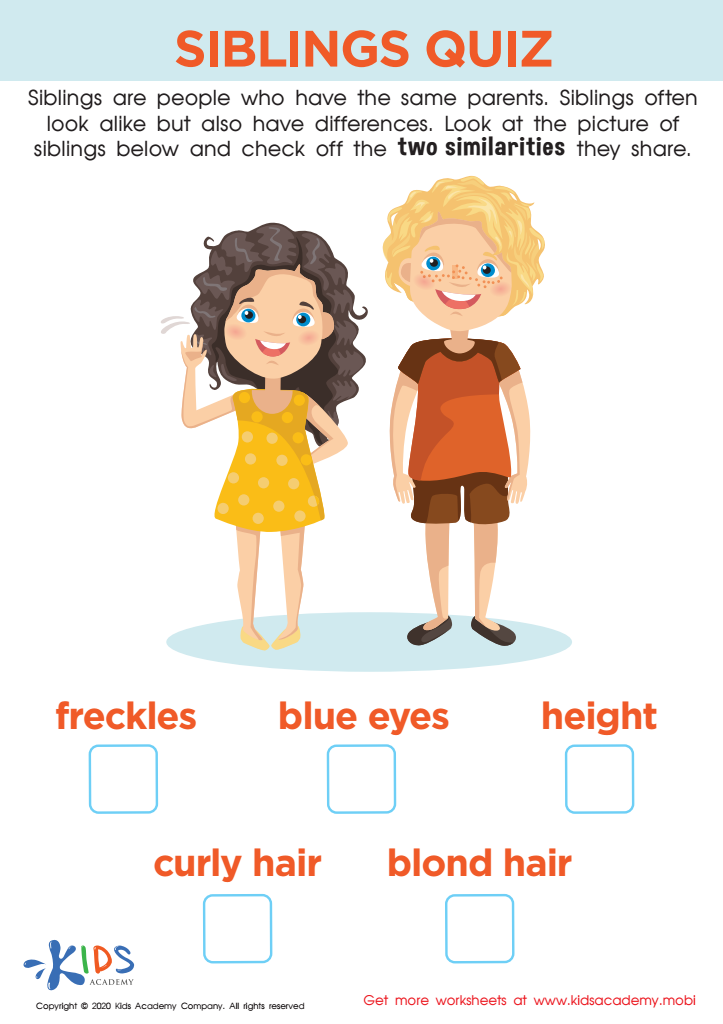
Siblings Quiz Worksheet
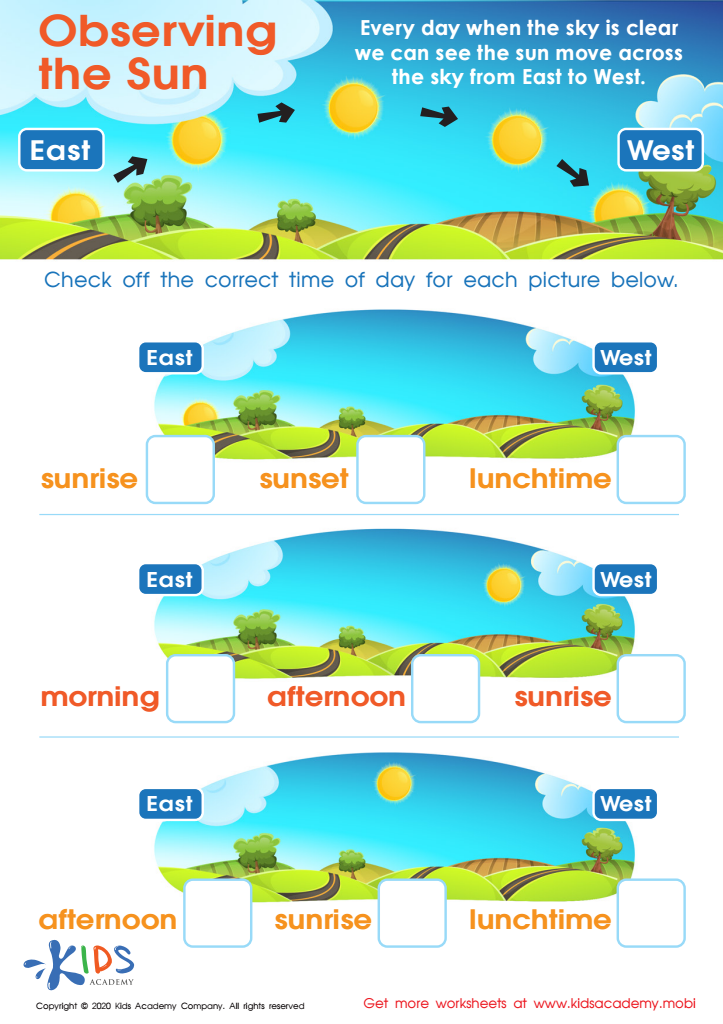
Observing the Sun Worksheet
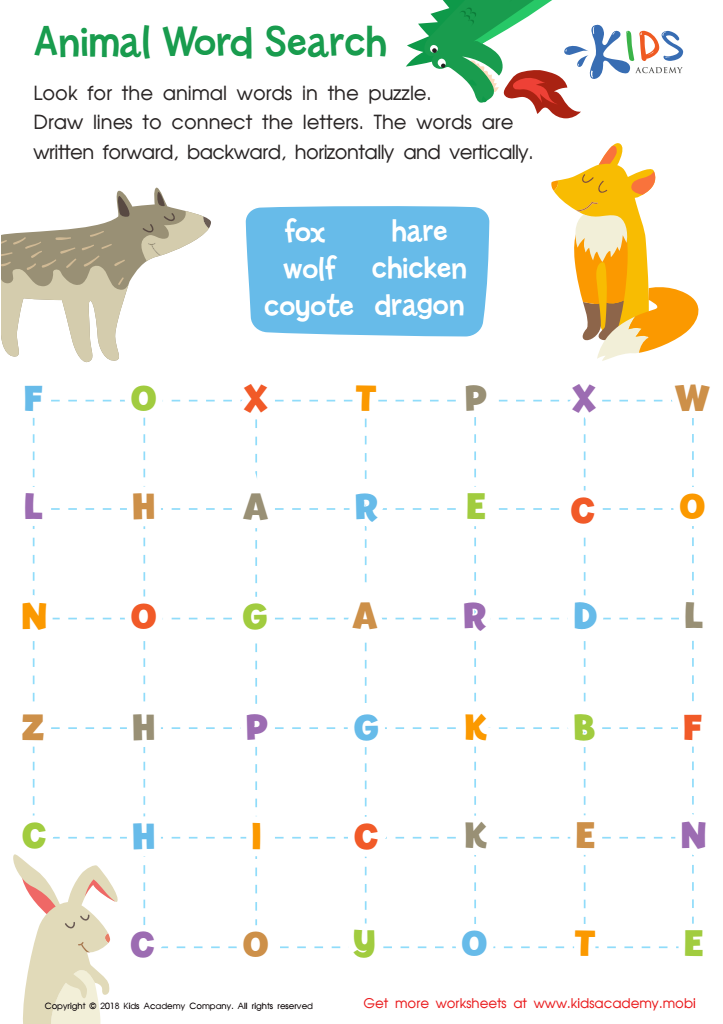
Animal Word Search Worksheet
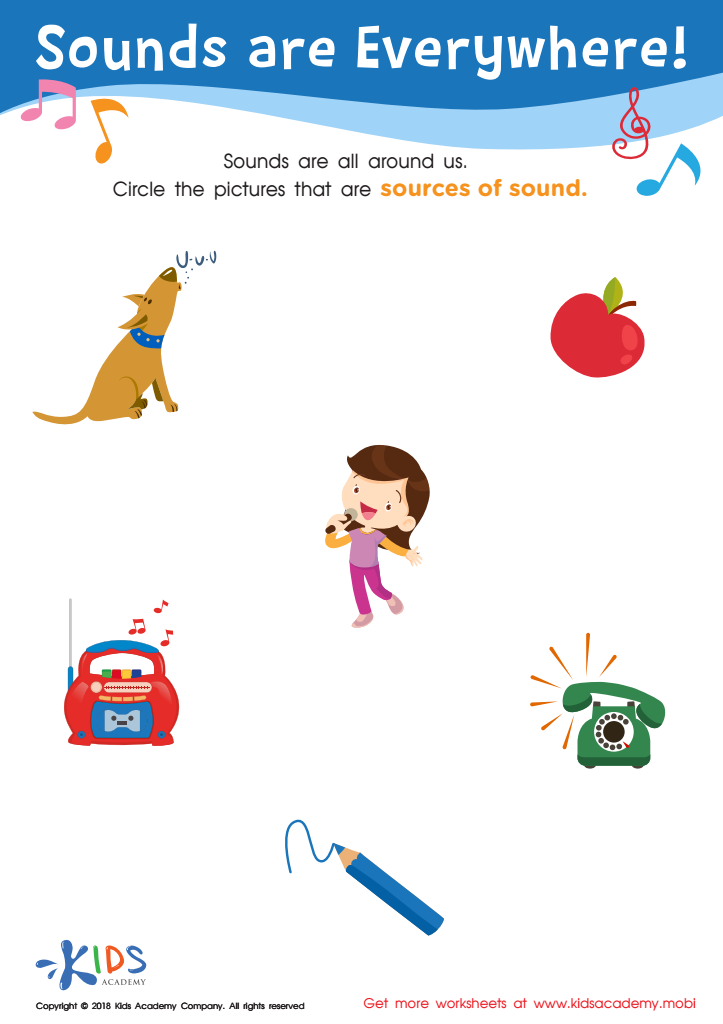
Sounds Are Everywhere! Worksheet




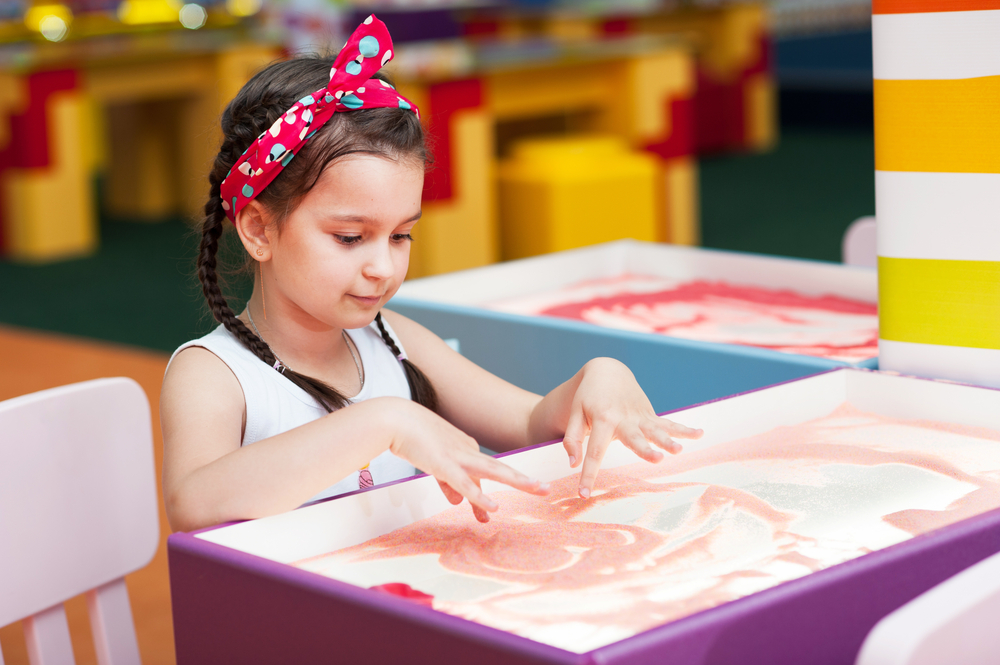


Normal science for children ages 4-9 is crucial because it lays a foundational understanding of the world and develops critical thinking skills. At this developmental stage, children's curiosity is at its peak. Engaging them in science nurtures their innate inquisitiveness, turning everyday wonders into learning opportunities. Early exposure to scientific concepts helps them understand their environment, from why the sky is blue to how plants grow.
For parents and teachers, integrating normal science emphasizes the development of essential life skills. Scientific exploration encourages observation, questioning, and problem-solving skills. For example, simple experiments with water and objects teach children about buoyancy and density, translating abstract concepts into tangible experiences.
Additionally, early science education supports literacy and numeracy development. Reading instructions for experiments, noting observations, and using basic arithmetic to measure substances provide context to abstract academic skills, making learning multidimensional.
In a broader sense, fostering a love for science promotes lifelong learning and adaptability. With technology shaping our future, equipping children with a scientific mindset early on makes them more confident and competent in facing complex problems later. Encouraging their scientific curiosity today prepares them for tomorrow’s challenges, contributing to their overall cognitive and personal growth.







