Normal Space Worksheets for Ages 4-9 - Page 2
38 filtered results
-
From - To
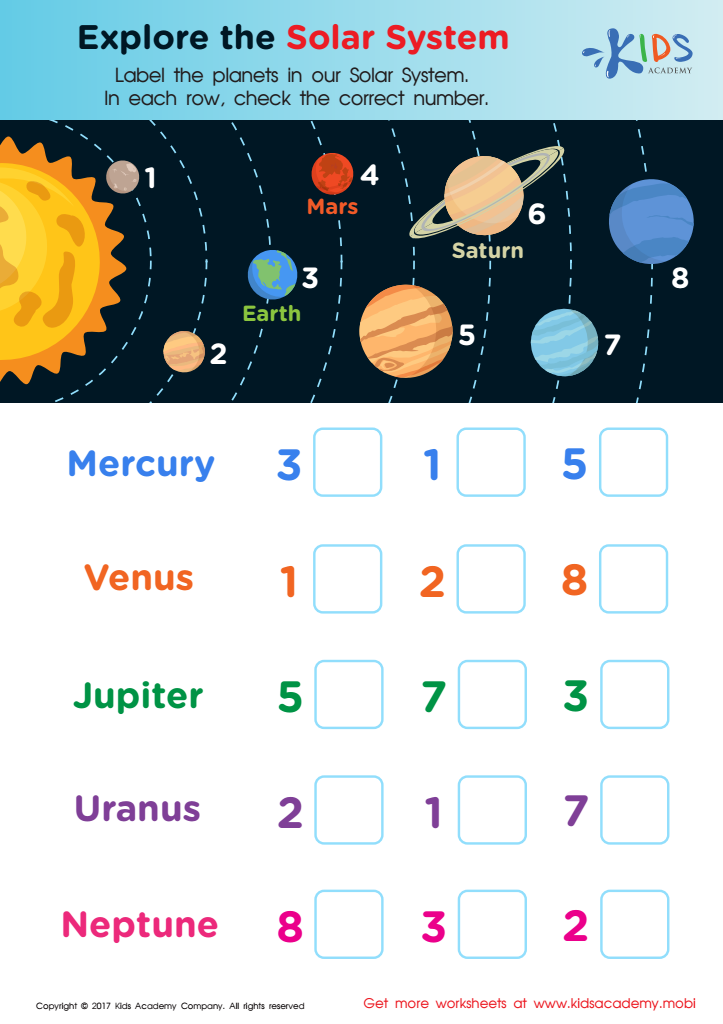
Solar System Planets Worksheet
 Assign to My Students
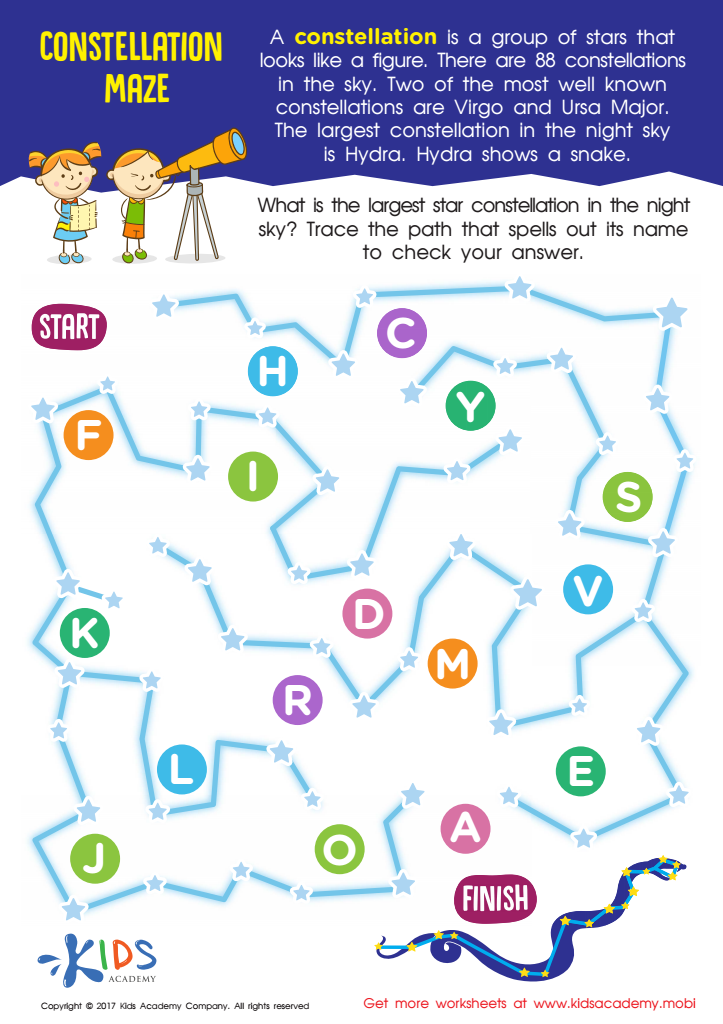
Constellations Worksheet
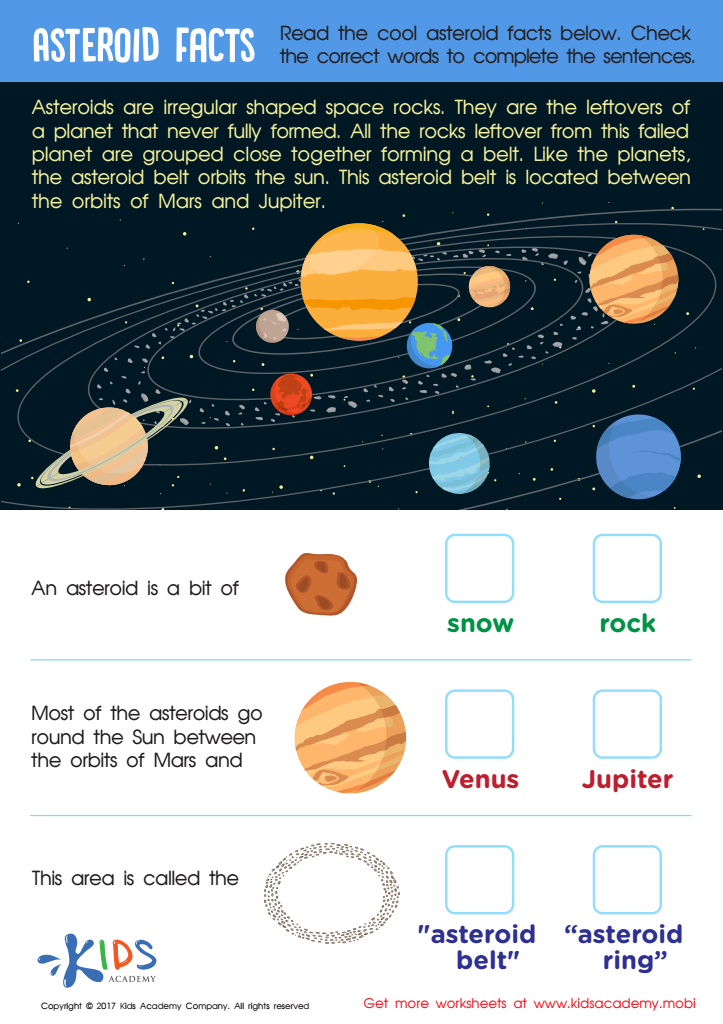
Asteroid Facts Worksheet
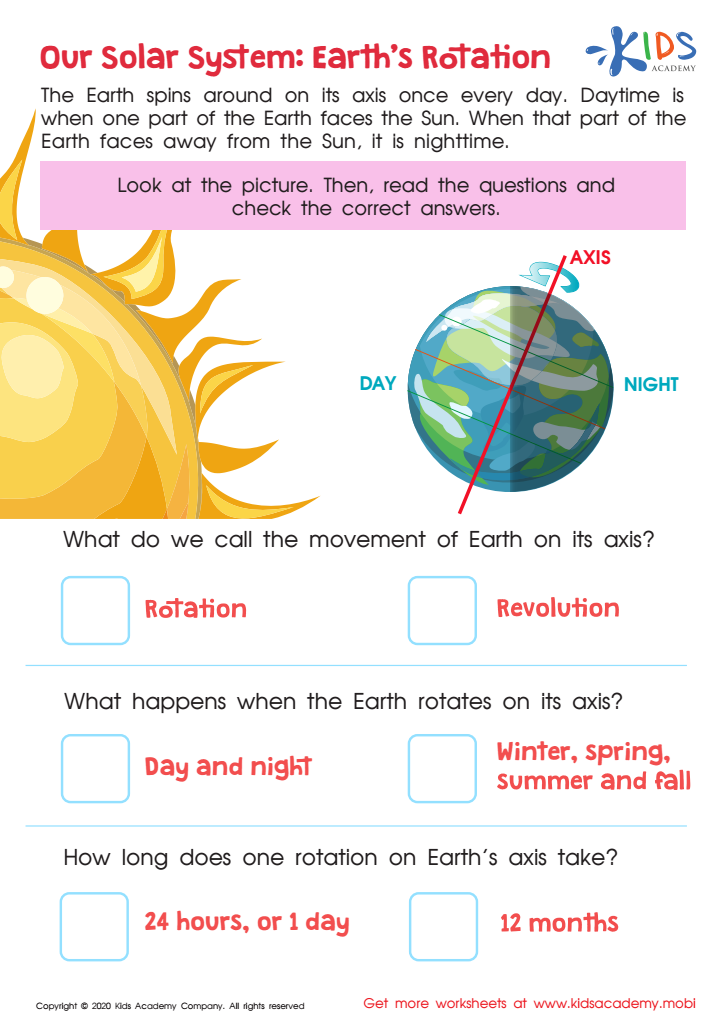
Our Solar System: Earth's Rotation Printable
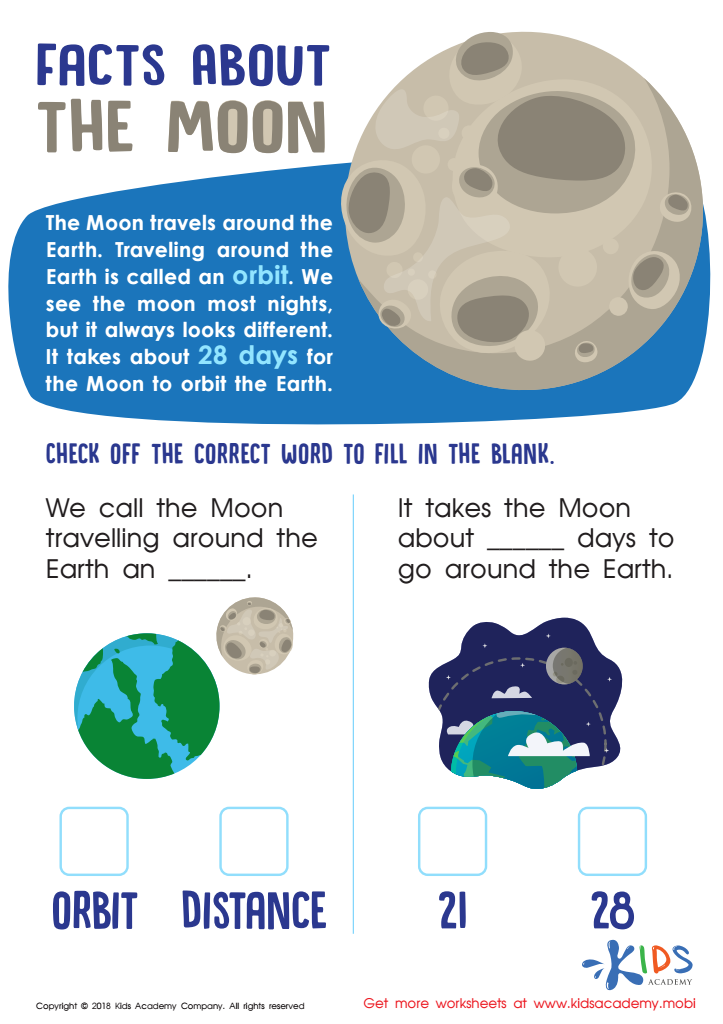
Facts About the Moon Worksheet
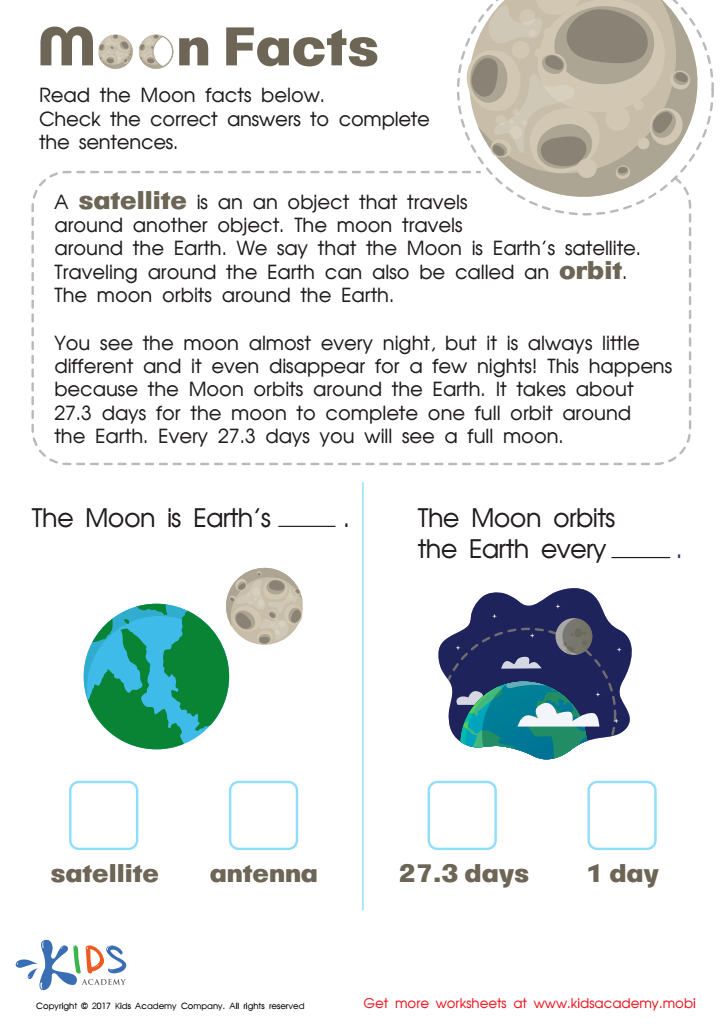
Moon Facts Worksheet
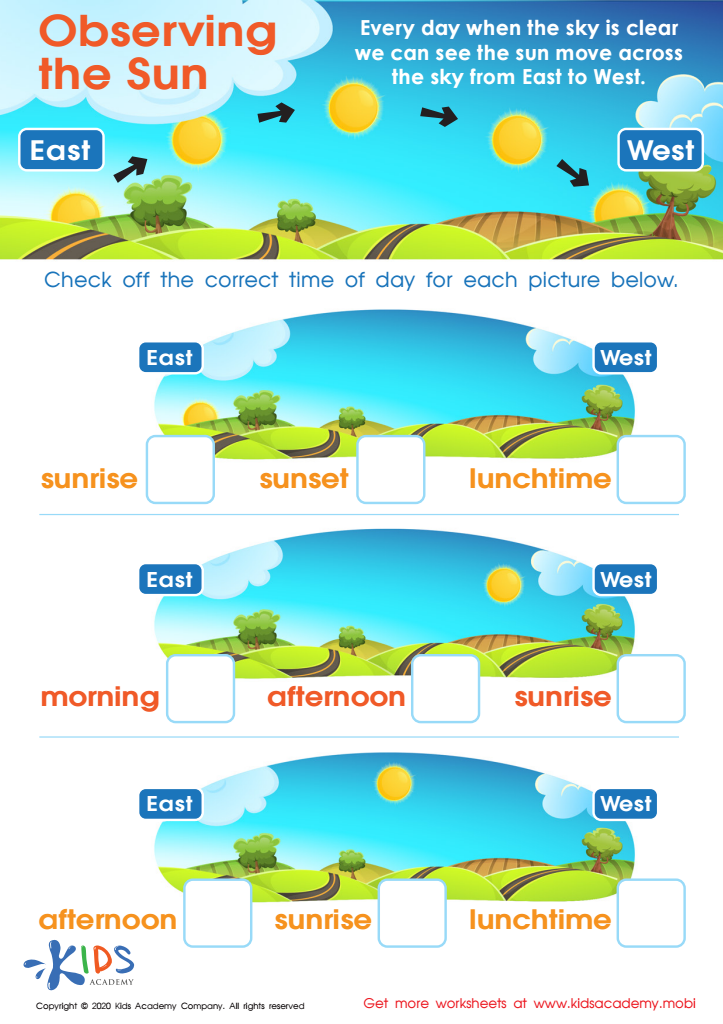
Observing the Sun Worksheet
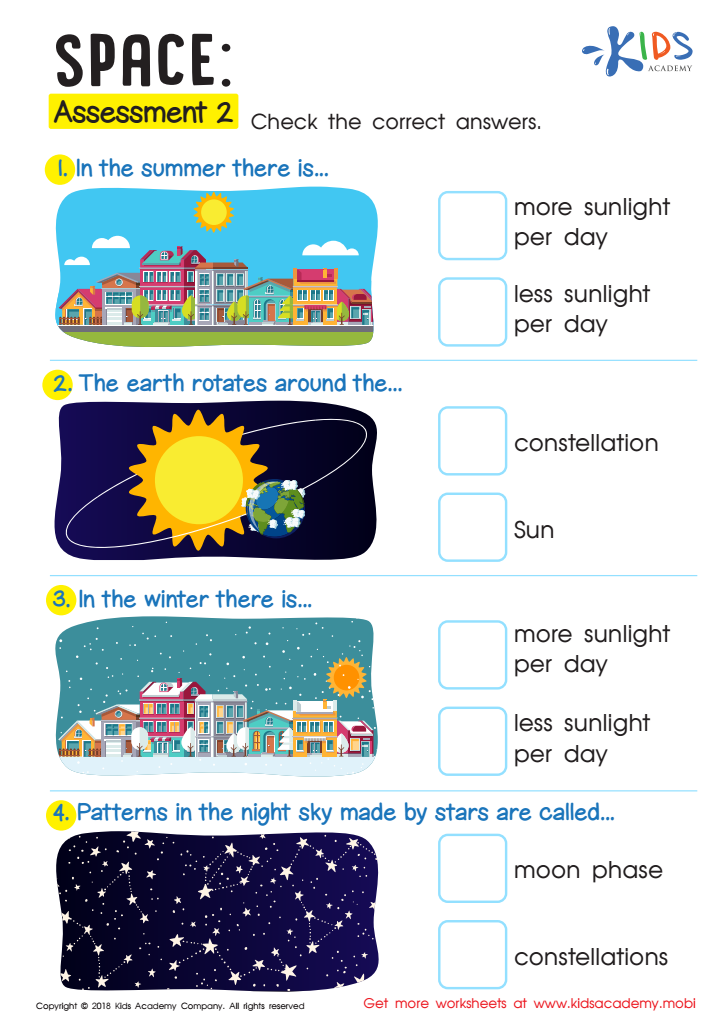
Space: Assessment 2 Worksheet
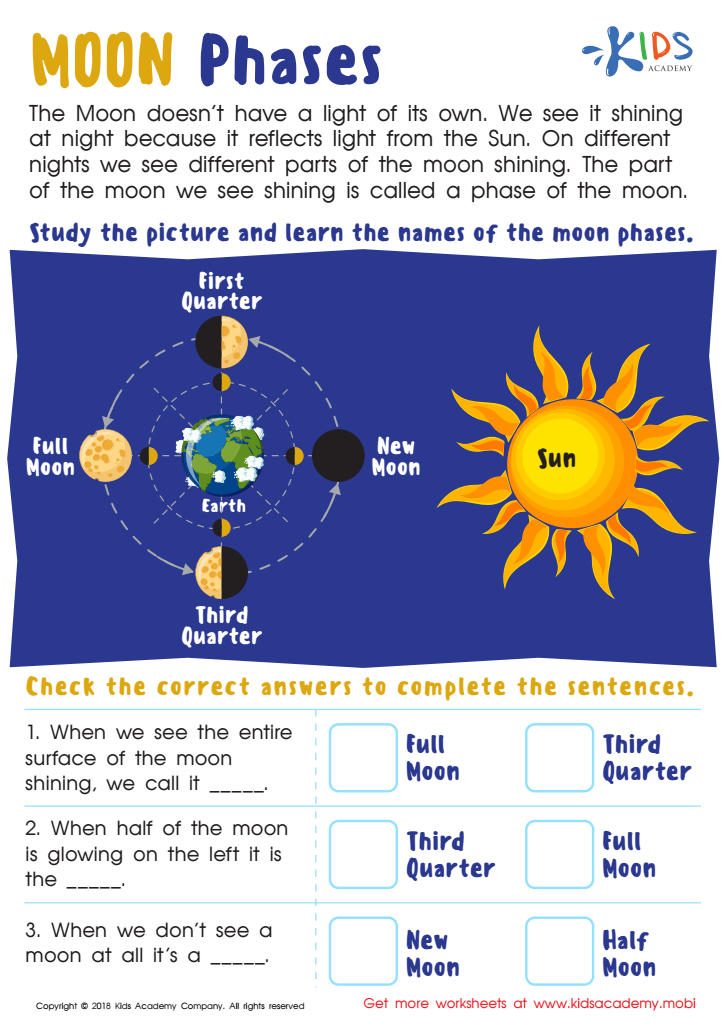
Moon Phases Worksheet
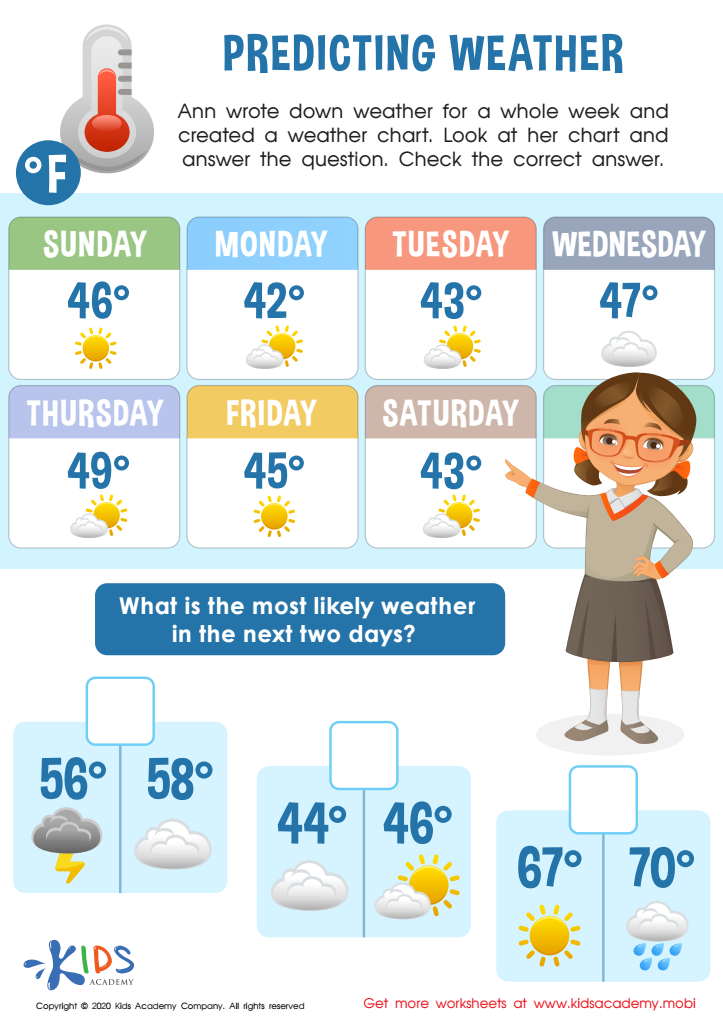
Predicting Weather Worksheet
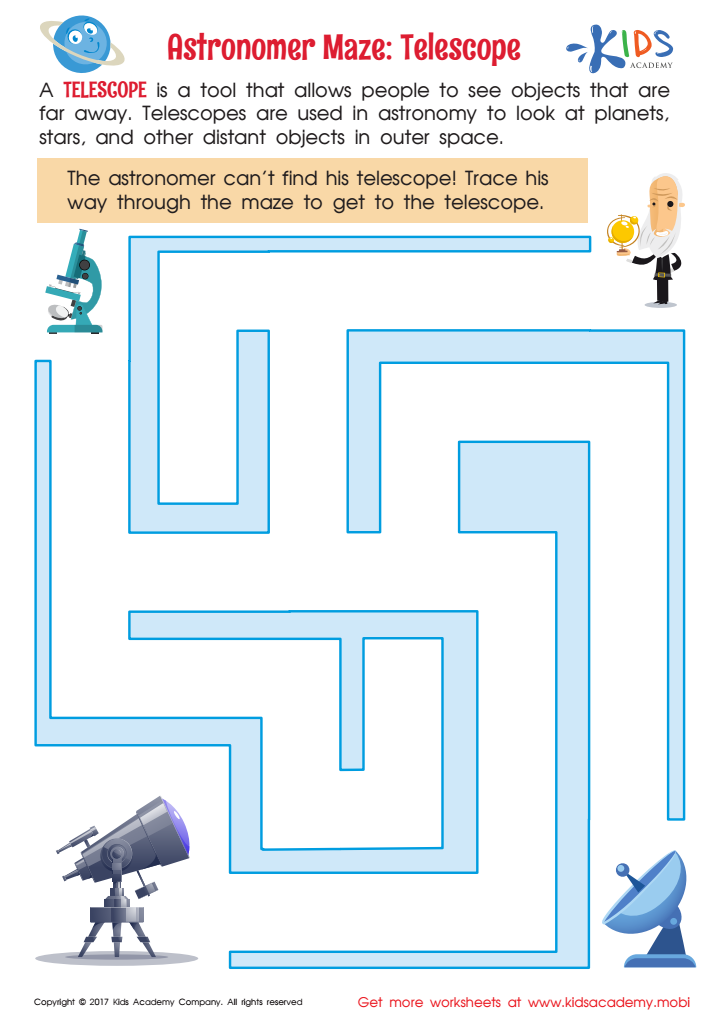
Astronomer Maze: Telescope Worksheet
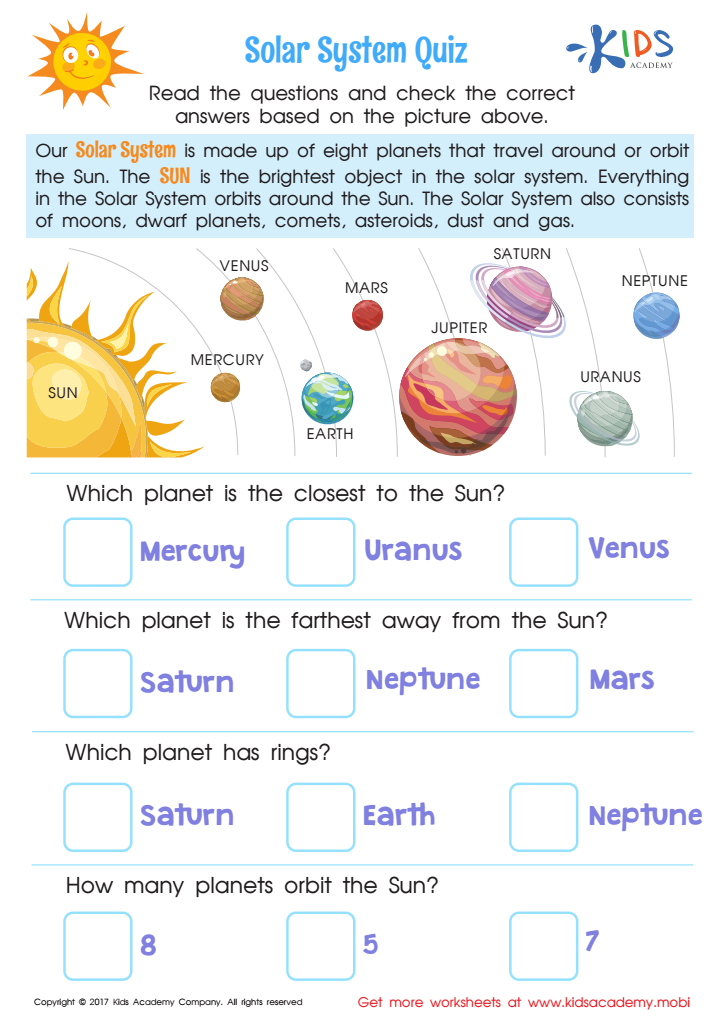
Solar System Quiz Printable
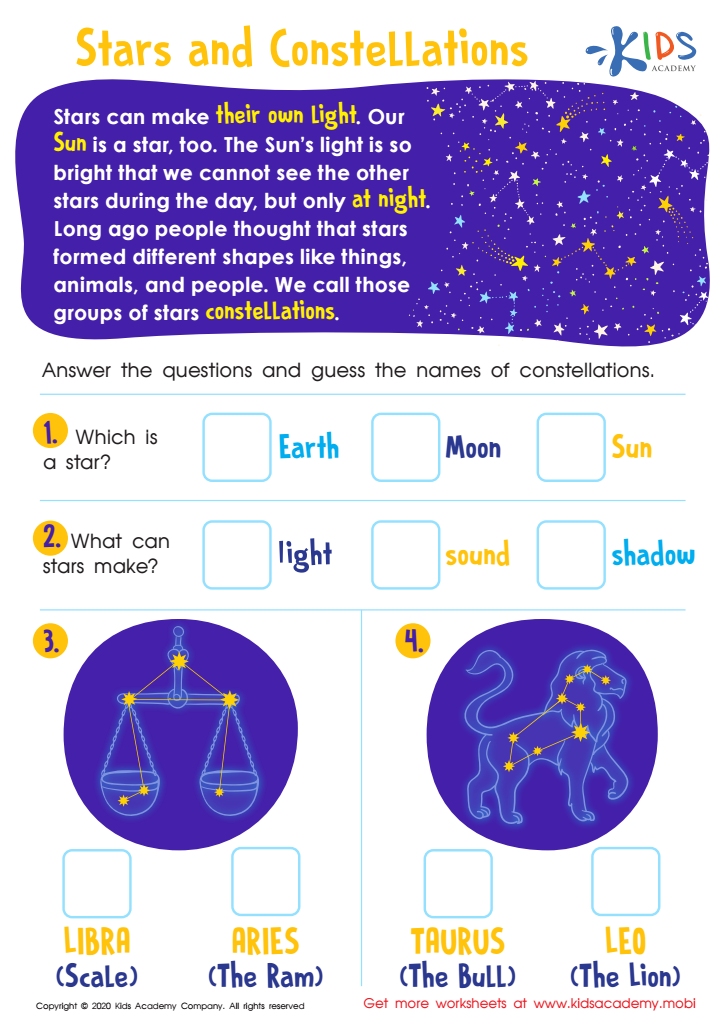
Stars and Constellations Worksheet
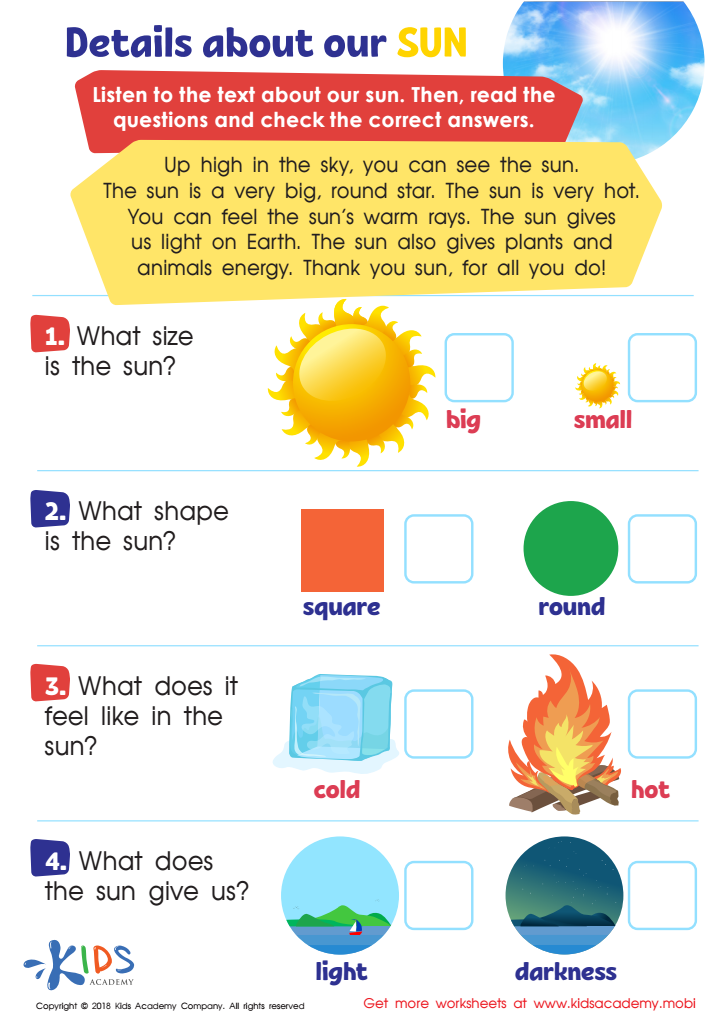
Details About Our Sun Worksheet







Normal Space is a vital developmental concept for children ages 4-9, and parents and teachers should care deeply about its implications. During this stage, children are navigating their social, emotional, and cognitive landscapes, and Normal Space designates a safe environment that supports their growth.
Firstly, Normal Space fosters a sense of belonging and acceptance, crucial for emotional development. Children learn to express themselves authentically, leading to the development of confidence and self-esteem. In an inclusive Normal Space, diversity is celebrated, allowing children to appreciate differences, which nurtures empathy and respect.
Secondly, Normal Space enhances creativity and exploration. A structured yet flexible environment encourages children to take risks in their learning, facilitating critical thinking and problem-solving skills. When children feel secure and free to explore, they are more likely to engage deeply with their learning materials, fostering a lifelong love for education.
Lastly, Normal Space helps establish healthy relationships between peers and adults. Shared experiences in this environment promote cooperation, communication, and social skills essential for future interactions. Therefore, by prioritizing Normal Space, parents and educators create a foundation for holistic development, equipping children with the essential tools they need as they venture into the world.







