Number Recognition Normal Math Worksheets for Ages 5-6
103 filtered results
-
From - To
Discover engaging Number Recognition Normal Math Worksheets designed specifically for children ages 5-6. These worksheets offer a fun and interactive approach to help young learners master their number recognition skills through colorful and appealing activities. Tailored to support early math development, they feature exercises like counting, tracing numbers, and matching activities that reinforce understanding. Each worksheet is crafted to promote not only recognition of numbers but also foundational math skills essential for future learning. Perfect for parents and educators, these resources are ideal for home or classroom use, ensuring that every child builds confidence in their mathematical abilities while enjoying the learning process!
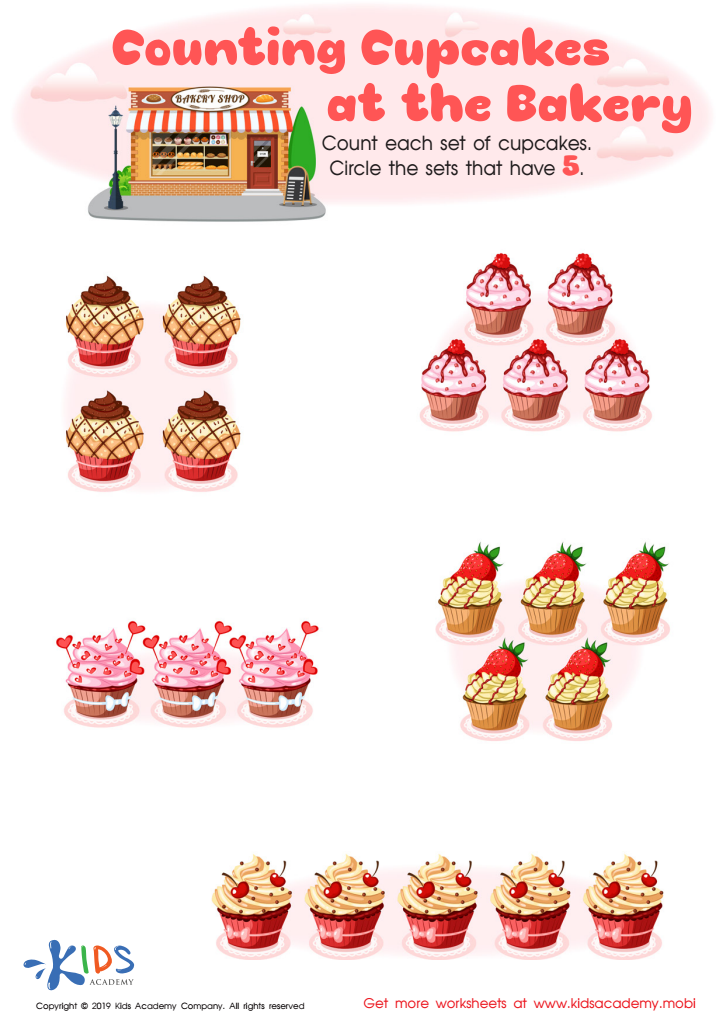
Counting Cupcakes Worksheet
 Assign to My Students
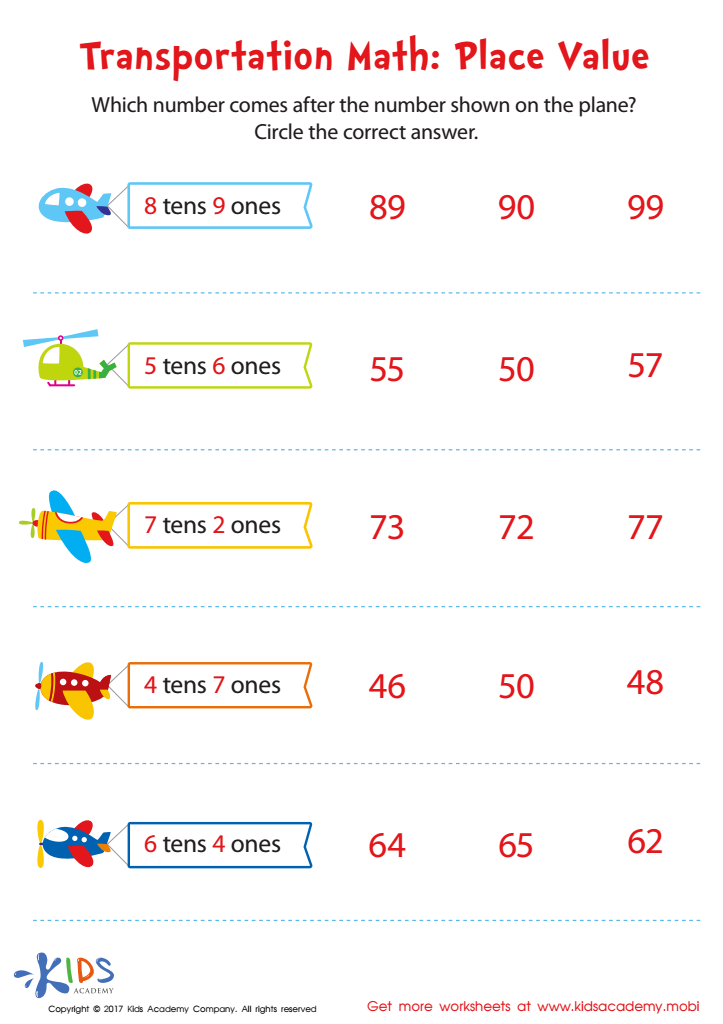
Transportation Math Printable
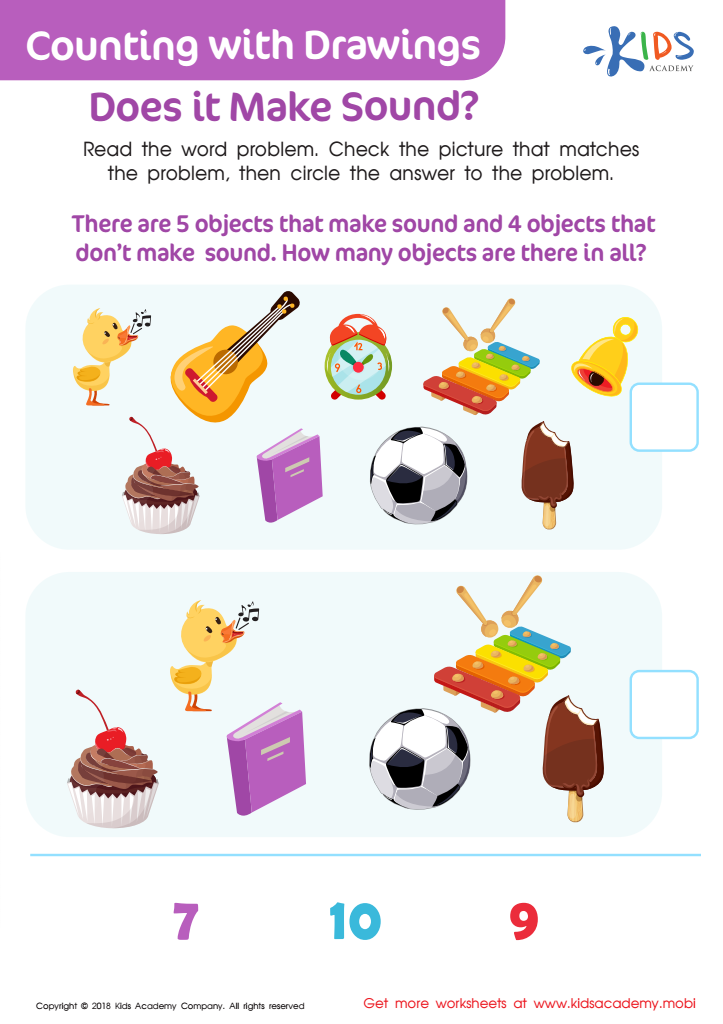
Counting With Drawings. Does It Make Sound? Worksheet
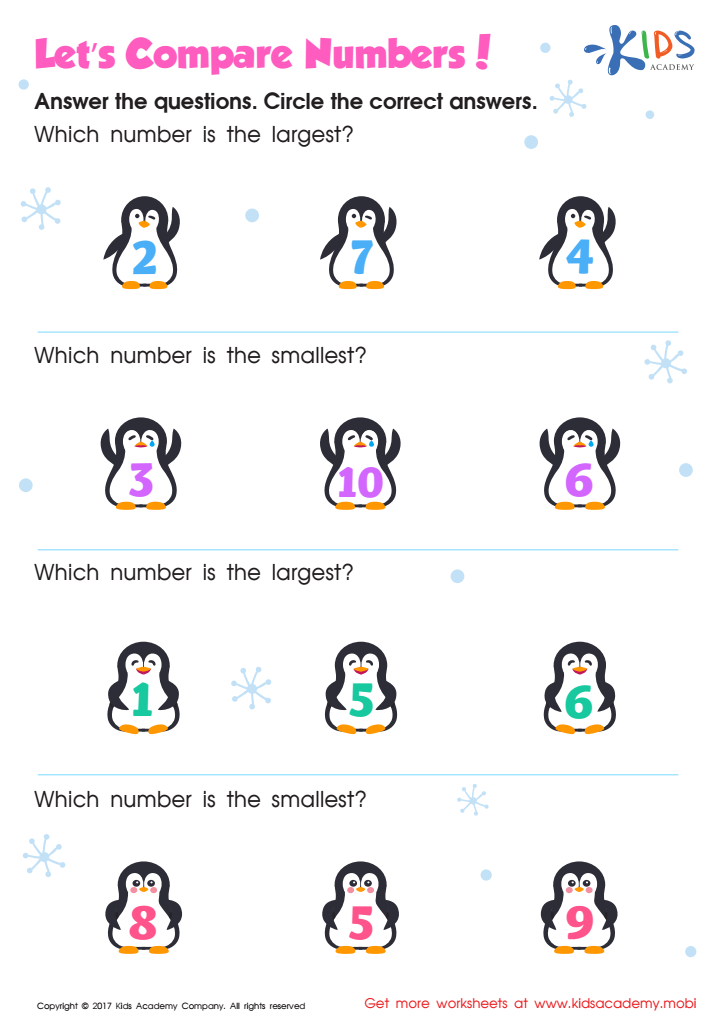
Comparing Numbers 1–10 Worksheet Kindergarten
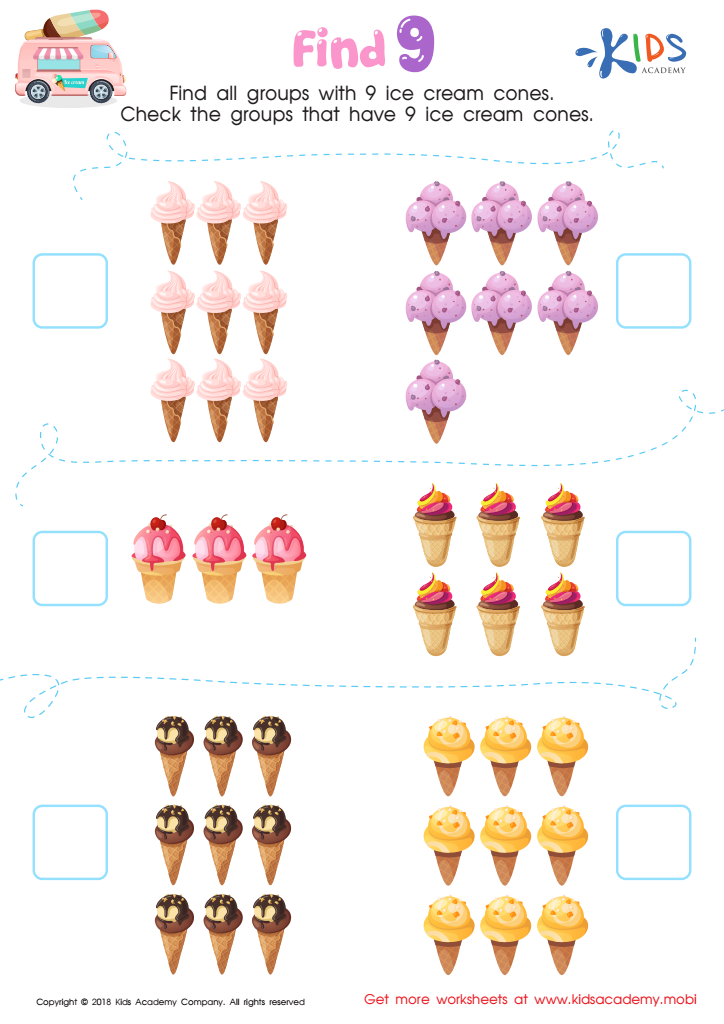
Find 9 Worksheet
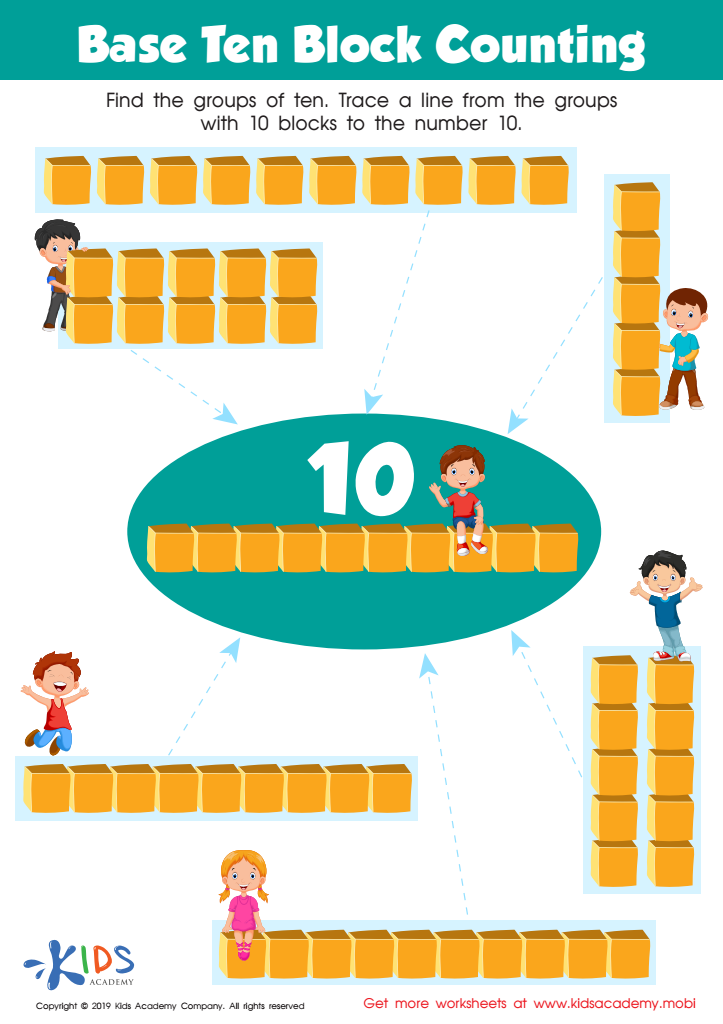
Base Ten Block Counting Worksheet
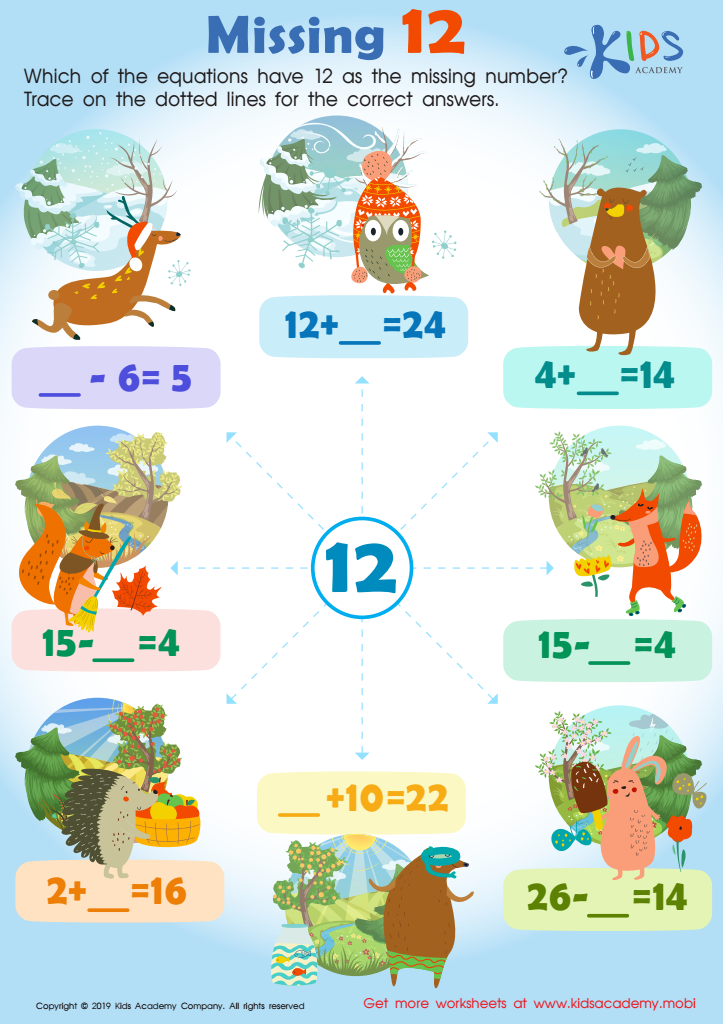
Missing 12 Worksheet
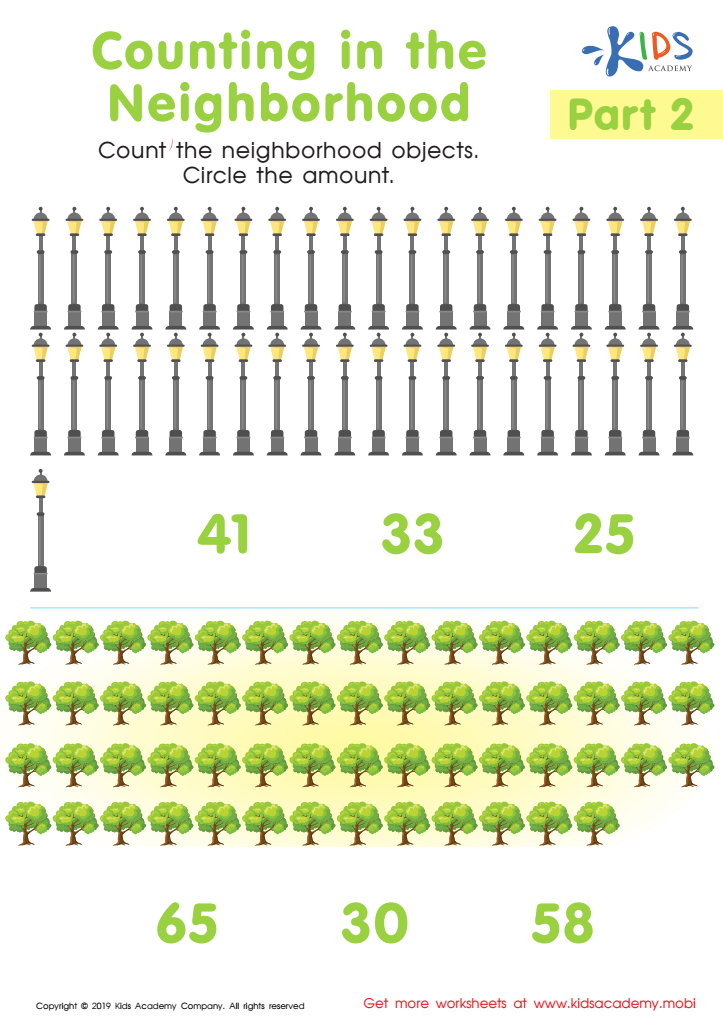
Counting In The Neighborhood Part 2 Worksheet
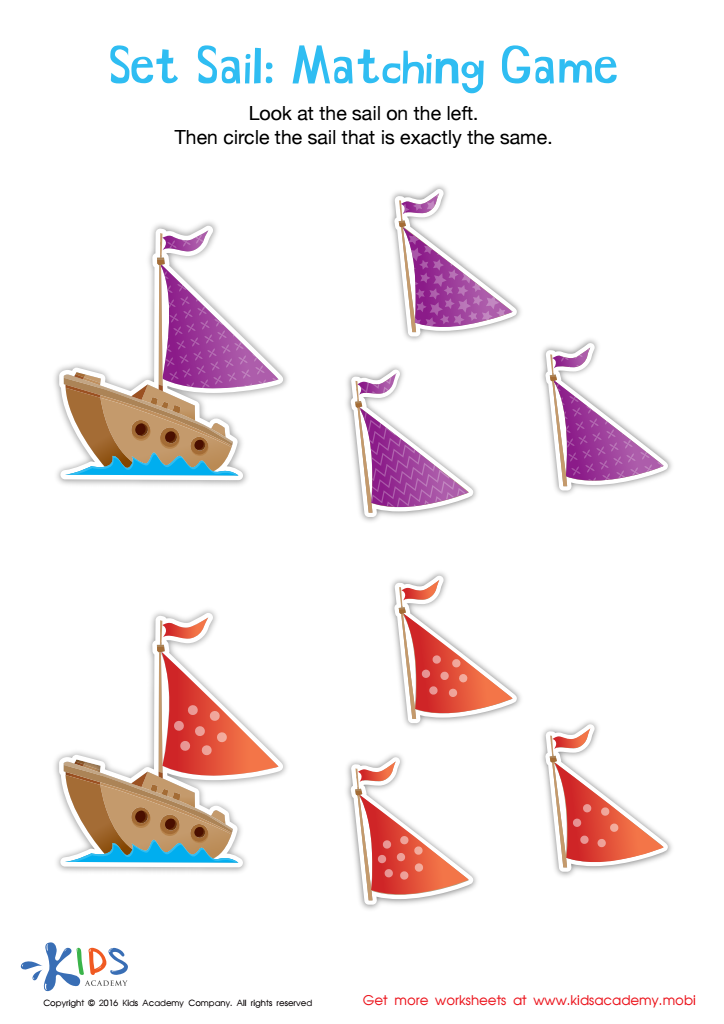
Set Sail Worksheet
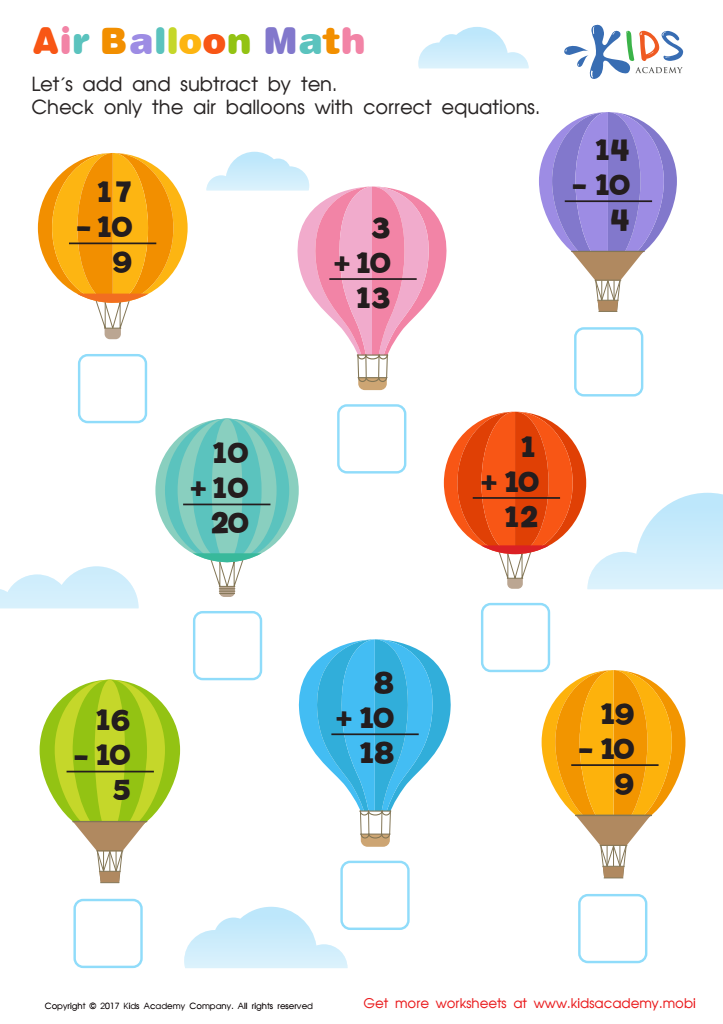
Air Balloon Math Worksheet
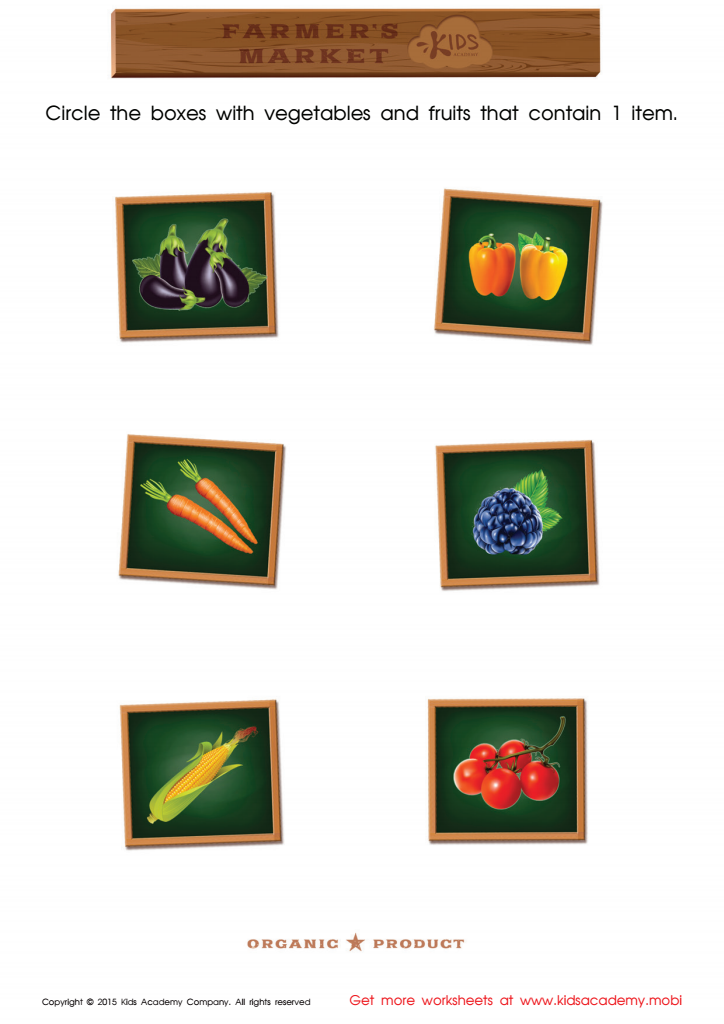
Count and Match Boxes with Vegetables
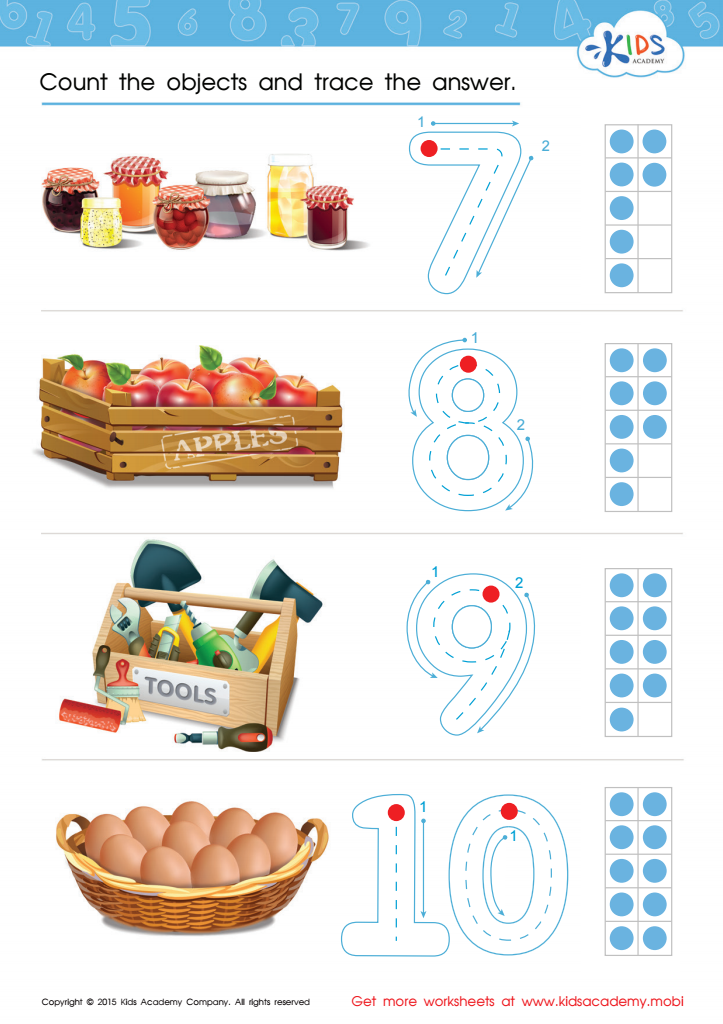
Count and Trace 7 – 10 Worksheet
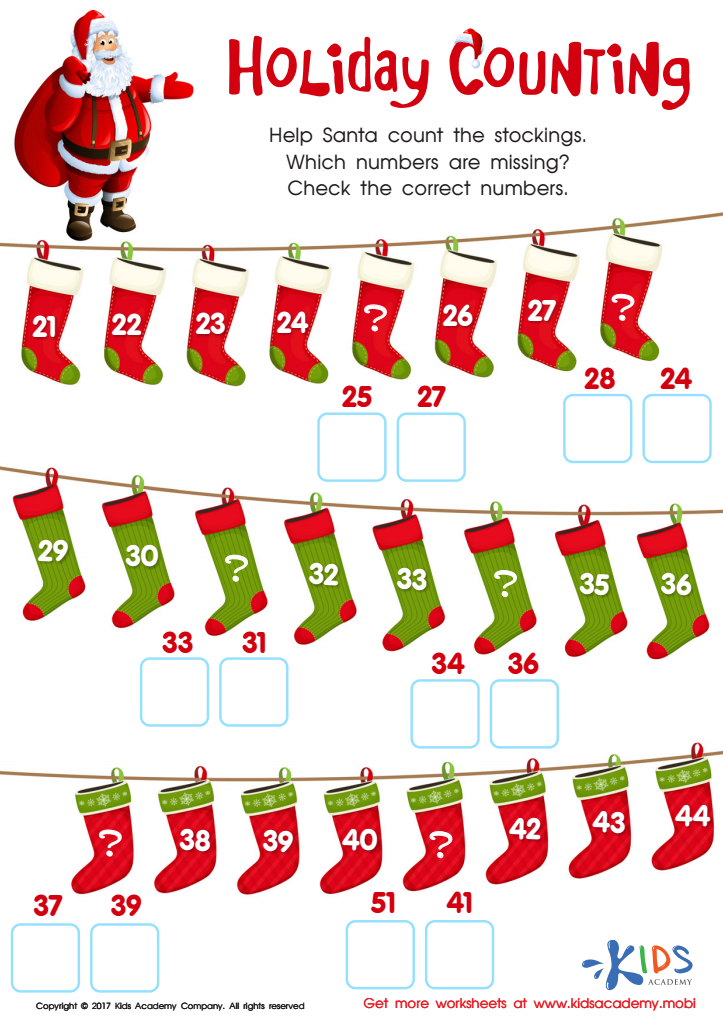
Holiday Counting Worksheet
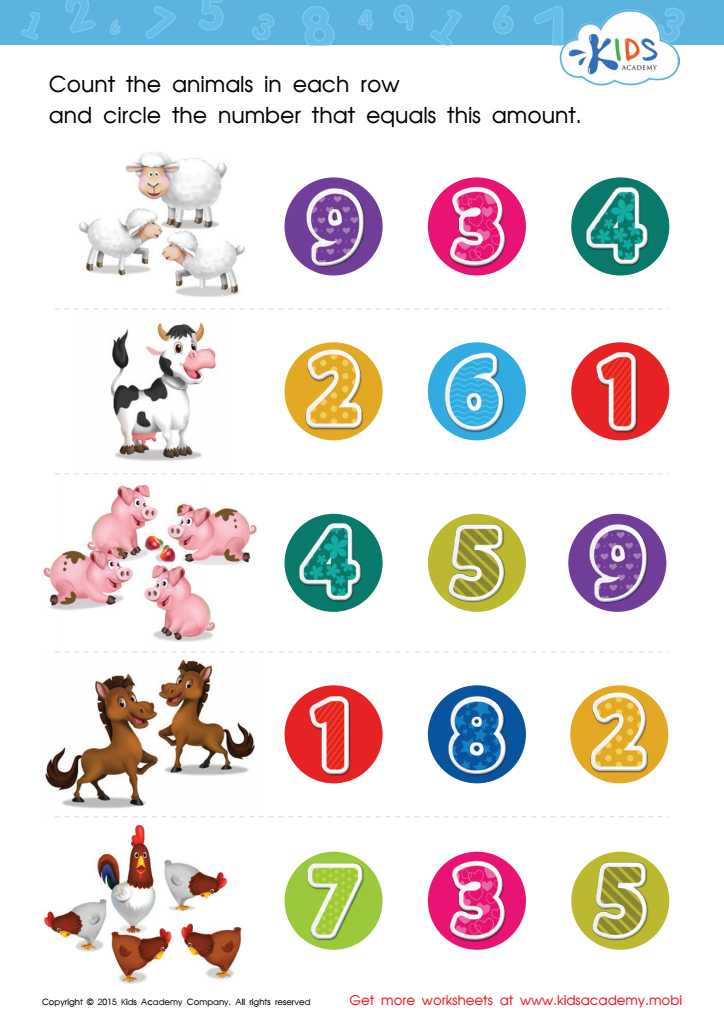
Count and Match 1 – 5 Math Worksheet
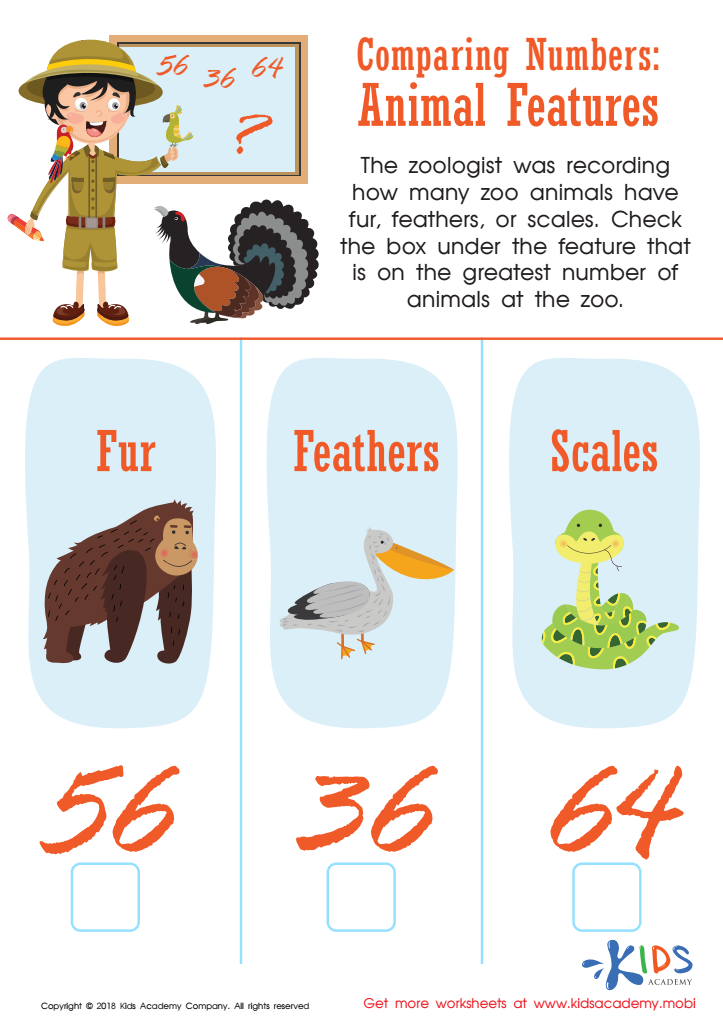
Animal Features Worksheet
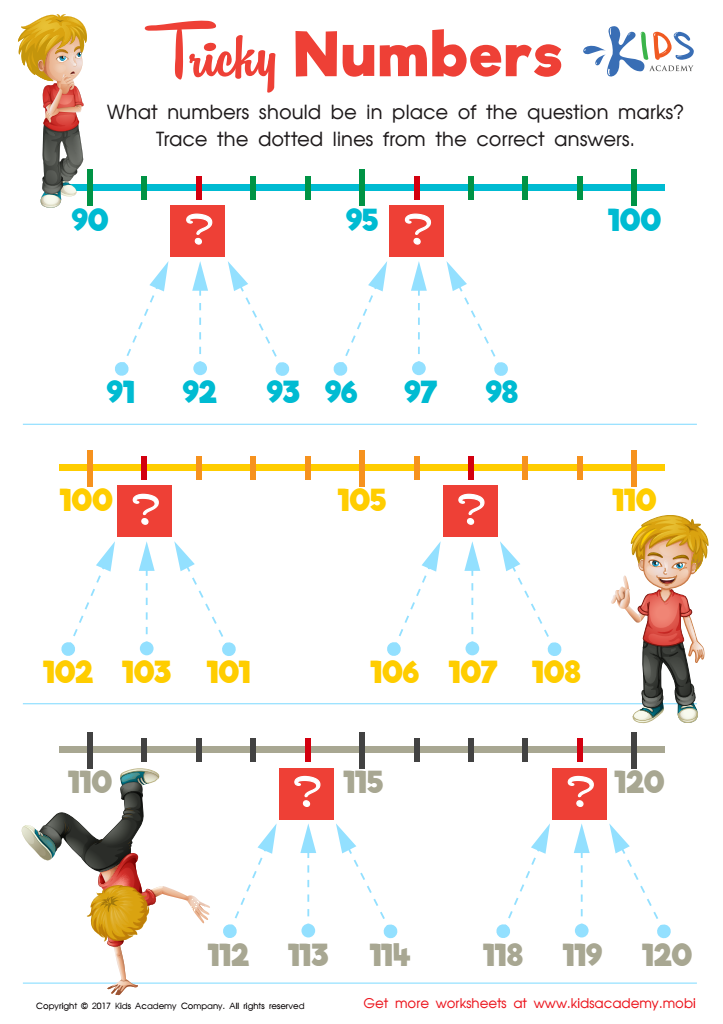
Tricky Numbers Worksheet
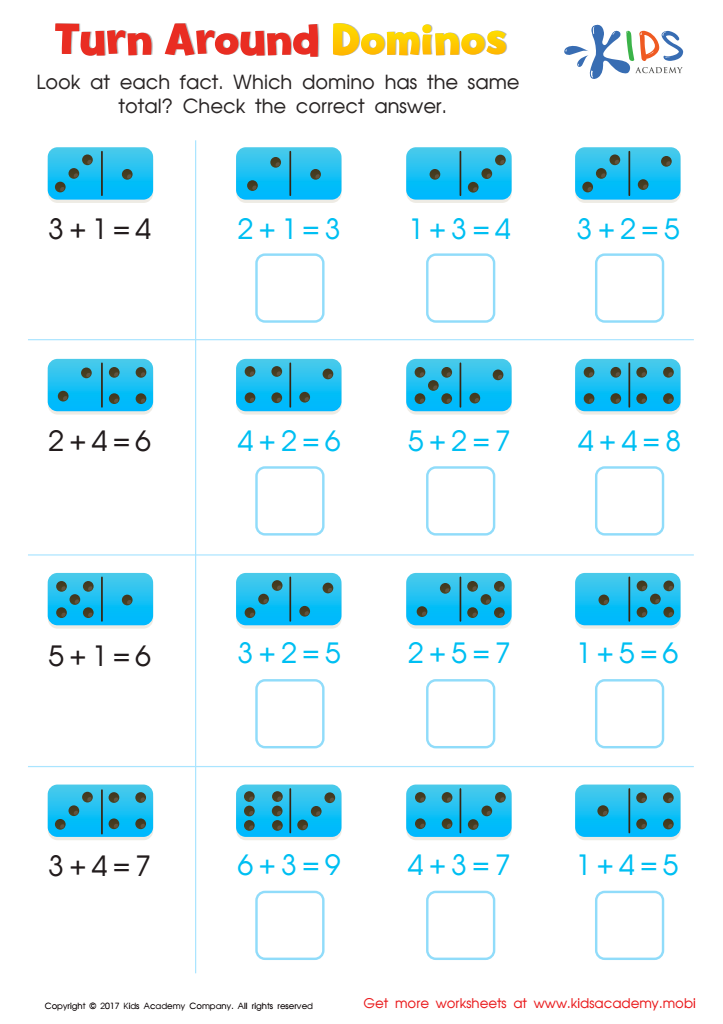
Turn Around Dominos Worksheet
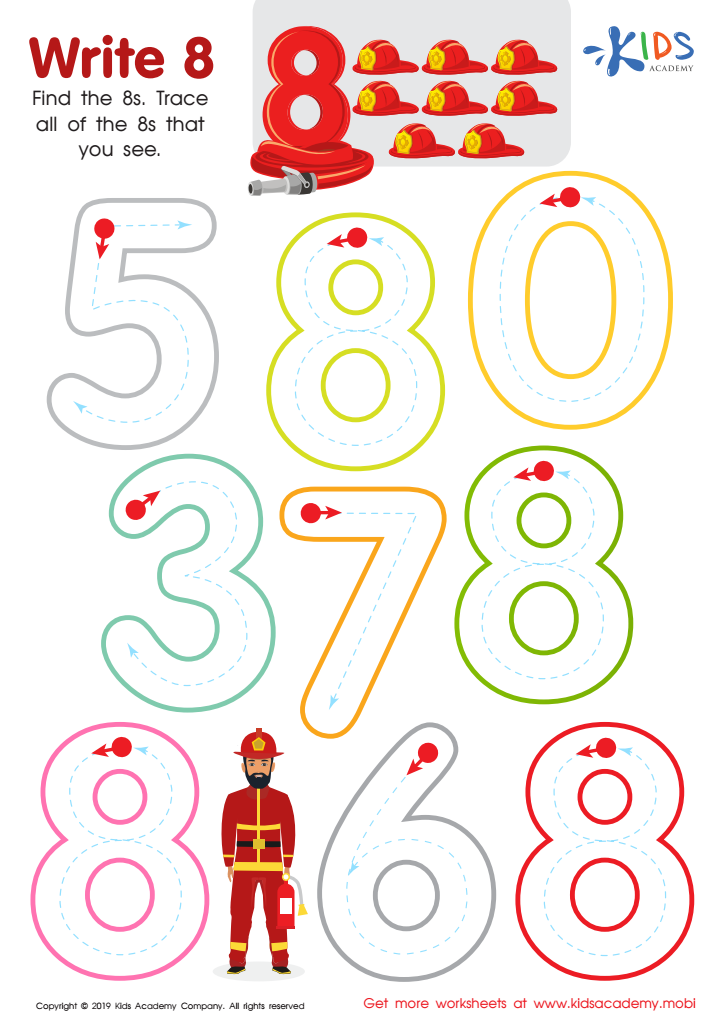
Write 8 Worksheet
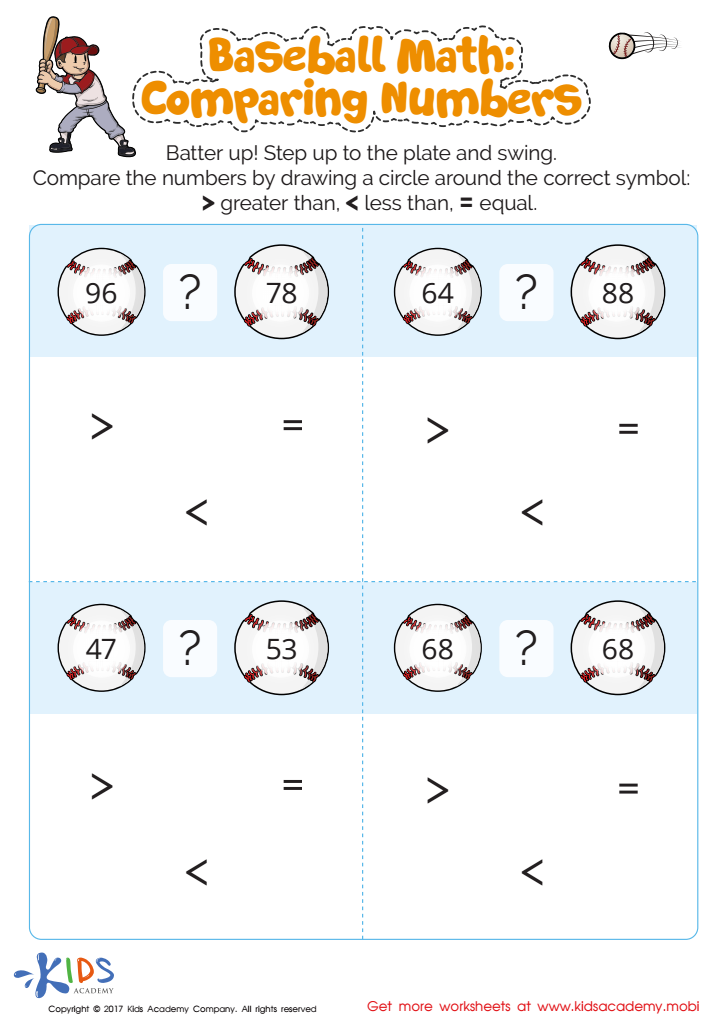
Compare Numbers Printable
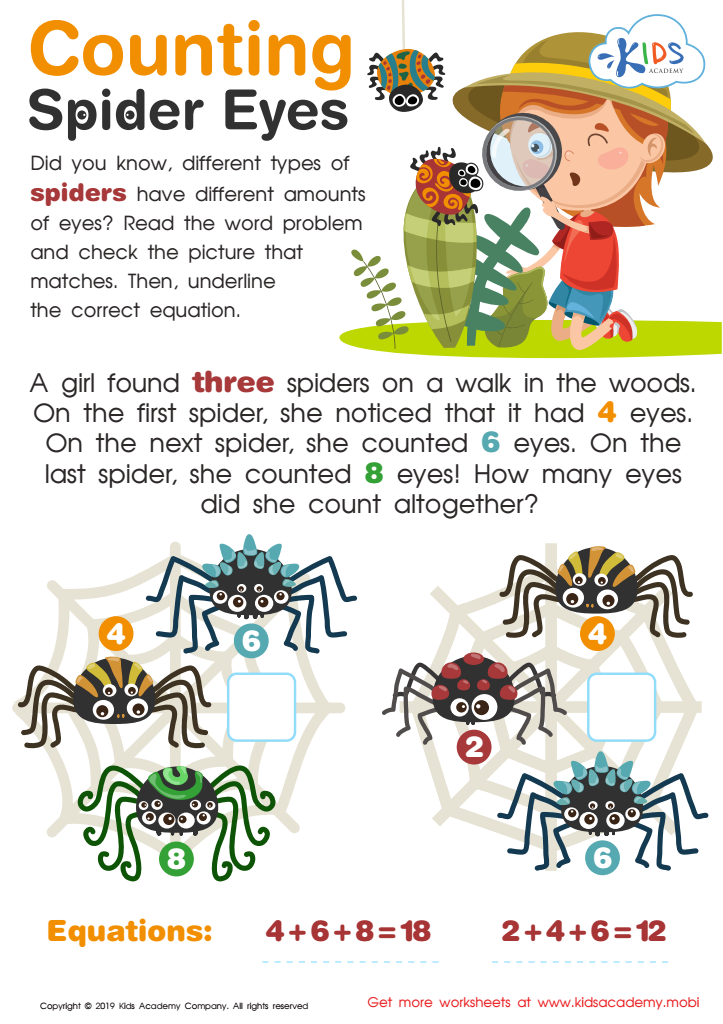
Counting Spider Eyes Worksheet
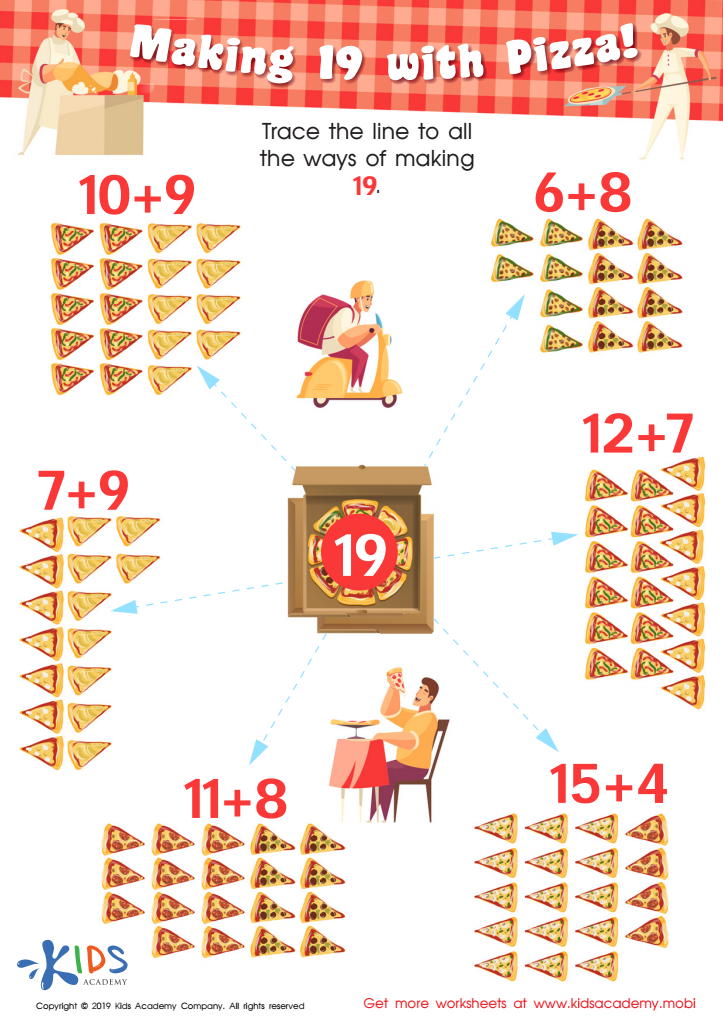
Making 19 with Pizza! Worksheet
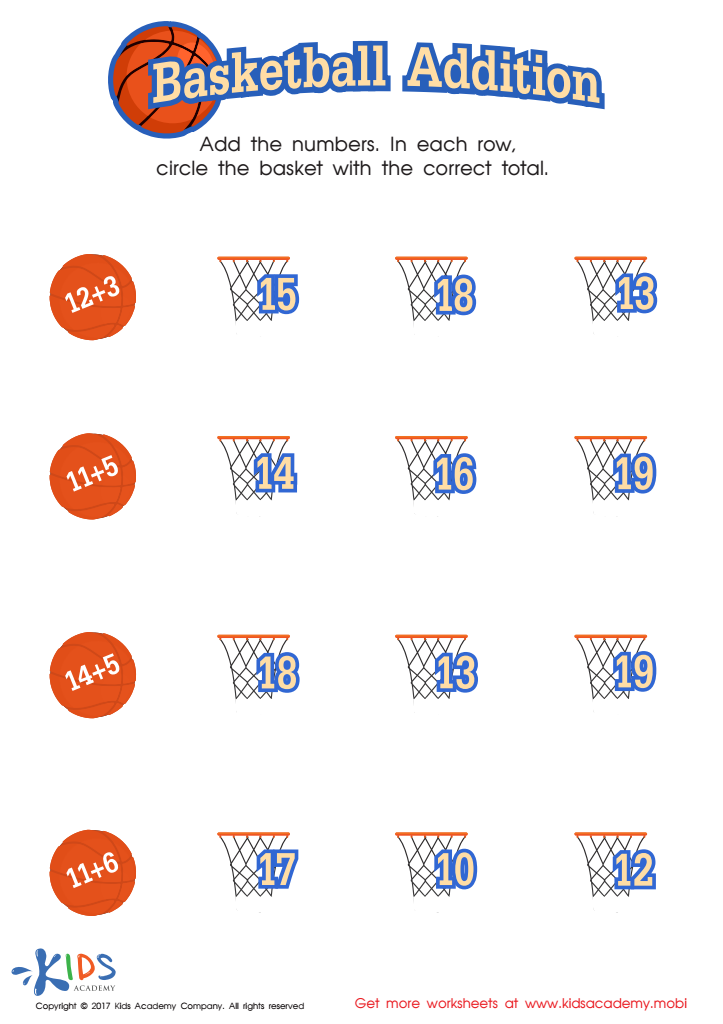
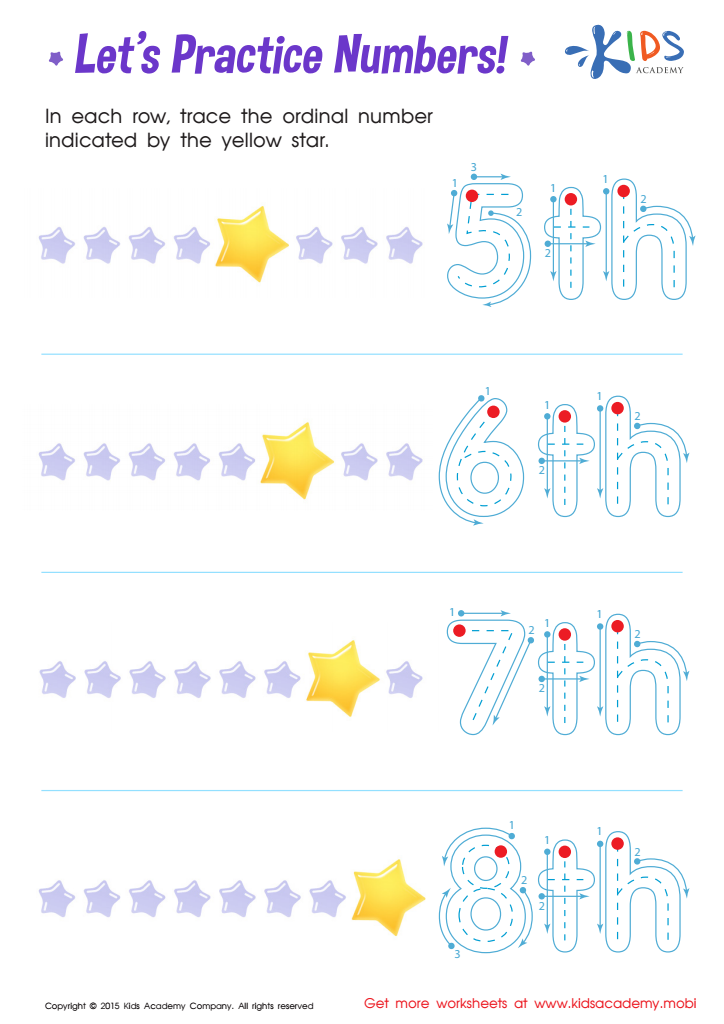
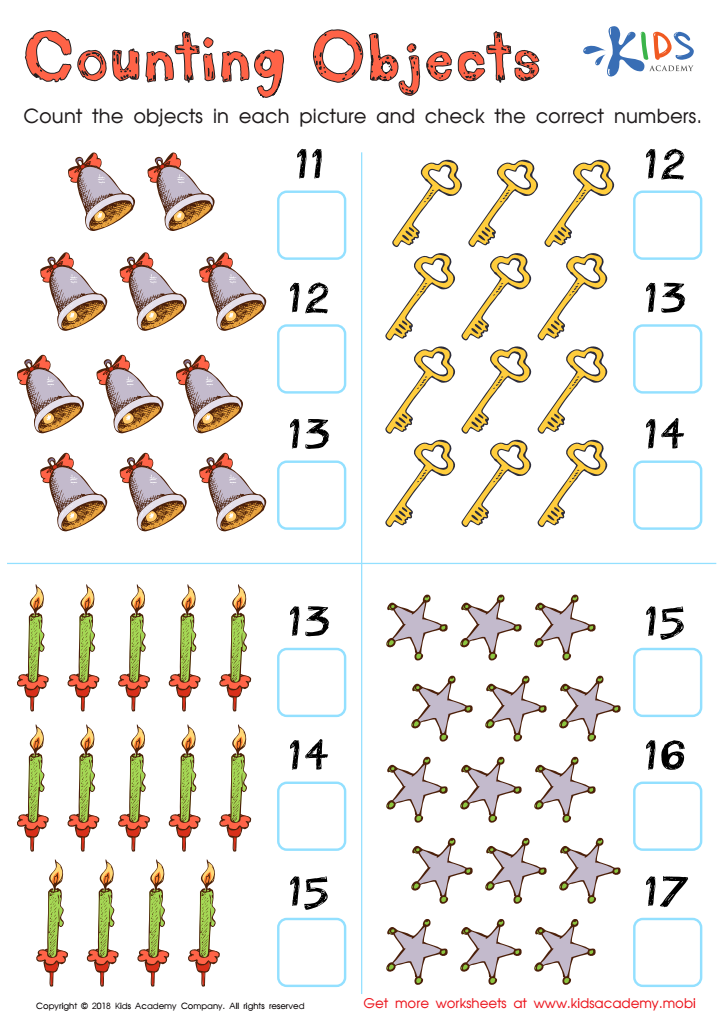
Counting Numbers Worksheet For Kindergarten







Number recognition is a foundational skill that is crucial for young children aged 5-6, as it serves as the basis for their future mathematical understanding and success. Parents and teachers should care about this skill because it plays a pivotal role in developing a child's ability to engage with numbers confidently.
Early number recognition lays the groundwork for essential mathematical concepts such as counting, addition, and subtraction. When children easily recognize numbers, they can better understand relationships between quantities, patterns, and mathematical reasoning. This proficiency helps them navigate everyday situations, from counting snacks to telling time, which enhances their problem-solving skills.
Moreover, fostering number recognition in early education can significantly influence a child’s self-esteem and attitude towards math. Children who are confident in their abilities are more likely to embrace challenges and persist in learning, setting a positive trajectory for their academic journey.
By encouraging number recognition, parents and teachers create a supportive environment that motivates children to explore and enjoy mathematics, making it a fun and engaging part of their early learning experiences. Investing in these skills now ensures that children have a strong, positive foundation for more complex mathematical concepts in the future.








