Reading Skills Normal Worksheets for Ages 5-8
25 filtered results
-
From - To
Enhance your child's reading abilities with our specially designed worksheets for ages 5-8. Our Reading Skills Normal Worksheets offer engaging and interactive activities that promote literacy and comprehension. Children will enjoy diverse exercises, including word recognition, phonics practice, and reading comprehension tasks tailored to their developmental level. These worksheets encourage critical thinking and help foster a love for reading through fun and playful learning experiences. Perfect for both classroom and home use, our resources support early learners in building confidence and fluency in reading. Explore our extensive collection and watch your child thrive as they develop essential reading skills!
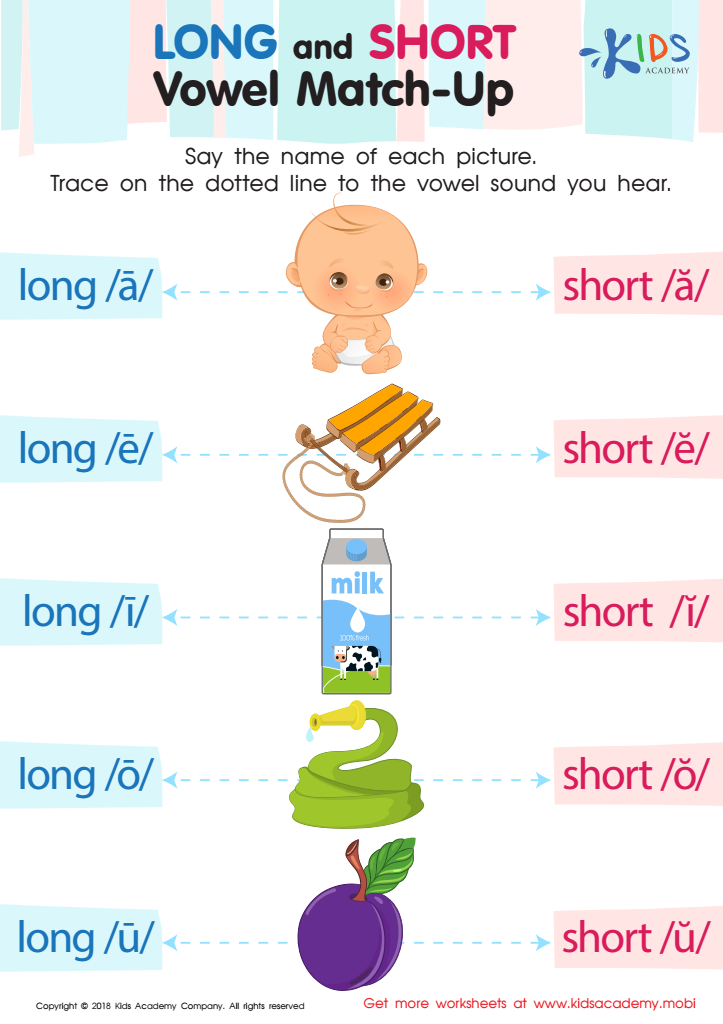
Long and Short Vowel Match up Reading Worksheet
 Assign to My Students
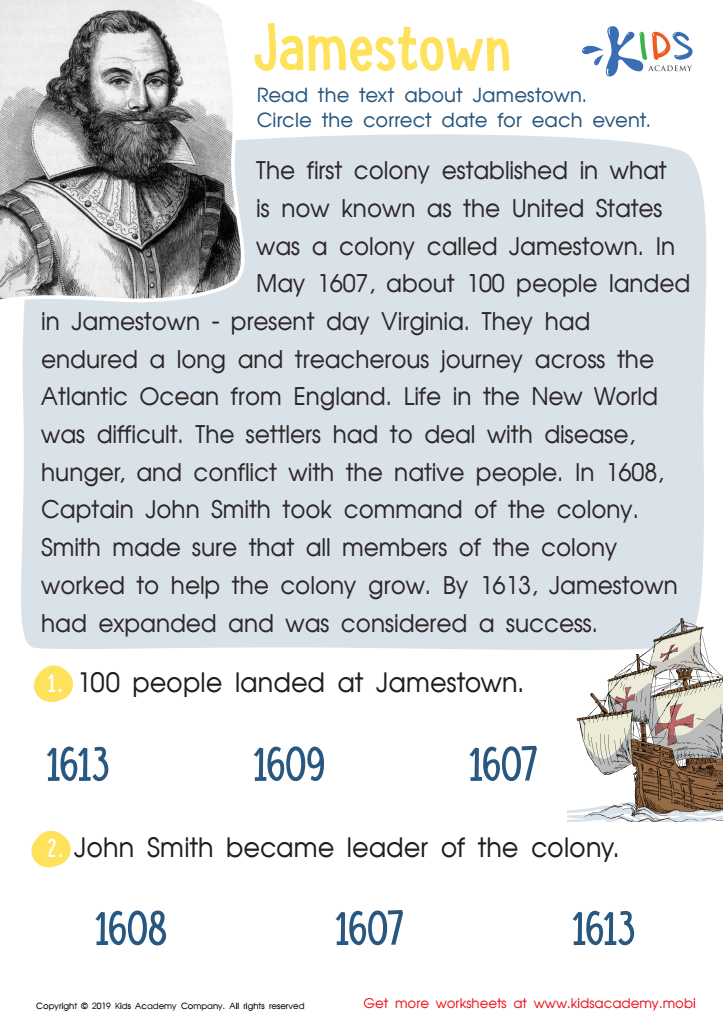
Jamestown Worksheet
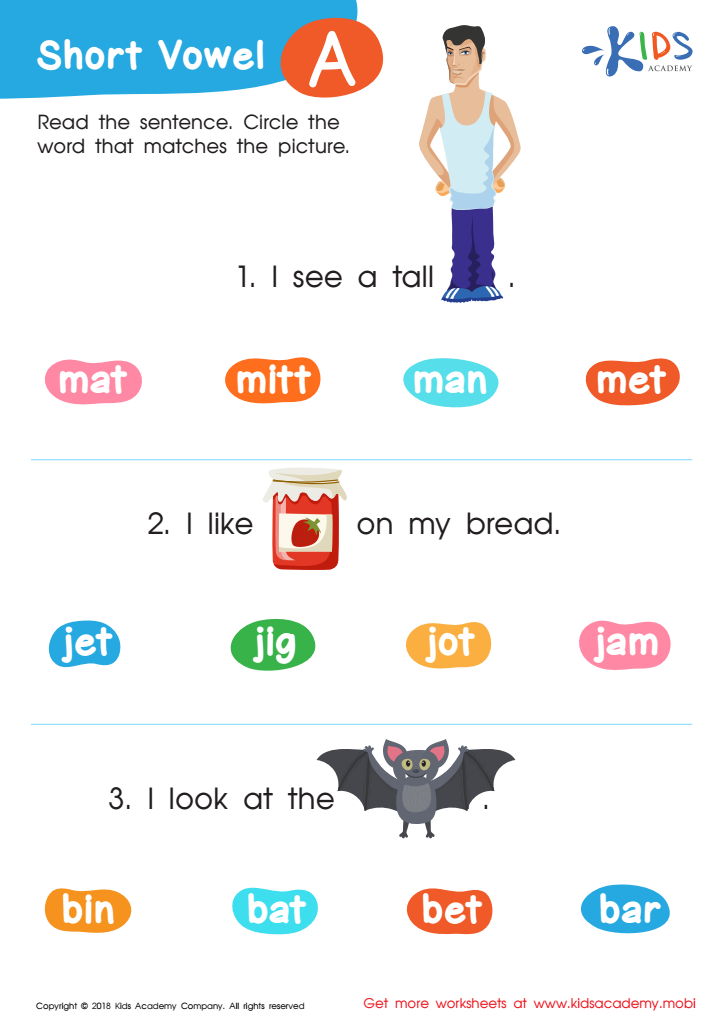
Short Vowel /a/ Worksheet
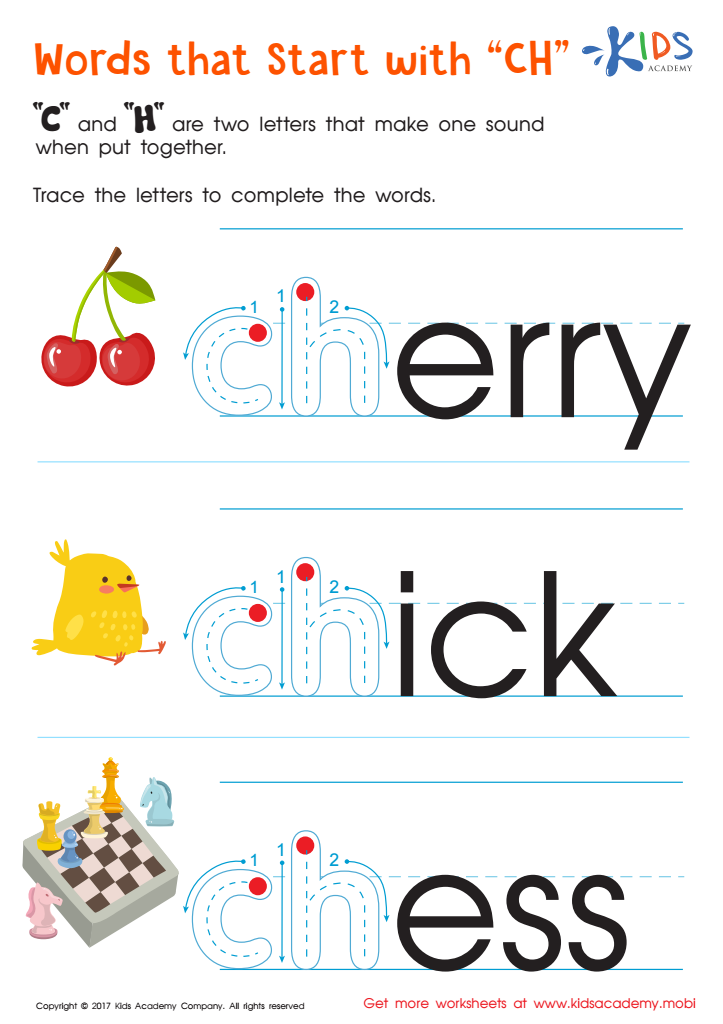
Words That Start with "ch" Spelling Worksheet
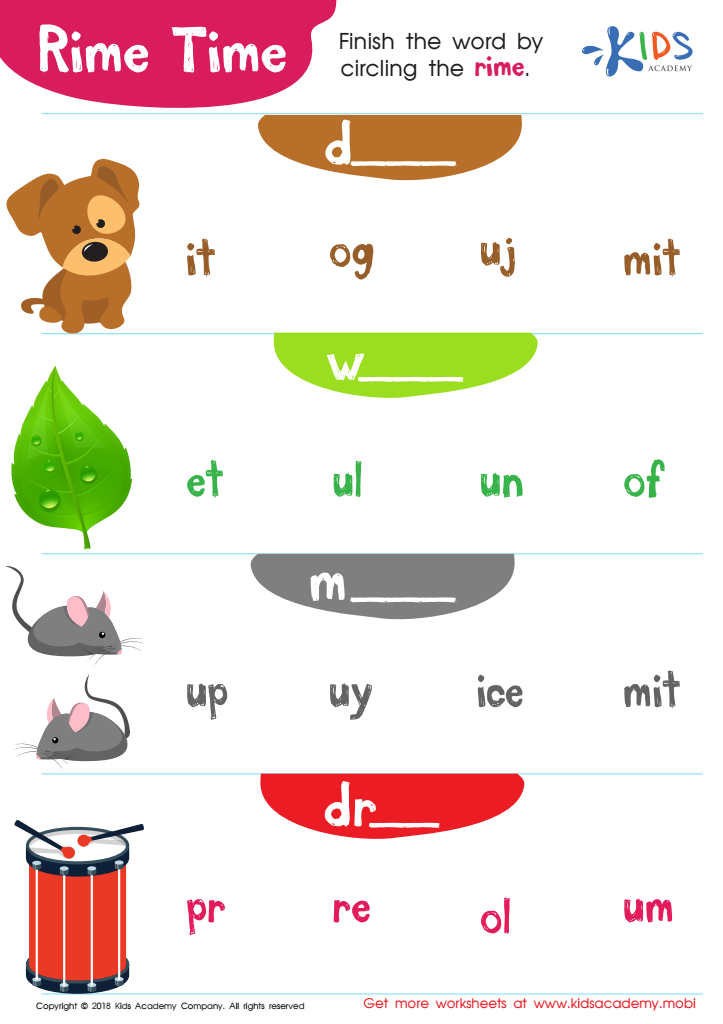
Rime Time Worksheet
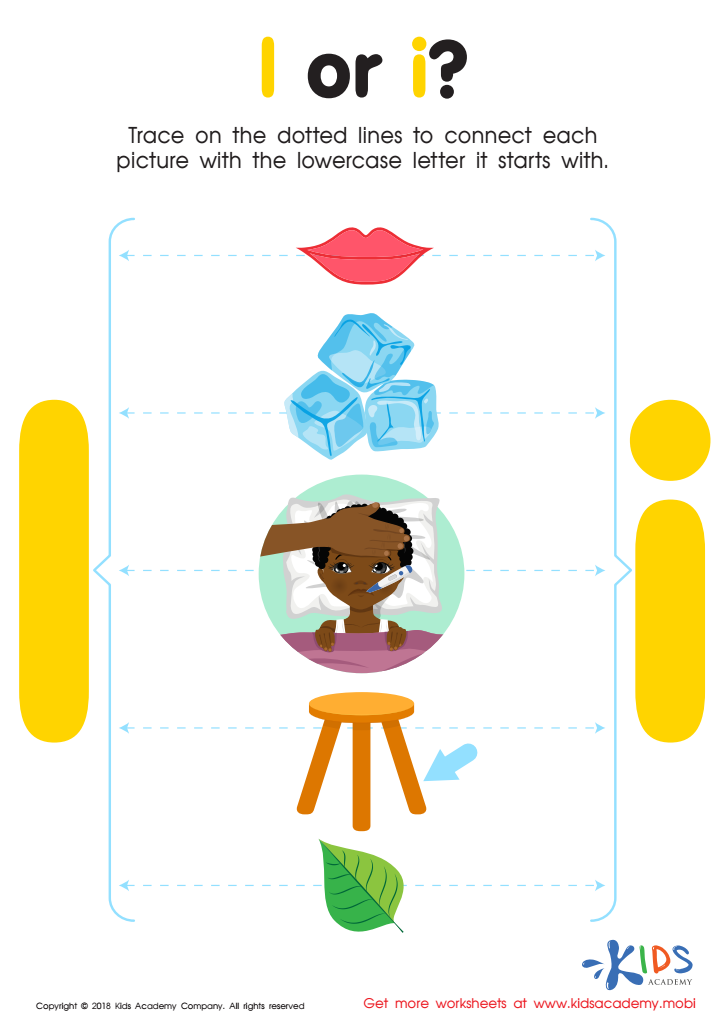
l or i? Worksheet
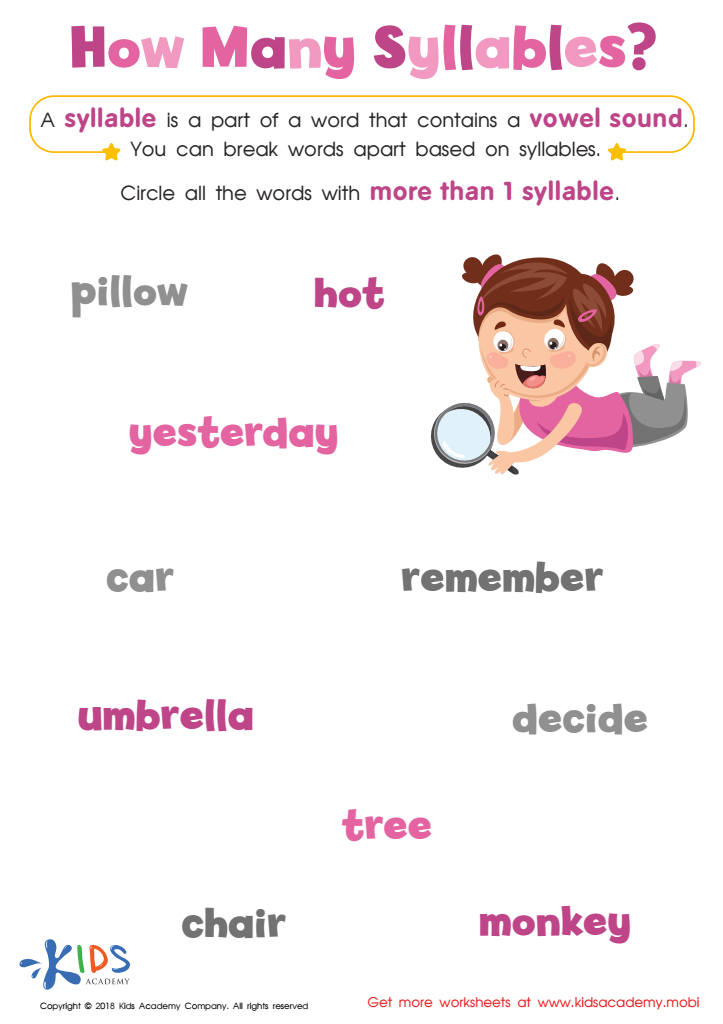
Reading: How Many Syllables Worksheet
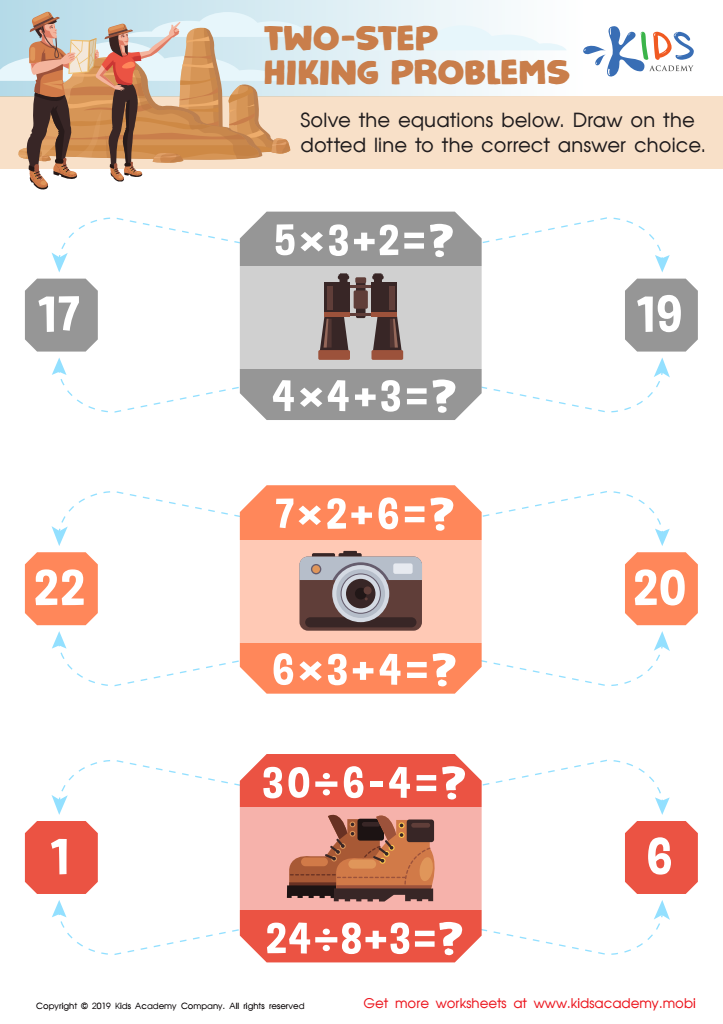
Two-Step Hiking Problems Worksheet
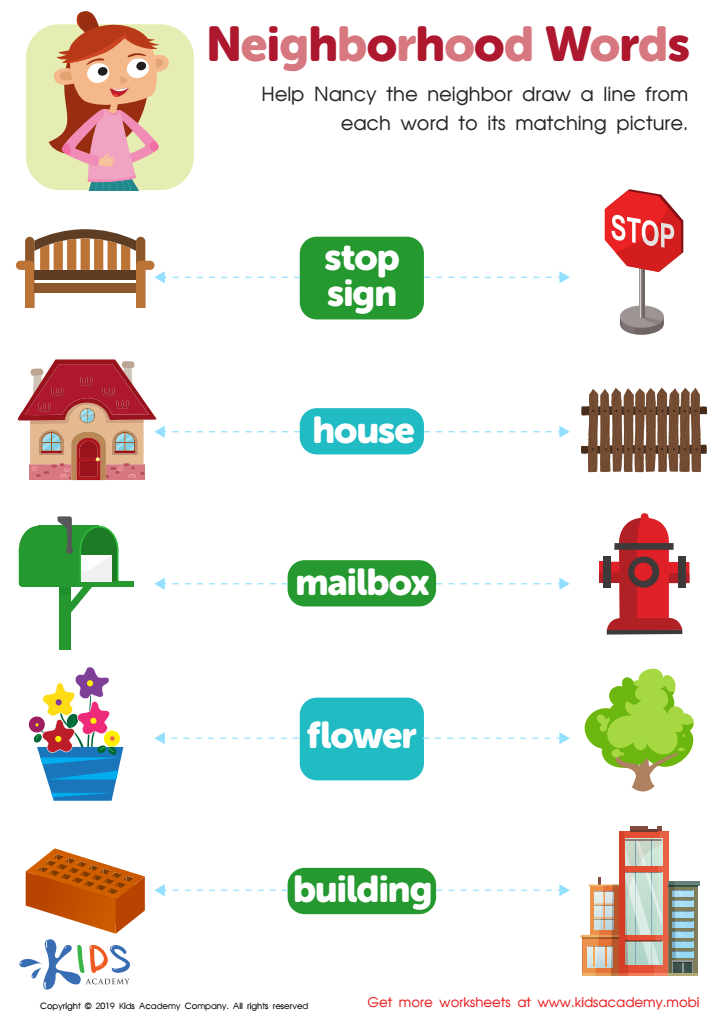
Neighborhood Words Worksheet
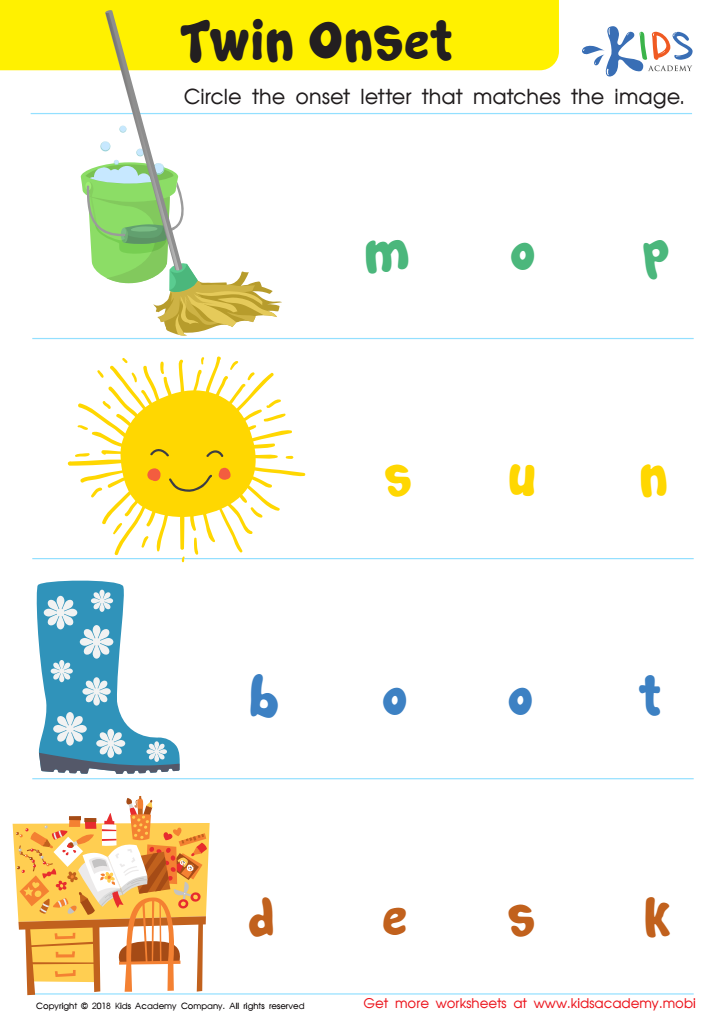
Twin Onset Worksheet
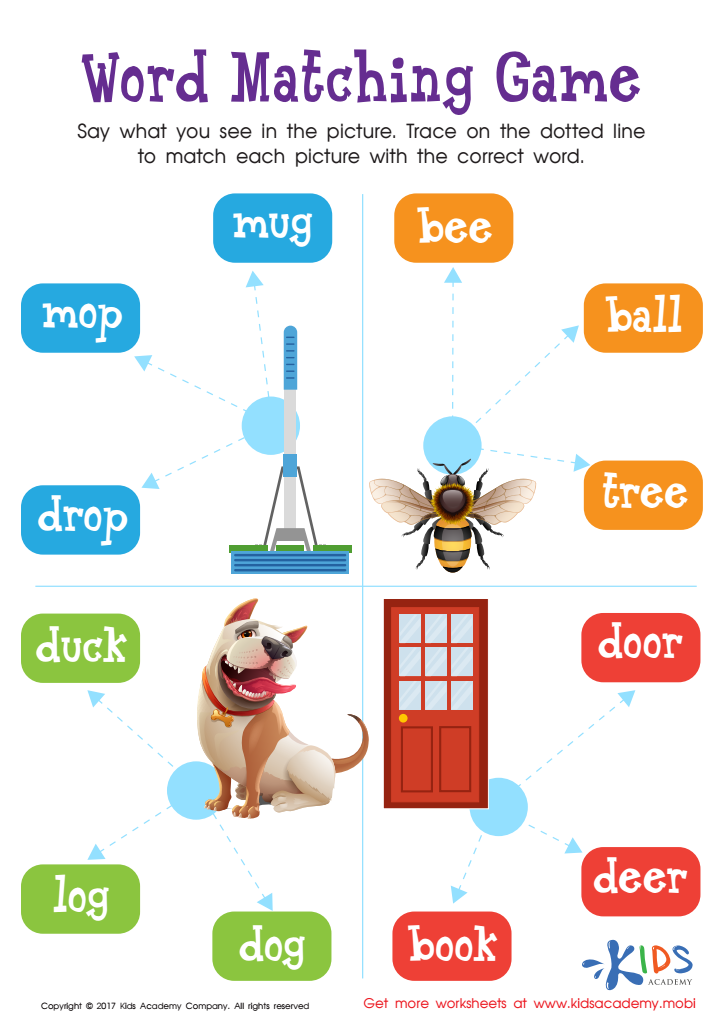
Word Matching Game Worksheet
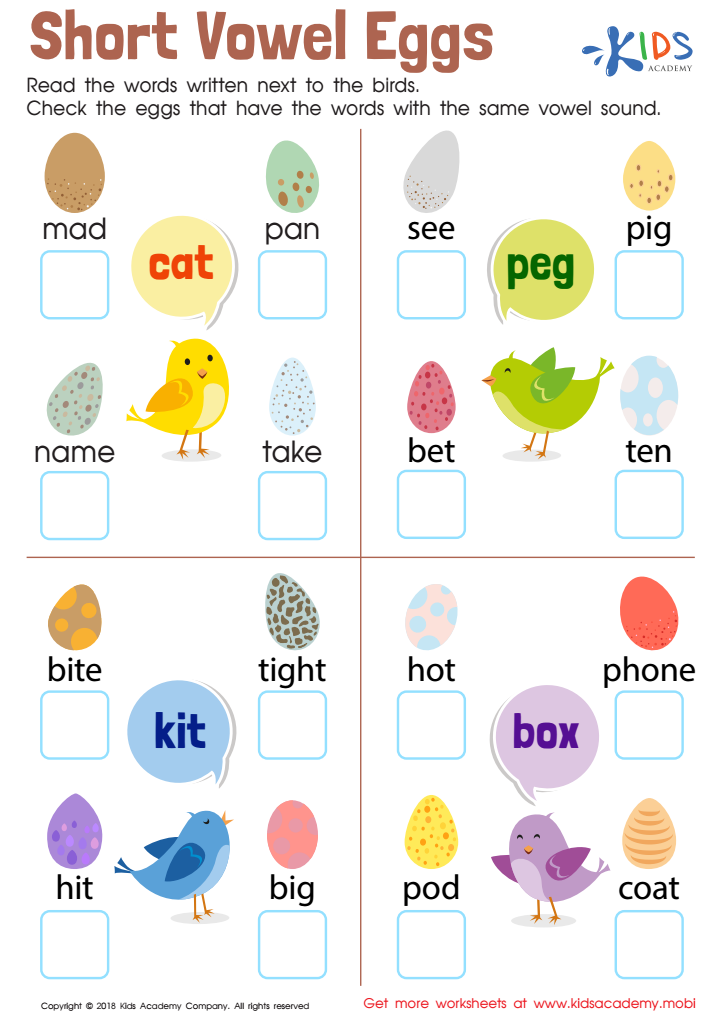
Short Vowel Eggs Worksheet
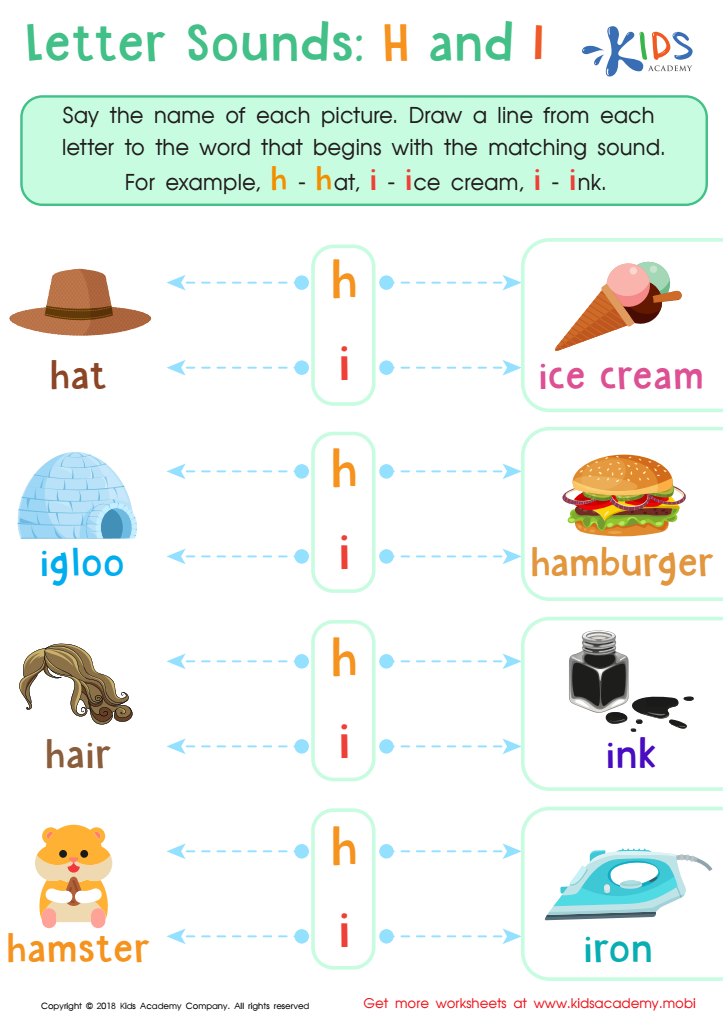
Letter H and I Sounds Worksheet
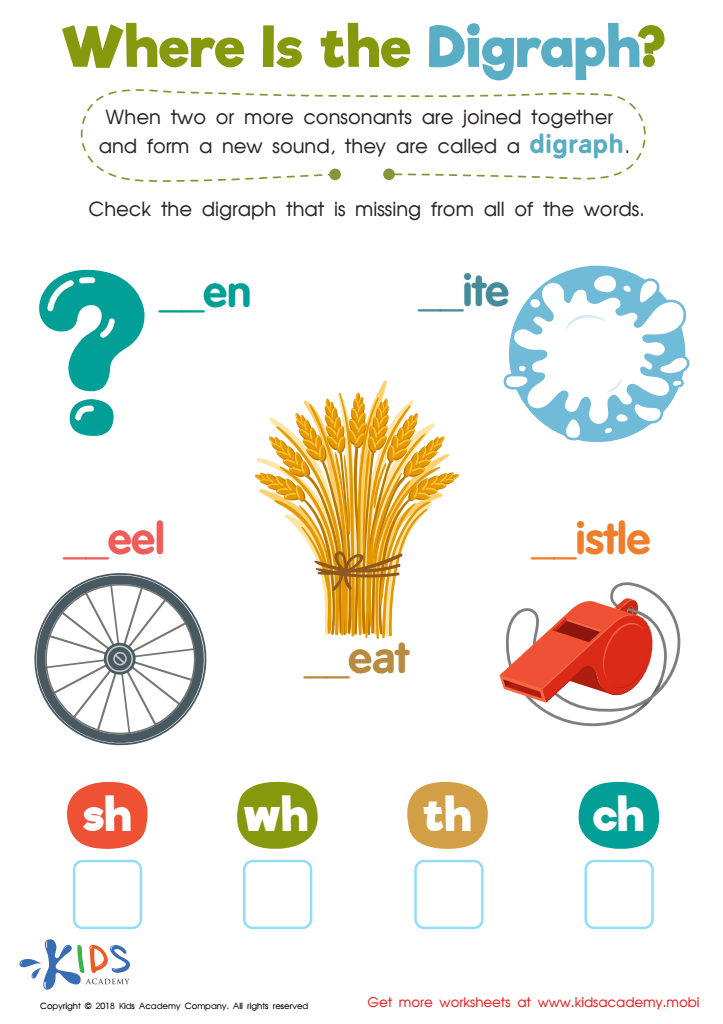
Where Is the Digraph? Worksheet
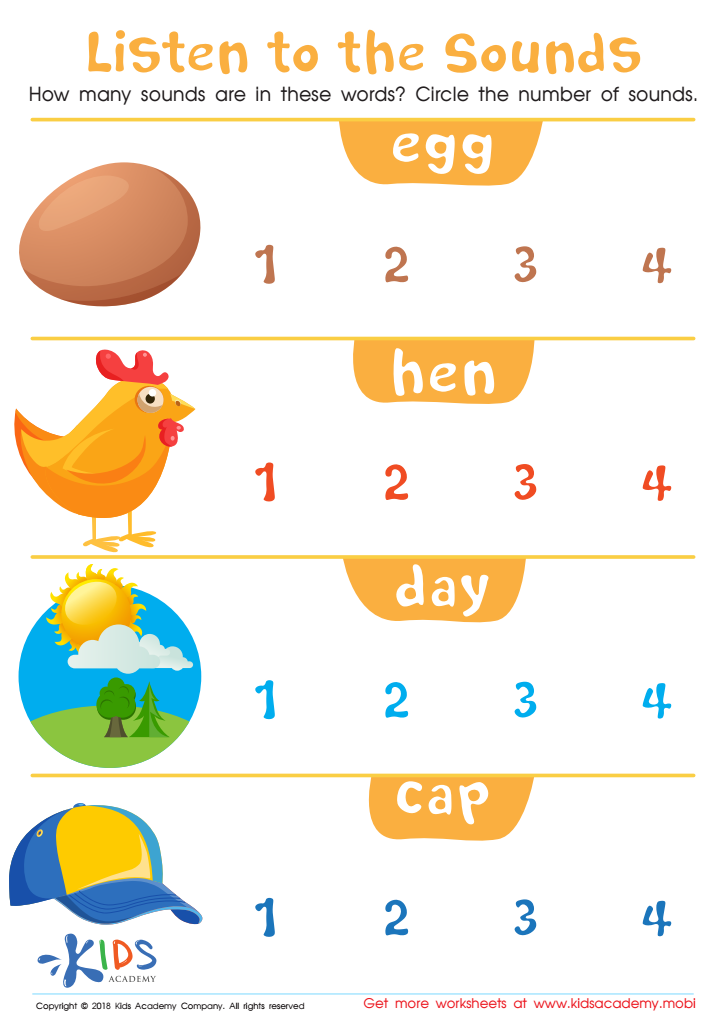
Listen to the Sounds Worksheet
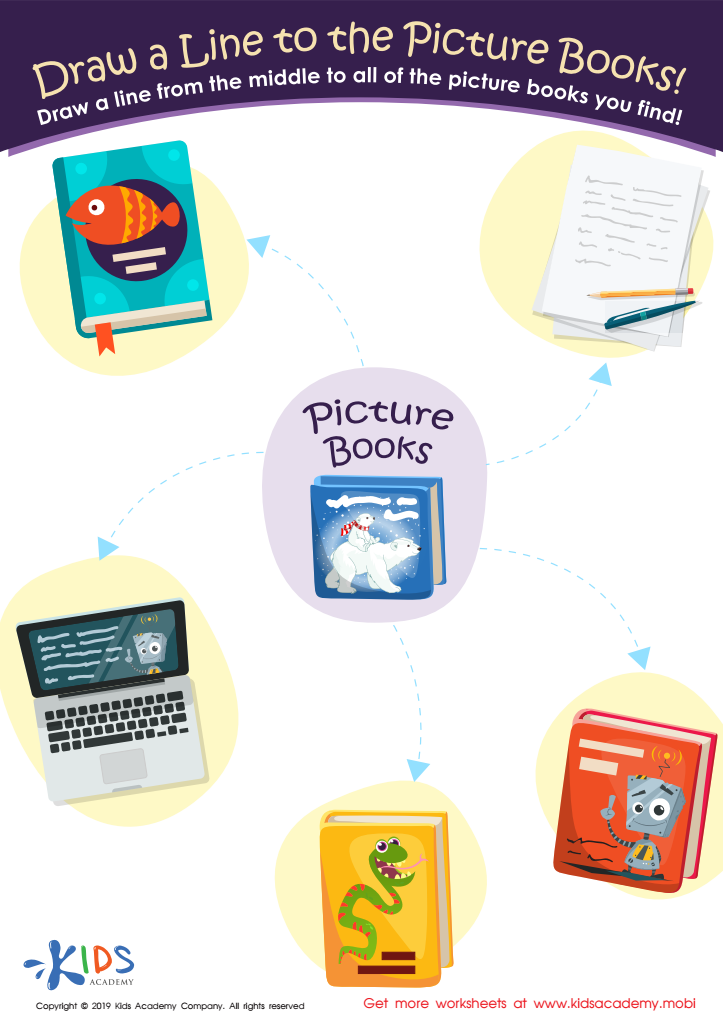
Draw a Line to the Picture Books Worksheet
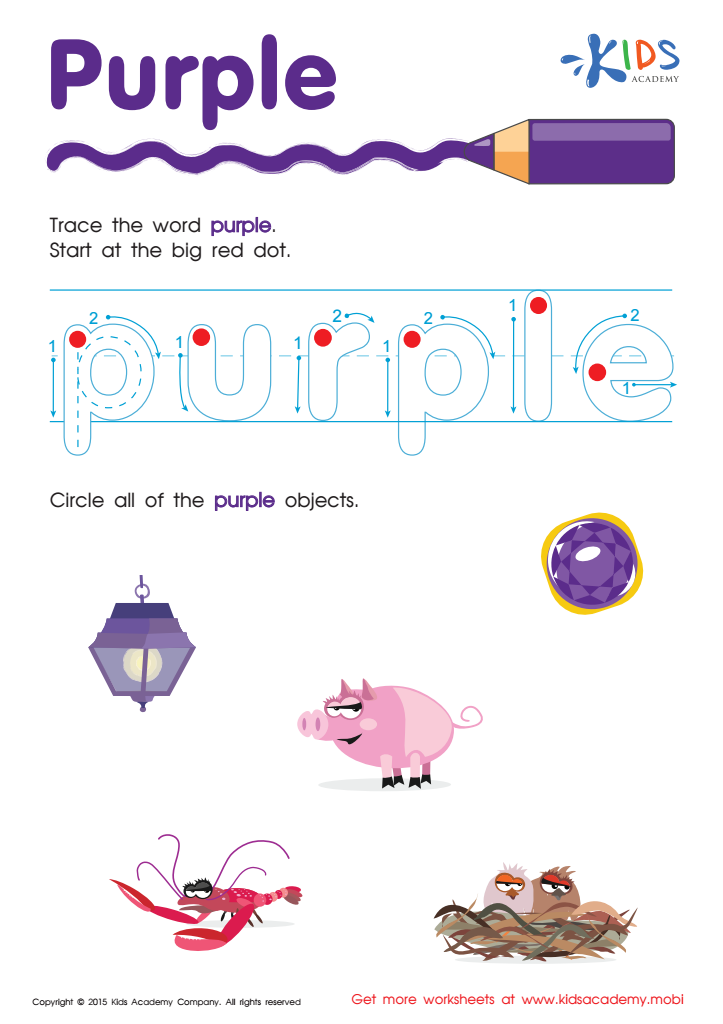
Purple Tracing Color Words Worksheet
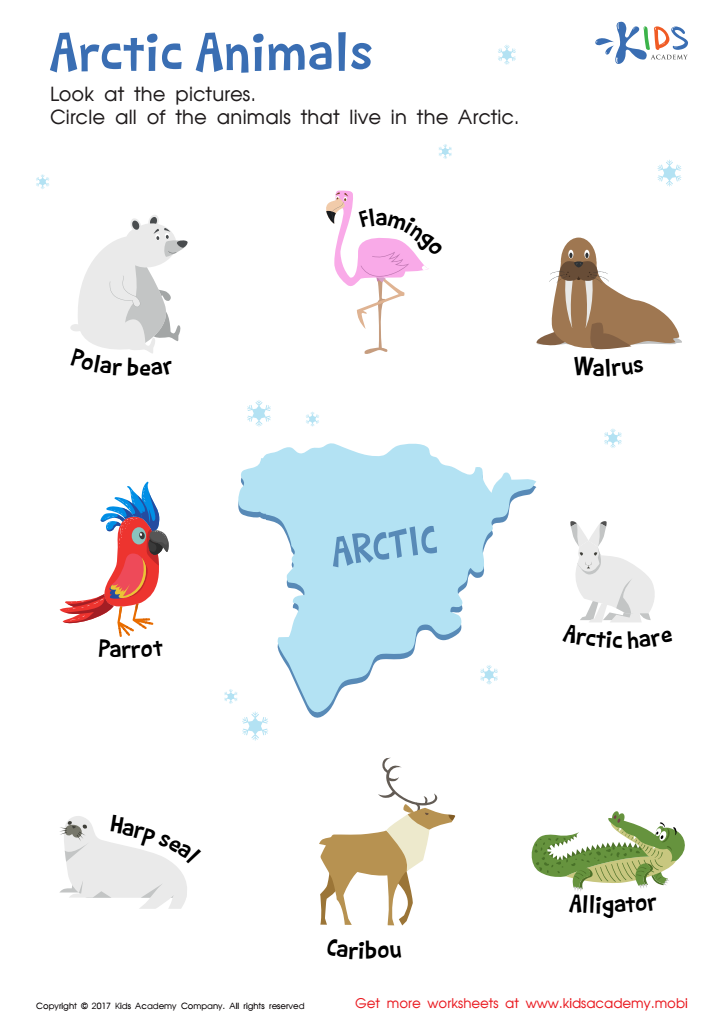
Arctic Animals Worksheet
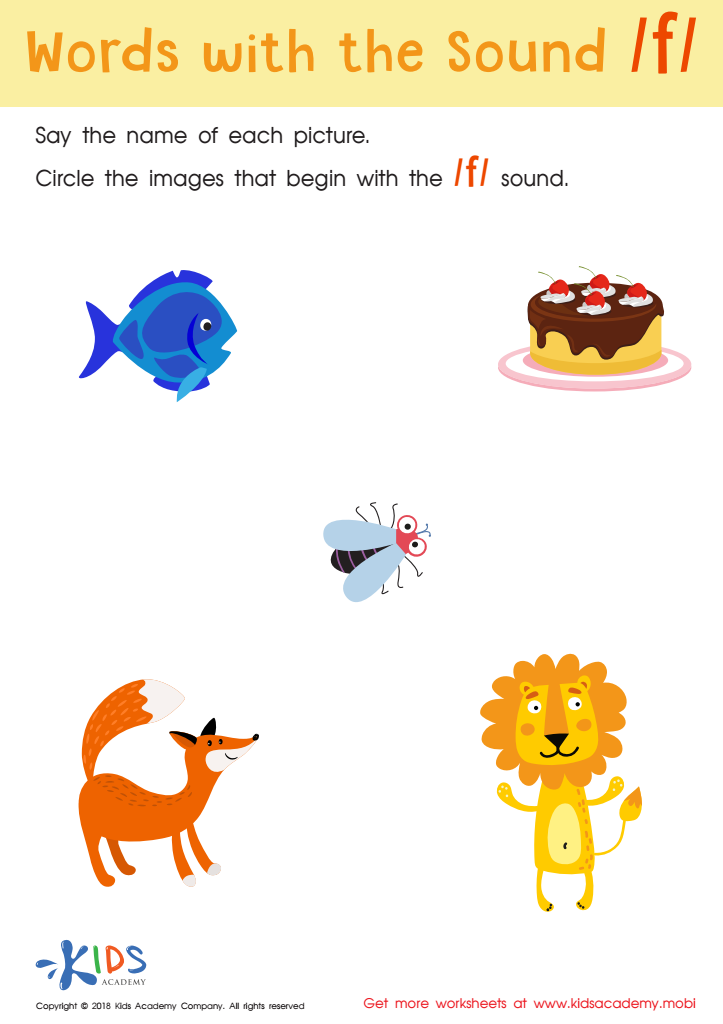
Words with sound f Reading Worksheet
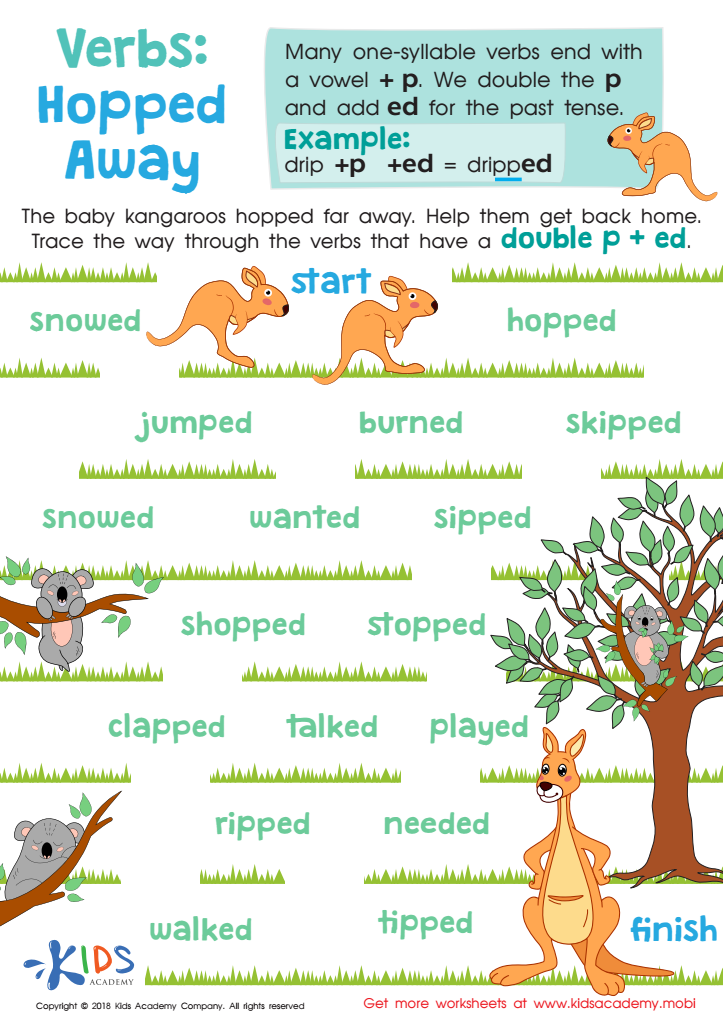
Verbs: Hopped Away Worksheet
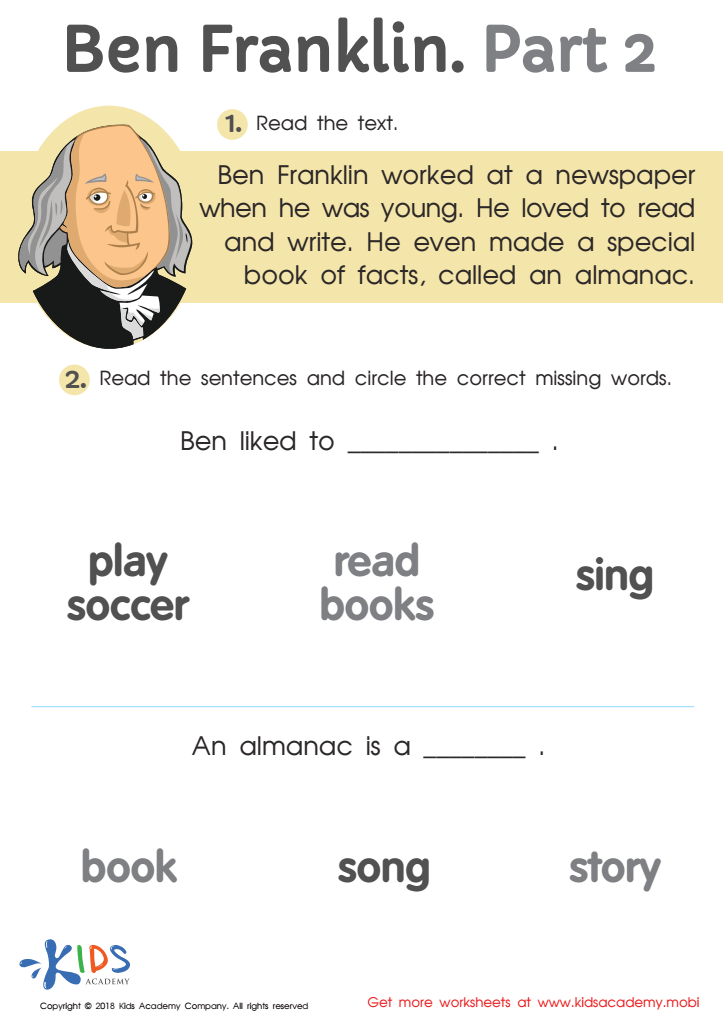
Ben Franklin Part 2 Worksheet
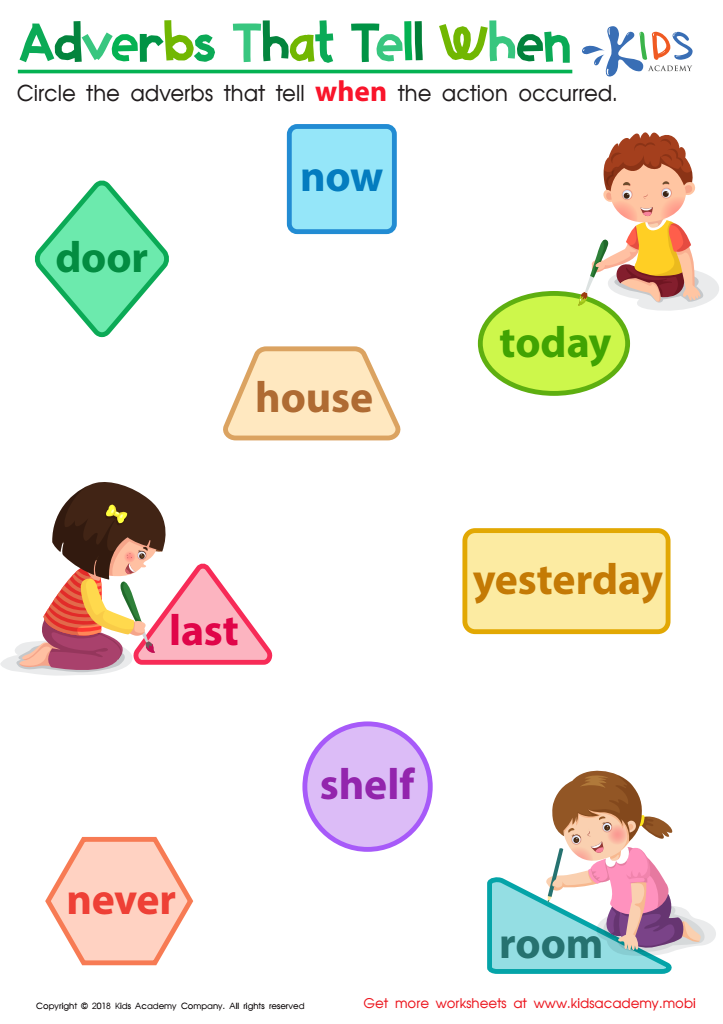
Adverbs That Tell us When Worksheet
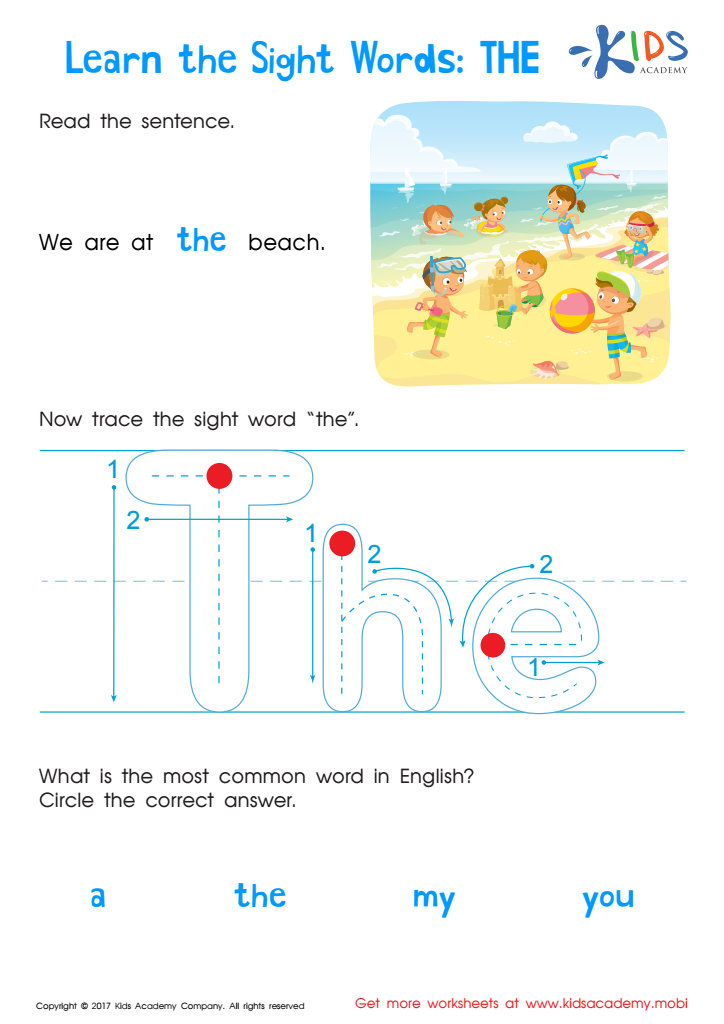
Sight Words: The Worksheet
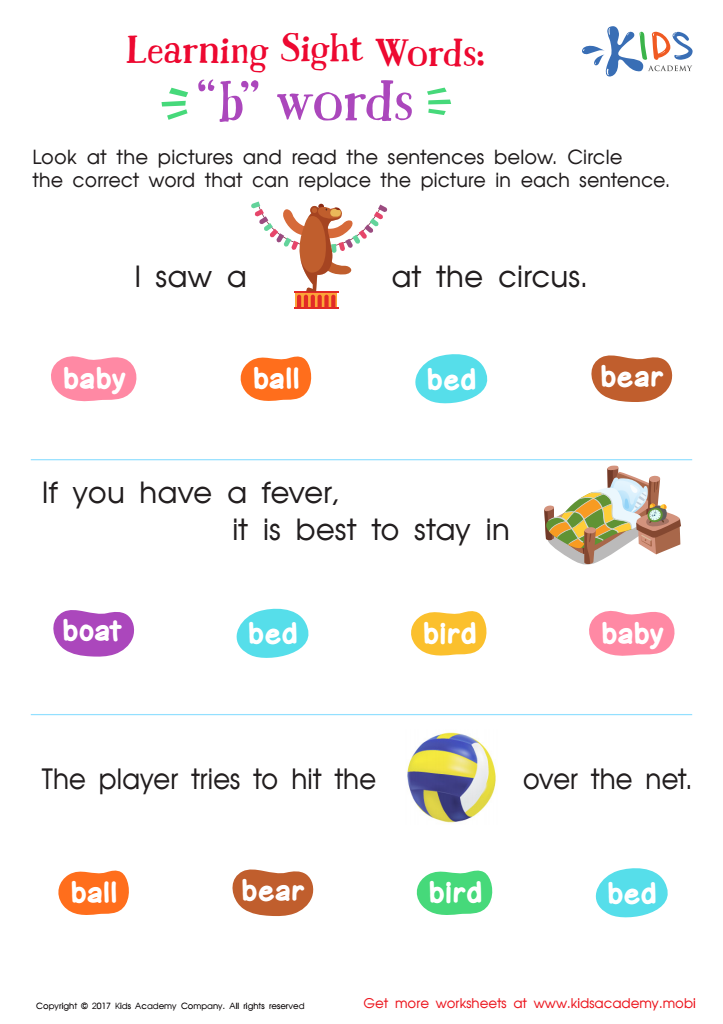
"B" Words Printable Sight Words Worksheet







Developing reading skills in children ages 5-8 is crucial for several reasons. First and foremost, this age range is a foundational period where children transition from learning to read to reading to learn. Instilling strong reading skills early fosters a love for books and encourages lifelong learning. Proficient reading enables children to grasp complex concepts across various subjects, such as math and science, which are often introduced with text-based materials.
Moreover, reading skills are linked to overall academic success. Children who struggle with reading may face challenges in other areas, leading to frustration and lower self-esteem. By nurturing reading skills early on, parents and teachers can mitigate these difficulties, laying the groundwork for future educational achievements.
Socially and emotionally, proficient readers can engage better with peers and participate in classroom discussions, which enhances communication skills and builds confidence. Additionally, the act of reading introduces children to diverse cultures and ideas, broadening their worldview and fostering empathy.
Ultimately, supporting the development of reading skills in early education not only benefits individual children but also nurtures informed, engaged, and compassionate future citizens. Therefore, it is vital for both parents and teachers to prioritize this essential aspect of a child's growth.








