Discover our "Visual Learning Normal Worksheets for Ages 5-8," designed to enhance young learners' engagement through vibrant visuals and interactive activities. These worksheets cater specifically to emerging readers and those who thrive on visual stimuli, facilitating improved comprehension and recall. Covering a range of subjects, including math, literacy, and critical thinking, each worksheet encourages creativity while reinforcing essential skills in a fun, accessible way. Ideal for parents and teachers alike, our resources help develop crucial cognitive abilities that set the foundation for lifelong learning. Explore our extensive collection today to boost your child's learning journey!

Check out this FREE "Visual Learning" Trial Lesson for age 5-8!

Add within 100 No regrouping

Favorites
With answer key
Interactive
  • 5-8
  • Visual Learning
  • Normal
Wholes and Halves Worksheet

Wholes and Halves Worksheet

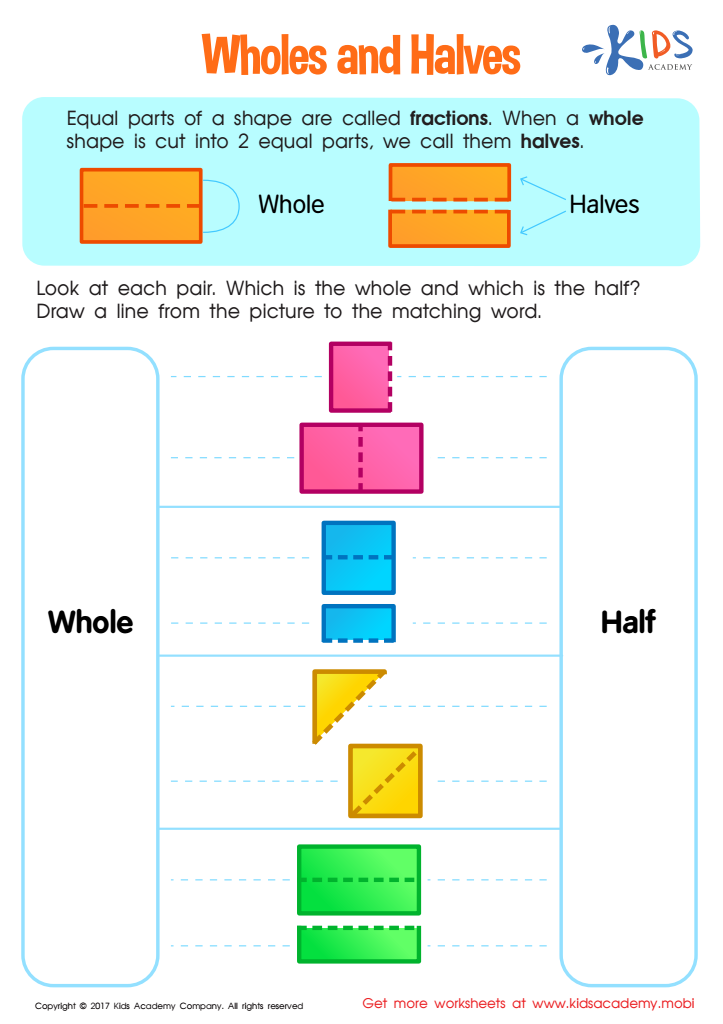
Students can feel overwhelmed with fractions. Help take the stress off by using a colorful worksheet to explain whole shapes and how to find halves. Ask them to identify the whole and point to the matching word for the half. A free printout can help guide them.
Wholes and Halves Worksheet
Worksheet
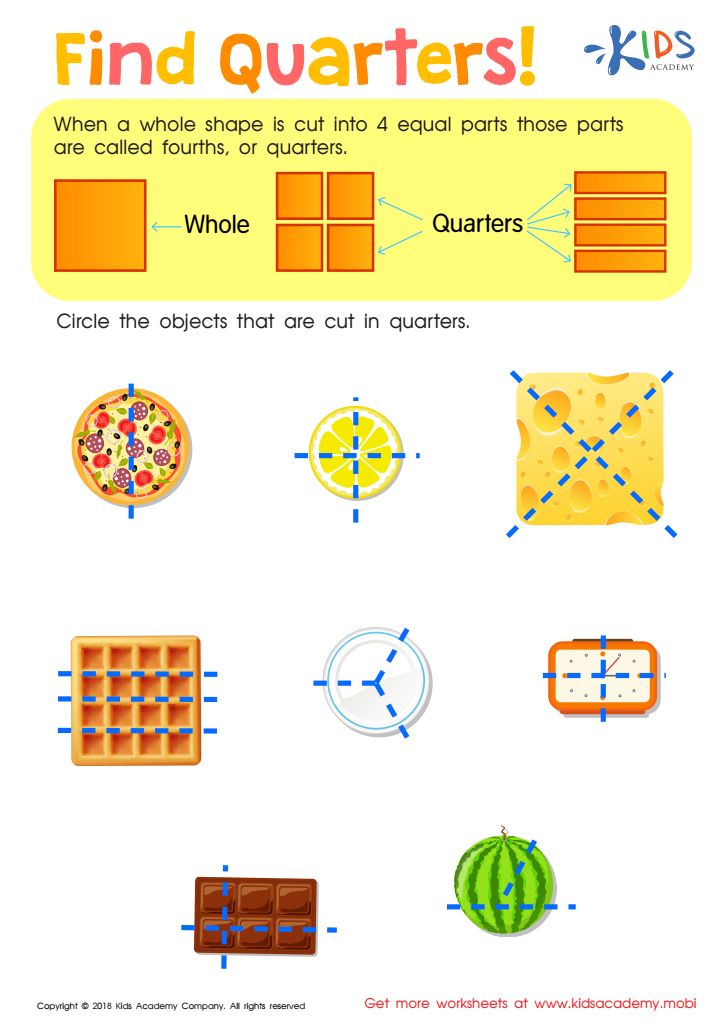
Find Quarters Worksheet

Find Quarters Worksheet

Ask your child if they know what it is called when a shape is cut into two equal parts. If yes, introduce them to quarters. Tell them that when a shape is cut into 4 equal parts, each part is called a quarter. Have them do this exercise by finding and circling objects split into quarters.
Find Quarters Worksheet
Worksheet
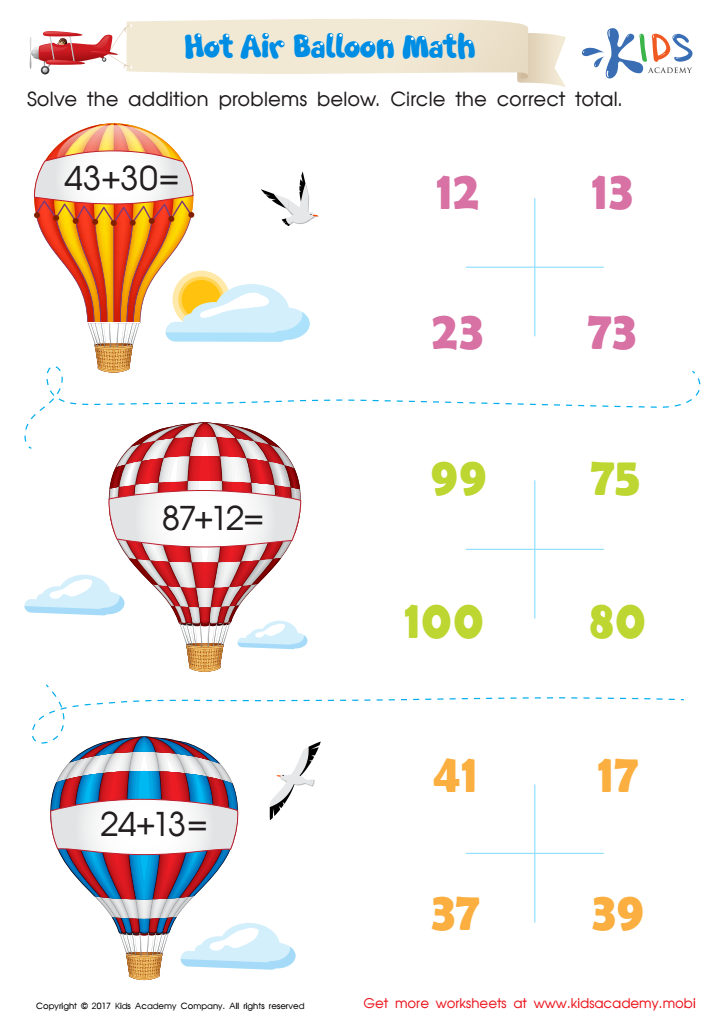
Free 2 digit addition worksheet

Hot Air Balloon Math Worksheet
It uses engaging pictures and a hot air balloon theme to keep your child interested, and it’s designed to build addition confidence.
Hot Air Balloon Math Worksheet
Worksheet
Chinese Word Symbols Worksheet

Chinese Word Symbols Worksheet

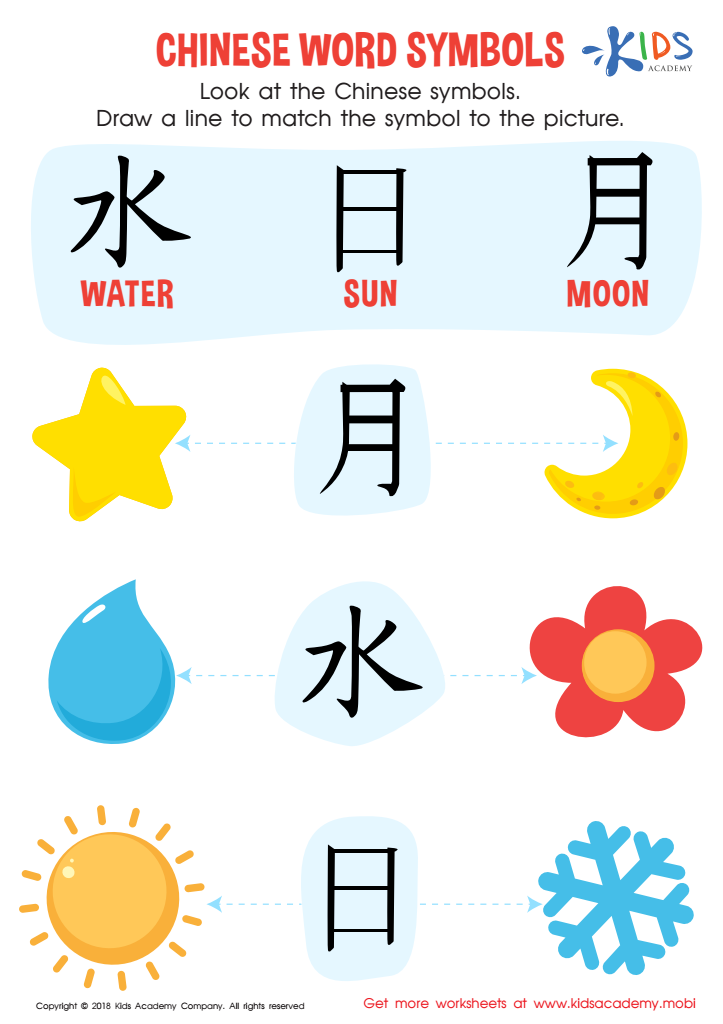
This fun worksheet helps kids learn Chinese symbols for words like water, sun, and moon. Paired with colorful pictures, tracing lines encourages fine motor skills and builds success. Kids will learn without realizing it, having fun in the process.
Chinese Word Symbols Worksheet
Worksheet
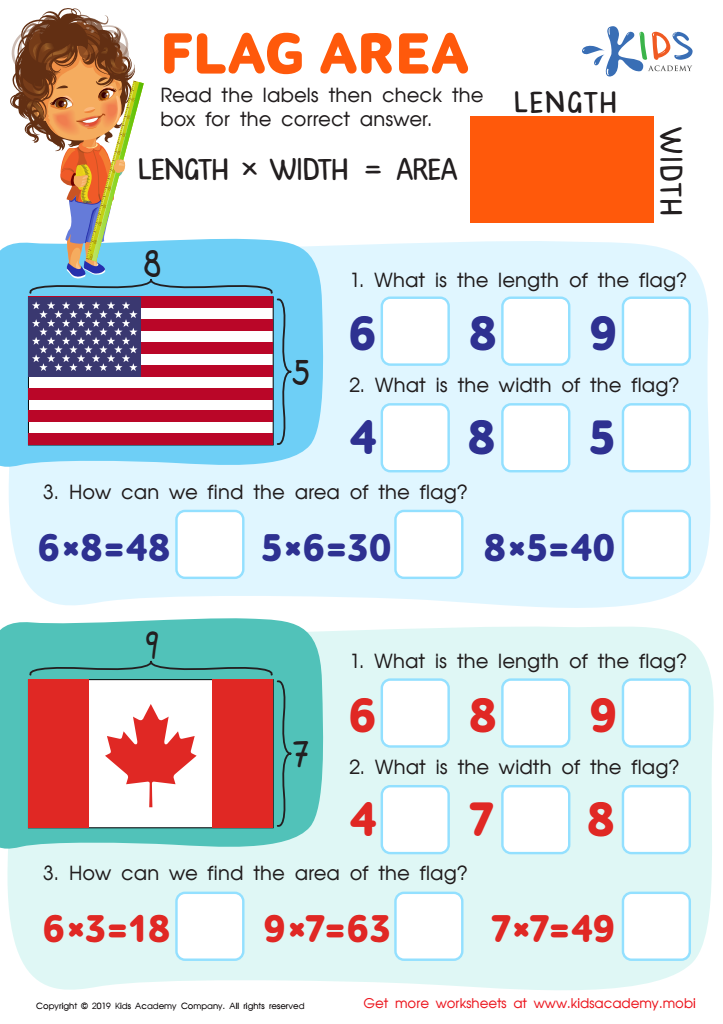
Flag Area Worksheet
Flag Area Worksheet

Flag Area Worksheet

Test your child's knowledge of flags by asking which ones they can identify in the image. Then, study the worksheet together. There are 6 questions with labels. Have them read each label and check the box for the correct answer.
Flag Area Worksheet
Worksheet
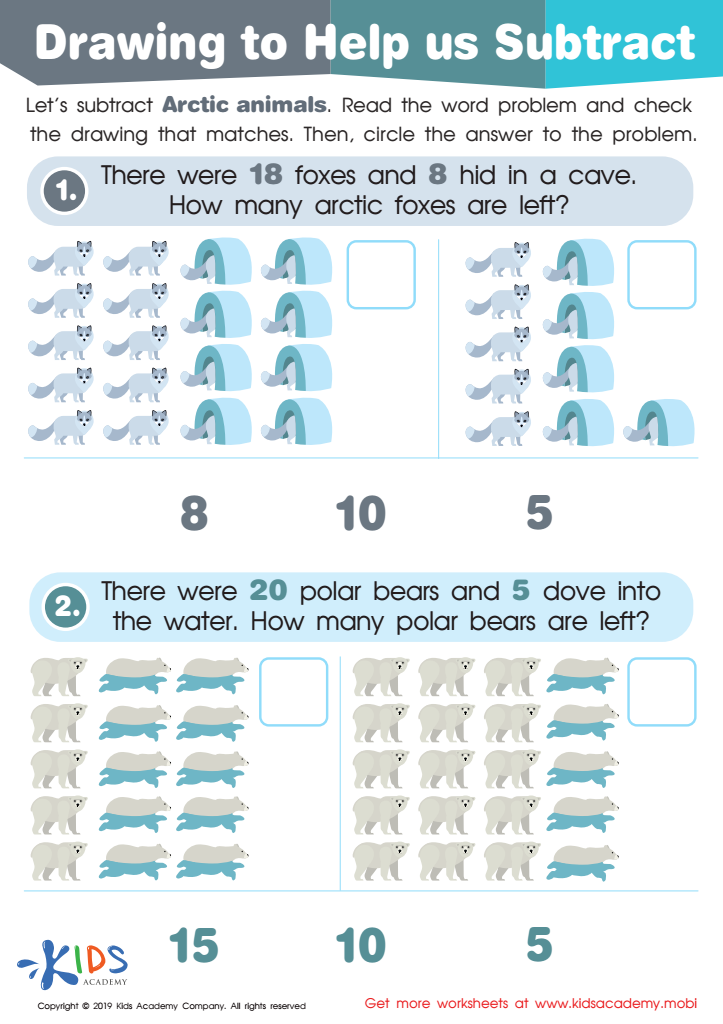
Drawing to Help Us Subtract Worksheet

Drawing to Help Us Subtract Worksheet

Math is made fun with this free worksheet featuring Arctic animal pictures to solve basic subtraction word problems. Kids read the problem and choose the correct drawing of the animals to represent the solution. They'll have a blast with their cool animal friends while learning math!
Drawing to Help Us Subtract Worksheet
Worksheet
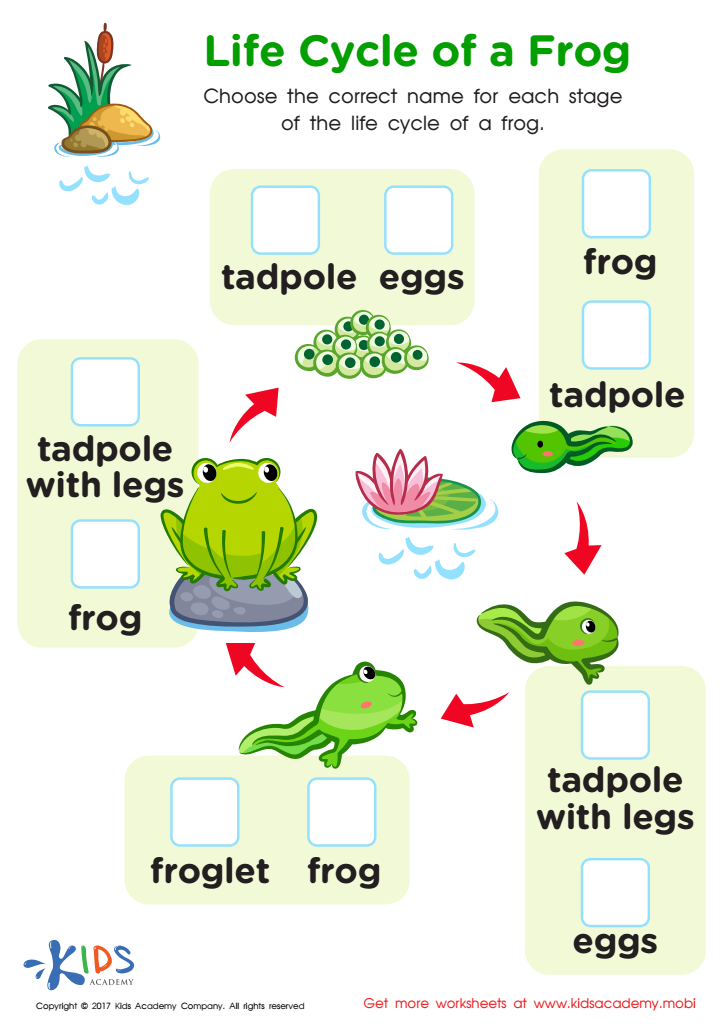
Life Cycle Frog Printable

Life Cycle Frog Printable

Kids can explore the life cycle of frog with this fun worksheet! Draw lines from one stage to the next to follow the transformation from tadpole to frog and learn about the cycle of life.
Life Cycle Frog Printable
Worksheet
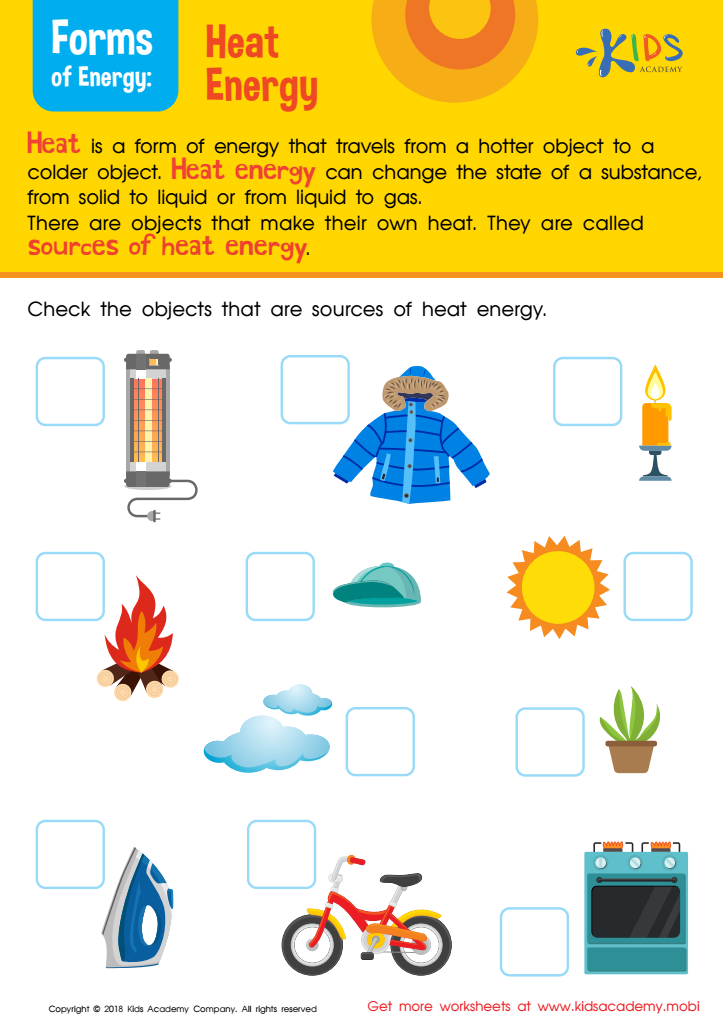
Sources of Heat Energy Worksheet


Sources of Heat Energy Worksheet

Heat energy is everywhere - from inside our homes to outside in the sun. Natural sources include the sun, geothermal energy, and volcanic activity. This worksheet helps kids identify and learn about these sources and more!
Sources of Heat Energy Worksheet
Worksheet


Visual learning is essential for children aged 5-8, as it directly affects their comprehension and retention of information. At this developmental stage, children are naturally curious and highly responsive to visual stimuli. Incorporating visual learning strategies—such as images, diagrams, and videos—aligns with their cognitive and emotional needs, making learning more engaging and effective.

Parents and teachers should care about visual learning because it caters to diverse learning styles. Not all children learn best through auditory methods; many thrive when they can see and manipulate visual representations of information. This approach fosters critical thinking and problem-solving skills, as children can visualize concepts and relationships.

Moreover, visual learning enhances memory retention. Information presented visually is easier for children to recall, which leads to improved academic performance. It also promotes creativity, as children begin to express their understanding through drawings, charts, or multimedia projects.

Encouraging visual learning helps build foundational skills that support literacy and numeracy, crucial elements for lifelong academic success. By prioritizing visual strategies, parents and teachers create a more inclusive learning environment, empowering every child to reach their potential and fostering a love for learning.