Vocabulary Building Normal Worksheets for Ages 5-8
51 filtered results
-
From - To
Boost your child's language skills with our "Vocabulary Building Normal Worksheets for Ages 5-8". These engaging and educational worksheets are designed to enhance your child's vocabulary in a fun and interactive way. Perfect for young learners, they cover a wide range of topics and exercises, including word matching, sentence completion, and creative writing prompts. Our worksheets help children broaden their vocabulary, improve reading comprehension, and develop a love for learning new words. Ideal for both classroom use and home study, these resources are an excellent tool to foster language development in kids aged 5 to 8.
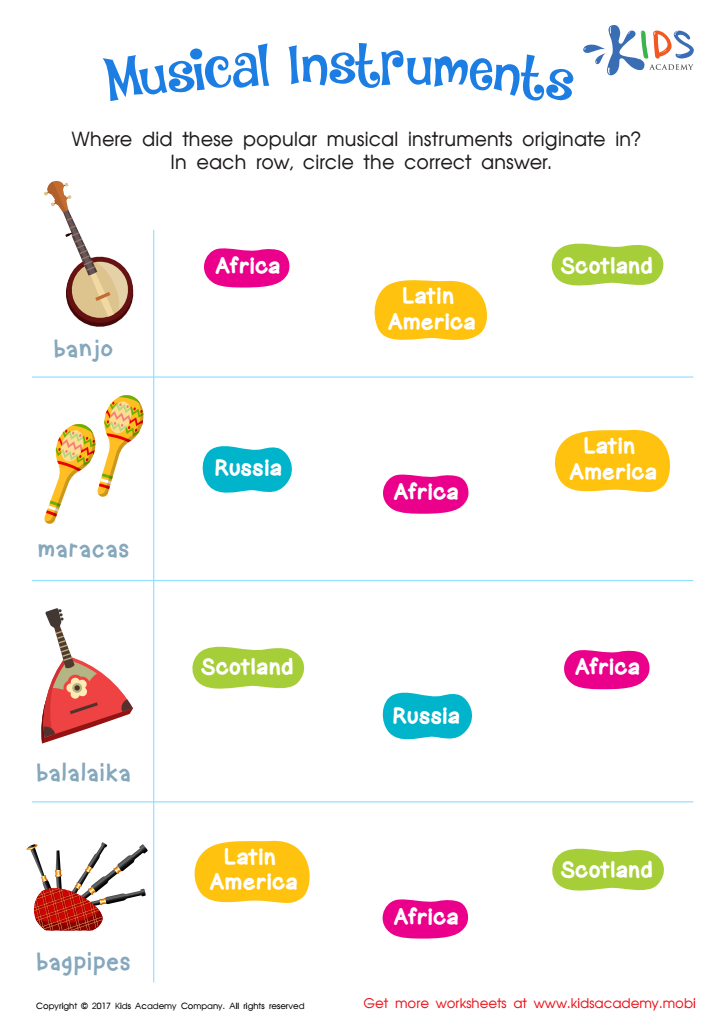
Musical Instruments Printable
 Assign to My Students
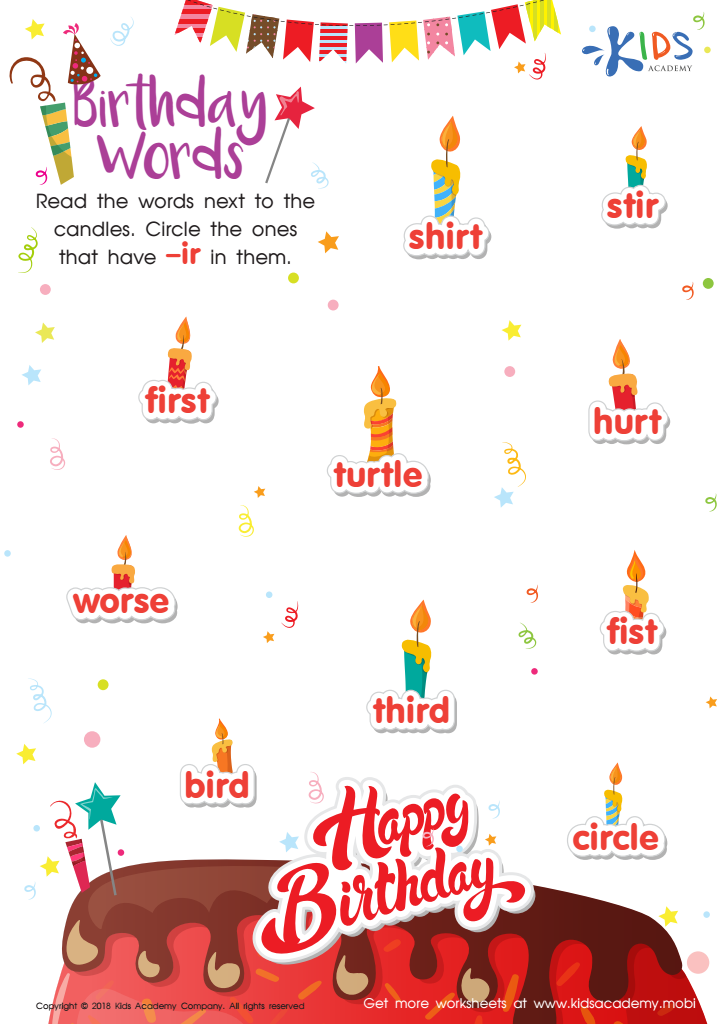
Birthday Words Worksheet
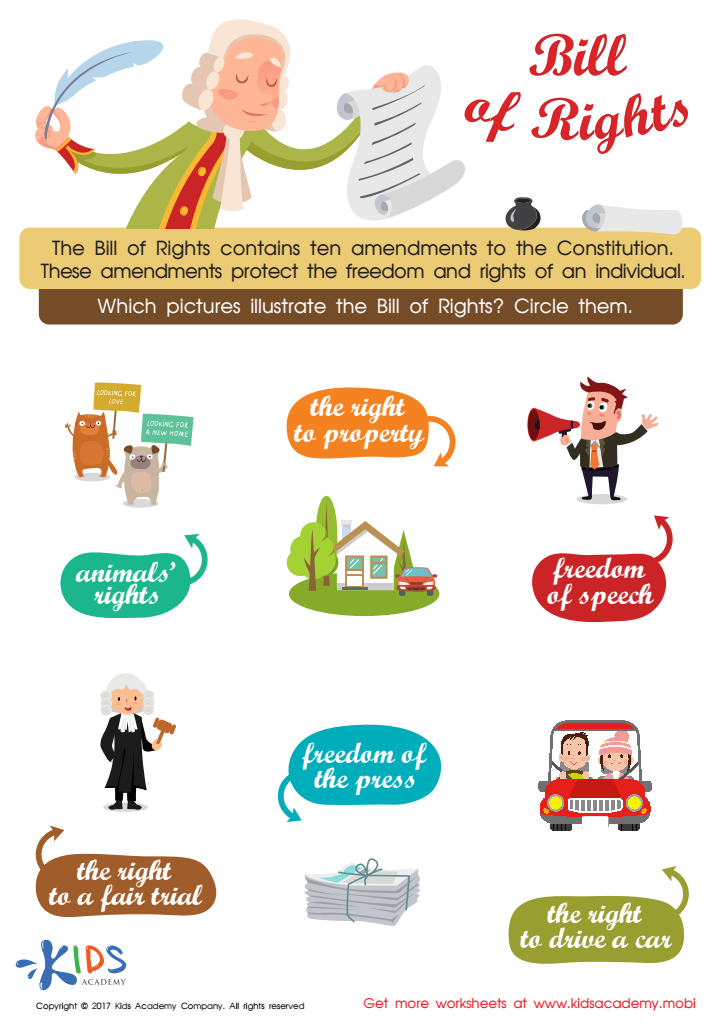
Bill of Rights Worksheet
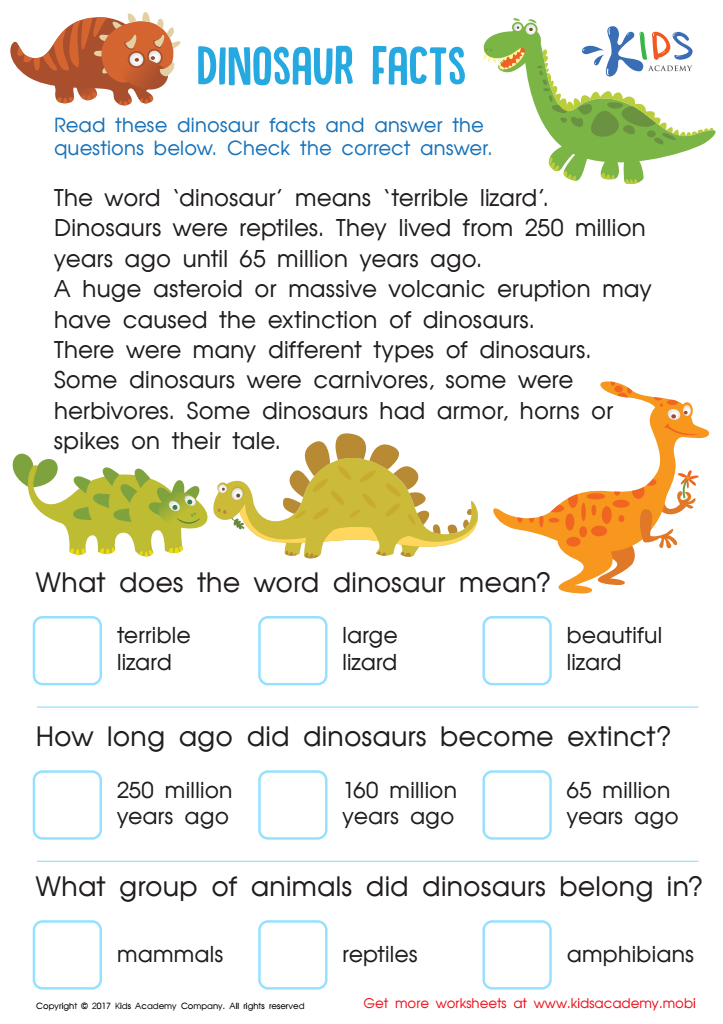
Dinosaur Facts Worksheet
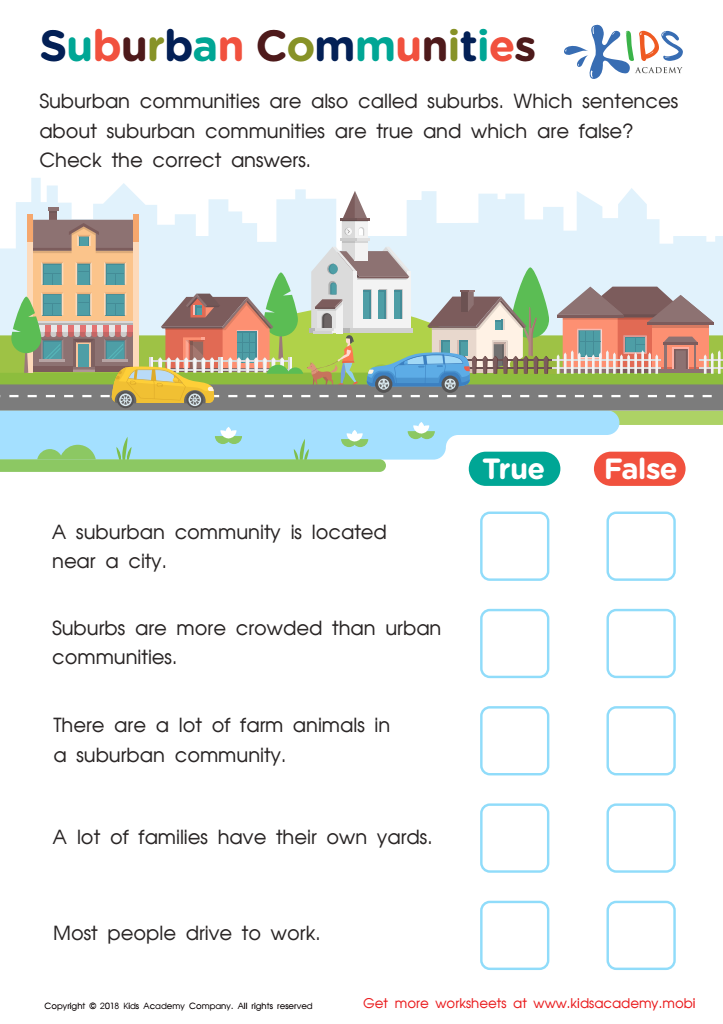
Suburban Communities Worksheet
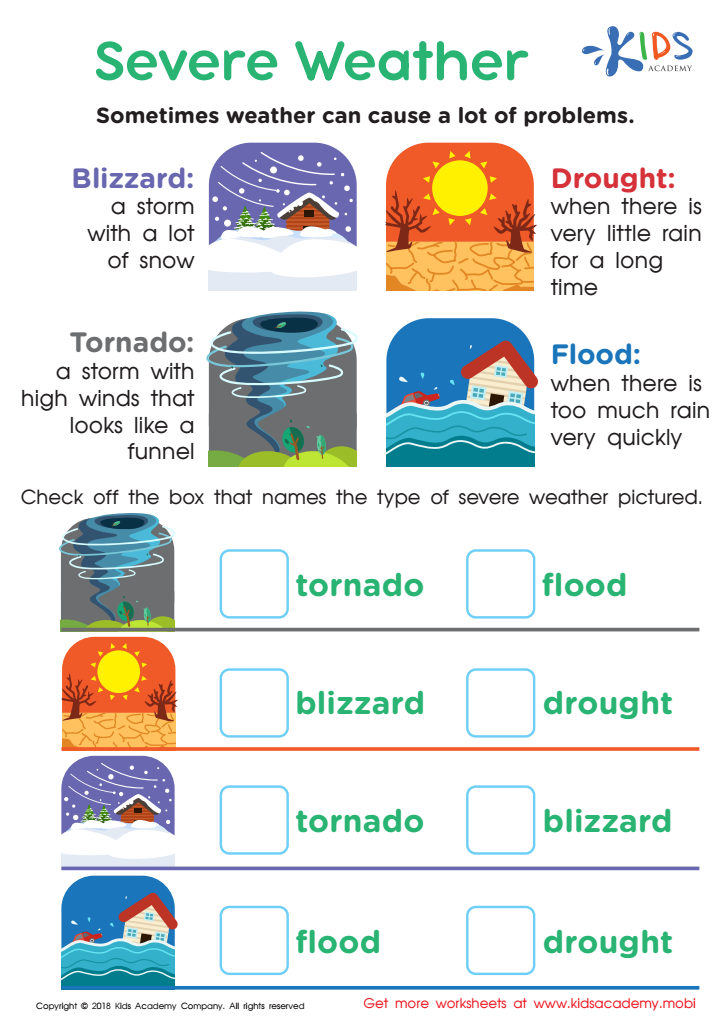
Severe Weather Worksheet
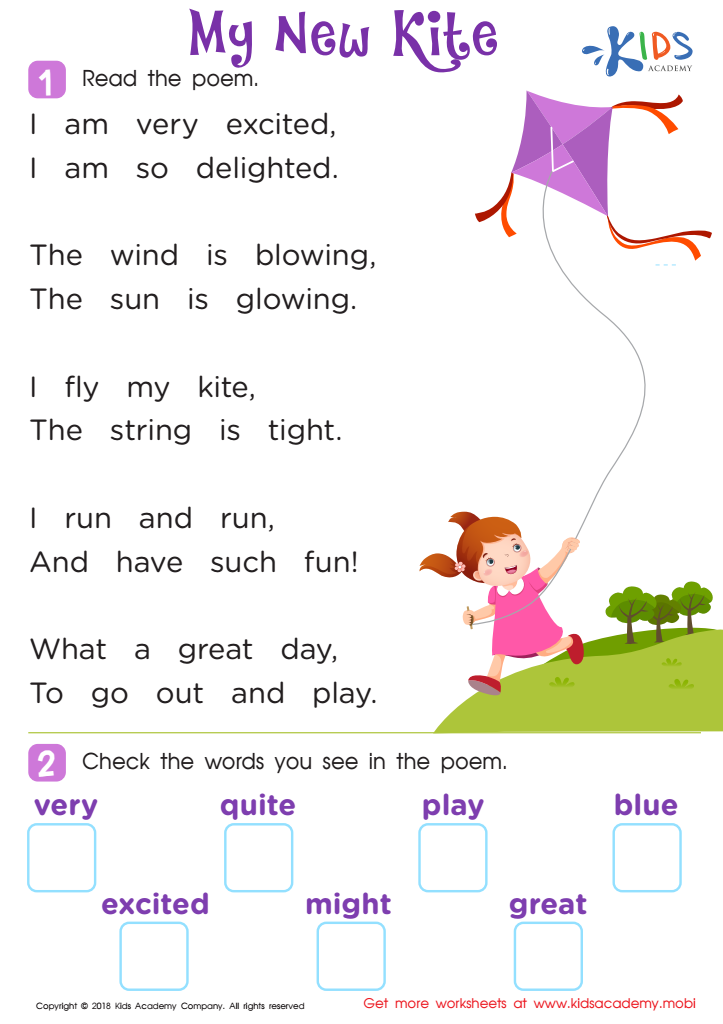
Poem: My New Kite Worksheet
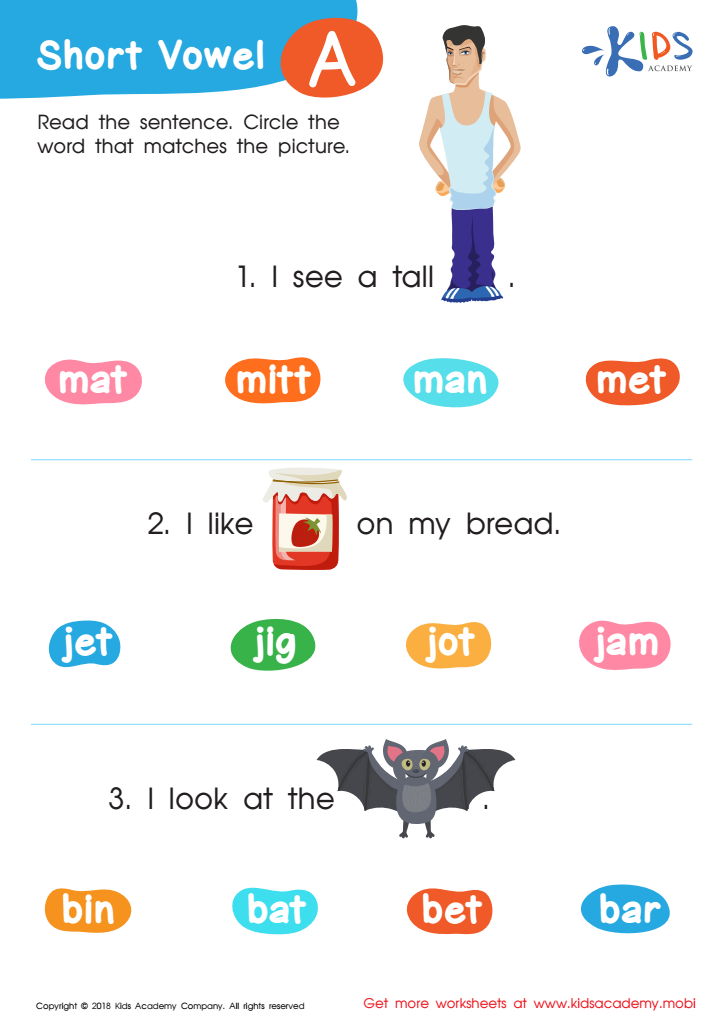
Short Vowel /a/ Worksheet
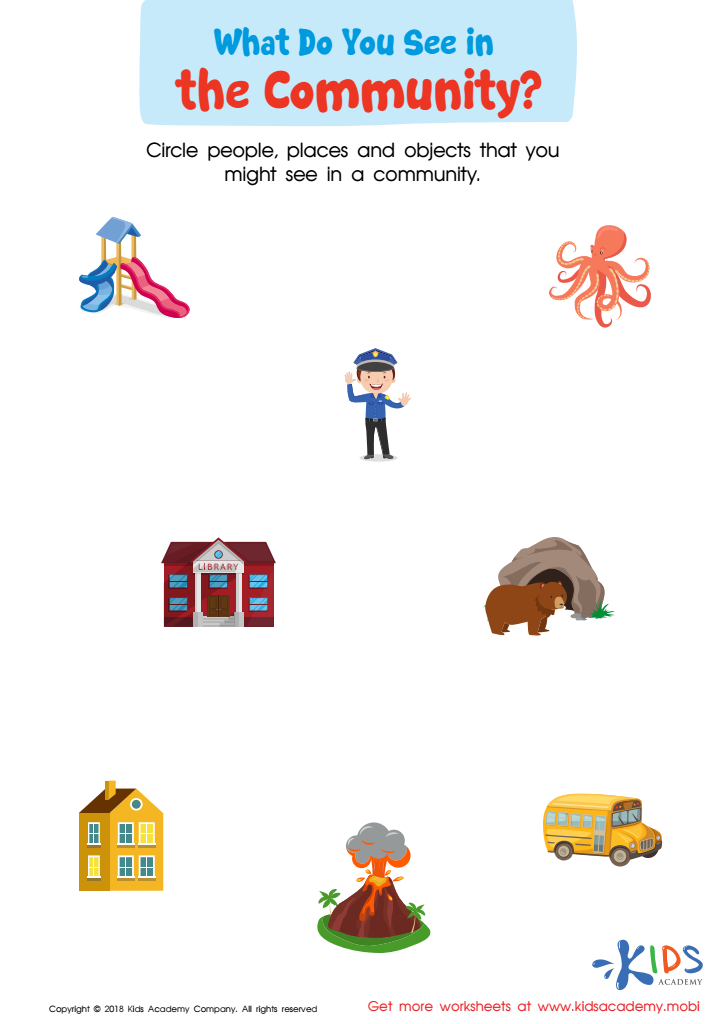
What Do You See in the Community Worksheet
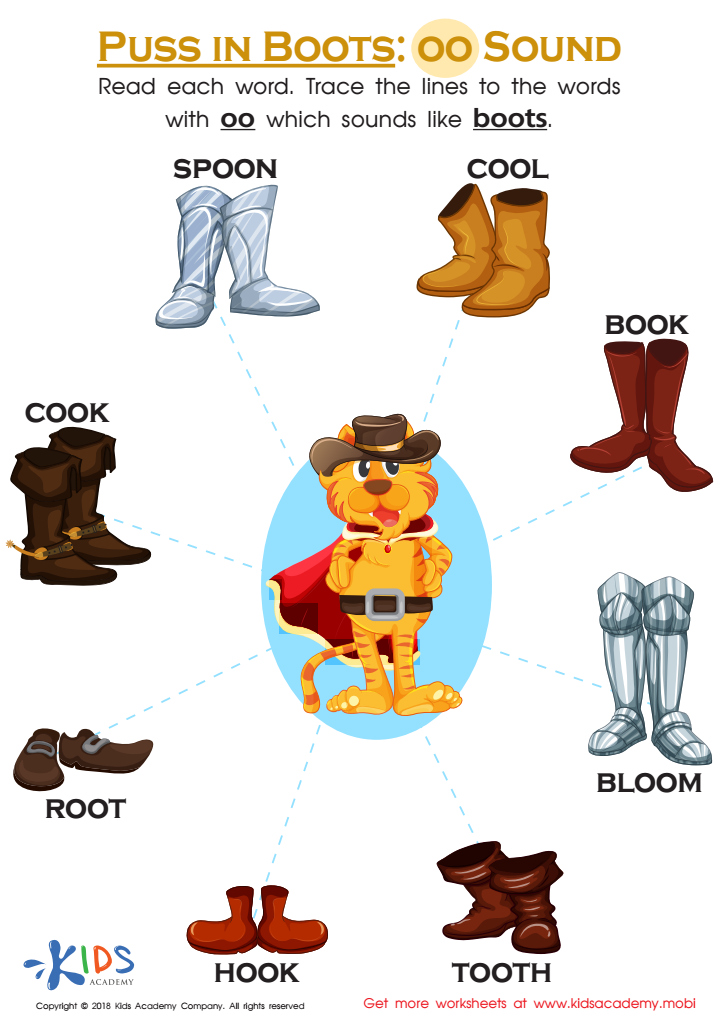
Puss in Boots: OO Sound Worksheet
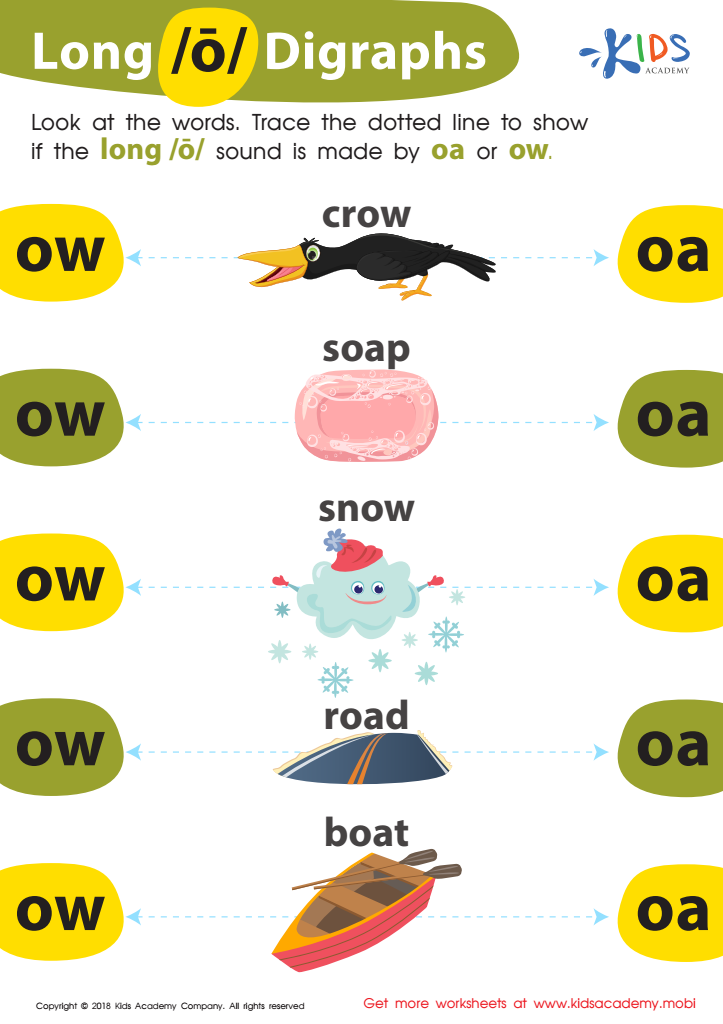
Reading: Long O Digraphs Worksheet
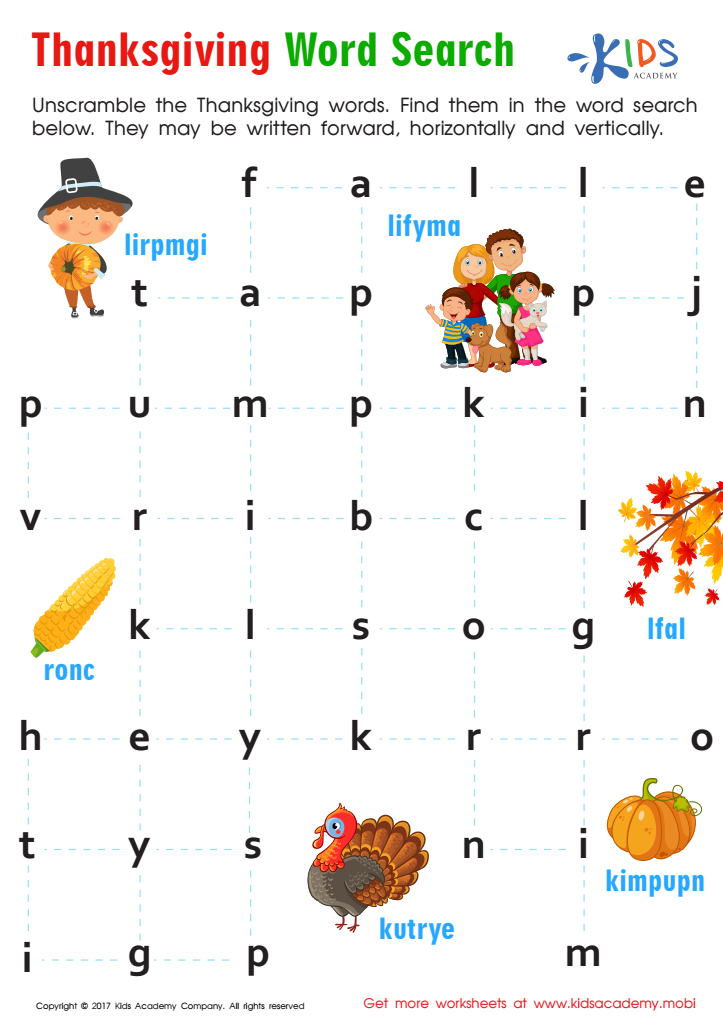
Thanksgiving Word Search Sight Words Worksheet
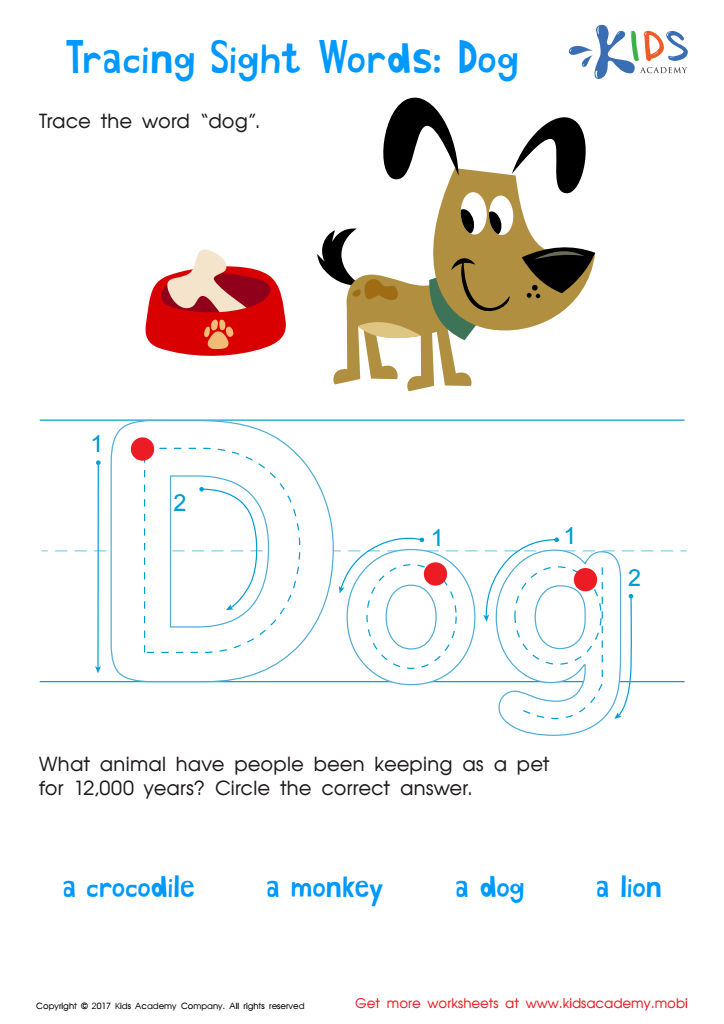
Dog Worksheet Sight Words Worksheet
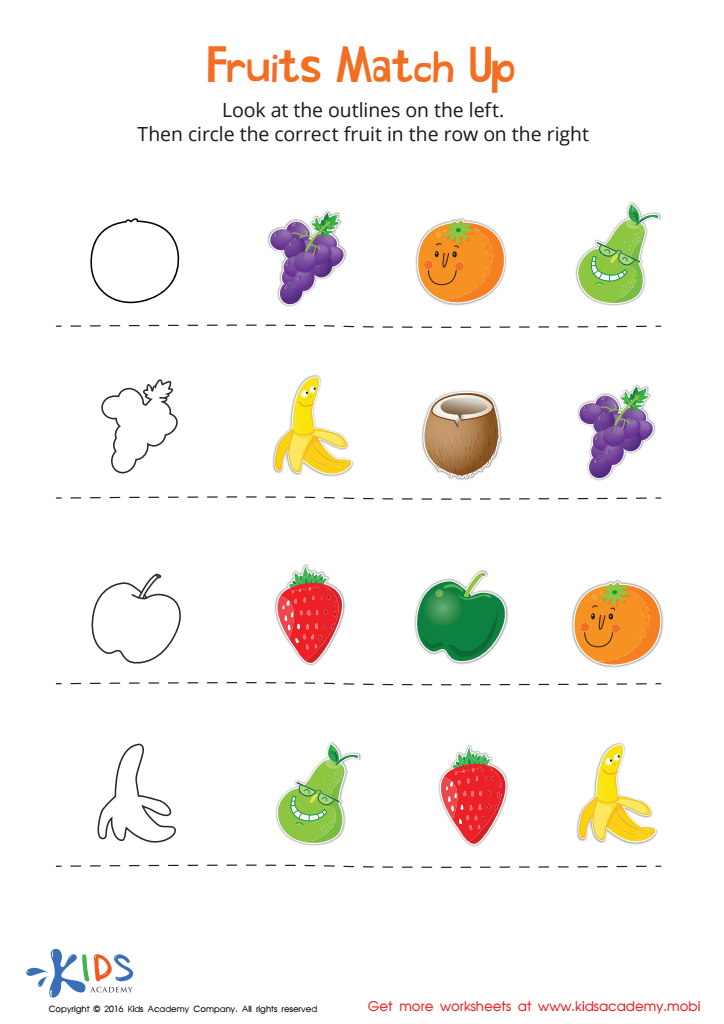
Fruits Match Up Worksheet
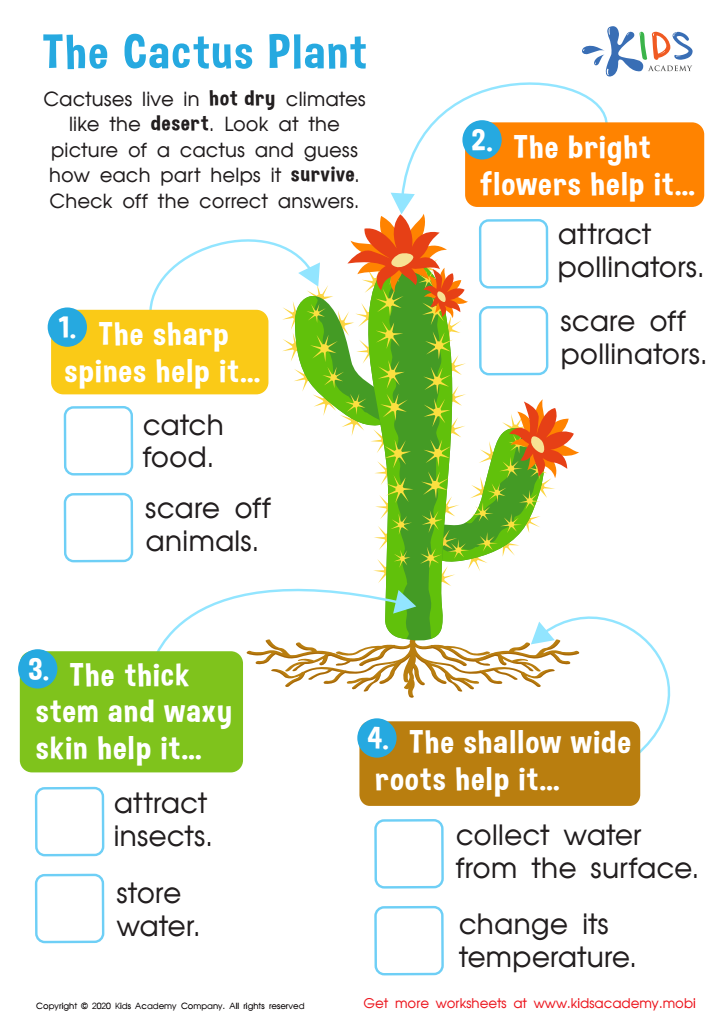
The Cactus Plant Worksheet
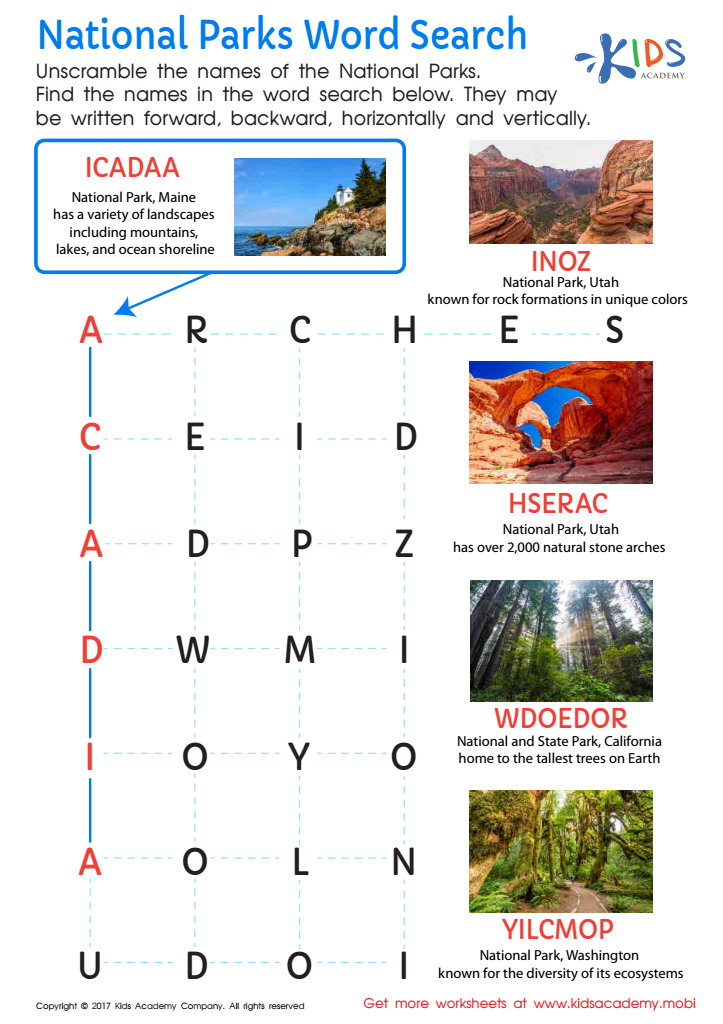
National Parks Word Search Worksheet
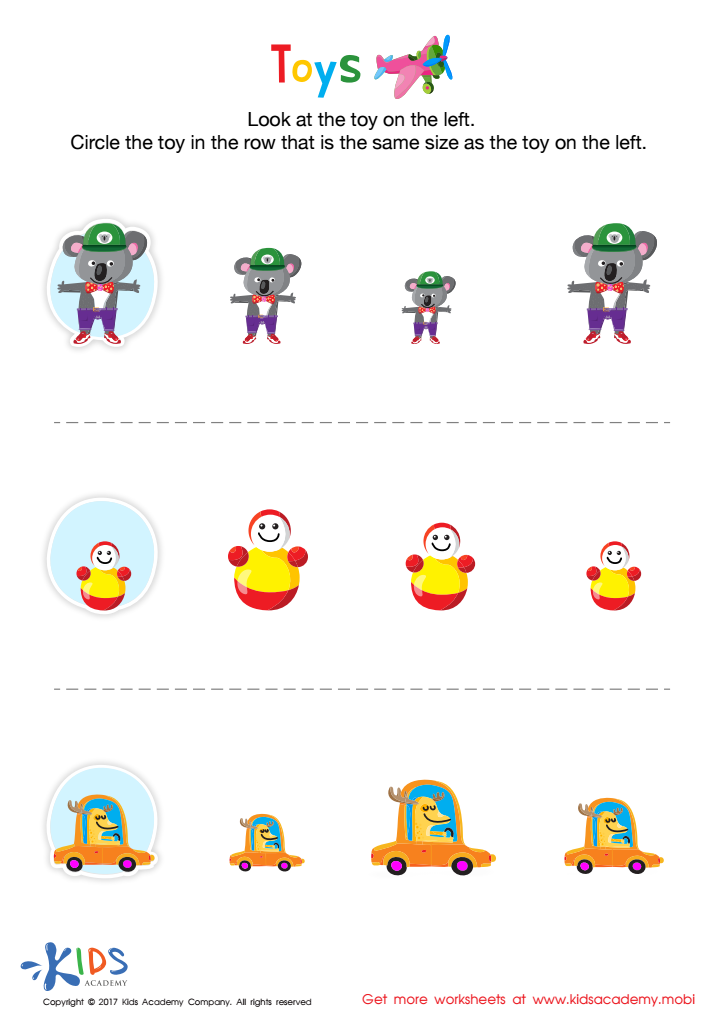
Matching: Classifying Toys by Size Worksheet
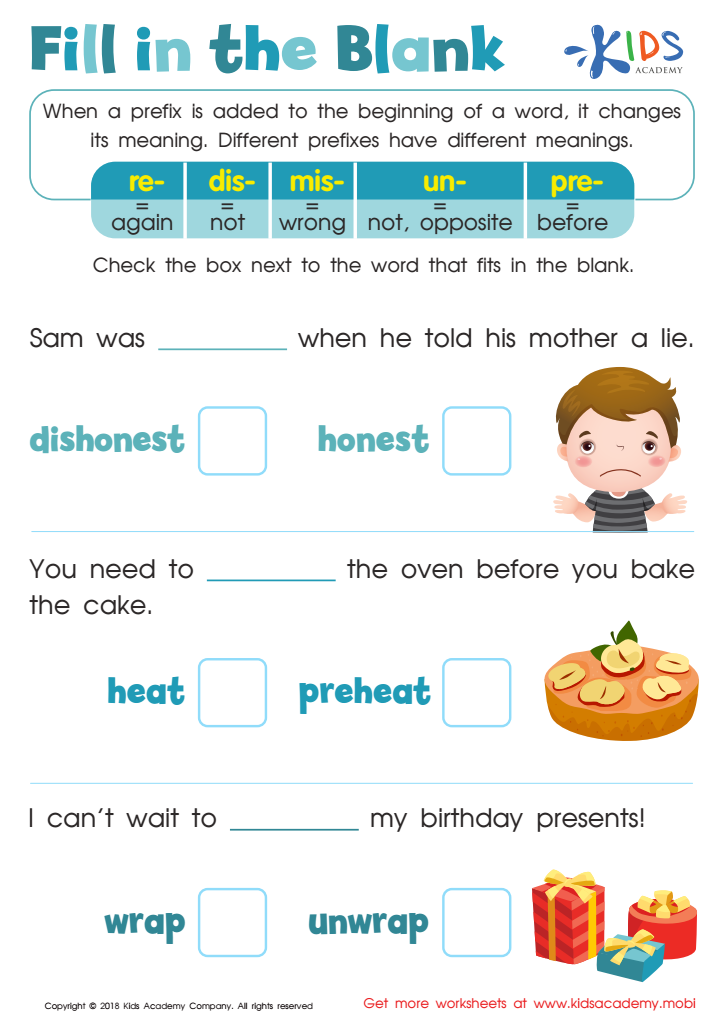
Reading: Fill in the Blank Worksheet
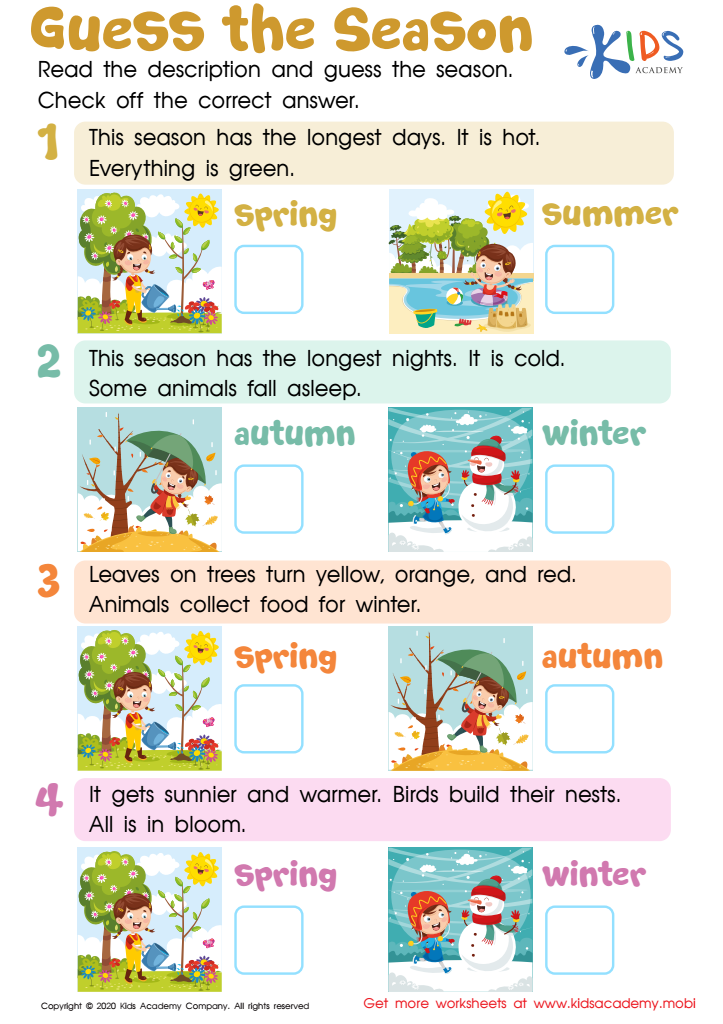
Guess the Season Worksheet
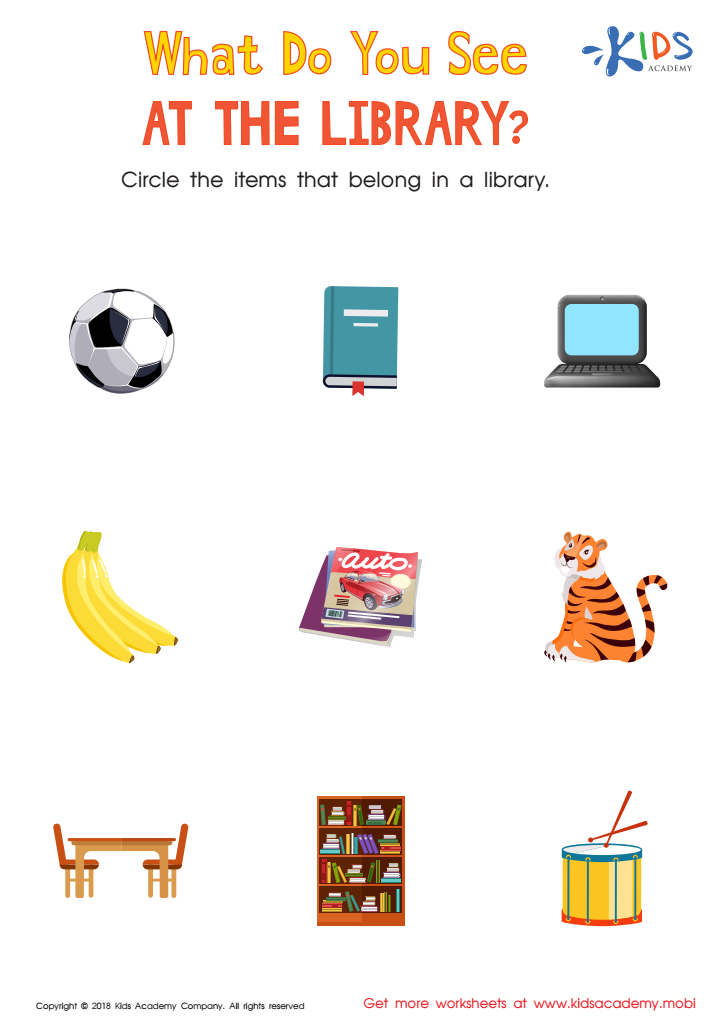
What Do you See at the Library? Worksheet
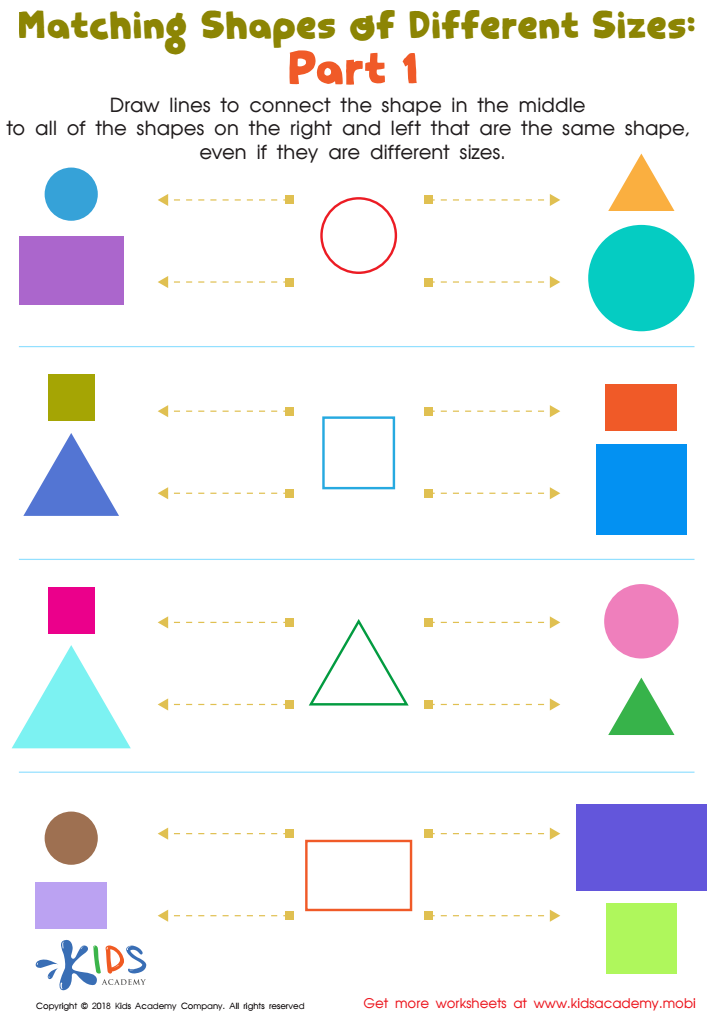
Geometry: part 1 Worksheet
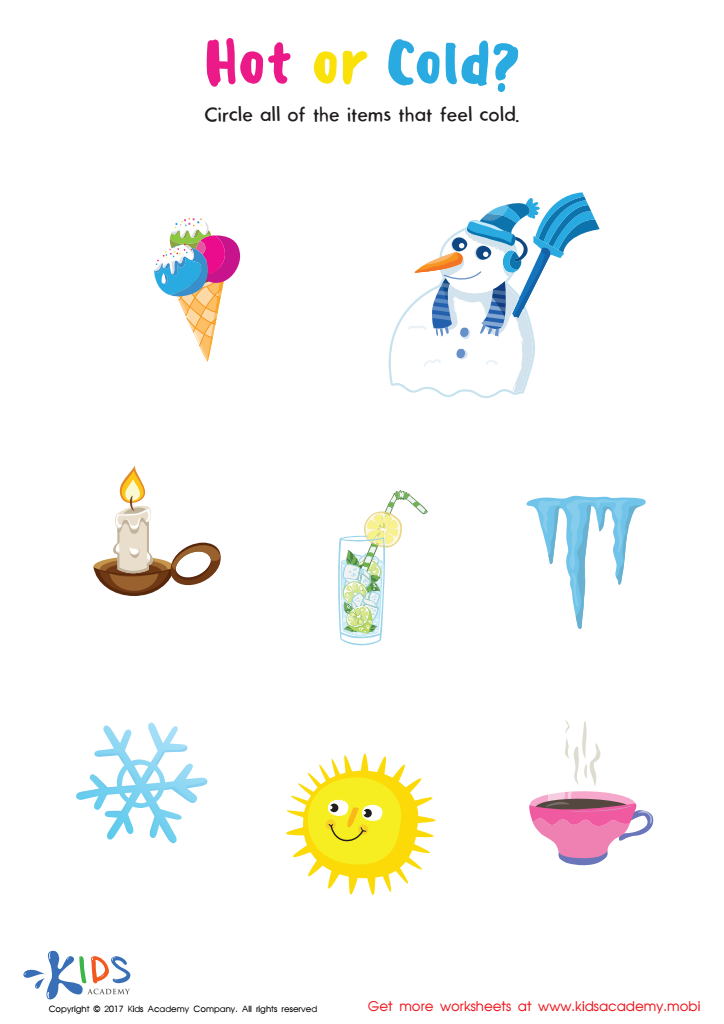
Hot or Cold Printable
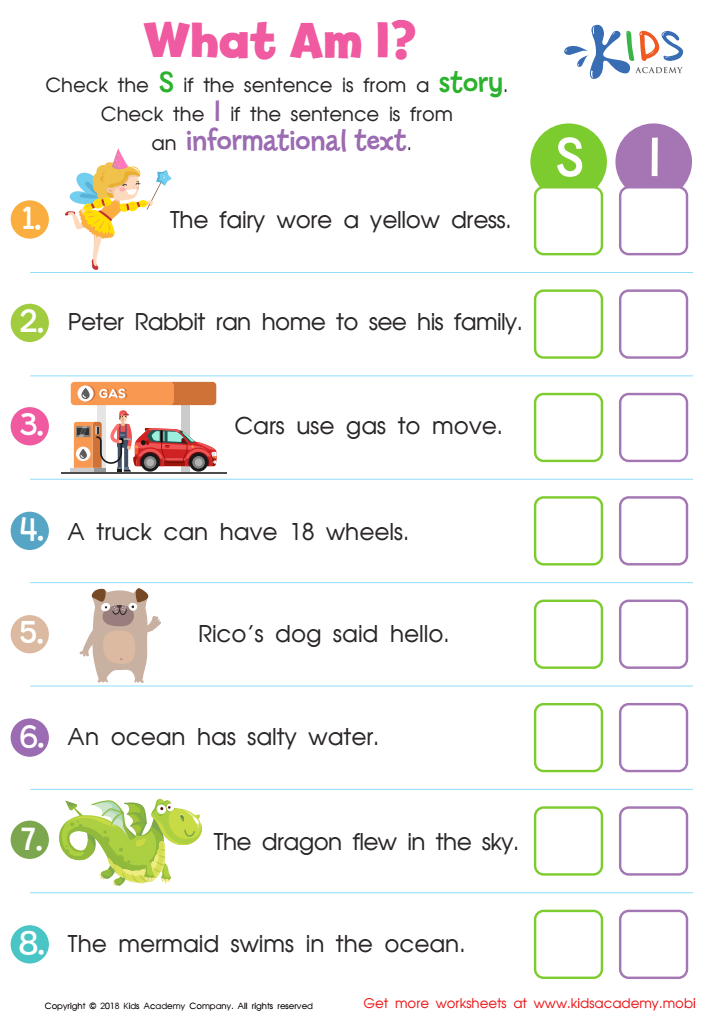
What Am I? Worksheet
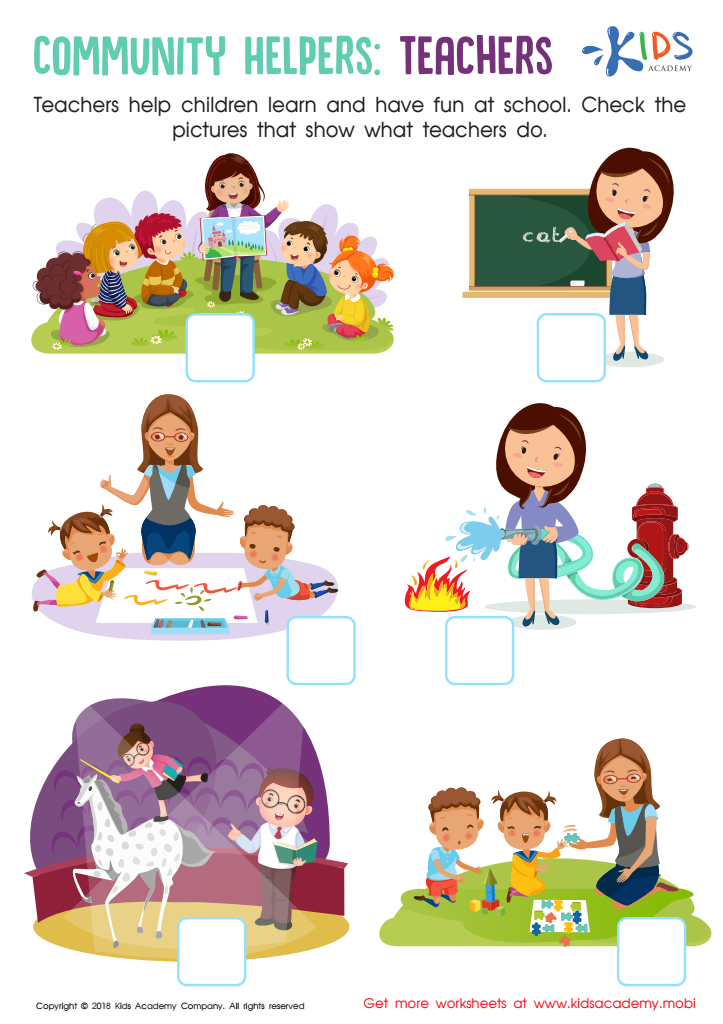
Teachers Community Helpers Worksheet








Vocabulary building is crucial for children aged 5-8 because it serves as the foundation for their reading, writing, and overall communication skills, which are essential for academic success and social interaction. During these formative years, children's brains are highly receptive to learning new words and concepts, making it an ideal time to expand their vocabulary.
A robust vocabulary helps children understand and process what they read more effectively. This understanding is vital as reading proficiency is directly linked to success in other subjects, including math and science. For instance, word problems in math require comprehension, which is supported by a strong vocabulary. Additionally, children with a rich vocabulary can express their thoughts and feelings more clearly, facilitating better interactions with peers and adults.
For parents and teachers, actively engaging in vocabulary-building activities means providing children with tools for better critical thinking and problem-solving skills. Simple activities like reading aloud, playing word games, and encouraging storytelling can significantly enhance a child's word bank. Investing time in vocabulary development also helps address future academic challenges, reducing the risk of language-related learning difficulties.
Prioritizing vocabulary building in early childhood thus equips children with the essential cognitive and social tools they need to thrive both inside and outside the classroom.








