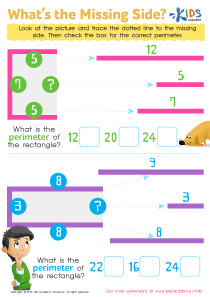
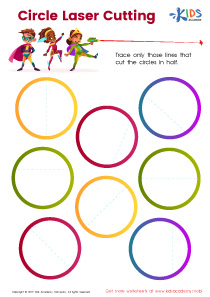
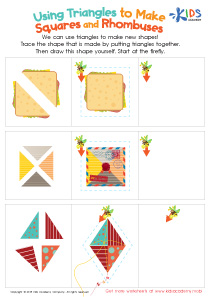
Normal 2D Shapes Worksheets for Ages 5-8 - Page 2
33 filtered results
-
From - To
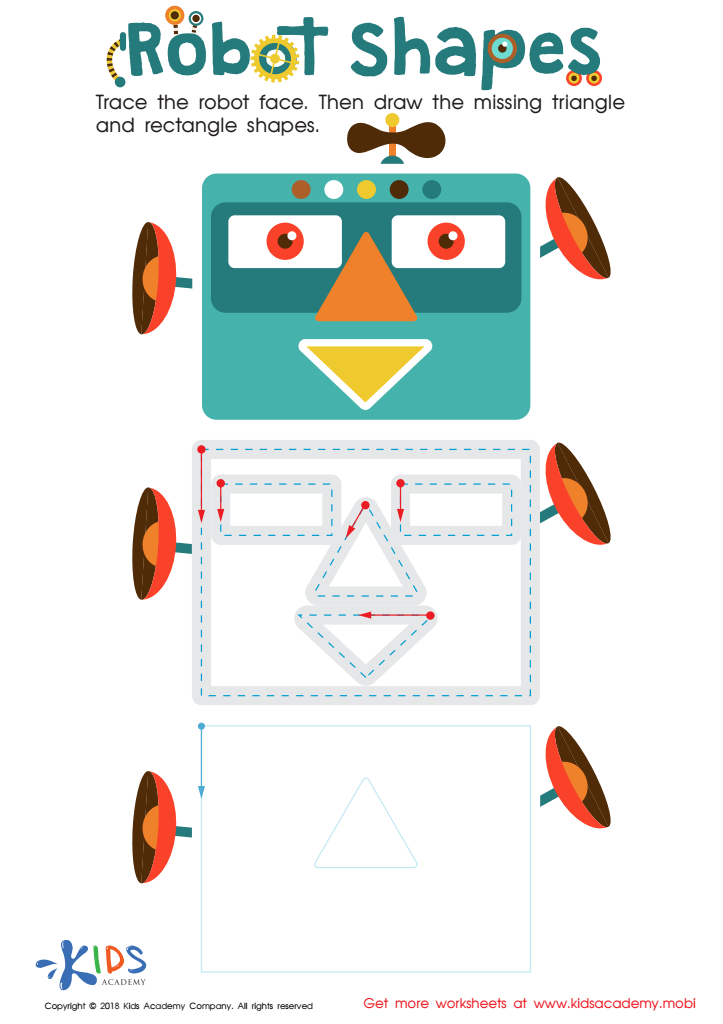
Robot Shapes Worksheet
 Assign to My Students











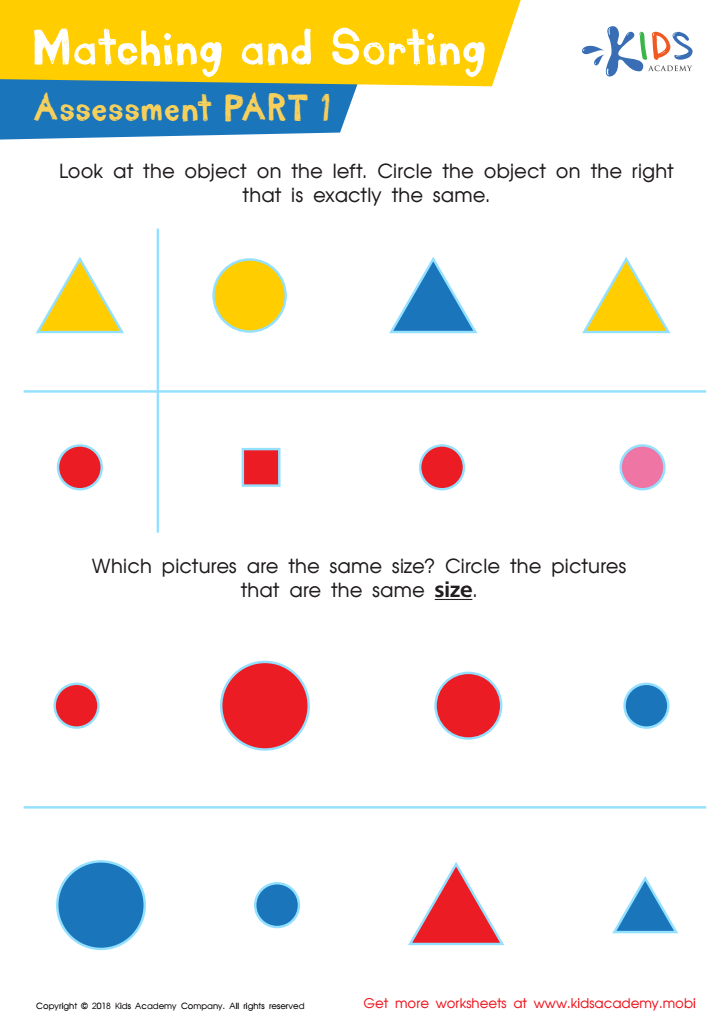
Matching and Sorting for Kindergarten: Assessment 1 Worksheet
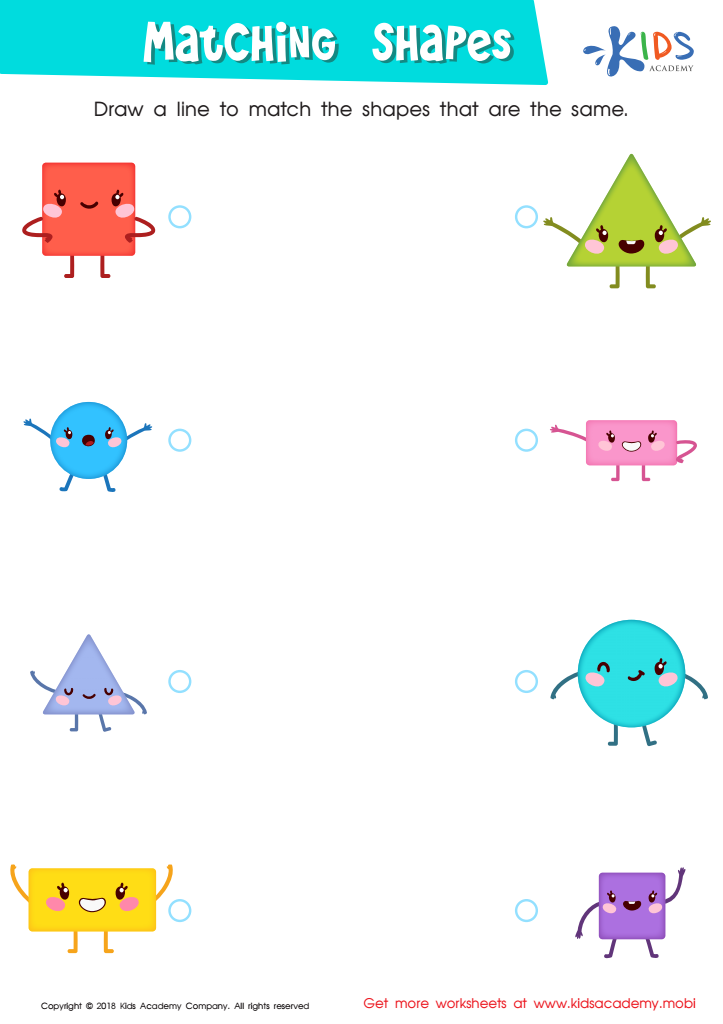
Matching Shapes Worksheet
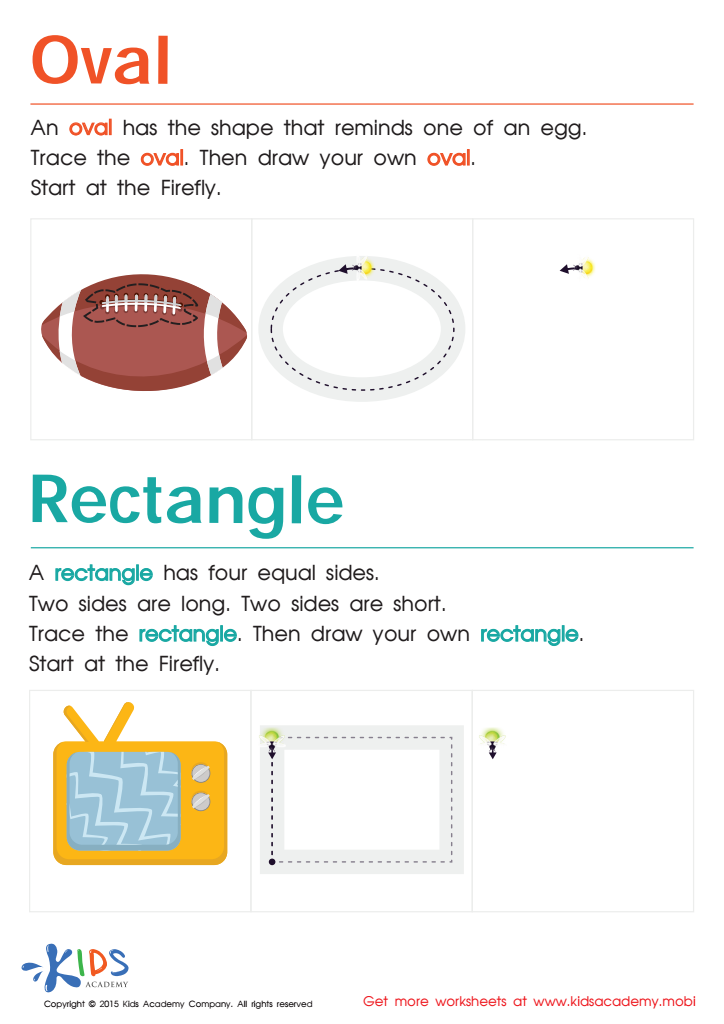
Easy Drawing of Ovals And Rectangles Worksheet
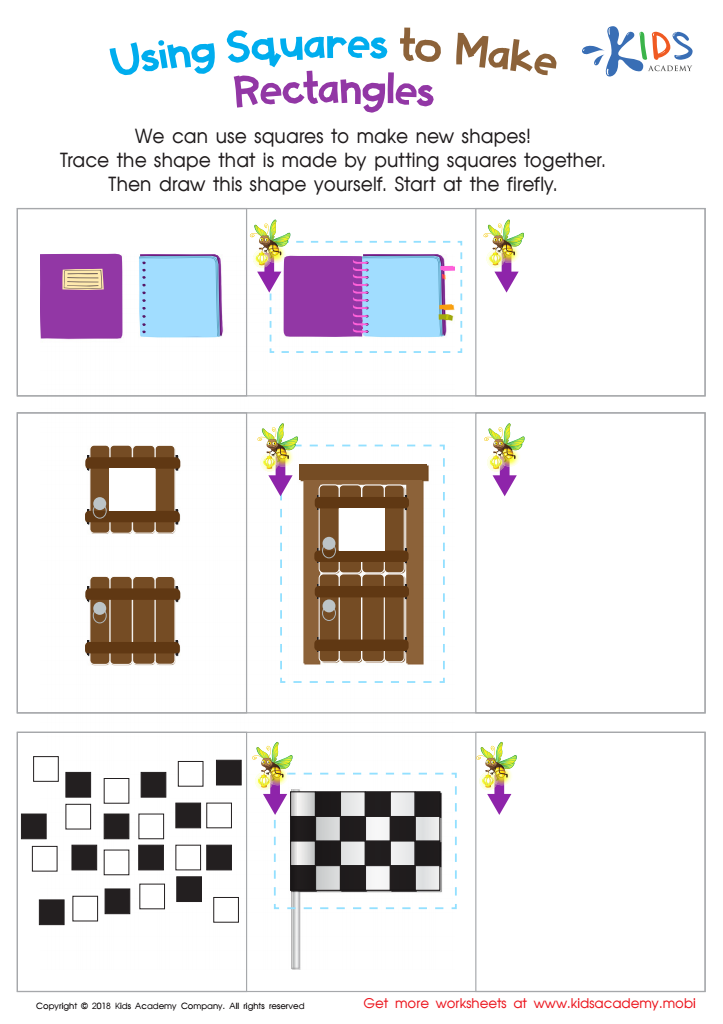
Using Squares to Make Rectangles Worksheet
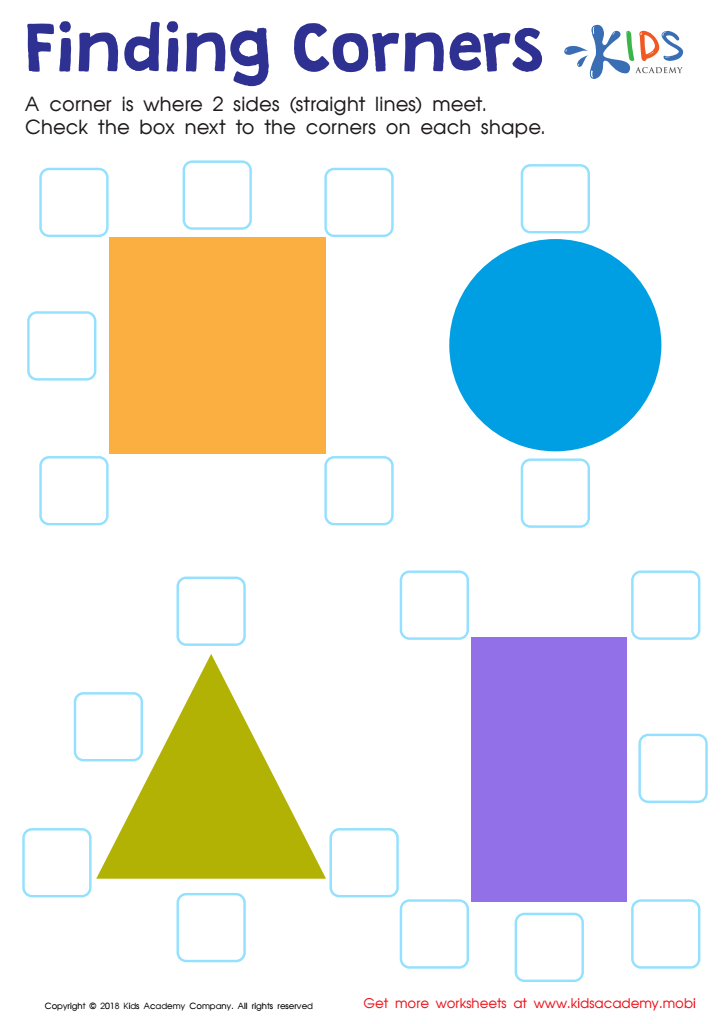
Finding Corners Worksheet
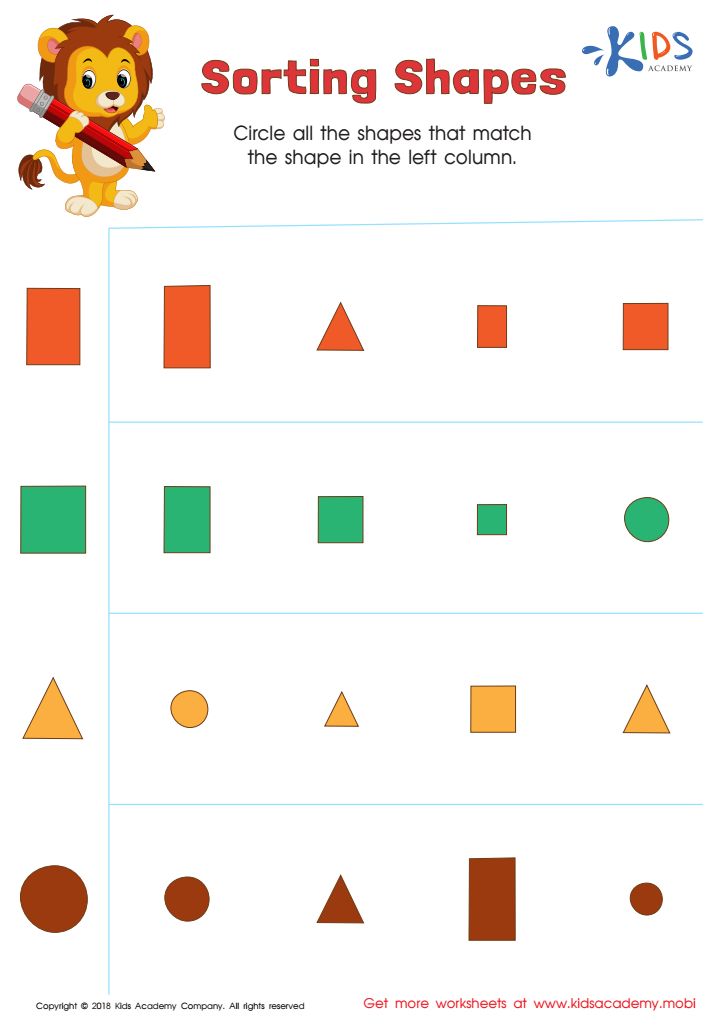
Sorting Shapes - Part 2 Worksheet
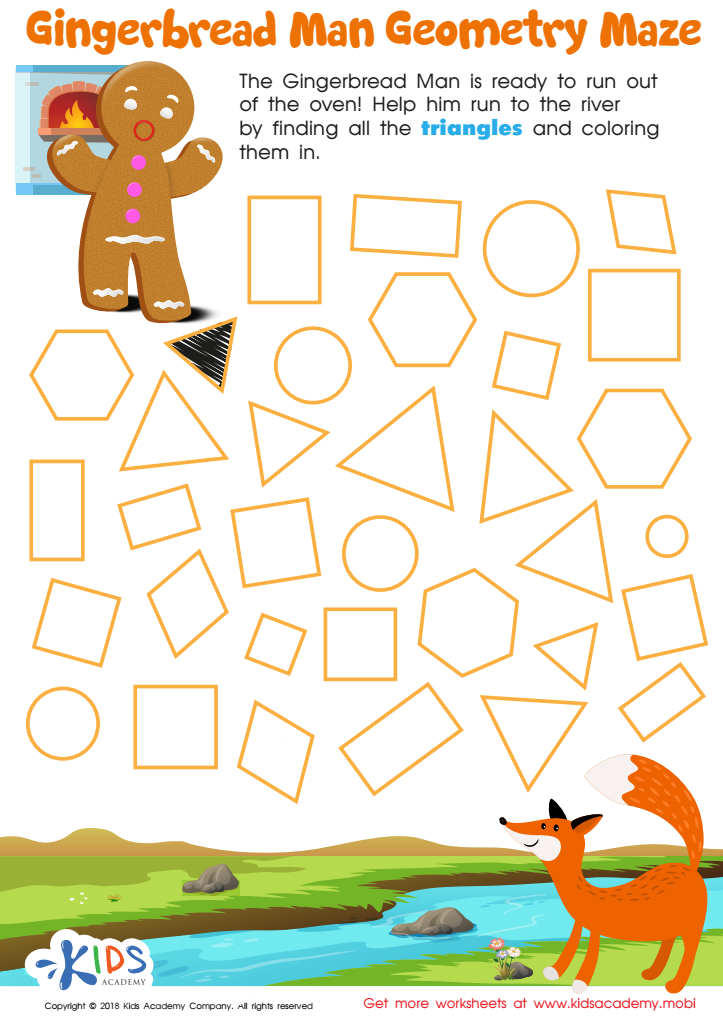
Gingerbread Man Geometry Maze Worksheet
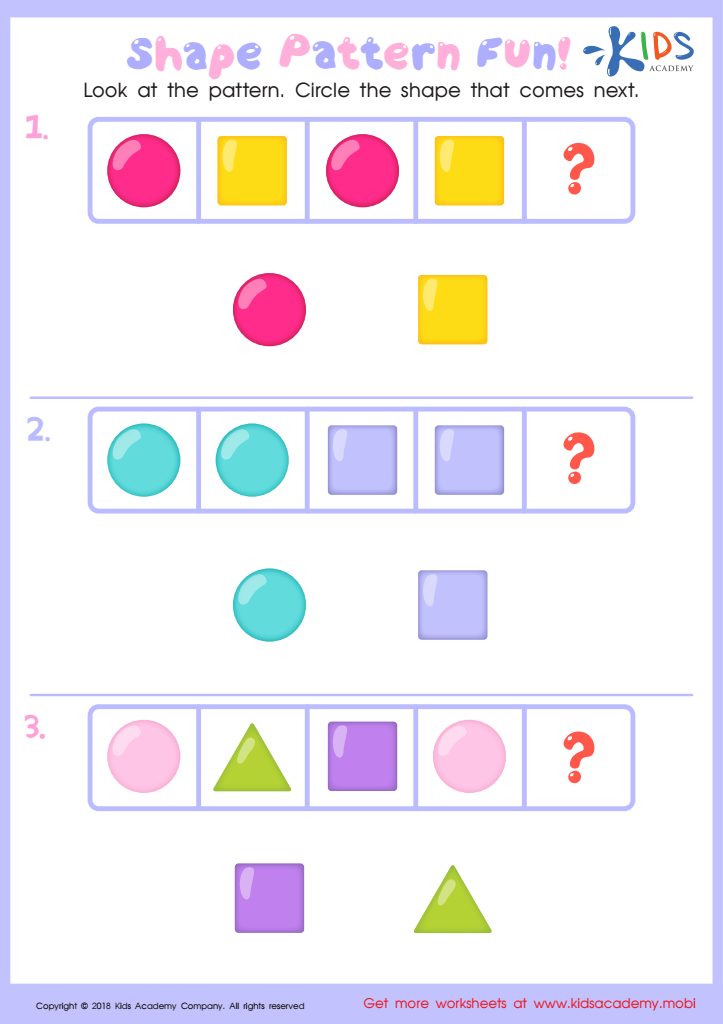
Shape Pattern Fun Worksheet








Understanding normal 2D shapes is fundamental for children aged 5-8 as it lays the groundwork for essential spatial reasoning and problem-solving skills. At this young age, children are naturally curious, and introducing concepts like circles, squares, triangles, and rectangles fosters their interest in geometry and mathematics.
Firstly, recognizing and naming these shapes enhances children's vocabulary and comprehension, connecting them to the world around them, such as identifying shapes in buildings, nature, and everyday objects. It also promotes critical thinking; for instance, distinguishing between similar shapes and understanding properties like sides and angles helps sharpen analytical skills.
Moreover, understanding normal 2D shapes is essential for developing early math skills, including measurement and area. As children progress to more complex math concepts, a solid foundation in 2D shapes allows them to tackle these challenges more confidently.
Additionally, these shapes feature prominently in art and creativity, encouraging children to explore their creative sides. By involving fun activities, such as shape scavenger hunts or crafts, parents and teachers can make learning engaging and applicable to real-life situations. Overall, caring about 2D shapes not only directly supports children’s cognitive development but also nurtures their love for learning.