Fine Motor Skills Normal 2D Shapes Worksheets for Ages 5-8
5 filtered results
-
From - To
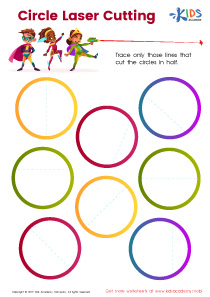
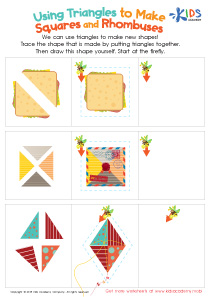
Enhance your child's fine motor skills with our engaging "Fine Motor Skills Normal 2D Shapes Worksheets for Ages 5-8." Designed specifically for young learners, these printable worksheets offer a fun and interactive way to practice tracing, drawing, and identifying common 2D shapes like circles, squares, triangles, and more. Ideal for children aged 5 to 8, these activities not only improve fine motor skills but also reinforce shape recognition and early math concepts. Perfect for classroom or home use, our worksheets cater to varied skill levels, making learning an enjoyable journey for every child. Explore and download today!
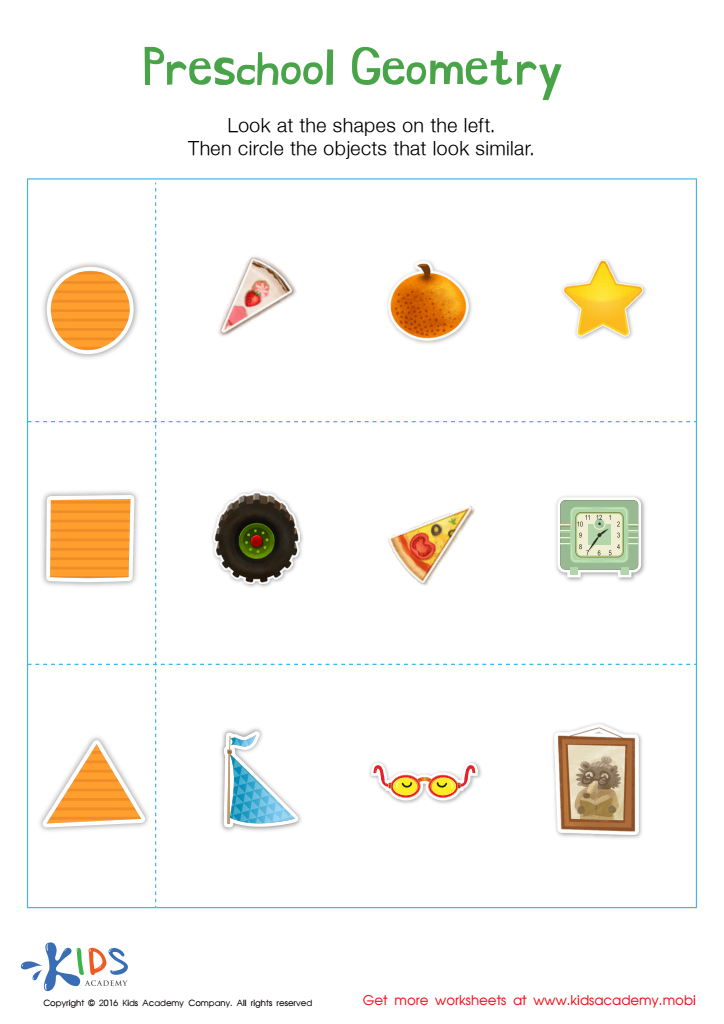
Preschool Geometry Match Up Worksheet
 Assign to My Students








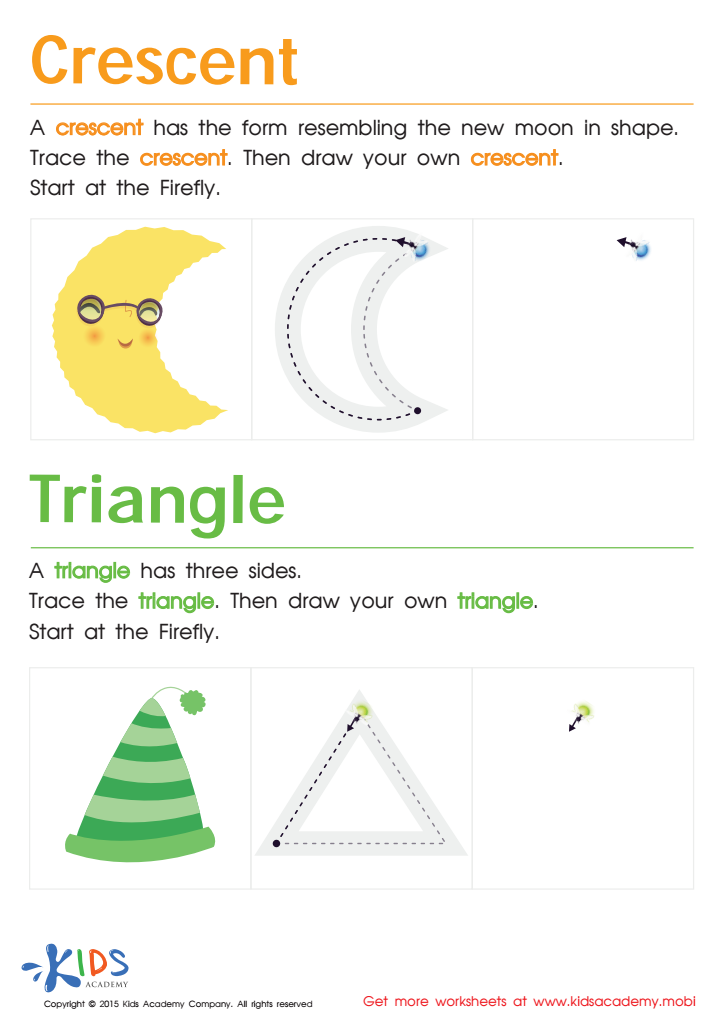
Learning to Draw Crescents And Triangles Worksheet
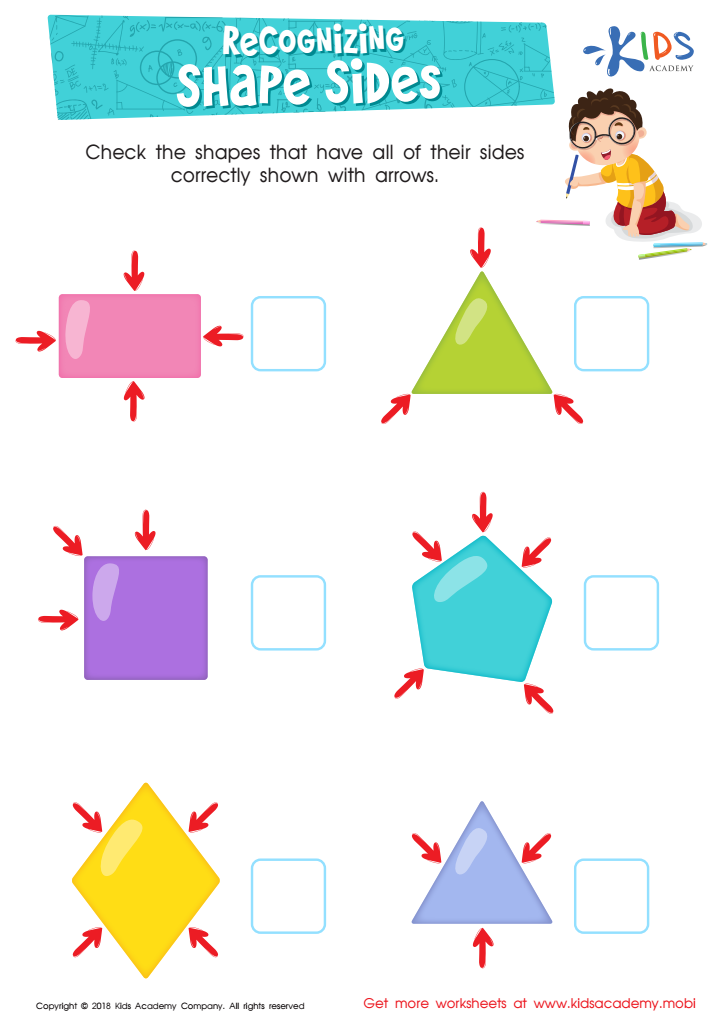
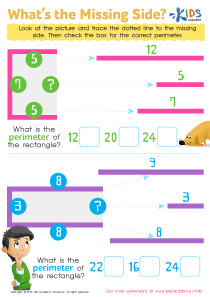
Recognizing Shape Sides Worksheet
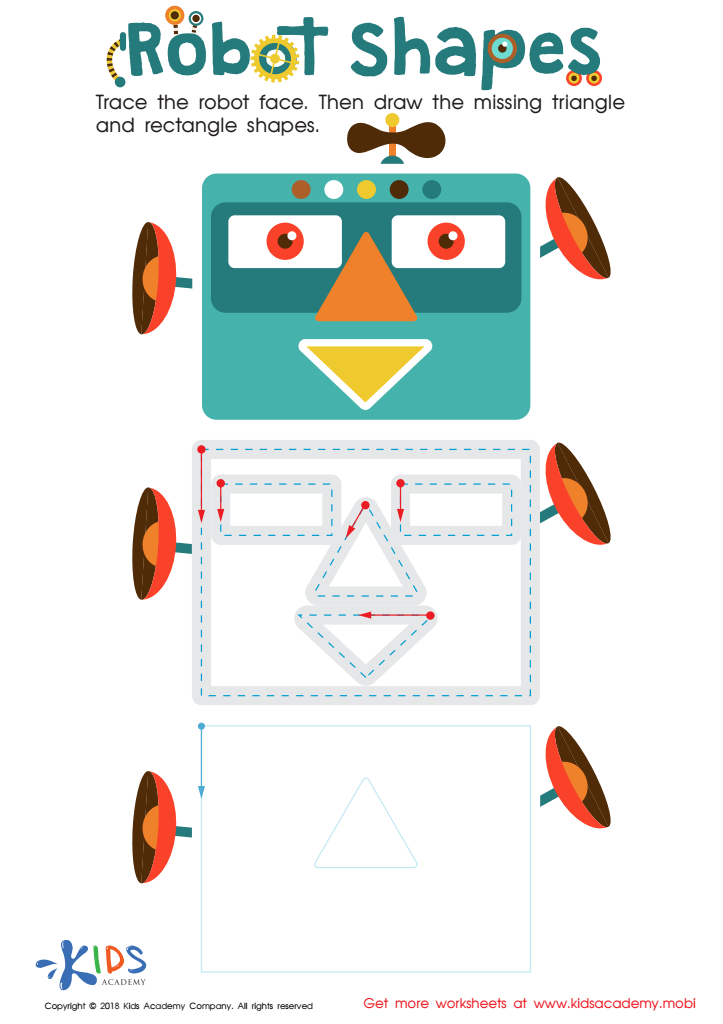
Robot Shapes Worksheet
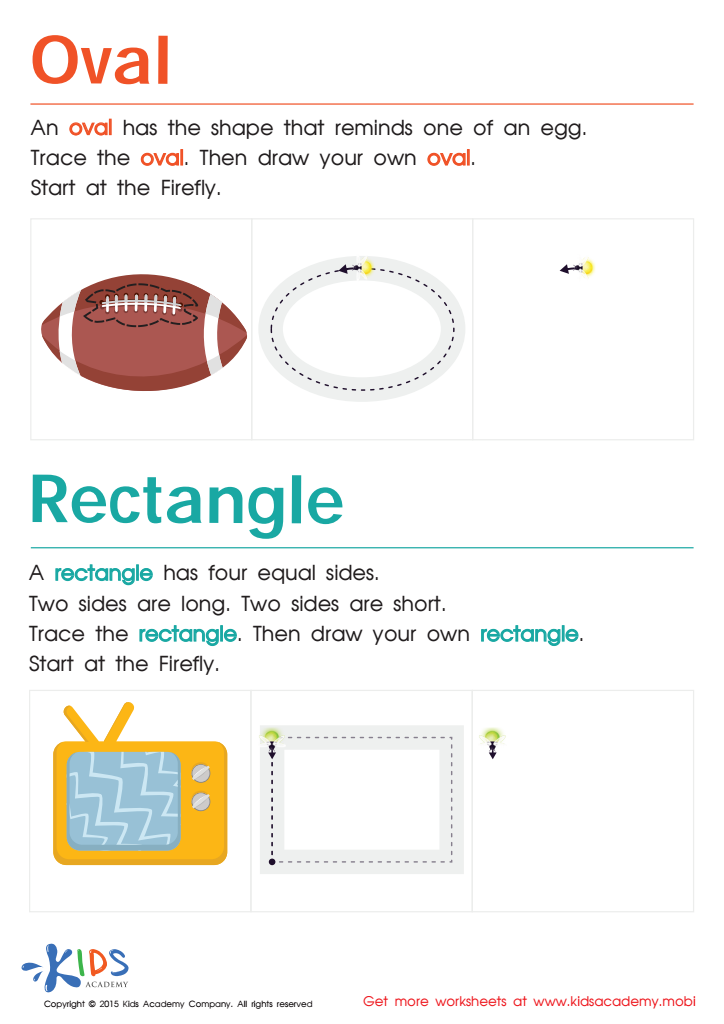
Easy Drawing of Ovals And Rectangles Worksheet








Fine motor skills and understanding 2D shapes are critical aspects of a child's early development, particularly for ages 5-8. Fine motor skills involve the coordination of small muscles in the hands and fingers, which are essential for tasks such as writing, cutting with scissors, buttoning clothes, and feeding themselves with utensils. Developing these skills helps children gain independence and confidence in daily activities while also preparing them for academic tasks. Weak fine motor skills can lead to difficulties in schoolwork, low self-esteem, and reliance on others for basic tasks.
Understanding and recognizing 2D shapes, such as circles, squares, and triangles, are foundational aspects of geometric knowledge. Learning about 2D shapes enhances spatial awareness, a crucial skill not only for math literacy but also for problem-solving tasks and understanding more complex concepts in science and technology. Shapes are an integral part of visual literacy; being able to identify and differentiate them improves a child’s ability to follow instructions, understand charts and maps, and even enjoy art.
Together, fine motor skills and shape recognition provide a strong basis for academic success, personal independence, and overall cognitive development. Parents and teachers who focus on these areas foster a supportive learning environment that promotes well-rounded growth, equipping children with the tools they need for future educational and life challenges.