Normal Numbers Worksheets for Ages 5-8 - Page 10
237 filtered results
-
From - To
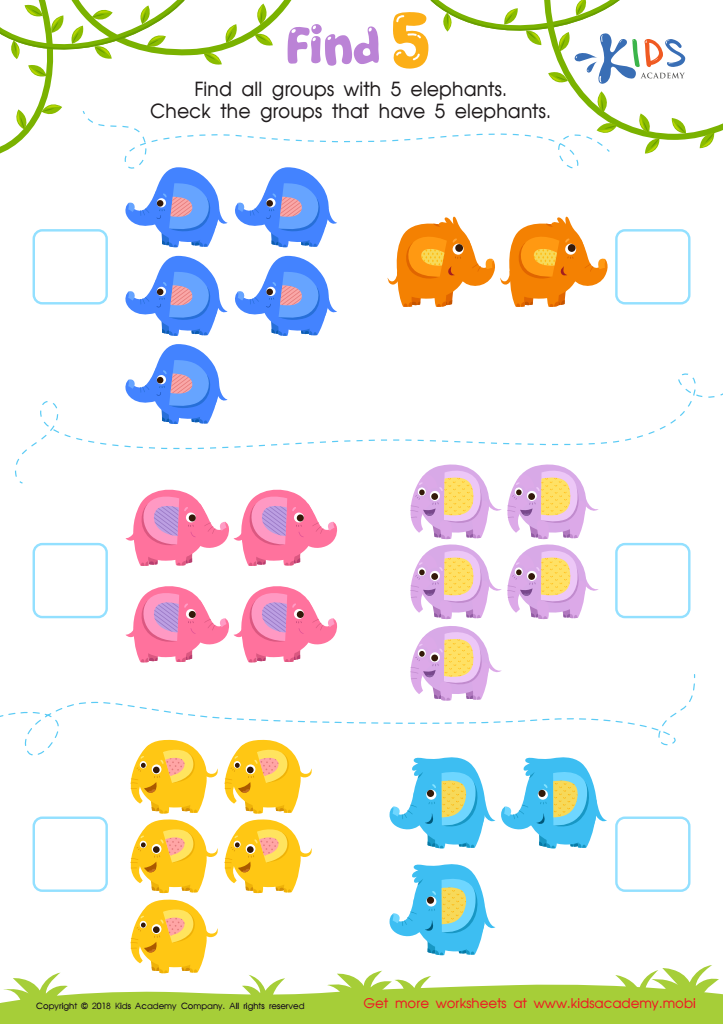
Find 5 Worksheet
 Assign to My Students
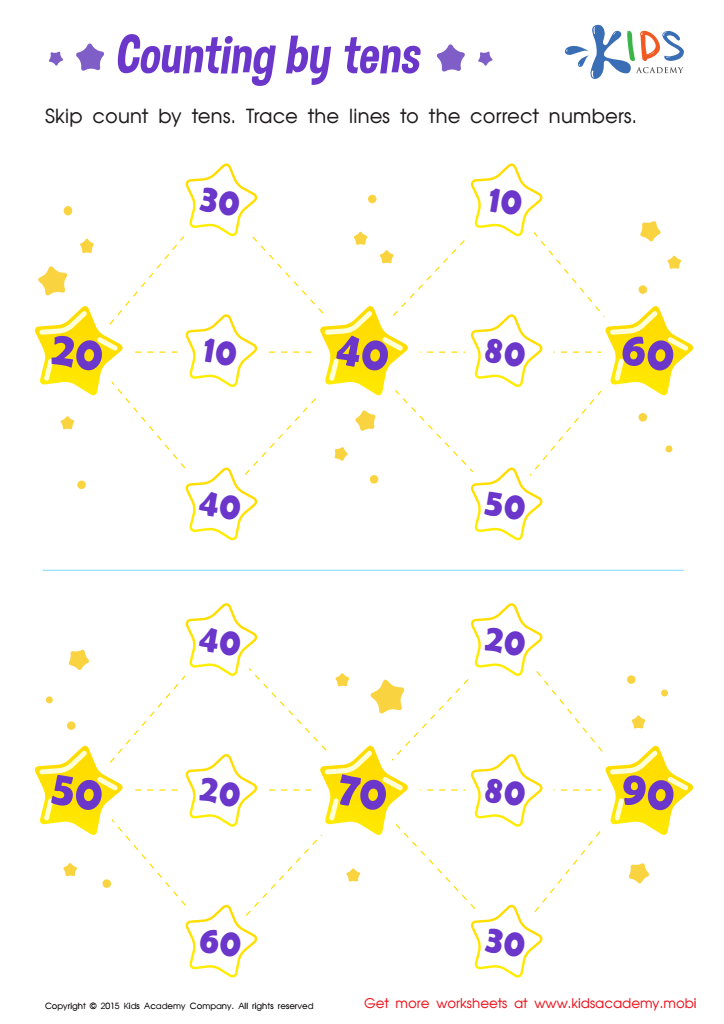
Learn Dozens: Counting by Tens Printable
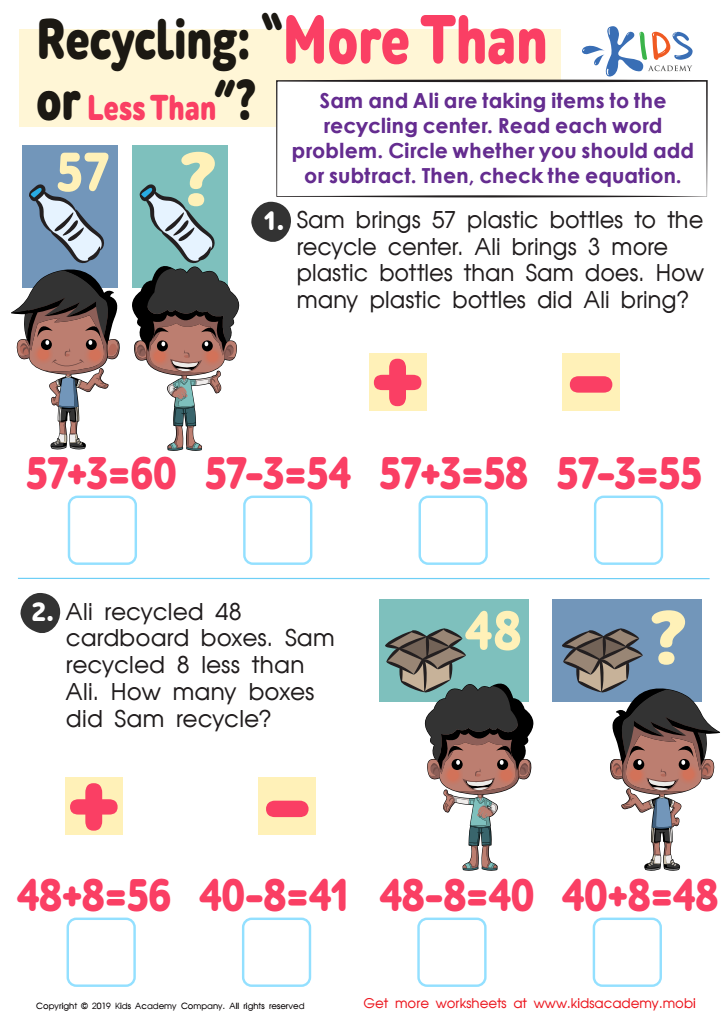
Recycling - More or Less Worksheet
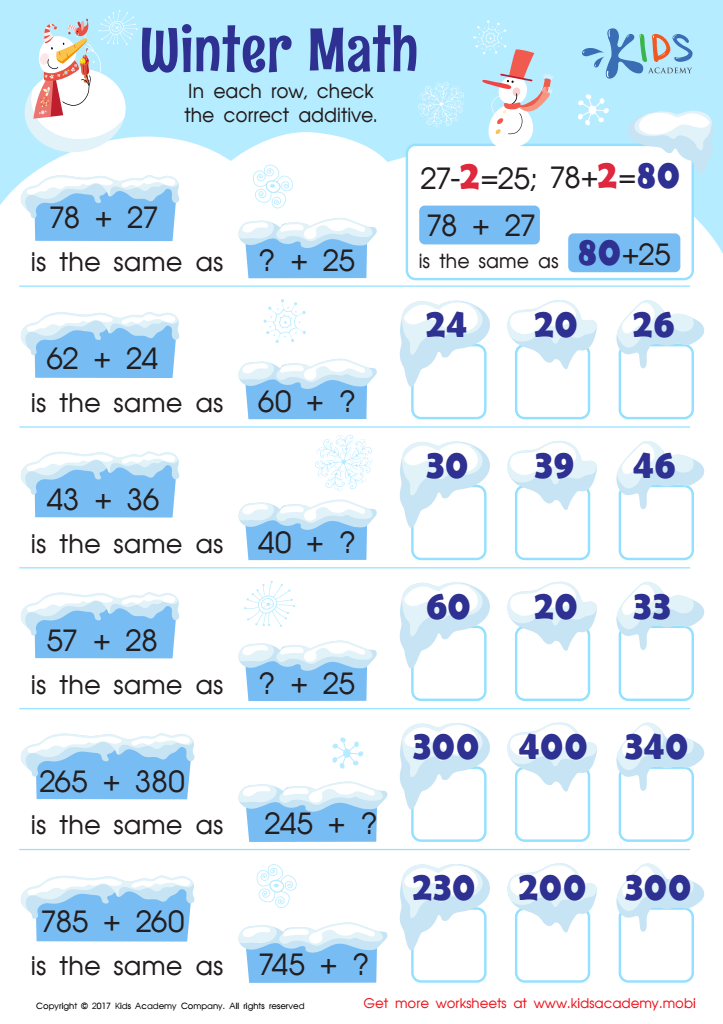
Free Addition Worksheet
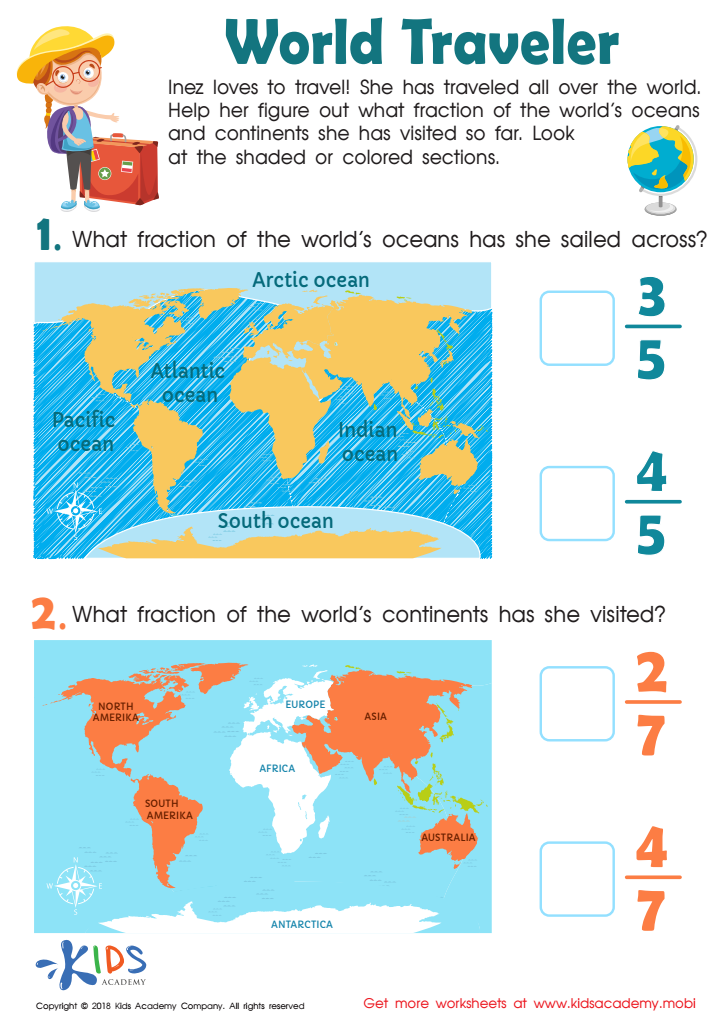
World Traveler Worksheet
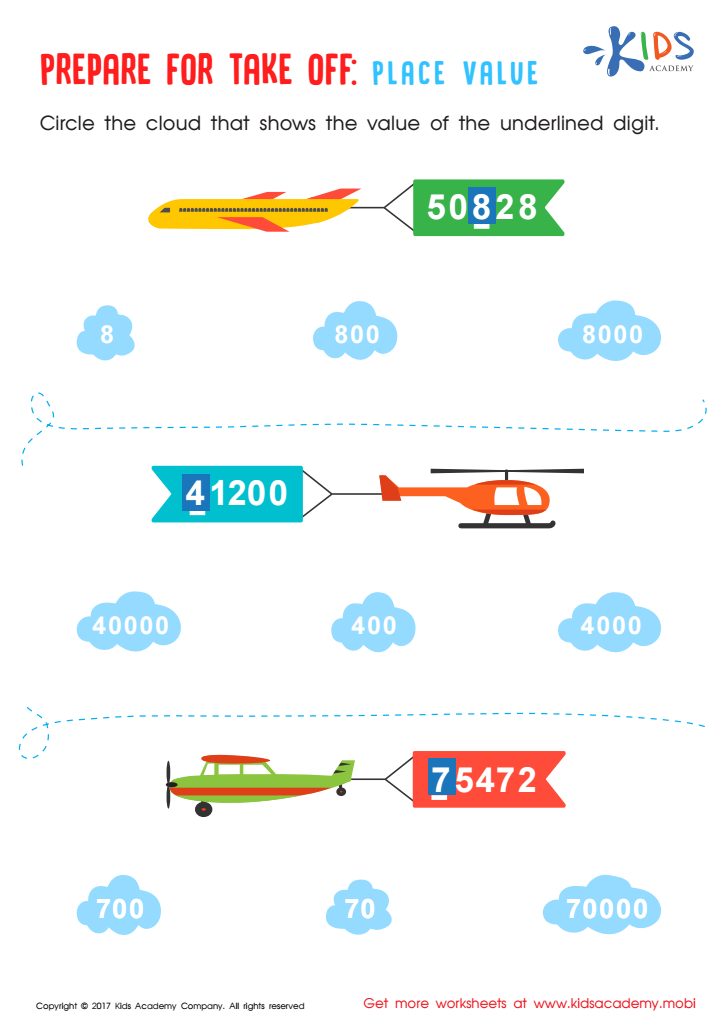
Free Place Value Worksheet for 3rd Grade
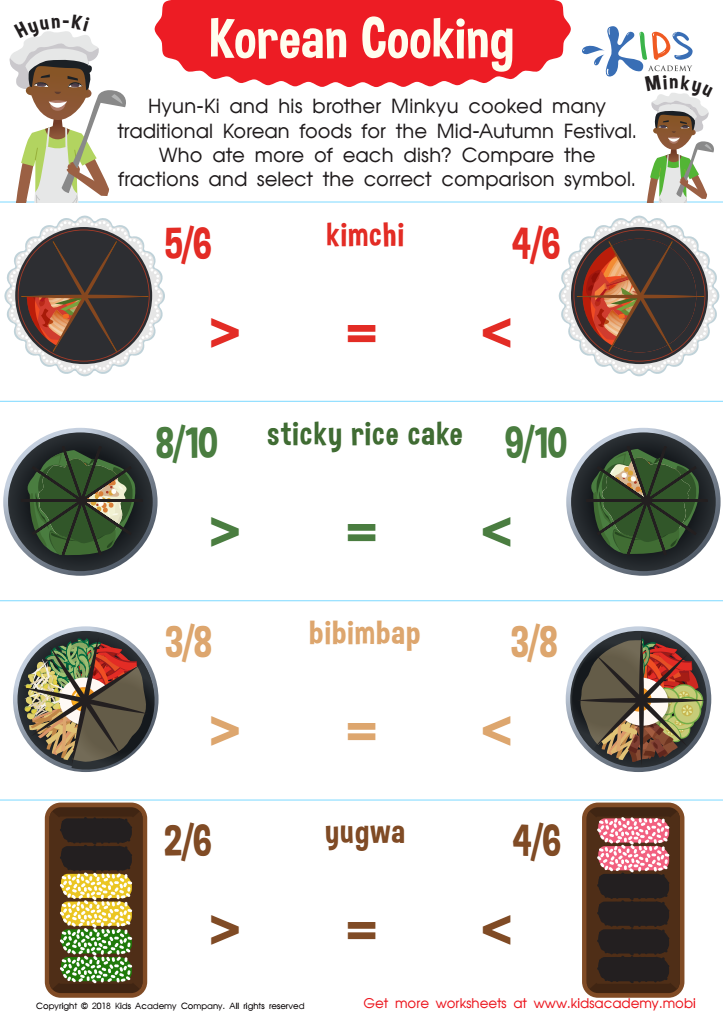
Korean Cooking Worksheet
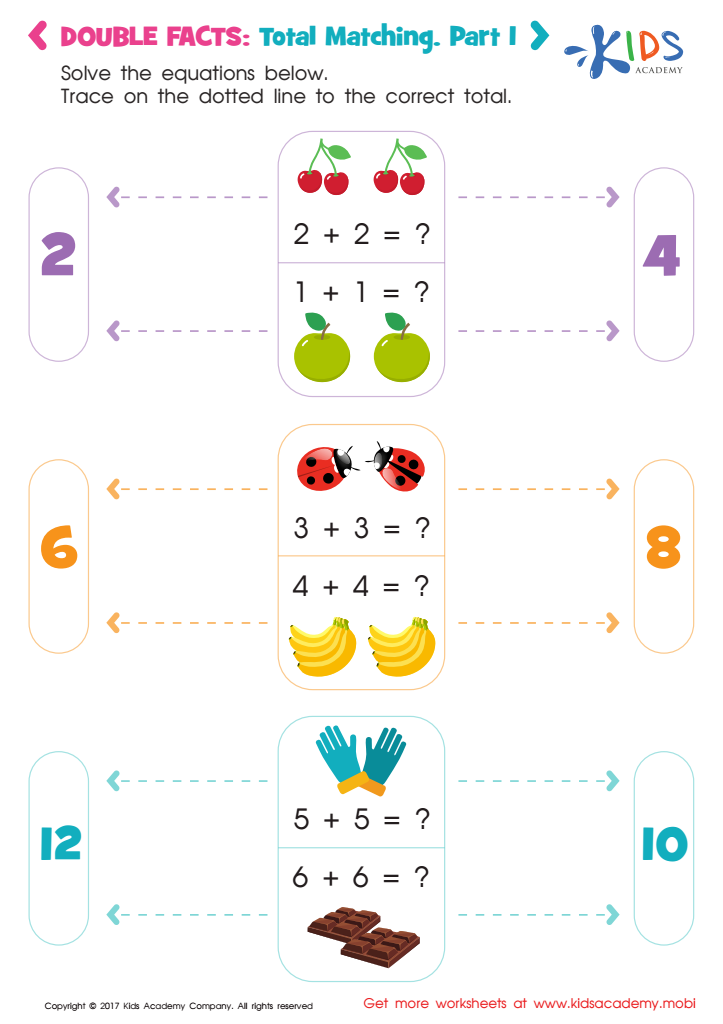
Double Facts: Total Matching Worksheet: Part 1
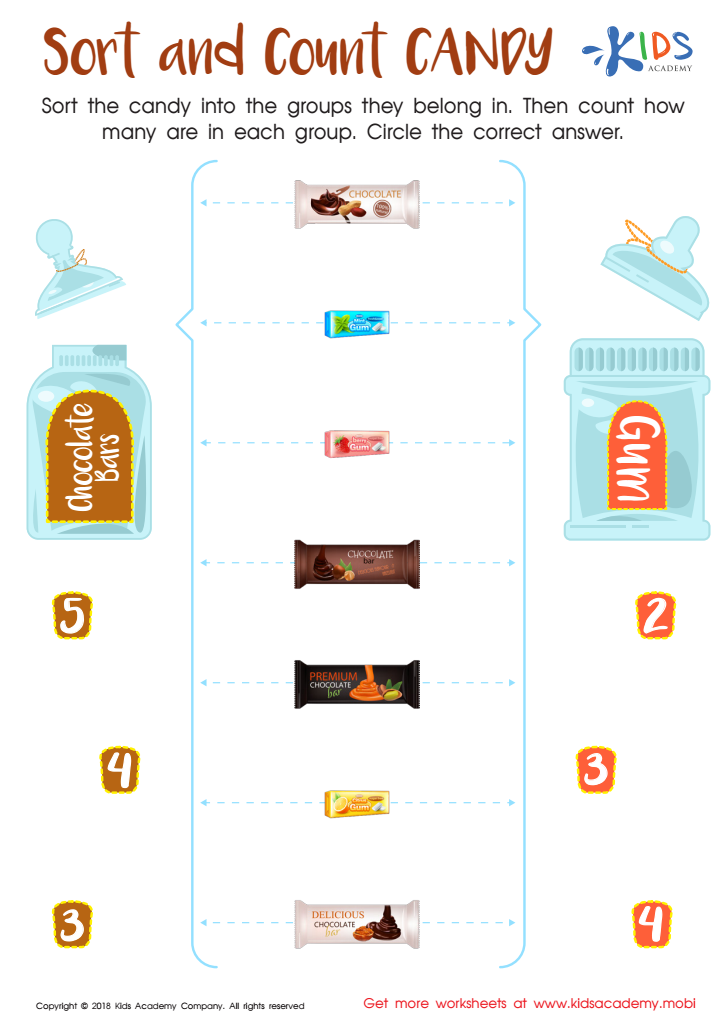
Sort and Count Candy Worksheet
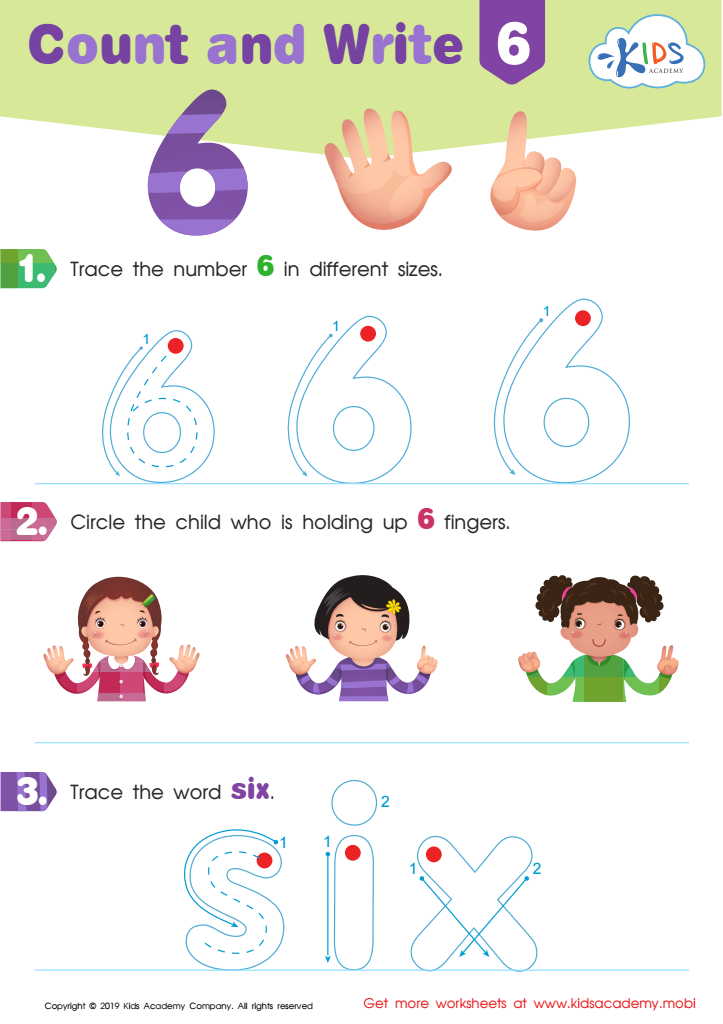
Count and Write 6 Worksheet
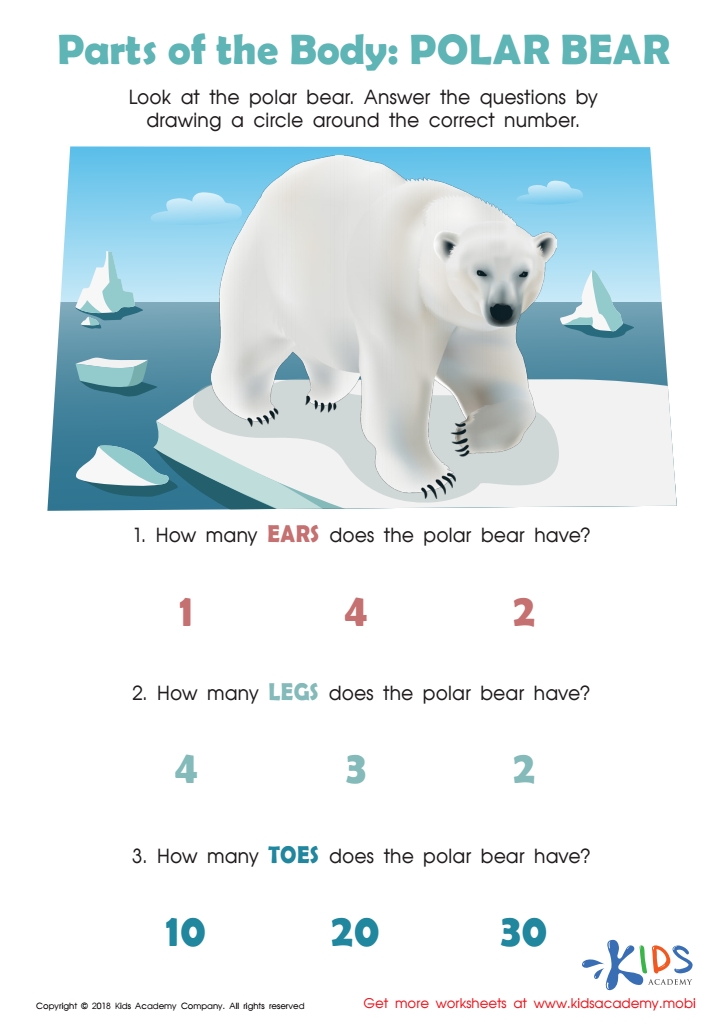
Parts of the Body: Polar Body Worksheet
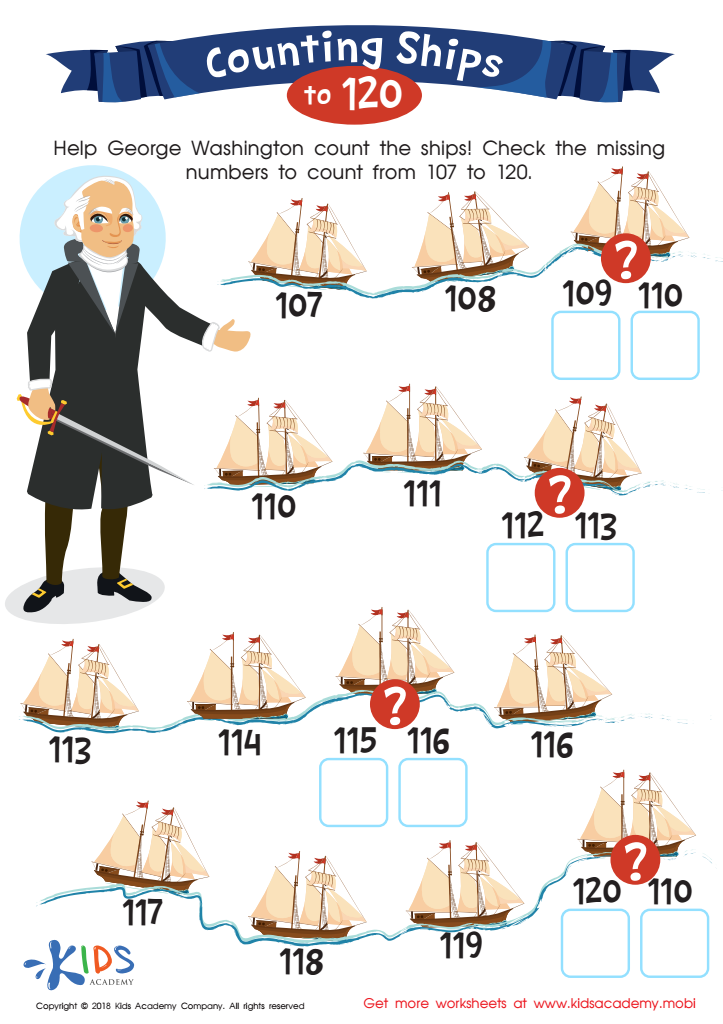
Counting Ships to 120 Worksheet
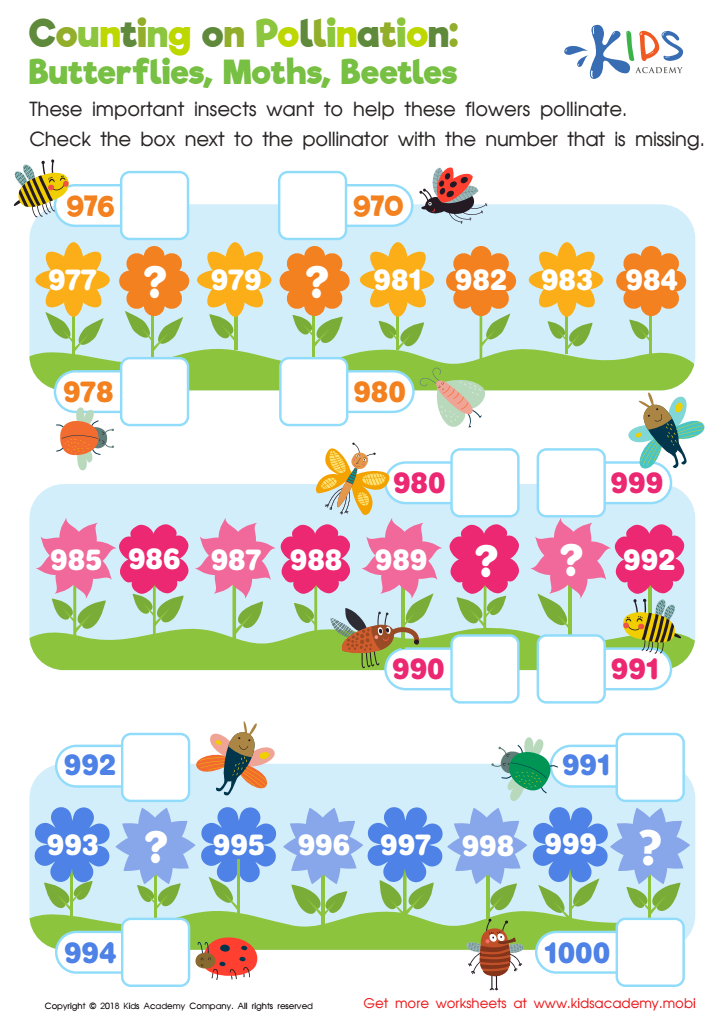
Counting on Pollination: Butterflies, Moths, Beetles Worksheet
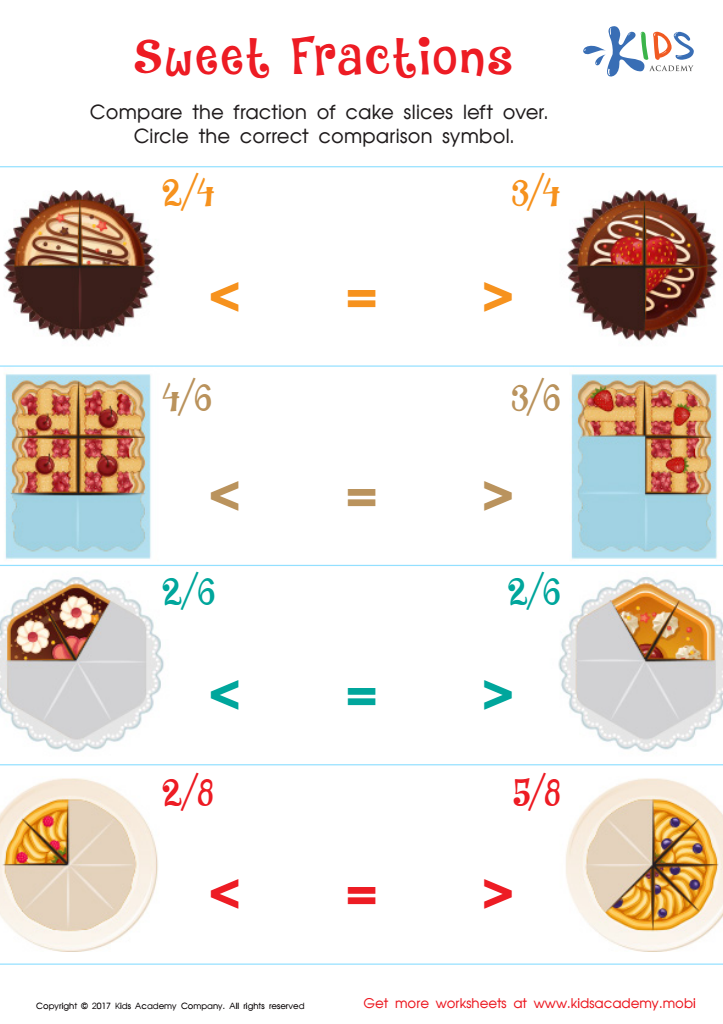
Compare Fractions Worksheet
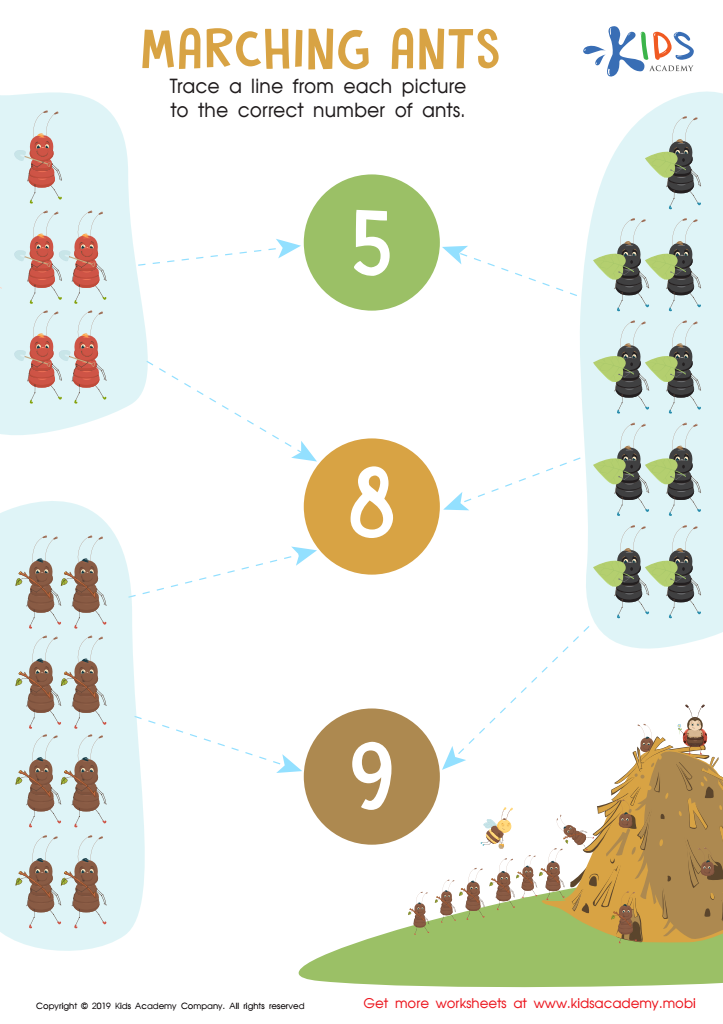
Marching Ants Worksheet
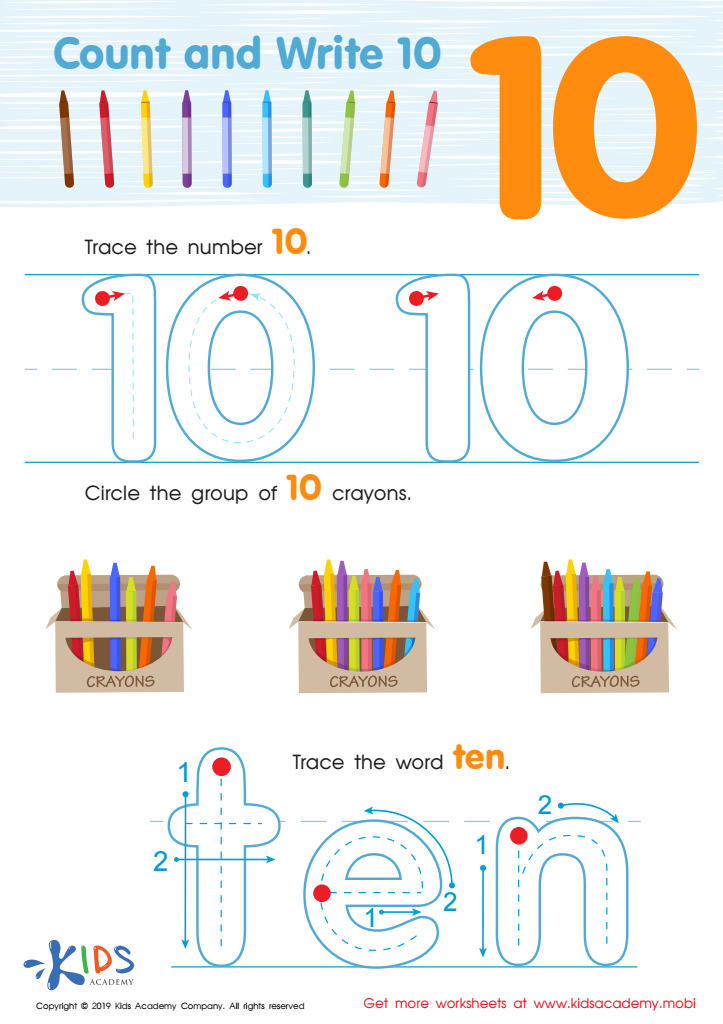
Count and Write 10 Worksheet
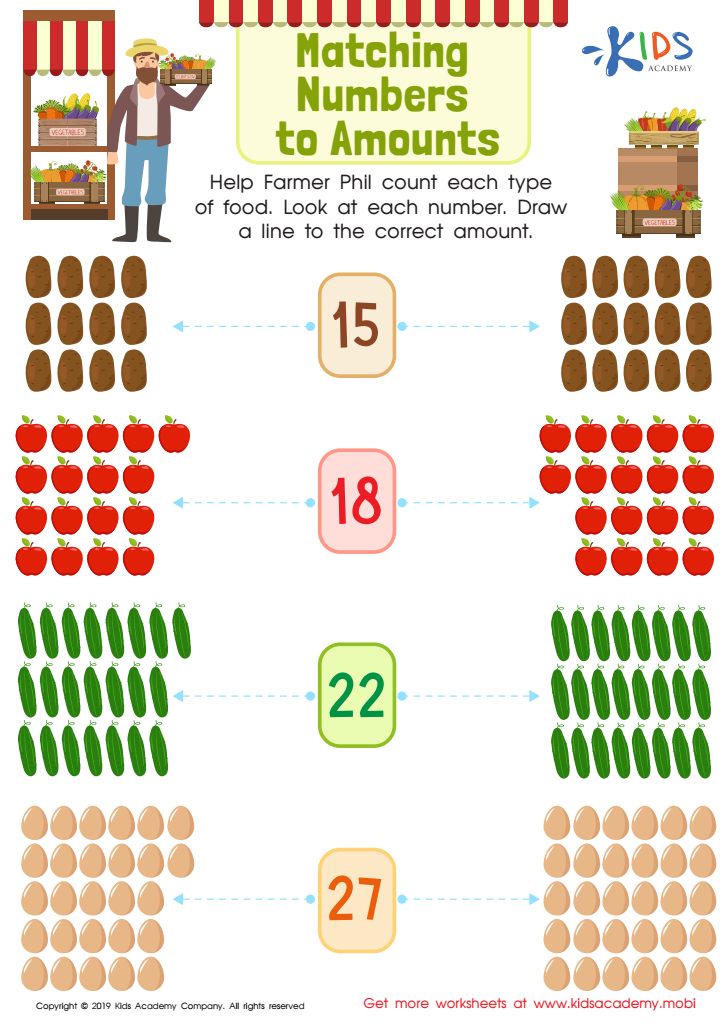
Matching Numbers to Amounts Worksheet
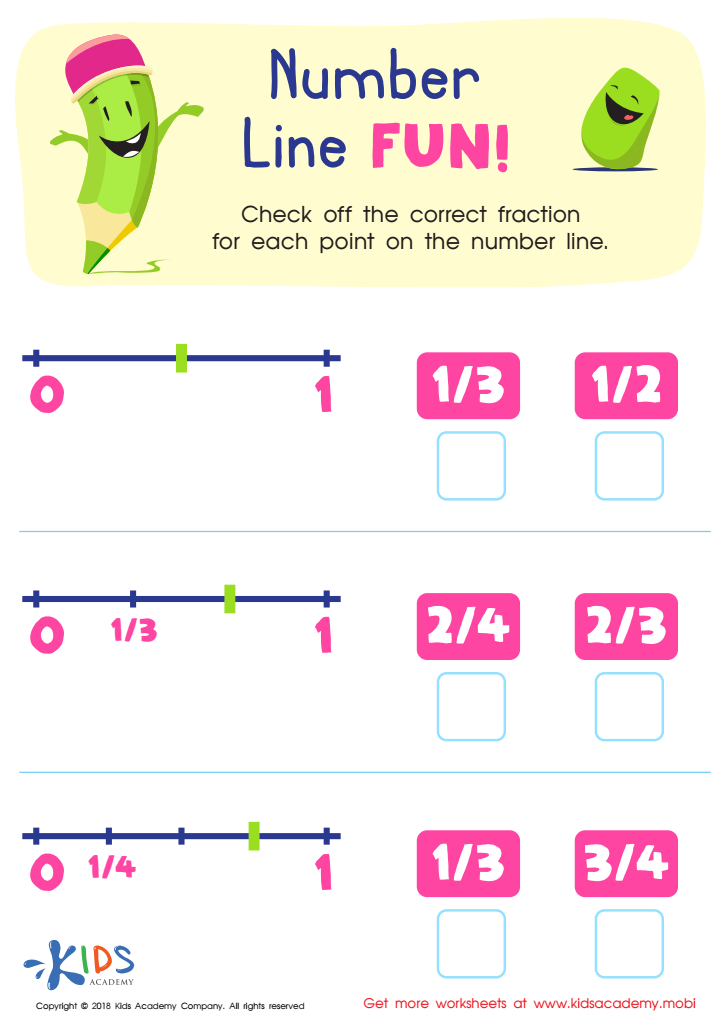
Number Line Fun Worksheet
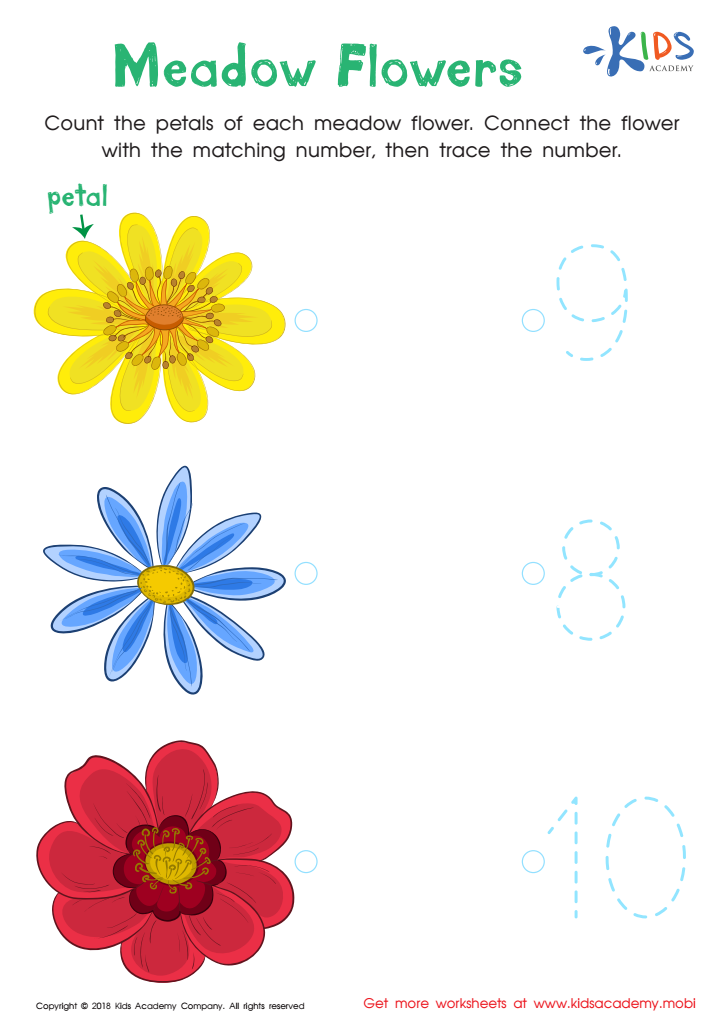
Kindergarten Number Tracing: Medow Flowers Worksheet
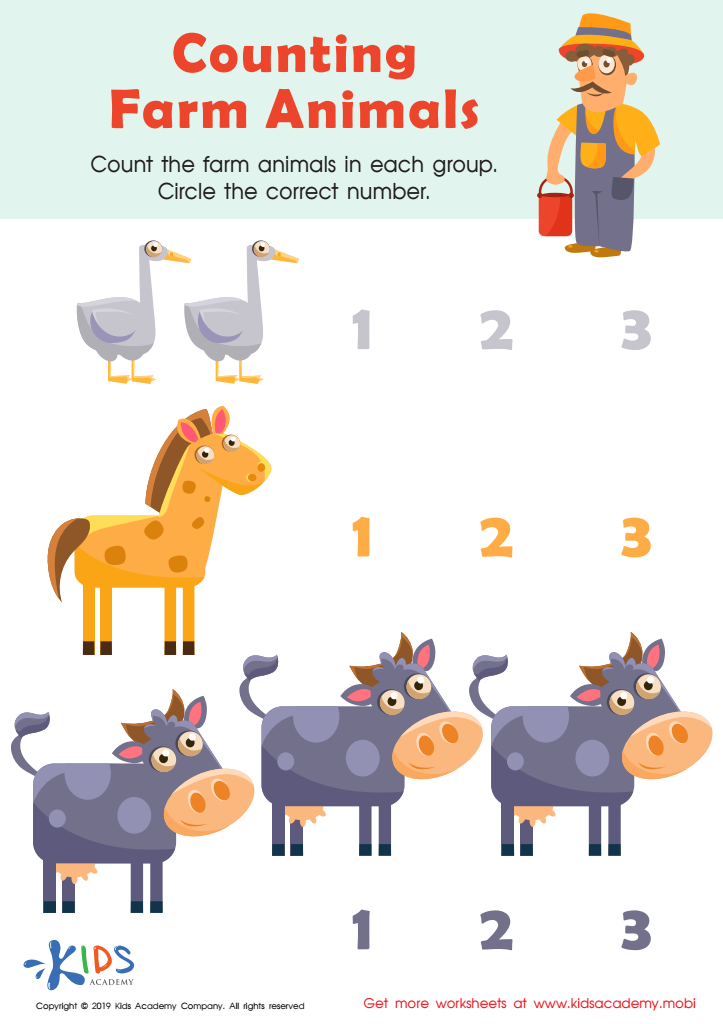
Counting Farm Animals Worksheet
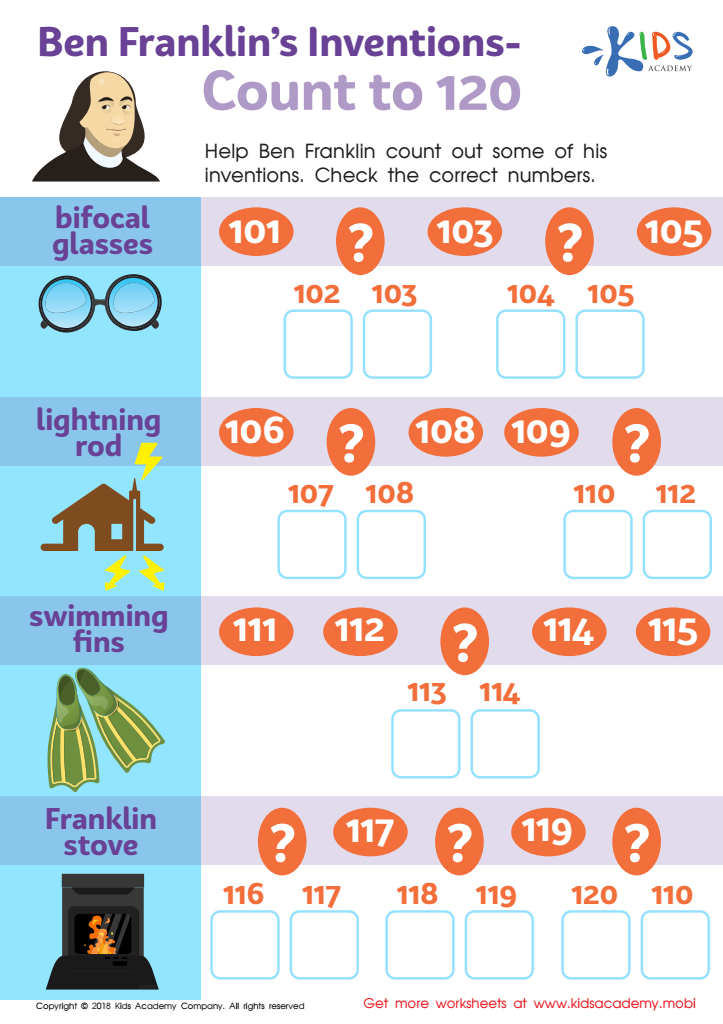
Ben Franklin’s Inventions – Count to 120 Worksheet




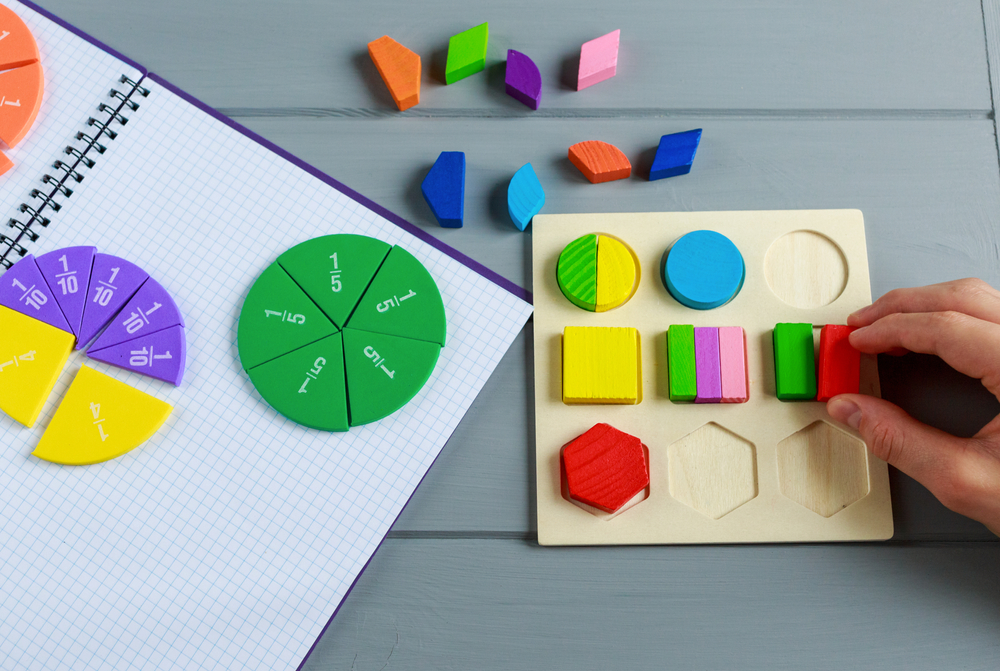



Normal numbers are essential for parents and teachers to understand when fostering early math skills in children aged 5-8. At this age, children are developing foundational numeracy and mathematical reasoning, which will support their future learning. Normal numbers introduce the idea of randomness and patterns, helping to build critical thinking and problem-solving abilities.
Understanding normal numbers can enhance the way educators approach lessons involving statistics and probability. By incorporating games and activities that illustrate numeric patterns, children can learn to recognize and engage with numbers in a fun, interactive manner. This engagement boosts their confidence and interest in math.
Additionally, discussions around normal numbers provide opportunities for parents and teachers to explore fundamental concepts in a relatable way, such as fairness, equal chances, and basic probability — concepts they encounter in everyday life, like playing games or sharing resources. Encouraging children to think about numbers and their properties fosters a growth mindset, making math enjoyable and relatable.
By emphasizing the significance of normal numbers, parents and teachers can provide children with a comprehensive mathematical foundation, equipping them with skills that will benefit their academic journey and everyday decision-making.