Understanding fractions Normal Numbers Worksheets for Ages 5-8
10 filtered results
-
From - To
Enhance your child's understanding of fractions with our engaging Normal Numbers Worksheets designed for ages 5-8. These interactive worksheets help young learners grasp foundational concepts of fractions through fun activities and colorful visuals. With a focus on real-life applications, children will practice identifying parts of whole numbers, comparing fractions, and simple addition. Our resources provide step-by-step instructions and include various difficulty levels to accommodate different learning styles. Foster a love for math while building confidence in fraction comprehension. Download our worksheets today and make learning fractions enjoyable and effective for your little ones!
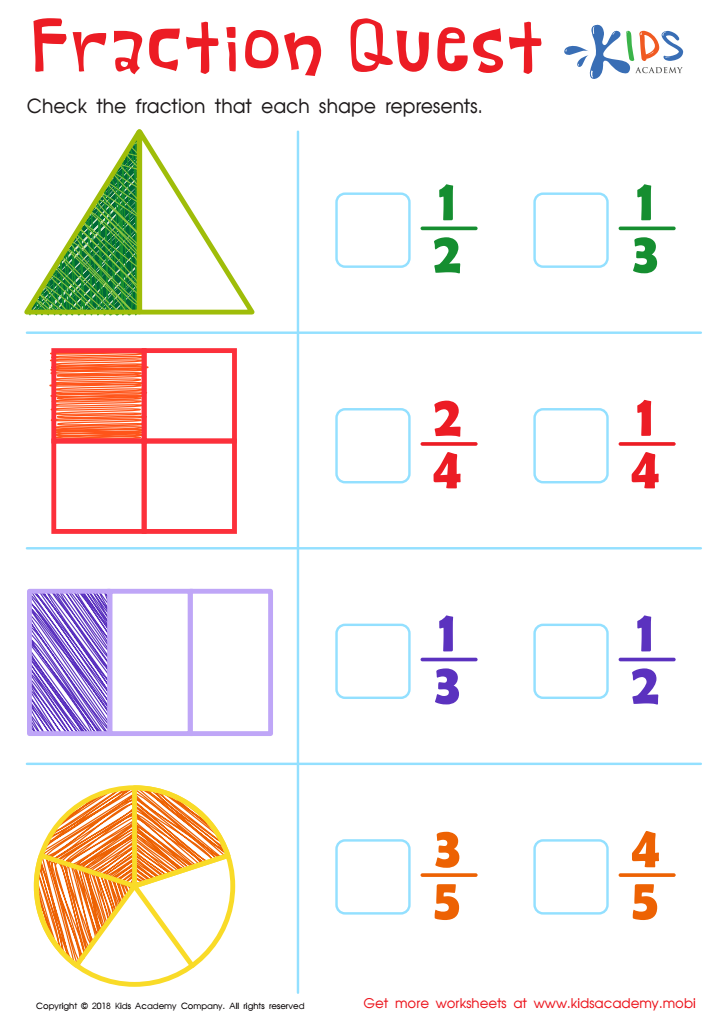
Fraction Quest Worksheet
 Assign to My Students
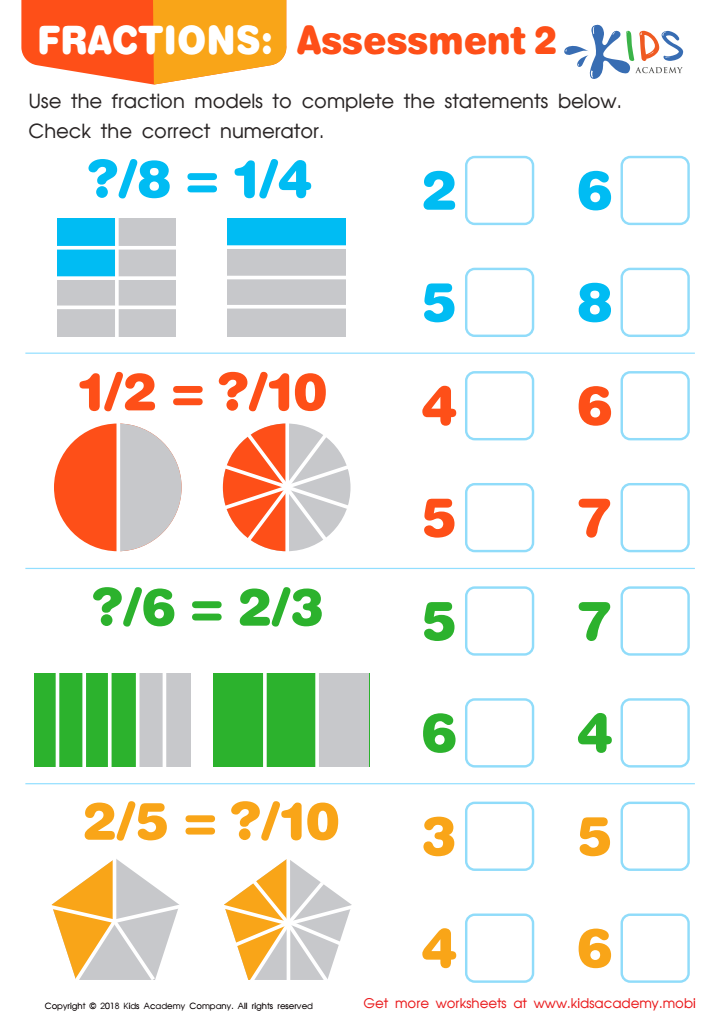
Fractions: Assessment 2 Worksheet
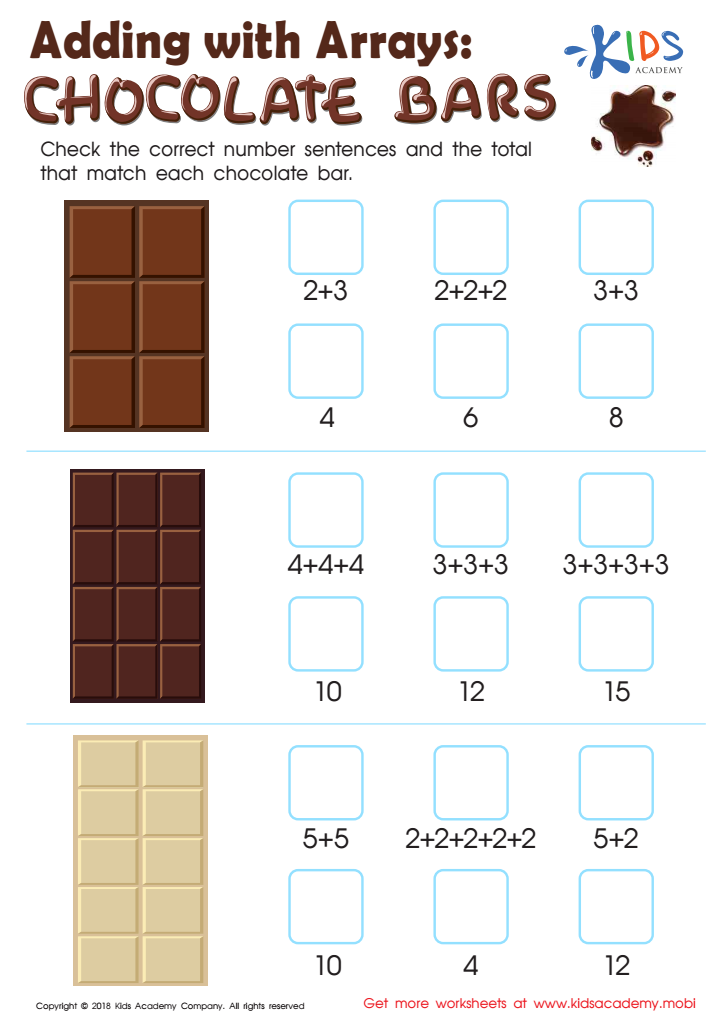
Adding with Arrays: Chocolate Bars Worksheet
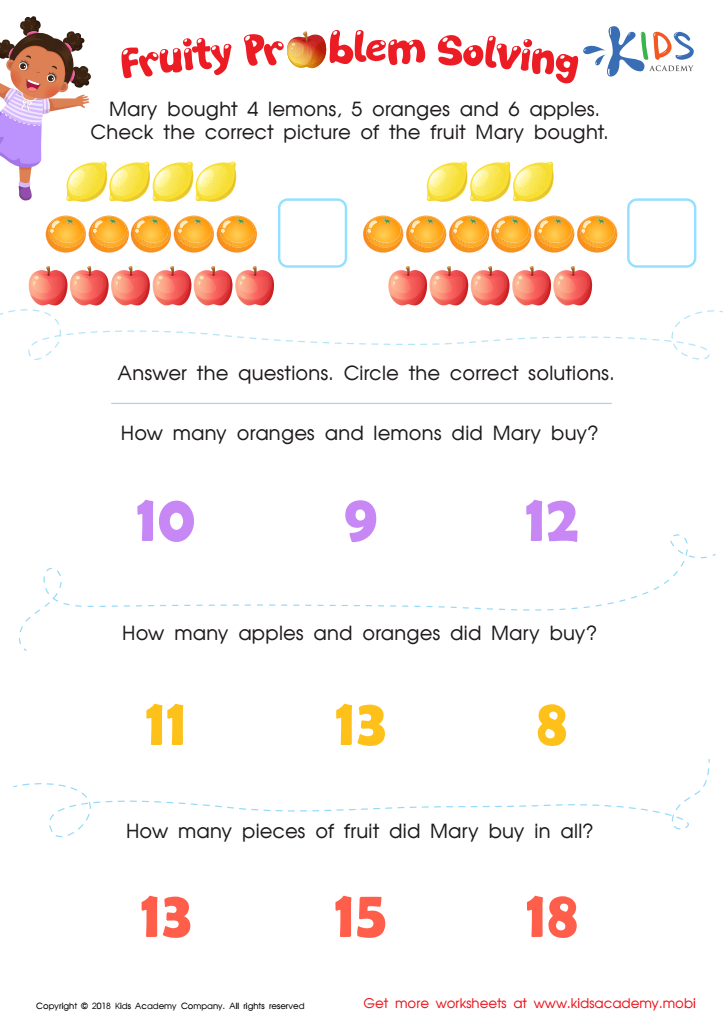
Fruity Problem Solving Worksheet
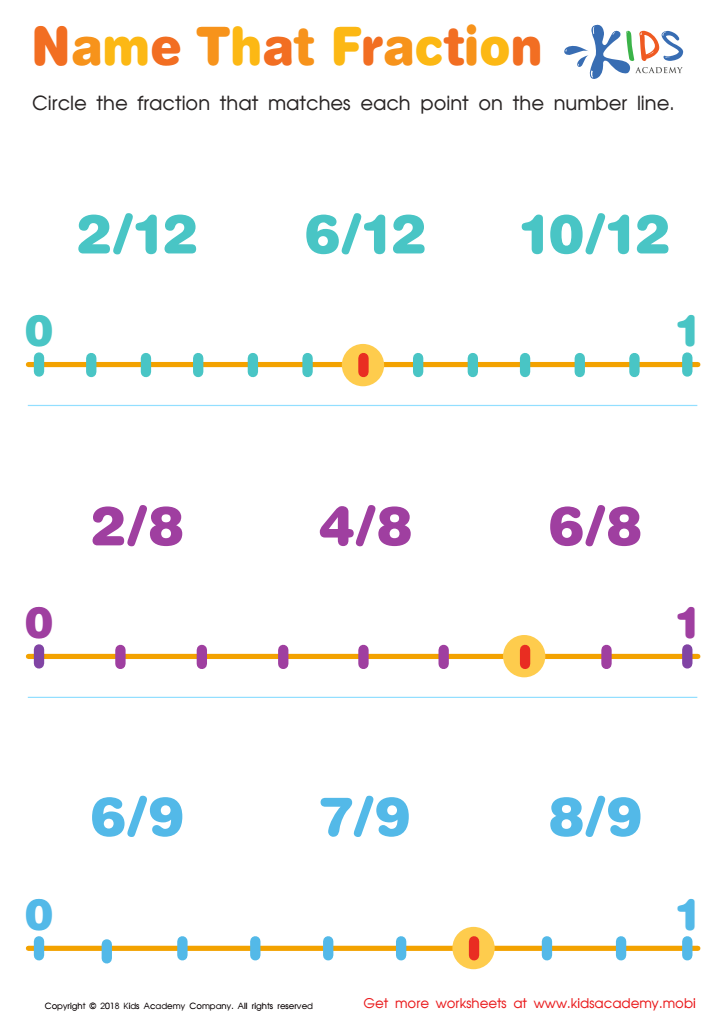
Name That Fraction Worksheet
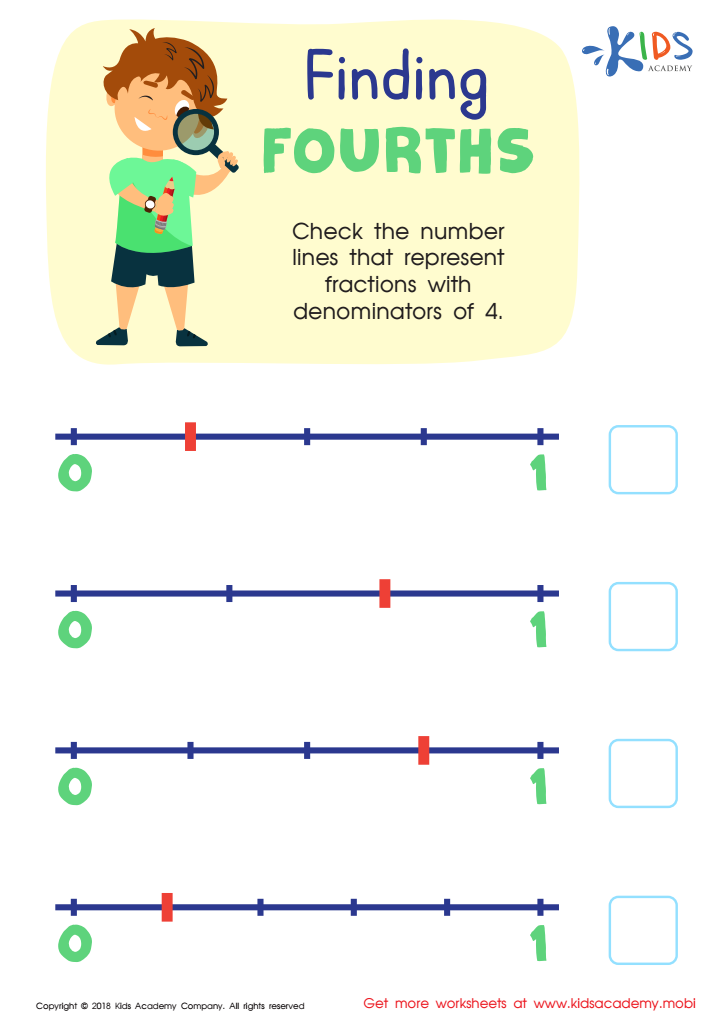
Finding Fourths Worksheet
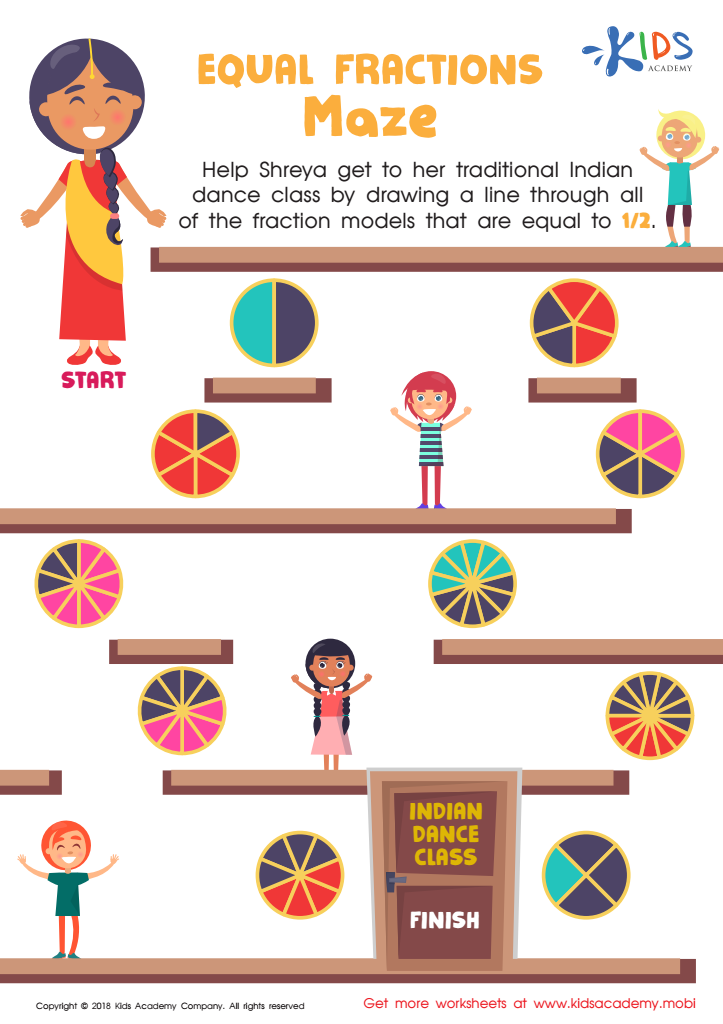
Equal Fractions Maze Worksheet
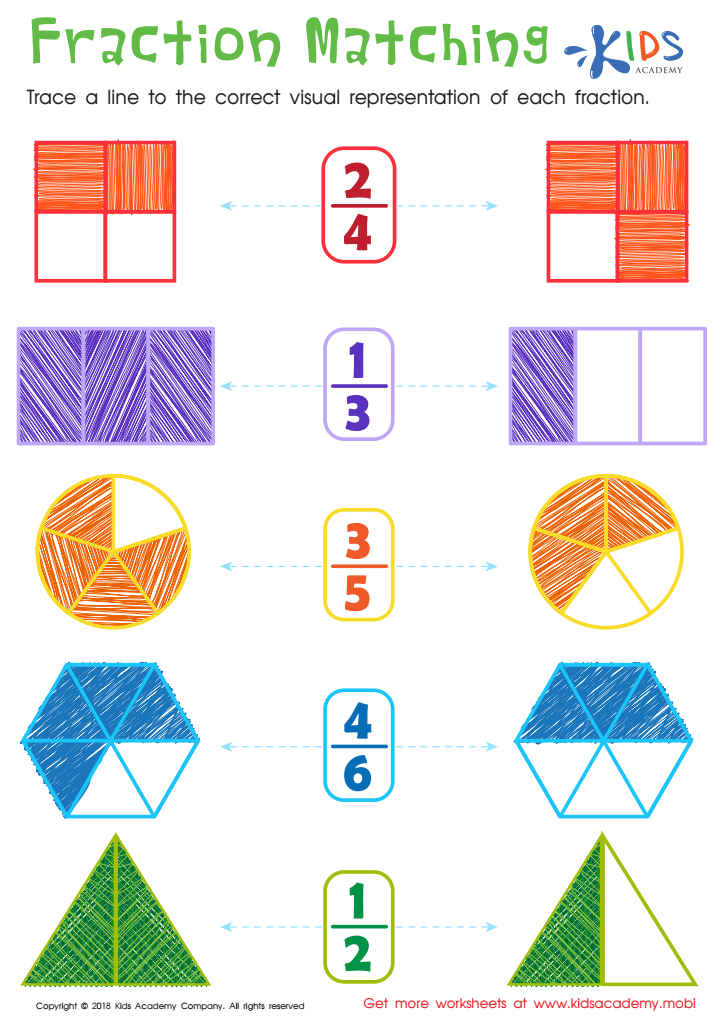
Fraction Matching Worksheet
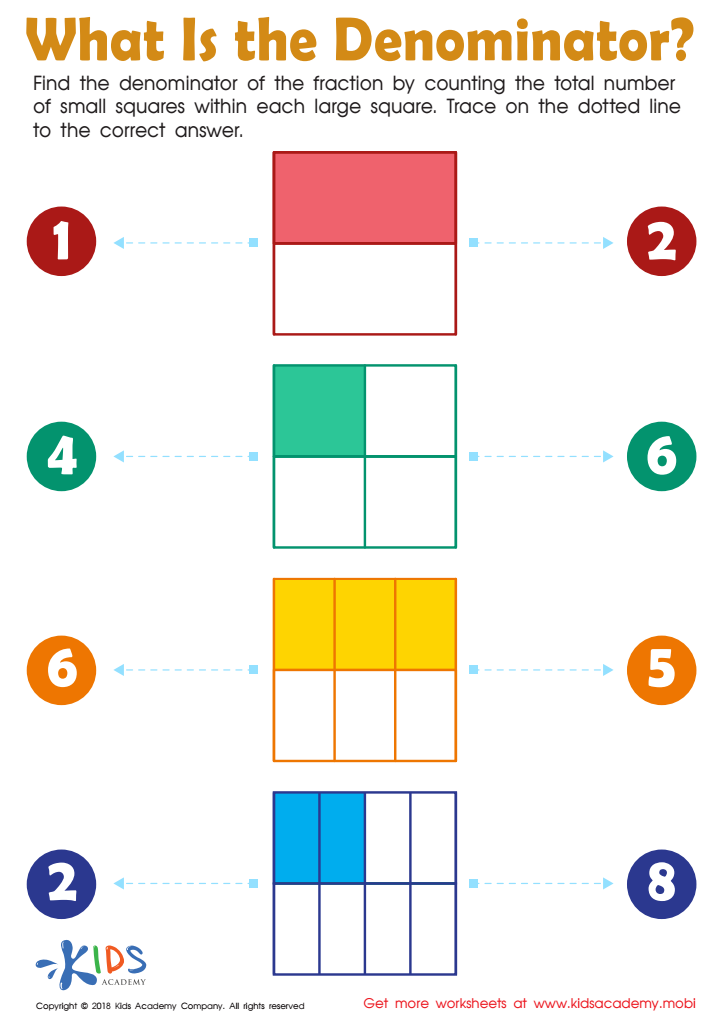
What Is the Denominator? Worksheet
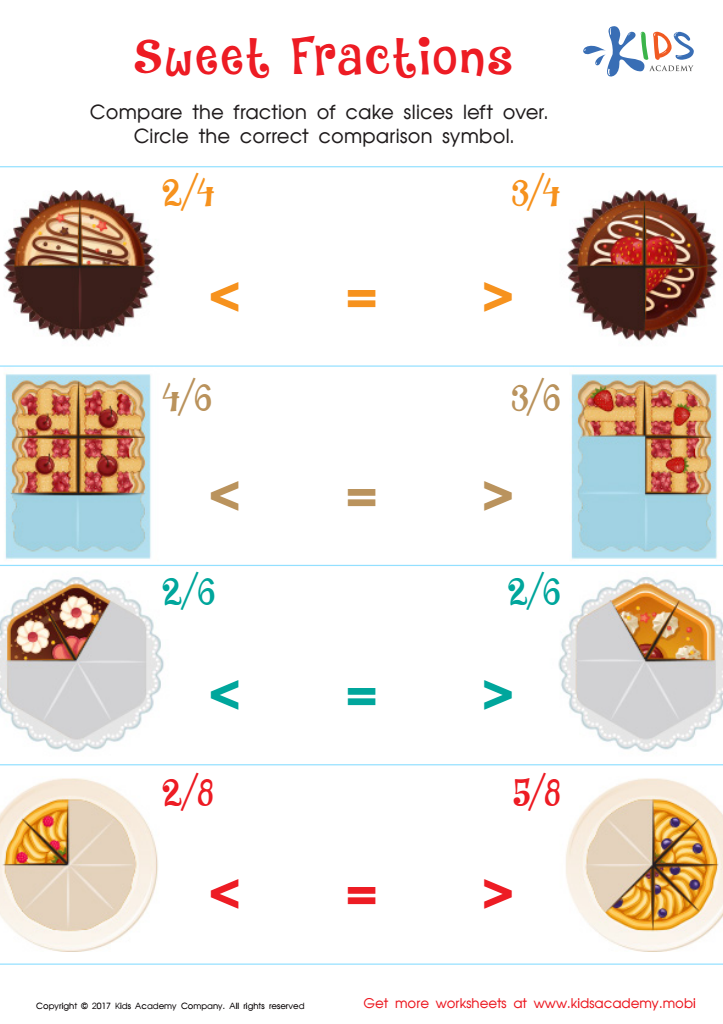
Compare Fractions Worksheet







Understanding fractions and normal numbers is crucial for children ages 5-8, as these concepts lay the foundation for their future mathematical skills. At this developmental stage, children are forming their basic arithmetic abilities, and introducing fractions helps them comprehend parts of a whole. This understanding fosters critical thinking, as they learn to compare, identify, and manipulate different fractions in everyday scenarios, like sharing food or measuring ingredients in cooking.
By teaching fractions early on, parents and teachers can support mathematical fluency, boosting confidence in their problem-solving skills. Normal numbers, or whole numbers, provide a straightforward entry point to more complex concepts like addition, subtraction, and later, multiplication and division with fractions. This foundational knowledge strengthens logical reasoning and improves cognitive skills, enabling children to tackle real-world problems.
Additionally, understanding fractions cultivates a growth mindset, as children encounter challenges that encourage perseverance and resilience. Parents and teachers can engage students with fun activities, weaving fractions into games and storytelling, making learning enjoyable. With early exposure to these mathematical concepts, children become better prepared for future education, ultimately instilling a love for learning and an appreciation for mathematics in their daily lives.








