Cognitive Development Normal Math Worksheets for Ages 5-8 - Page 2
27 filtered results
-
From - To
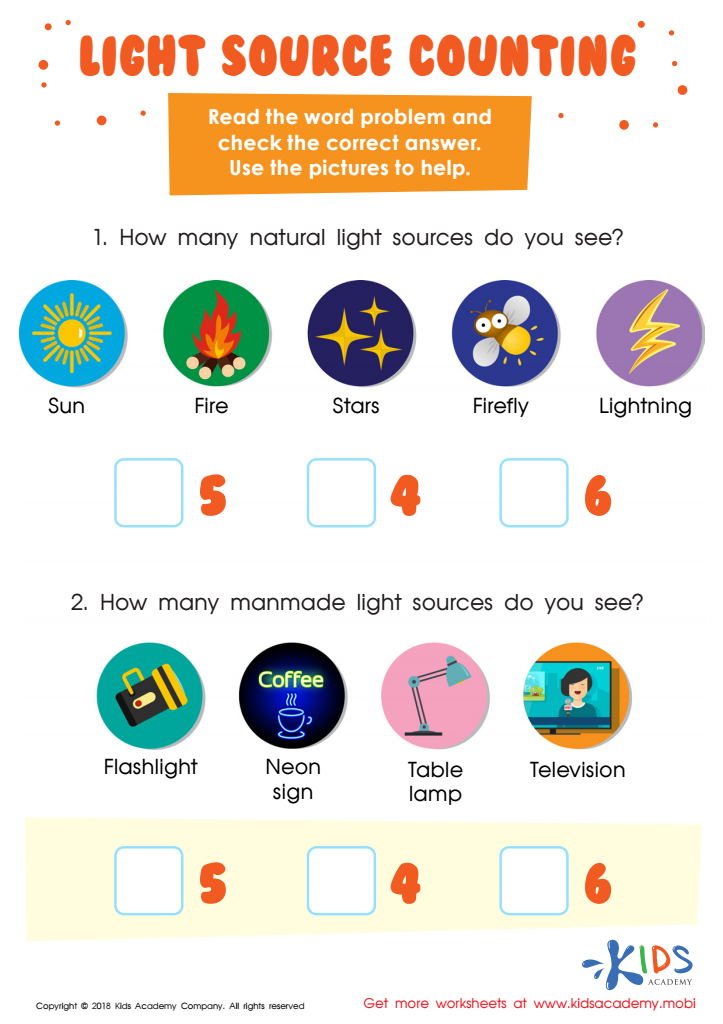
Light Source Counting Worksheet
 Assign to My Students
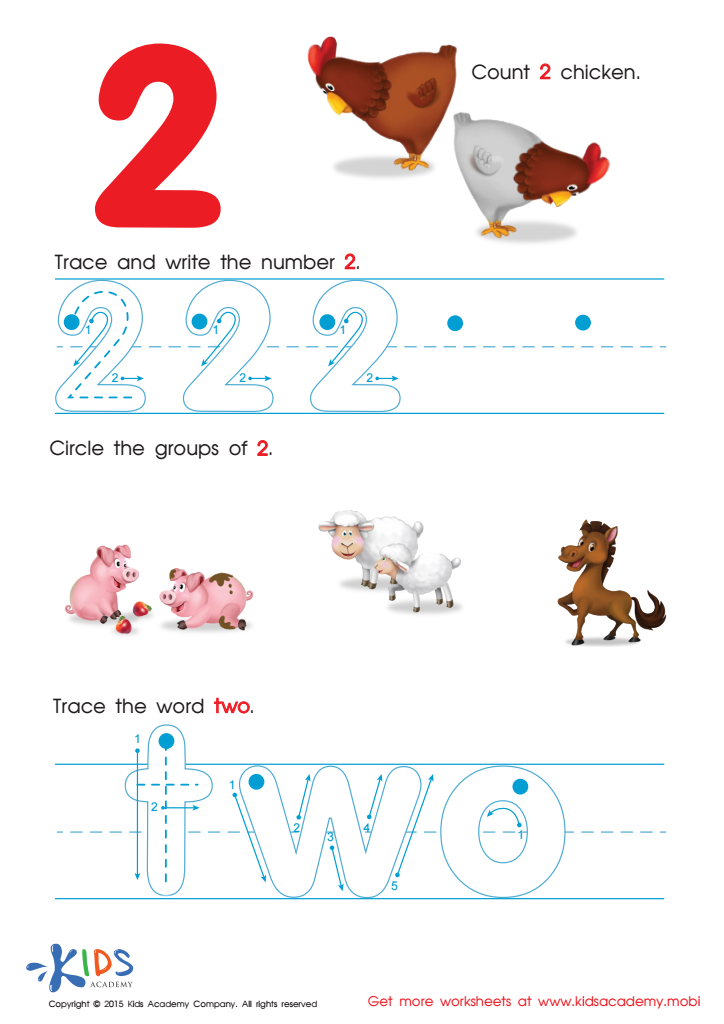
Learn to Write the Number 2 Worksheet
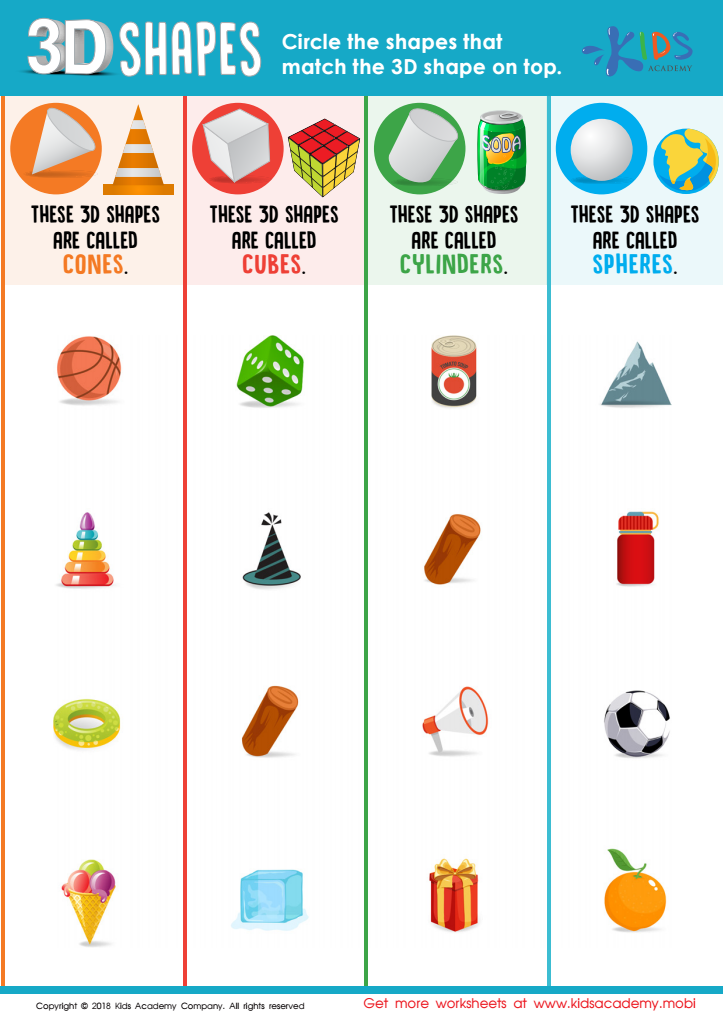
3D Shapes Worksheet








Cognitive development in children, especially between the ages of 5-8, is a crucial stage that forms the foundation of their intellectual abilities, including essential math skills. During these early years, children develop critical thinking, problem-solving, and reasoning abilities. By understanding and supporting normal cognitive development in math, parents and teachers ensure that these young learners build a strong base for future academic success and everyday life skills.
Math is more than just numbers; it's a way of thinking and understanding the world. Skills such as counting, recognizing patterns, understanding shapes, and grasping simple addition and subtraction, are integral for cognitive development. These foundational math concepts enhance a child's ability to process information, make decisions, and solve problems.
When parents and teachers actively engage in and encourage math-related activities, children develop confidence and a positive attitude toward learning. This empowerment fosters a growth mindset, making children more resilient and open to new challenges.
Ignoring or neglecting normal math development can hinder a child's academic progress and self-esteem. Therefore, understanding the significance of cognitive development in early math helps create a supportive learning environment that nurtures curiosity and intellectual growth, setting children on a path of lifelong learning and success.








