Normal Multiplication Worksheets for Ages 5-8 - Page 2
46 filtered results
-
From - To
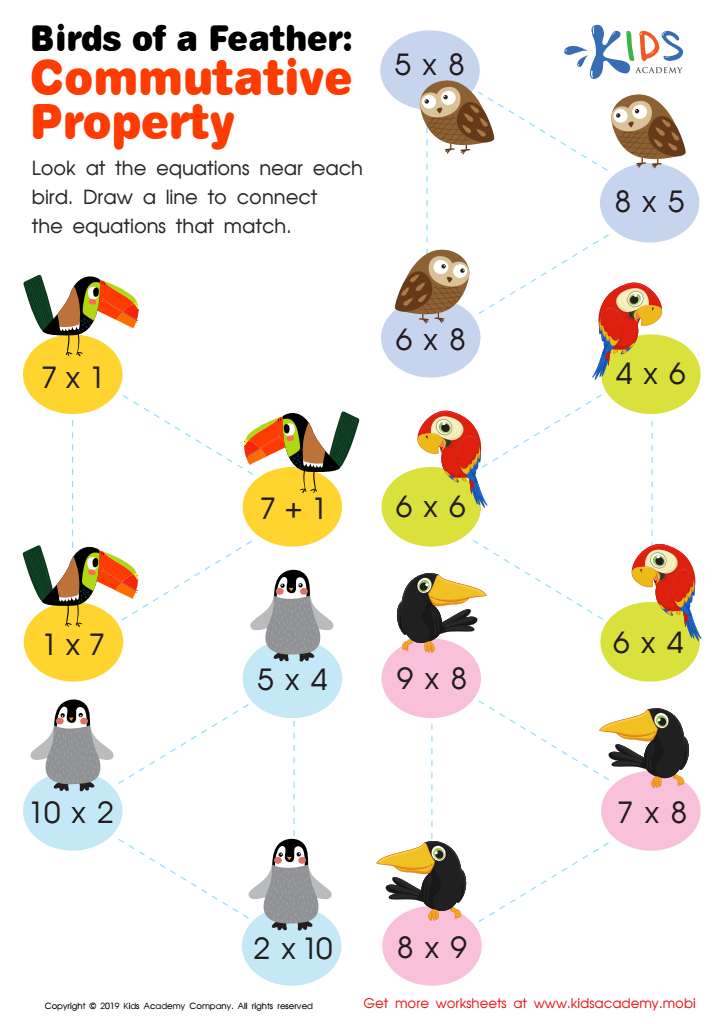
Birds of a Feather: Commutative Property Worksheet
 Assign to My Students
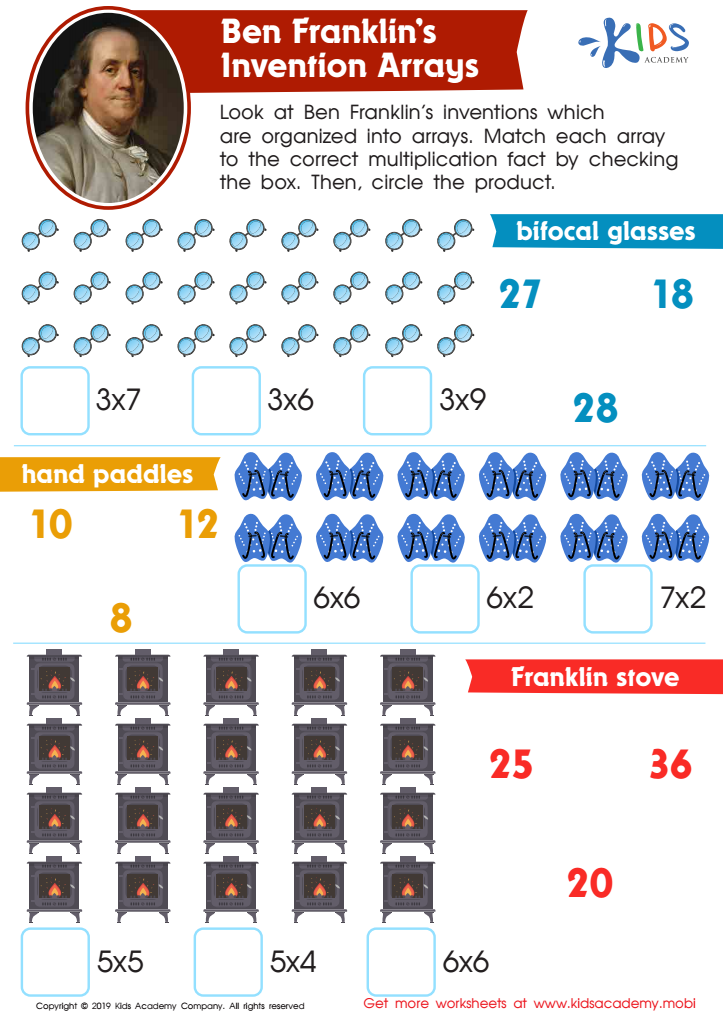
Ben Franklin’s Invention Arrays Worksheet
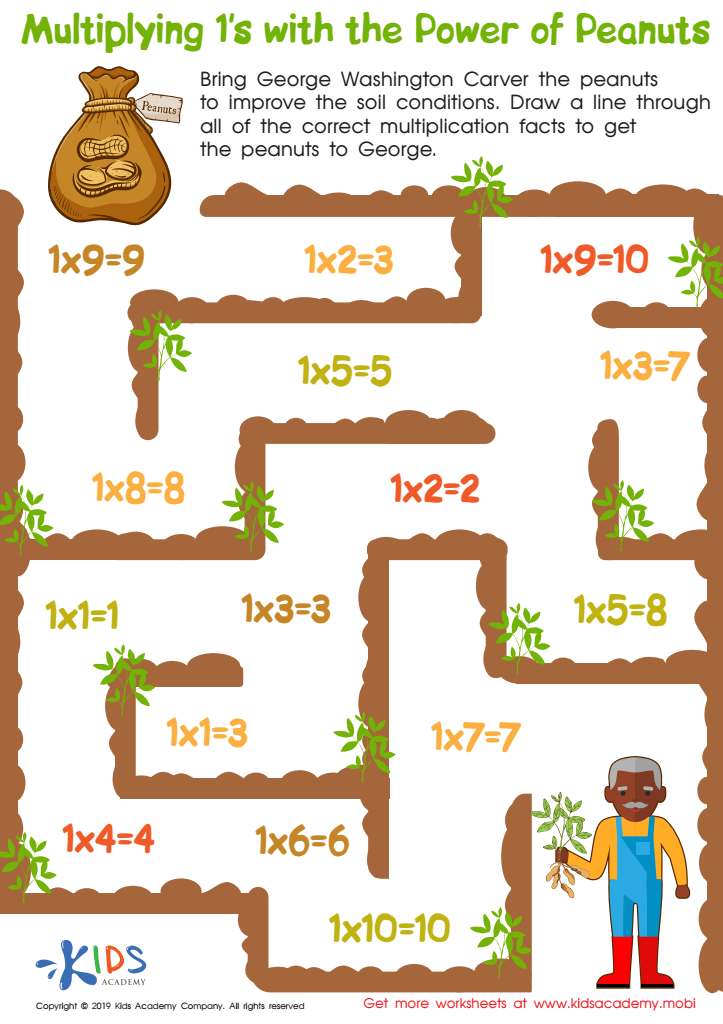
Multiplying 1’s With the Power of Peanuts Worksheet
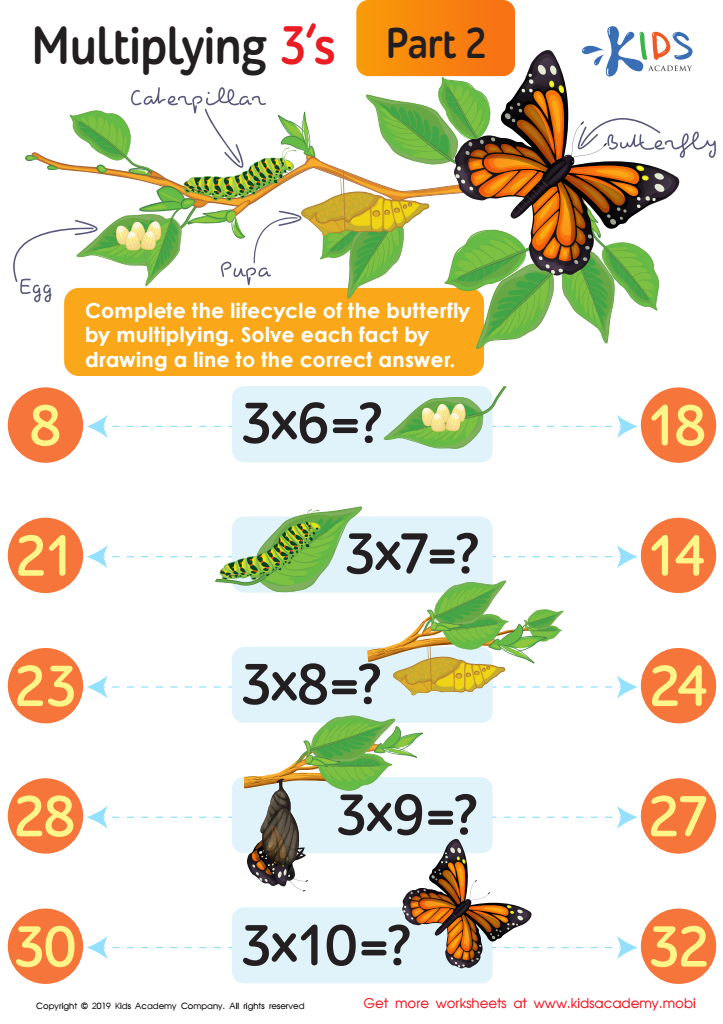
Multiplying 3s Part 2 Worksheet
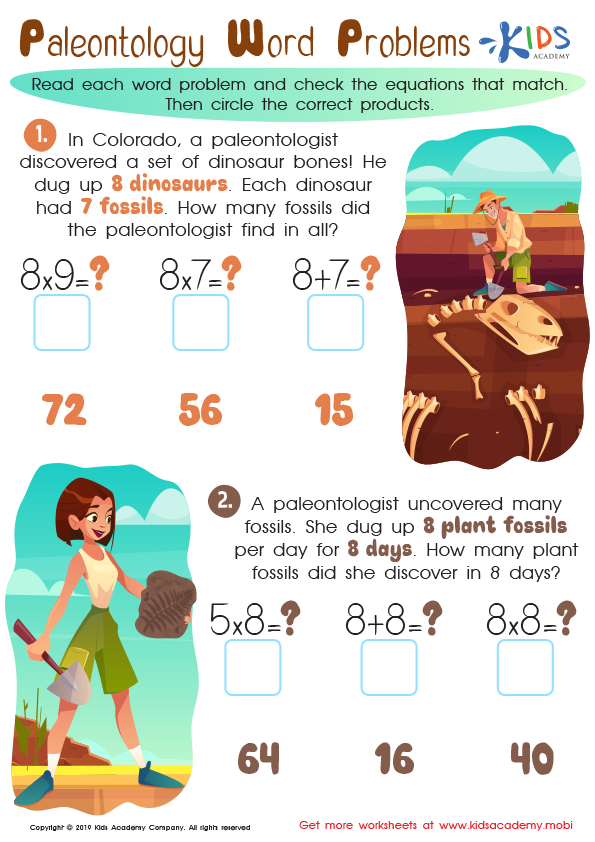
Archeology Word Problems Worksheet
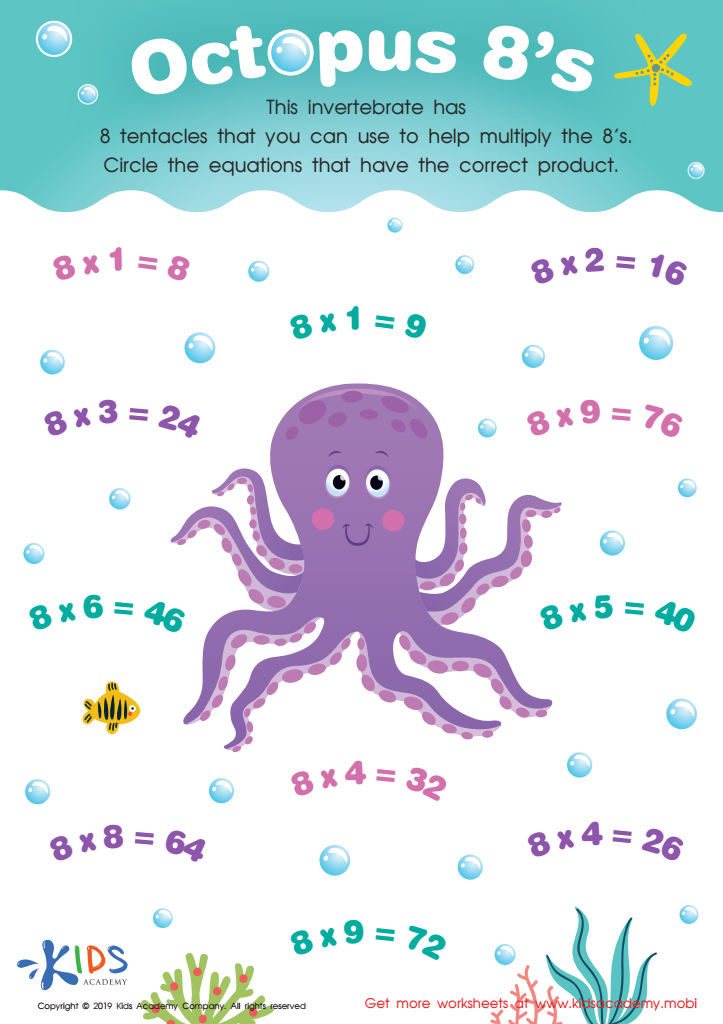
Octopus 8’s Worksheet
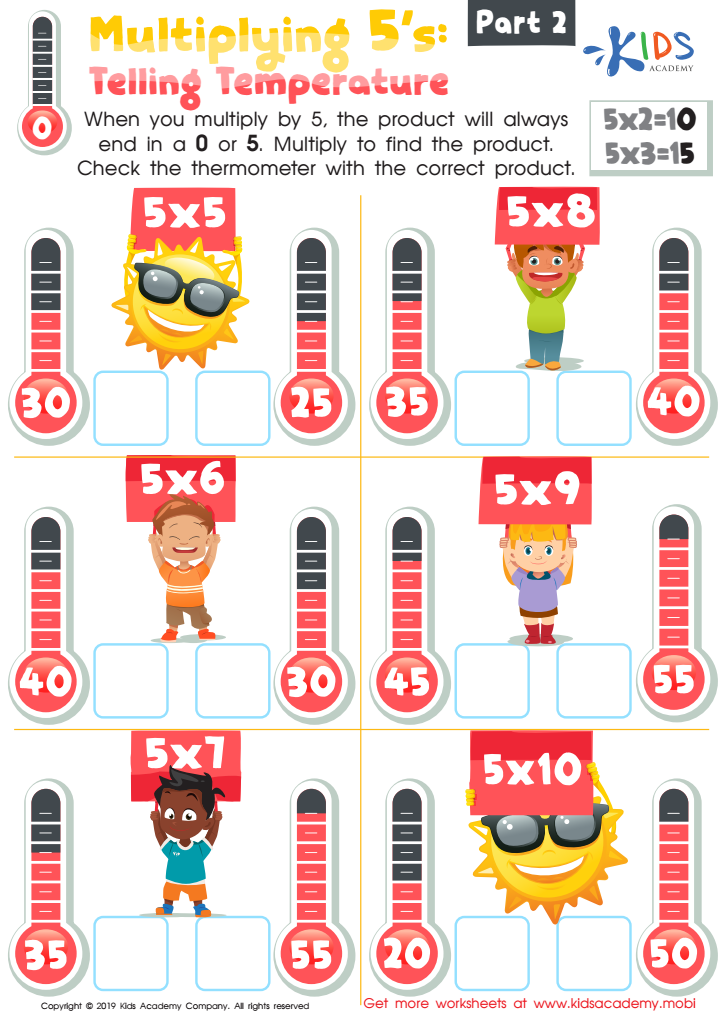
Multiplying 5’s: Telling Temperature Part 2 Worksheet
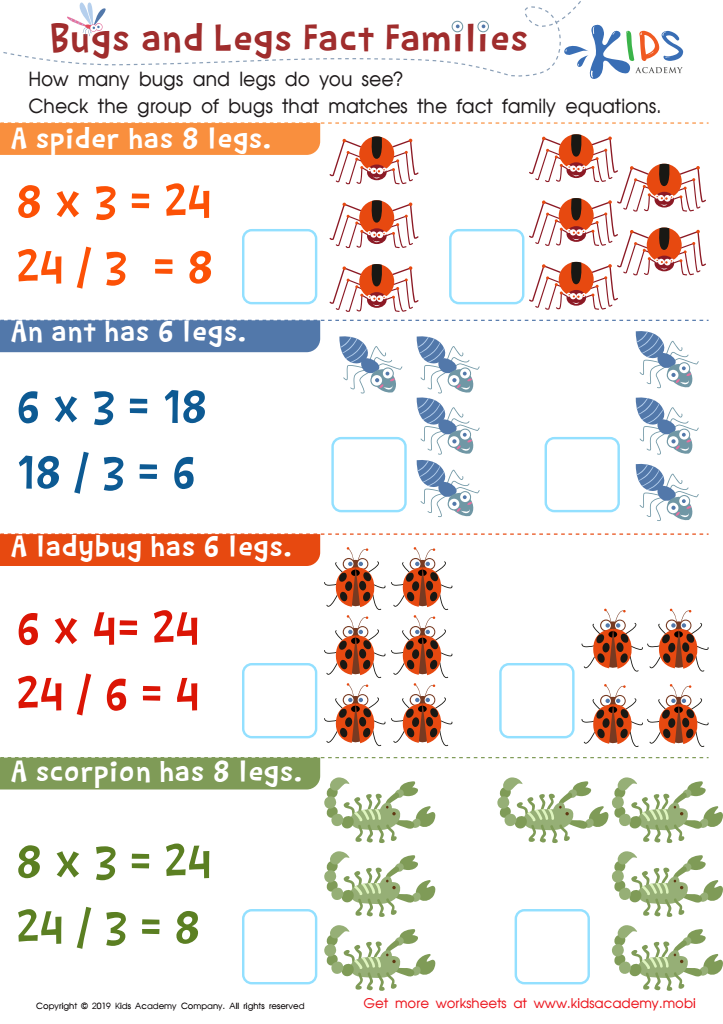
Bugs and Legs Fact Families Worksheet
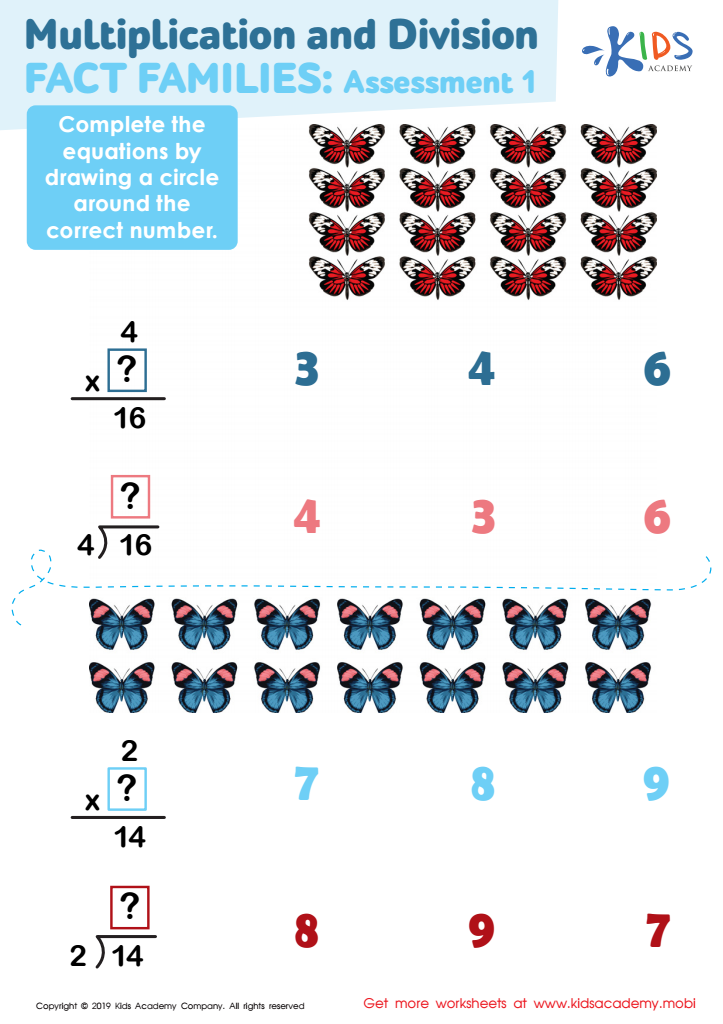
Multiplication and Division Fact Families Assessment 1 Worksheet
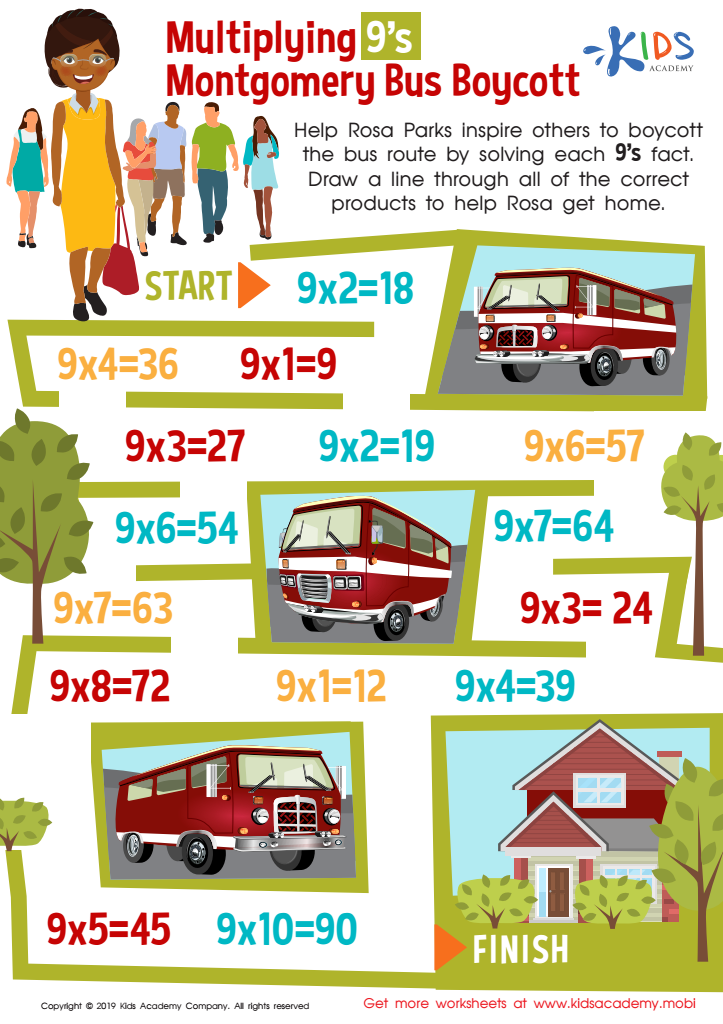
Multiplying 9’s Montgomery Bus Boycott Worksheet
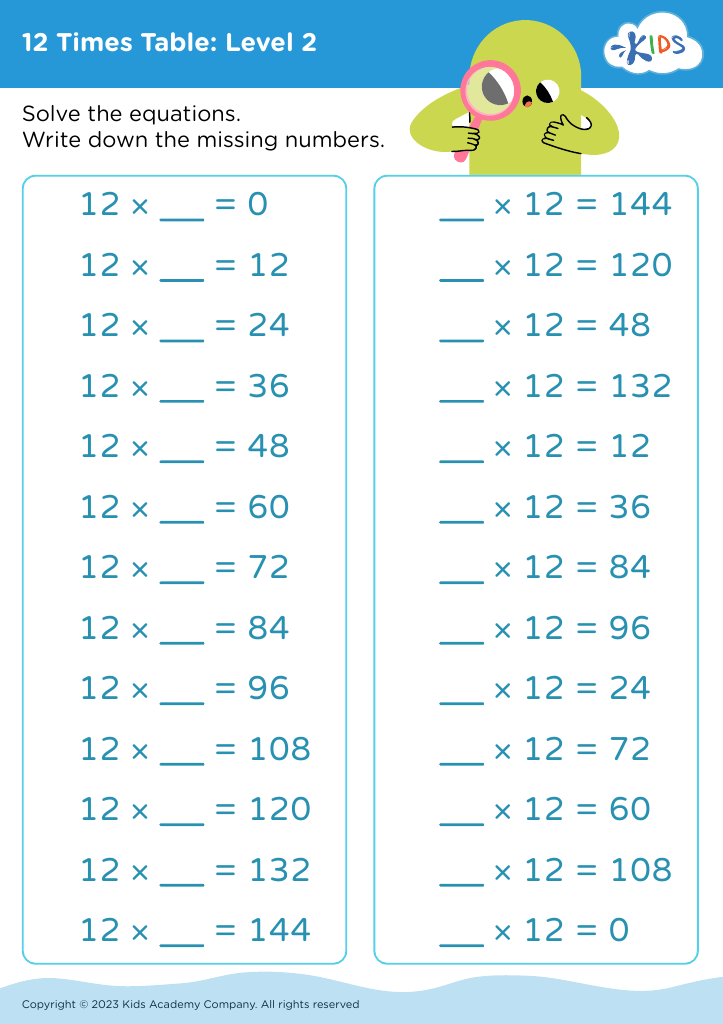
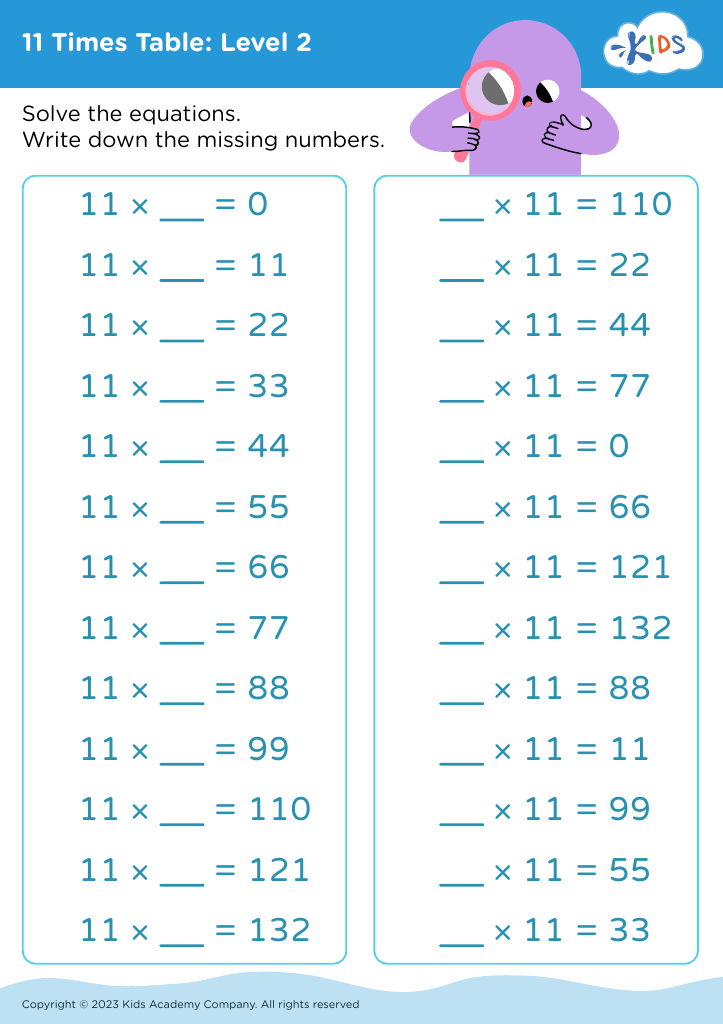
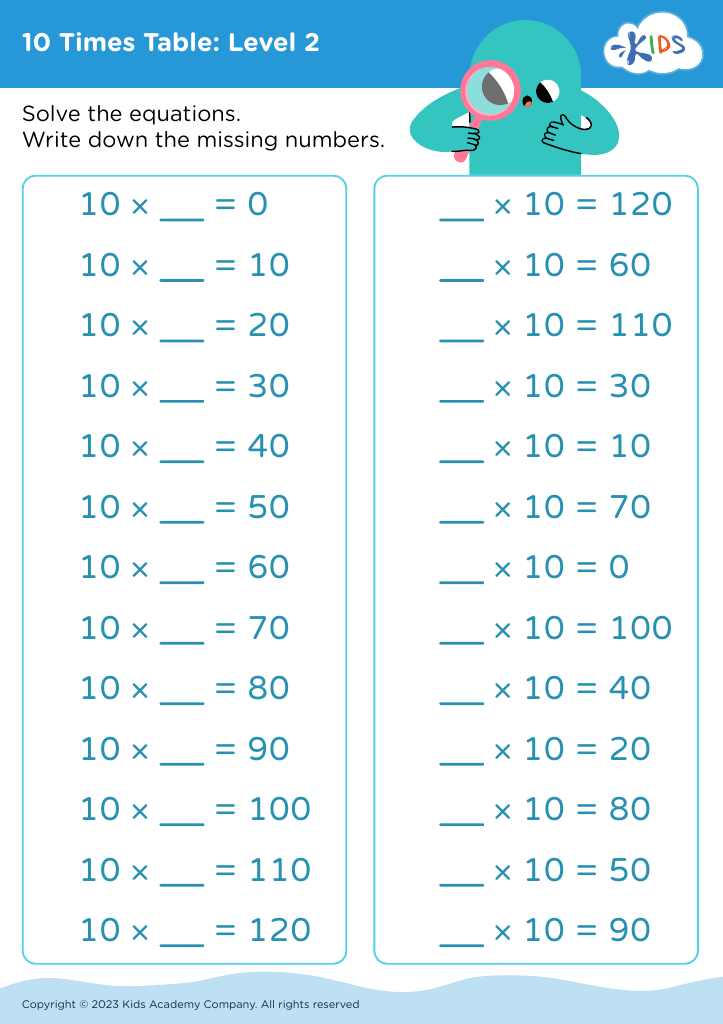
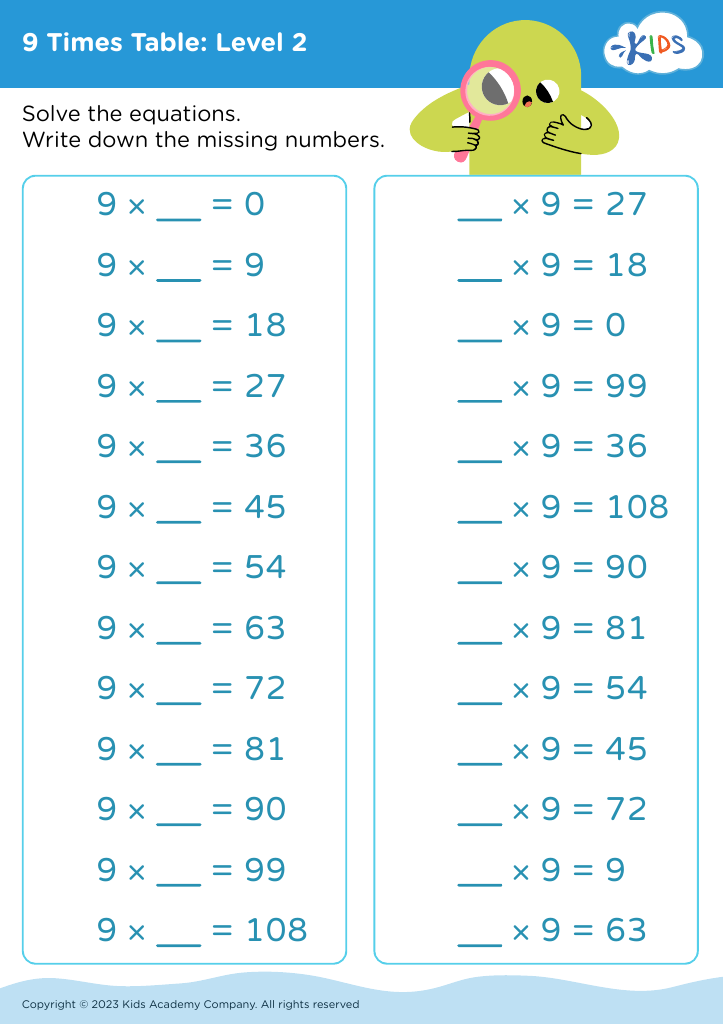
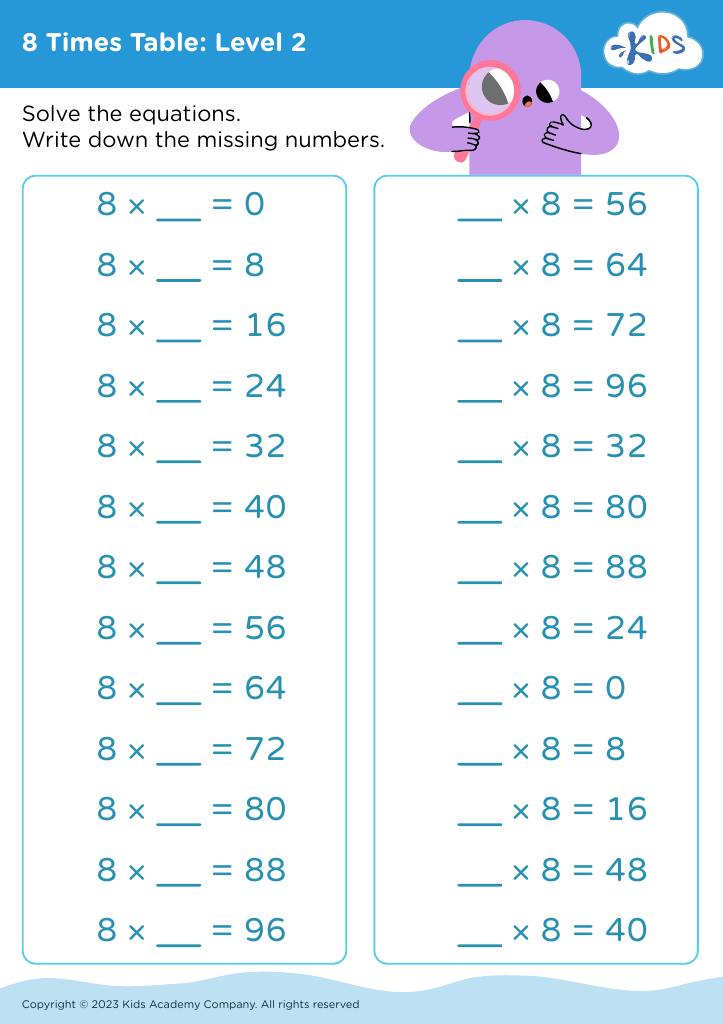
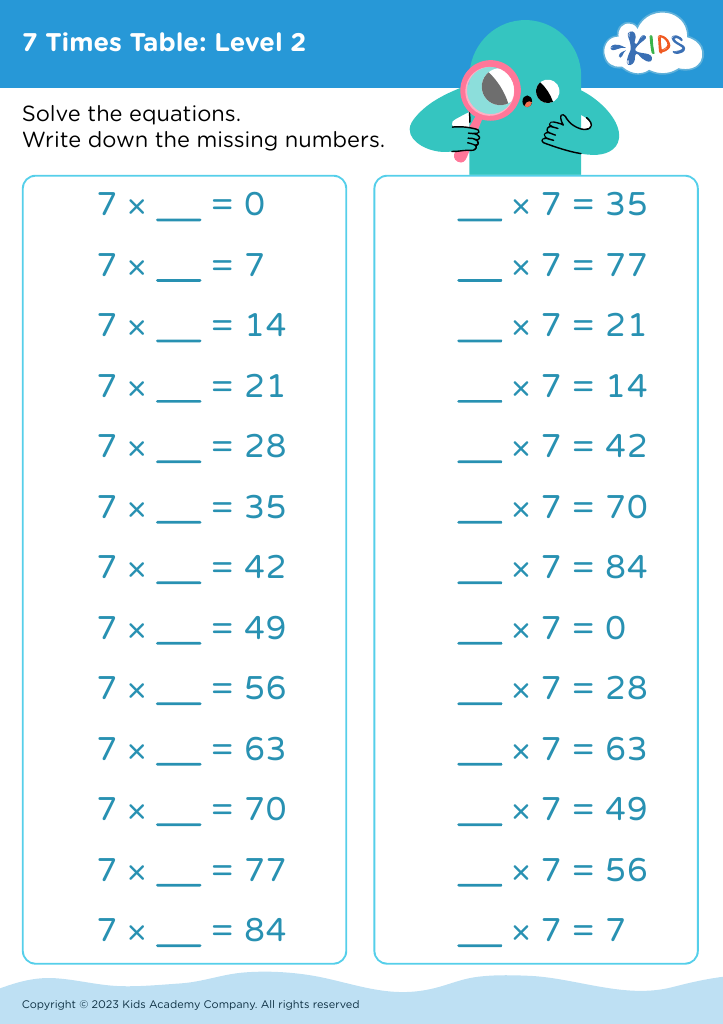
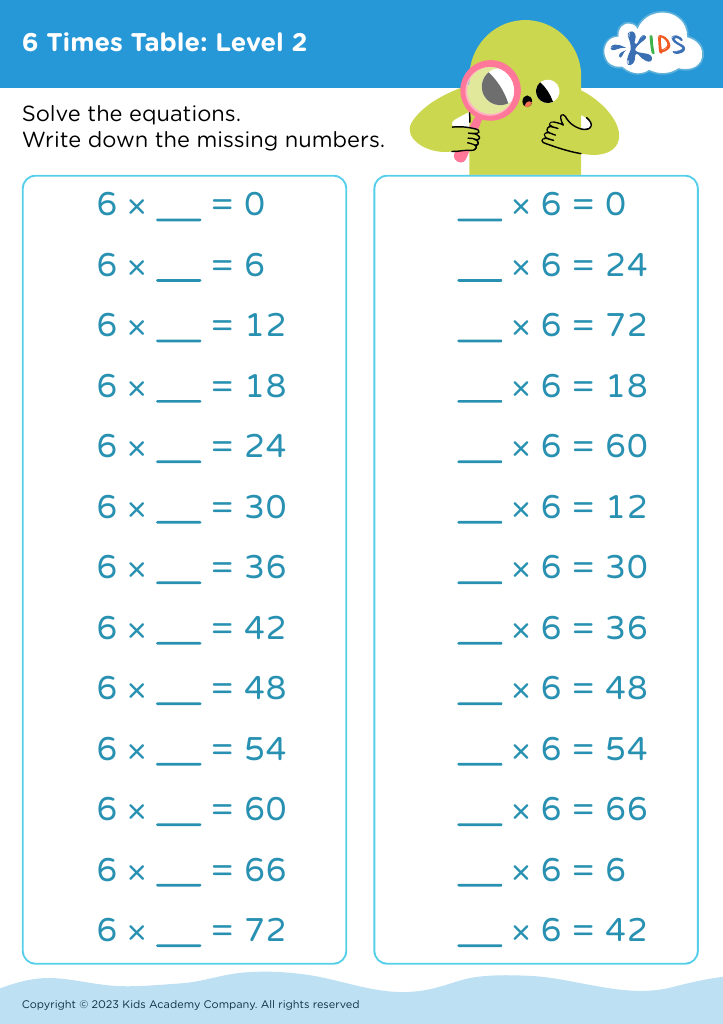
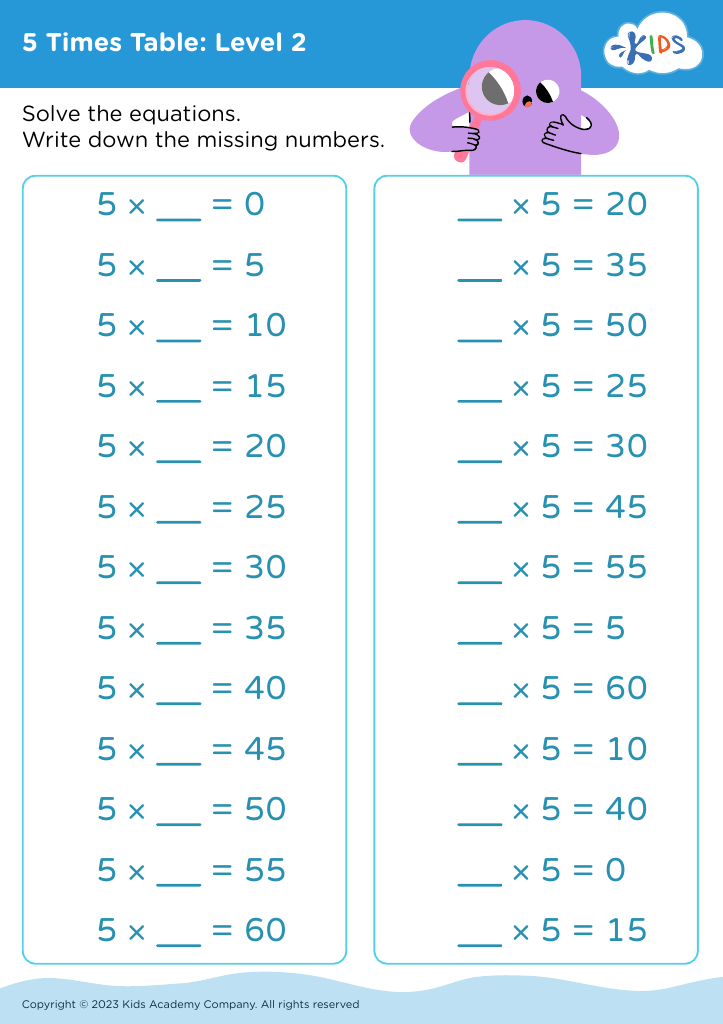
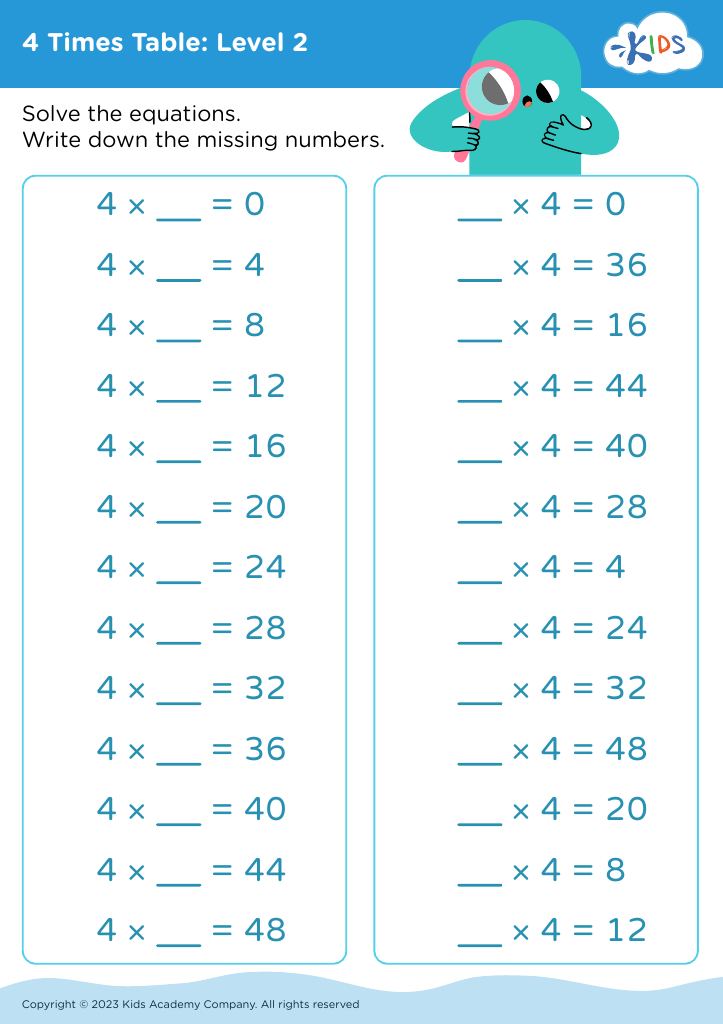
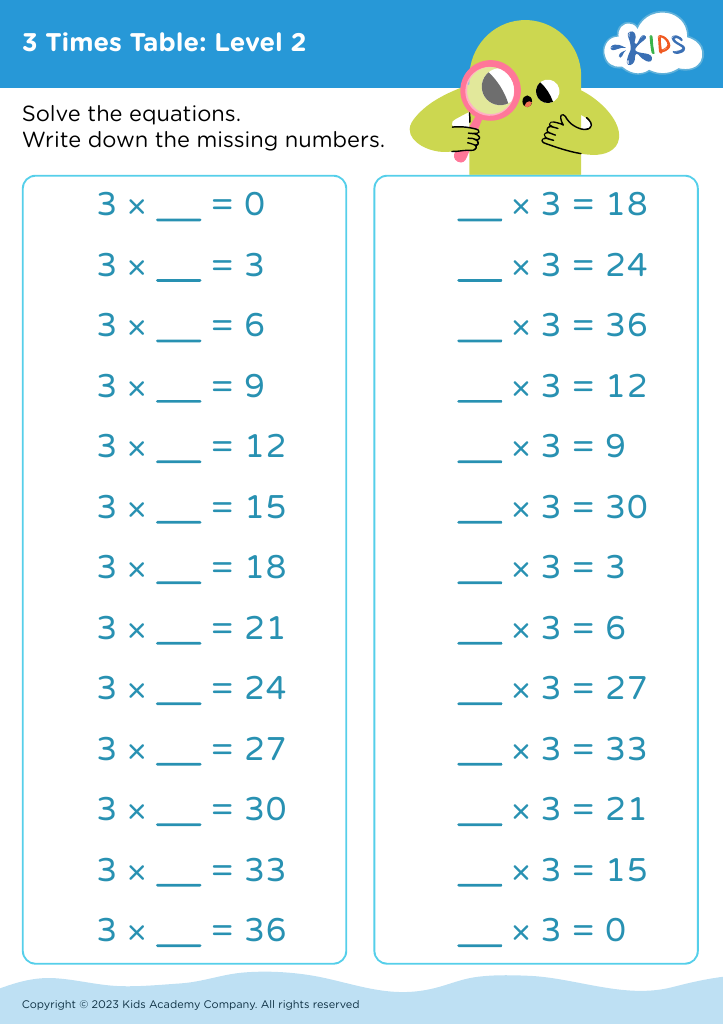
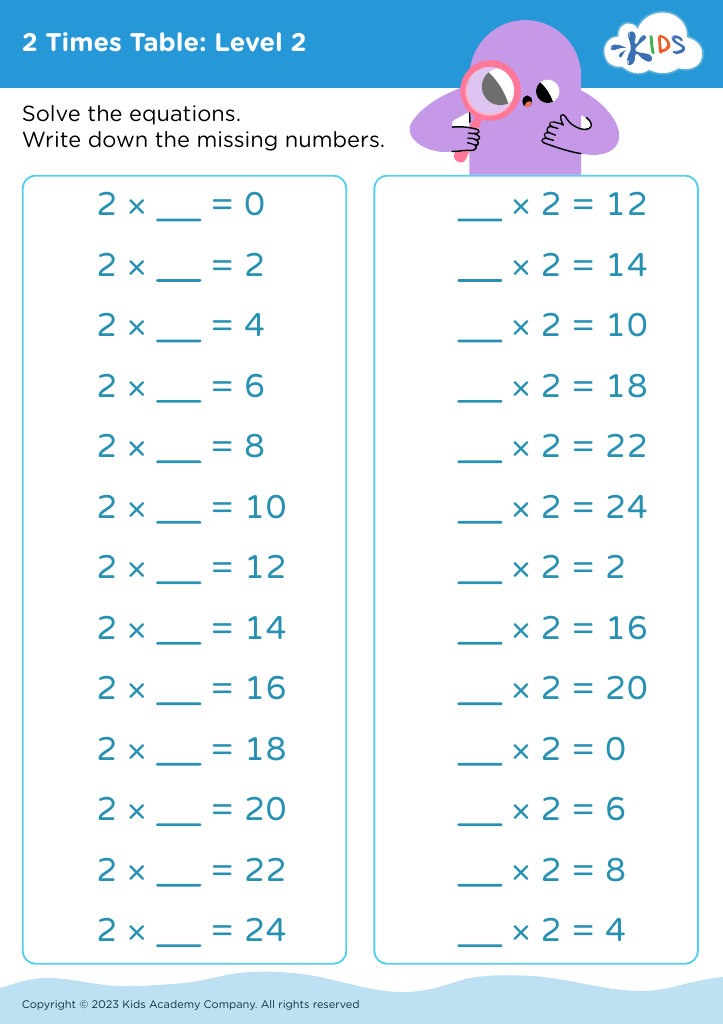
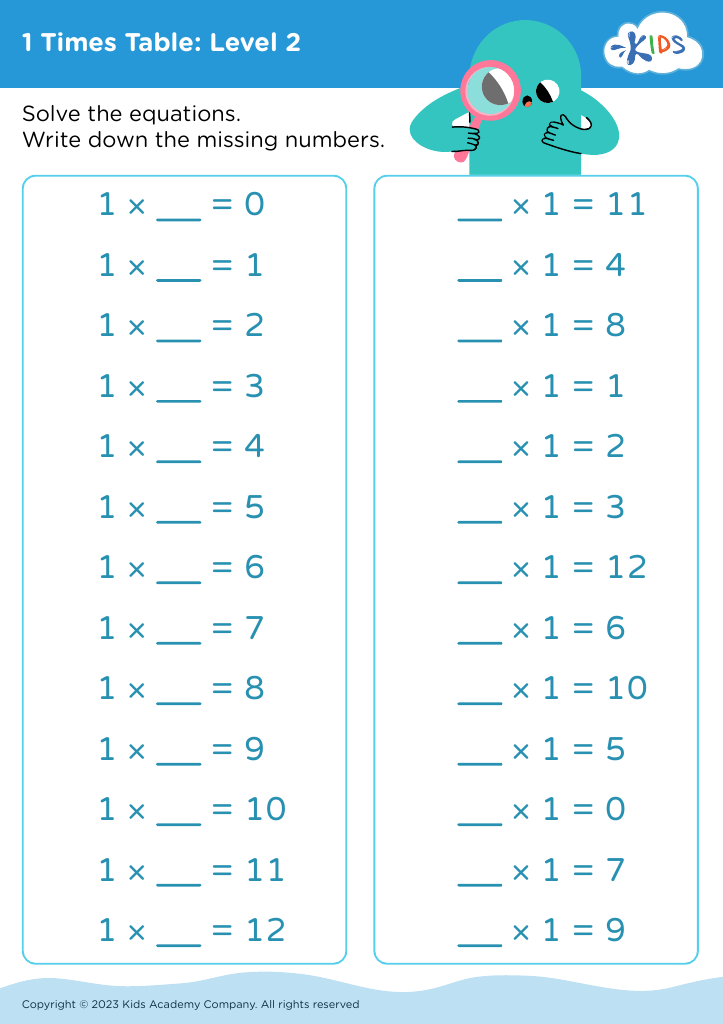








Parents and teachers should care about normal multiplication for children ages 5-8 because it lays the foundation for critical math skills that will be essential throughout their lives. At this stage, children are developing their numerical fluency, and mastering multiplication is crucial for achieving that fluency. Normal multiplication helps children understand the concept of repeated addition, enabling them to grasp not only multiplication but also division.
By engaging children with multiplication at an early age, we can foster a positive attitude toward math and enhance their problem-solving abilities. These skills are not just academic; they apply to real-world scenarios such as budgeting, time management, and scientific concepts.
Additionally, early exposure to multiplication lays the groundwork for more complex mathematics, such as fractions and algebra, which they will encounter in later grades. Regular practice and encouragement from parents and teachers can build their confidence and reduce math-related anxiety.
In sum, by prioritizing normal multiplication in education for ages 5-8, we empower students with essential mathematical tools, encouraging a lifelong engagement with learning and inquiry. This early investment pays off in academic success and fosters crucial life skills.








