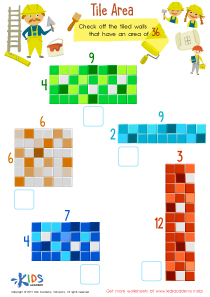
Normal Sorting Worksheets for Ages 5-8
17 filtered results
-
From - To
Introduce young learners to the fundamentals of organization with our engaging "Normal Sorting Worksheets for Ages 5-8". Perfect for classroom and home learning, these printable worksheets are designed to help children enhance their categorization skills by sorting objects based on various attributes such as size, shape, and color. Fun and visually appealing, our activities foster critical thinking and early math proficiency, laying a strong foundation for more advanced concepts. Crafted by educational experts, these sorting worksheets make learning interactive and enjoyable, ensuring that kids stay motivated and curious as they explore the world of sorting. Start building essential cognitive skills today!
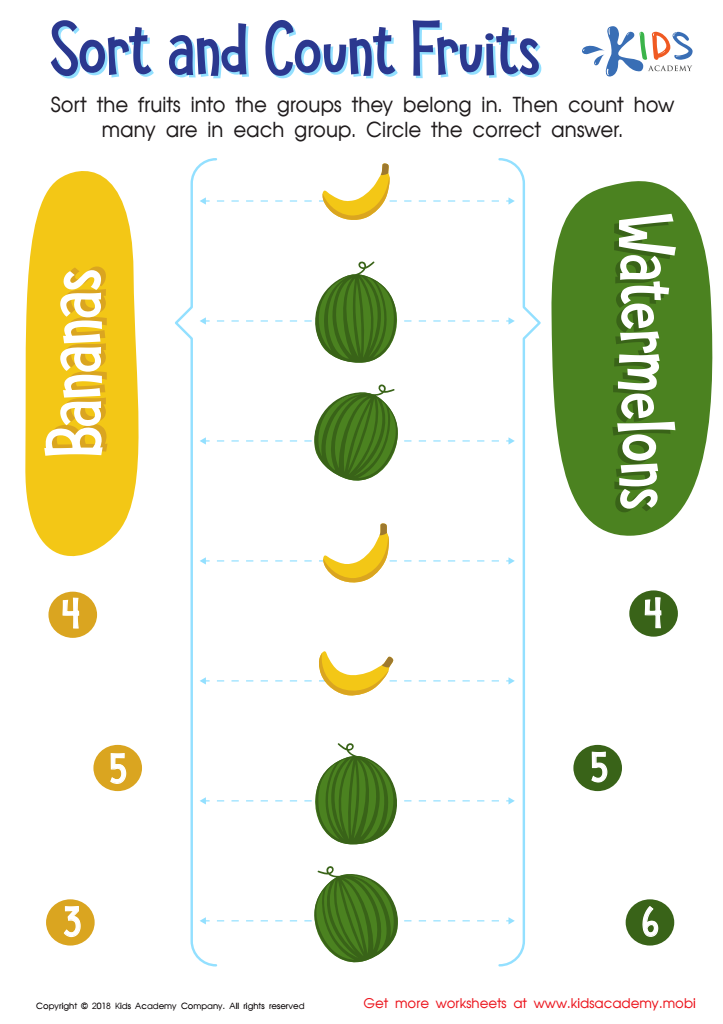
Sort and Count Fruits Worksheet
 Assign to My Students
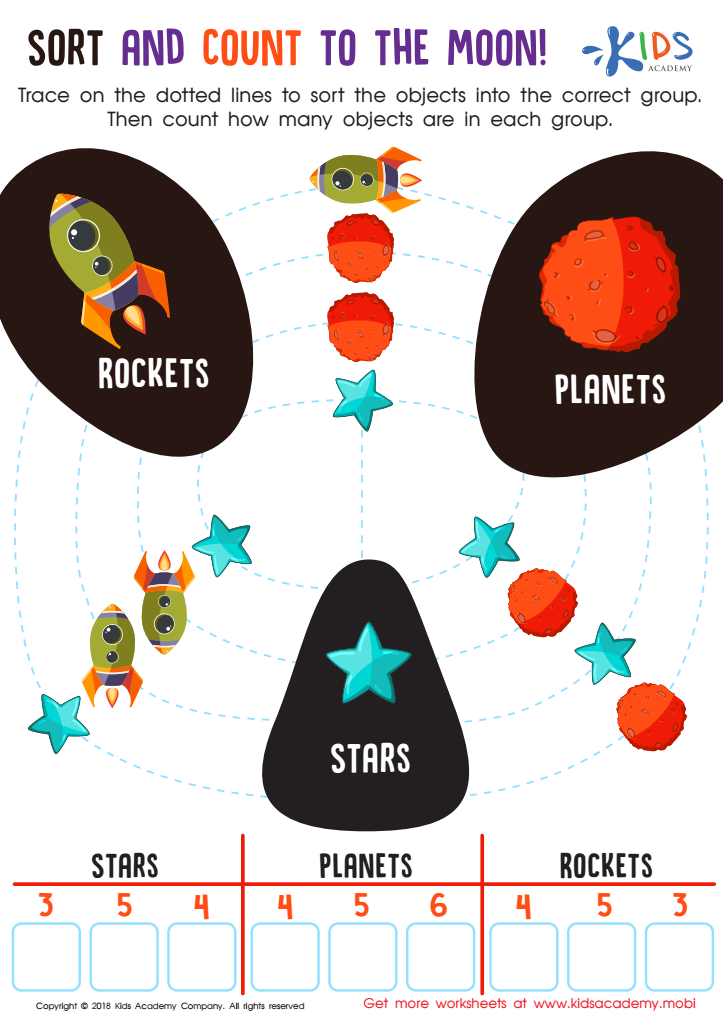
Sort and Count to the Moon Worksheet
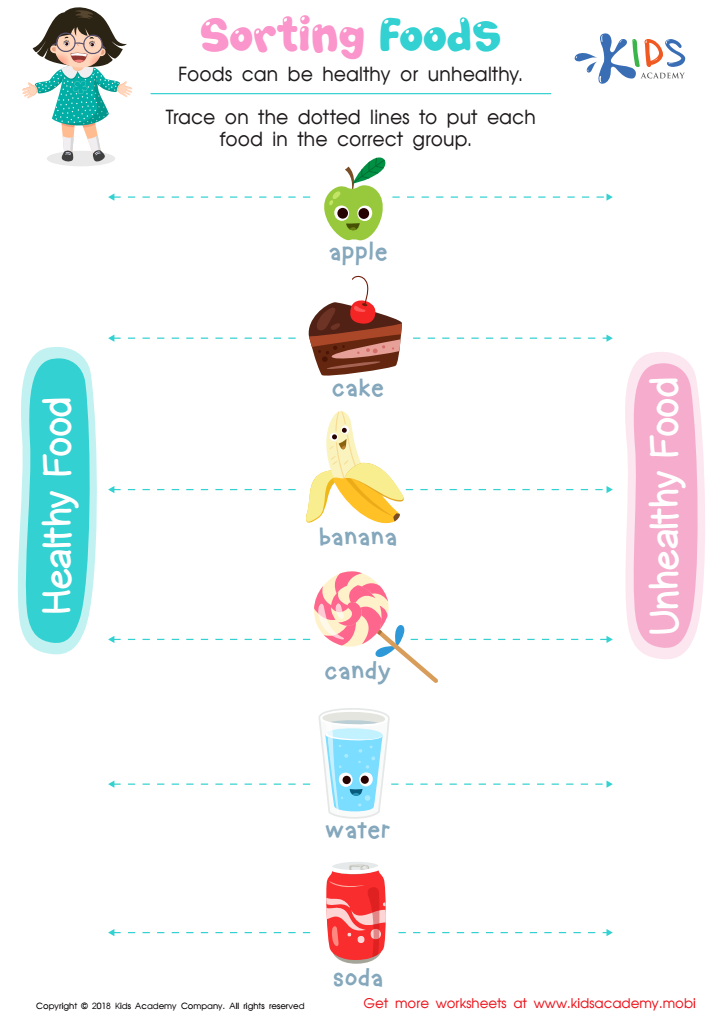
Sorting Food Worksheet
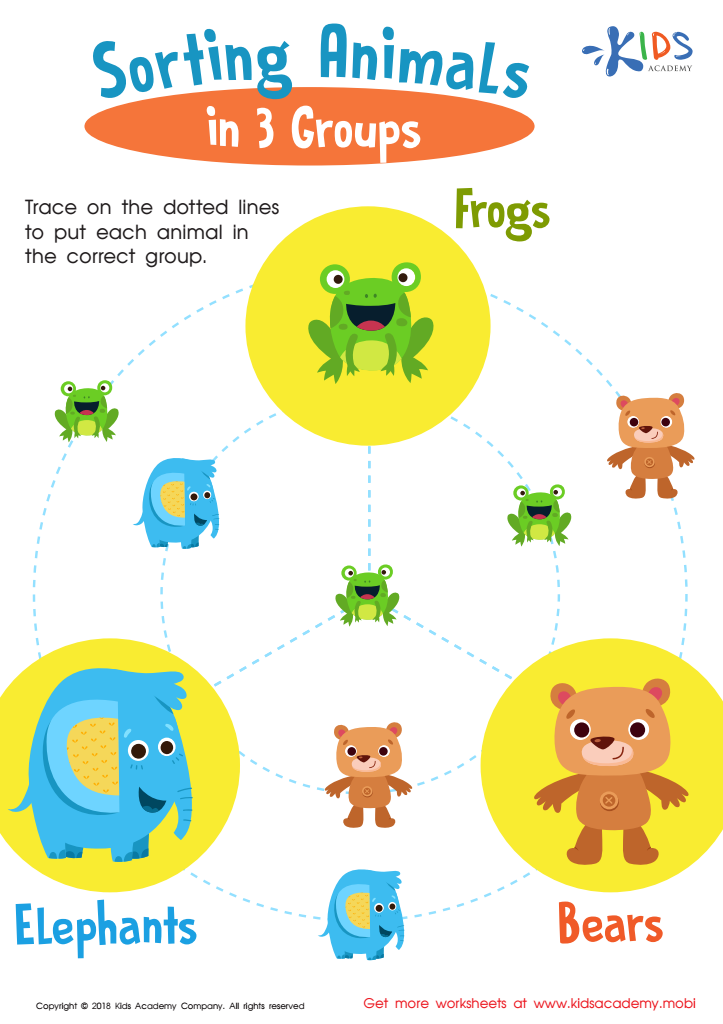
Sorting Animals in 3 Groups Worksheet
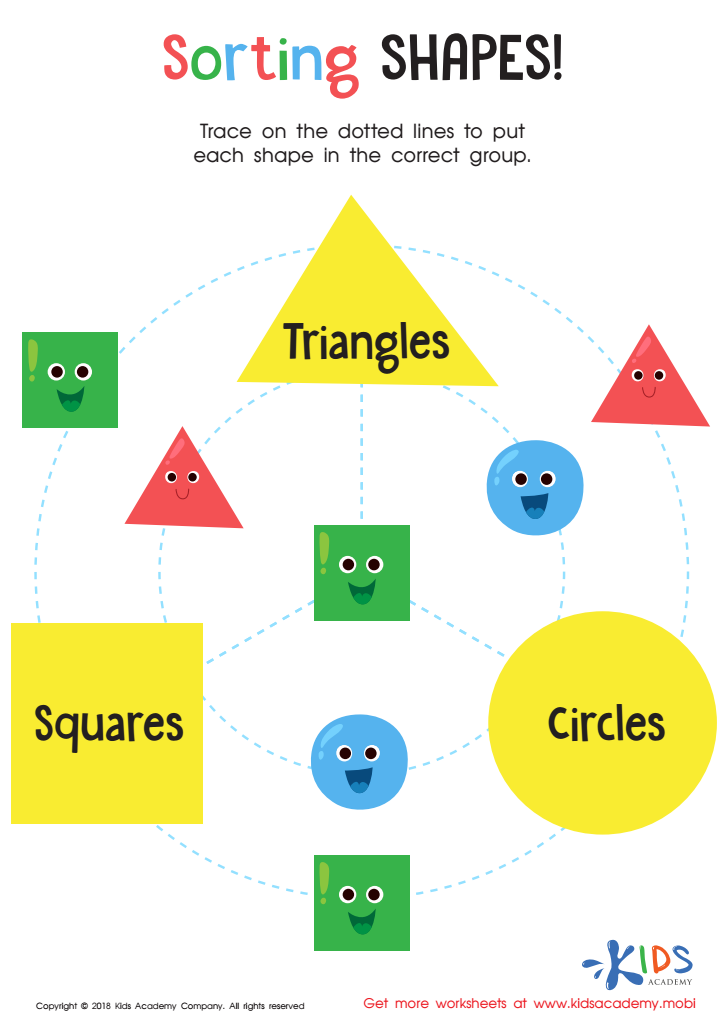
Sorting Shapes - Part 3 Worksheet
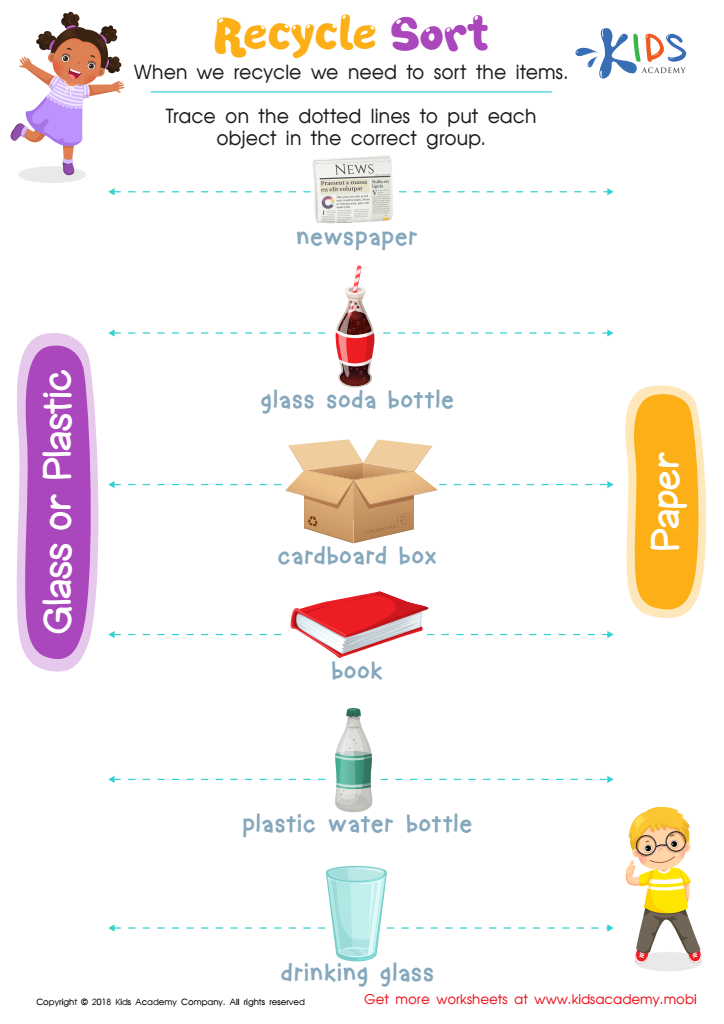
Recycle Sort Worksheet
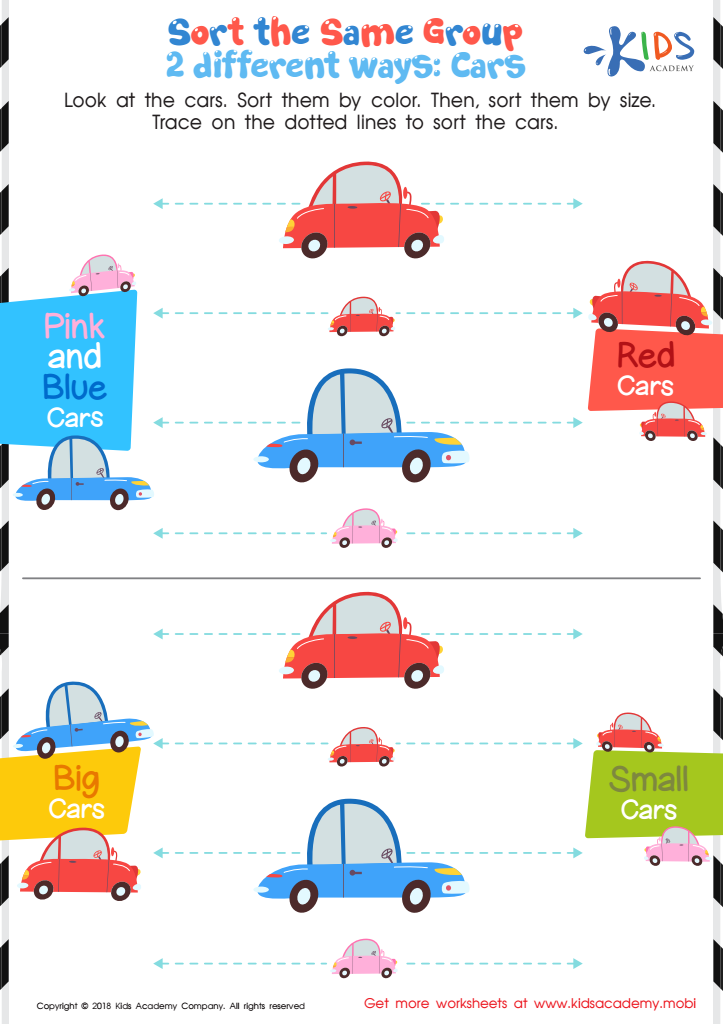
Sort the Same Group 2 Different Ways: Cars Worksheet
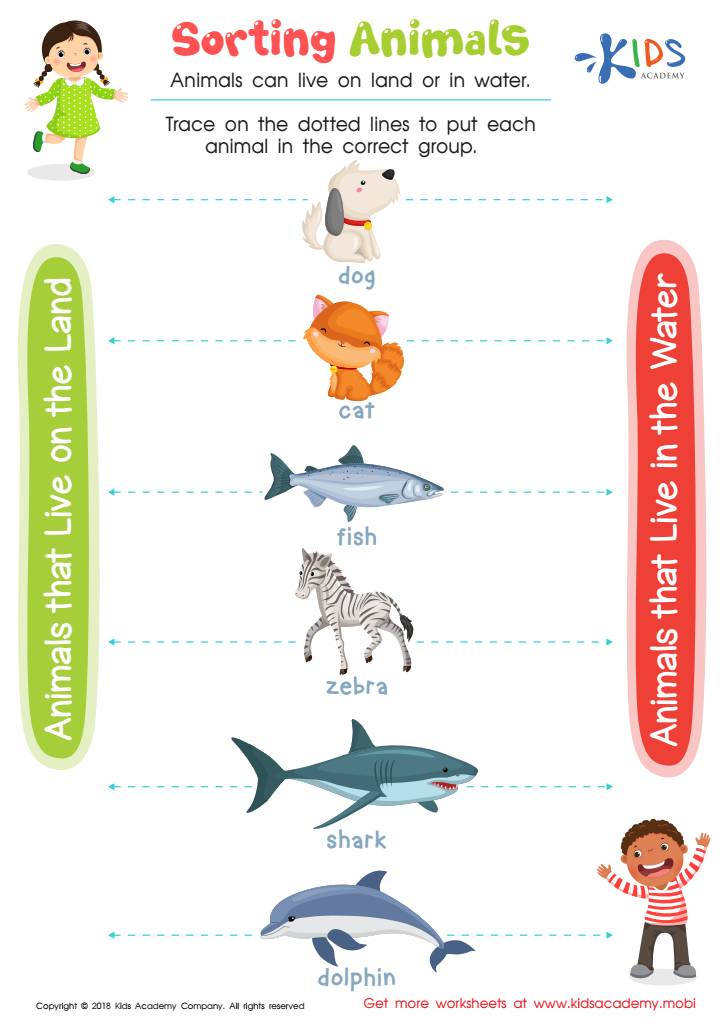
Sorting Animals Worksheet
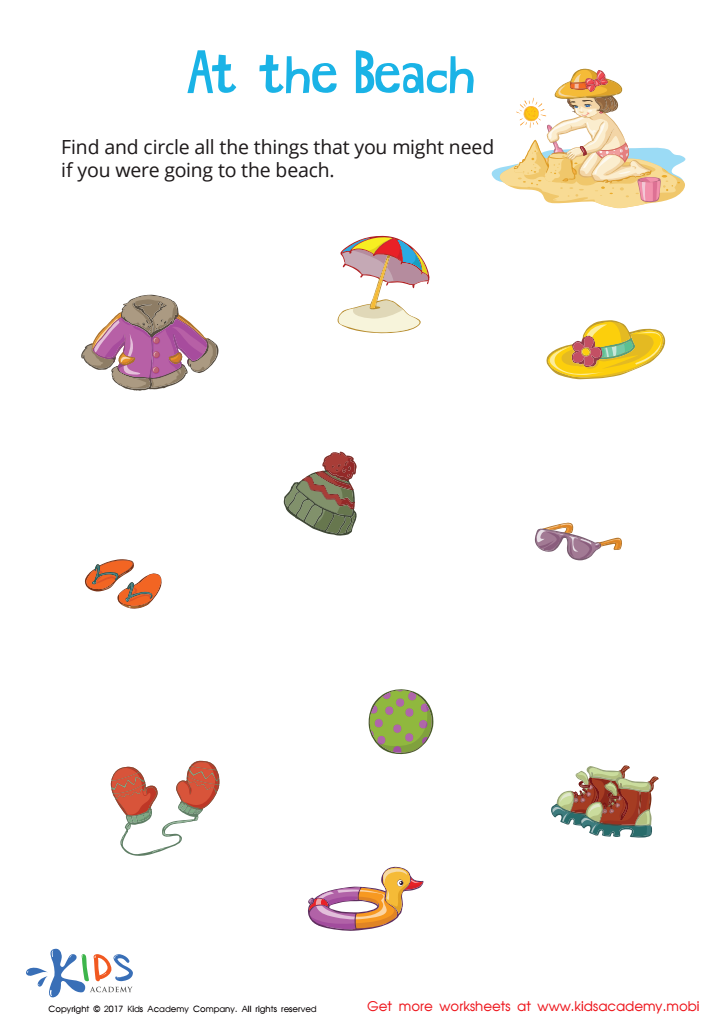
At the Beach Sorting Worksheet
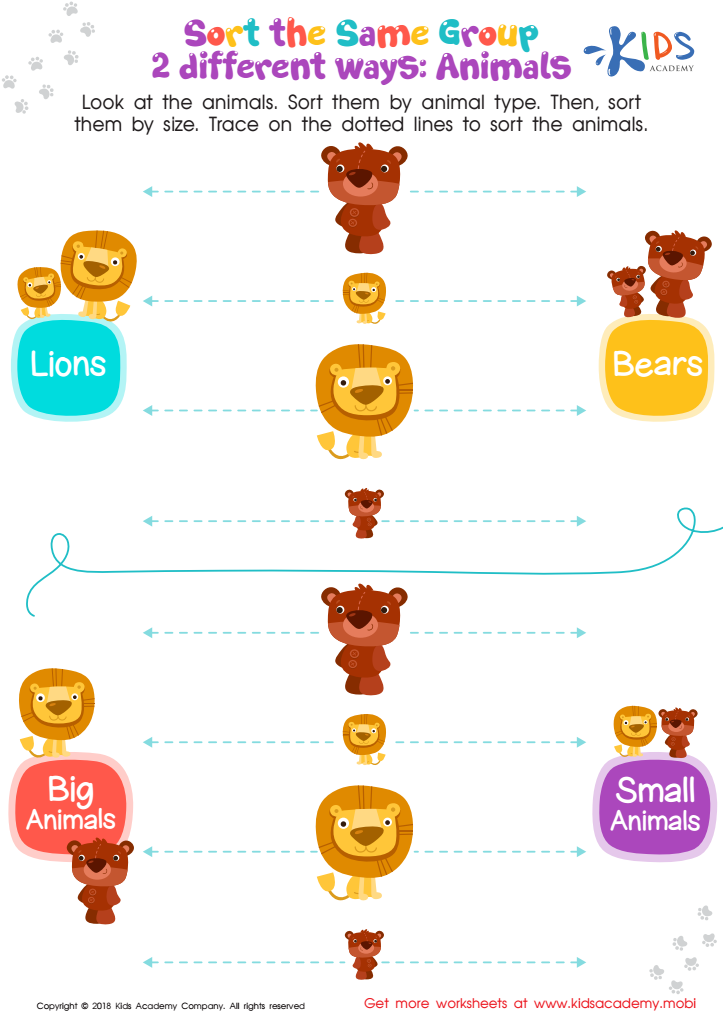
Sort the Same Group 2 Different Ways: Animals Worksheet
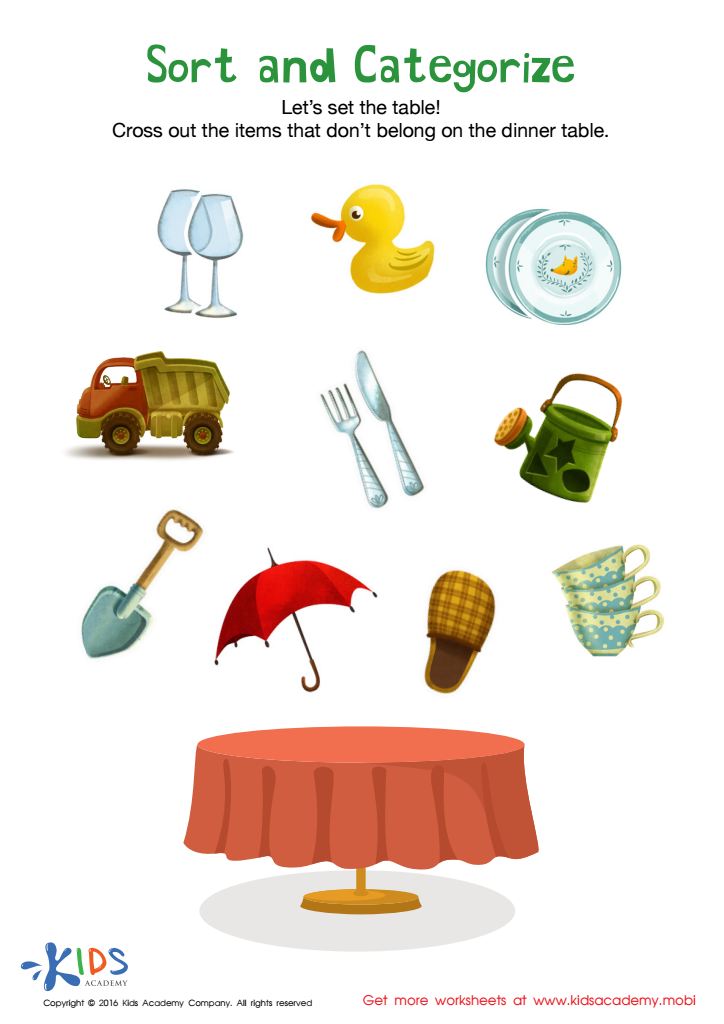
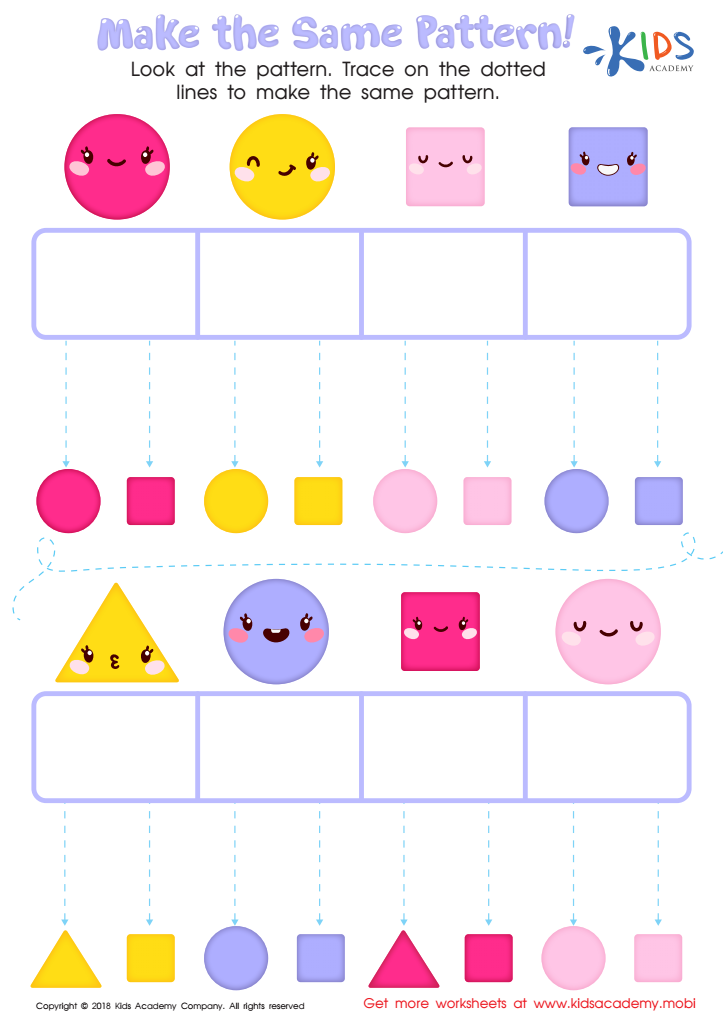
Make the Same Pattern Worksheet
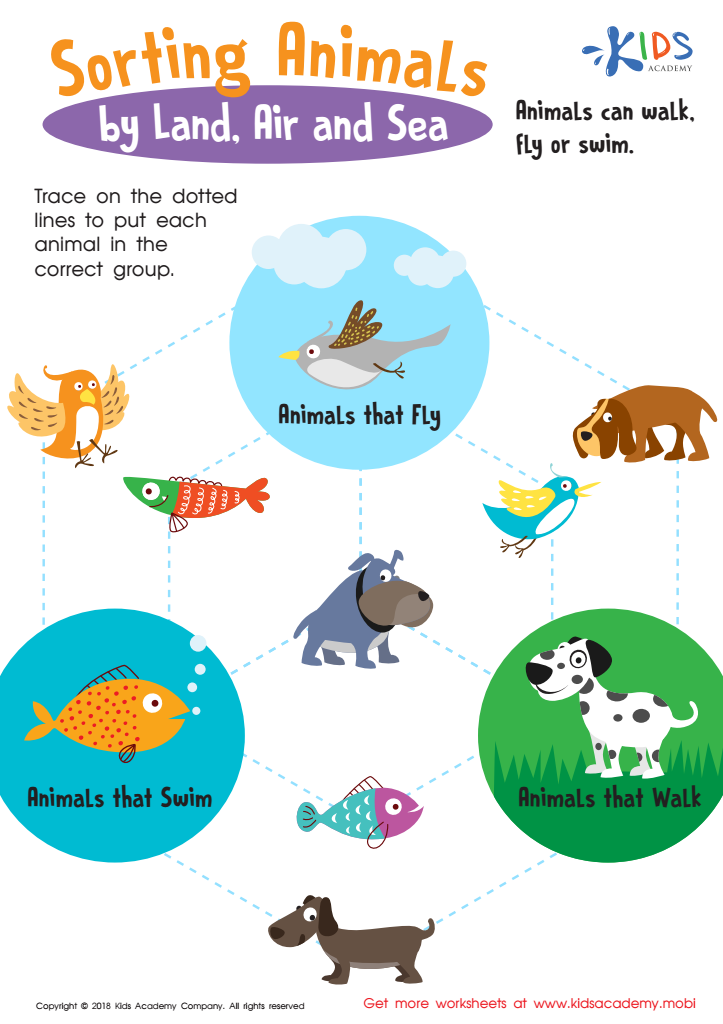
Sorting Animals by Land, Air and Sea Worksheet
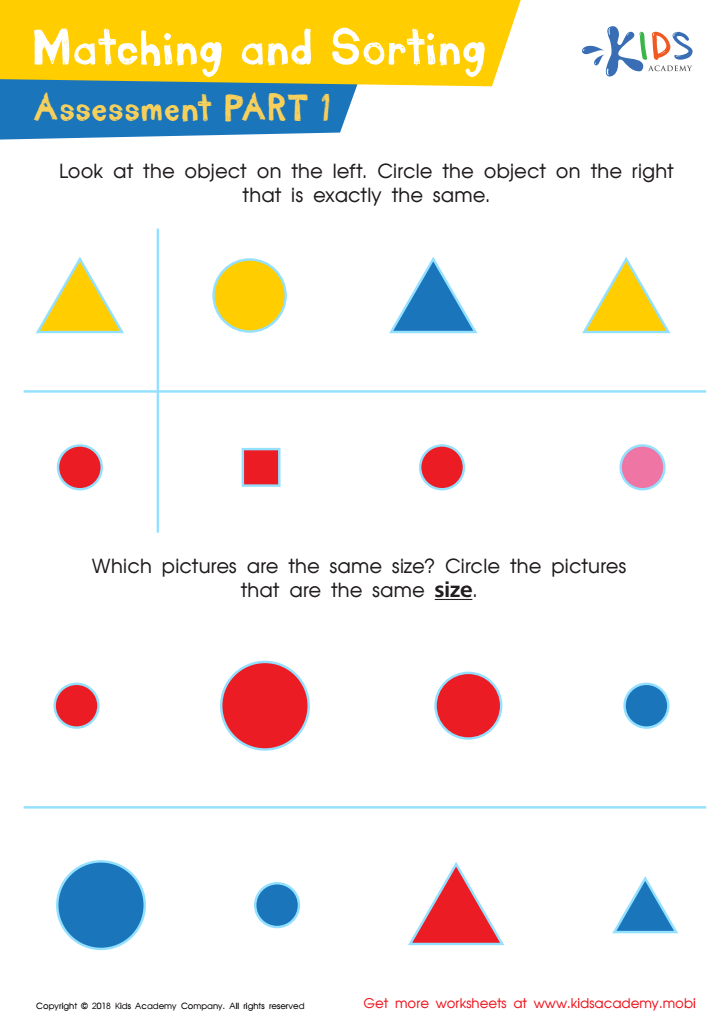
Matching and Sorting for Kindergarten: Assessment 1 Worksheet
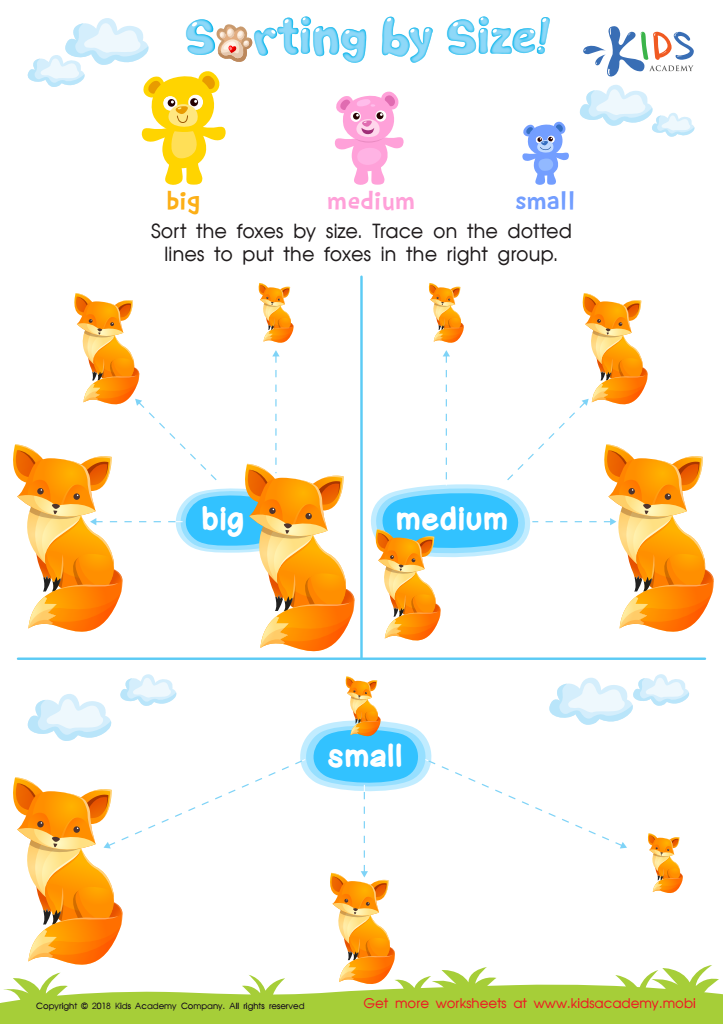
Sorting by Size Worksheet
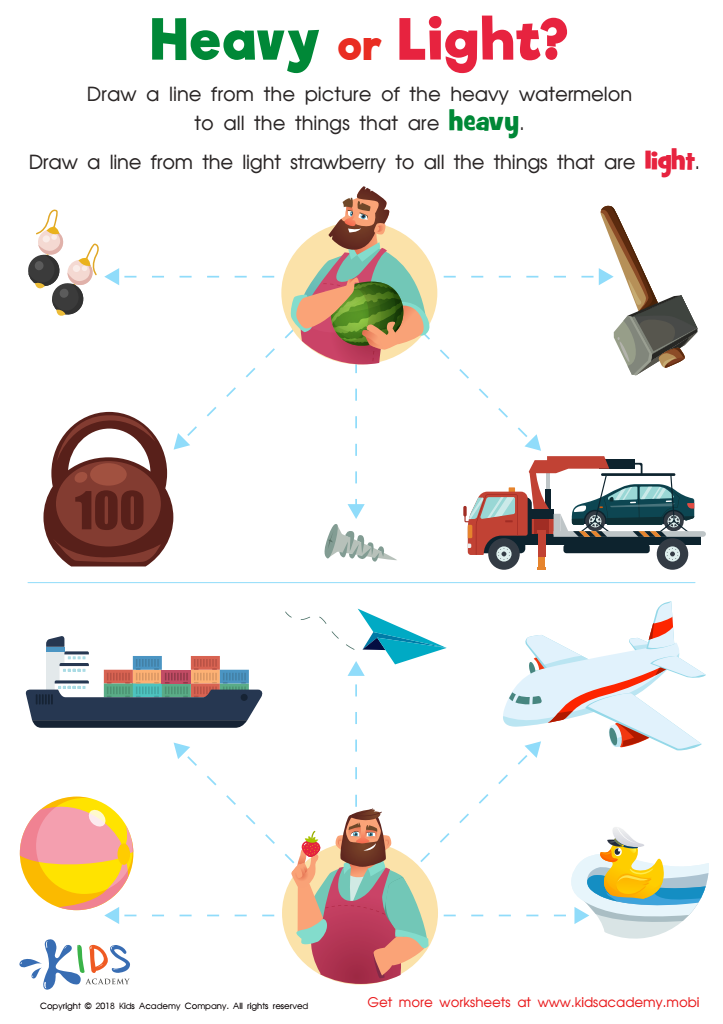
Heavy or Light? Worksheet
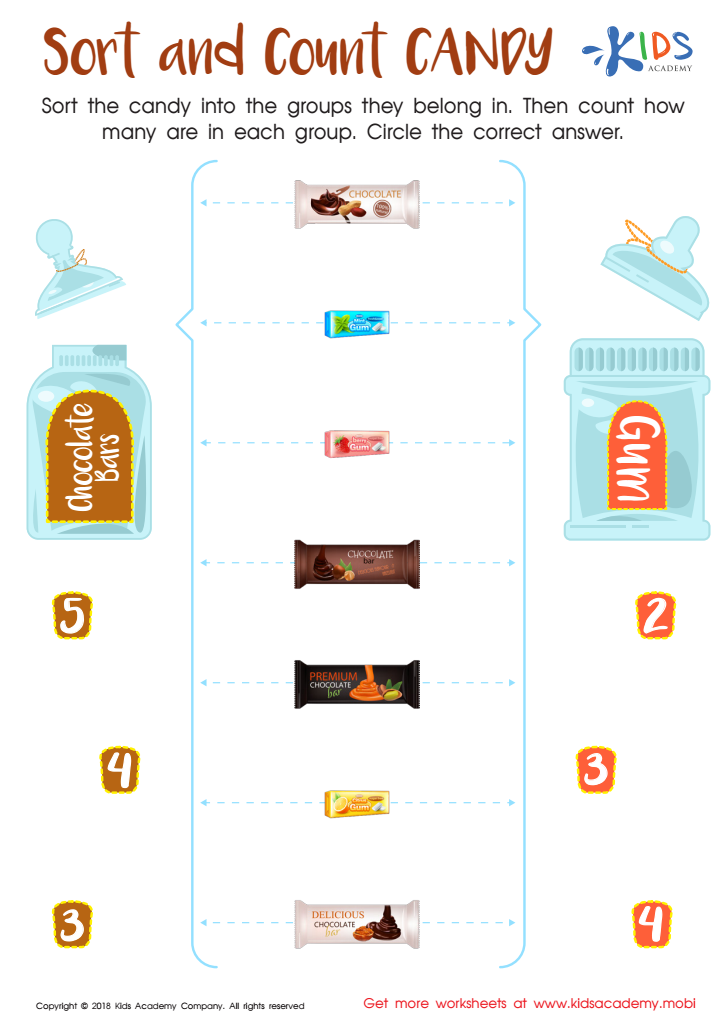
Sort and Count Candy Worksheet




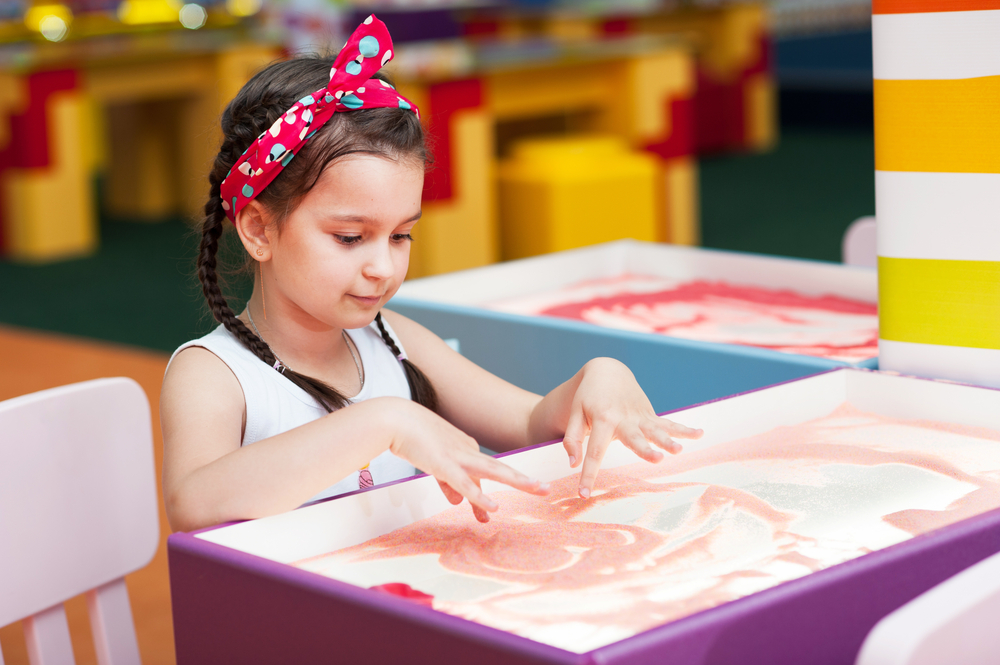



Parents and teachers should care about normal sorting for ages 5-8 because it is foundational for the development of critical cognitive skills. Sorting activities help children develop their ability to classify, organize, and differentiate between various attributes such as shape, size, color, and category. These are essential pre-math and literacy skills that encourage logical thinking and foster problem-solving abilities.
For instance, when children sort objects by color, they learn to recognize patterns and categorize systematically, which can translate to understanding mathematical grouping concepts or the organization of ideas. This also introduces them to the concept of sets and subsets, which is crucial in early math education.
Moreover, sorting helps with the development of attention to detail and fine motor skills. Handling different objects and categorizing them improve hand-eye coordination and the ability to focus on specific tasks.
In a broader perspective, sorting tasks enhance children's language development. As they sort and describe objects, they expand their vocabulary and improve their ability to communicate ideas clearly.
Overall, normal sorting is more than just an entertaining activity; it is an integral part of a child's cognitive development and prepares them for more complex learning tasks in the future.