Number Recognition Normal Tracing Numbers Worksheets for Ages 5-8
16 filtered results
-
From - To
Enhance your child's math skills with our Number Recognition Normal Tracing Numbers Worksheets for ages 5-8. These engaging worksheets are designed to help young learners identify, trace, and write numbers seamlessly. Through repetitive practice, children improve their number recognition and fine motor skills, laying a strong foundation for future math prowess. Our carefully crafted worksheets feature fun themes and clear instructions, making learning enjoyable and effective. Ideal for both classroom and home use, these resources provide the perfect blend of education and entertainment, ensuring your child develops confidence in their numerical abilities. Discover the joy of learning with our printable worksheets today!
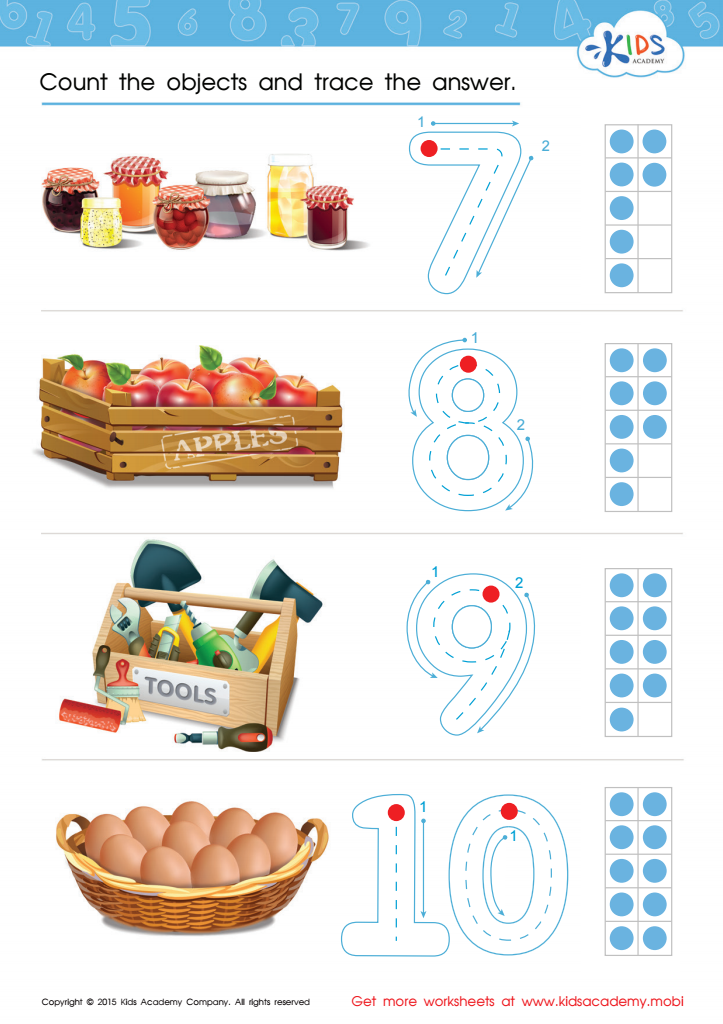
Count and Trace 7 – 10 Worksheet
 Assign to My Students
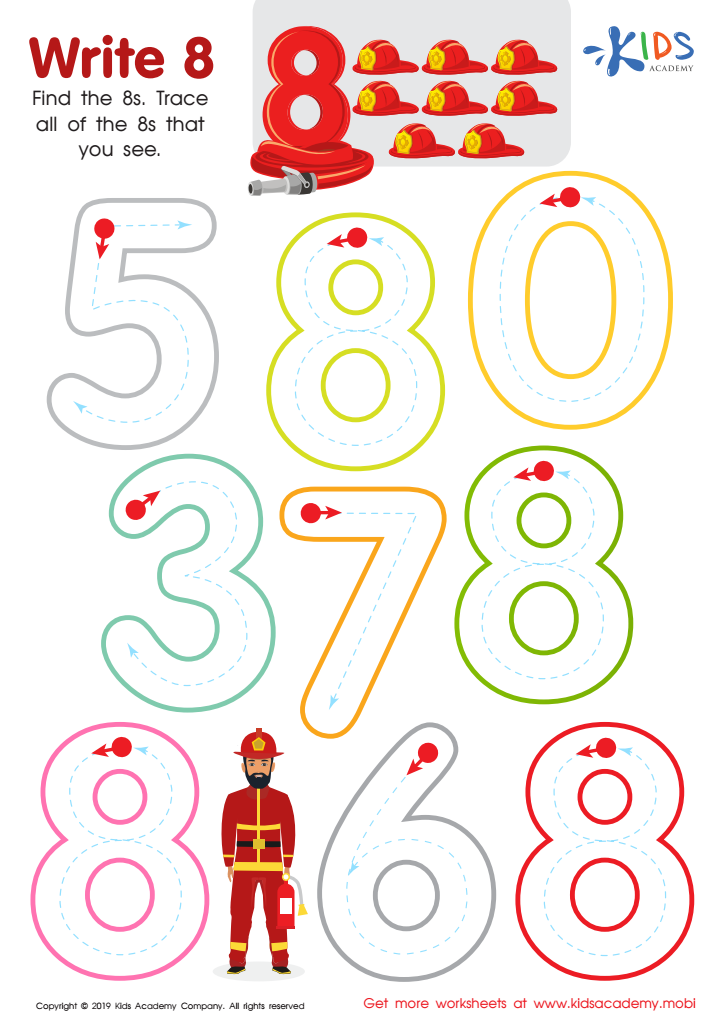
Write 8 Worksheet
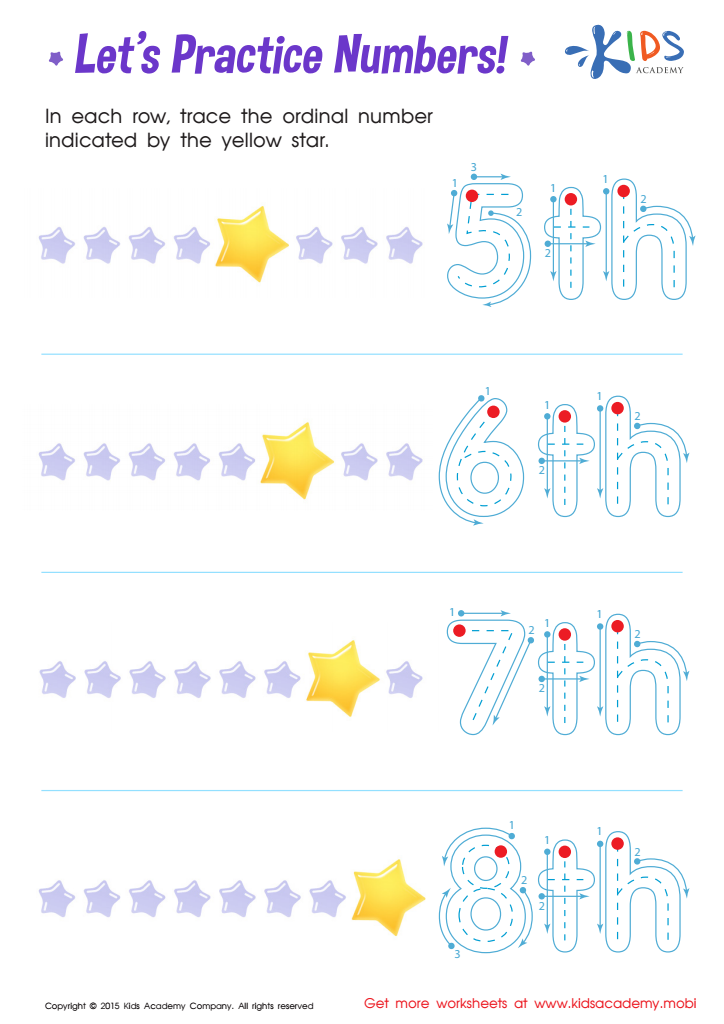
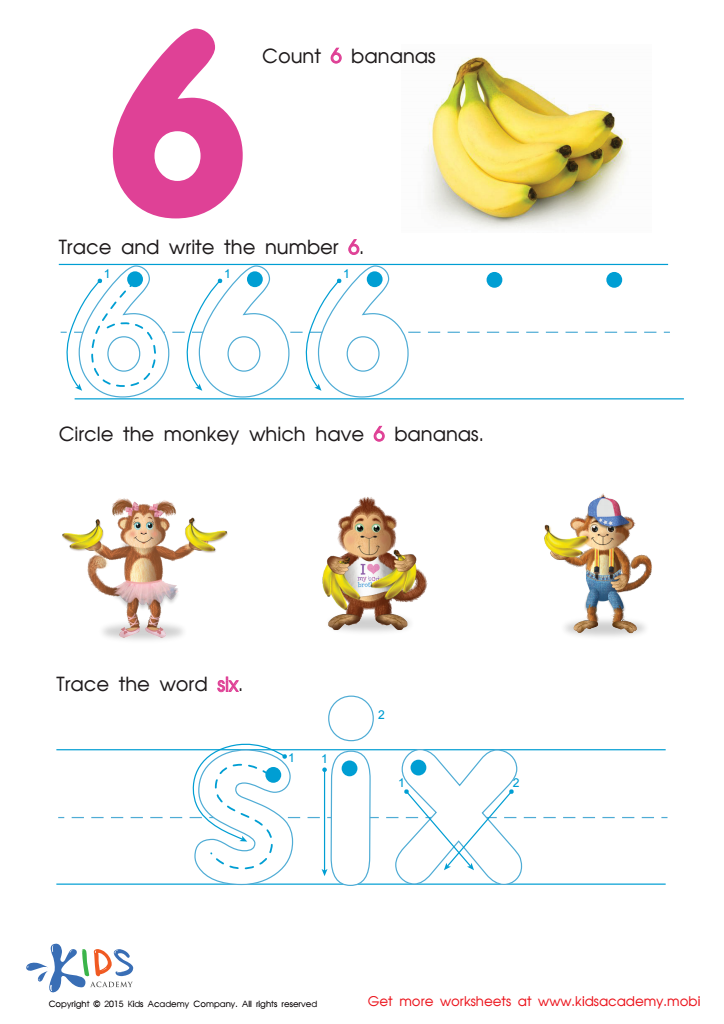
Tracing And Writing Number 6 Worksheet
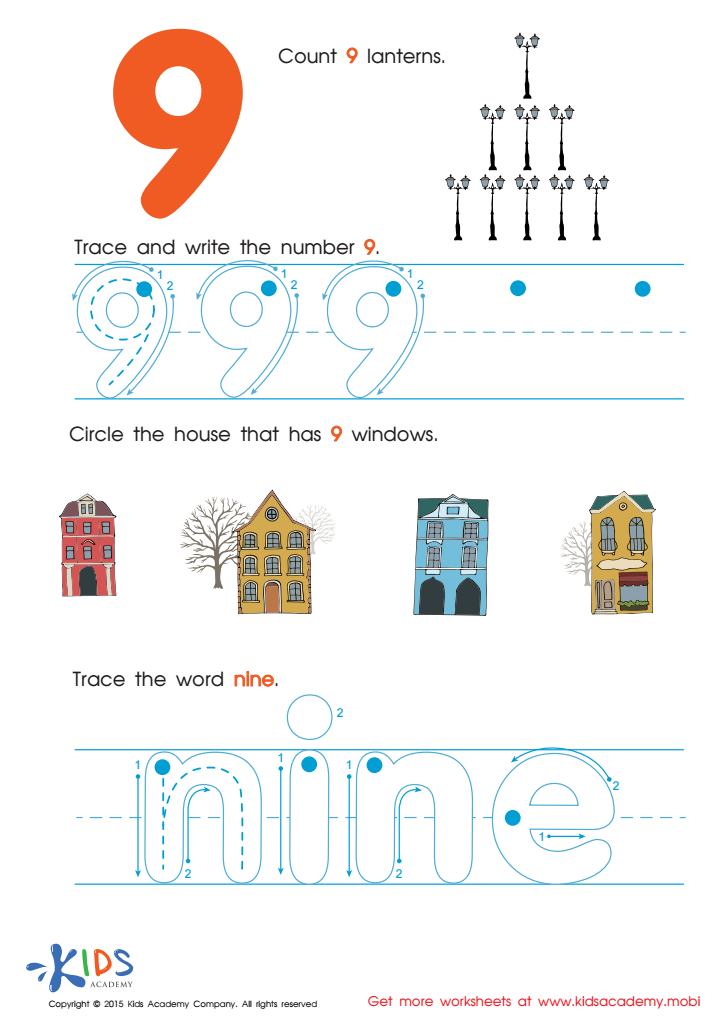
Tracing And Learning to Write Number 9 Worksheet
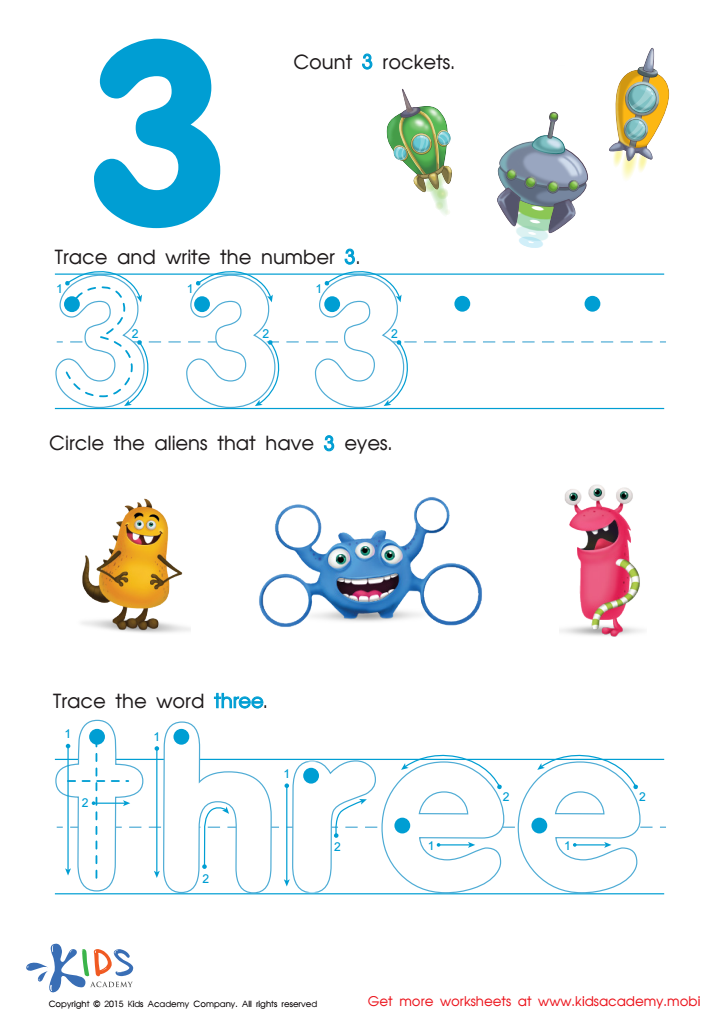
Learning Number Three Worksheet
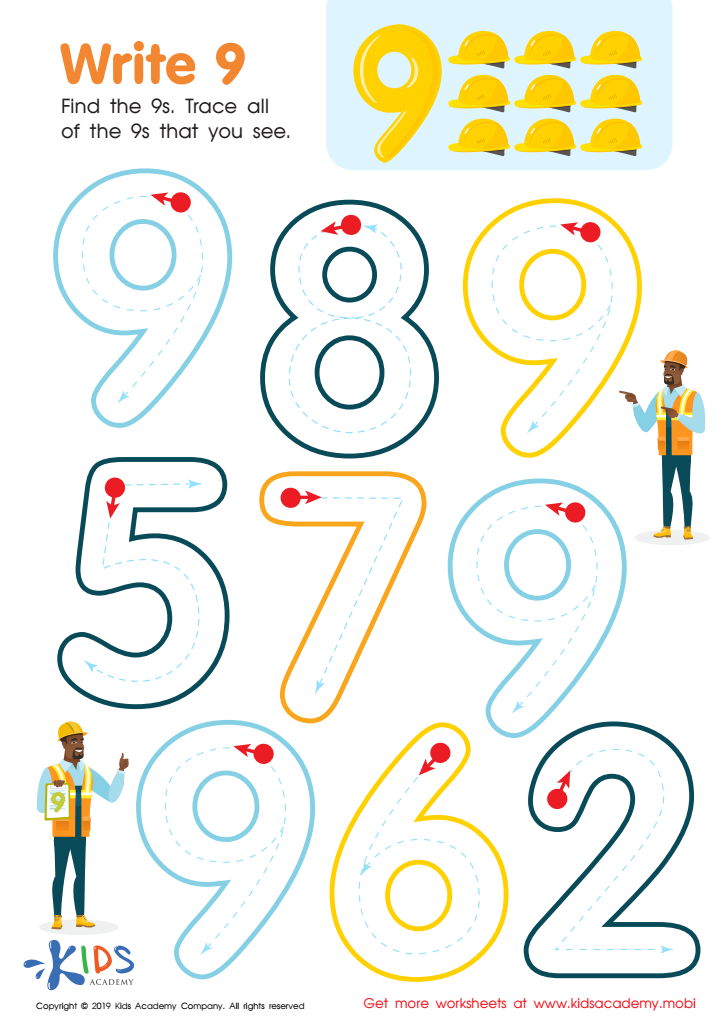
Write 9 Worksheet
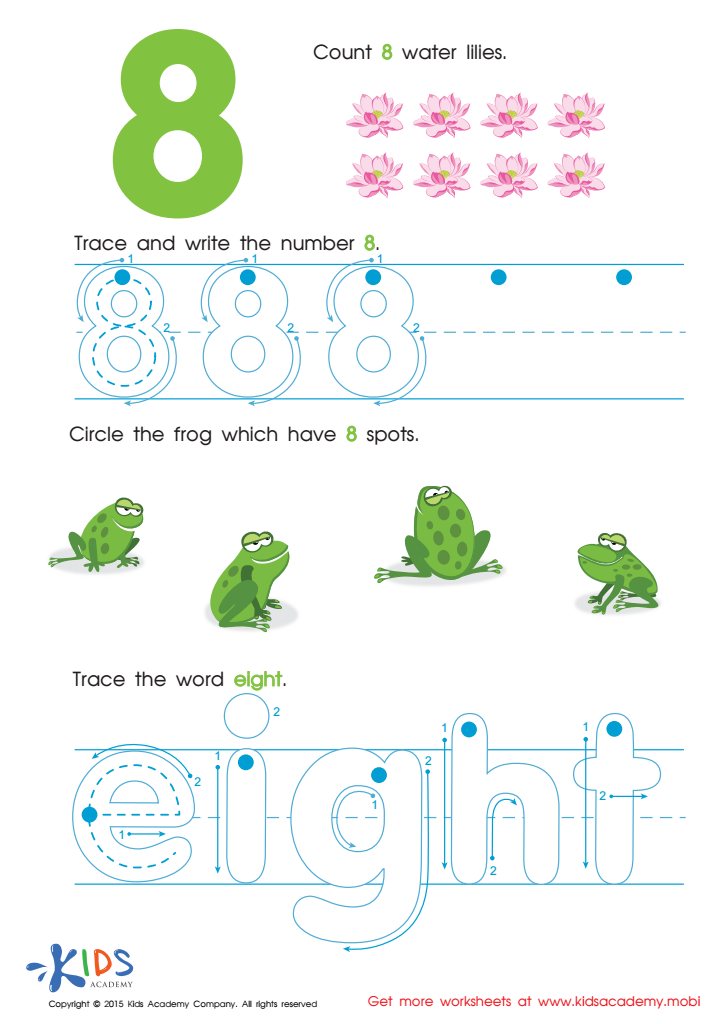
Learn Number 8 Easily Worksheet
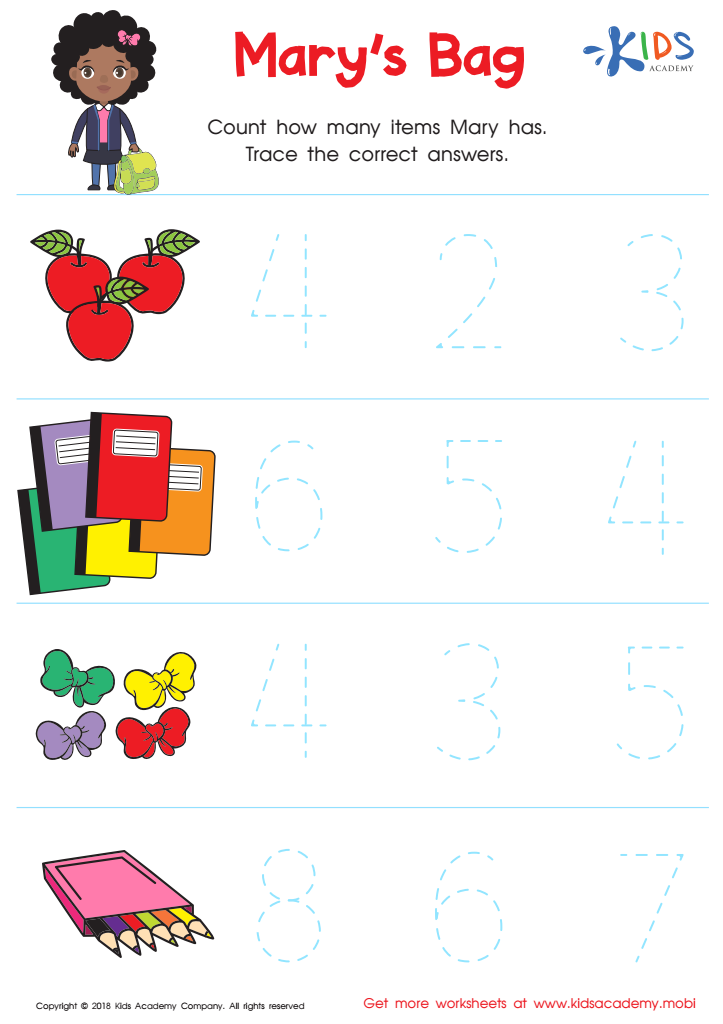
Kindergarten Number Tracing: Mary's Bag Worksheet
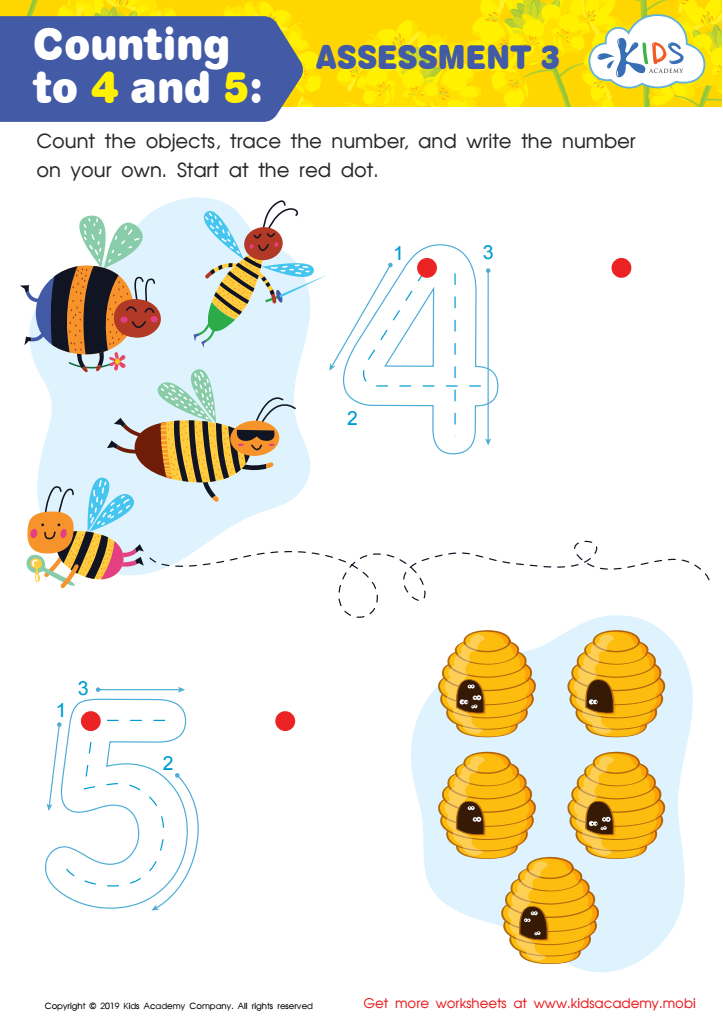
Counting to 4 and 5: Assessment 3 Worksheet
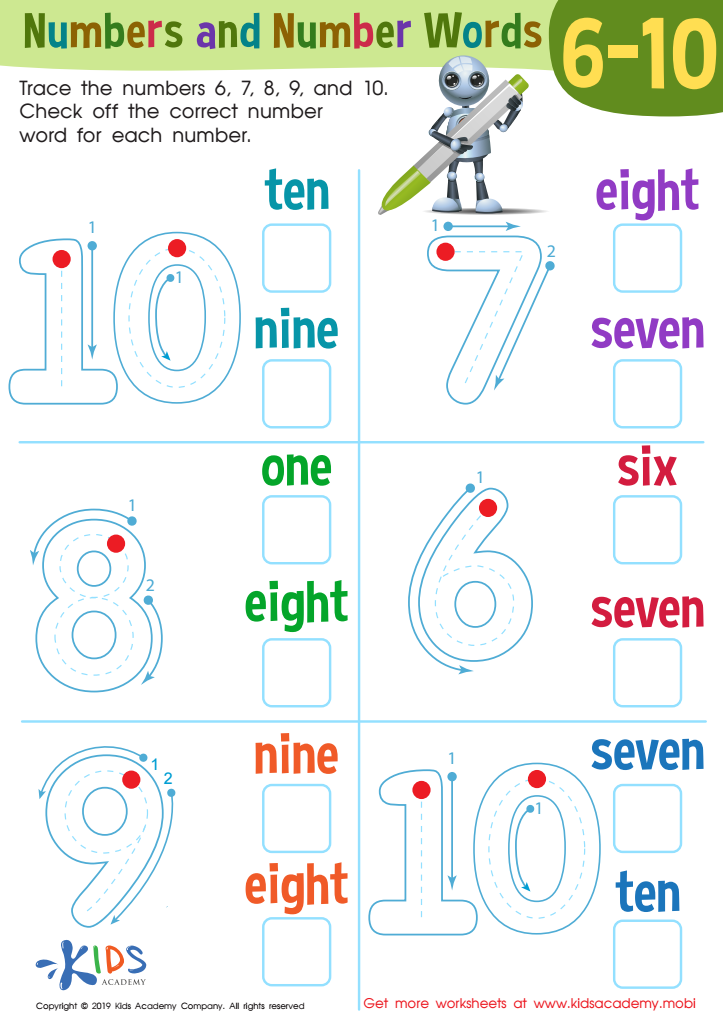
Numbers and Number Words 6–1 Worksheet
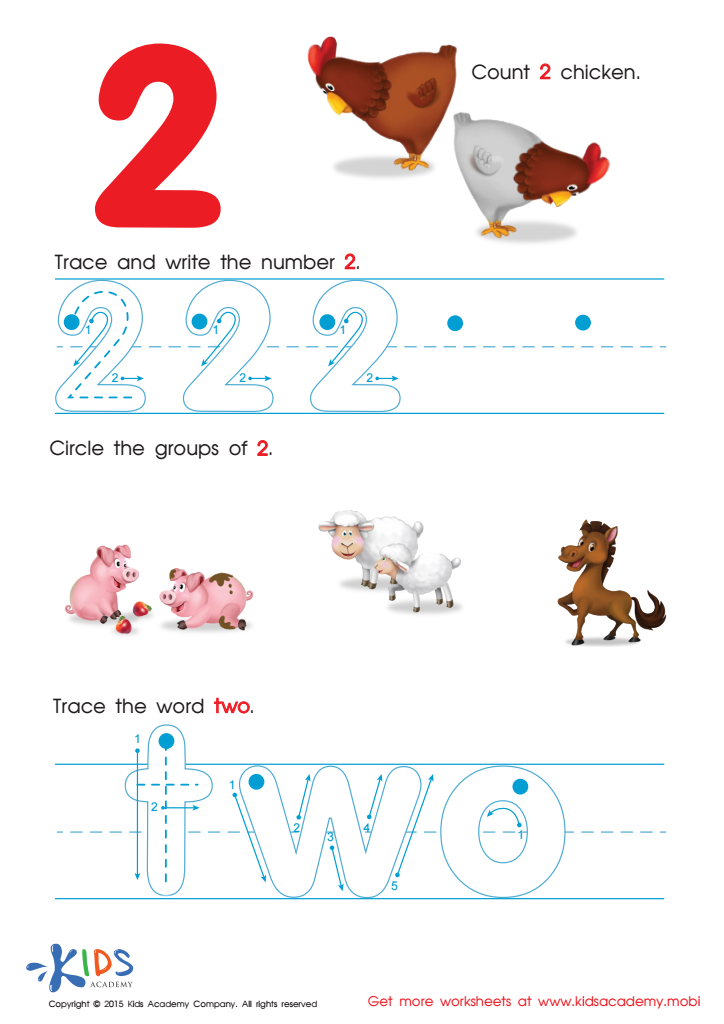
Learn to Write the Number 2 Worksheet
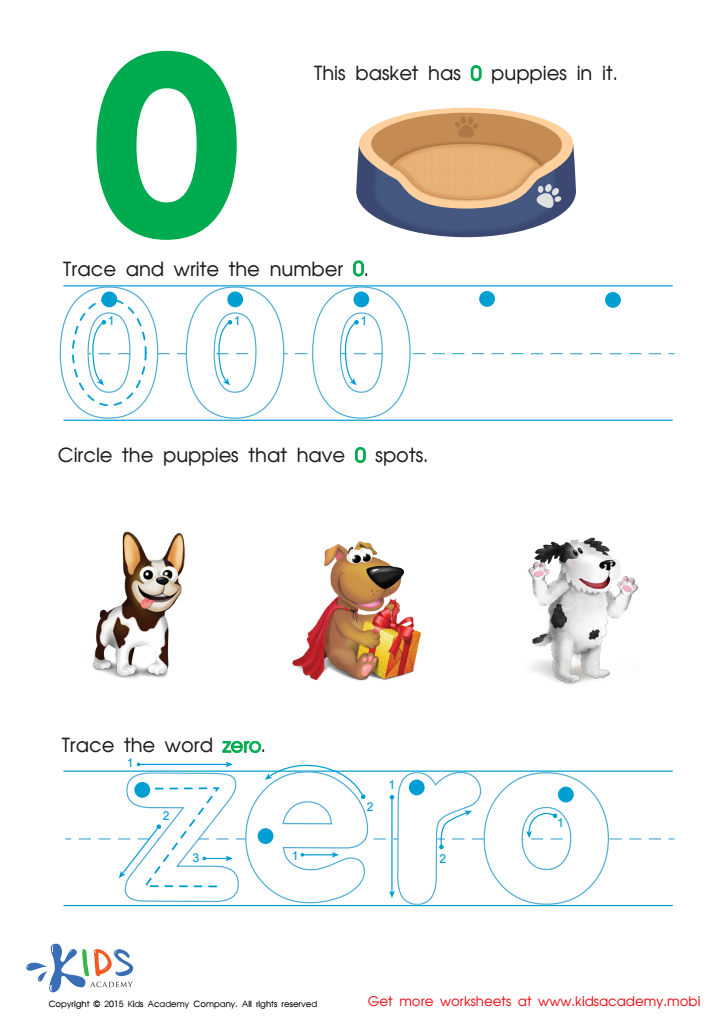
Trace And Write Number 0 Worksheet
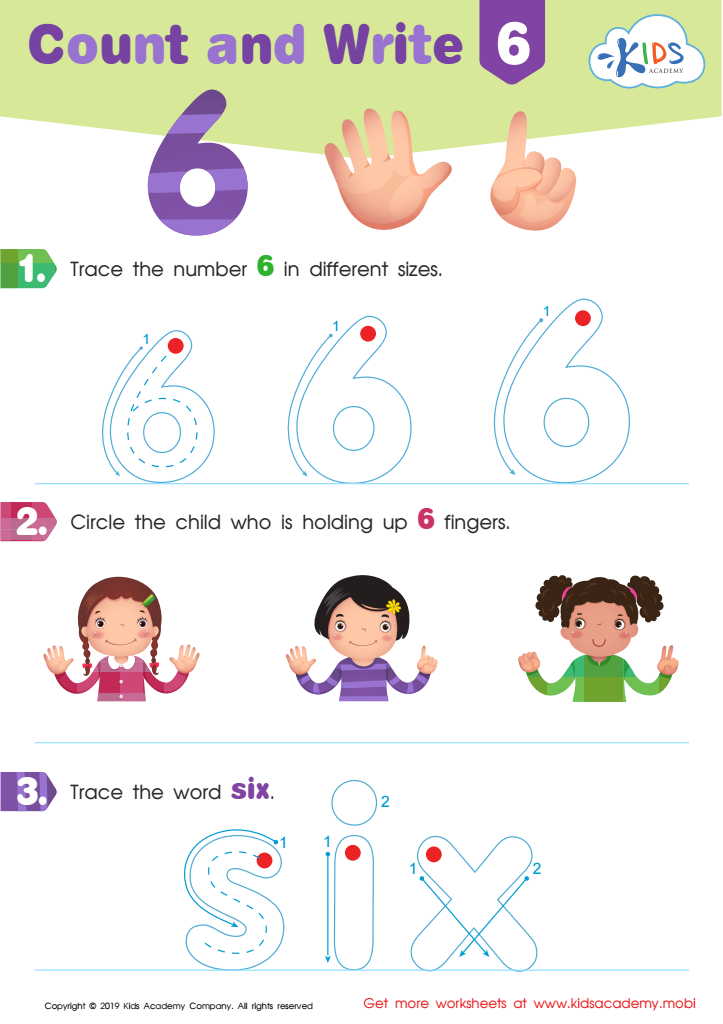
Count and Write 6 Worksheet
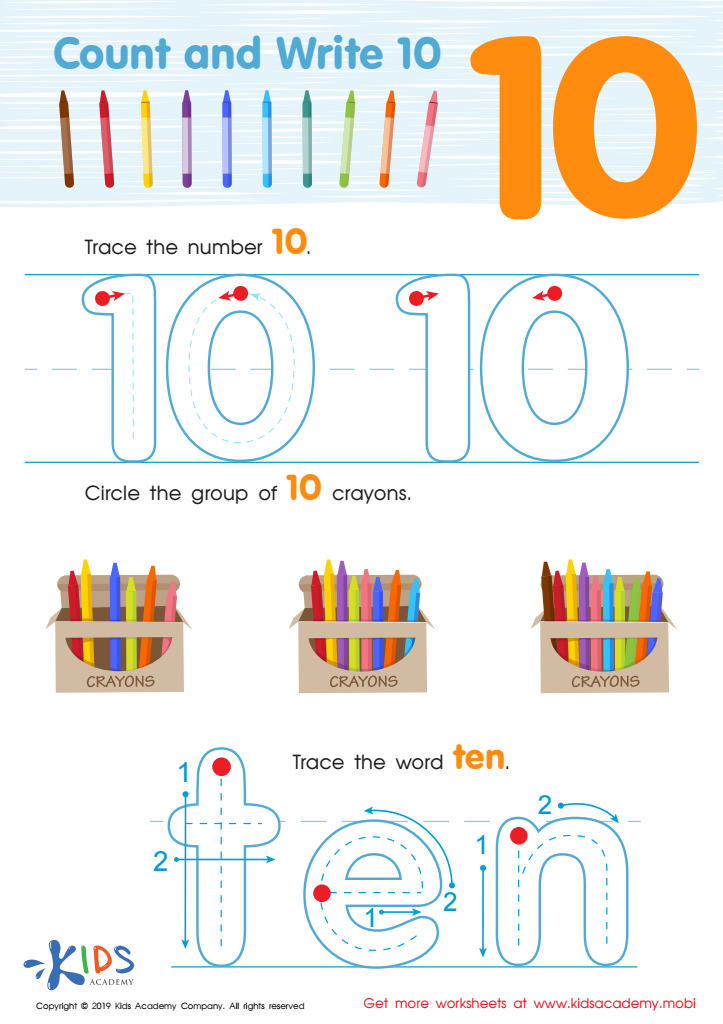
Count and Write 10 Worksheet
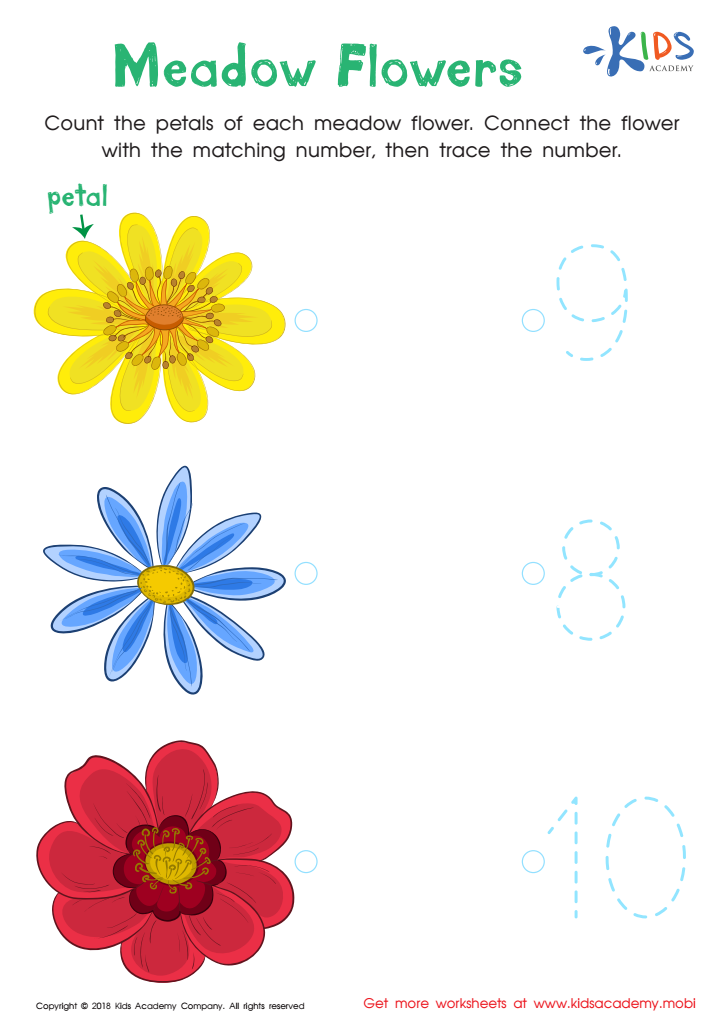
Kindergarten Number Tracing: Medow Flowers Worksheet








Parents and teachers should prioritize Number Recognition and Normal Tracing numbers for children ages 5-8 because these foundational skills form the basis of a child's mathematical understanding and numeracy development. Recognizing numbers is crucial as it enables children to comprehend basic numerical concepts, such as counting, addition, and subtraction, which are essential for their academic progression.
Tracing numbers, on the other hand, reinforces fine motor skills, ensuring children can write numbers correctly and legibly. This practice hones their hand-eye coordination, pencil grip, and handwriting, integral skills not only for mathematics but also for overall learning tasks. It also embeds muscle memory for number shapes, making it easier for children to recognize and reproduce numbers consistently.
Early mastery of these skills builds confidence in young learners, opening doors to more advanced mathematical concepts. Understanding and accurately writing numbers aids in problem-solving and critical thinking abilities, skill sets that are necessary across various subjects, promoting holistic educational growth.
For parents and teachers, focusing on these early math skills ensures children are well-prepared for more complex mathematical challenges ahead, facilitates smoother transitions between learning stages, and fosters a positive attitude toward mathematics, setting a foundation for lifelong learning and enthusiasm for the subject.