Story sequencing Normal Reading Worksheets for Ages 5-8
16 filtered results
-
From - To
Introducing our Story Sequencing Normal Reading Worksheets, expertly crafted for children ages 5-8 to boost reading comprehension and cognitive skills. These engaging worksheets guide kids through the essential steps of organizing and understanding narratives. By practicing sequencing, young readers enhance their ability to predict story outcomes, reinforce memory, and develop logical thinking. Tailored for early-grade learners, our printable resources transform reading into an interactive adventure, fostering a love for literature. Ideal for classroom and home use, these worksheets provide a solid foundation for your child’s reading journey. Start exploring today and watch your little one's confidence soar!
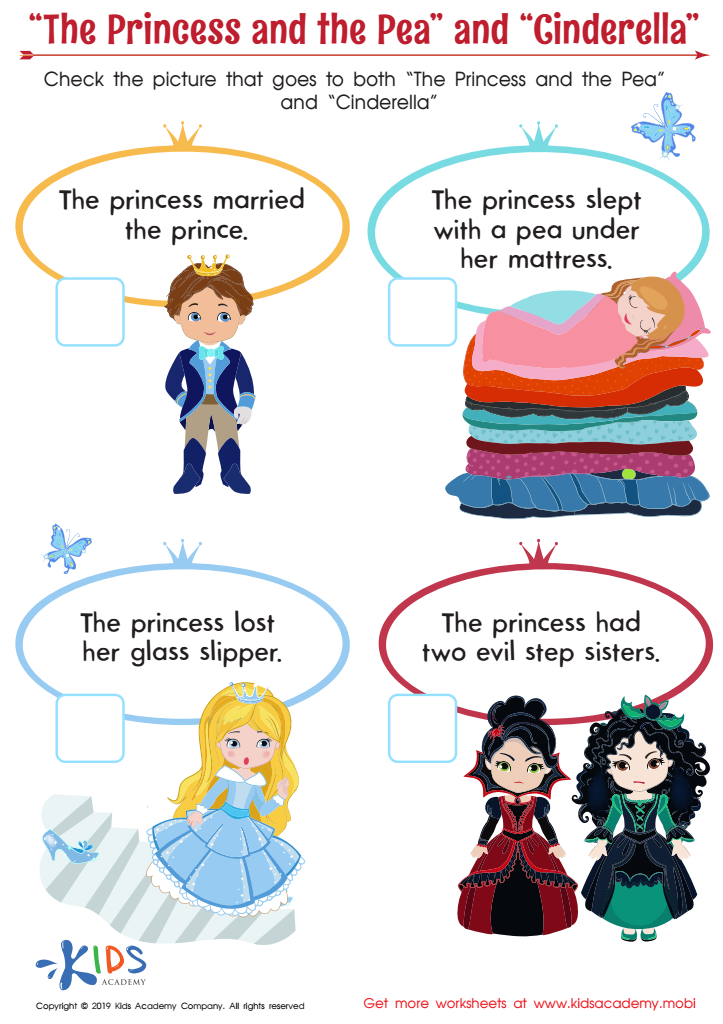
“The Princess and the Pea” and “Cinderella” Worksheet
 Assign to My Students
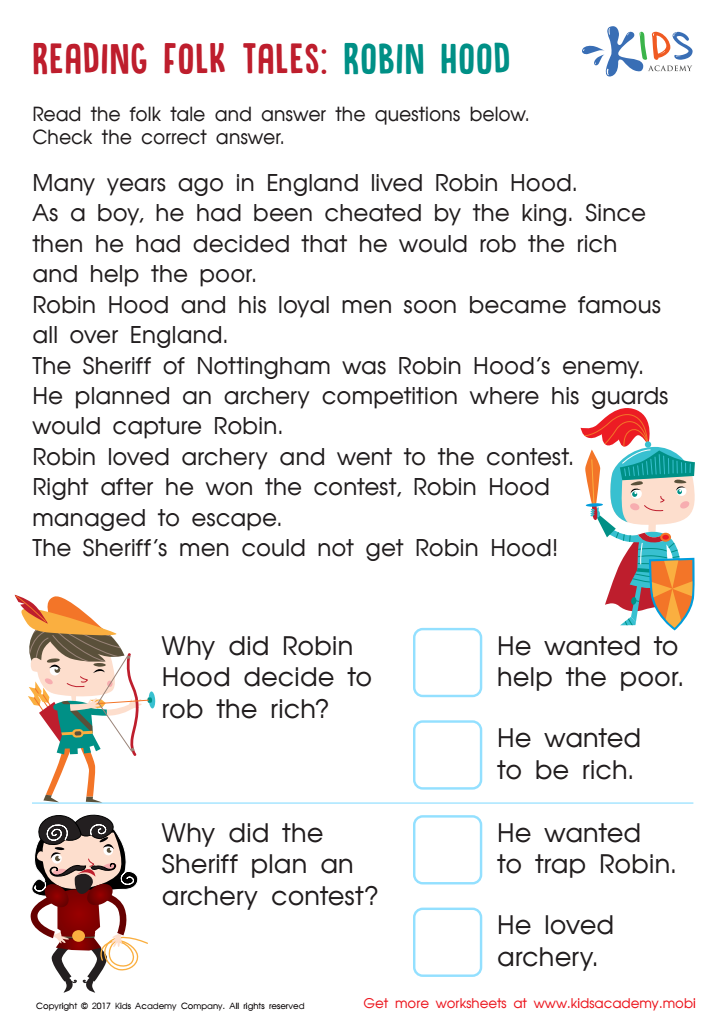
Robin Hood Folktale Worksheet
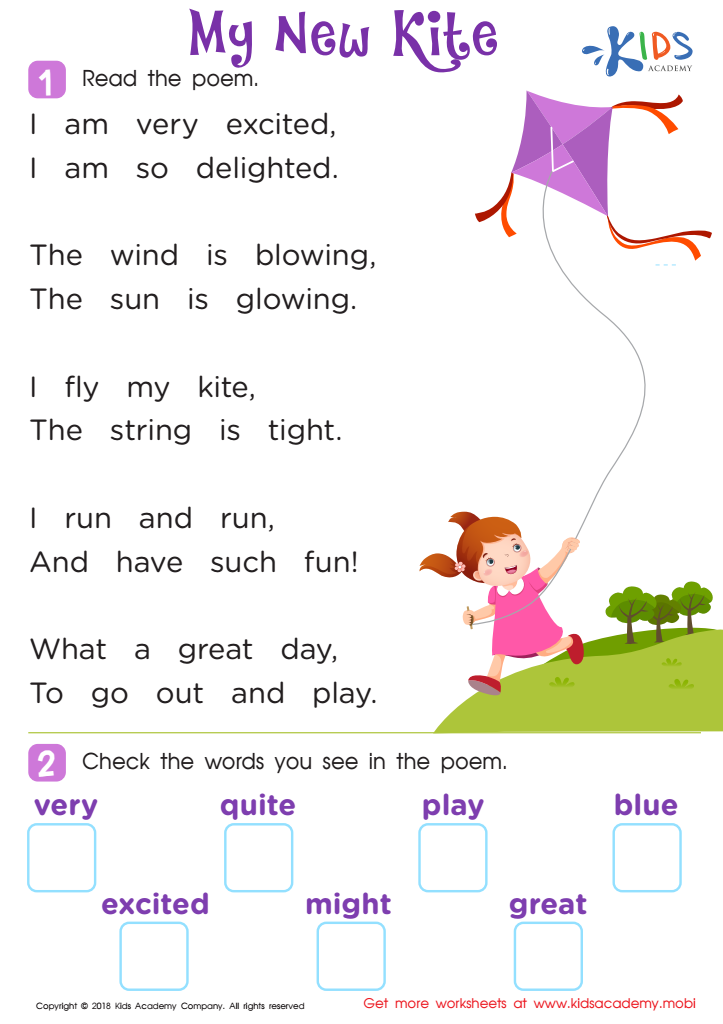
Poem: My New Kite Worksheet
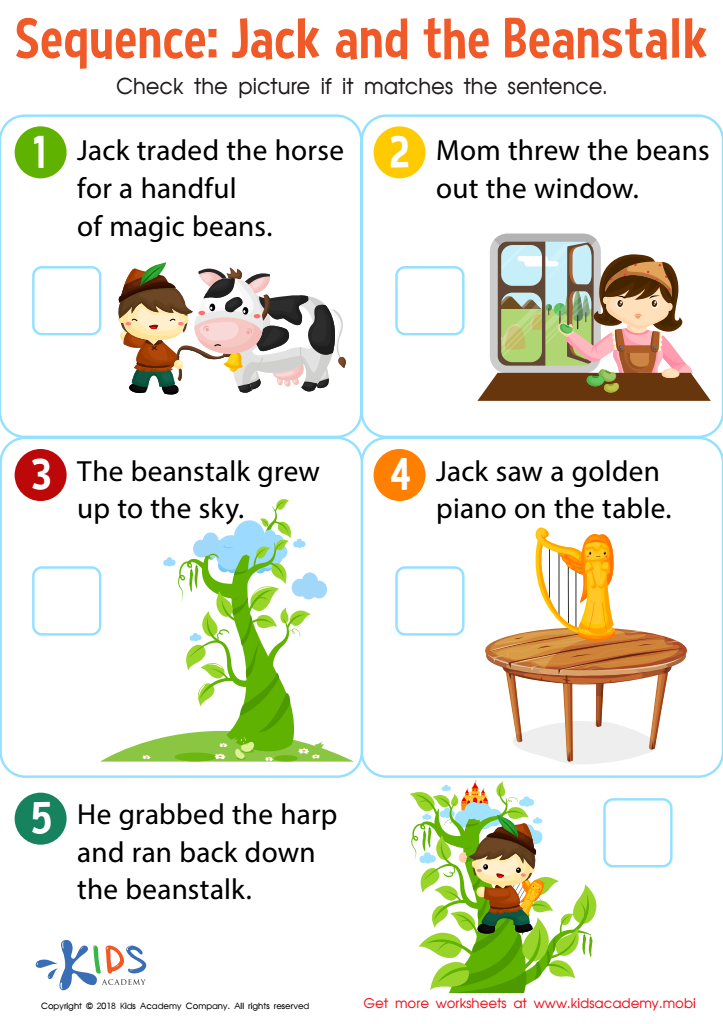
Sequence: Jack and The Beanstalk Worksheet
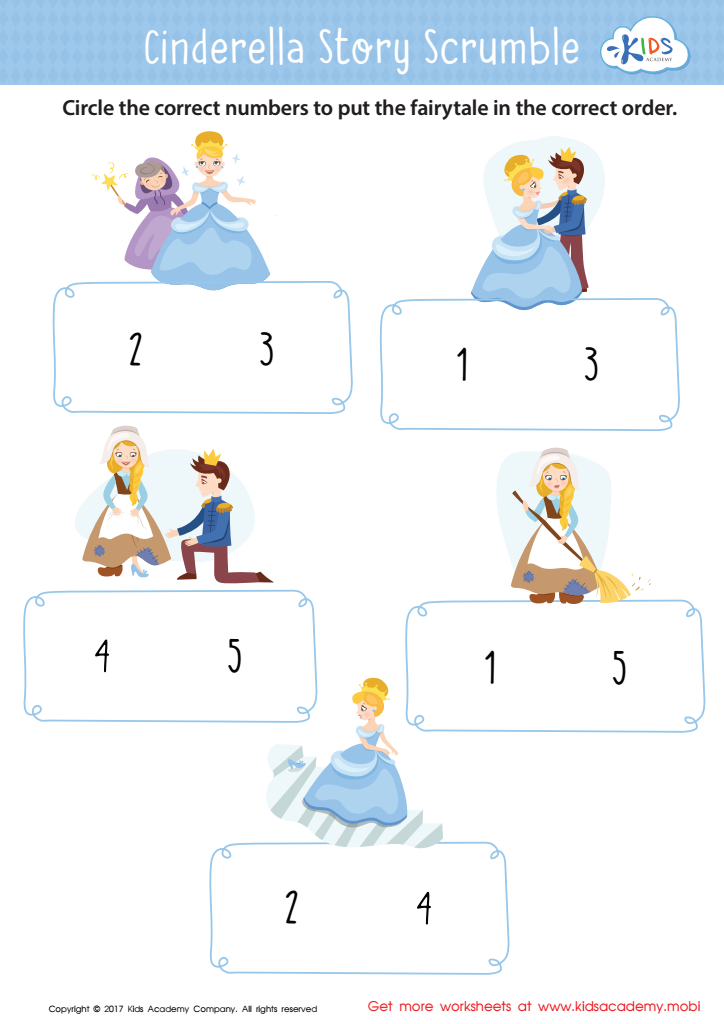
Cinderella Story Sequencing Worksheet
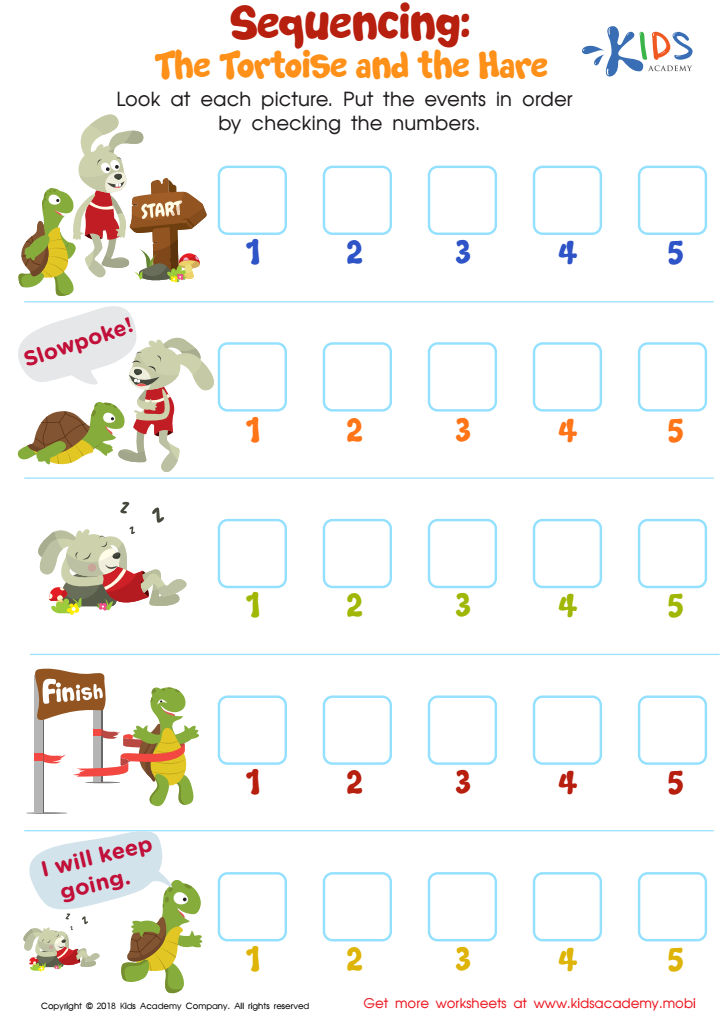
Sequencing: The Tortoise and the Hare Worksheet
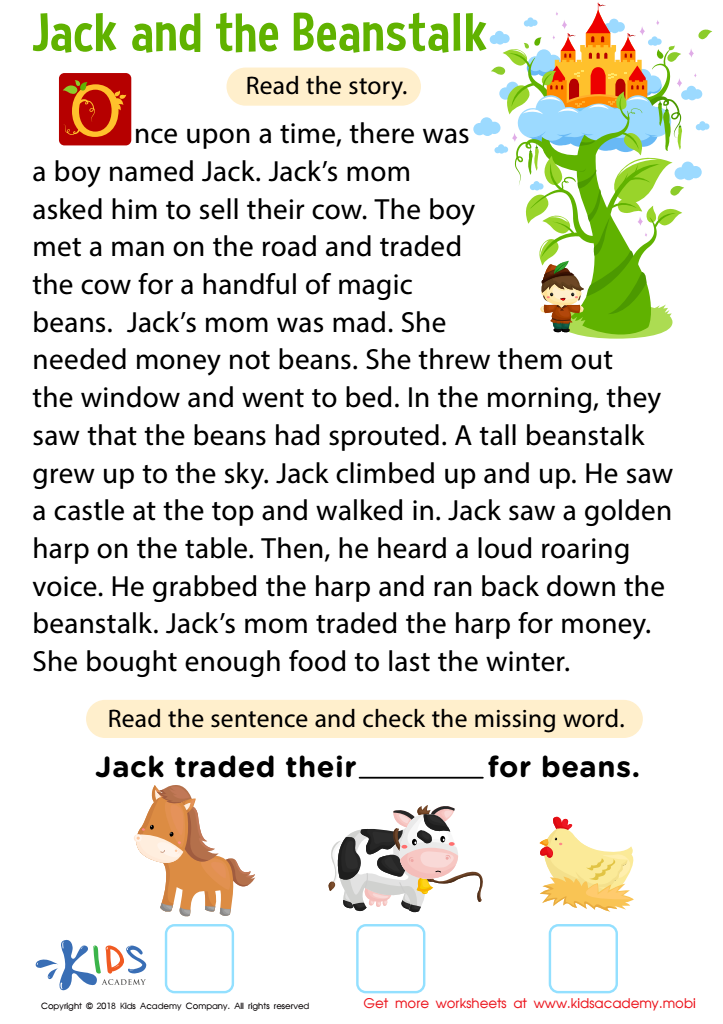
Jack and Beanstalk Worksheet
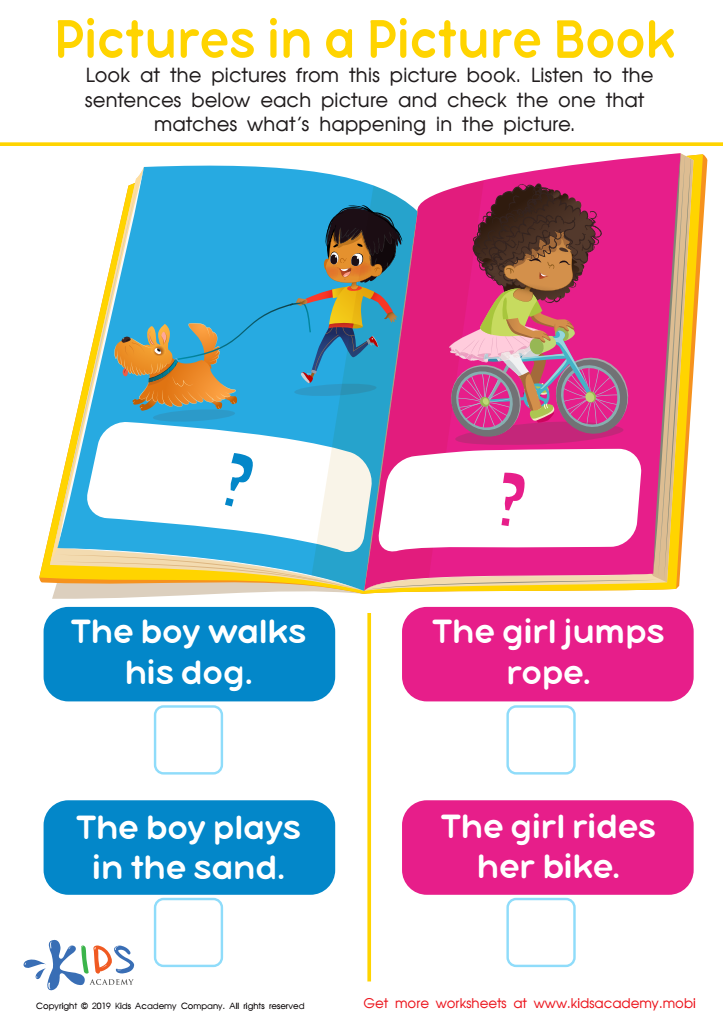
Picture in Books Worksheet
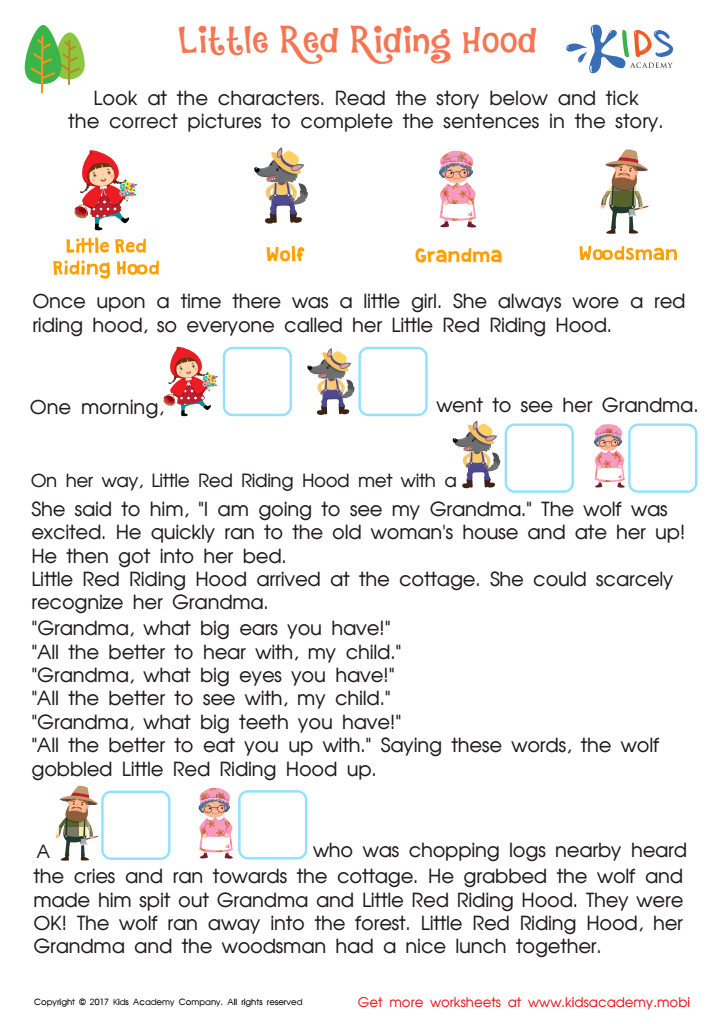
Little Red Riding Hood Printable
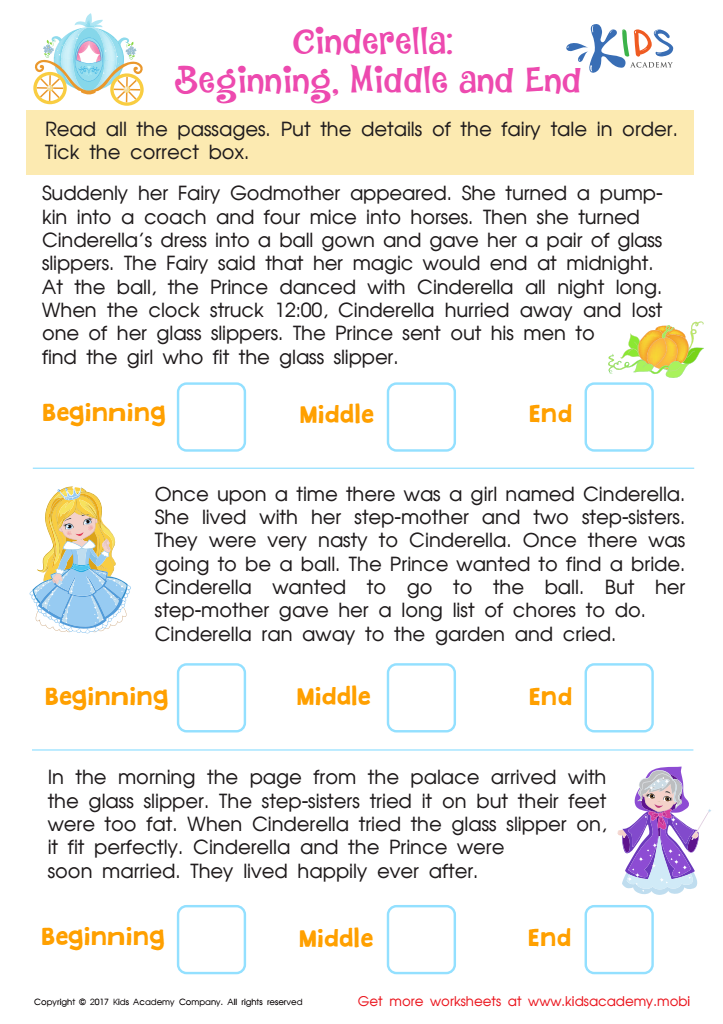
Cinderella: Beginning, Middle and End Worksheet
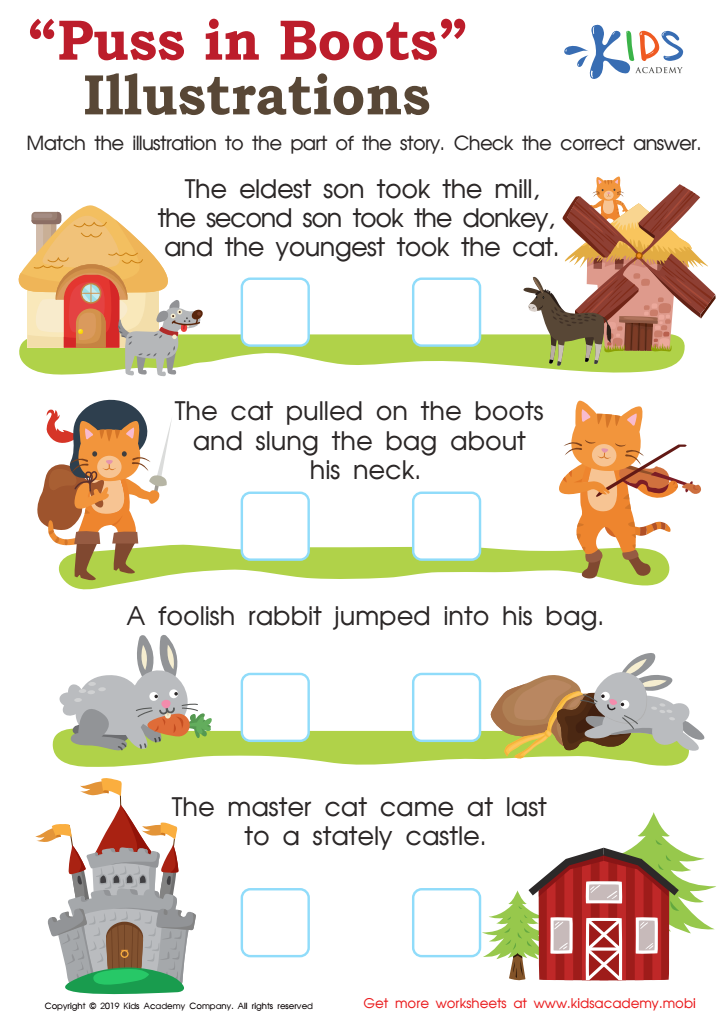
Puss in Boots Illustrations Worksheet
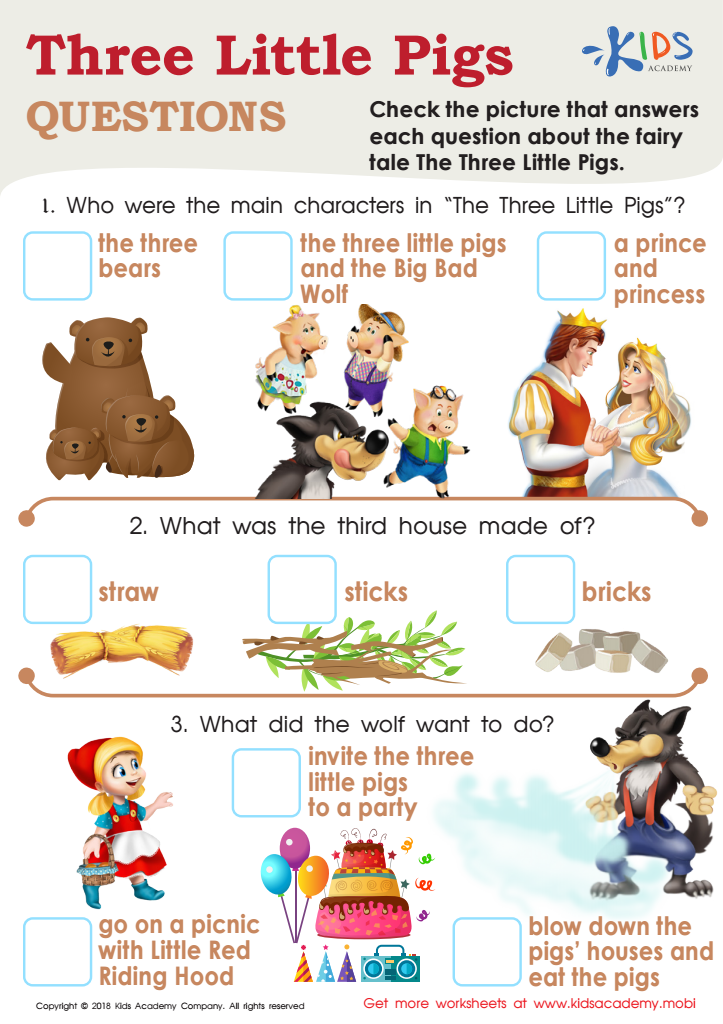
Three Little Pigs Questions Worksheet
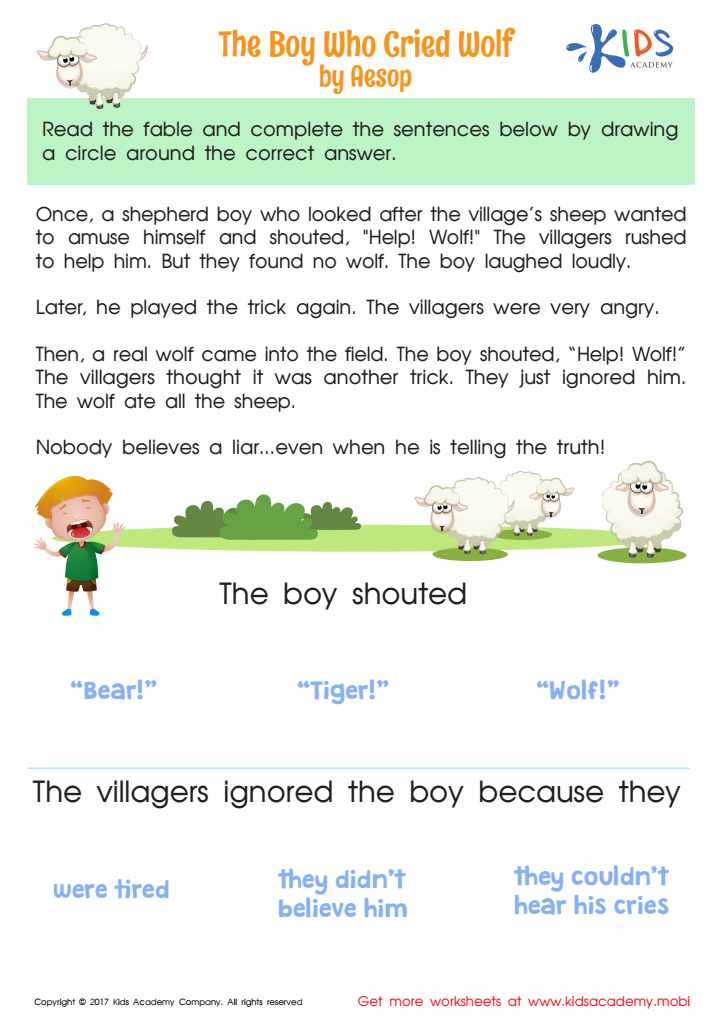
The Boy Who Cried Wolf Worksheet
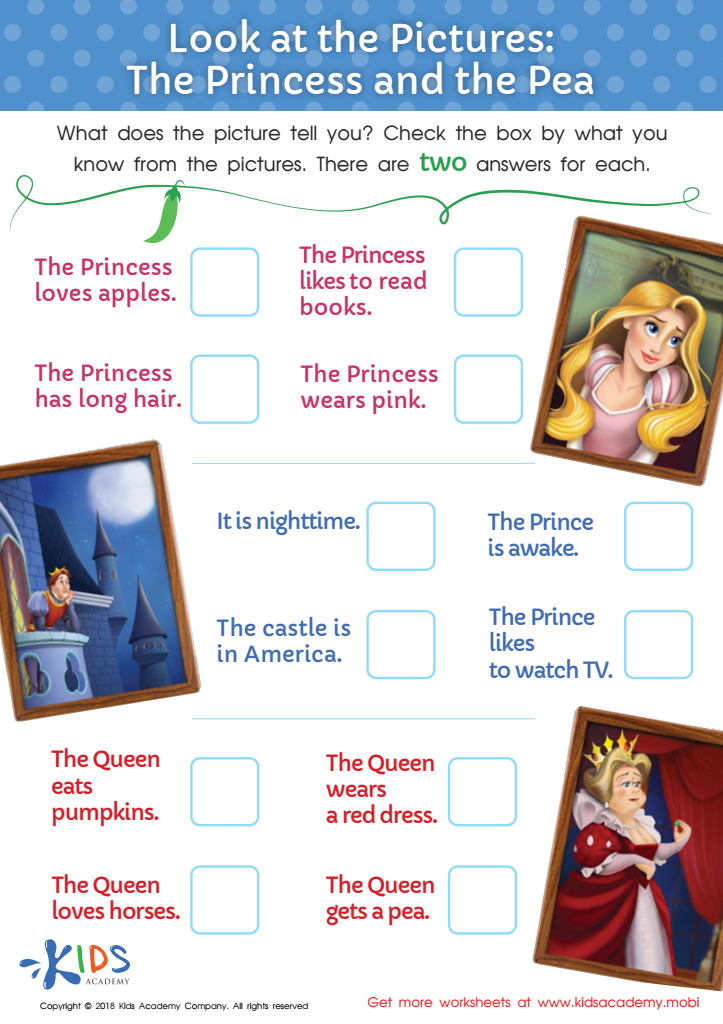
Look at the Pictures: The Princess and the Pea Worksheet
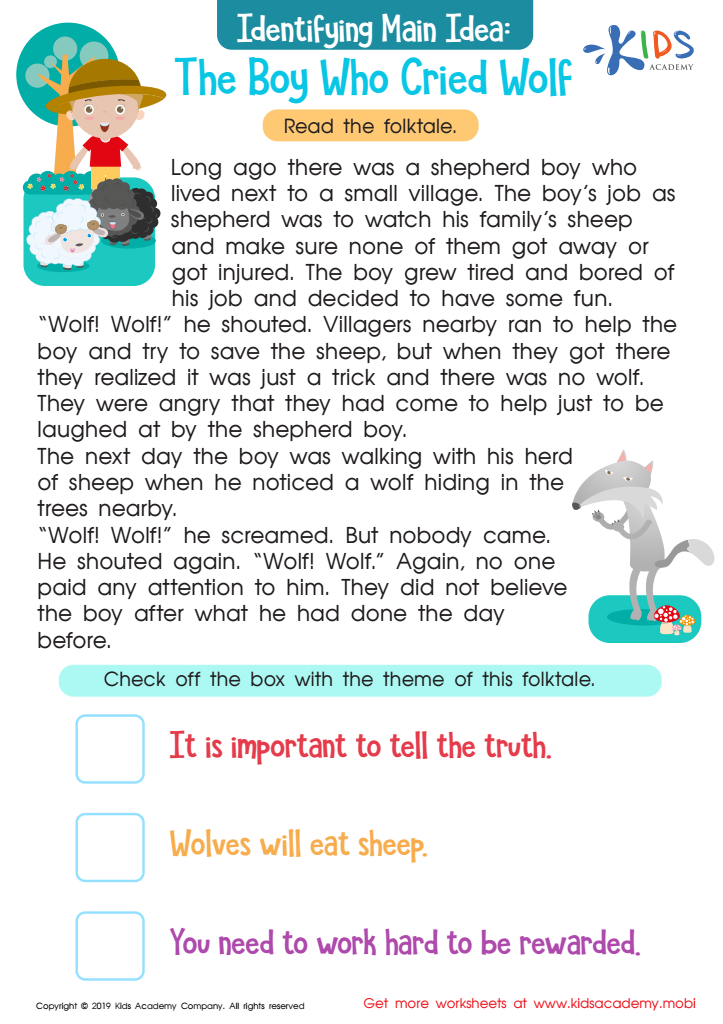
The Boy Who Cried Wolf Part 2 Worksheet
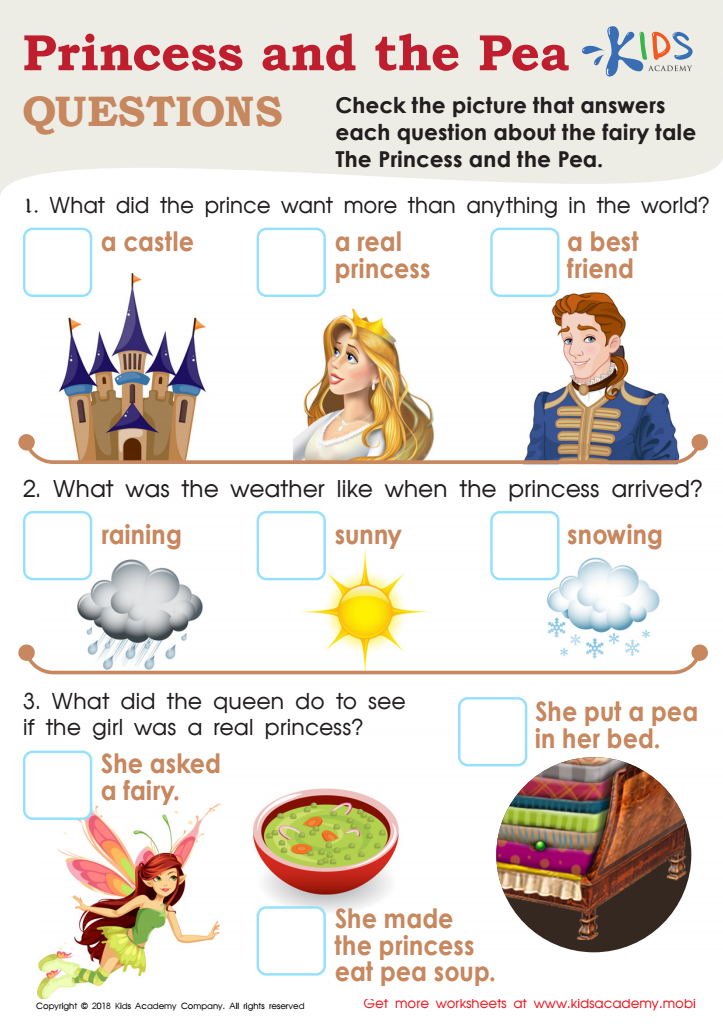
Princess and the Pea Questions Worksheet






Story sequencing is a foundational literacy skill that is crucial for children ages 5-8 because it helps them understand the structure of a narrative, enhances their comprehension, and promotes critical thinking. By putting the events of a story in order, children learn to identify the beginning, middle, and end, which aids in grasping the flow of a story and the relationships between events. This not only boosts their understanding but also makes reading more enjoyable and engaging.
Parents and teachers should emphasize story sequencing because it directly influences a child's ability to retell stories, summarize key points, and improve recall. It also lays the groundwork for more complex skills, such as identifying cause and effect and making inferences, which are vital for academic success across various subjects. Additionally, sequencing activities can strengthen a child's attention to detail and fine motor skills through interactive exercises, like placing pictures or sentence strips in order.
Practicing sequencing enhances vocabulary development and language skills. This is crucial because a rich vocabulary is strongly linked to reading comprehension. Encouraging children ages 5-8 to sequence stories also fosters independence and confidence in young readers, setting them up for a lifelong love of reading and learning. Parents and teachers play a pivotal role in nurturing these skills by incorporating sequencing exercises into daily reading routines.








